
Principal's Message
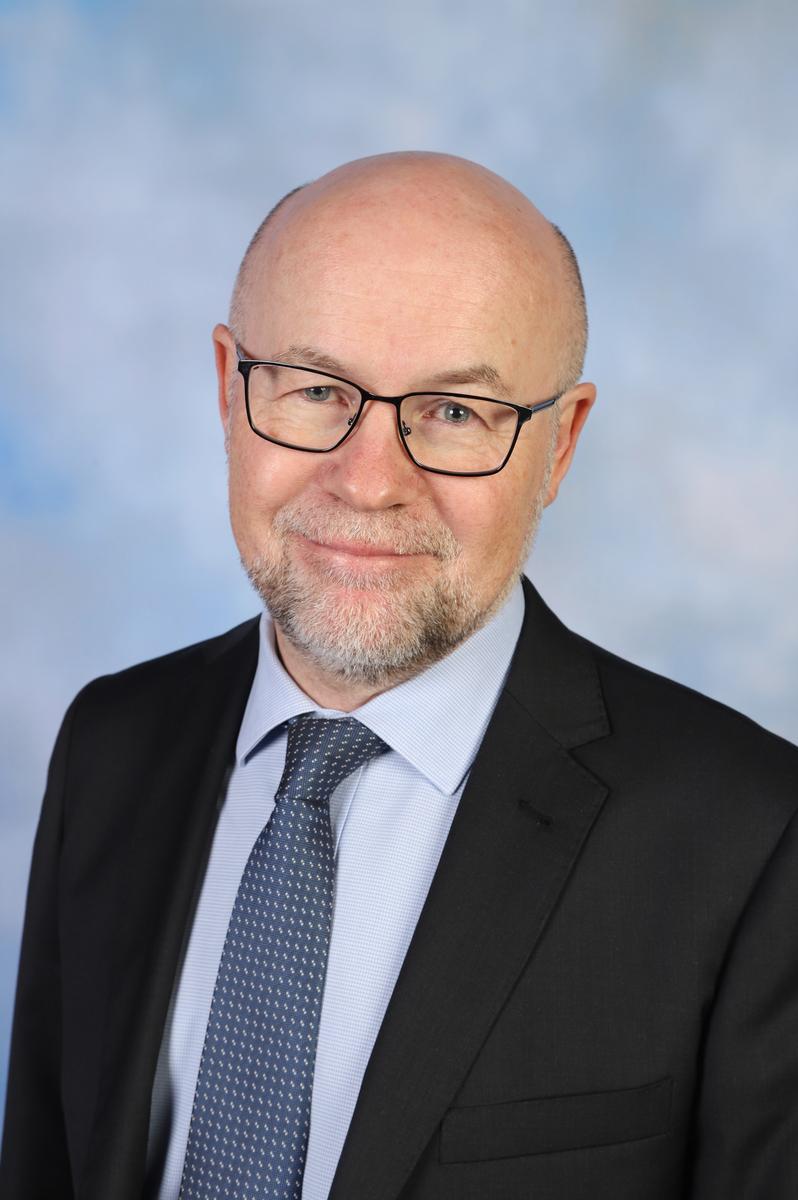
As we reach the end of Term 3, farewell our wonderful Year 12 students and wish them every success in their HSC exams, we can look back at a very productive and busy term. While there were many highlights and successes, I will personally single out the school musical, the selection and induction of our Senior Leadership Team, and the acknowledgement of the hard work and professionalism of two of our office staff – Michelle Kenney and Melissa Machin – who received the Executive Director’s Public Schools Recognition Award.
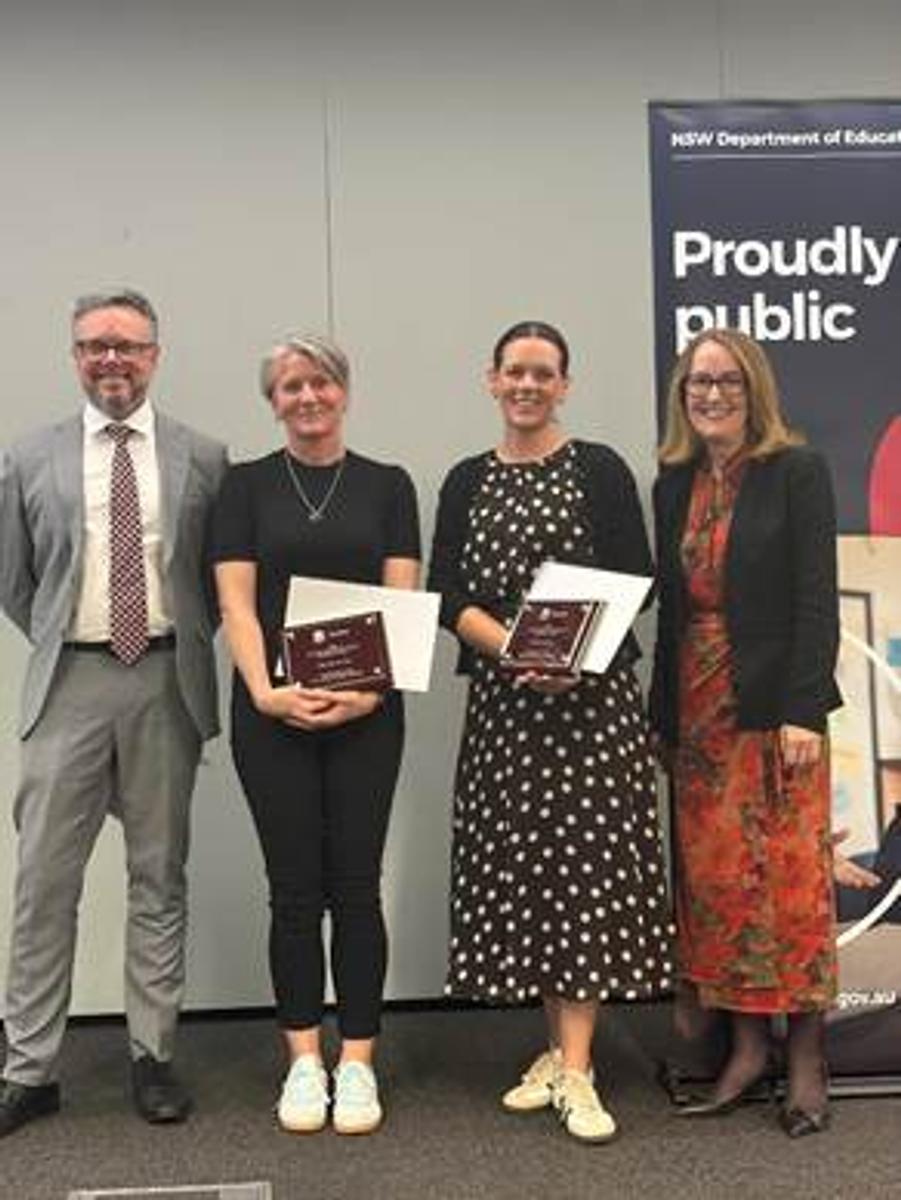
The Executive Director’s Public Schools Recognition Award provides an opportunity for us to acknowledge our School Administrative and Support staff. These staff are critical to the successful operation of our school and provide support for our students to maximise their learning and wellbeing outcomes.
New guidelines on screen use in NSW public schools
The NSW Government recently announced the introduction of new guidelines on screen use in NSW public schools and public preschools from Term 1 2027.We know that technology has an important place in modern classrooms, but evidence is growing about potential harm to student health, wellbeing and learning outcomes that can come with excessive screen use.These guidelines will support consistency of practice and encourage more of the purposeful technology use in schools.
What are the main changes?
This revised approach provides recommended maximum time students can spend on their individual devices, such as laptops, desktop computers and iPads:
- no individual student device use for children in public preschools
- up to 15 minutes a day for Kindergarten to Year 2
- up to 30 minutes a day for Years 3 and 4
- up to 45 minutes a day for Years 5 and 6
- up to 25% of lesson time per subject for Years 7 to 10
up to 50% of lesson time per subject for Years 11 and 12.
In all cases, these maximum usage times should be considered on average over one week. Homework requiring a digital device will not be recommended before Year 5.The guidelines will also include principles to guide quality screen use more broadly, such as:
- screens should only be used where they are better for learning than the alternative
- screens should not generally be used for recreational use
- screens should not be used as a reward for behaviour or for completing work
individual student devices should not be used in break time, except for supervised study.
There will also be exemptions for uses such as reasonable adjustments, translation and online delivery of curriculum.This change builds on the broader approach to reduce unnecessary digital distraction in young people's lives, aligning with the ban on mobile phones we introduced in Term 4 2023.
As we move into the 2027 school year, at Kellyville High School we will evaluate our recently introduced BYOD program and the extent to which students use their laptops in class. Considering that the school embarked on a BYOD+ approach – striking a balance between laptops and pen and paper – I anticipate that the new guidelines will not present a major challenge or a significant change to current practice.NESA rules on take-home assessment
From Term 4 2026 a maximum of one take-home assessment, worth no more than 15% of the school-based assessment mark, can be included in HSC courses. The same limit will apply to Preliminary courses from Term 1 2027.
The change will help protect student learning and uphold the integrity of the HSC by ensuring marks reflect a student’s own thinking and knowledge. Some courses with major works, projects or practical exams will be exempt from this rule.
Schools will still decide the number, type and weighting of all in-school assessment tasks.
NESA has made these changes to assessment rules to reflect the limits on take-home assessments for HSC courses. These changes include:
- Restricting schools to a maximum of one take-home assessment task per HSC course, worth no more than 15 per cent of the school-based assessment mark
- Schools must design formal assessment tasks to ensure marks reflect a student’s own work, and not their use of generative AI
For teachers in marking formal assessment tasks, that marks are awarded based on evidence of a student’s own work and not their use of generative AI.
Applying for leave – travel
I would again like to remind parents that children under the age of 17 must be at school every day, unless they are unwell. On occasion, students may go on family holidays or attend religious or cultural events, for example, during a school term. In the event that you are planning to travel during the school term, you must apply for Extended Leave – Travel for your child. This application ensures that all legal requirements are met and that I can, if travel is approved, issue your child with an official certificate. I would also like to emphasise that all applications for extended leave – travel, should be made at least 3 weeks prior to the intended date of travel. If an application is made late, it may not be approved.
The Extended Leave – Travel form can be found by following this link: https://kellyville-h.schools.nsw.gov.au/about-our-school/rules-and-policies.html