
Pastoral Wellbeing
Positive Behaviours Intervention and Support (P.B.i.S)
Be You- Wellbeing in Education.
What is Be You?
Be You is Australia’s national mental health and wellbeing in education initiative. Funded by the Department of Health, Disability and Ageing, it supports schools and early learning services to create inclusive, connected and mentally healthy learning environments.
Be You is led by Beyond Blue and delivered in partnership with Early Childhood Australia and headspace. This collaboration brings together trusted, sector-leading expertise across education, early childhood, and youth mental health.
St Francis’ PS Nathalia will utilise resources from Be You in 2026 through the Mental Health in Primary Schools initiative. For more information contact Mr Darren Ogier (MHiPS Leader) dogier@sfnathalia.catholic.edu.au

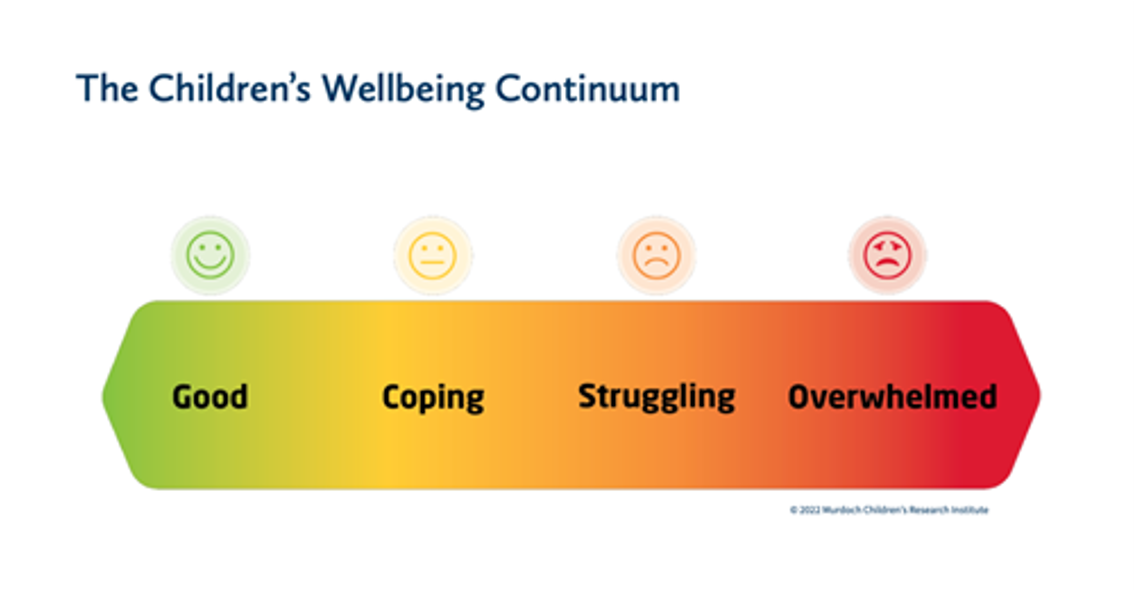
At St Francis' Primary School we will be teaching students how to user The Children's Wellbeing Continuum. At our last assembly, Mr Ogier talked about our emotions and how they can change- nothing is set or stays the same across any one day. With the Continuum posters in each room, students will be able to check in on how they are feeling and seek help where it may be required.
WORLD SLEEP DAY MARCH 13 2026
This is an annual global event to raise awareness about the importance of sleep and to promote healthy sleep habits. The official theme, “Sleep well, live better”, emphasizes the importance of the quality and quantity of sleep to physical, mental, and emotional growth and health.
How much sleep do children need?
Differing answers to this depending on where you look, but at the end of the day – more sleep is better than less sleep. 9 -12 hours is the general recommendation.
Why is sleep important for children?
- Cells regenerate and physical growth occurs
- Brain stores new things learnt to long term memory
- Brain cleanses and recalibrates
- Energy levels recharged
- Immune system reinforced
- Mood and focus enhanced
- How can you help your child get a better night’s sleep.
How can we help our children get a better night sleep?
There are a lot of things going on above that can make it harder for your child to go to sleep.
Some of the things that can assist in getting your child to sleep include
- Following a bedtime routine, which may include a bath, teeth/toilet, reading, a story, relaxing music and/or cuddles and compliments.
- Limit bright lights and blue light (from screens) for a period before bed.
- Aim for a regular sleep schedule
- Dark, cool, quiet environment
- Exercise in the afternoon can assist getting your child to sleep
- Food intake, avoid caffeine, starchy or sugar based before bed
Sleep is critical to all of our health and wellbeing, especially for young people. If your child is struggling with quality sleep over a period of time, seeking professional assistance would be advisable.
Mr.O