
Student Wellbeing & Mental Health
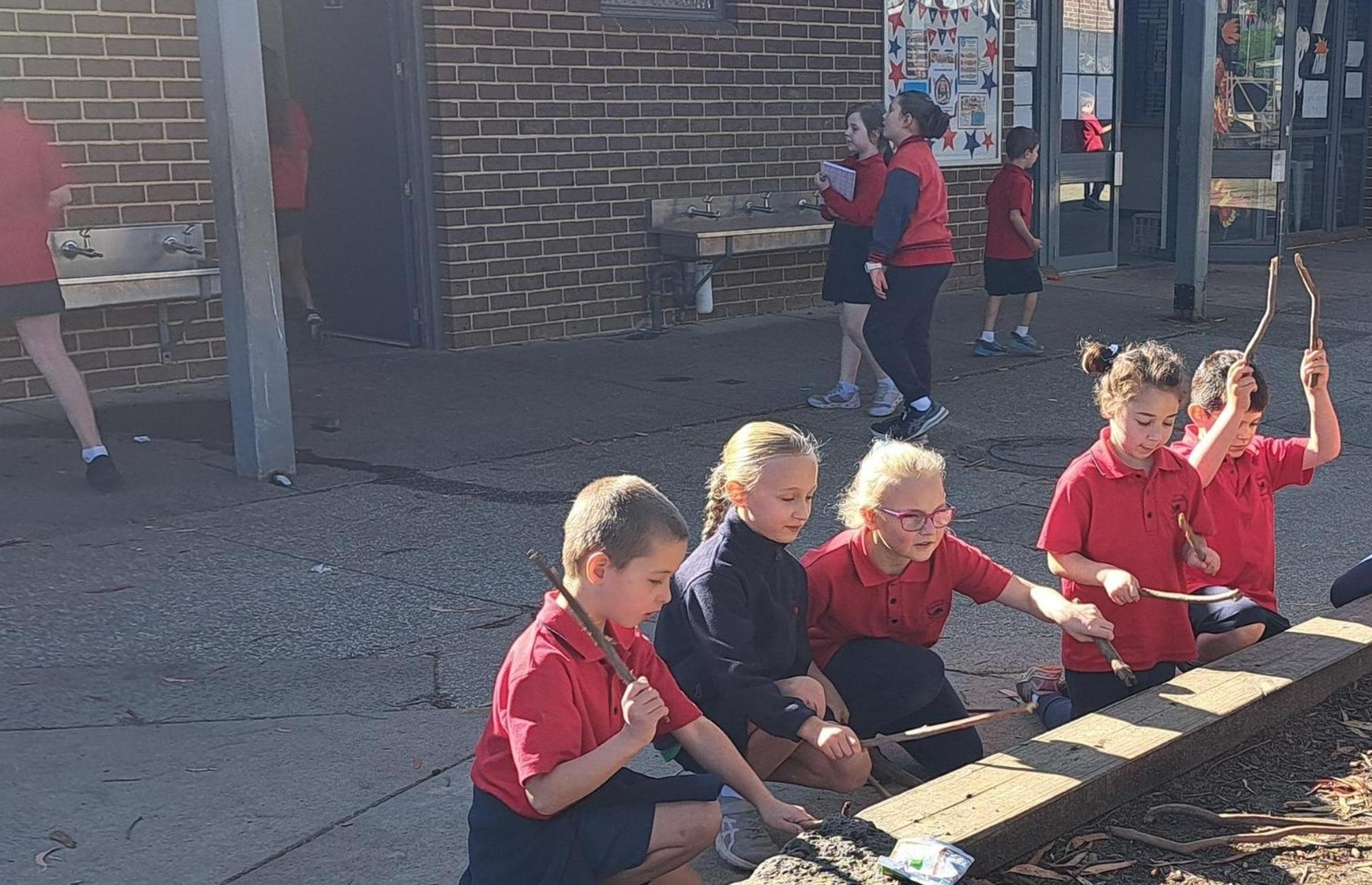
Helping Your Child Through Changes in Friendships
Friendships can be one of the most rewarding parts of childhood. They help children experience connection, belonging and shared interests. However, friendships also change as children grow, and this can sometimes bring confusion, conflict or feelings of exclusion.
The Friendology program reminds us of four helpful friendship facts: no friendship is perfect, every friendship is different, trust and respect are essential, and friendships change, and that is okay.
Why friendships change
Children’s interests, confidence and emotional needs develop over time. They may join a new activity, meet someone with shared interests or discover that an existing friendship no longer feels comfortable. Changes can also happen after holidays, during a new school year or when children move classes.
For all children, friendship changes may feel unsettling. Predictability, clear explanations and opportunities to connect through shared interests can make these transitions easier.
Supporting big feelings
A friendship difficulty may leave a child feeling sad, angry, worried, rejected or lonely. Before trying to solve the problem, help your child feel heard and supported.
You can:
- Listen without immediately correcting or offering solutions.
- Name and validate the emotion: “It sounds like you felt left out.”
- Allow time for strong feelings to settle.
- Ask whether your child wants comfort, ideas or simply someone to listen.
- Return to the conversation later when everyone is calmer.
Helping children make connections
Shared interests provide a natural starting point for friendship. Sport, art, music, gaming, construction, books or community activities can help children meet others in a setting that feels meaningful.
Children may also need explicit support to:
- Join a game or activity.
- Suggest something to do together.
- Take turns and listen.
- Manage disagreements.
- Repair a friendship after something has gone wrong.
You might practise phrases such as, “Can I join in?”, “Would you like to do this with me?” or “Can we work out what happened?” The goal is not to make every child socialise in the same way, but to help them communicate and connect authentically.
Healthy and Unhealthy Friendships
The Friend-o-Meter is a useful way to help children notice how friendships make them feel. Healthy friendships generally include trust, respect, shared enjoyment and space for both people’s needs. Unhealthy friendships may involve repeated pressure, control, fear, exclusion or one-sided expectations.
Occasional disagreements are normal. Friendology describes these as ‘Friendship Fires’: problems that can often be addressed through calm, respectful communication. This is different from ‘mean-on-purpose’ behaviour, such as repeated bullying, intimidation or deliberate harm.
If difficulties continue, involve a trusted adult. Speak with your child’s teacher and share specific examples of what is happening, whether it occurs in person or online, and what support may be needed. Children should not be expected to manage ongoing bullying or exclusion alone.
Jealousy, exclusion and online friendships
Children may feel hurt when friends spend time with other people. Help them explore what they noticed, what they think it means and whether there might be another explanation. Encourage them to maintain a range of interests and connections rather than placing all their wellbeing in one friendship.
Online communication can intensify these feelings. Photos, messages and group chats may create the impression that everyone else is included. Social media can also encourage comparison and increase feelings of inadequacy.
Talk openly about what your child sees online, review privacy and communication settings together, and take a break from platforms that are increasing distress. Seek help if online behaviour becomes threatening, humiliating or persistent.
What makes a good friend?
Children can be encouraged to practise:
- Listening and showing interest.
- Respecting boundaries and personal space.
- Taking turns and accepting different interests.
- Apologising and repairing harm.
- Saying “no” respectfully.
- Asking for help when a problem feels too big.
Friendology’s idea of being a ‘Friendship Ninja’ is a helpful way to frame these skills: children can learn to stand up for themselves while still treating others with respect.
Supporting friendship changes
When your child feels that their friendships Talk about what might change, maintain important connections where appropriate and identify a trusted adult they can approach.
A simple plan can help: who might they sit with, where can they go during break, and what can they do if a friendship problem arises? Predictability is particularly reassuring for children who find change or social uncertainty difficult.
Friendships are a journey. Our role is not to prevent every disappointment, but to listen, teach practical skills and help children recognise relationships built on safety, trust and respect.
Further support
Families can find information about childhood friendships (https://raisingchildren.net.au/school-age/behaviour/friends-siblings/friends-faqs).
Online safety resources are available from the https://www.esafety.gov.au/parents/resources).
https://raisingchildren.net.au/school-age/behaviour/friends-siblings/friends-faqs
Anglicare Parentzone Newsletter - Parenting in the East What's On Term 3 2026
News and information on programs, services, groups and events to support parents across the Eastern Region of Melbourne. Some of the upcoming (and free!) programs for Term 3 include Tuning in to Kids, Talking Teens, Dads Matter, Emotion Focussed Parenting & the Strengthening Parents Support Program (for parents & carers of children with a disability, developmental delay or neurodivergence - including ASD, ADHD & AuDHD) -
Online Safety - ESafety Commissioner - Free Webinars for Parents and Carers
These live webinars give parents and carers the knowledge, skills and tools to support their children to have safer online experiences.
Michelle Mitchell's 'Friendship Smart Hub'
From Michelle (about Friendship Smart Hub) - Consider this a place for the additional thoughts, deeper insights, and pieces that didn’t make it into my new book Friendship Smart, but still matter deeply to me. Some of them will be background thoughts and others will be practical tools you can use with your kids.
Here you’ll find a short series of podcast episodes, supplementary resources, blogs and upcoming resources to support you in the everyday moments at home.
You know how much I love your tweens and teens, so here you will be able to sign up to make you don’t miss out on what I have in store for them. When you have shared language this content will be even more powerful. Friendship Smart is coming to them too!
Podcasts of Interest
Pop Culture Parenting - Pop Culture Parenting — Guiding Growing Minds
Well, hello Anxiety - Podcast - Dr. Jodi Richardson
Parental as Anything - Parental As Anything with Maggie Dent and Bec Sparrow - ABC listen
The Imperfects - The Imperfects Podcast
ParentZone Pods
Podcasts for parents, carers and those who support others with their parenting. The ParentZone Teams are delighted to bring you TWELVE ParentZone Pods. Each Pod identifies and explores common issues parents bring to our parenting groups and offers strategies to try in these situations.
Podcast Series 1
Episode 1: Family Meetings
Episode 2: Dealing with Anxiety
Episode 3: Sibling Rivalry
Episode 4: Getting Children to Listen
Episode 5: How to Respond to Kids' Behaviour
Episode 6: How to Stop Yelling at your Kids
Podcast Series 2
Episode 1: Positive Discipline
Episode 2: School Refusal
Episode 3: Parenting our Teenagers
Episode 4: Meltdowns vs Tantrums
Episode 5: Couples Parenting Together
Episode 6: Dads Parenting Today
ParentZone Pods can be found on our website, Apple and via Spotify