STEM News
Dear fellow scientists,
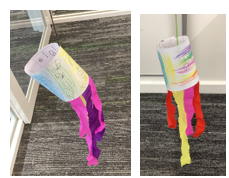
Students are learning to follow instructions to safely create a windsock. They are developing important skills by following step-by-step instructions, using equipment safely, and returning any unused materials to the teacher. This activity is helping students build responsibility, independence, and confidence while creating their designs. Have a go at home and make your very own windsock by following this video: https://www.youtube.com/watch?v=slkNsFYvvHM
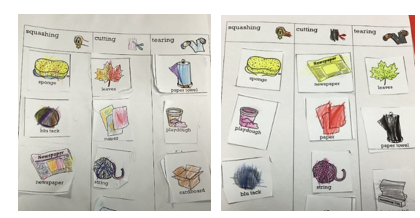
Grade 1 students are learning to identify and sort materials by what they can squash, cut, and tear. Students are demonstrating their understanding by cutting and pasting materials into the correct categories, such as leaves, sponge, newspaper, aluminum foil, paper, paper towel, playdough, cardboard, string, and Blu-Tack. This hands-on activity is helping students develop their knowledge of material properties while practicing safe use of scissors and building fine motor skills.
Grade 2 students are learning to define different types of mixtures. Students are developing their understanding by describing what a mixture is and identifying different mixtures in everyday life. This learning is helping students recognise how materials can be combined and how mixtures are all around us. Watch this video on mixtures and separations: https://www.clickview.net/primary/videos/7334569/mixtures-and-separations?context=widget&contextId=145309871045115904
Grade 3 students are learning how to describe how liquids and solids respond to changes in temperature. Students are developing their scientific understanding by using correct vocabulary to describe what happens when materials are heated or cooled. They are also identifying images that represent melting and solidifying through a candle and chocolate melting investigation. This learning is helping students understand how materials can change between solid and liquid states when their temperature changes. Watch this video on changing state of matter: https://www.youtube.com/watch?v=oIYyeFhZ7eE
Grade 4 students are learning to represent the different climate zones around the world. Students are developing their understanding by colouring the different climate zones and including a key to show what each colour represents. This activity helps students build their mapping skills and deepen their knowledge of global climate patterns. Watch this video on Weather vs. Climate: Crash Course Kids: https://www.youtube.com/watch?v=YbAWny7FV3w
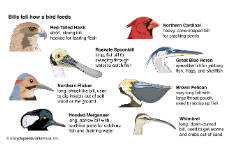
Grade 5 students are learning to demonstrate science inquiry skills when performing investigations. Students are following guidelines to support their learning and are responsibly carrying out experiments in groups. This helps them build teamwork, communication, and scientific thinking skills while completing hands-on investigations, including testing which “beak” is most effective using chopsticks and tongs.
Grade 6 students are exploring the positive and negative impacts of volcanoes on the Earth’s surface. Students are learning to describe how volcanoes can create new land and enrich soil, as well as the damage they can cause to environments and communities. They are also using evidence to justify whether volcanoes can be considered “creators.” This learning is encouraging students to think critically and use scientific evidence to support their ideas. Watch this video https://www.clickview.net/primary/videos/21144224/dangers-and-benefits-of-volcanoes?context=series&contextId=11644201 about the positive and negative effects of volcanoes.
STEM team