Careers Update

VCE Camp
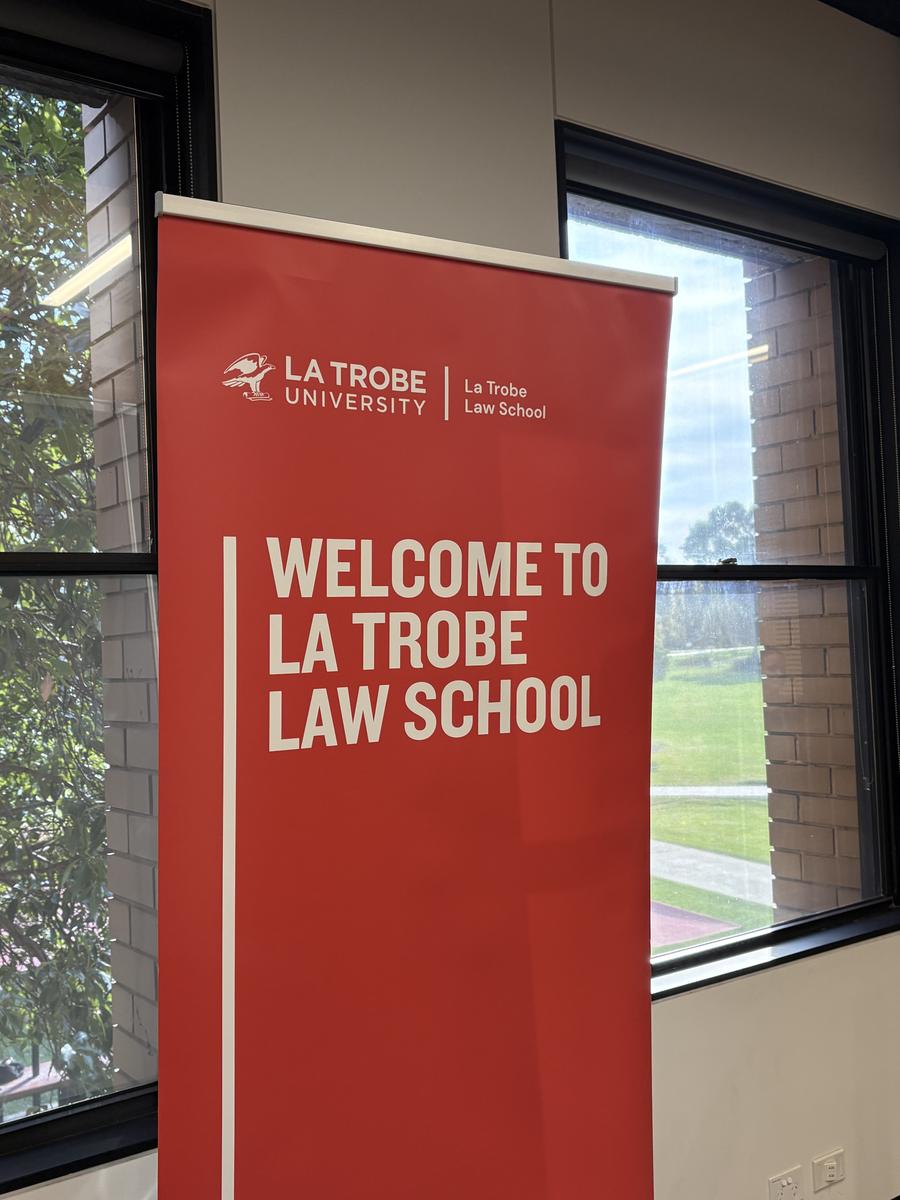
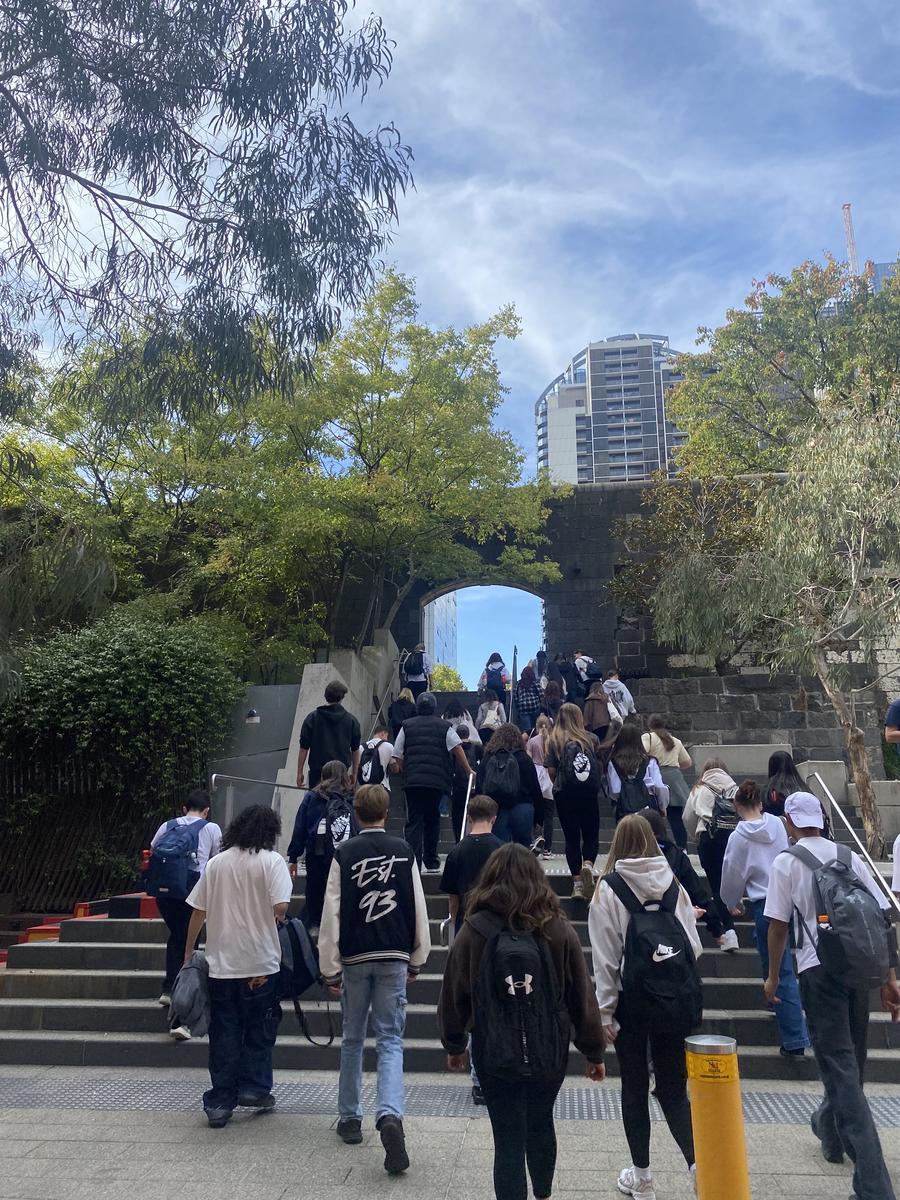
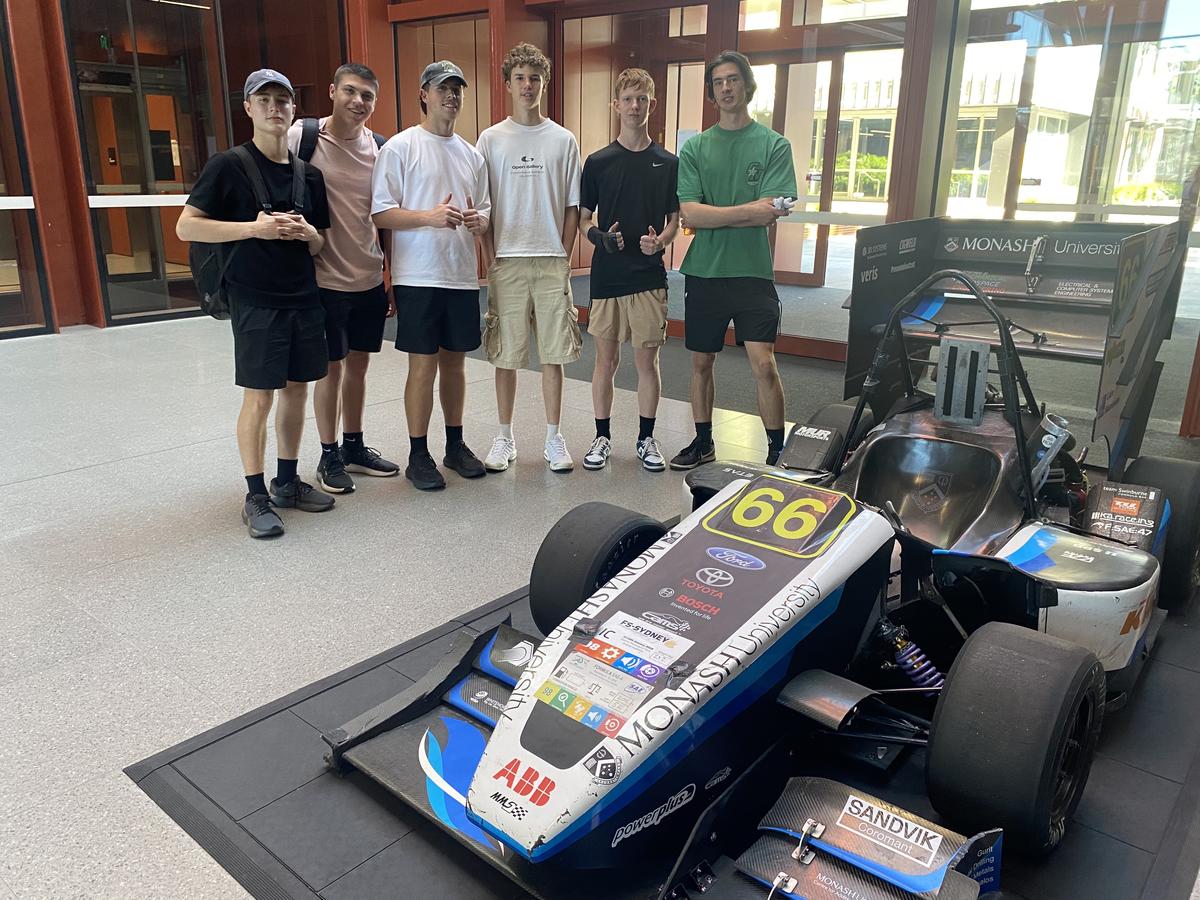
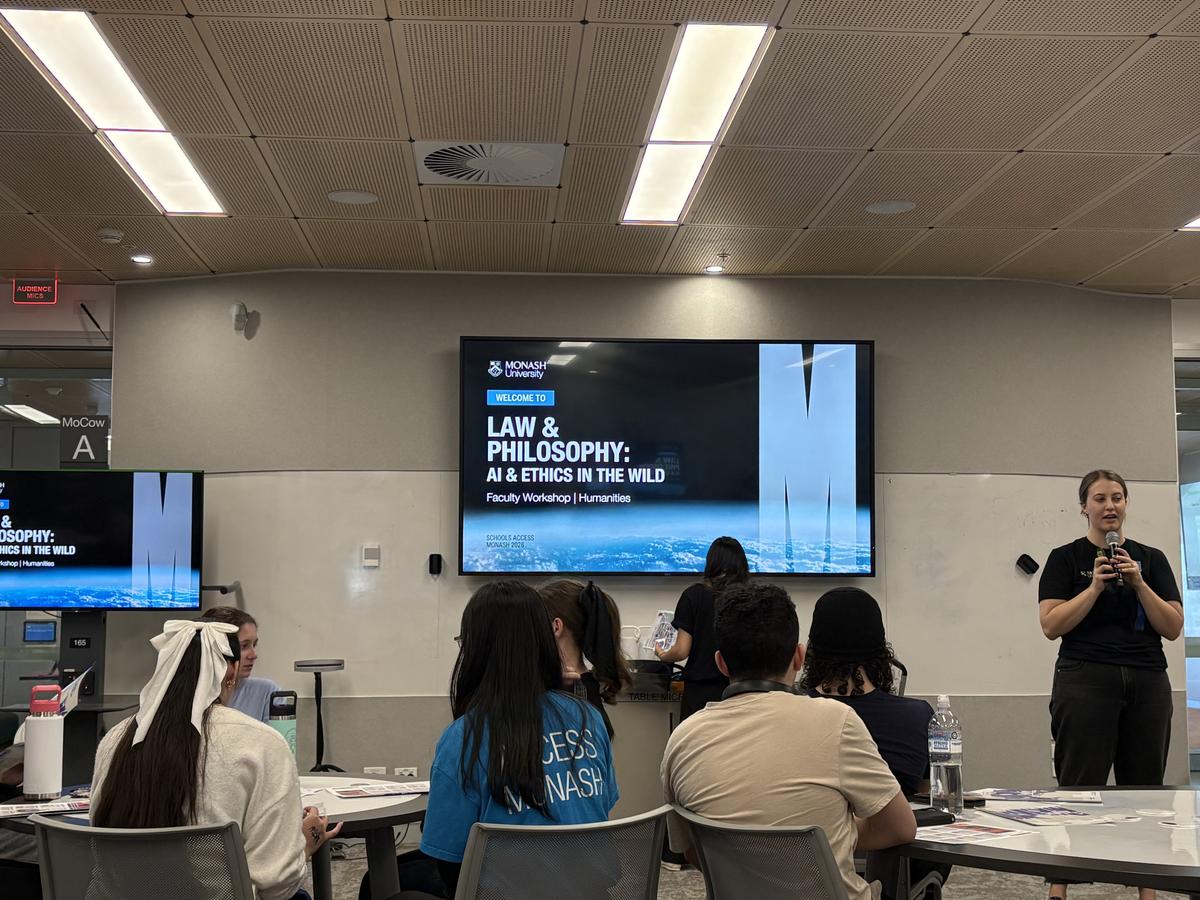
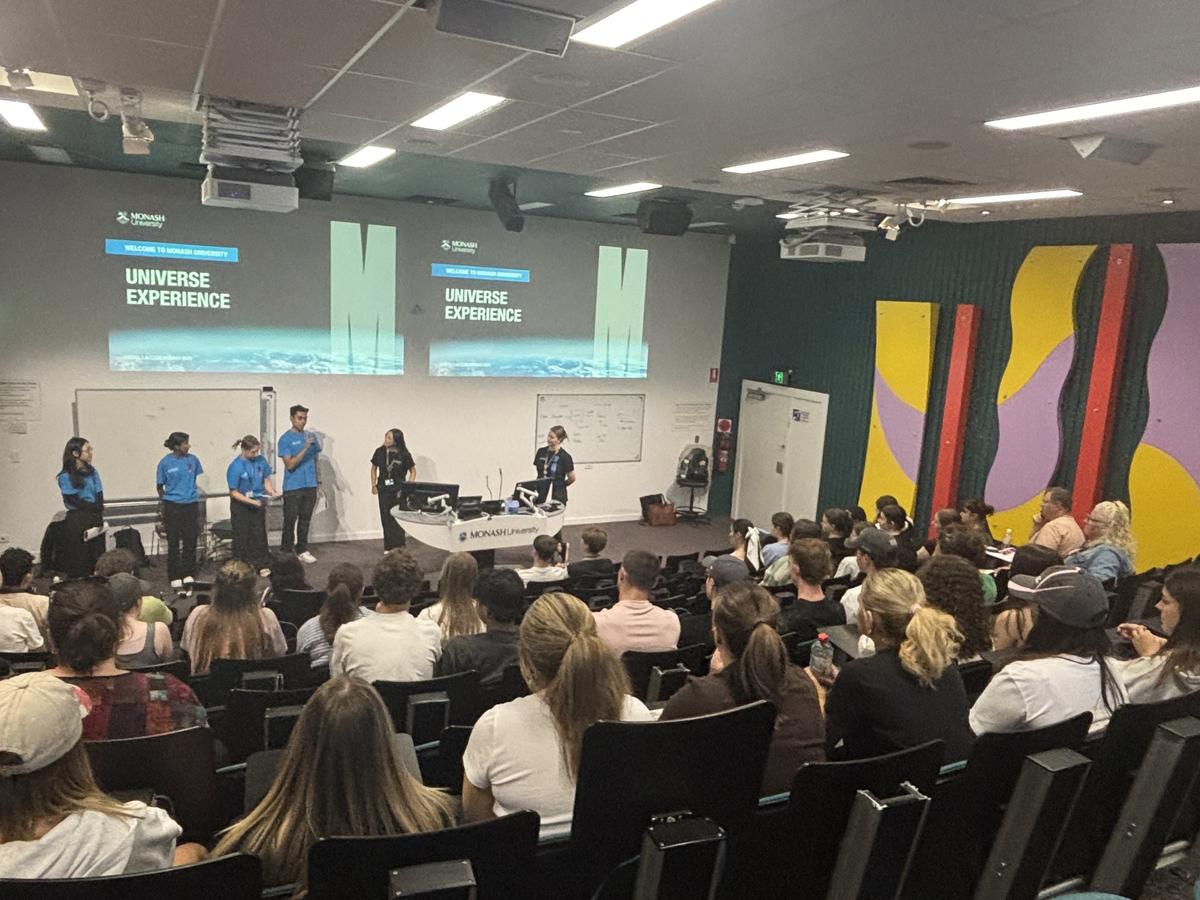
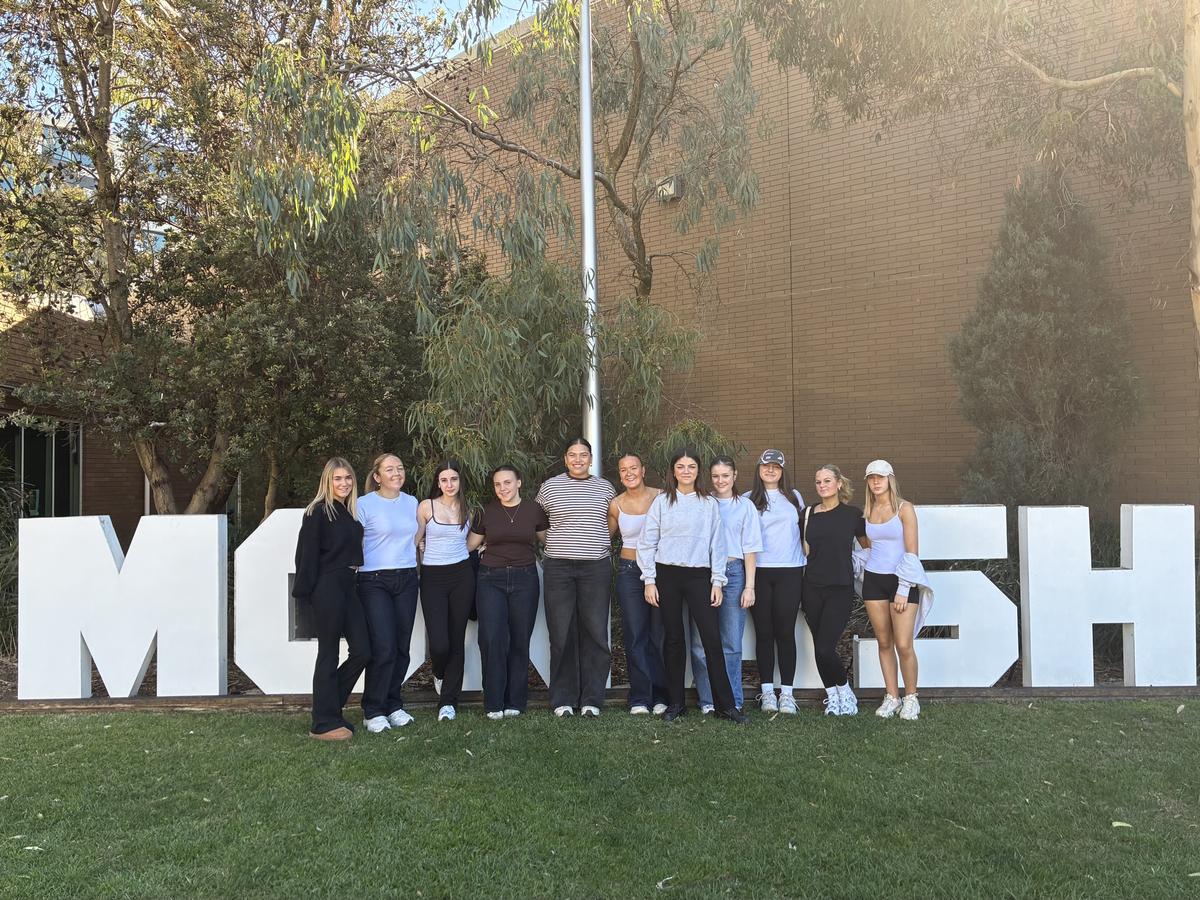
Earlier this term our Year 11 students attended a three-day VCE Camp in Melbourne and had an excellent experience. They visited several universities, including RMIT, the University of Melbourne, Deakin University, La Trobe University and Monash University. At each campus, students participated in informative presentations covering course options, student benefits and available support services as well as tours and sessions on entry requirements.
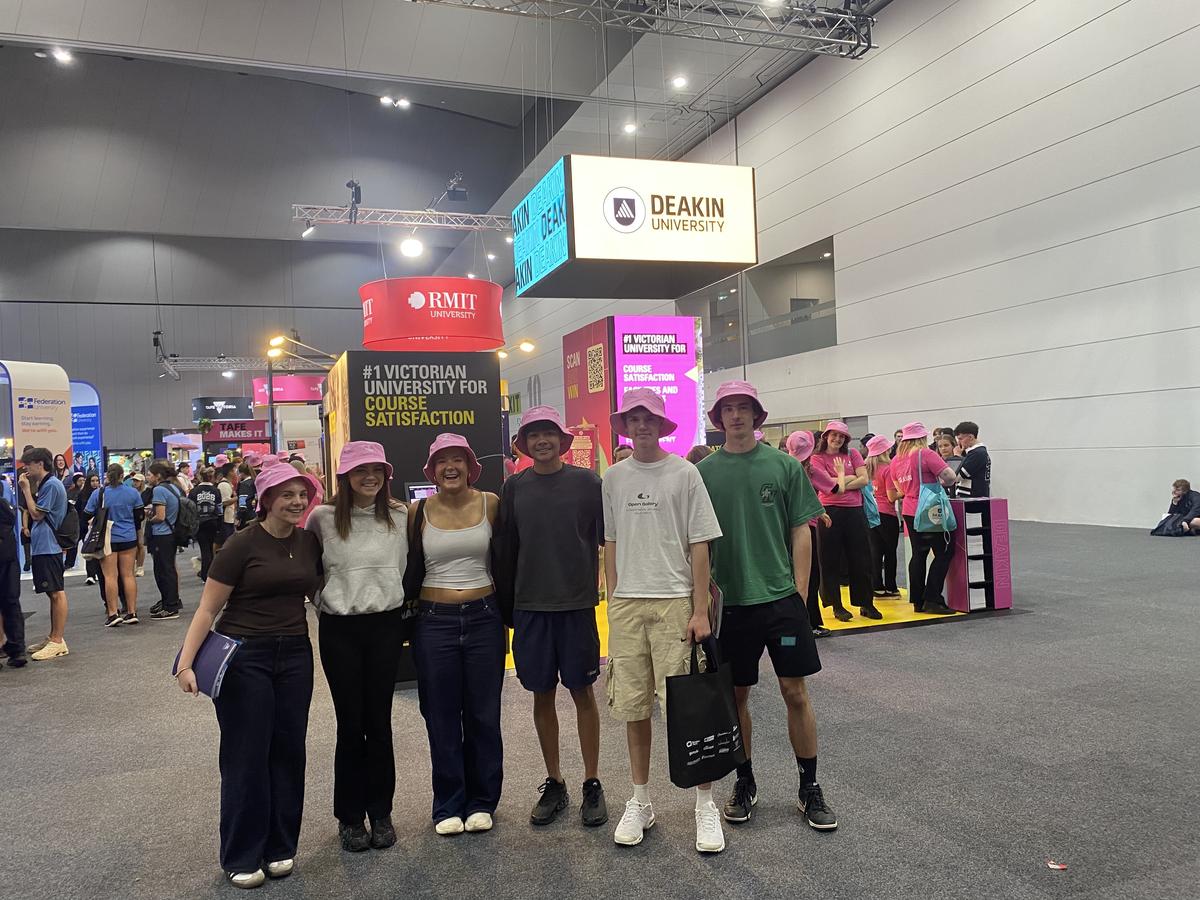
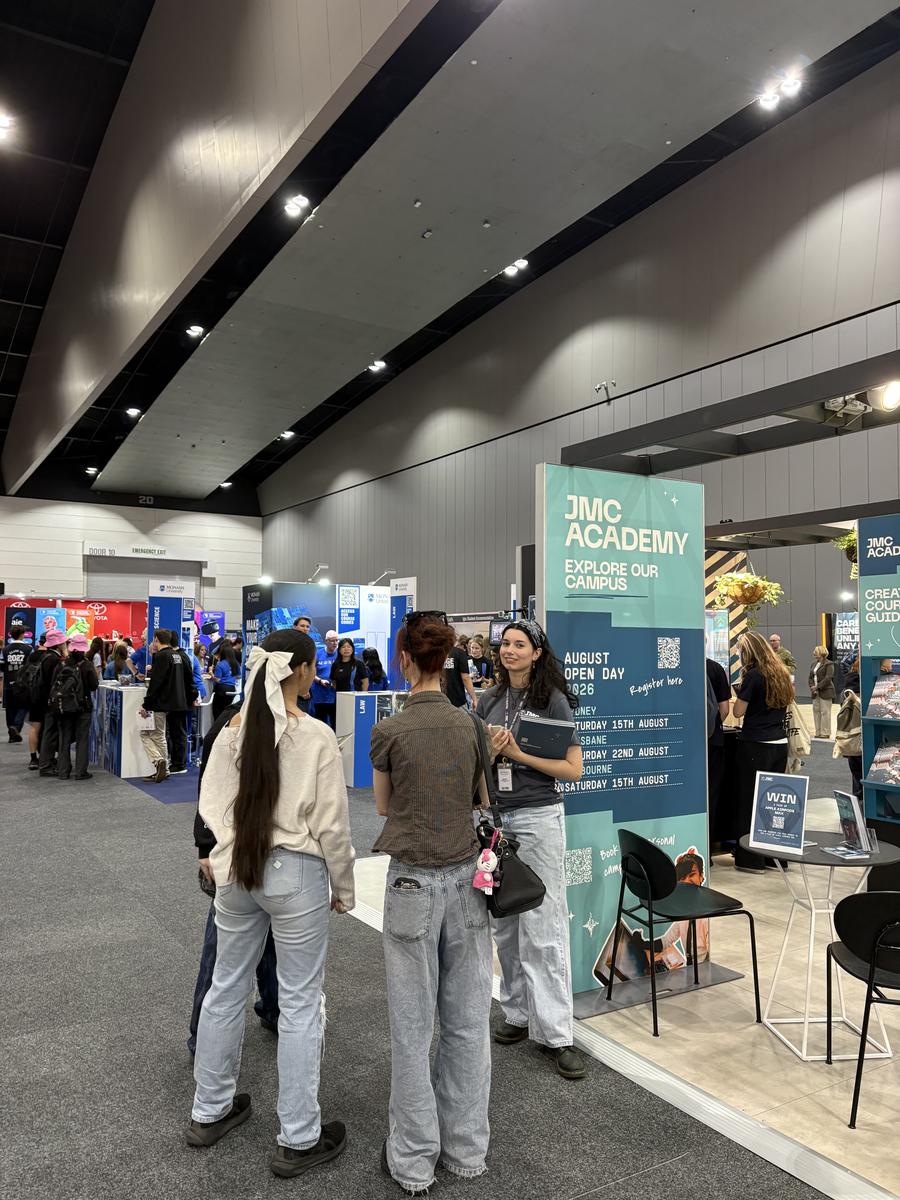
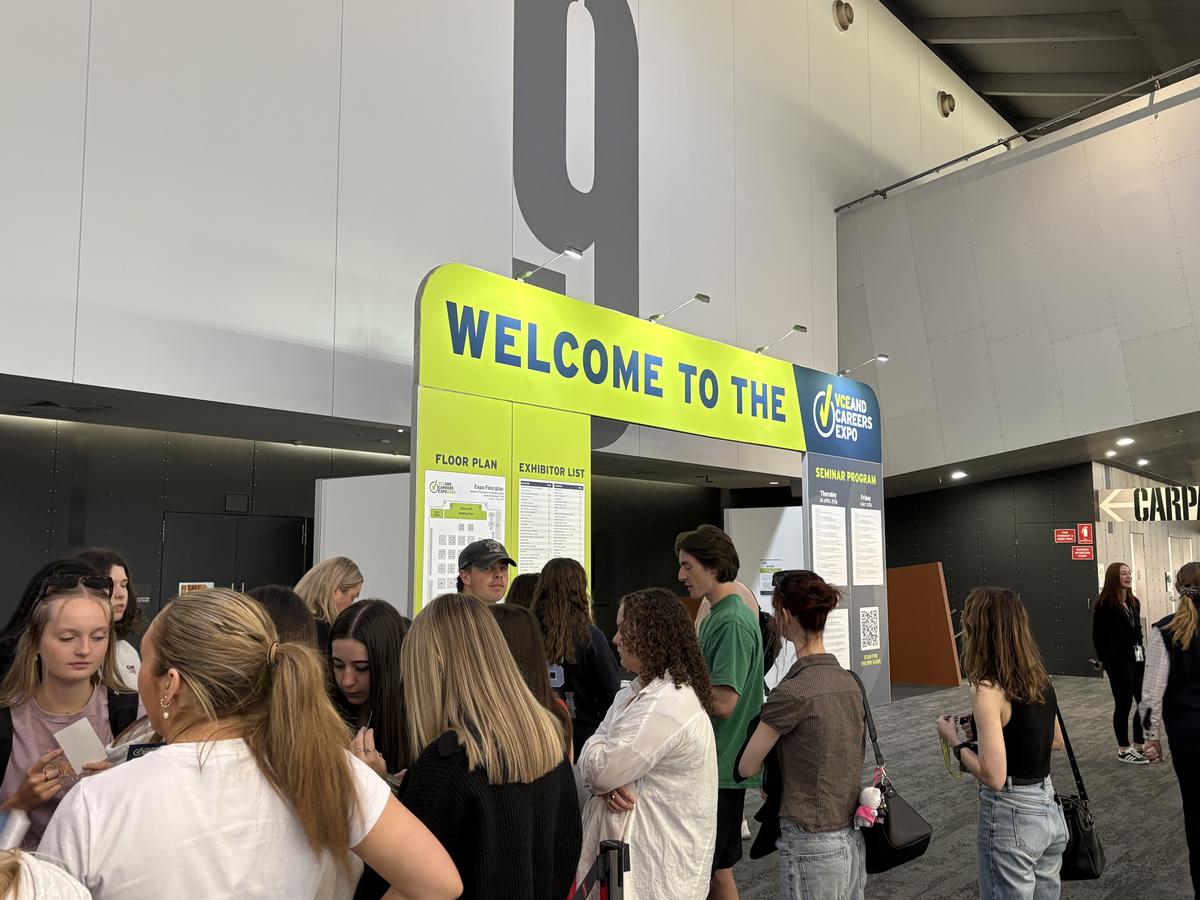
The group also attended the VCE Careers Expo at the Melbourne Exhibition Centre, where over 150 exhibitors provided valuable information and resources for students to explore future pathways.
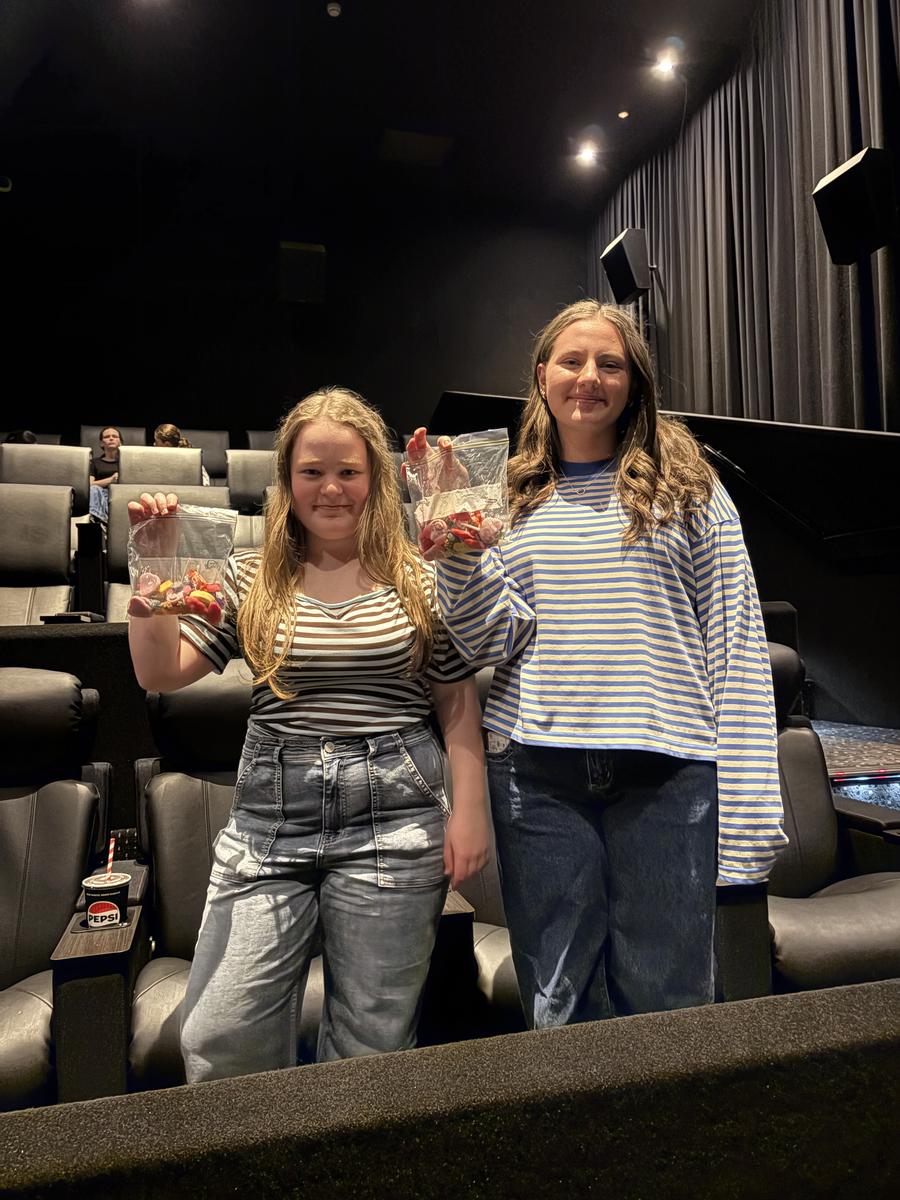
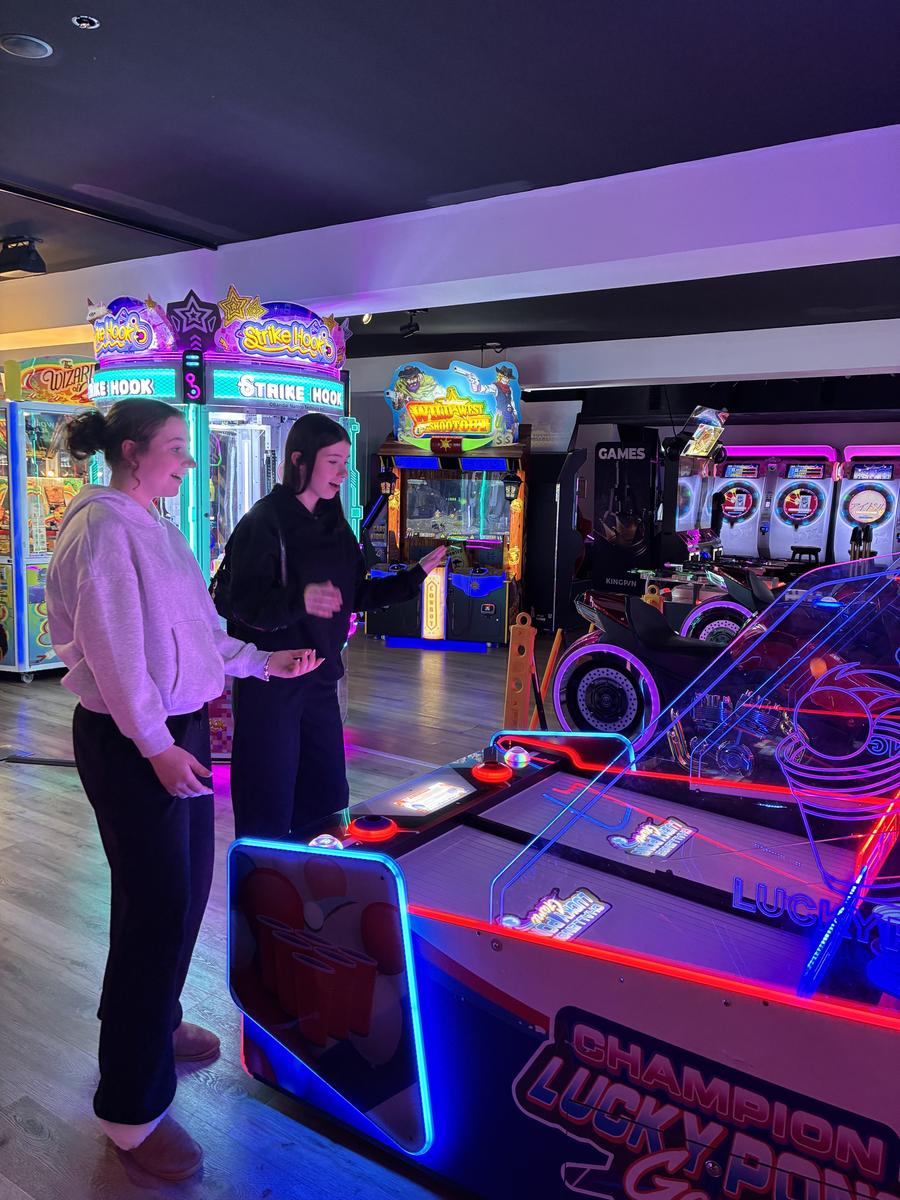
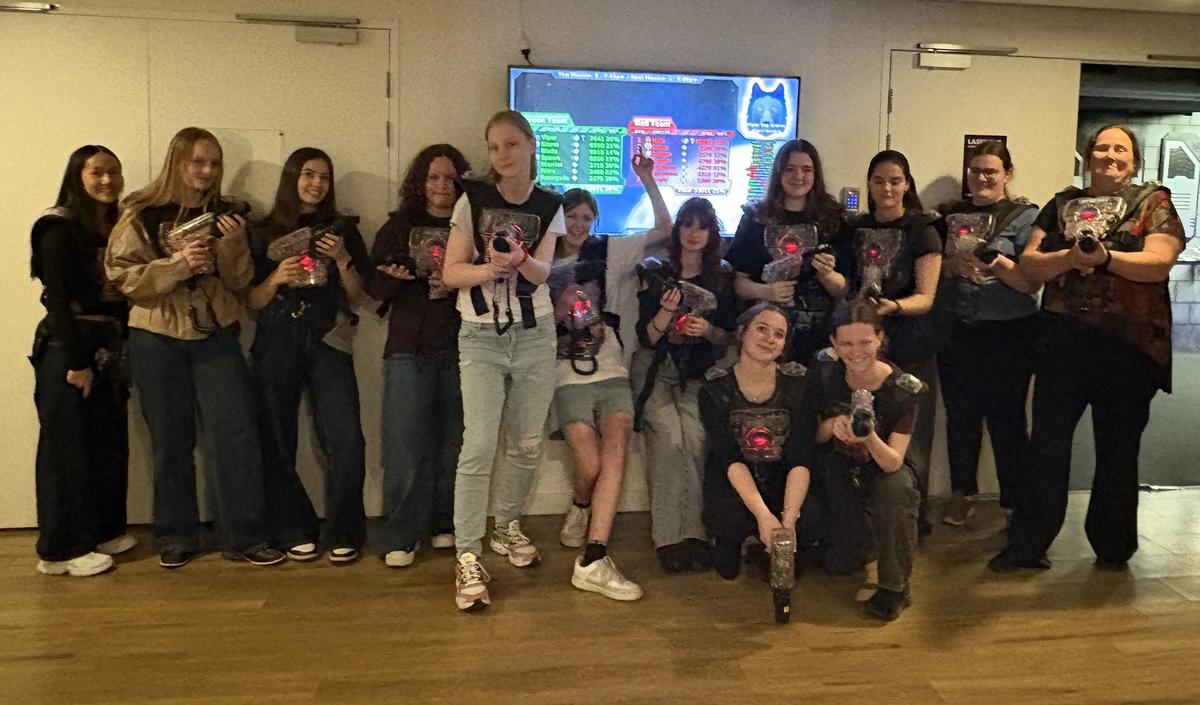
In the evenings, students and staff enjoyed spending time together over dinner, trips to the movies and activities such as laser tag, bowling and arcade games at Kingpin Crown. It was a full and rewarding three days, packed with valuable experiences and insights to support students in their future planning.






VCE VM – Structured Work Placement
Structured workplace learning provides students with the opportunity to integrate on-the-job experience with their secondary VET study. It is critical that all VM students find a work placement to enable them to gain:
- enhanced skill development
- practical application of industry knowledge
- assessment of units of competency
- achievement of some learning outcomes
- enhanced employment opportunities.
The Careers Team can offer support to those VM students who have yet to find work placement.
Year 10 Work Experience Program
In Year 10, students undertake a work experience program as part of their Study Work Education Class. It is expected that all Year 10 students will participate in this 5-day program. Below is the date your child will attend work experience:
Term 3 – Monday 27th July to Friday 31st July (inclusive)
Work experience is a one-week placement where students will gain insights into the industry and the workplace in which they are located. It provides students with a valuable opportunity to develop employability skills, explore possible career options, understand employer expectations and increase their self-understanding, maturity, independence and self-confidence.
Work experience students are with employers primarily to observe and learn – not to undertake activities which require extensive training or expertise. Students are required to source their own work experience placement. Doing this provides students with a wonderful opportunity to develop their communication skills, initiative and ‘real world’ experiences. Should students have any issues or difficulties in gaining a work experience placement they can be supported by their teachers and careers staff. Once students have found a placement, the documentation process can begin. Teachers and careers staff will assist students throughout this process.
Please discuss work experience placement with your child and encourage them to ‘have a go’ at calling, and speaking with, employers. Any students who need additional support with their work experience placement can come and speak to the Careers Team.
Where studying chemistry could take you
If you enjoy understanding how things work at a deeper level, or you find yourself drawn to science that explains the world around you, chemistry is a subject that can lead in a lot of different directions. It’s the foundation for careers that shape industries, improve health, and tackle real-world problems. Let’s look at some of the courses and careers chemistry might lead to.
Why study chemistry?
Chemistry sits at the centre of many other disciplines. It helps explain how materials behave, how living systems function and how changes happen at a molecular level. Because of this, it supports learning in areas like biology, physics, environmental science and even parts of engineering and medicine.
It also develops a set of skills that are widely useful. You learn how to analyse information, identify patterns, test ideas and work through complex problems step by step. These skills don’t just apply to science but carry across into a wide range of future pathways.
Where chemistry can lead
One of the strengths of chemistry is how many options it keeps open. It can support direct pathways into science-based careers, but it also works well alongside other interests. Here are just some examples:
Health and medicine
Chemistry is essential for many health-related degrees, including medicine, dentistry, pharmacy and biomedical science. It underpins how the body works at a chemical level and how treatments are developed and used. If you’re considering a future in healthcare, chemistry is often a key subject to have.
Engineering and technology
Fields like chemical engineering, materials science and biomedical engineering all rely on chemistry. These areas focus on applying scientific knowledge to design processes, develop new materials and solve practical problems. This might involve anything from creating more sustainable fuels to improving medical devices.
Environmental science
Chemistry plays a major role in understanding environmental issues. It helps explain pollution, climate processes, water quality and soil composition. If you’re interested in sustainability or protecting natural systems, chemistry gives you the tools to investigate and respond to these challenges.
Food and agricultural science
From food production to nutrition, chemistry is involved at every stage. It helps explain how food is preserved, how nutrients are processed and how agricultural systems can be improved. This pathway suits students interested in both science and real-world applications.
Careers that use chemistry
There are many careers where chemistry is used directly as well as others where the skills you develop are just as valuable.
- Laboratory Scientist: Work in research, healthcare or industry to test and analyse samples.
- Pharmacist or Pharmaceutical Scientist: Develop or dispense medications and understand how they interact with the body.
- Chemical Engineer: Design systems that turn raw materials into useful products on a large scale.
- Environmental Consultant: Assess environmental impact and advise on how to reduce harm.
- Forensic Scientist: Use chemical analysis to examine evidence in legal investigations.
- Materials Scientist: Develop new materials with specific properties for technology, construction or healthcare.
Even outside of these roles, the skills gained from chemistry are useful in areas like business, policy and technology, particularly where data analysis and problem-solving are important.
Common job titles for young people and what they actually mean
When you're searching for your first job, it's easy to feel like the listings are written in another language. Titles don't always tell you what a role involves day to day and two jobs with completely different names might turn out to be almost identical in practice. On top of that, the same job can go by several different titles depending on the employer, which makes it even harder to know what you're applying for.
Understanding what these titles mean, and what to expect from them, makes the whole process a lot less daunting. Here are some of the most common ones you're likely to come across.
Casual, part-time, and full-time: what's the difference?
Before getting into specific titles, it's worth knowing that most job listings will also tell you the type of employment on offer. You might see a role listed as "Casual Sales Assistant" or "Part-Time Crew Member," for example. These aren't just descriptions of how much you'll work; they affect your pay rate, your entitlements and how much flexibility you'll have.
In short, casual roles offer more flexibility but less job security, part-time roles give you set hours each week with more stability and full-time roles are your standard working week.
Hospitality
Hospitality is one of the most common industries for young people entering the workforce. The hours are often flexible, the roles are usually entry-level and the skills you build, such as communication, time management and working under pressure, carry over into almost any other industry.
Crew Member
This is one of the most common titles you'll see if you're applying to fast food or quick service restaurants. A Crew Member handles a mix of tasks depending on where they're rostered on a given shift. That could mean taking orders at a counter or drive-through, preparing food, keeping the workspace clean or helping customers with their orders. The role moves quickly, so being able to stay organised and work as part of a team matters a lot. The title varies between employers; some use Team Member, Service Crew or simply Team Associate, but the role is largely the same.
Barista
A Barista prepares and serves espresso coffee and other hot and cold beverages, typically in a café, coffee shop or restaurant setting. If you've ever been handed a perfectly made flat white, a Barista made it. The role usually also involves taking orders, handling payments and keeping the café area clean and stocked. Some cafés will train you from scratch; others prefer applicants who already have some experience. If you're keen to get into this space, a short barista course can help you stand out.
Wait Staff / Waiter / Waitperson
These titles all refer to the same role: someone who takes food and drink orders from customers, delivers them to tables and makes sure the dining experience runs smoothly. Wait Staff are the main point of contact between the kitchen and the customer, so being friendly and attentive is a big part of the job. The title changes depending on the venue, with some using Floor Staff or Service Staff instead.
Other common hospitality titles:
- Kitchen Hand: assists kitchen and service staff with food preparation and cooking, and keeps food prep and service areas clean.
- Bar Attendant: prepares and serves alcoholic and non-alcoholic drinks to customers in licensed venues such as bars, pubs and clubs.
- Food and Beverage Attendant: a broader title that covers serving food and drinks across different venue types, often used in hotels, sporting venues and event spaces.
Retail
Retail is another industry where a huge number of young people find their first jobs. Like hospitality, it builds a strong set of transferable skills and tends to offer flexible hours that work around school or study.
Sales Assistant
This is probably the most common retail title you'll come across. A Sales Assistant helps customers find what they're looking for, answers questions about products, processes payments and keeps the shop floor tidy and well-stocked. The role sits at the front line of the customer experience, so being approachable and having good product knowledge matters. Some employers use Retail Assistant or Store Assistant instead, but the day-to-day is usually very similar.
Customer Service Representative
This title can appear in retail but also in call centres, banks and service-based businesses. A Customer Service Representative is focused specifically on helping customers, whether that's answering questions, processing transactions, handling complaints or directing people to the right place. In a retail setting, this role sometimes sits separately from sales and is more about problem-solving than selling. In a call centre context, most of the work happens over the phone or via online chat.
Other common retail titles:
- Visual Merchandiser: arranges products and displays to make the store look appealing and encourage sales, often a more senior or specialised role.
- Checkout Operator / Cashier: processes customer purchases at a register or self-service terminal.
- Stock Assistant / Storeperson: manages inventory, unpacks deliveries and keeps shelves stocked and organised.
Other industries
Young people aren't limited to hospitality and retail and plenty of entry-level roles exist across other sectors too.
- Administration Assistant: provides general office support such as answering phones, managing emails, scheduling appointments and handling paperwork.
- Childcare Assistant: supports qualified educators in looking after and engaging young children in a childcare or early learning setting.
- Labourer: carries out physical tasks on construction sites, in warehouses or in outdoor settings, often as a support role to tradespeople or site supervisors.
- Delivery Driver: transports goods or food orders from one location to another, usually requiring a valid licence.
A note on job titles varying between employers
It's worth knowing that the same job can go by several different names depending on where you're applying. One supermarket might call the role Checkout Operator while another uses Customer Service Team Member. A café might advertise for a Barista while another lists the same position as a Coffee Specialist or Café Attendant.
When you're reading job listings, look past the title and focus on the responsibilities listed in the description. That's where you'll find out what the role involves day to day and whether it's a good fit for you.
Where to from here?
Now that you've got a clearer picture of what these titles mean, you're in a better position to find roles that suit you and apply with confidence. Don’t forget to come and see the careers team for more advice on writing your resume, preparing for interviews and everything else that comes with starting out in the workforce.
Lowanna Careers
Don’t forget to check out our career’s website with mountains of information and resources to supports students and families.
https://www.lowannacareers.com/
Careers Support
We are available as a support for students and parents with any questions or queries they may have. Please feel free to contact the Careers Team:
Kirsty Mitchell ph: 5127 9225 or kirsty.mitchell@education.vic.gov.au
Alisha Disisto ph: 5127 9264 or alisha.disisto@education.vic.gov.au