
Wellbeing

PBL
At SFS, our PBL (Positive Behaviours for Learning) school wide expectations are:
Respect, Responsibility and Kindness
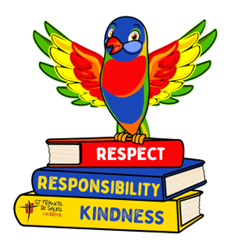
We have a whole school social skills lesson where we explicitly teach an expected behaviour from our Behaviour Expectation matrix.
This week we have focused on Responsibility in the Learning Space: Think before you act. Teachers spoke to students about thinking before they refuse to do their work or distract others to get their attention.
Students need to be aware of how they are feeling using the Zones of Regulation and do something before they bubble over into the red zone where they lose control.
We do this by using words to communicate how we are feeling. Students and teachers also revisited the school expectations and routine around going to church, in preparation for our whole school Family week mass.
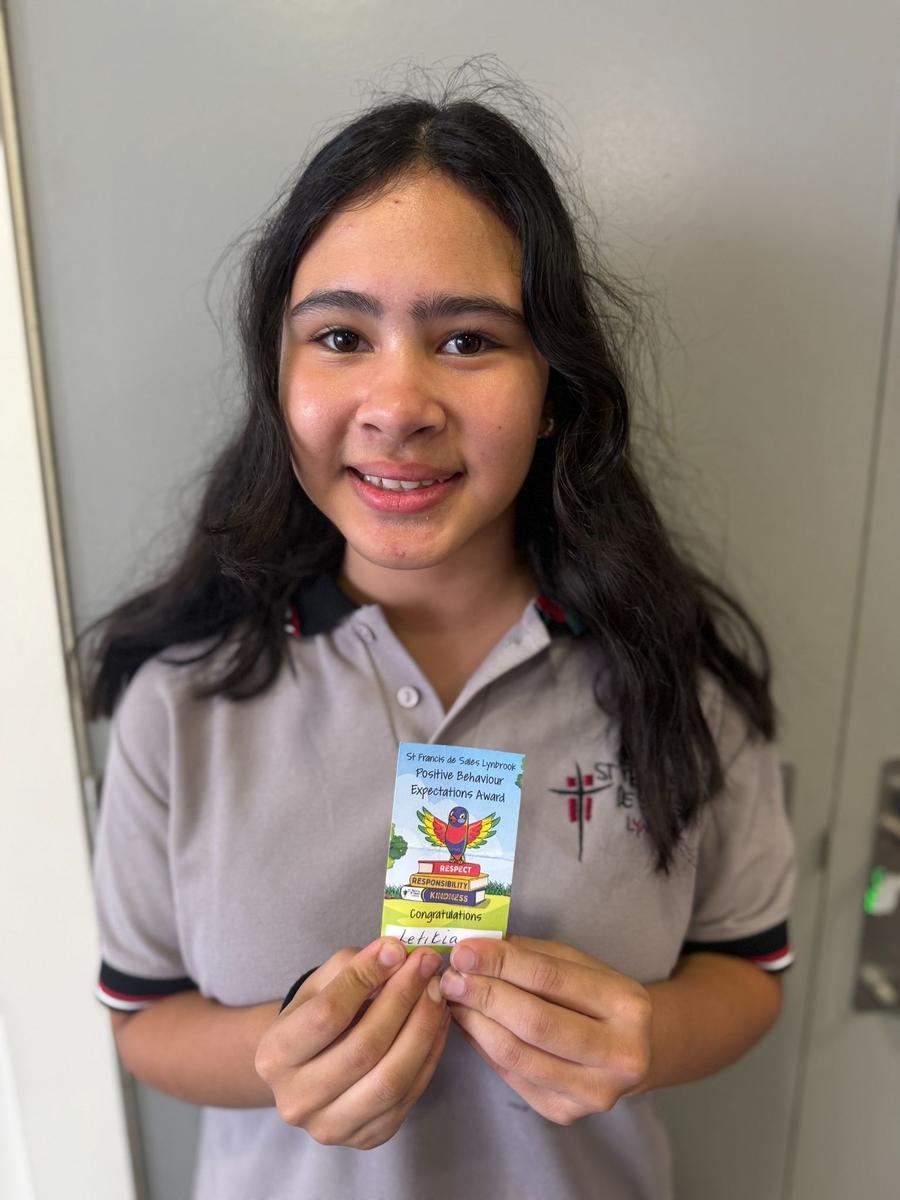
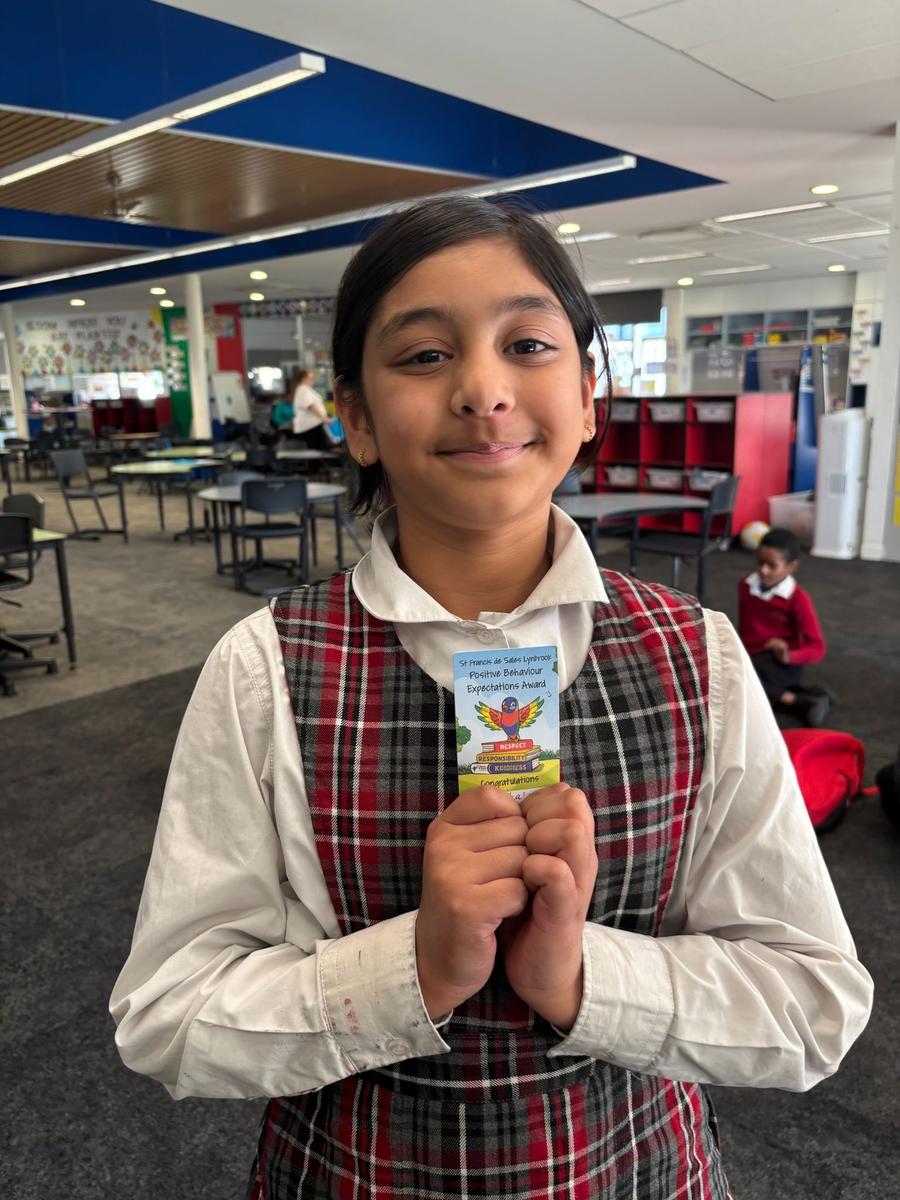
Here are some of our PBL raffle winners who have been seen demonstrating school expected behaviours.

Child Safety standards
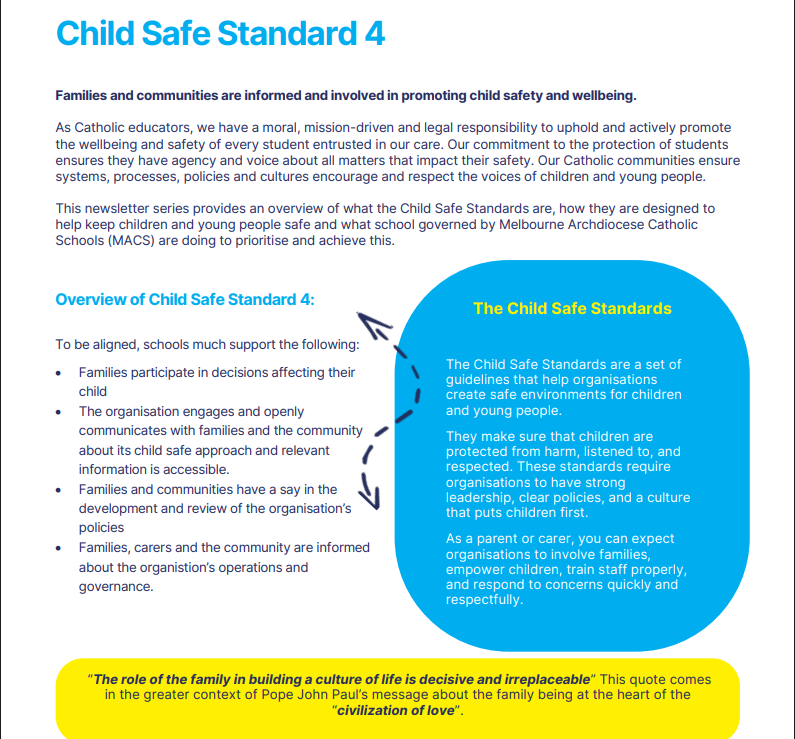
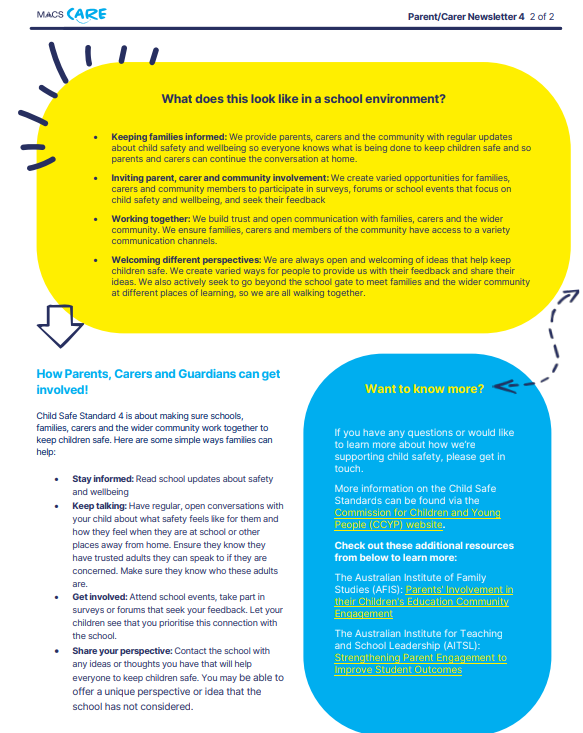
To highlight the importance of Child Safety in schools, MACS (Melbourne Archdiocese Catholic Schools) has created a resource called “11 standards in 11 months.”
Let’s look at Child standard 4 in more detail through a newsletter created for parents and carers by MACS. Child safe standard 4 is all about families and communities being informed and involved in promoting child safety and wellbeing.
Walk safely to school day
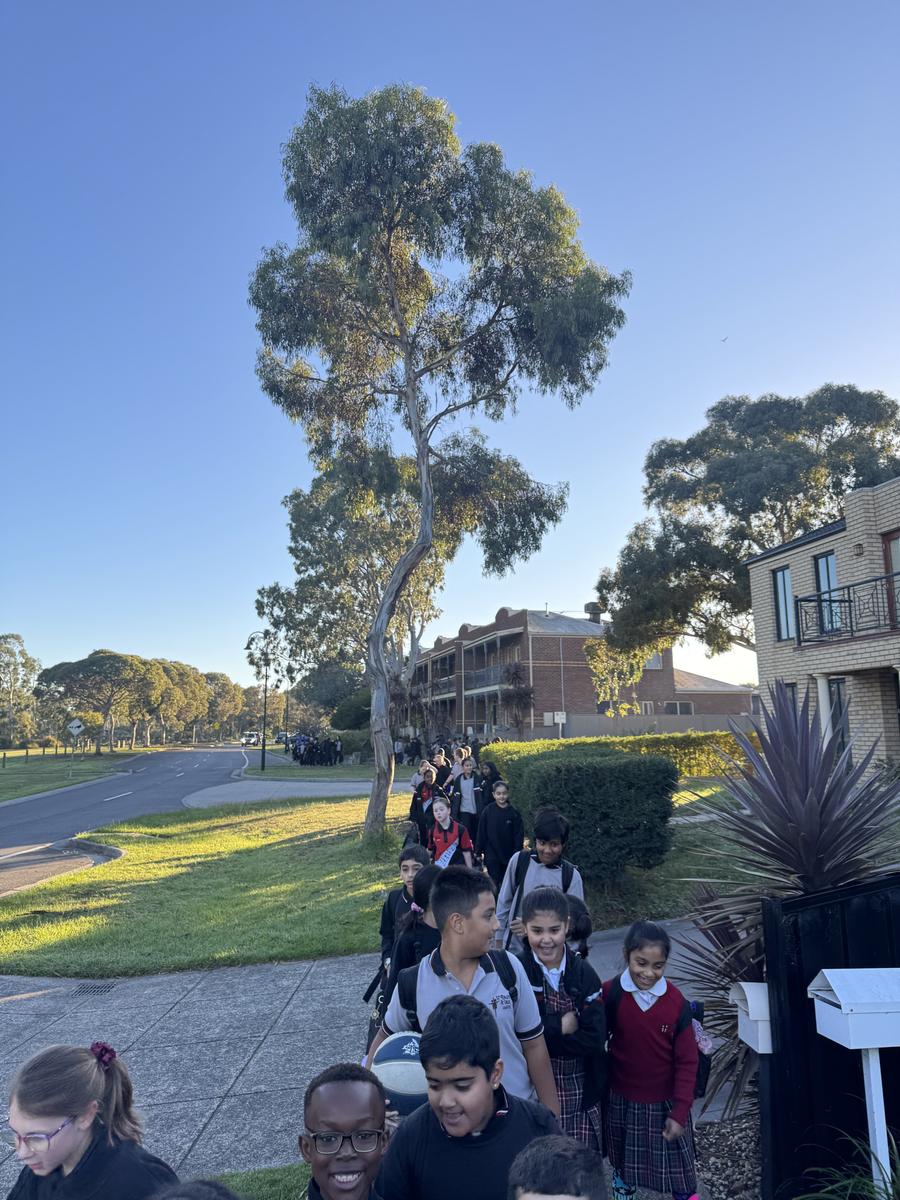
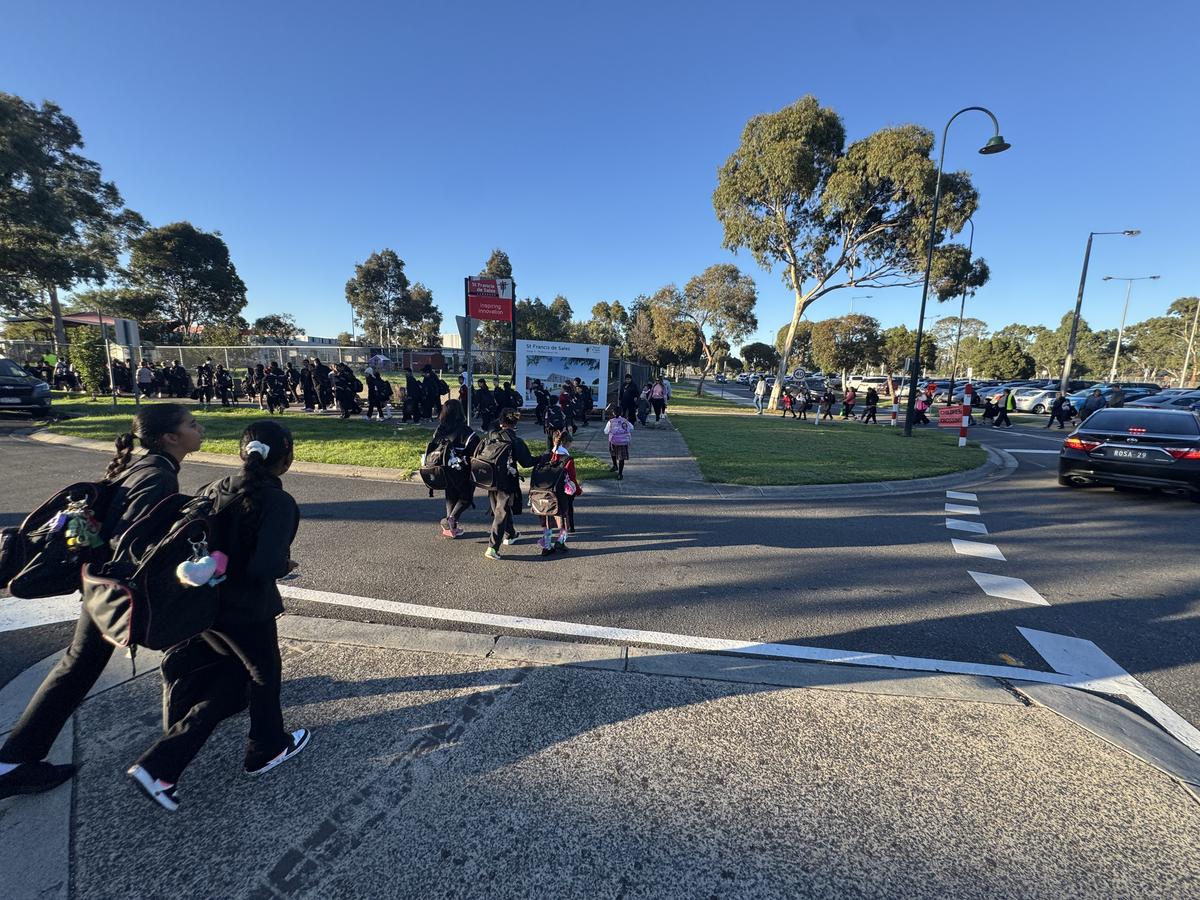
We celebrated Walk Safely to School Day on Friday 15th May, 2026.
It was wonderful to see so many students meeting our staff at the two meeting points and walking to school together. The students enjoyed a lovely healthy breakfast provided by the Parents and Friends. A huge thank you to these parents who made the breakfast possible. The students certainly enjoyed it.
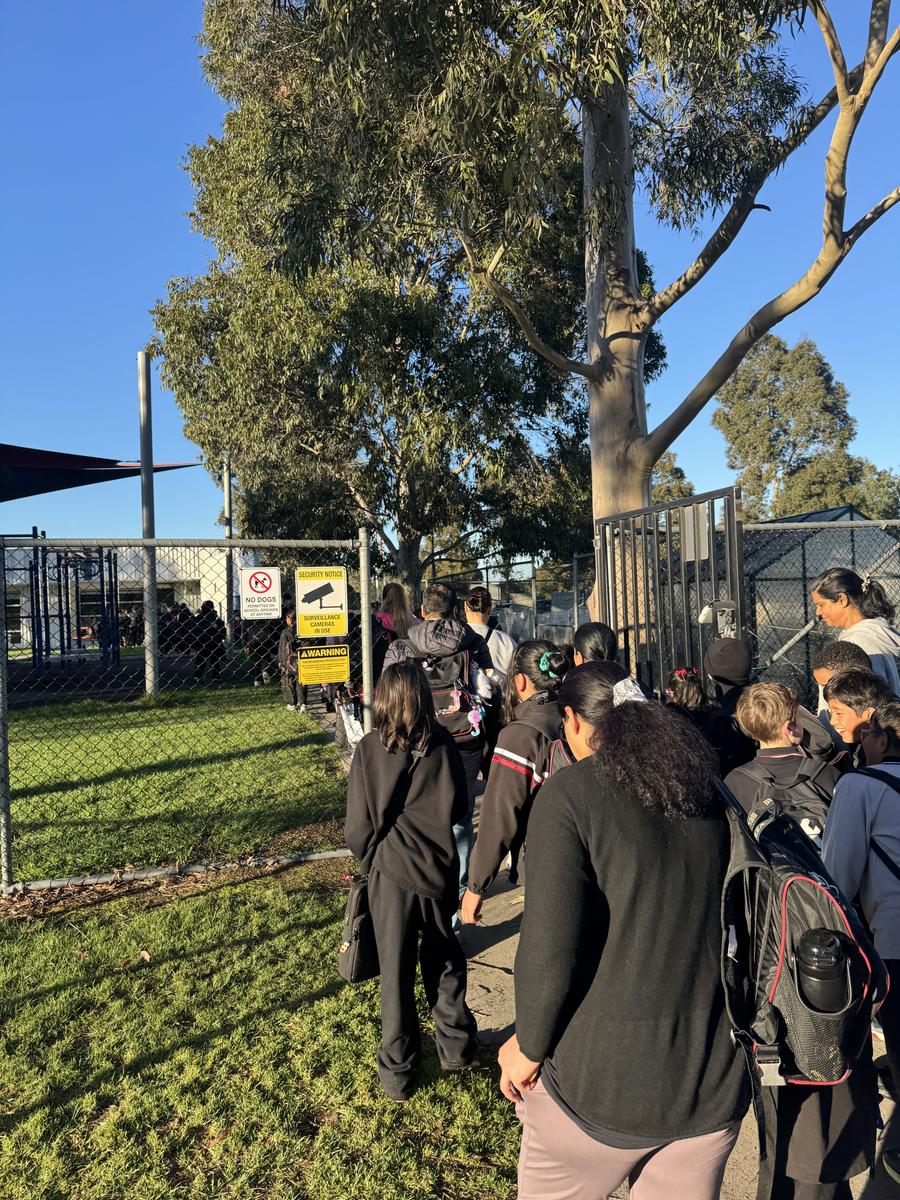
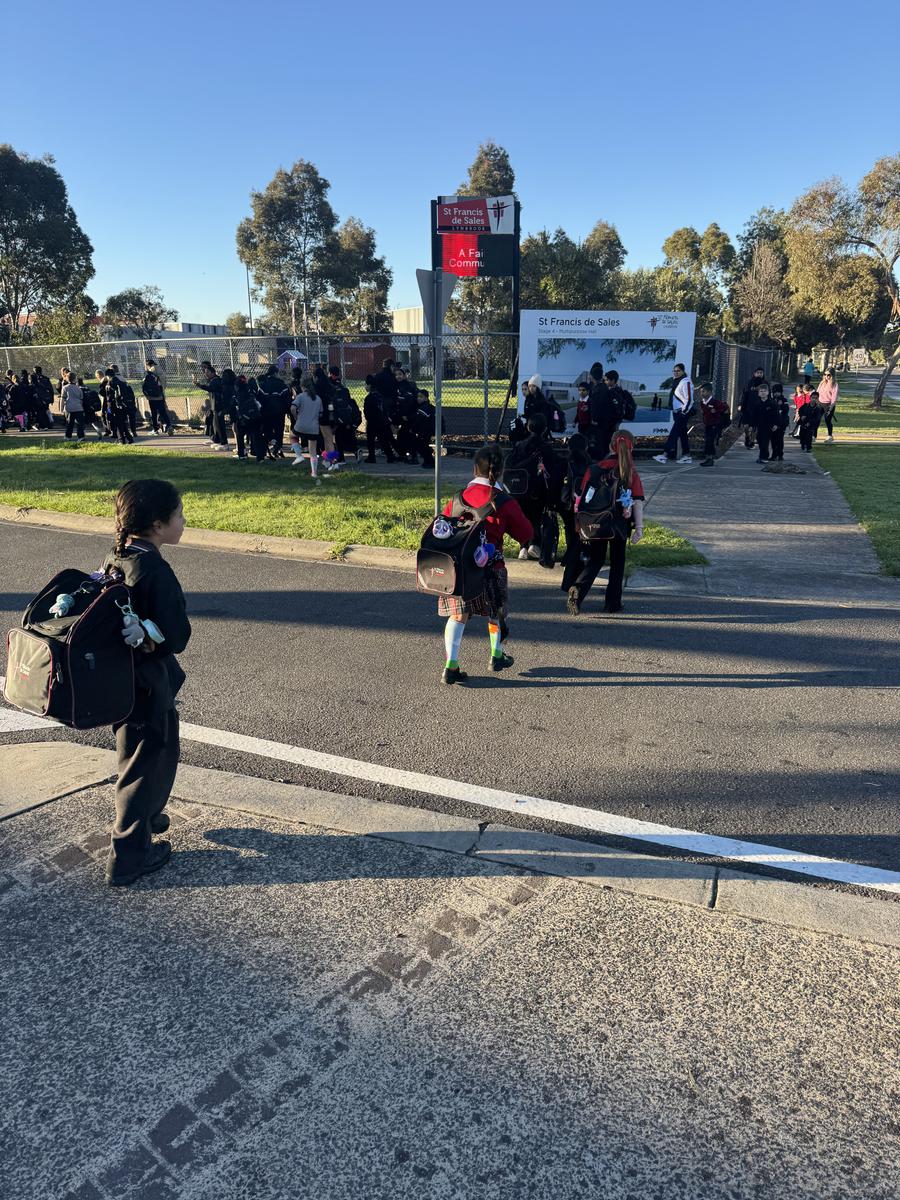
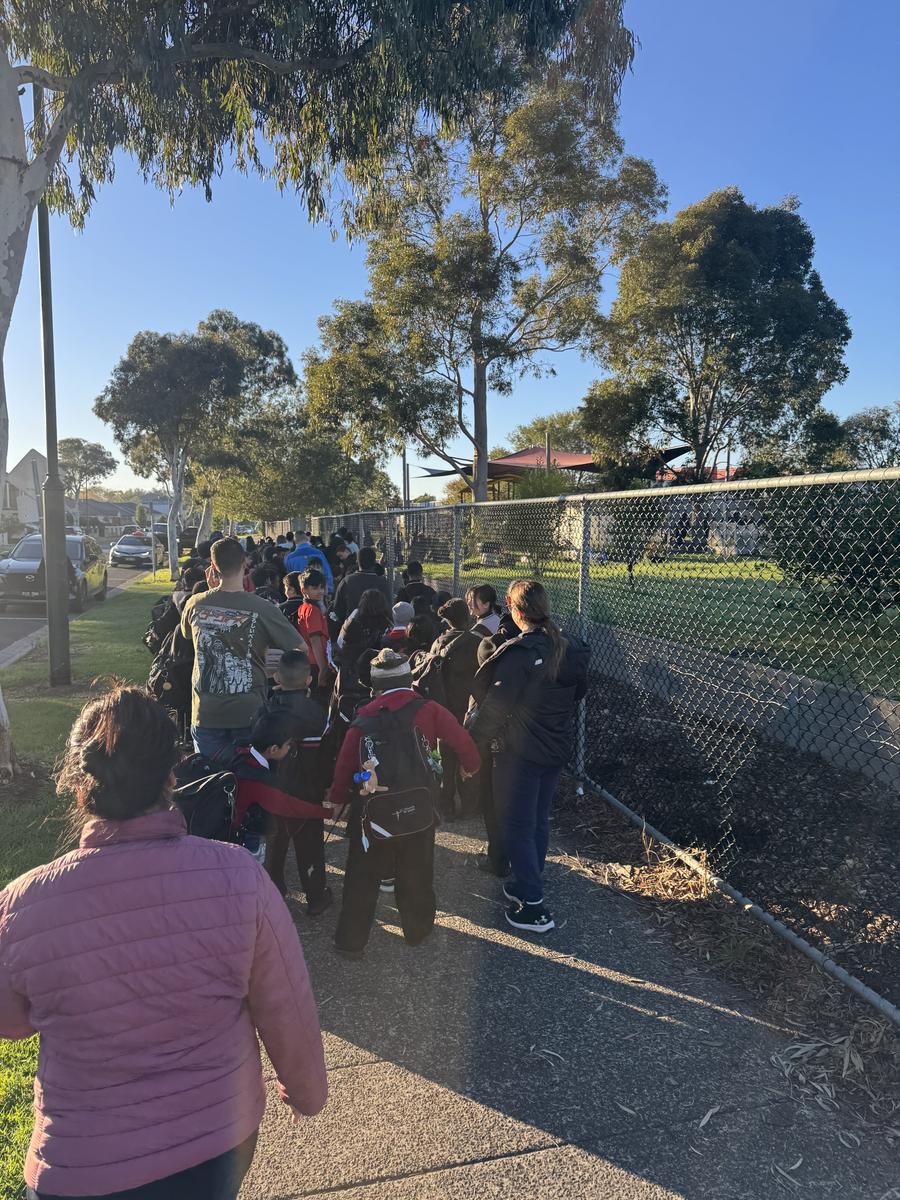
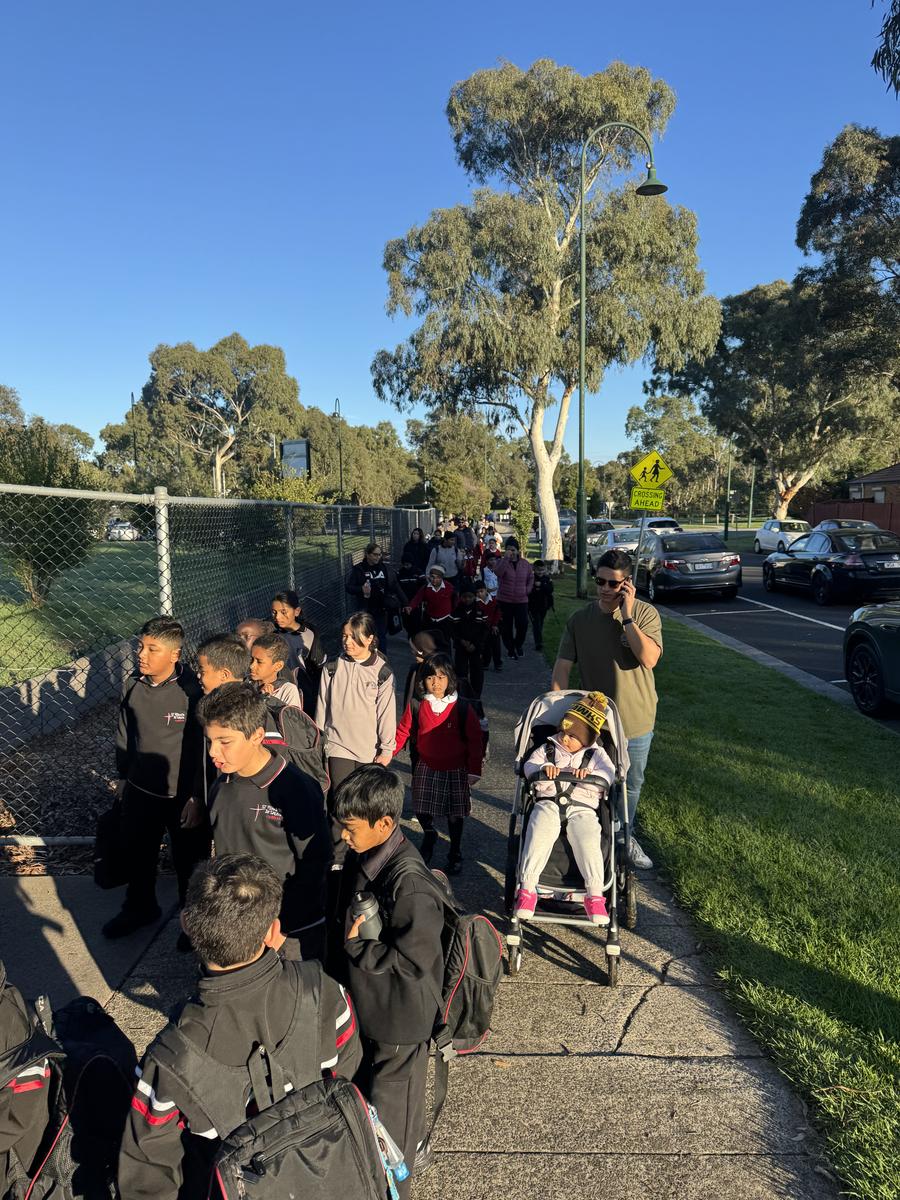

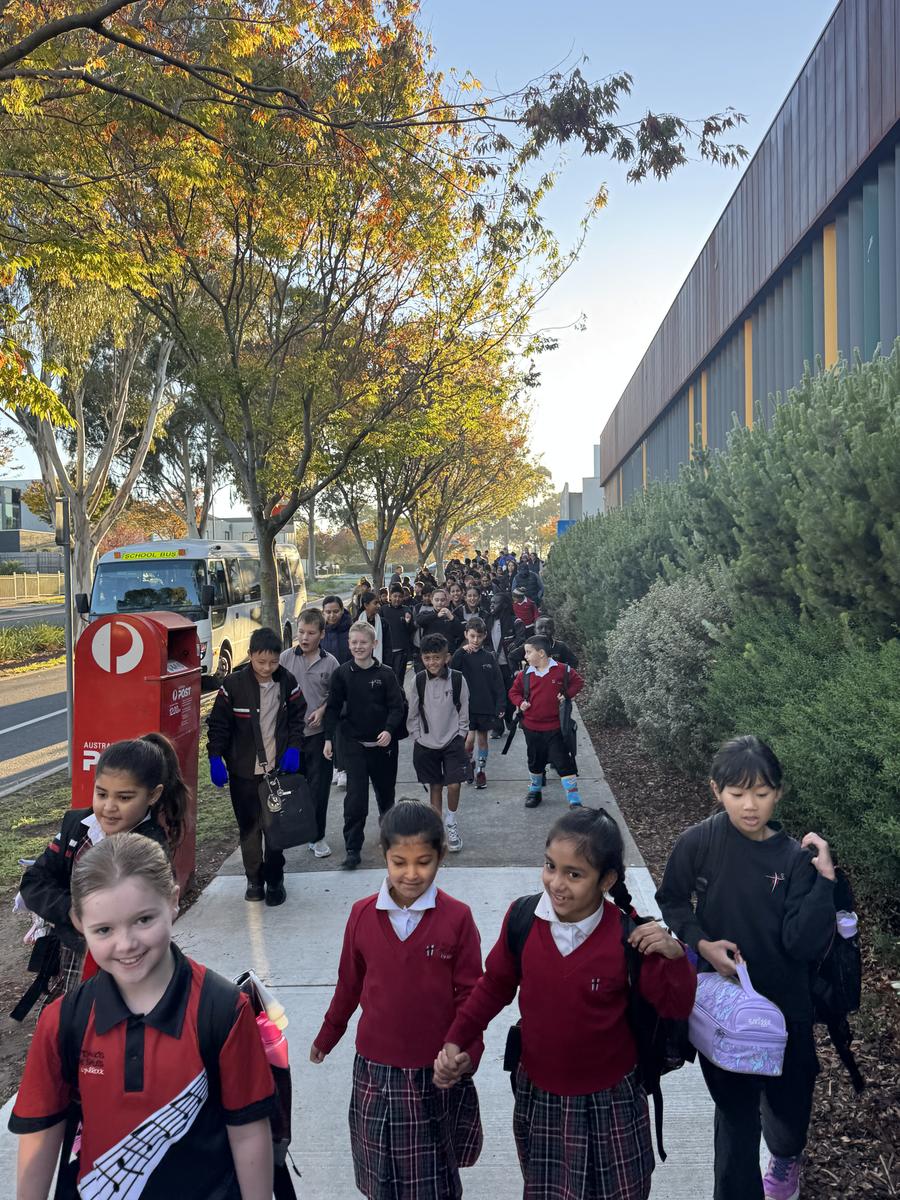
The purpose of the day is to encourage students to make safe pedestrian choices, promote physical activity, to combat obesity, and to reduce car congestion around schools.
There are also health benefits of walking to school.
Walking boosts energy levels, improves focus for learning, and helps children achieve their recommended 60 minutes of daily exercise.There is also an environmental impact as it helps reduce air pollution by lowering car usage.
It is important for safety to remember that children under 10 should always hold an adult's hand when crossing the road. Other important safety reminders to teach children are:
- Stop, Look, Listen: Before crossing, stop, look left and right for traffic, and listen for cars.
- Use Designated Crossings: Always cross at pedestrian crossings or traffic lights.
- Stay Alert: Avoid distractions like mobile devices while walking.
- Plan Ahead: Practice the safest, quickest route to school with an adult beforehand.

Mental Health
Here are some great tips from the Mental Health Foundation to support your mental health.
“1. PLAN SOMETHING TO LOOK FORWARD TO
Making plans for things we enjoy can increase our sense of hope, which is important for our mental health. It could be a plan to sit down with a cup of tea and take a quiet five minutes, or a long-term plan for an ambitious trip. Whether it’s a big or small goal, the important thing is to plan it.
2. EAT WELL
One of the simplest ways to improve mental health is by eating a healthy, balanced diet. Not only can it support your emotional health, but introducing small habits, such as staying hydrated or having fruit snacks, can help make changes stick easier.
3. GET CLOSE TO NATURE
Spending time in nature can boost your mood, lessen stress, and help you concentrate.
4. GET GOOD SLEEP
Good quality sleep helps your brain work better, lifts your mood, and is good for your overall health. Everyone deserves good mental health.
5. GET CREATIVE
Spending time on creative activities is a great way to help ease stress and anxiety. Carve out some time to listen to music, paint, sing, or do whatever you enjoy most.
6. MOVE REGULARLY
Being active can boost your mood and raise your self-esteem.
It’s also an effective stress management technique. Whether you go for a walk, do some yoga, or vigorously clean the kitchen, it all counts.
7. TRY MINDFULNESS
Being fully aware in the present moment can positively change the way you feel about life and how you approach challenges. Aim to notice the colour of the sky, the sound of leaves, or the feeling of your feet on the ground.
8. MAKE TIME FOR FRIENDS
Having good relationships with others can help you feel like you belong, allow you to
share experiences, and receive emotional support. It’s a great reason to have a catch-up with a friend on the phone.
9. BE KIND
Bad days happen to everyone. If you’re having a tough time, remember to treat yourself with
kindness and understanding. You’re doing the best you can.
10. TALK THINGS OVER WITH SOMEONE YOU TRUST
It can take a lot of courage to tell someone else how we’re feeling or what we’re finding hard. Just talking things through with a person we trust can feel like a relief and make us feel less alone.”
For more information, visit https://www.mentalhealth.org.uk/explore-mental-health/publications/our-best-mental-health-tips
If you have any concern about your child’s mental health or wellbeing, please do not hesitate to contact me or make a time to speak with me. My working days are Monday to Wednesday and Friday.
Rachel Lenko
Mental Health and Wellbeing Leader
rlenko@sfslynbrook.catholic.edu.au

Positive Quote for the Day
Positive Quote for the Day