
Grade 3/4 Bulletin
Learning Intention
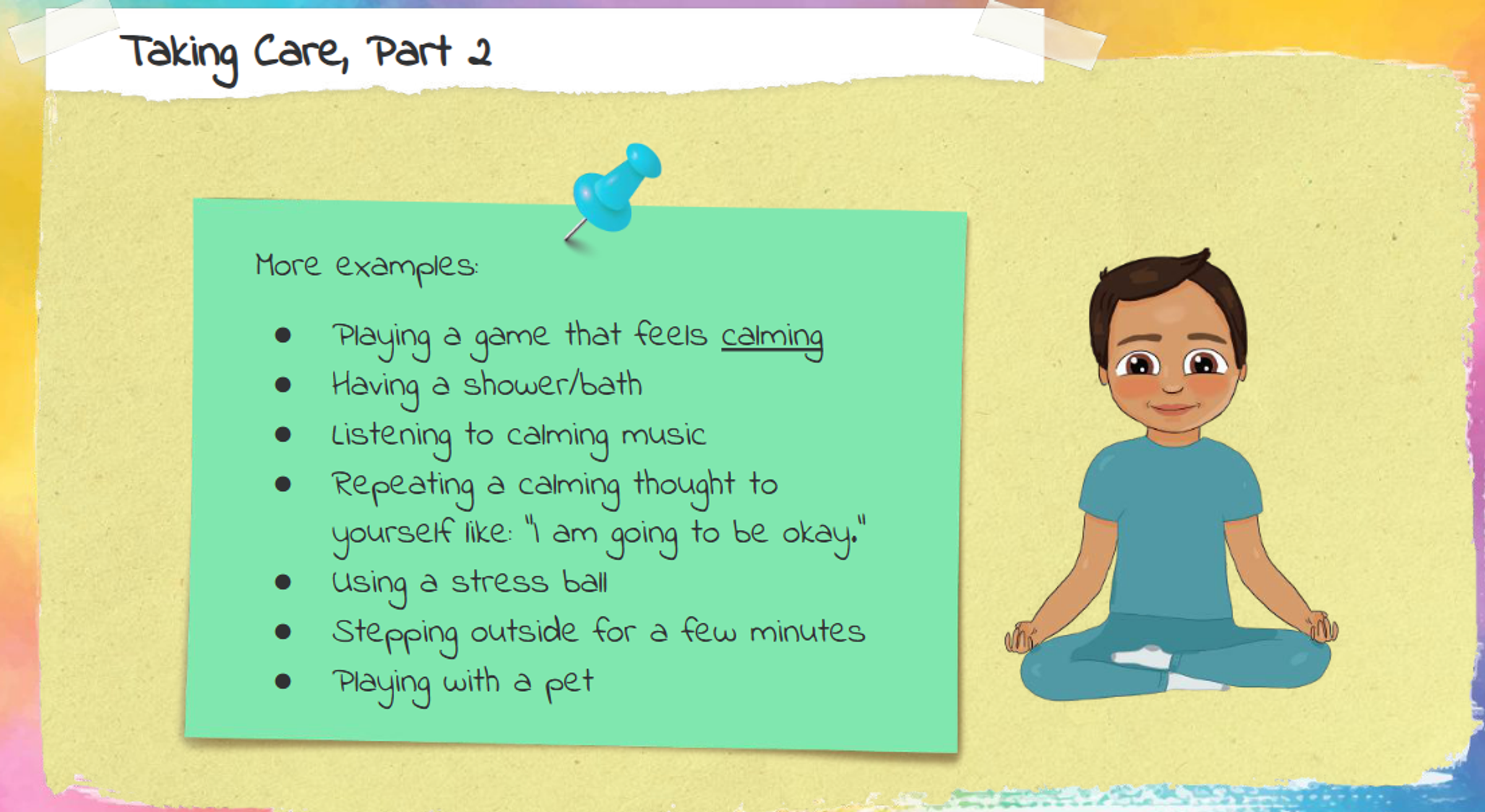
To understand what worries and anxiety are, how they affect our bodies, and to identify strategies that help us calm down.
Learning Experience Overview
This week, students took part in a wellbeing lesson focused on understanding worries and anxiety. We explored what anxiety is, why it happens, and how it can show up in our bodies. Students learned that these responses are normal and are part of the body’s natural “stress response.”
A key part of the lesson was practising simple strategies to calm the body, including slow, deep breathing. Students then identified practical strategies they can use at school to help themselves settle and return to learning when they feel overwhelmed. The focus was on building confidence and resilience through small, manageable tools.
What is Open Parachute?
Open Parachute is a wellbeing program we use to explicitly teach students skills for managing emotions, building resilience and strengthening mental health. The lessons are age-appropriate and focus on practical strategies students can use in everyday situations.
Whole
Initially, students were asked to find a space in the classroom and to follow deep breathing and grounding strategies. The teacher spoke and the children remained silent and grounded.
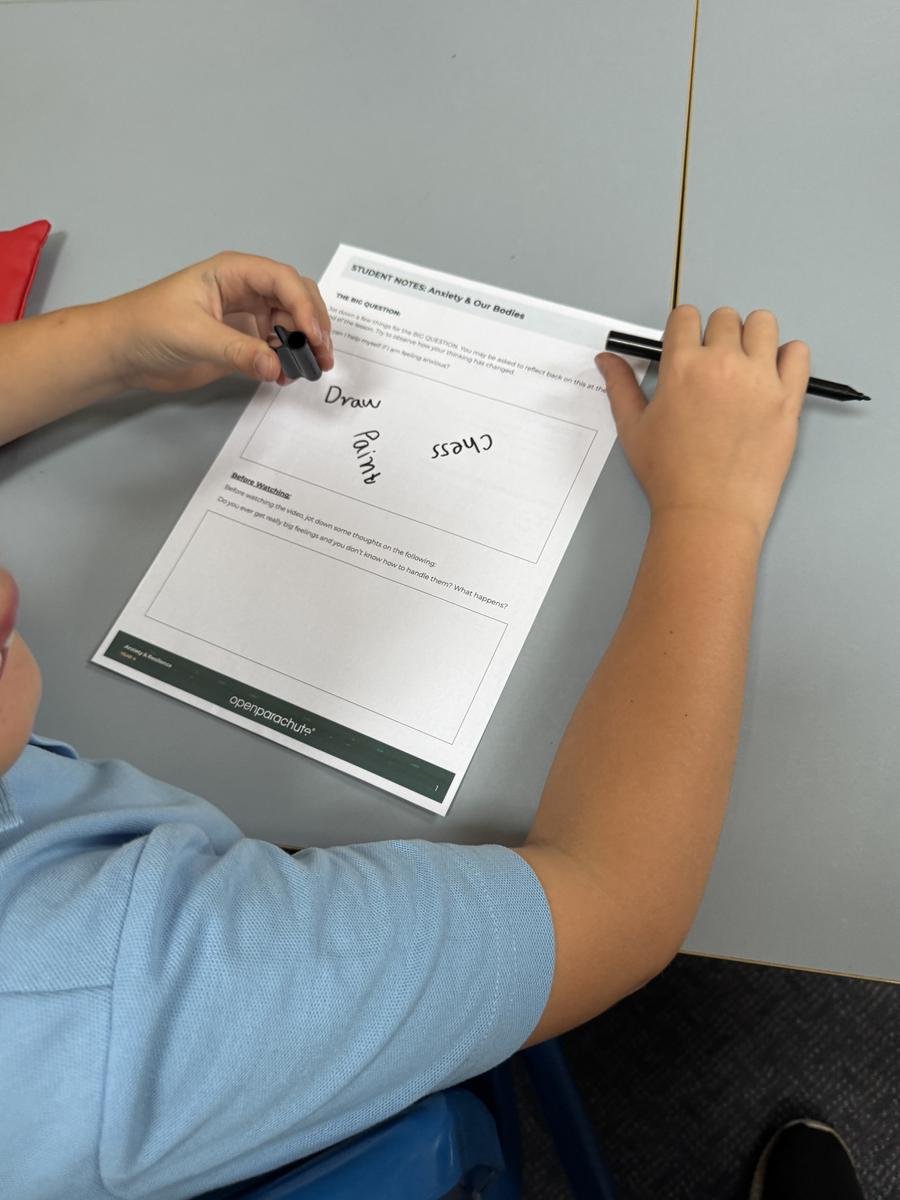
Students were introduced to the question "How can I help myself if I am feeling anxious?" We explicitly unpacked the vocabulary of stress, anxiety and stress management, learning that anxiety is our body’s natural reaction to stress.
Together, we identified common physical signs of anxiety (in ourselves or in others when we see them feeling "worried"), such as a fast heartbeat, tense muscles, sweaty palms, stomach aches or difficulty concentrating.
To make this learning practical, we engaged in a short breathing demonstration. Students compared fast breathing with slow, deep belly breathing and discussed how slow breathing sends a signal to the brain that we are safe. This helps calm the body, reduce the stress response and support a return to focused learning.
Small
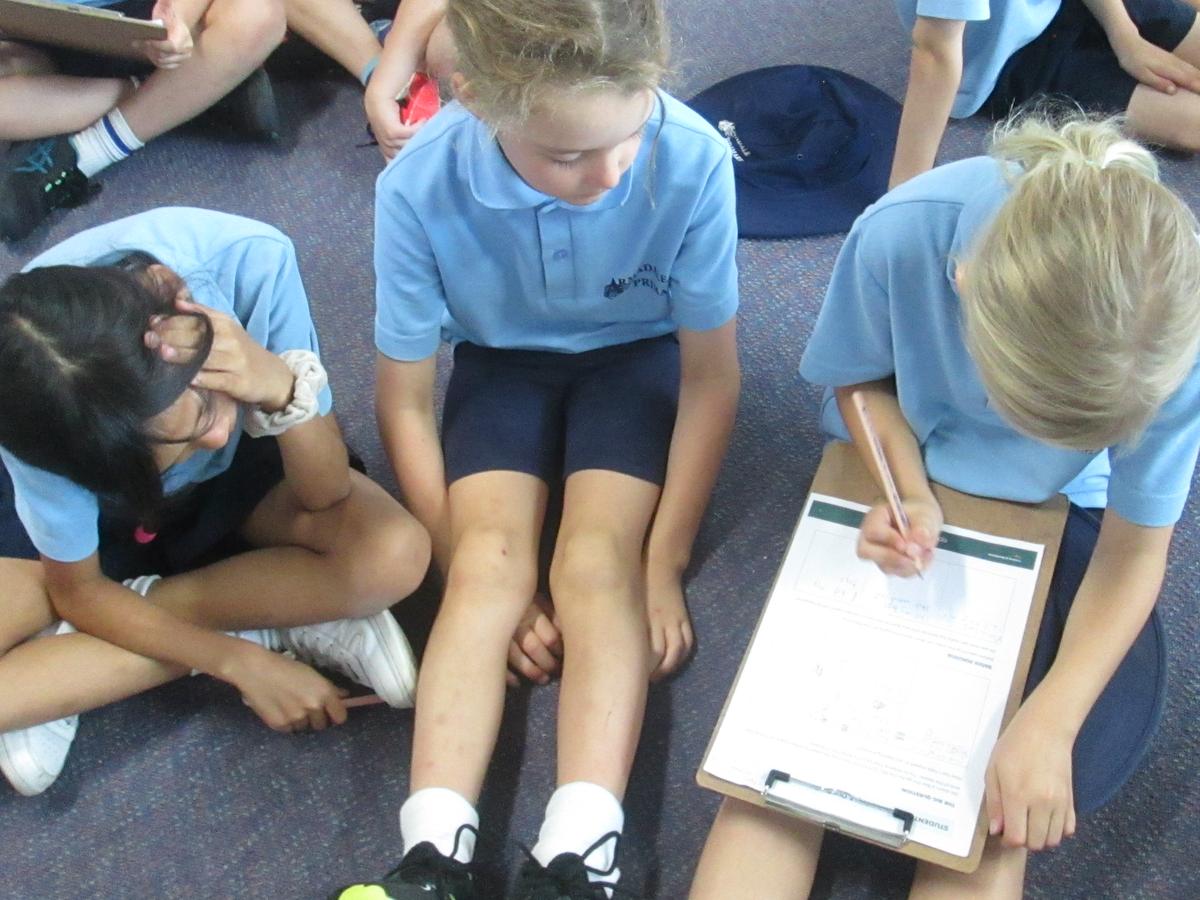
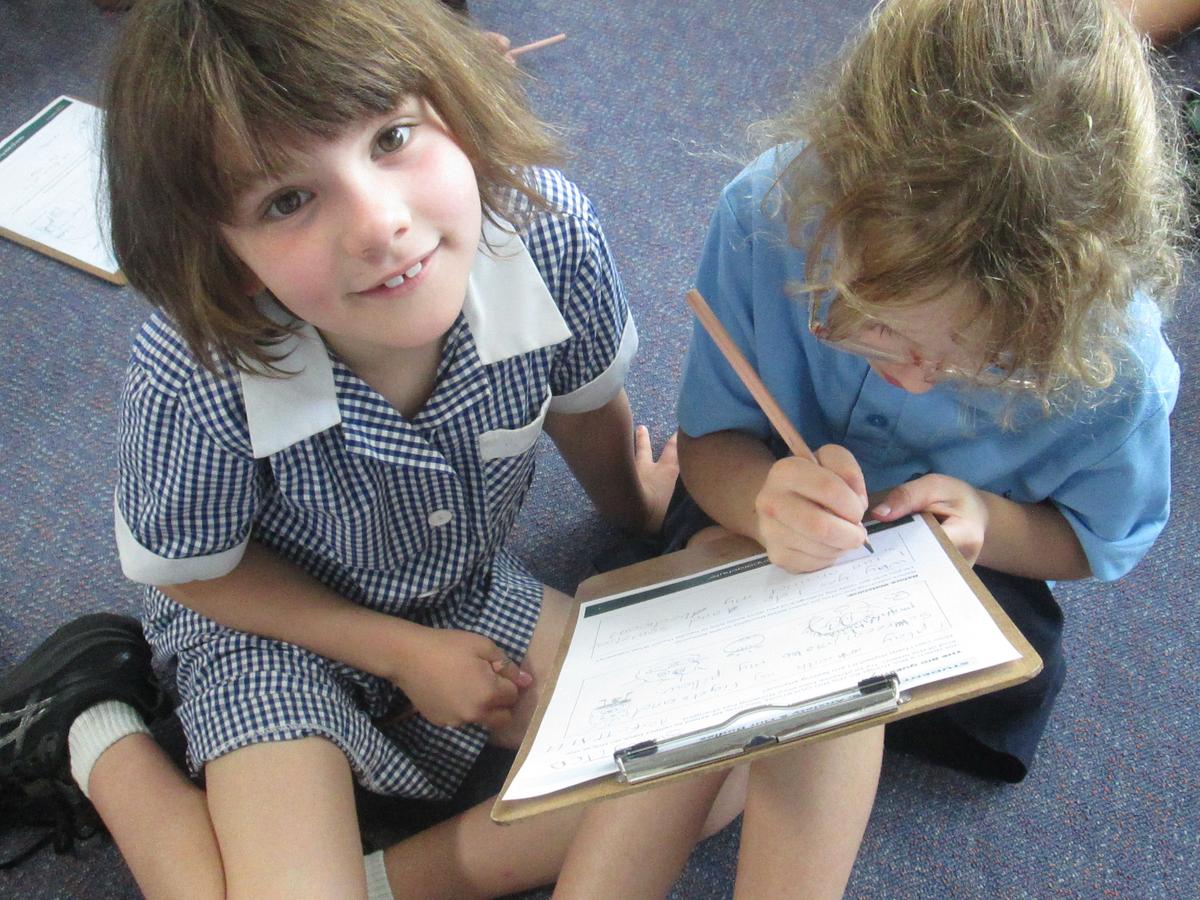
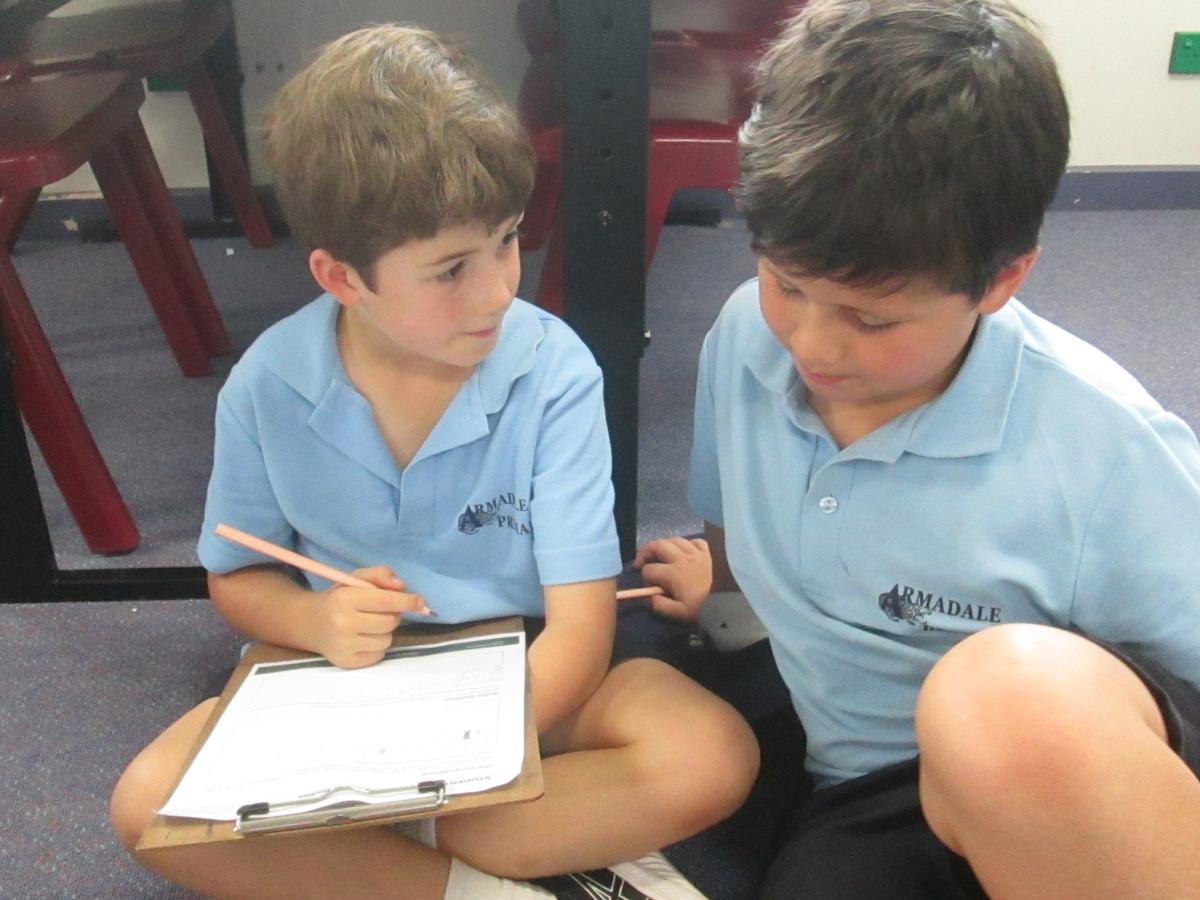
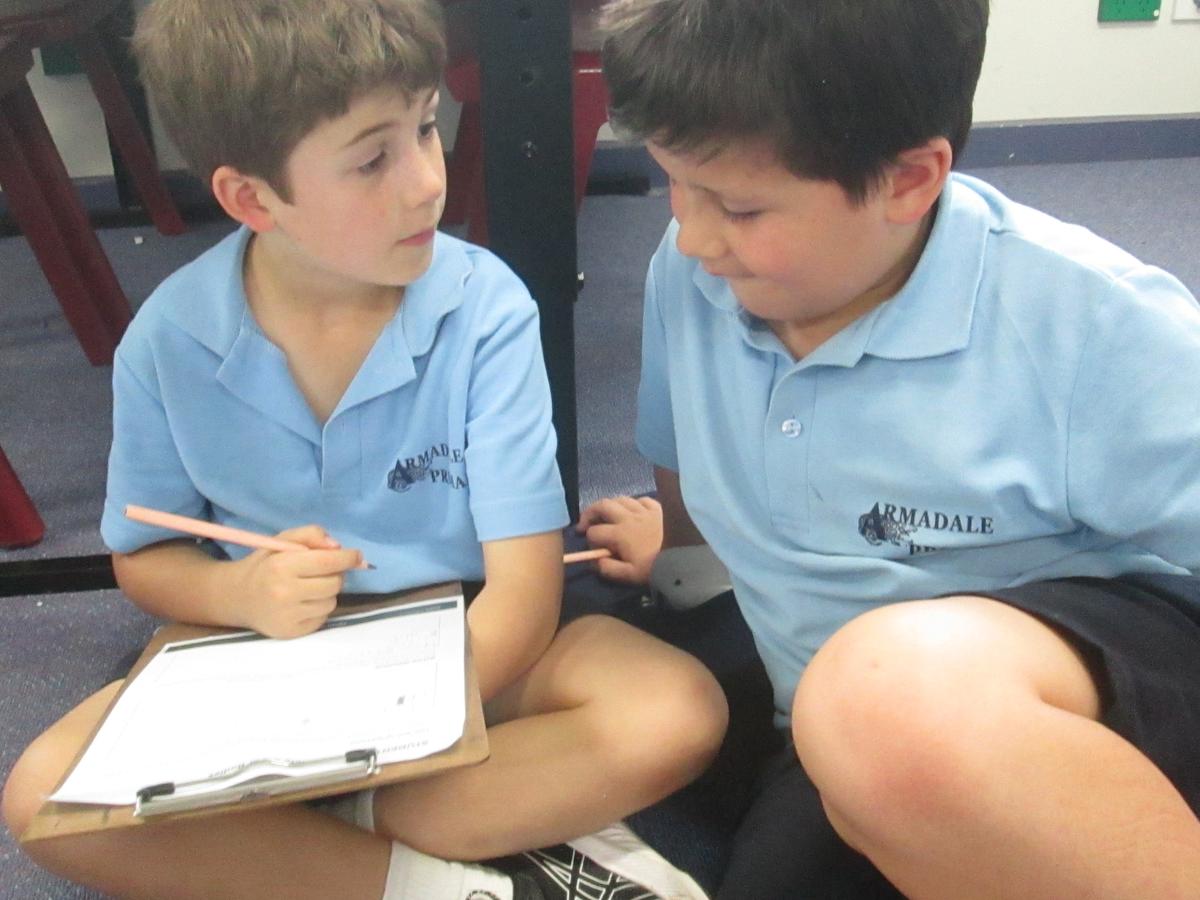
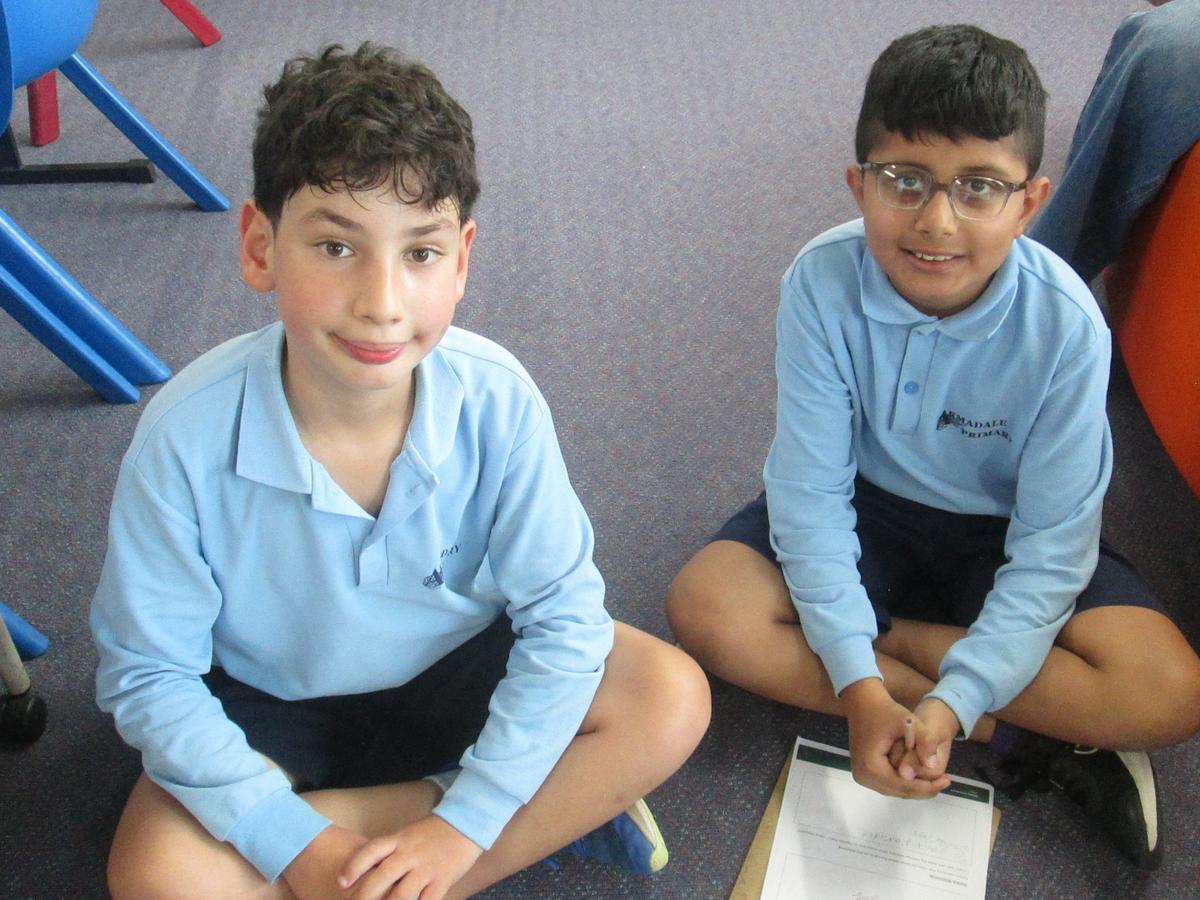
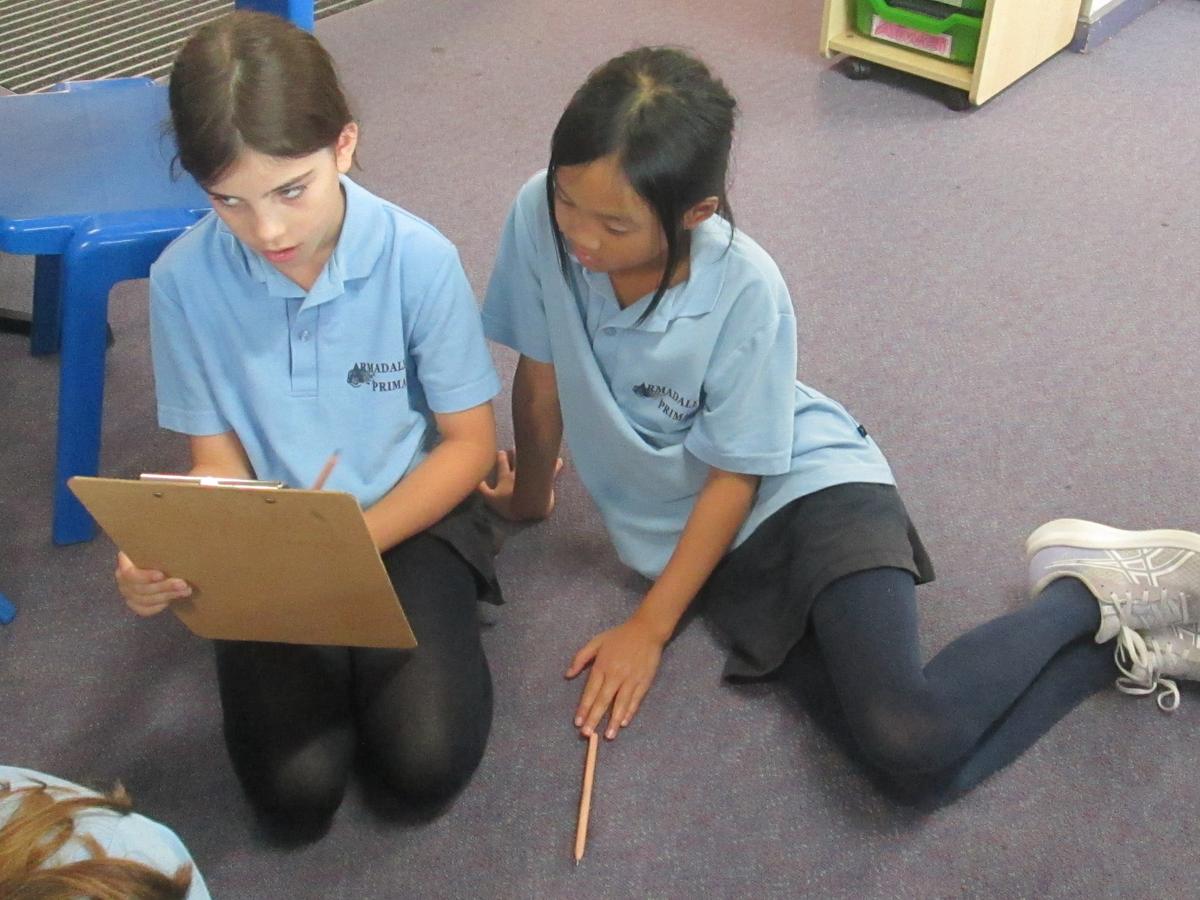
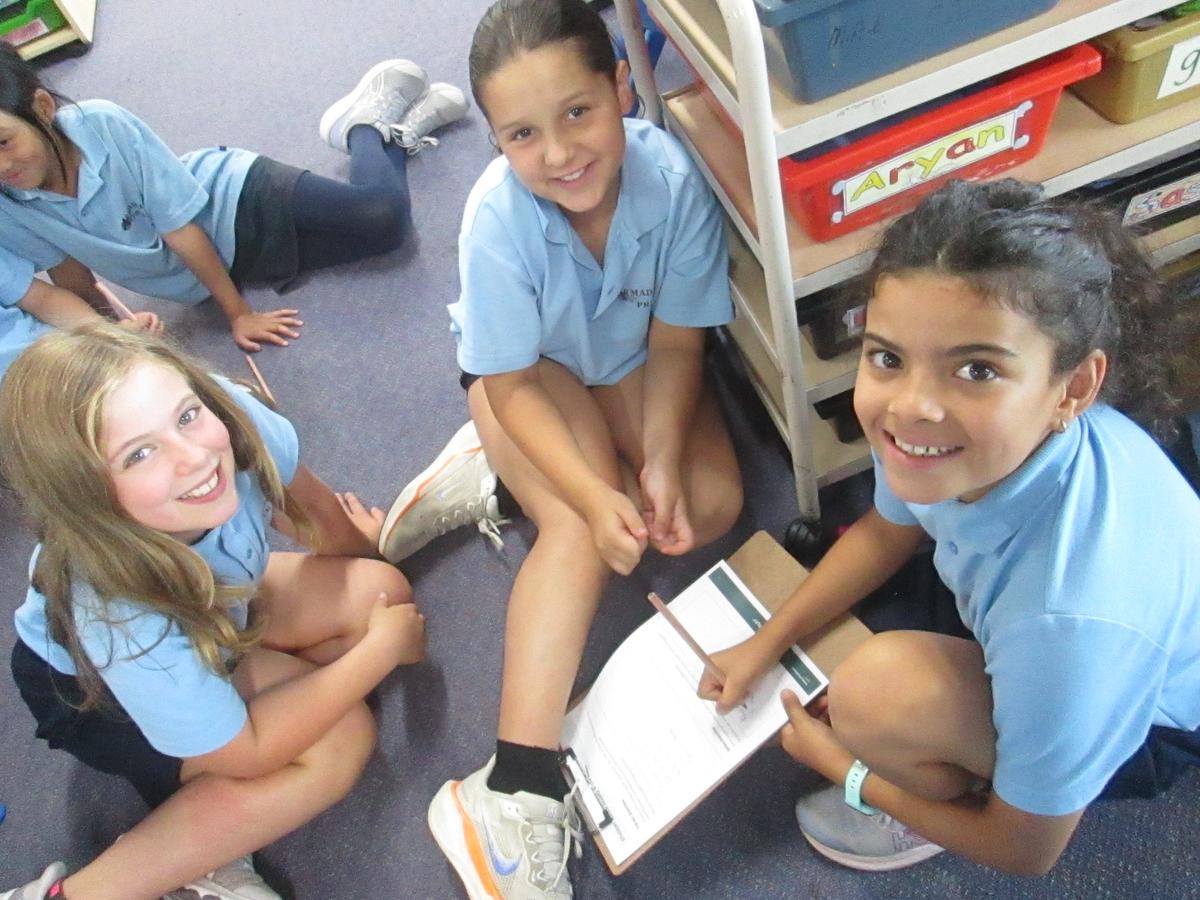
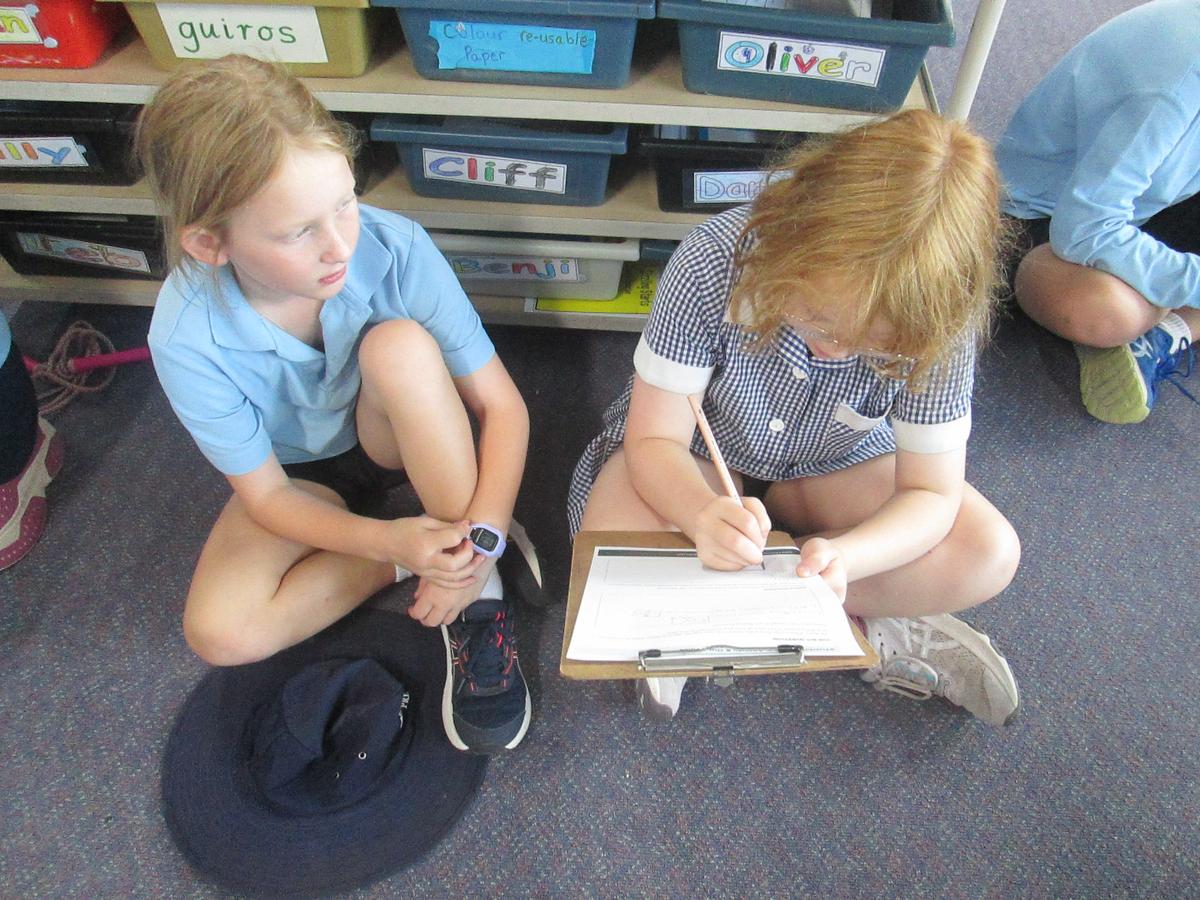
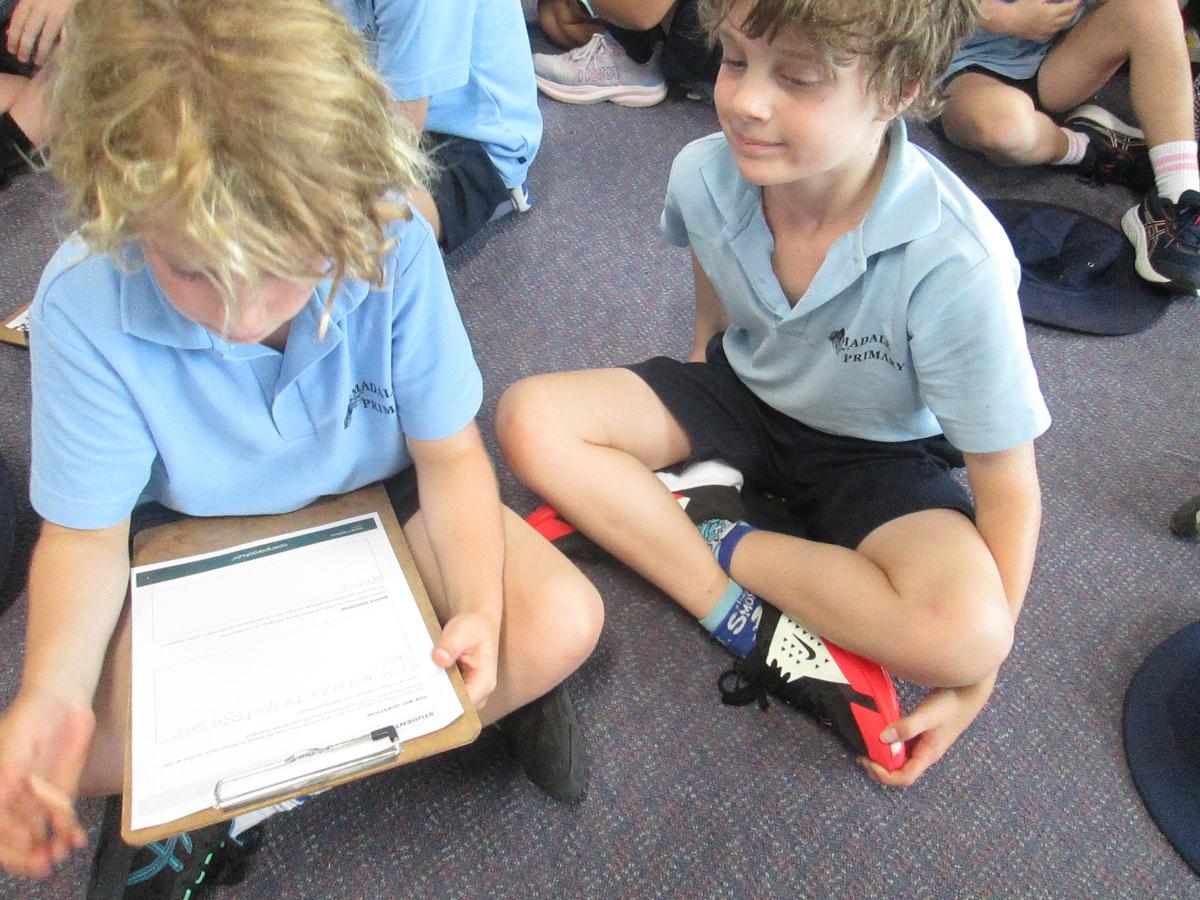
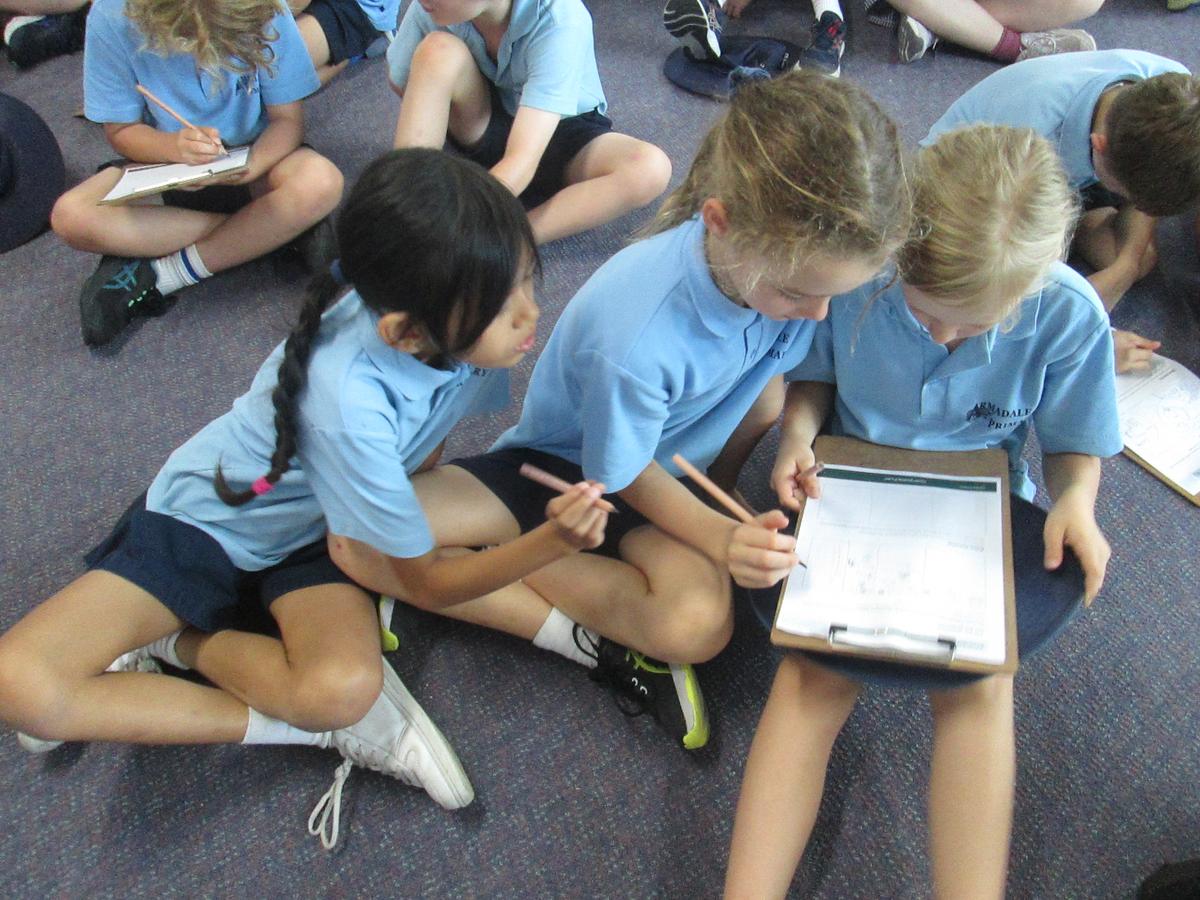
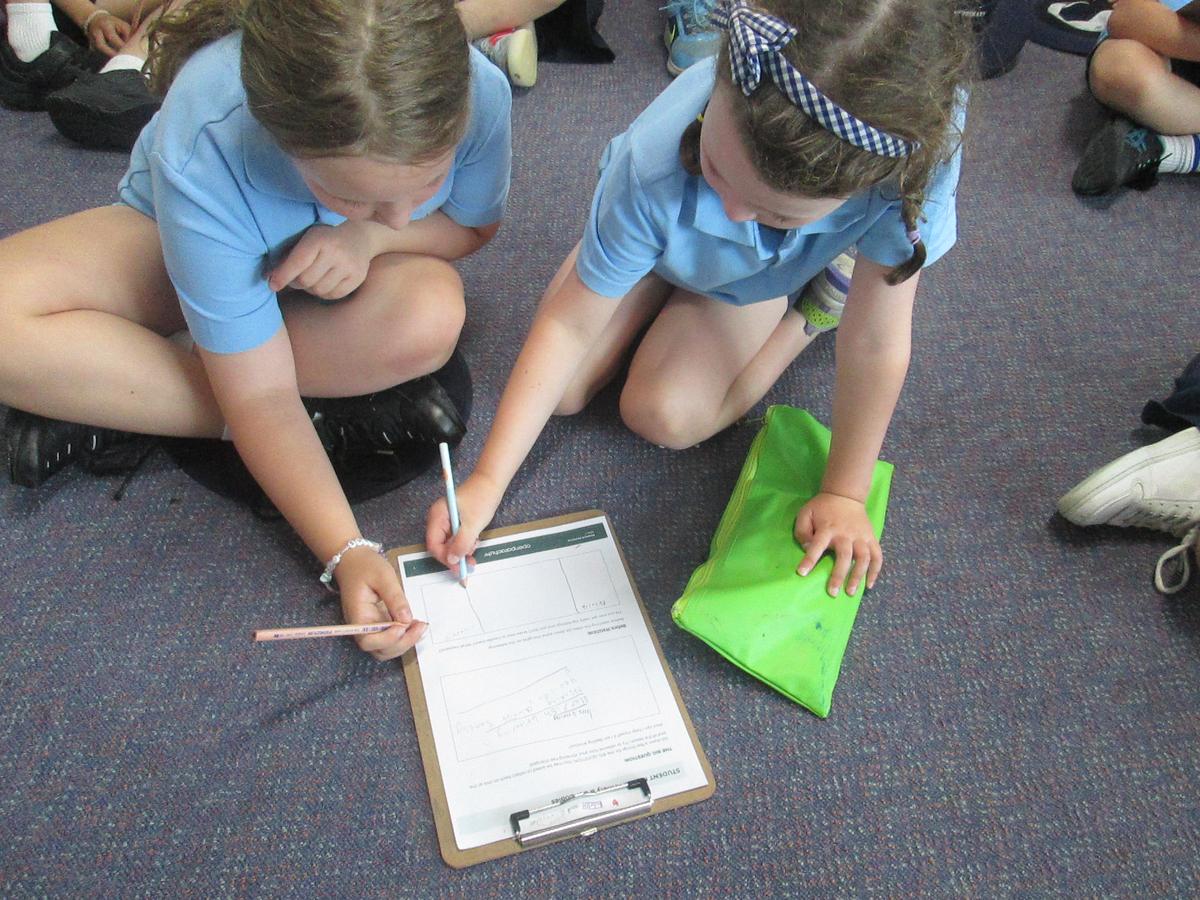
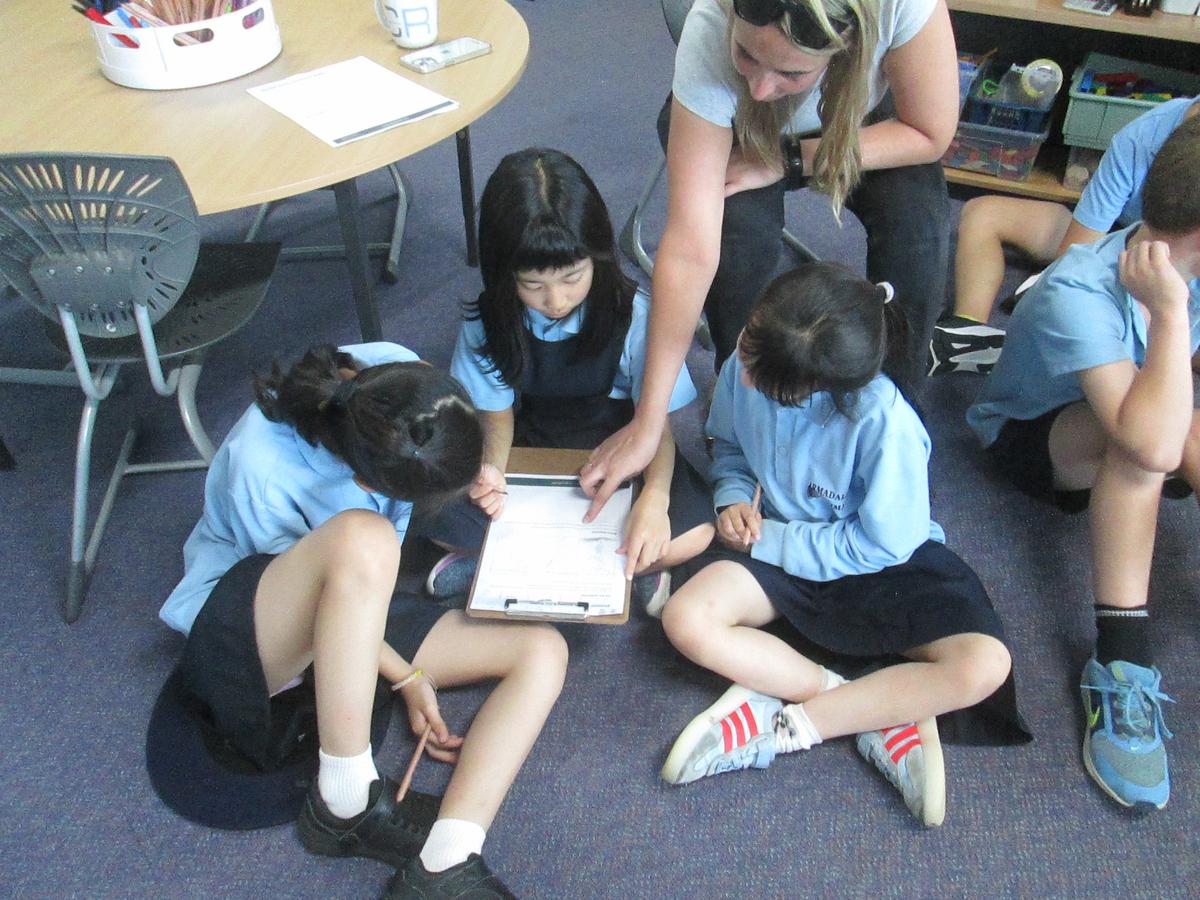
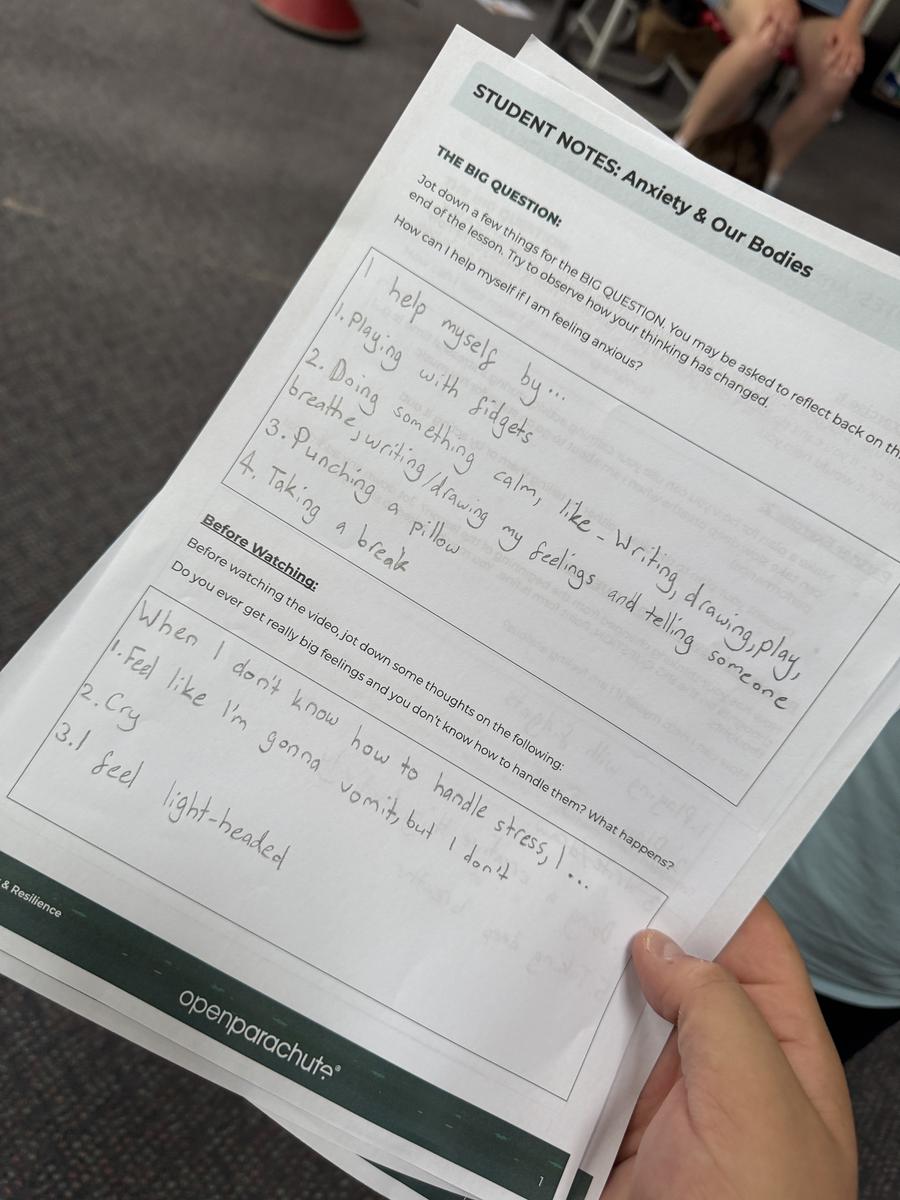
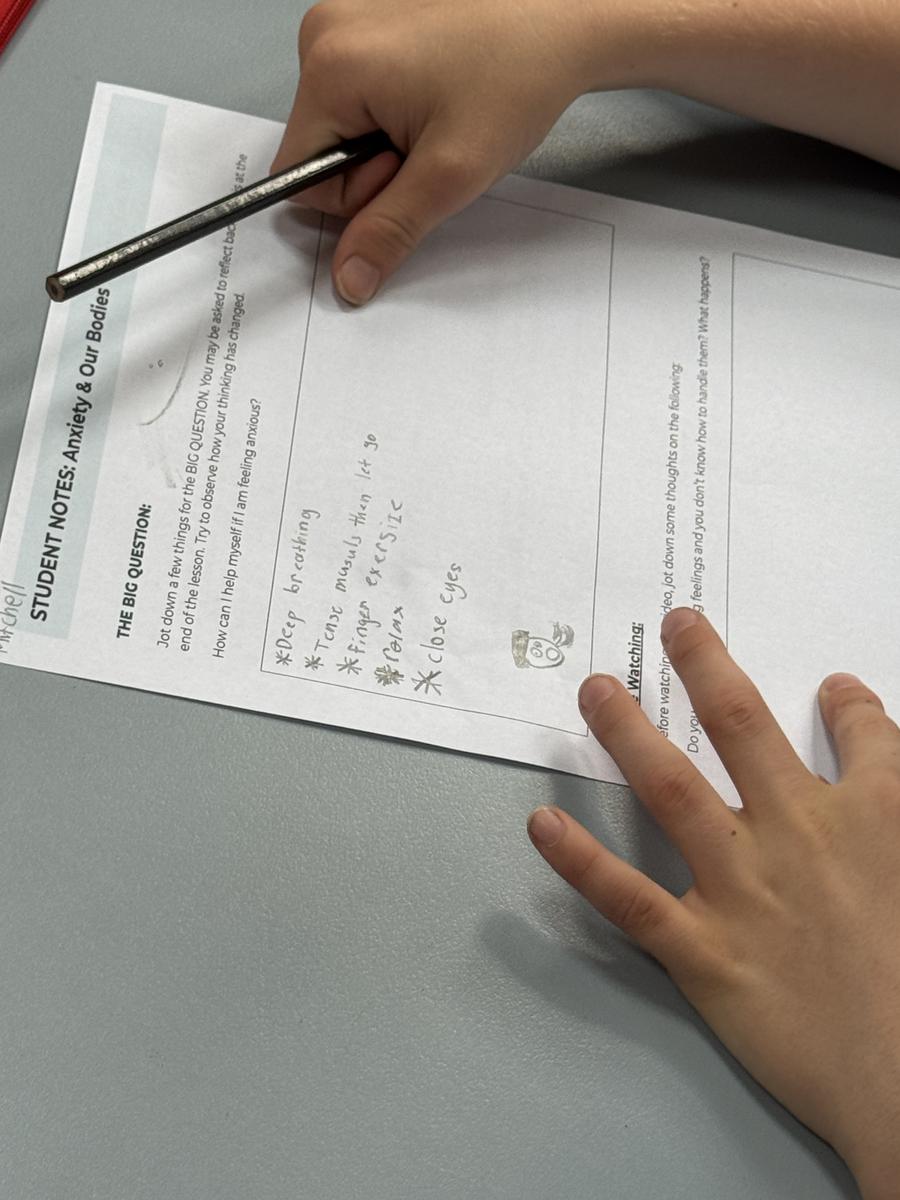
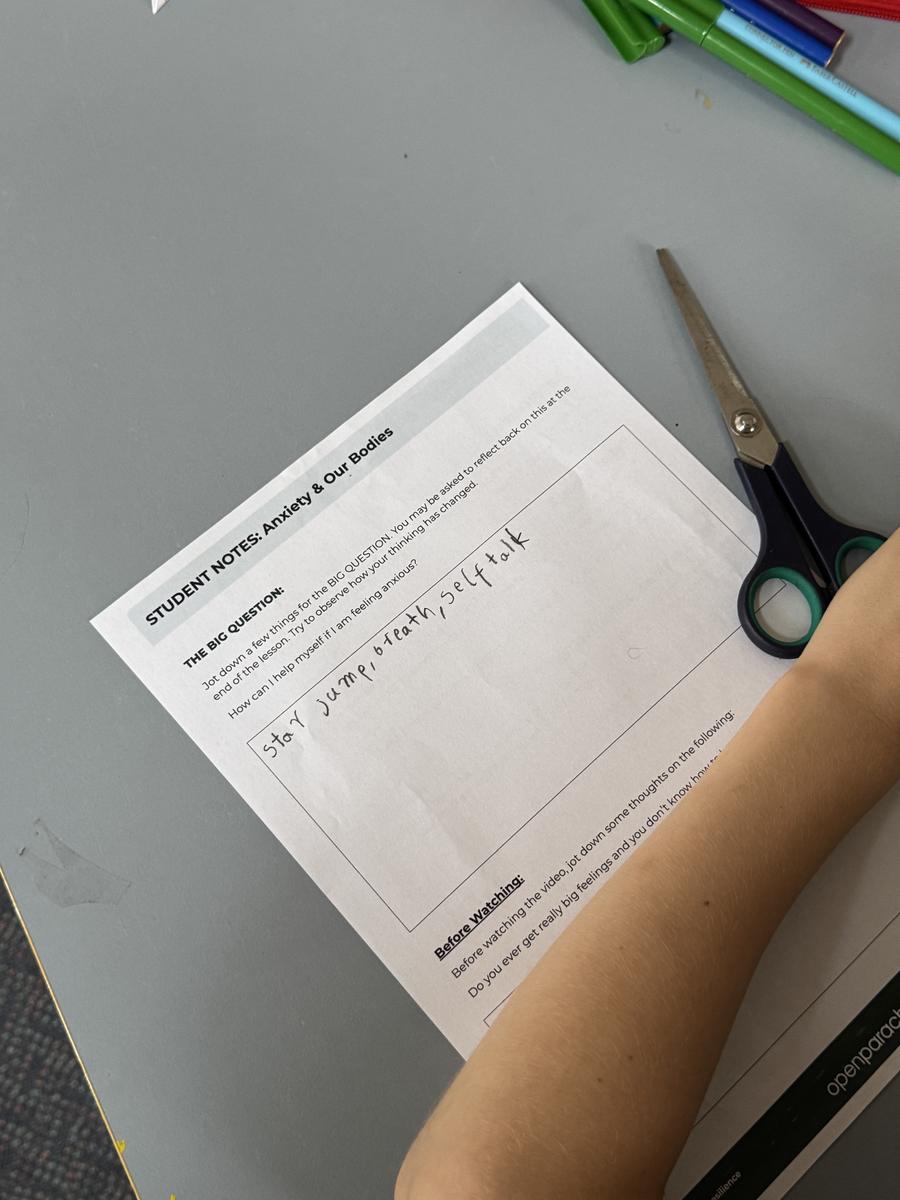
Students then worked together to apply their learning. They identified a calming or soothing strategy that would realistically support them at school such as deep breathing, stretching, drawing, positive self-talk or taking a short movement break. They discussed when they might need to use their strategy and how it would help their body and brain settle. Using the scaffold provided (seen below in the images) students wrote down some strategies that they use, as well as what it looks like (or feels like) to feel anxious or worried.
Whole
Throughout the session, studnets were prompted to share the strategies that they came up with to help reduce that anxiety or "worry". They were provided a "Zones of Regulation" bookmark to help support their understanding of the physical signs of anxiety, and some strategies as examples. Others were prompted to draw/illustrate some of the strategies that they came up with, so their peers can have a go at implementing them in day to day life.
To continue the learning at home, from this experience:
- Ask your child where and when they notice worry in their body.
- Talk openly about times you have felt nervous or stressed and what helped you calm down.
- Practise slow, deep breathing together.
- Help your child create a simple plan for tricky moments. Make these tangible and achievable within the classroom or when at recess/lunch.
- Encourage positive self-talk.
- Discuss "safe adults" with your child. This can be a classroom teacher, teacher at Armadale, family friend, anyone who your child can come to for support when feeling anxious or concerned.
Thank you for taking the time to read our Bulletin,
Richard, Brigitte and Rosanna
richard.cornell@education.vic.gov.au
brigitte.memmolo@education.vic.gov.au
rosanna.caruso@education.vic.gov.au
Year 3/4 Team