
Class 5/6 Steiner

Kii Class 5/6 Families,
It was a real pleasure meeting so many of our new Class Five parents and reconnecting with the Class Six families at last week’s Meet the Parent/Carer meetings. I truly value the opportunity to talk together about how we can work in partnership this year to best support your child’s learning and wellbeing. Thank you very much for taking the time to attend.
Main Lesson – Ancient Rome
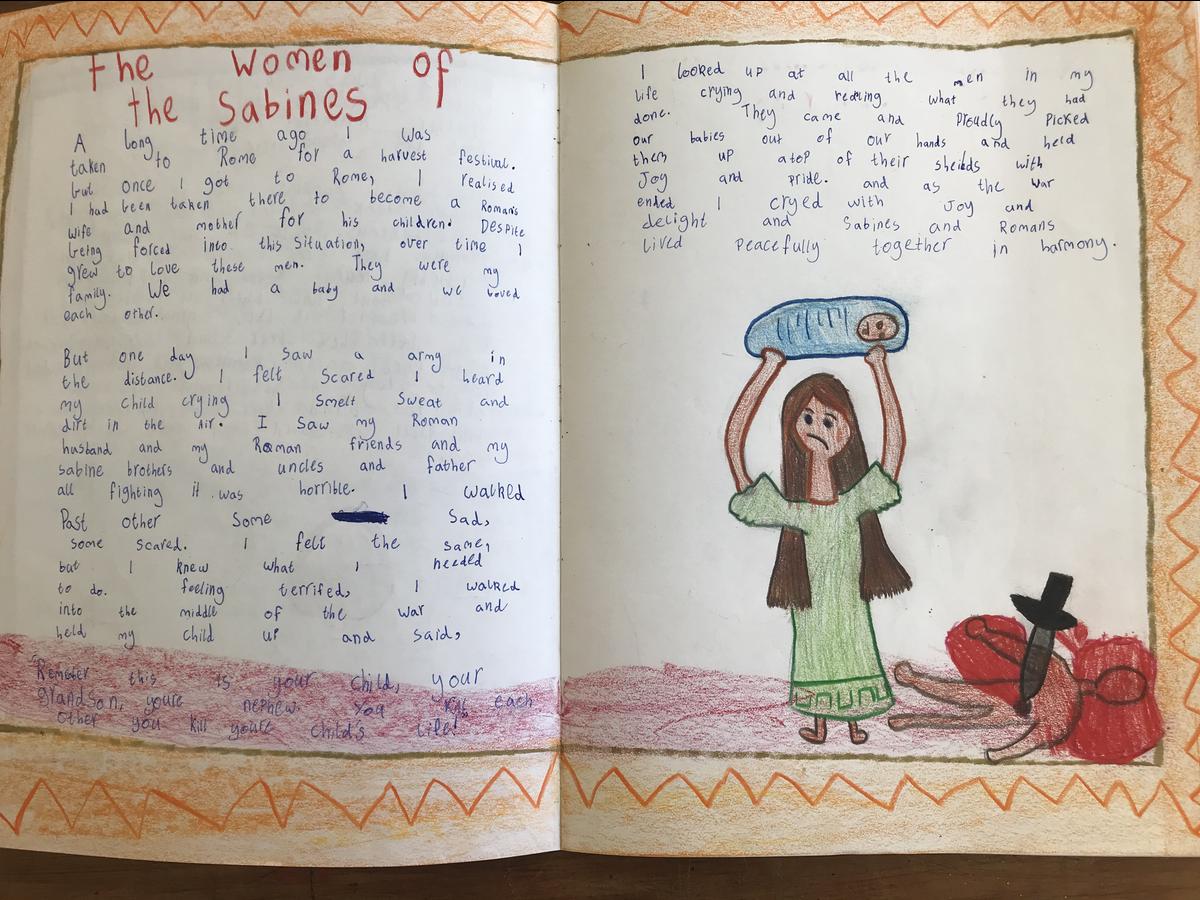
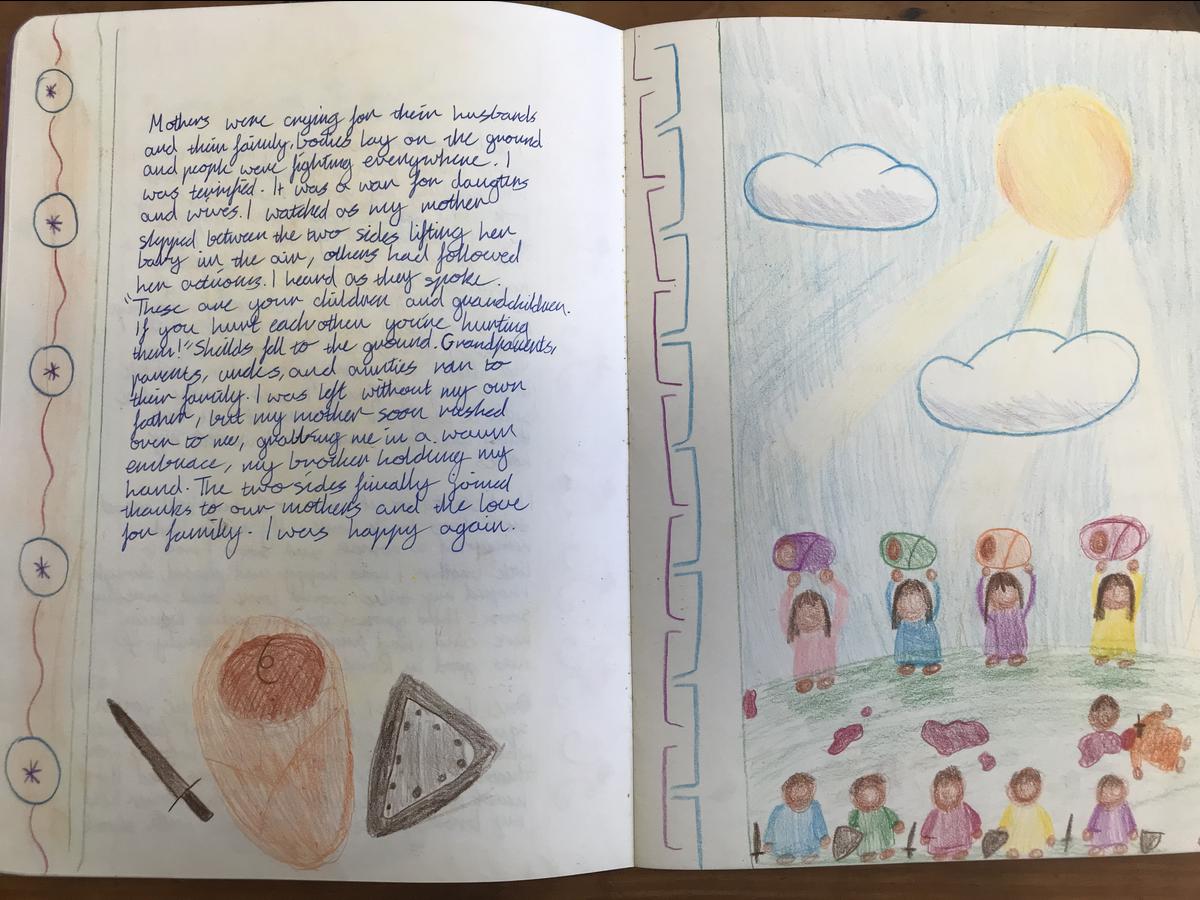
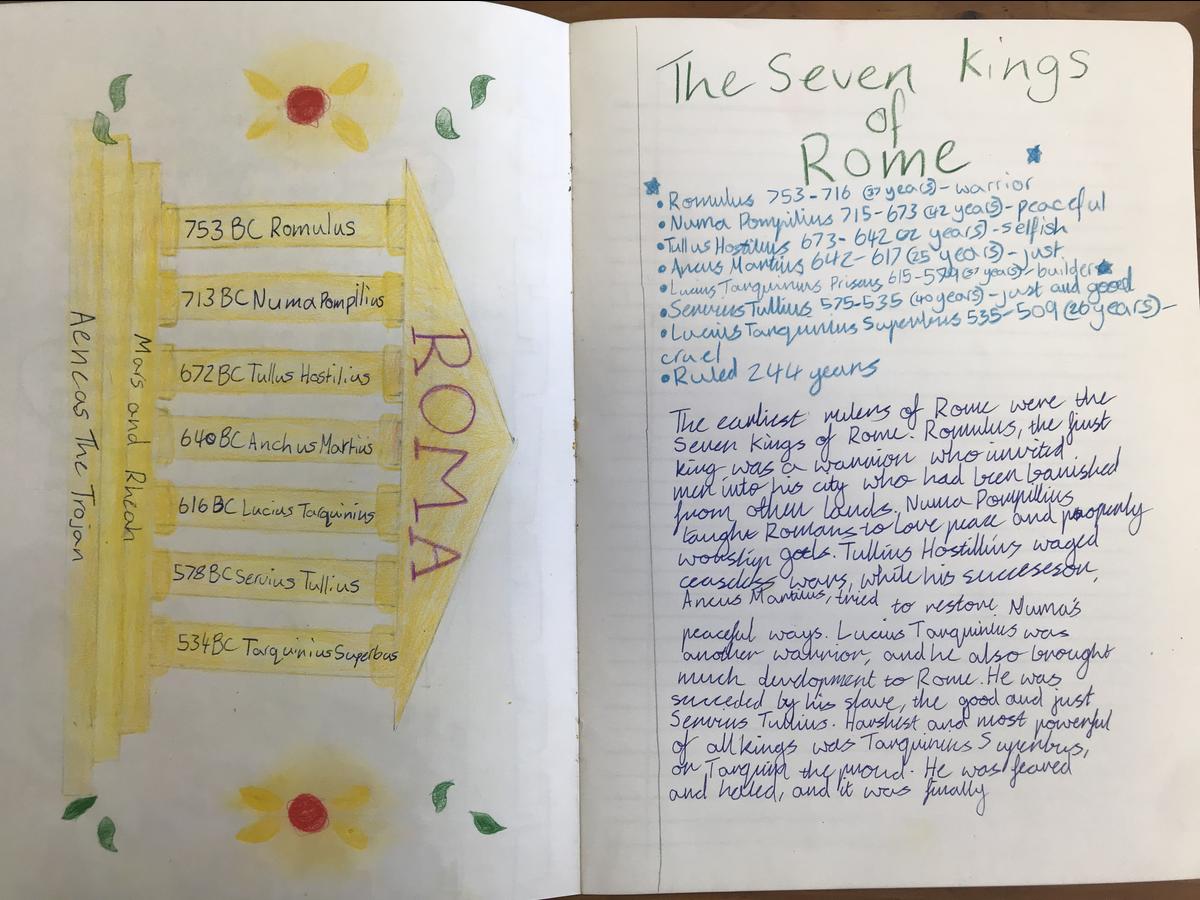
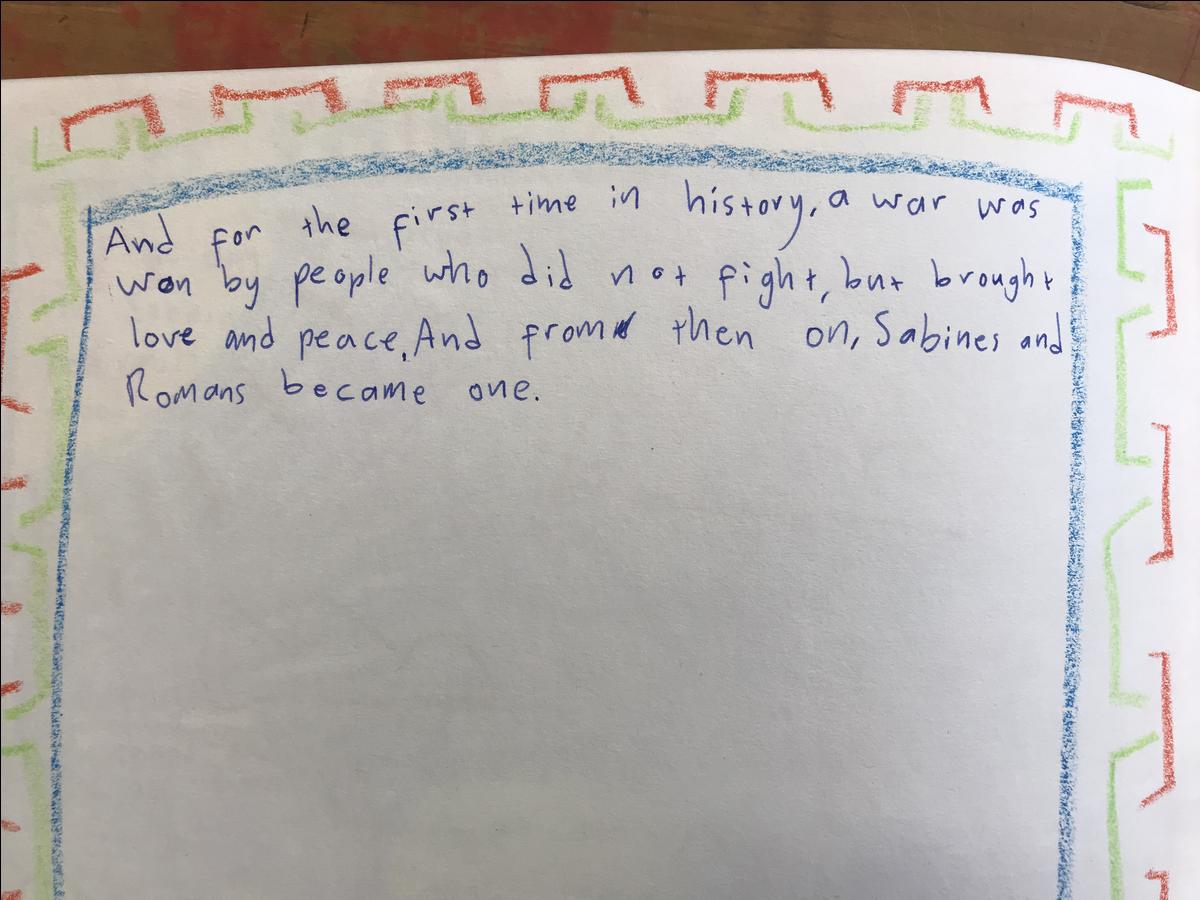
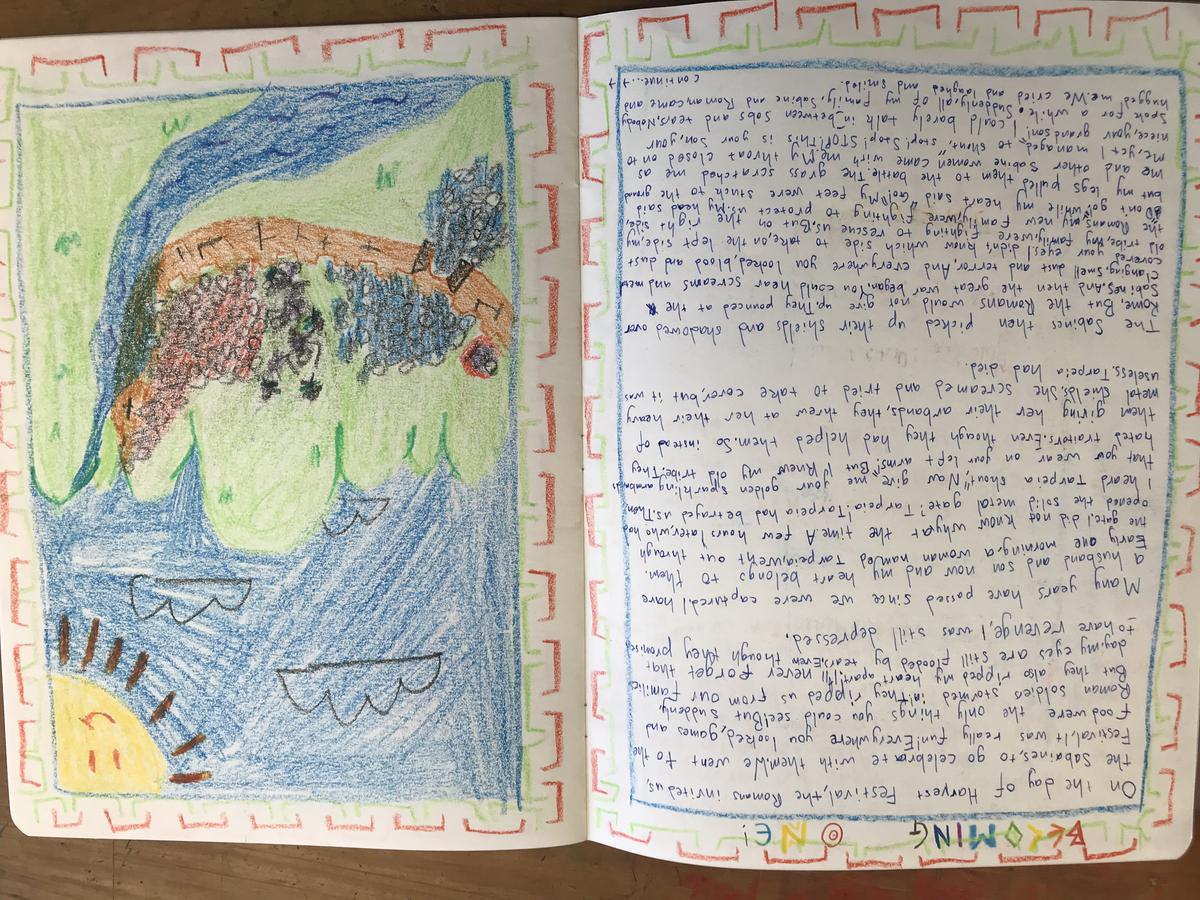
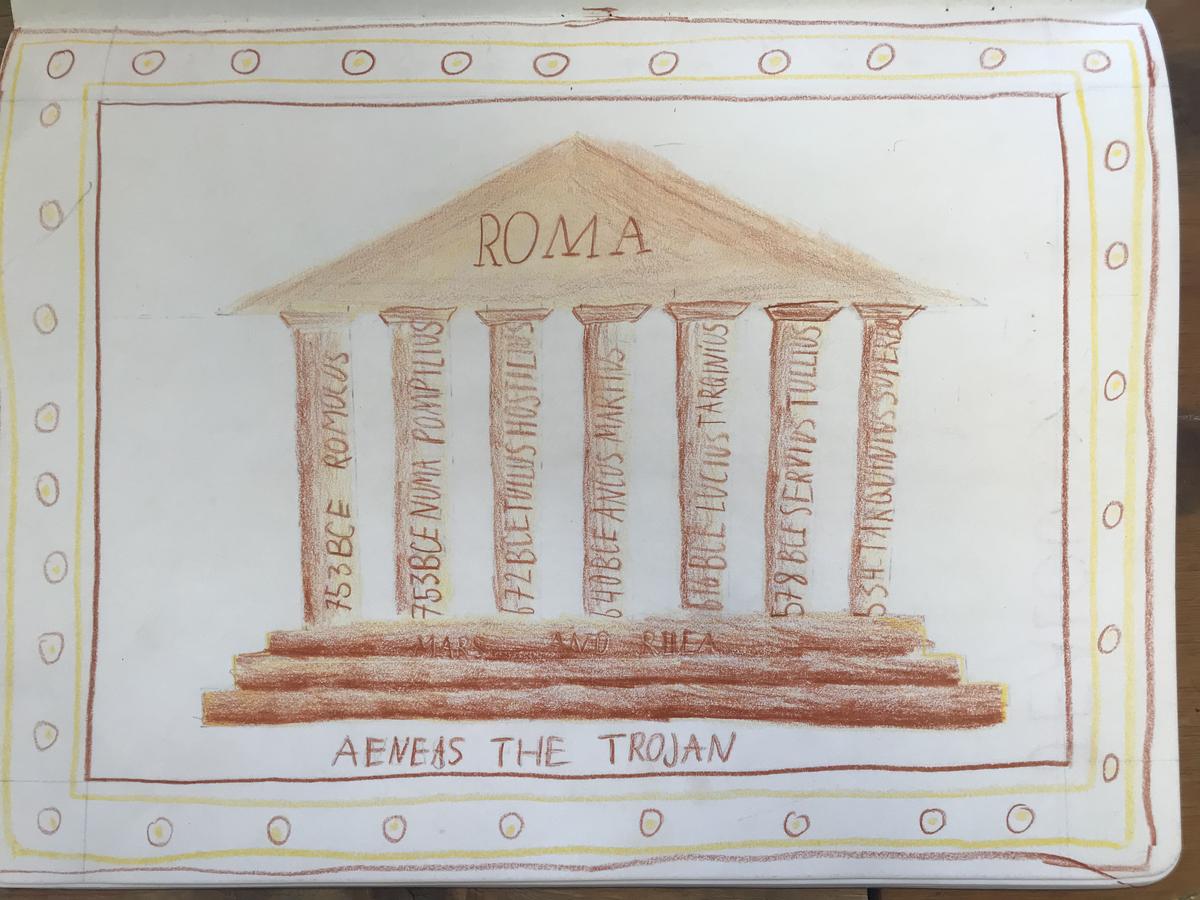
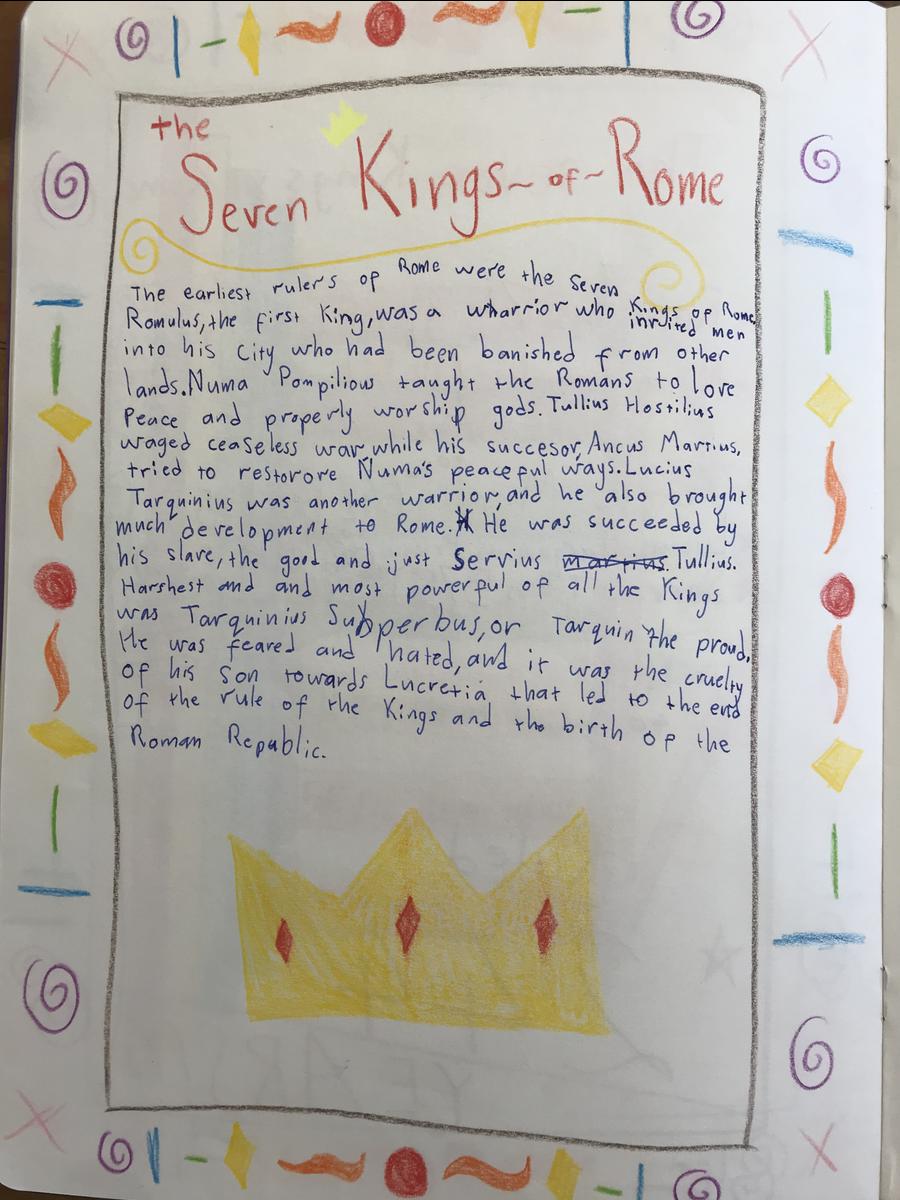
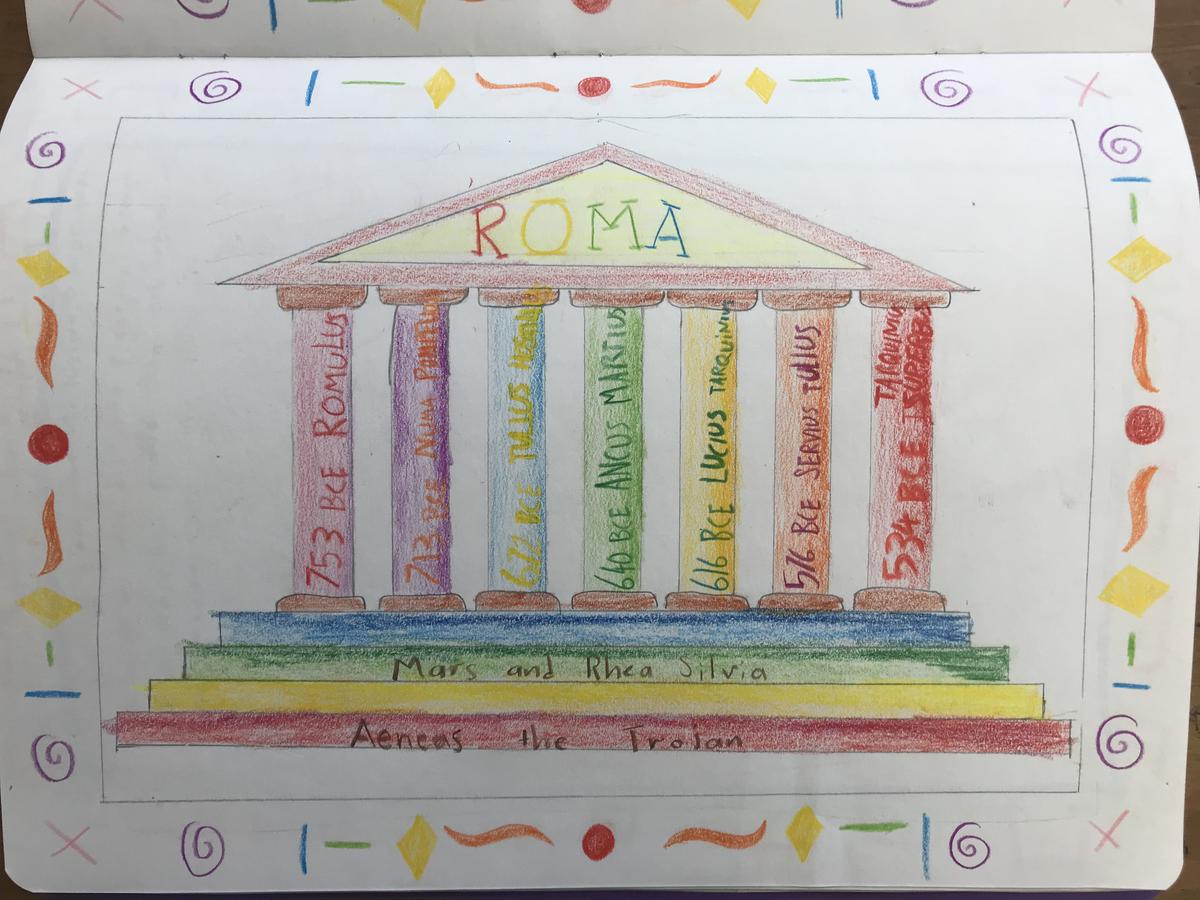
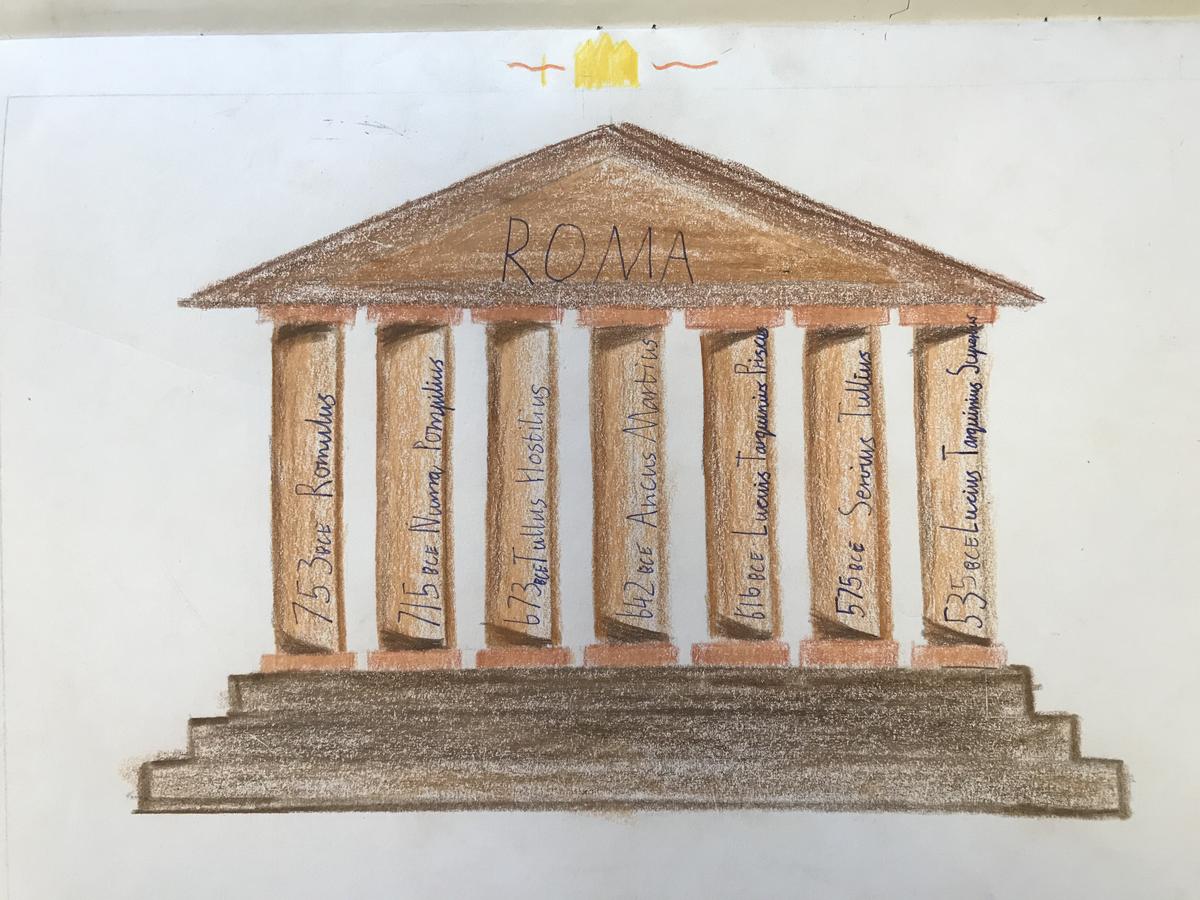
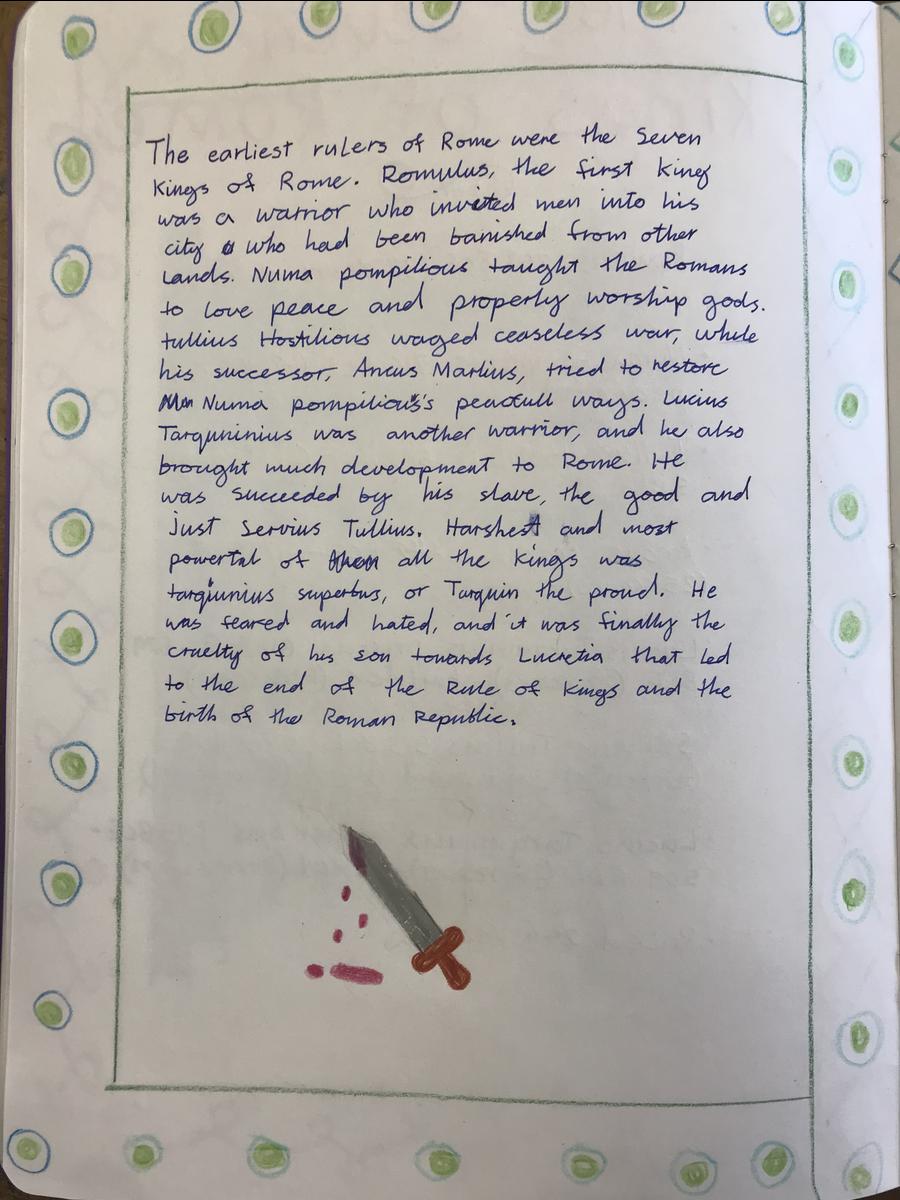
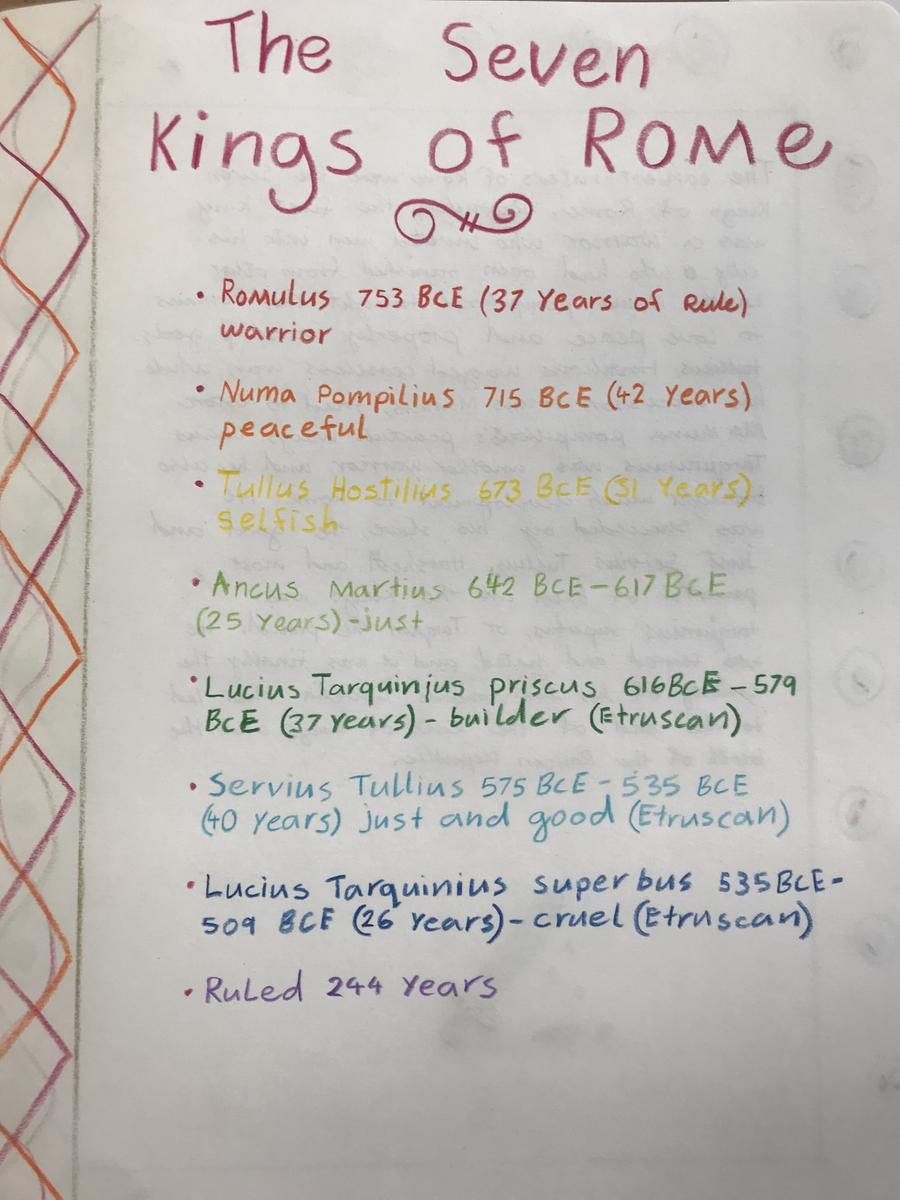
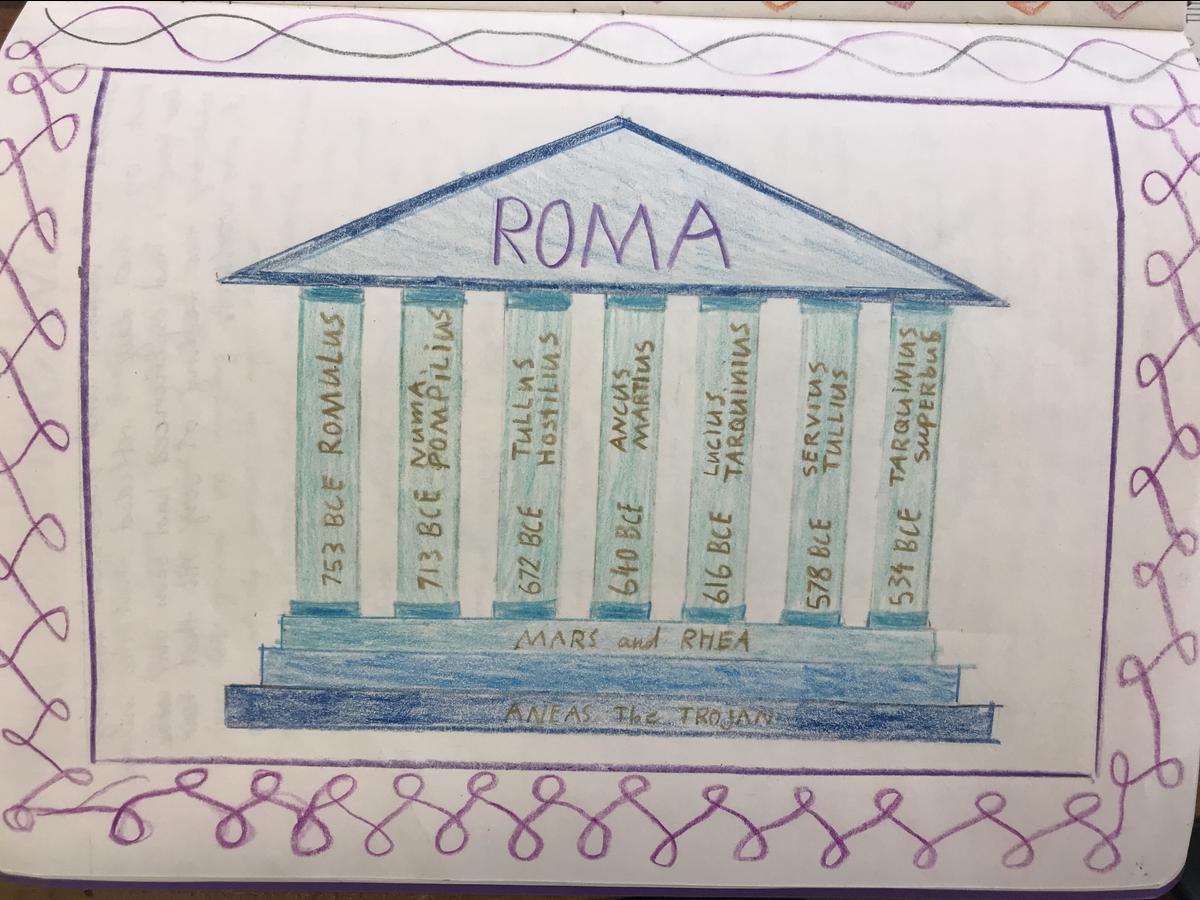
Over the past fortnight, we have continued our exploration of Ancient Rome, building on the powerful founding myth of Romulus and Remus. Students have now learned about the Seven Kings of Rome and examined how early Roman leadership shaped the development of the city. Through thoughtful discussion, the class considered why the Romans ultimately chose to overthrow the monarchy and establish a republic. This prompted rich conversations about power, justice, leadership, and civic responsibility.
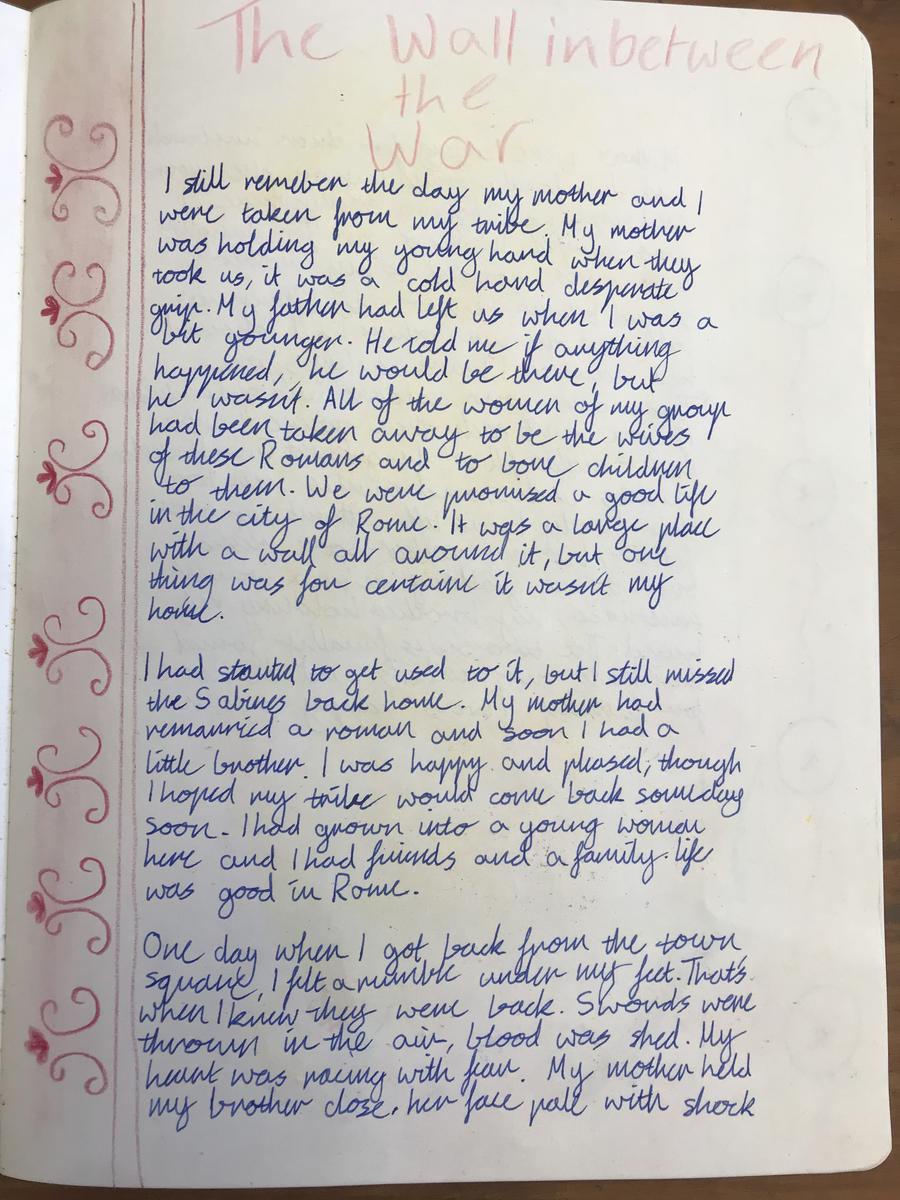
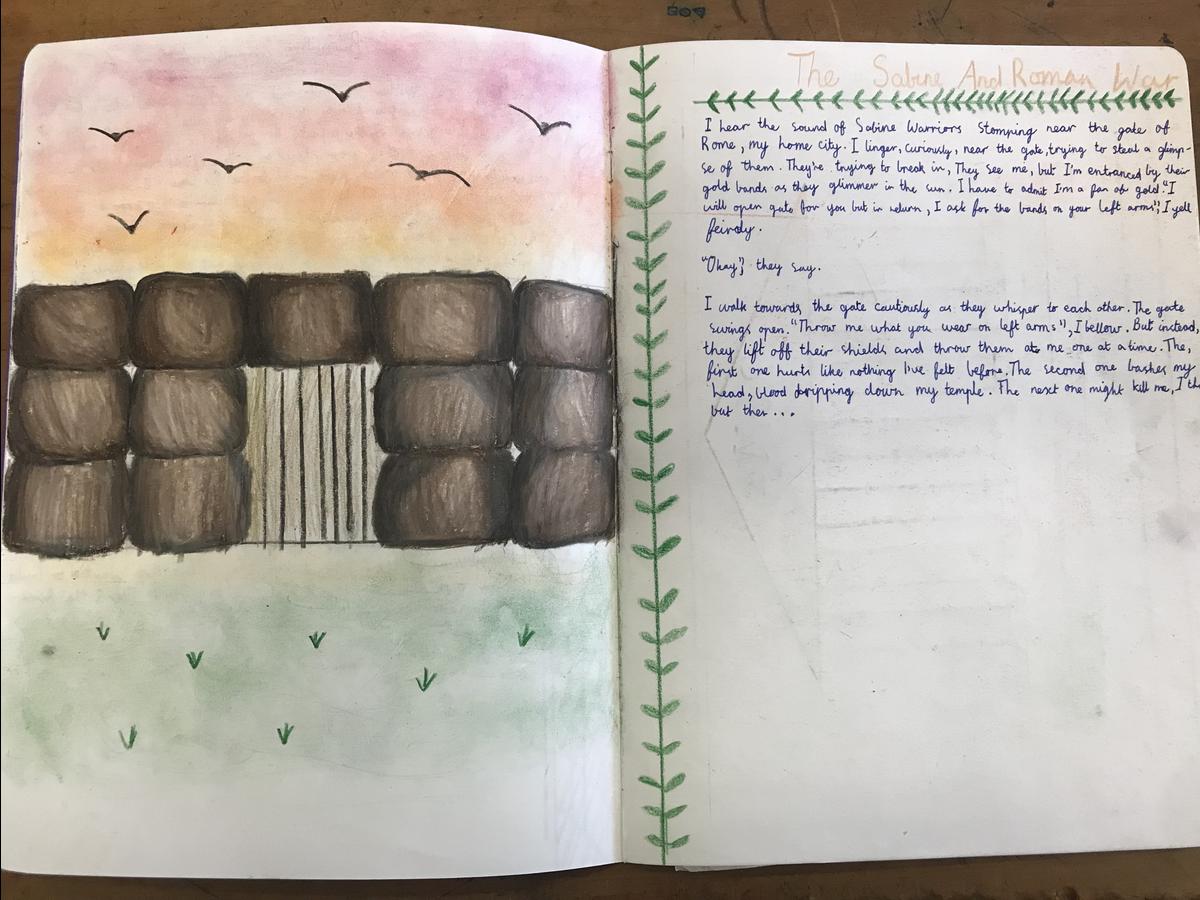
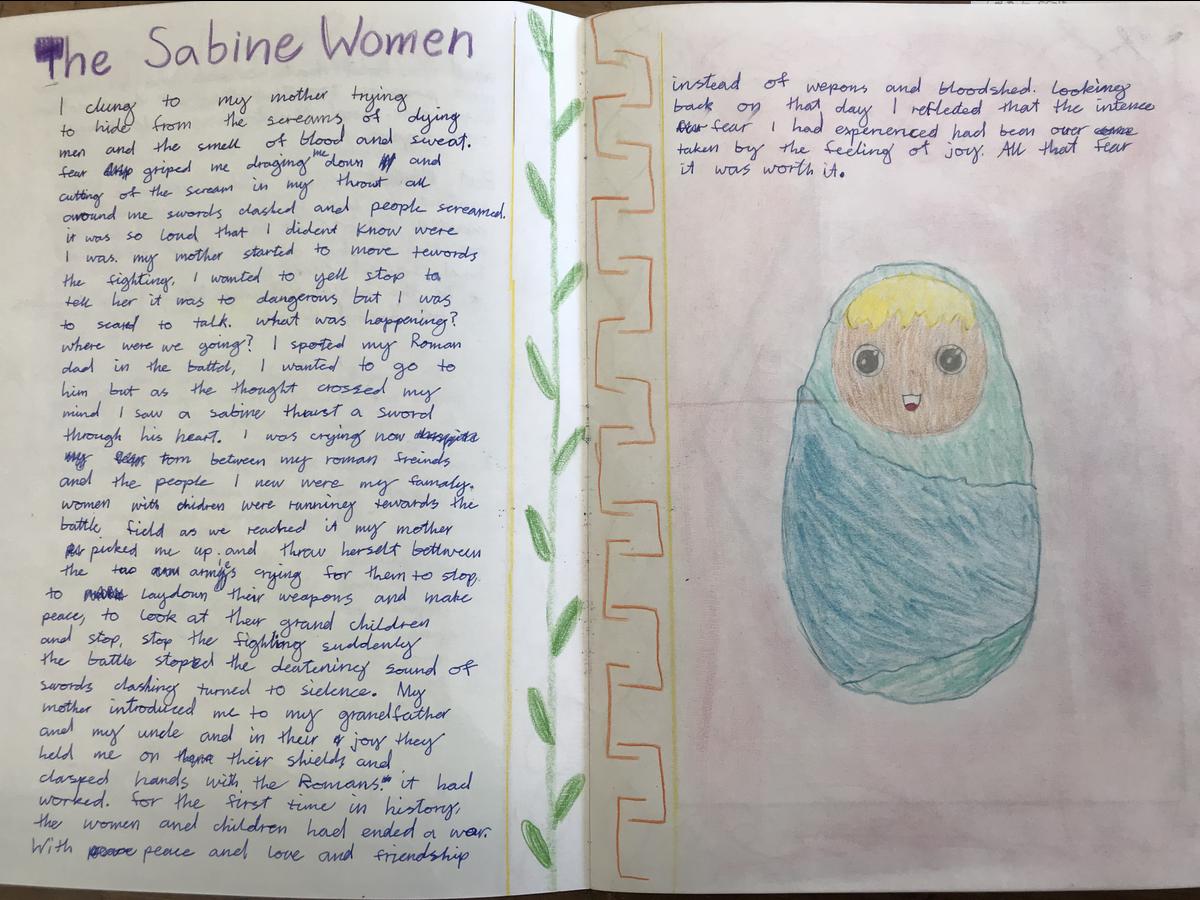
In their Main Lesson books, students have continued to take great care with presentation, completing detailed written work that reflects their growing historical understanding. A particular focus has been on deepening comprehension through oral summaries. After hearing and discussing each story, students practised identifying the key events and retelling them in their own words, stripping the narrative back to its essential points. This oral work strengthens sequencing skills, clarity of expression, and confidence in speaking, while supporting students to internalise historical content before transferring understanding into written tasks.
Our writing focus this fortnight has been revisiting narrative structure. We began by analysing model texts, identifying the key elements of effective narrative writing - including orientation, rising action, climax, and resolution. Students explored how authors build atmosphere and develop character, particularly in stories drawn from the lives of the Seven Kings. They then crafted their own narratives inspired by these stories, with an emphasis on descriptive language, varied sentence structure, and maintaining narrative tension. It has been encouraging to see students applying structural frameworks while also engaging creatively with the material.
Reading
We are currently strengthening our reading comprehension by practising how to identify and create “thick” and “thin” questions, along with exploring the three levels of thinking when viewing texts. Students are learning to think at the literal level (what the text says), the inferential level (what the text means), and the evaluative level (what the text makes us think or question). Thin questions focus on information found directly in the text, while thick questions encourage deeper thinking, discussion, and the use of evidence to support ideas. Developing these skills helps students become more thoughtful, confident readers who can analyse characters, themes, and author’s messages from multiple perspectives. These strategies are especially beneficial as we prepare for small group novel studies later in the year, where students will lead discussions, listen actively, challenge ideas respectfully, and build on one another’s thinking.
Mathematics
In Mathematics, we have been working with the four operations - addition, subtraction, multiplication, and division - while developing a range of strategies to strengthen their ability to mentally calculate larger numbers. Rather than relying solely on written algorithms, students are learning flexible approaches such as breaking numbers apart, using place value knowledge, compensating, and applying known facts to solve problems efficiently in their heads. Building strong mental computation skills improves number sense, accuracy, and confidence, and helps students recognise patterns and relationships between numbers. This ability is highly beneficial not only for solving multi-step problems more efficiently in class, but also for real-life situations that require quick, accurate thinking, such as estimating costs, checking answers for reasonableness, and making informed decisions using numbers.
Ngoongodjin,
Robin