3/4 Steiner
Kii 3/4S families!
It really feels as though we are now well and truly in the swing of the new school year, and it’s been wonderful to see the students settling so positively into our classroom routines.
Thank you to those families who have already returned their camp forms, it is greatly appreciated. If you haven’t yet had a chance to send them in, we would be grateful to receive them as soon as possible. Please don’t hesitate to let me know if you require another copy or have any questions about completing the paperwork.
The students are beginning to grow quite excited about camp, which is lovely to see!

Main Lesson
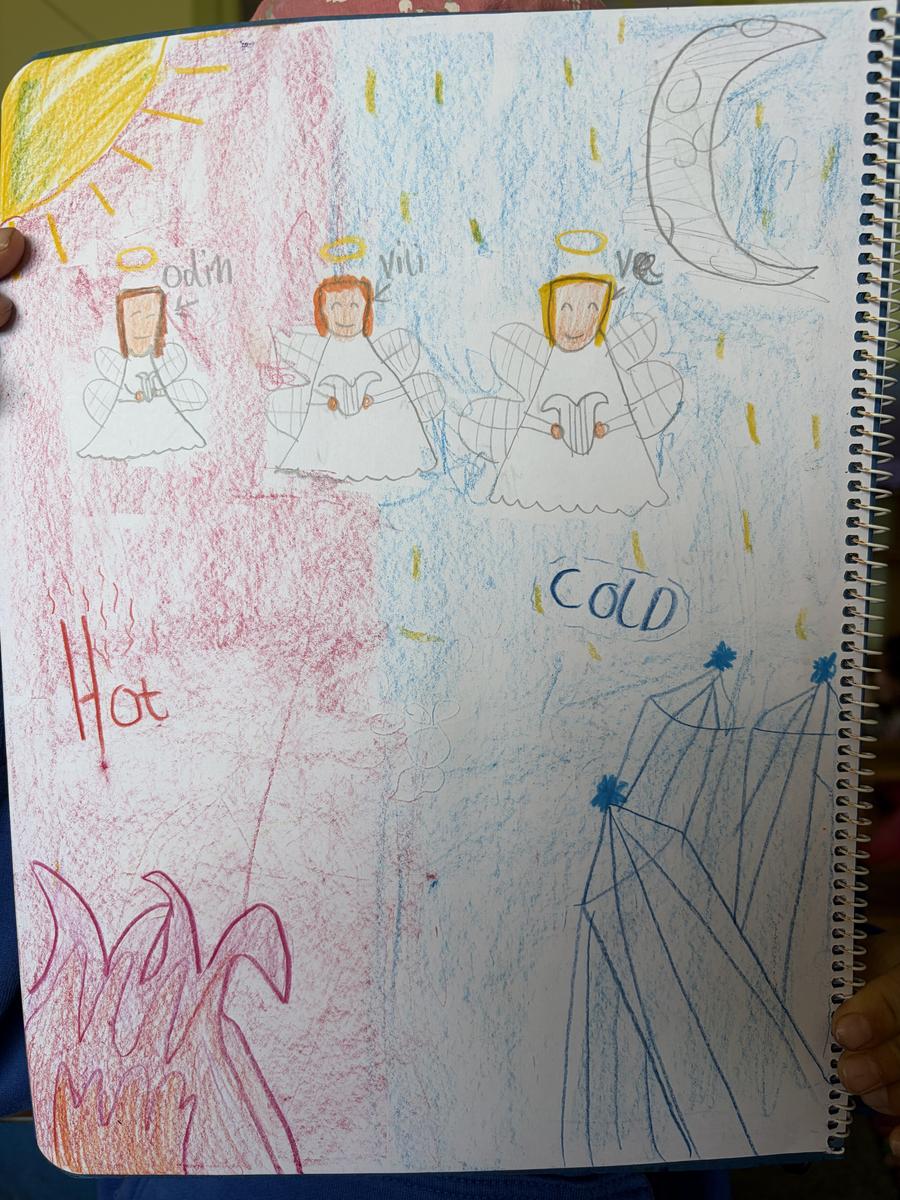
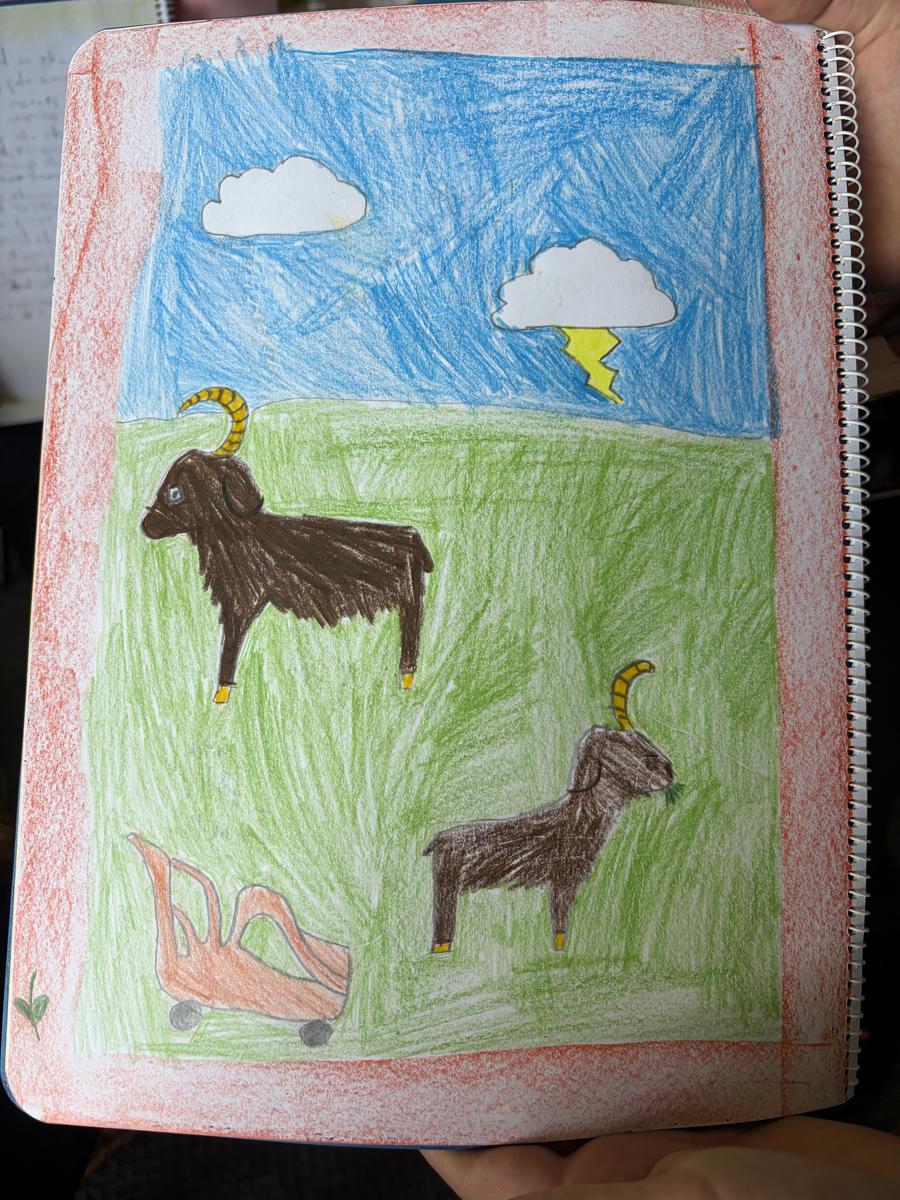
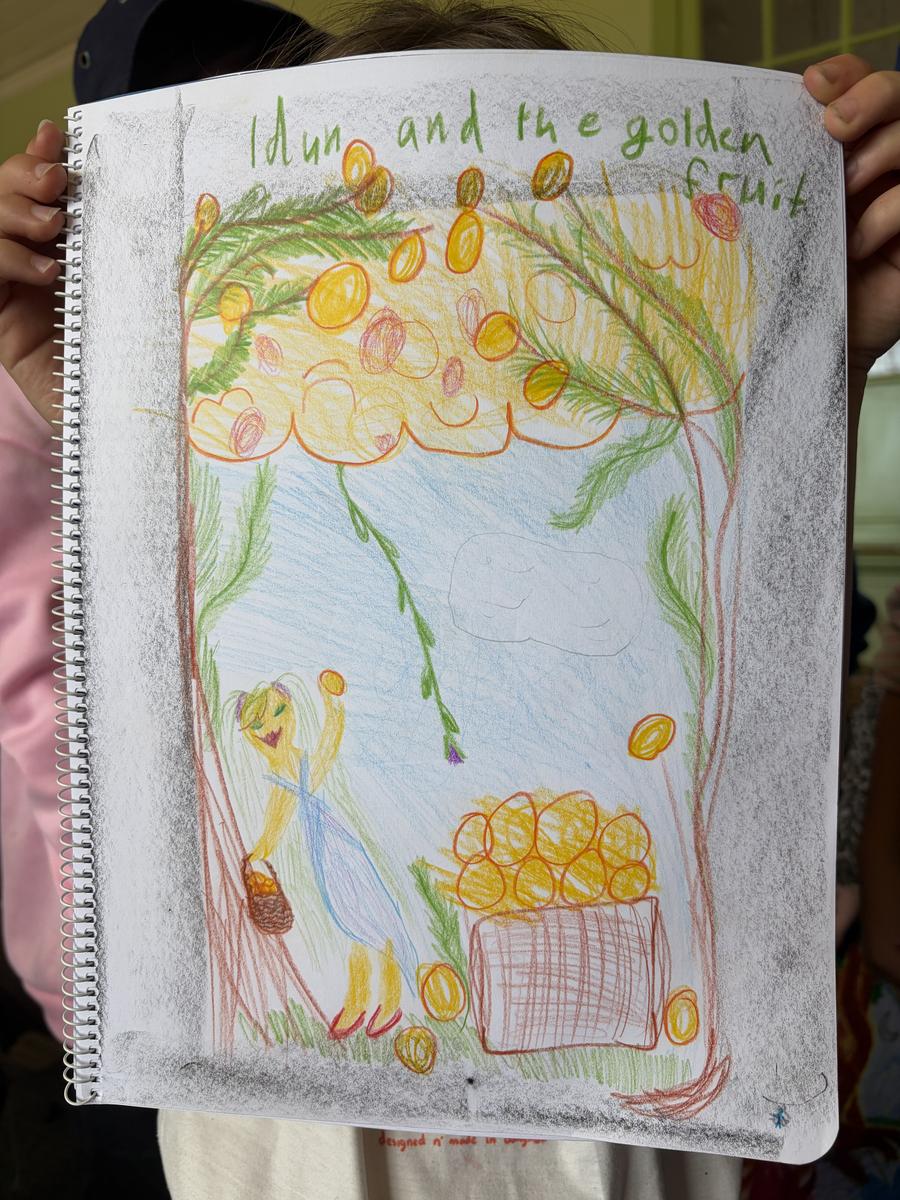
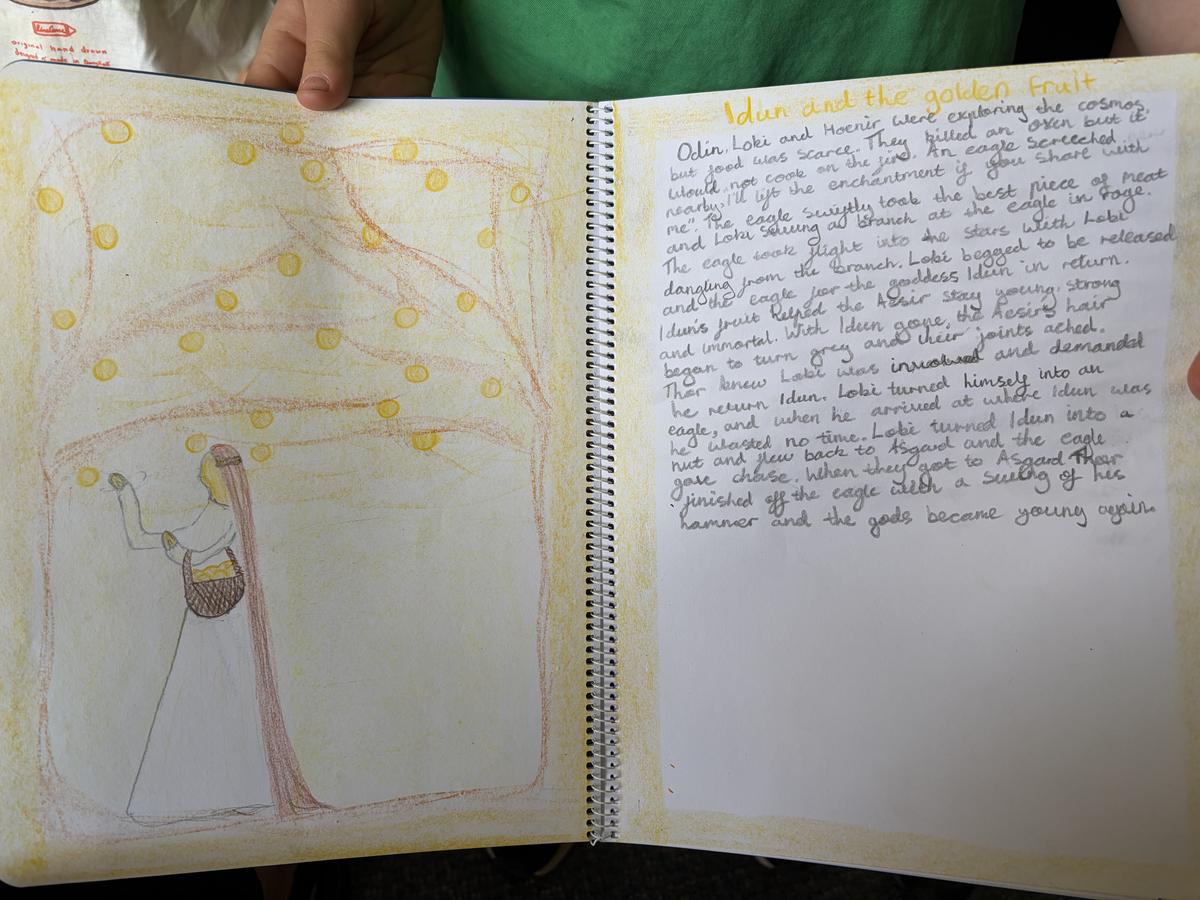
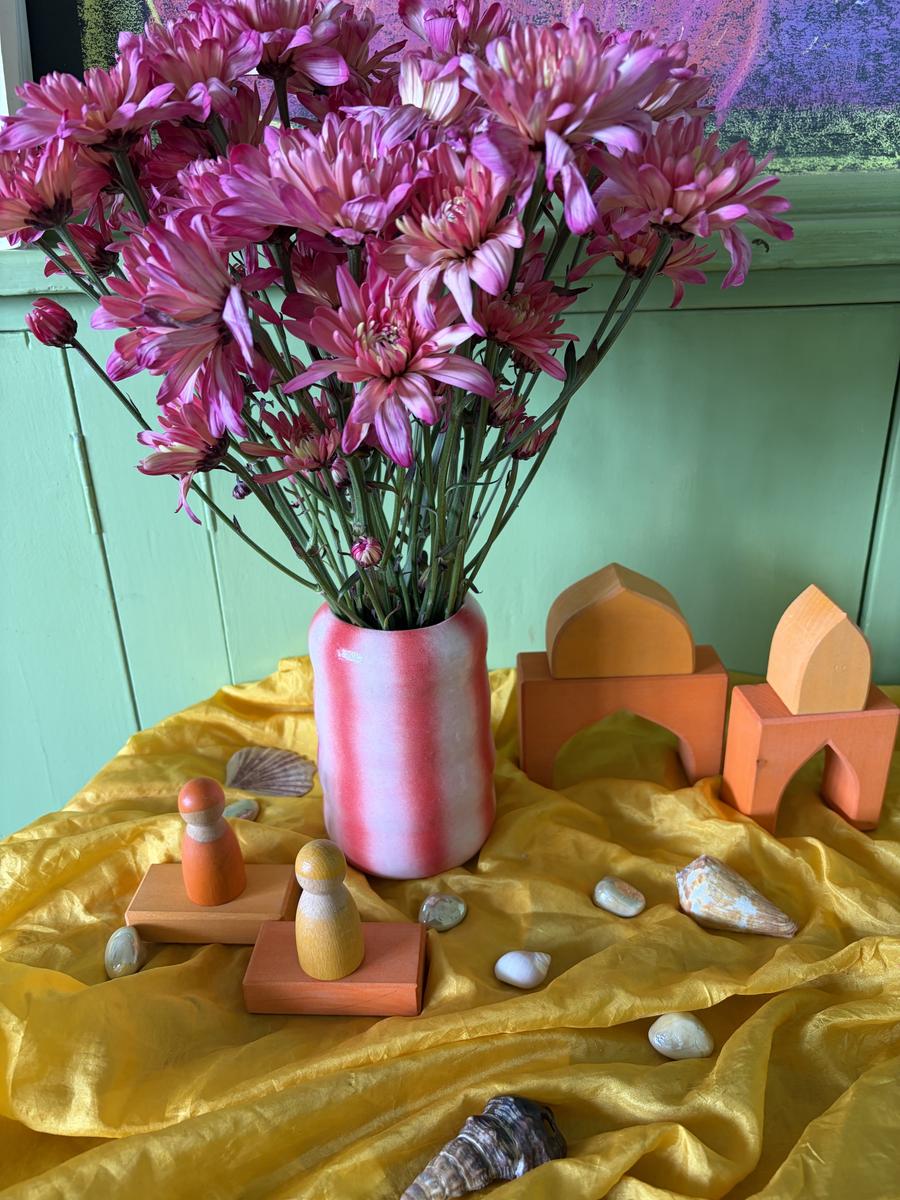
We have continued to delve deeply into the rich and wondrous world of Norse Mythology during our Main Lessons. The students’ conversations have been thoughtful and imaginative, with many insightful reflections shared during our discussions.
It has been such a joy to see the children listening so attentively, expressing their ideas with confidence, and bringing the myths to life through their writing and illustrations.
“My favourite Norse Mythology story was the one about the Tree of Life because it gives you facts about the world, but it’s also a story.” Otto
“I liked the story about how Odin lost his eye because he kept offering lots of different precious things before his eye.” Maia
“I’ve enjoyed drawing all the pictures, and I liked the story about Freya’s necklace because I liked it when they turned into seals.” Luka
“I’ve liked listening to the stories, drawing the pictures and writing about them. The theft of Freya’s necklace was my favourite because the seals were cute.” Evelyn
“I've really enjoyed all the artwork and learning about the Myths. It’s so interesting and Main Lesson is my favourite subject!” Amaliyah
Literacy
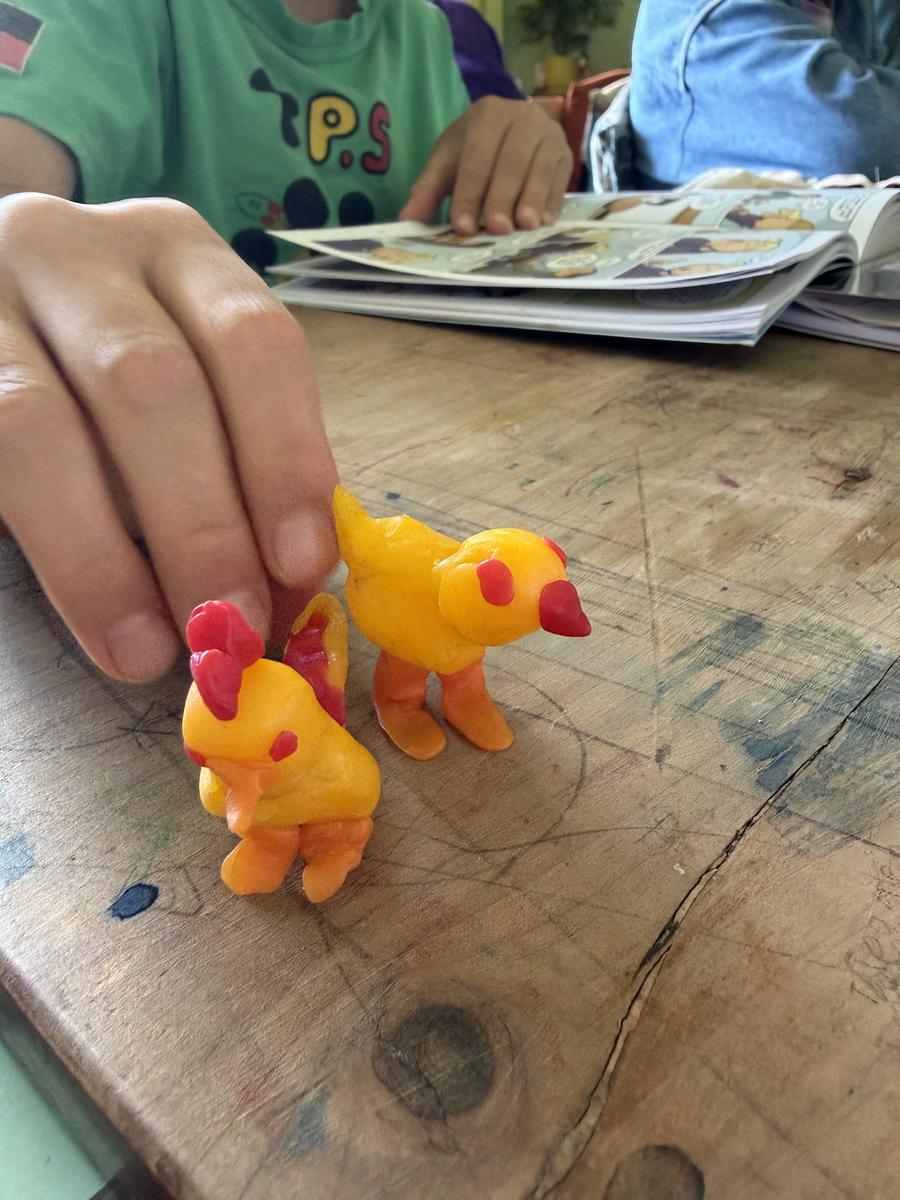
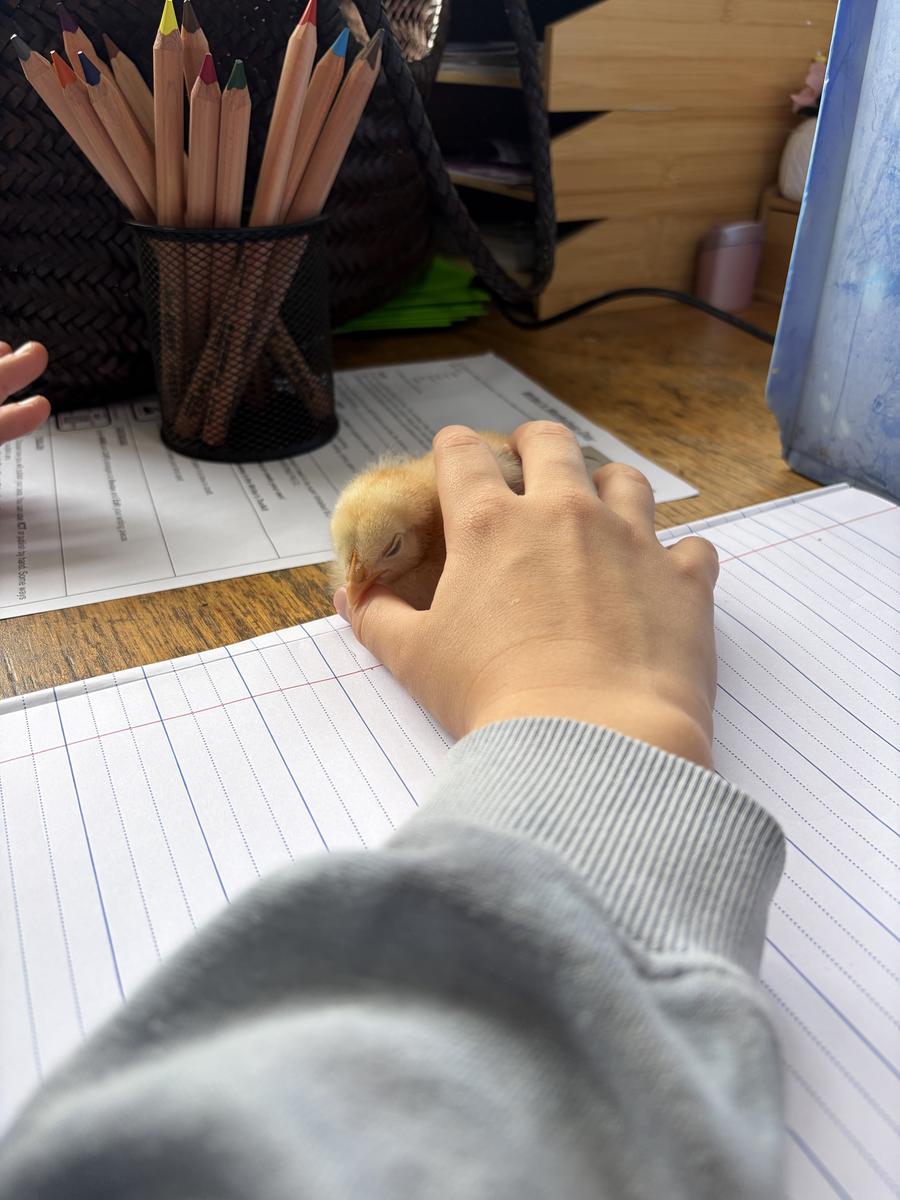
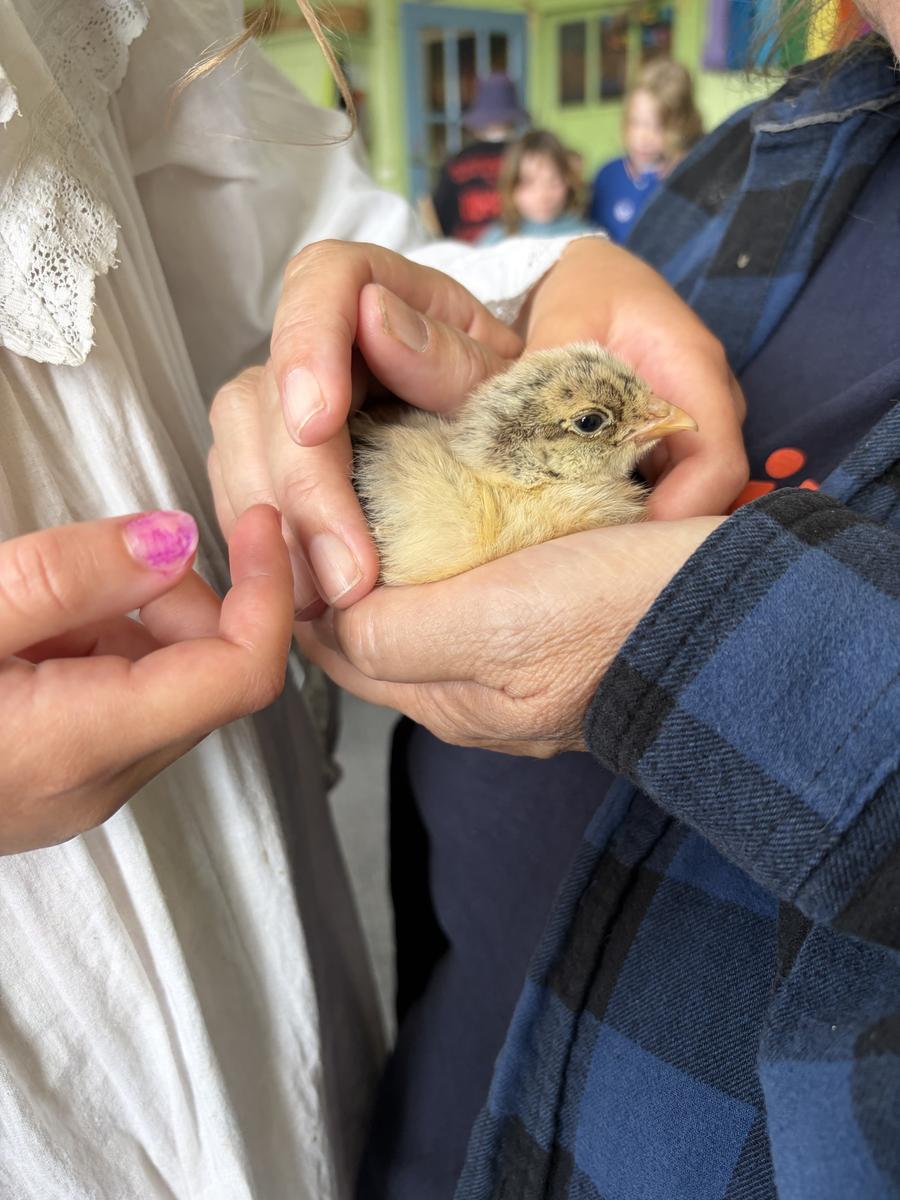
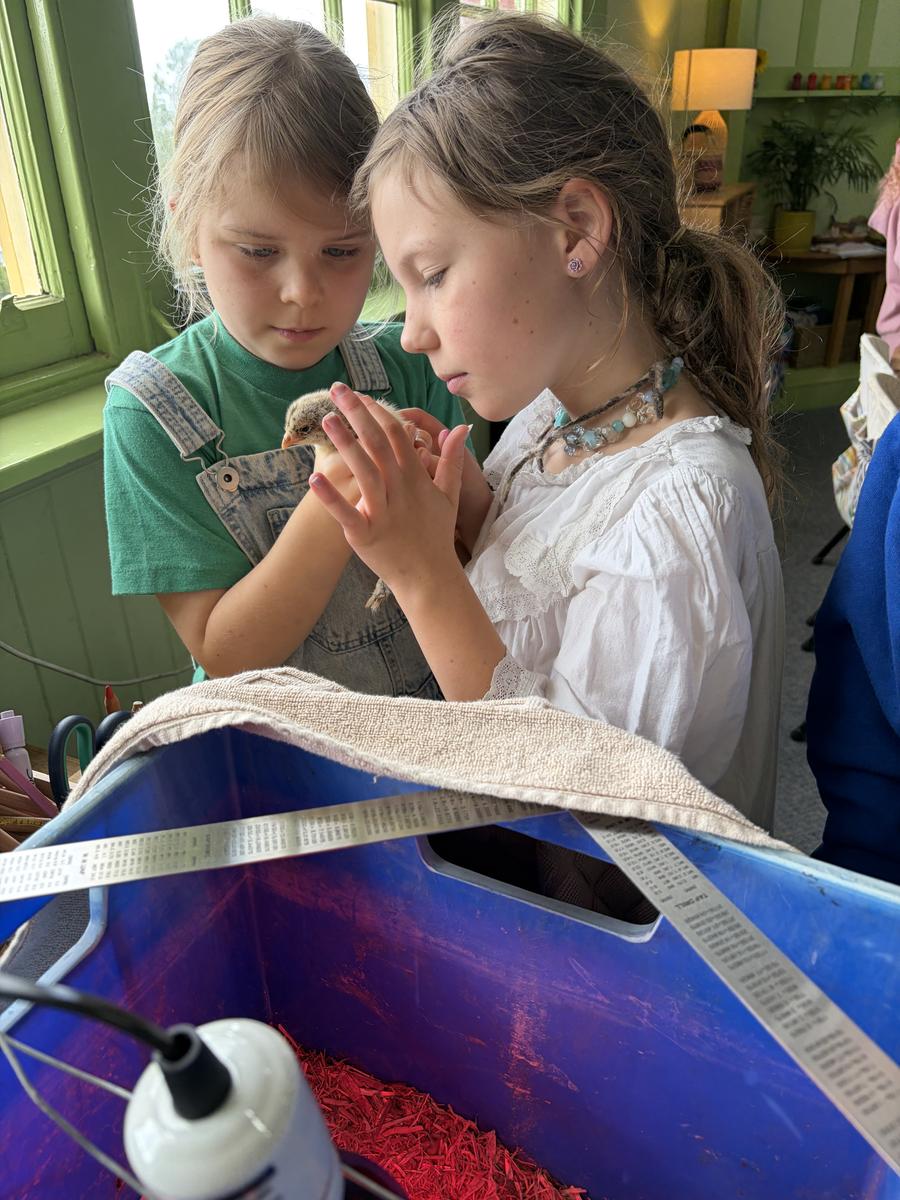
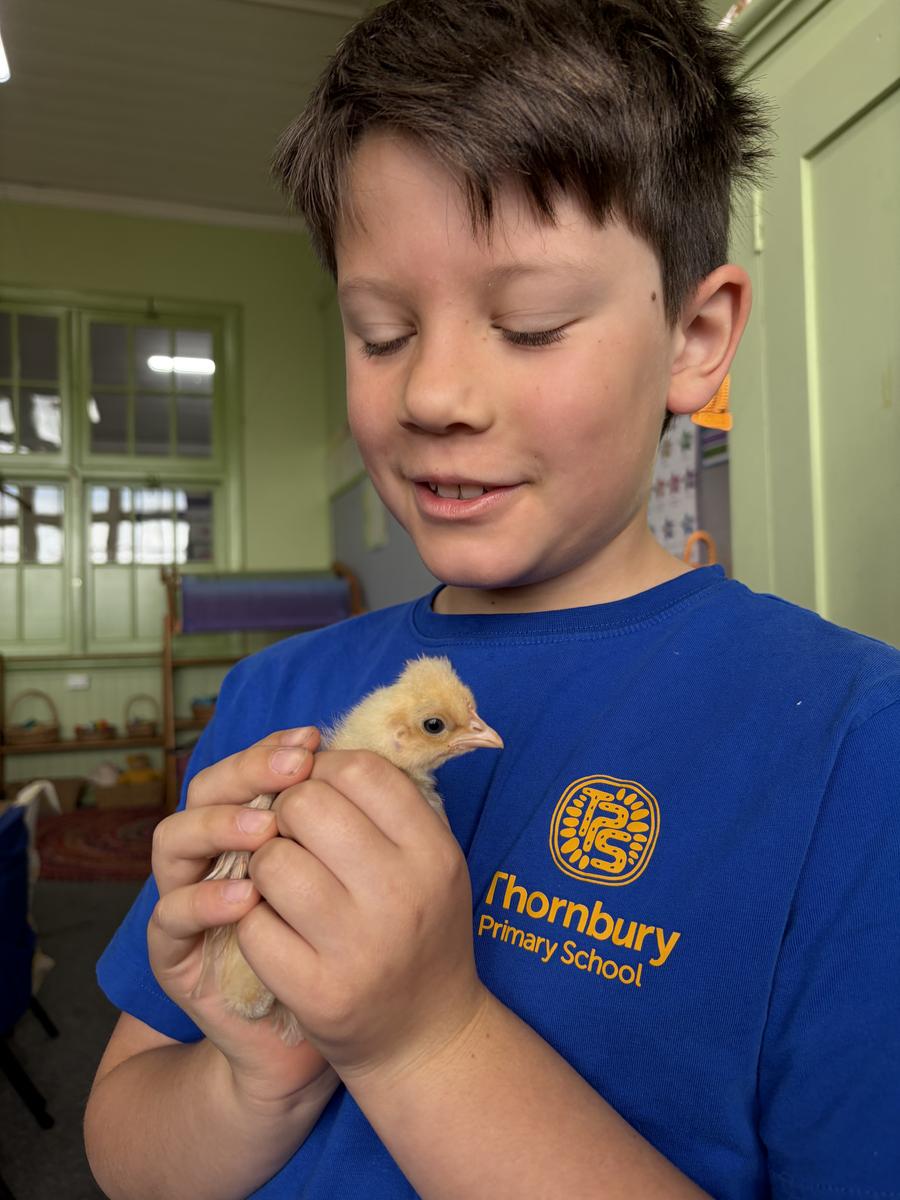
In literacy, students have continued to practice ‘unpacking SEEDS’ using the writer’s workshop process. We were lucky enough to have Sassy bring in her baby chickens to visit the class and they became a SEED, from which students generated ideas for their writing. These ideas included writing pieces inspired by the chick's perspectives of visiting the class, information reports, a tale of a great escape from school, and chickens traveling to the future.
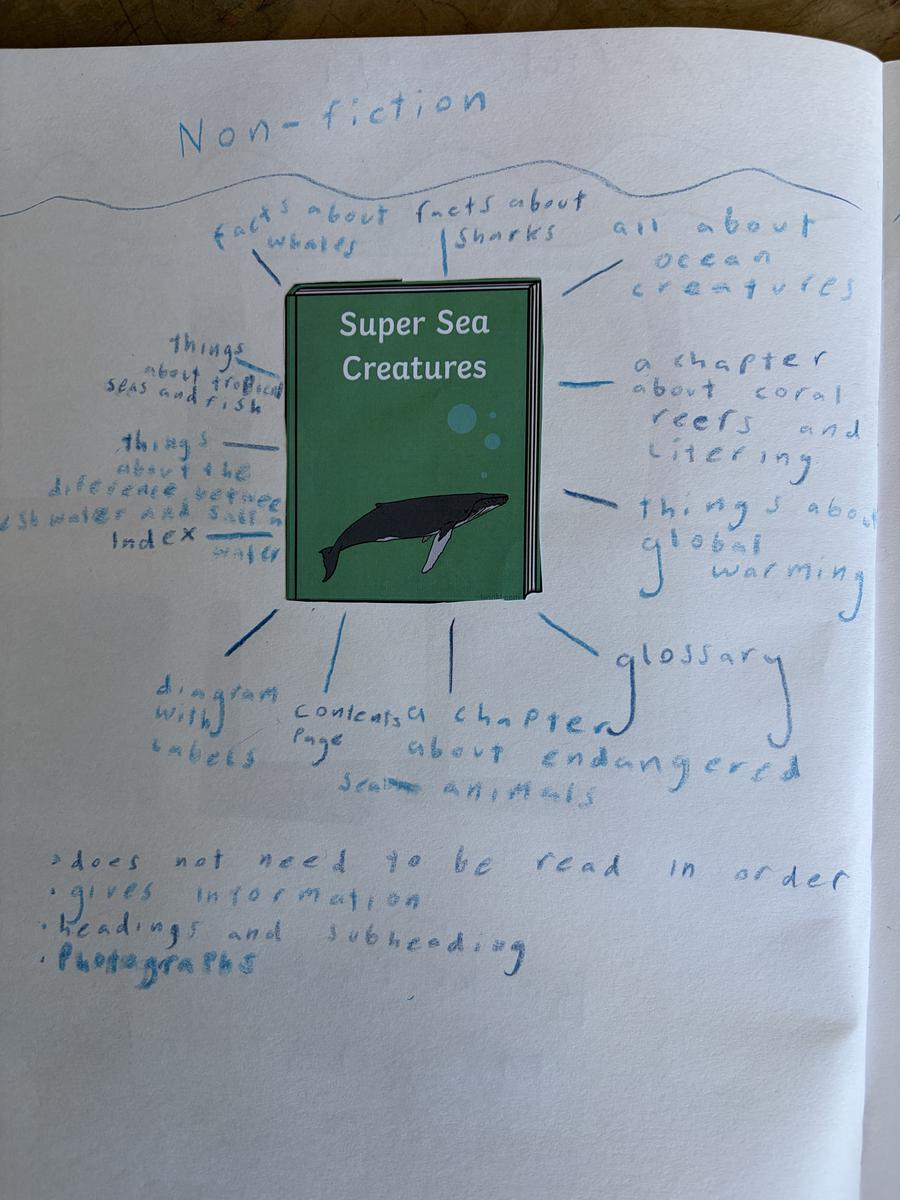
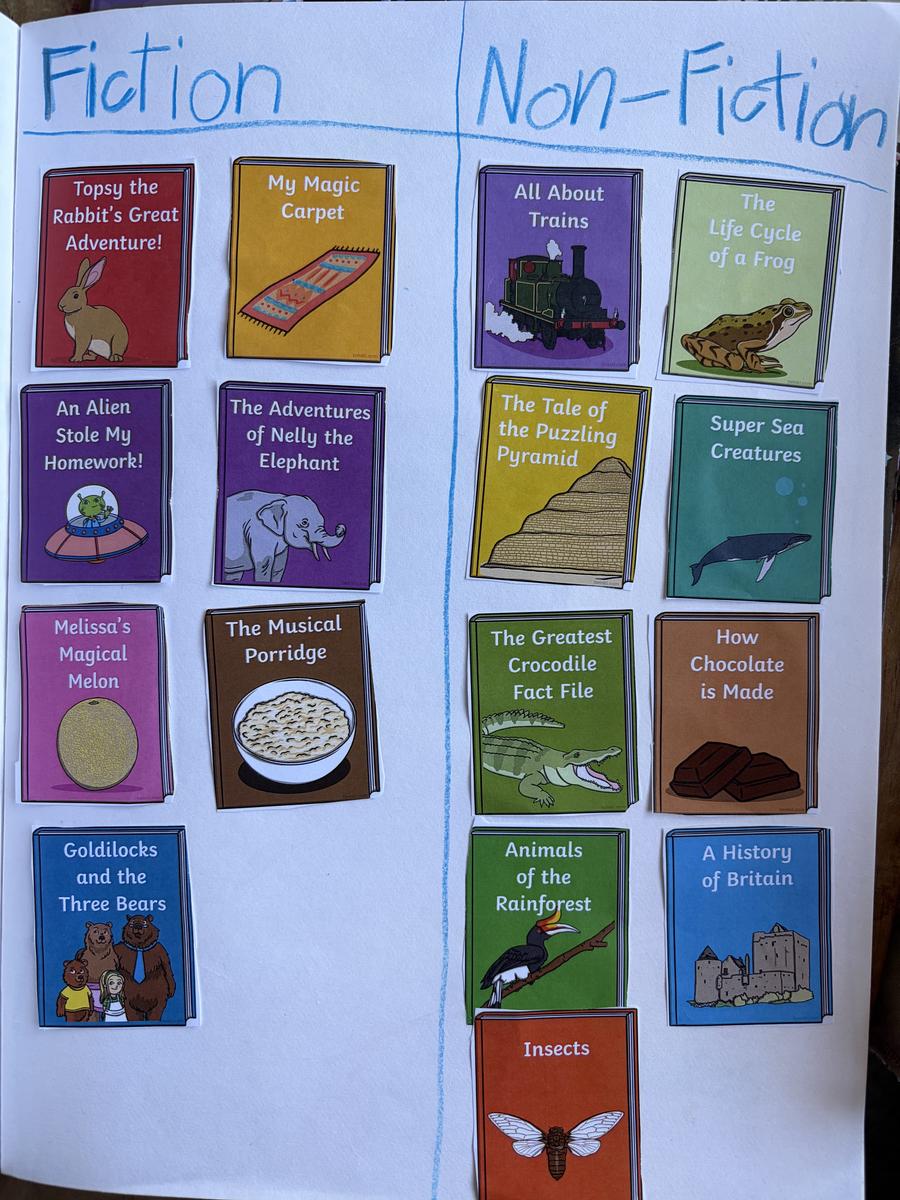
Students have been exploring the similarities and differences between fiction and non-fiction texts. We have been developing this understanding through a range of hands-on activities, including sorting key features of each text type and identifying these features within a variety of books.
It has been wonderful to see students beginning to recognise elements such as imaginative settings and characters in fiction texts, and factual information, headings, diagrams and contents pages in non-fiction texts. These activities are helping to strengthen their ability to understand and interpret different types of texts with growing confidence.
Additionally, we have been identifying and exploring different types of sentences, including questions, commands, exclamations and statements. Students have been practising how to recognise each sentence type by paying close attention to the punctuation used, as well as the purpose of the sentence.
Through a range of activities, they are becoming more confident in noticing question marks, exclamation marks and full stops, and understanding how these punctuation choices help the reader know how a sentence should be read and understood.
Mathematics
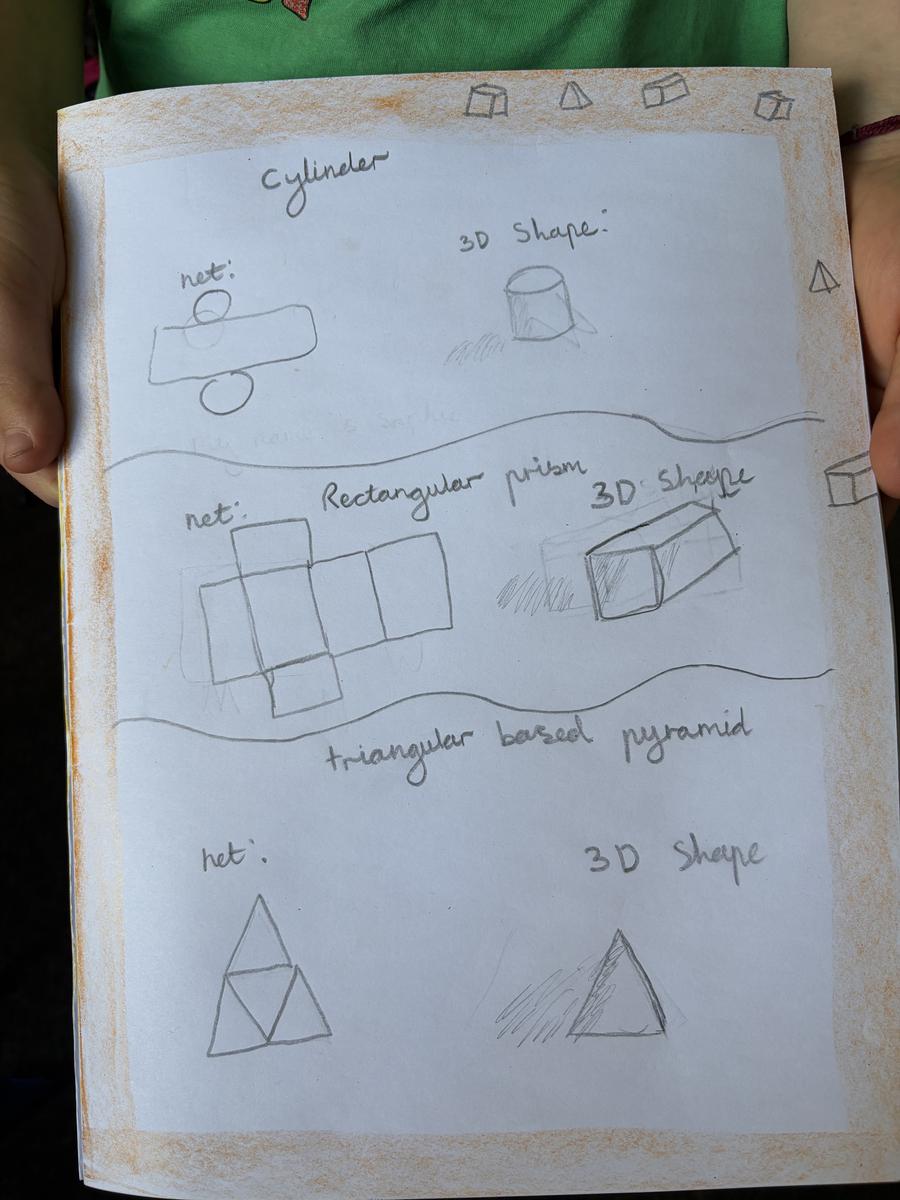
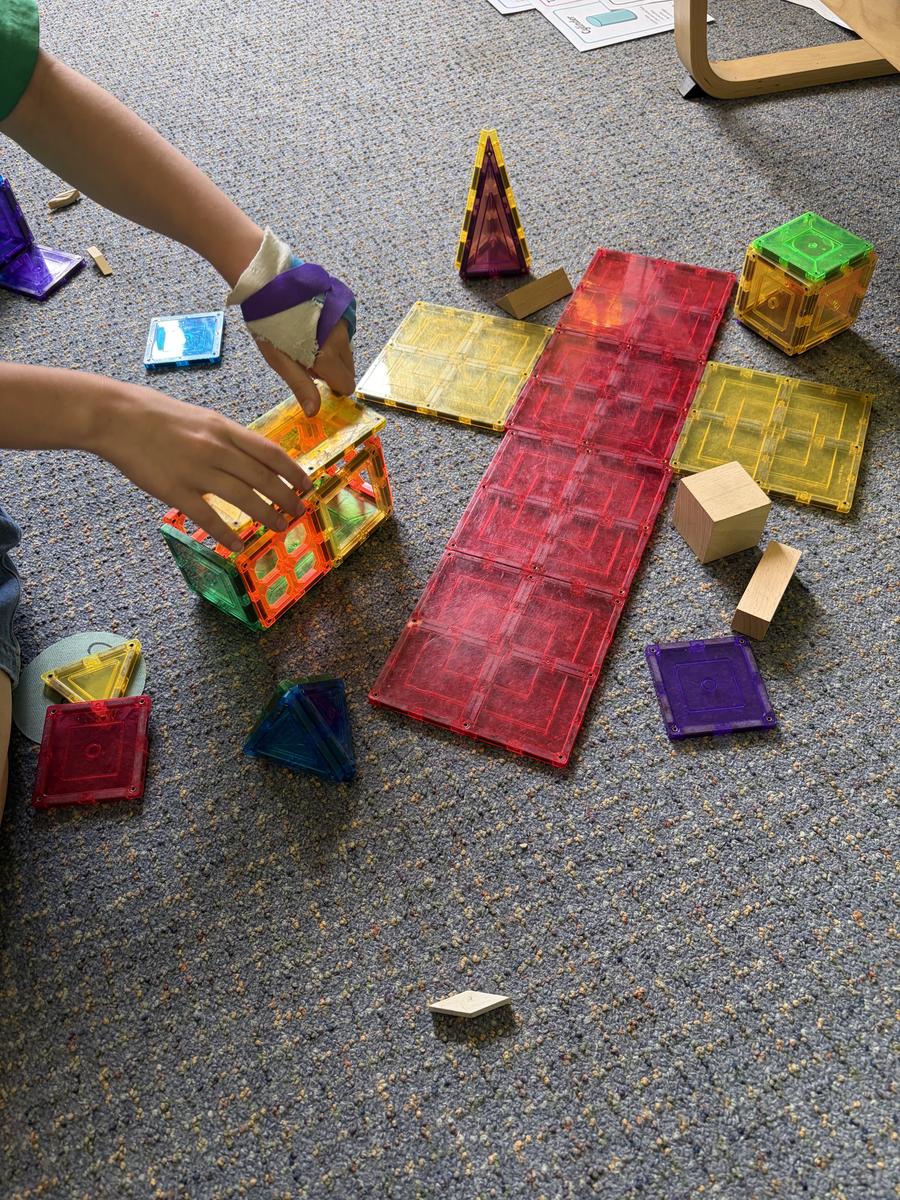
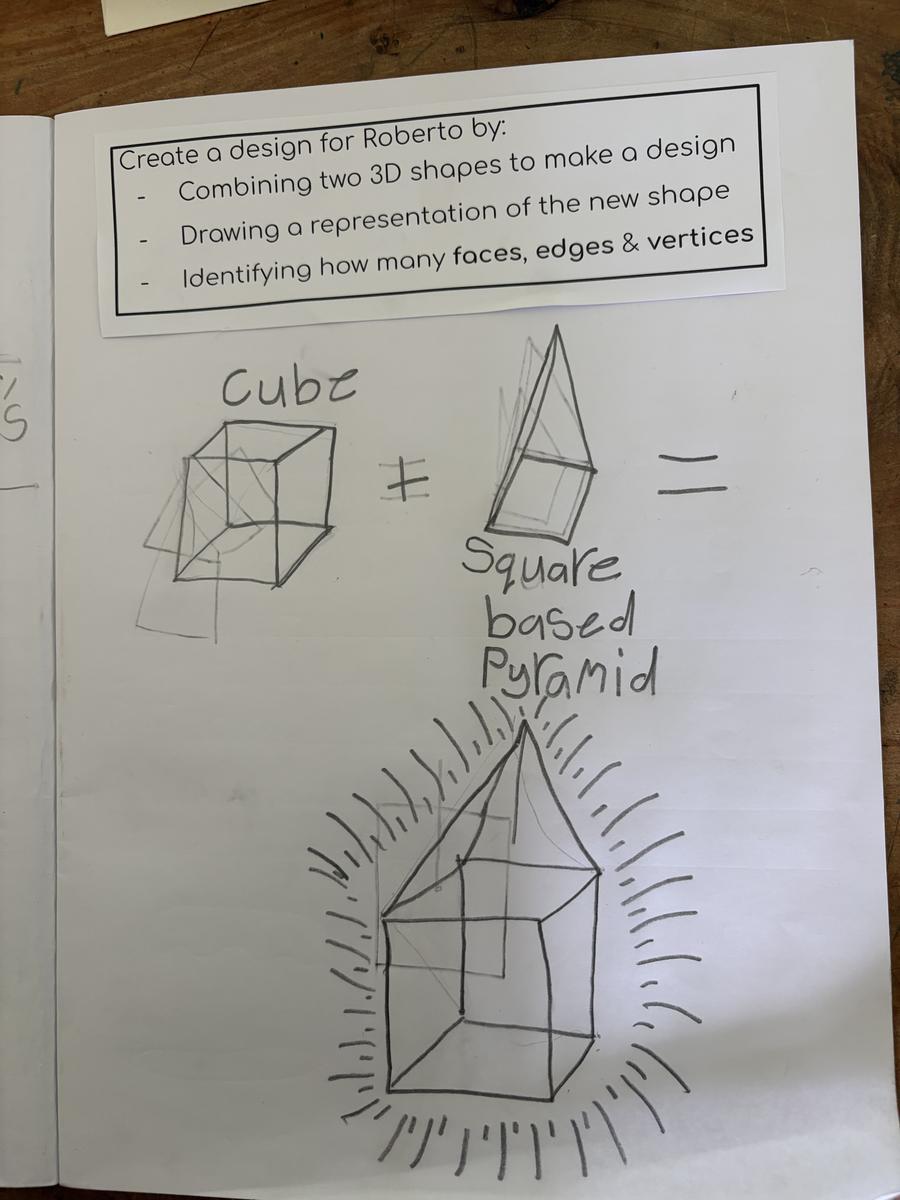
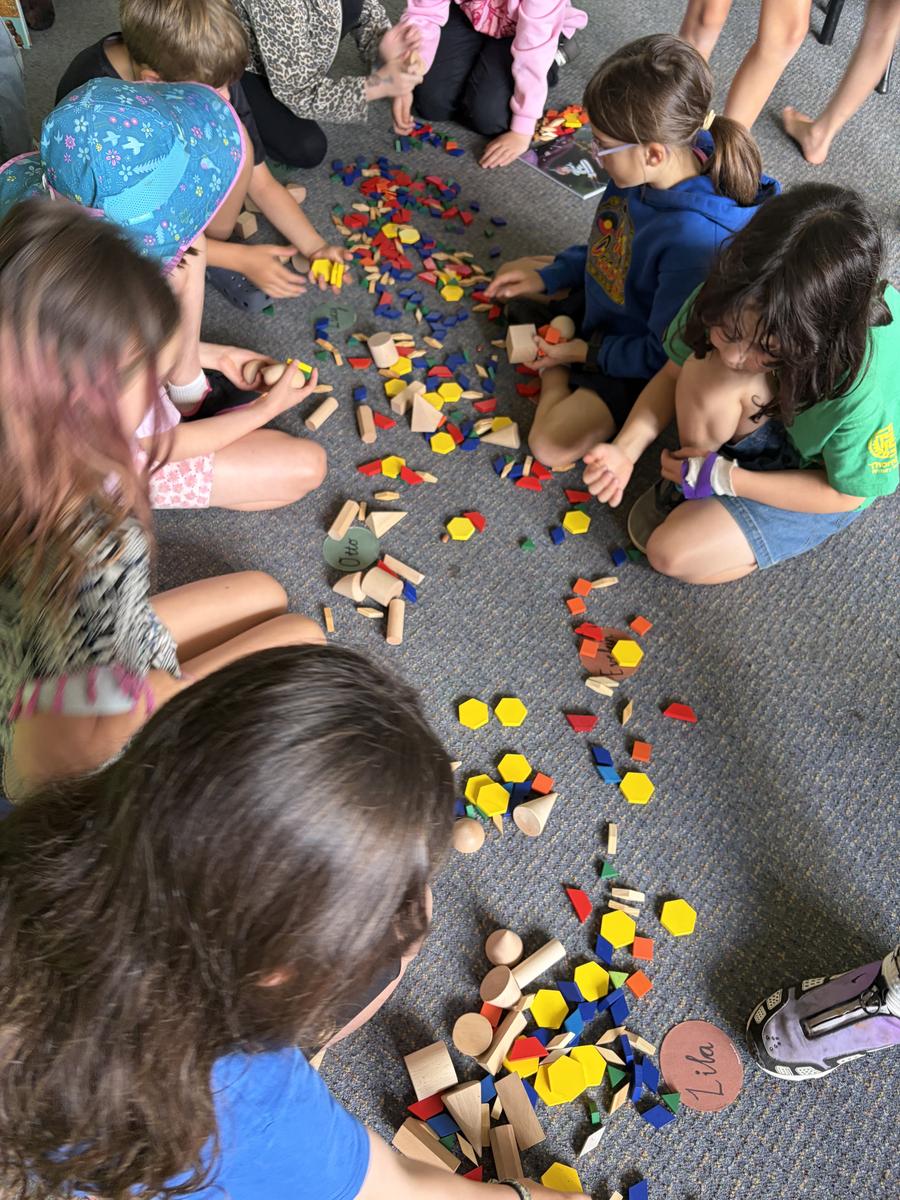
In Mathematics, our focus has been on identifying the properties of 3D shapes and describing them using precise mathematical language. Students have been exploring both 2D and 3D shapes, carefully drawing them and labelling key features such as edges, vertices, faces and, where appropriate, an apex.
Through hands-on activities and discussion, students are developing a stronger understanding of how shapes are constructed and how to clearly communicate their mathematical thinking using correct terminology.
These lessons have naturally progressed into discussions and explorations of length, depth and height, helping students understand the dimensions of different shapes. We have also been focusing on calculating the area of both regular and irregular shapes, applying measurement skills alongside their developing knowledge of shape properties.