
Literacy News
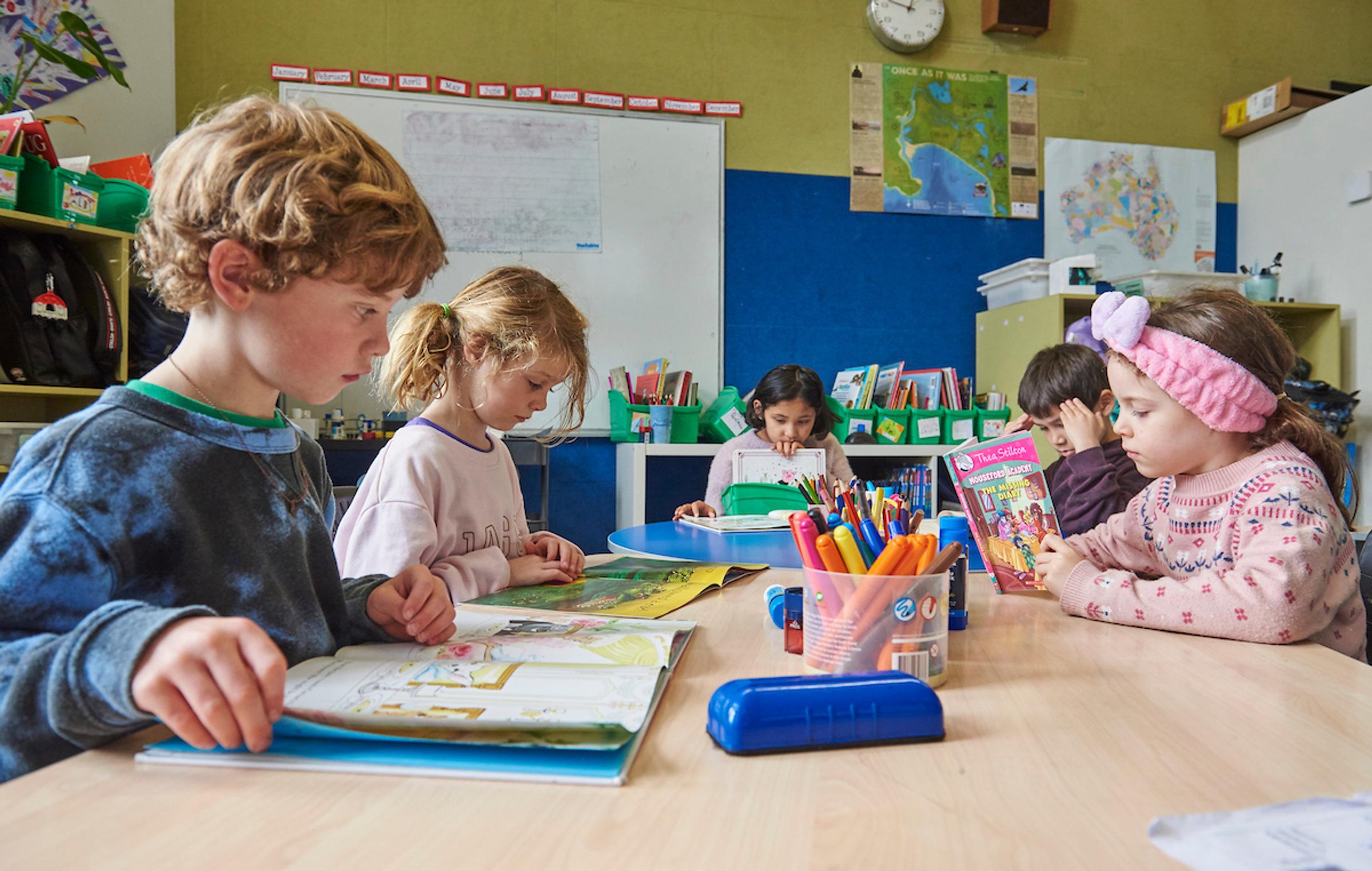
The Importance of Reading at Home
Reading at home each night is one of the most powerful ways you can support your child’s learning. Just 10–20 minutes of daily reading helps to build fluency, confidence, vocabulary and comprehension skills. It also reinforces the learning that takes place in the classroom and shows children that reading is valued both at school and at home.
In the Early Years, children bring home decodable texts. These books are carefully matched to the sounds (phonics) that have been taught in class. This means your child can practise applying their knowledge of the code independently, building accuracy and confidence with every page.
Even if the book seems simple, this practice is essential - it strengthens their ability to recognise sounds automatically and blend them smoothly.
Once children have mastered the phonics code and can read fluently and confidently, they move on to uncontrolled texts.
These books are not limited to specific sound patterns and allow children to explore richer vocabulary, varied sentence structures and more complex stories.
This is an exciting milestone in their reading journey.
We encourage families to:
- Listen to your child read each evening.
- Offer praise and encouragement.
- Re-read books to build fluency and expression.
- Talk about the story to develop understanding.
Sign or comment in the reading journal.
Thank you for your continued support in helping us foster a lifelong love of reading. Working together, we can ensure every child becomes a confident and enthusiastic reader.
Book Review
By Anna Esque (Parent of Mia 4J & Pau 1L)
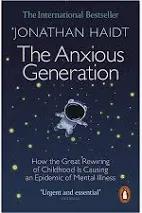
The introduction of The Anxious Generation is what really got me, the analogy between giving kids unrestricted internet access and sending them to Mars felt almost too real!
Some parts of the book were a bit boring for me as it's very research-based, but there are plenty of ideas that I found worth paying attention to. The book reassured me about the importance of firm boundaries and helped me see the pressures children face today more clearly.
I grew up in a tiny town with lots of outdoor unsupervised play, and I'd love to give my own children that same freedom, but the world feels very different now. This book helped me understand why childhood feels so different today, and gave me practical ideas for encouraging independence while keeping them safe.
It also made me reflect on how incredibly fortunate we are at SKIPPS. We are surrounded by open green spaces, nature, fresh air, and opportunities for real-world experiences. In a time when so much of childhood is shifting indoors and online, having access to parks, trees, the lake and safe community spaces is something I truly don't take for granted.
Reading this book reminded me why these everyday opportunities for children are so valuable.