Term 1 Learning Summary

English
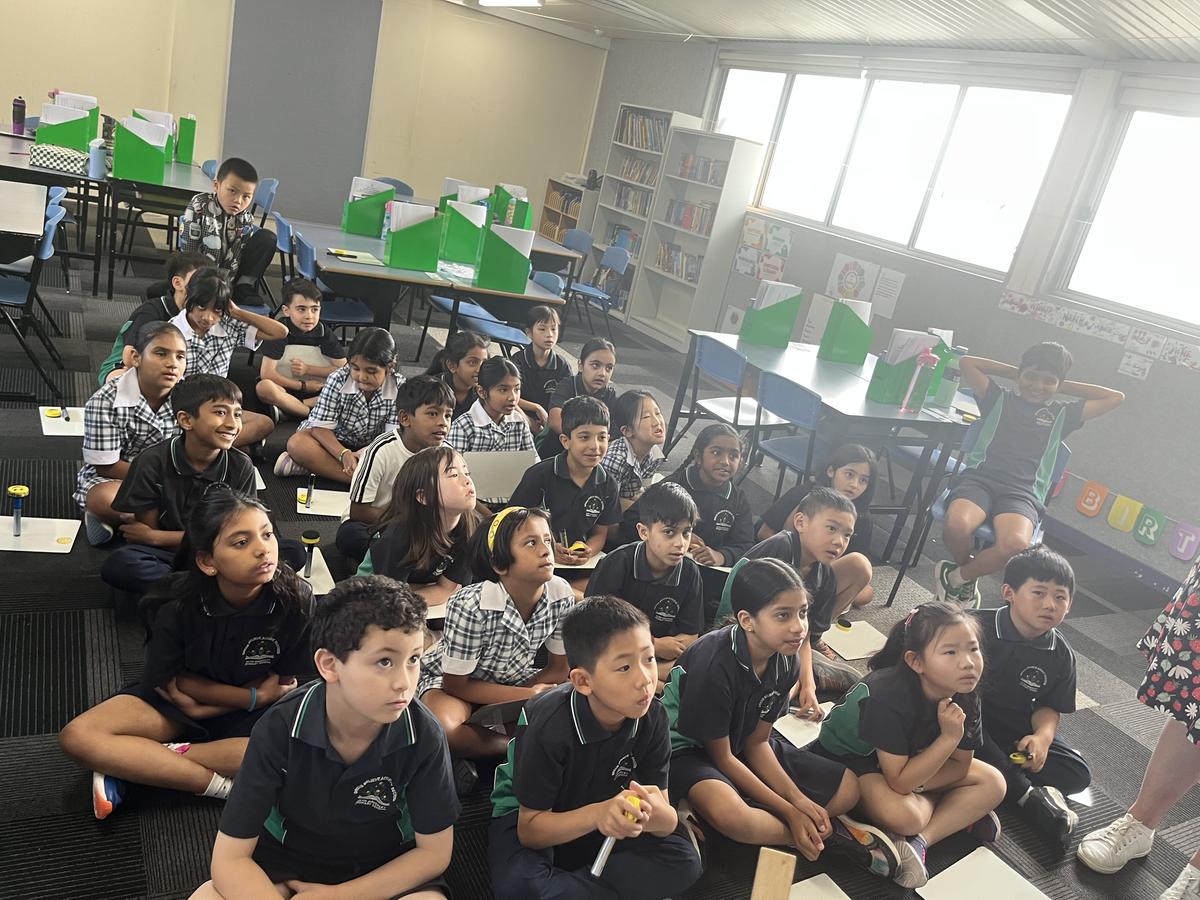
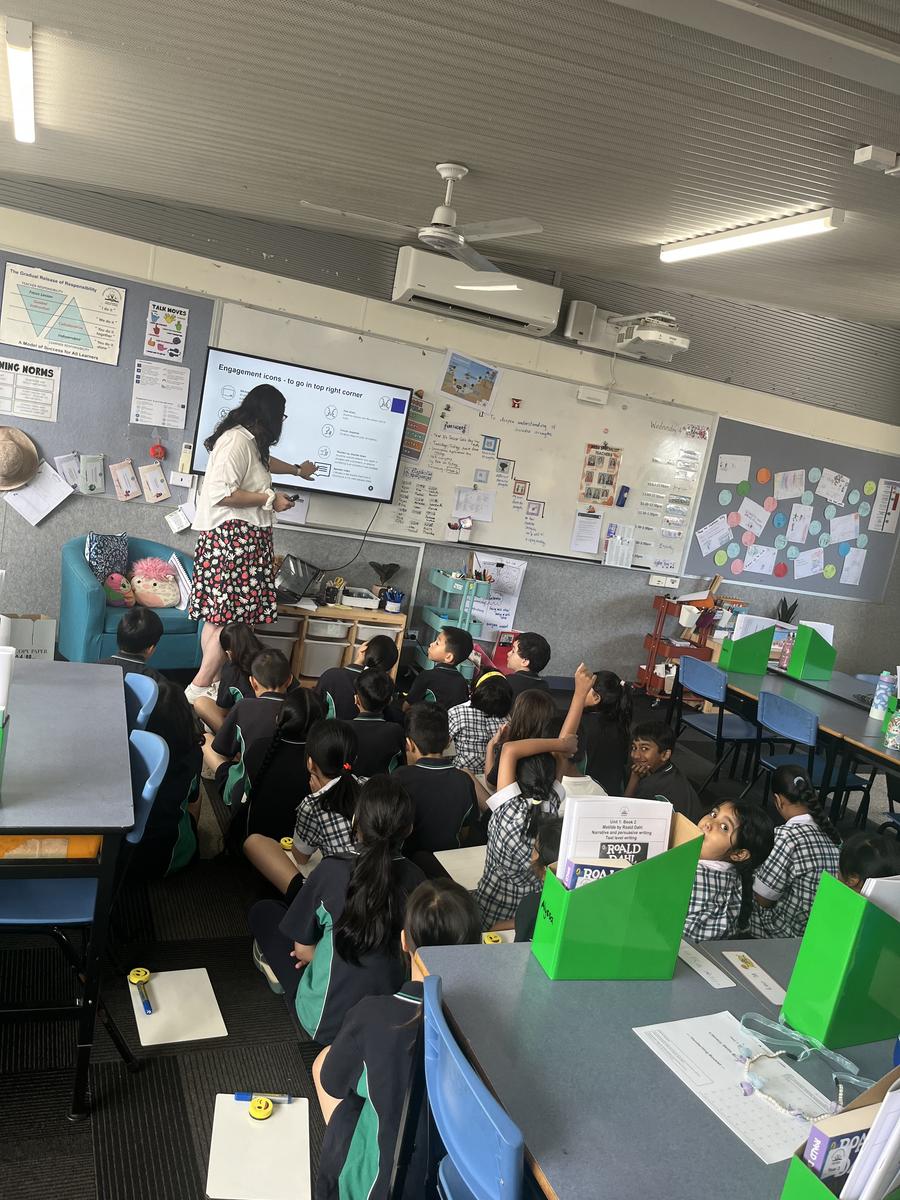
Throughout the term, students will explore narrative and persuasive texts through Ochre Education’s English resources, aligned to the Victorian Curriculum 2.0 at Level 3. In Reading, learners will engage with the text, ‘Matilda’ by Roald Dhal and develop their comprehension skills by analysing narrative structure, characters, settings and themes, while also examining how persuasive texts are structured to present viewpoints and influence an audience. Students will be explicitly taught to identify purpose, audience and key language features, such as emotive language and persuasive devices, and will practise these skills through guided discussion and regular retrieval activities.
Explicit teaching of key vocabulary will support students to confidently understand, use and apply new words across both text types, strengthening their reading, speaking and writing skills. In Writing and Spelling, students will plan, draft, revise and edit their own narrative and persuasive texts, focusing on creating clear and cohesive structures, making effective language choices, and applying accurate spelling patterns, punctuation and grammar. Lessons are underpinned by evidence-based practices from the Science of Learning, including explicit instruction, checking for understanding, and spaced practise, to support all learners in building confidence and success in English.
Key Vocabulary:
- Literature
- Literacy
- Perspective
- Conflict
- Resolution
- Emotive language
- characterisation
How can you support your child’s English learning at home?
- Encourage your child to read regularly, including a range of narrative and persuasive texts.
- Discuss what your child is reading, unpacking characters, events, themes, opinions and messages.
- Practise weekly spelling words and play word games to build spelling and vocabulary skills.
- Pre reading of the book if needed.
Mathematics
Throughout Term One, students will engage with Ochre Education’s high-quality curriculum resources aligned to the Victorian Curriculum 2.0. These lessons incorporate effective teaching practices underpinned by the Science of Learning such as explicit instruction, checking for understanding, interleaving, retrieval, and spaced practise. We are excited to continue using these resources in our classrooms to enhance learning.
Our learners will be exploring a variety of exciting topics, building their skills and confidence in place value, the four operations and time. As they deepen their understanding of place value, students will work on understanding the value of digits in numbers and use this knowledge to order and compare numbers. When applying the four operations, specifically, addition and subtraction, they will practice solving problems using strategies such as regrouping and number lines. Furthermore, when working with multiplication and division, learners will develop their fluency with times tables and explore how these operations can be used to solve real-world challenges. When learning about time, they will read clocks, tell time to the nearest, and investigate elapsed time.
Key Vocabulary:
- Counting
- Partition
- Regroup
- Multiplication facts
- Expand
- Units of time
How can you support your child’s Mathematics learning at home?
- Encourage them to engage in everyday mathematical activities with the family (adding up while shopping, counting items as they are scanned at the shop etc)
- Practise addition and subtraction recall facts
- Read and order large numbers to six places.
Inquiry
Question: How might relationships and collaboration shape resilient communities?
Global Goal: 16 Peace, Justice and Strong Institutions
In our upcoming Inquiry lessons, Level Three students will explore the concept of ‘consensus building’ and how they can use deliberation and negotiation to influence an outcome. Students will describe how people participate in their community as active citizens, their rights and responsibilities and use consensus-building and deliberation to negotiate outcomes together. They will create their own small community based on rules and laws that reflect varied preferences in society. To transfer their learning, students will establish a community building initiative and partake in an election based on their created laws.
Key Vocabulary:
- Laws
- Rules
- Communities
- Deliberate
- Negotiate
- Rights
How can you support your child’s Inquiry learning at home?
- Discuss different rules at home and the purpose of these.
- Read the local newspaper and discuss events and issues in your local community.
- Watch Behind the News together.
Wellbeing
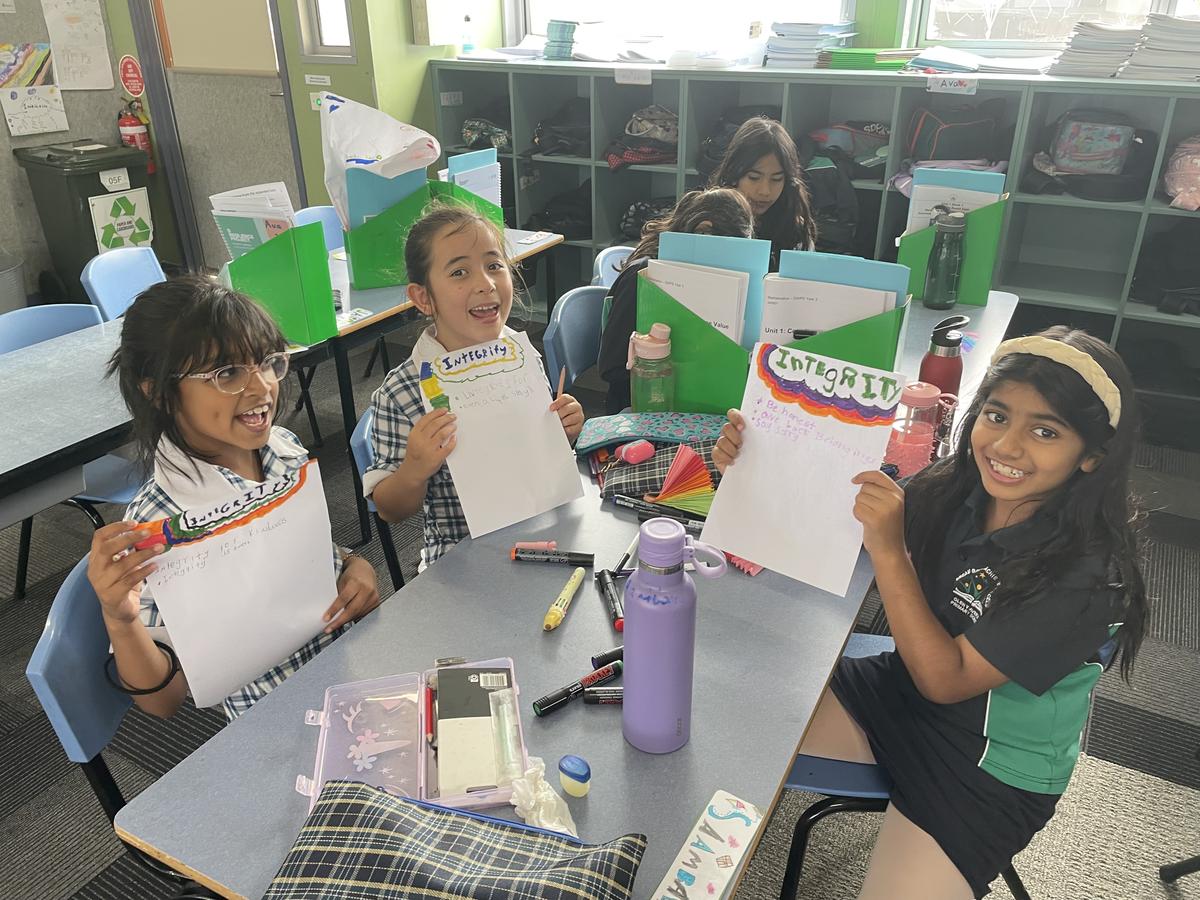
Throughout Term One, students will explore The Resilience Project, delving into concepts such as Gratitude, Empathy, and Mindfulness. Through engaging in GEM chats and discussions, we aim to cultivate a positive sense of wellbeing and enhance resilience. Additionally, we will delve into the school's core values of Integrity, Respect, Initiative, and Global Empathy, examining how these principles are upheld both in the classroom and across the school community. Furthermore, we will actively explore, discuss, and model expected behaviours. The program aims to build mental resilience and wellbeing amongst educators, children, parents/carers, and the community.
You can explore The Resilience Project at Home Hub here.
Key Vocabulary:
- Resilience
- Express
- Connections
- Core
- Wellbeing
How can you support your child’s Wellbeing learning at home?
- We encourage parents and families to have GEM chats at home. For example, what made you smile today?
- Ask your child what they have been learning about in TRP learning time.
- Ask them how they have shown gratitude, empathy and mindfulness at school
Cyber Safety Project
In Term One, our Year 3 students will continue their learning journey in Cyber Safety as part of the Level 3 curriculum, with a strong emphasis on the theme of Responsibility. This project will further develop students’ digital literacy skills, while encouraging them to think critically about their actions and well-being in the online world. Throughout the term, students will build on their understanding of creating safe and efficient passwords, being mindful to only accept people they know online, and recognising the differences between personal, private, and public digital spaces.