
Student Wellbeing
Managing Screen Time
There is no “right” number of screen-time hours that fits every child. Screens are part of daily life, but excessive screen time can significantly affect a child’s physical and mental well-being. Long hours spent in front of screens can lead to reduced physical activity, disrupted sleep patterns, and even behavioral problems.
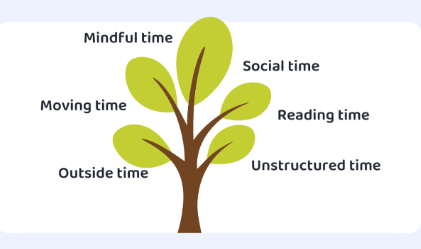
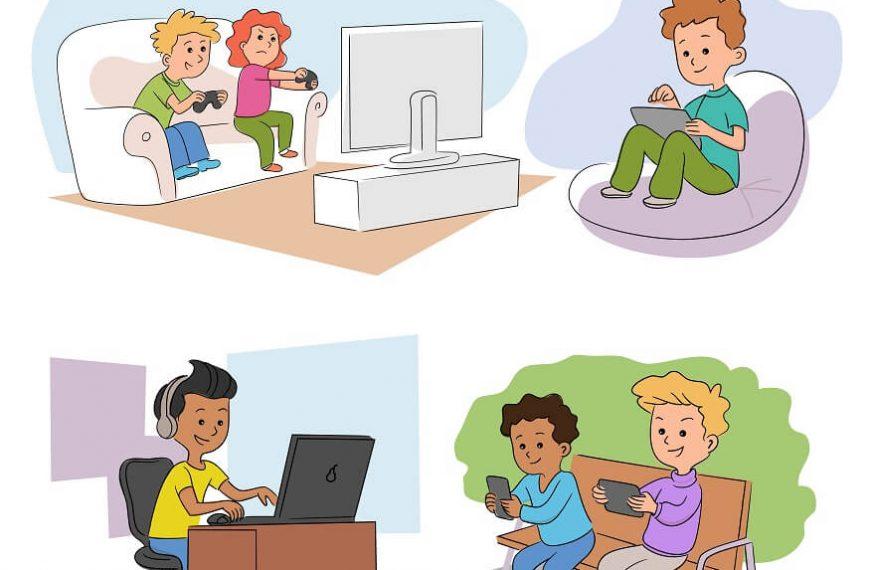
It is much more important to look at the type of screen time they are having and the balance between screen time and green time. Finding opportunities to move our bodies most days and being outside in nature (green time) is important to prioritise. An equally important consideration is the type of screen time your child is experiencing. Is it mostly passive watching (YouTube, movies)? Socialising (messaging or gaming with friends)? Creative activities (Minecraft, cooking videos)? Educational content (Behind the News or learning-based games)?
Help children know when to shut down screens
To avoid nagging or physically taking devices away, setting a timer or stopping at the end of an episode or game provides a clear signal that screen time is limited. Discussing this with your child prior to screen time empowers them to be a part of this process and supports their developing self-management skills.
It also helps to decide before screen time begins what they will be doing afterwards. e.g. bike ride, dinner, lego, drawing, visiting a friend, or walking to the park.
As a parent, leading by example and demonstrating technology-free time or limiting personal phone use when spending time together helps children understand the importance of a lifestyle beyond screens.
Lisa
Deputy Principal & Wellbeing Leader
lisa.heath@smcmeppingnth.catholic.edu.au
Jess
Deputy Principal & Learning Diversity Leader