
National Sorry Day
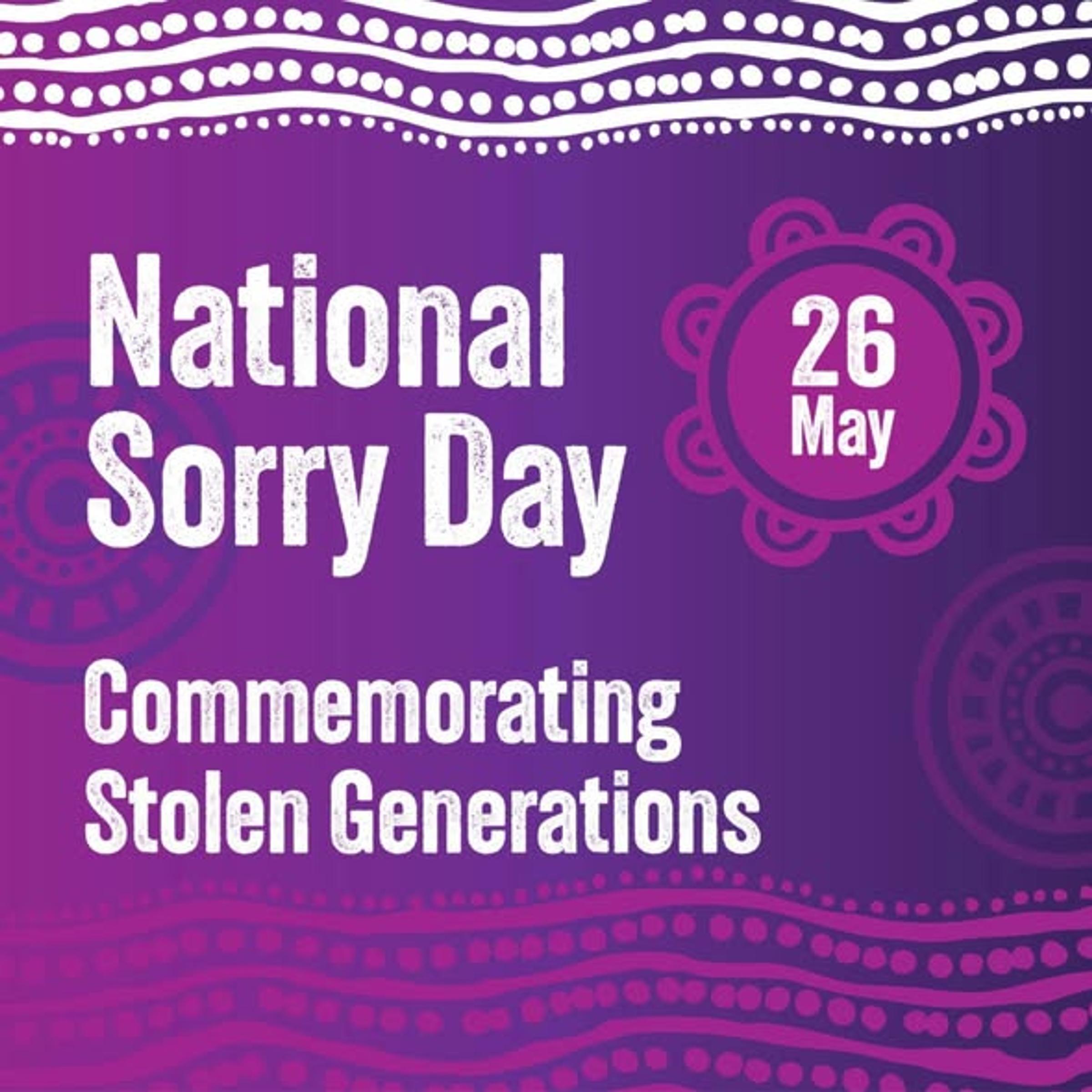
National Sorry Day is a day to acknowledge the strength of Stolen Generations Survivors and reflect on how we can all play a part in the healing process for First Nation’s Peoples and our nation. While this date carries great significance for the Stolen Generations and other Aboriginal and Torres Strait Islander peoples, it is also commemorated by Australians right around the country.
The first National Sorry Day was held on 26 May 1998, one year after the Bringing Them Home report was tabled in Parliament. The Bringing Them Home report is a result of a Government Inquiry into the past policies which caused children to be removed from their families and communities in the 20th century.
Our College recognises the significance of the National Apology, and the importance of our presence at local commemorations. We are proud to send a delegation of students and staff every year, to join with schools and the local community to mark this day.
National Sorry Day and the history of the Stolen Generations intersect deeply with the Four Cardinal Virtues of Prudence, Justice, Fortitude, and Temperance.
Prudence: The Wisdom to Seek Truth
Prudence is the right reason in action. In the context of National Sorry Day, it was the wisdom shown in commissioning the Bringing Them Home report (tabled in 1997). Prudence dictates that we cannot heal what we do not understand. By investigating the 20th-century policies of forced removal, the nation exercised the discernment necessary to confront uncomfortable truths, recognising that a future built on ignorance is no future at all.
Justice: Giving What is Due
Justice is the constant and firm will to give each person their due. For the Stolen Generations, justice began with the public acknowledgement of their suffering. This virtue was the driving force behind the 2000 Sydney Harbour Bridge walk, where the demand for a formal apology reached a turning point. Justice requires that we recognize the fundamental rights that were violated and commit to the ongoing work of making things right through institutional and personal accountability.
Fortitude: Courage in the Face of Adversity
Fortitude is the strength of mind that enables a person to endure pain or adversity with courage. We see this virtue most clearly in the Stolen Generations survivors. It took immense fortitude for survivors to share their stories during the government inquiry and even greater strength to maintain their cultural identity despite systemic efforts to erase it. Their resilience is a testament to the power of the human spirit to survive and seek healing against the odds.
Temperance: The Path of Healing and Humility
Temperance is the virtue of moderation and balance. In the reconciliation process, temperance is found in the humility required of a nation to apologise without making excuses. It involves moderating the ego and the defensiveness that can arise when confronting history. By practicing temperance, we create a space for calm reflection and quiet listening, allowing the healing process to take root without the interference of pride or political division.
Mater Dei Catholic College remains committed to the building of an Australian future, we can all be proud of. We extend our love and respect to the Stolen Generations survivors and their descendants.
Mr Jason Jolley | Aboriginal School and Community Worker