Science of Learning Update

Assistant Principal: Donna Geritz
Learning Specialist Science of Learning: Vanessa Dennis

Science of Learning and Reading (SOLAR) Team Update
Learning That Sticks: What’s Behind Our Approach
At our Western Port Secondary College, we’re using research-backed strategies to make sure every child learns in the most effective way possible. You might hear us talk about the Science of Reading and the Science of Learning, but what does that mean?
Science of Reading: Reading isn’t something kids just “pick up.” It needs to be taught step by step—starting with sounds and letters, then building to words, sentences, and understanding. This approach helps children become confident, fluent readers.
Science of Learning: This is about how the brain remembers and understands. Students learn best when they review past lessons regularly, when teachers check they’ve understood before moving on, and when they practice skills often, like reading aloud together.
These approaches are designed to give every child the strongest foundation for learning success.
As a college, the focus for teachers in Semester Two was to embed the 3 core SOLAR practices we have focused on as a college:
Daily Reviews (retrieval of past learning from lesson(s) prior).
Checking for Understanding (CFU), where teachers explicitly check students understand and have learnt the knowledge/content/skill BEFORE moving on.
Choral Reading – reading modelled by the teacher, then read aloud as a class to practice and refine reading fluency and comprehension.
These practices have helped WP staff build consistency in teaching, reinforce prior learning, and address misconceptions early. They have also improved reading fluency and comprehension across classrooms. Collectively, these approaches have empowered our teachers to deliver more explicit and structured instruction, resulting in positive impacts on student learning outcomes.
As your child progresses through secondary school, understanding how they learn can help you support their educational journey. Here’s a look at the key aspects of the learning process and how effective teaching aligns with these processes to maximize student outcomes and progress.
1. Learning and Memory
Learning is fundamentally about changes in long-term memory. There are two types of memory involved in this process:
Working Memory: This is the mental workspace where students actively engage with new information.
Long-Term Memory: This stores knowledge for future use.
As students learn, they connect new information to what they already know, developing complex mental models. Effective teaching by knowledgeable educators helps students make these connections more easily.
2. Processing Information
Students can only process a limited amount of new information at a time due to the limited capacity of working memory. To avoid overload and enhance learning:
Break Information into Manageable Parts: Present new information in small, digestible chunks.
Provide Guidance and Feedback: Offer clear instructions and constructive feedback.
Practice Opportunities: Allow students to practice new skills and knowledge, reinforcing their learning.
This approach helps students integrate new information with their existing knowledge, making it easier to retain and recall.
3. Developing and Demonstrating Mastery
Mastery involves storing knowledge in long-term memory and being able to recall and apply it effectively. Here’s how students develop mastery:
Knowledge Storage: Students first need to store facts, concepts, and procedures in long-term memory.
Recall and Application: With repeated practice, students learn to recall and use their knowledge fluently.
Transfer of Knowledge: Students can apply what they’ve learned to new situations, solving problems and generating creative ideas.
Effective teaching supports this process by providing varied practice opportunities and encouraging critical thinking and creativity.
How You Can Help at Home
Encourage Regular Study Habits: Help your child establish a consistent study routine.
Provide a Quiet Study Environment: Ensure they have a distraction-free space for studying.
Be Supportive and Involved: Show interest in their learning and offer help when needed.
Daily Reviews: Ask your child what they reviewed today.
Checking for understanding: Ask your child to teach you one thing they have learned in a subject.
By understanding these aspects of the learning process, we can all better support each child’s education and help them achieve their full potential.
A full copy of the Report can be found below:
How students learn best: An overview of the evidence | Australian Education Research Organisation
Transition Community of Practice (CoP)
This year the college worked closely with many of the Grade 6 teachers from local feeder primary schools to support the sharing and tracking of Grade 6 data to ensure a smooth and comprehensive transition for incoming 2026 Year 7s.
The CoP met once per term and had a focus on sharing reading improvement strategies and celebrating growth. This work, supported by the Mornington Peninsula Learning Guarantee, saw almost every feeder school agree on consistent assessment measures and actively engaged in a network dedicated to collective goals and collaboration. It has been a joy to share in the learning across the primary schools, both government and catholic.
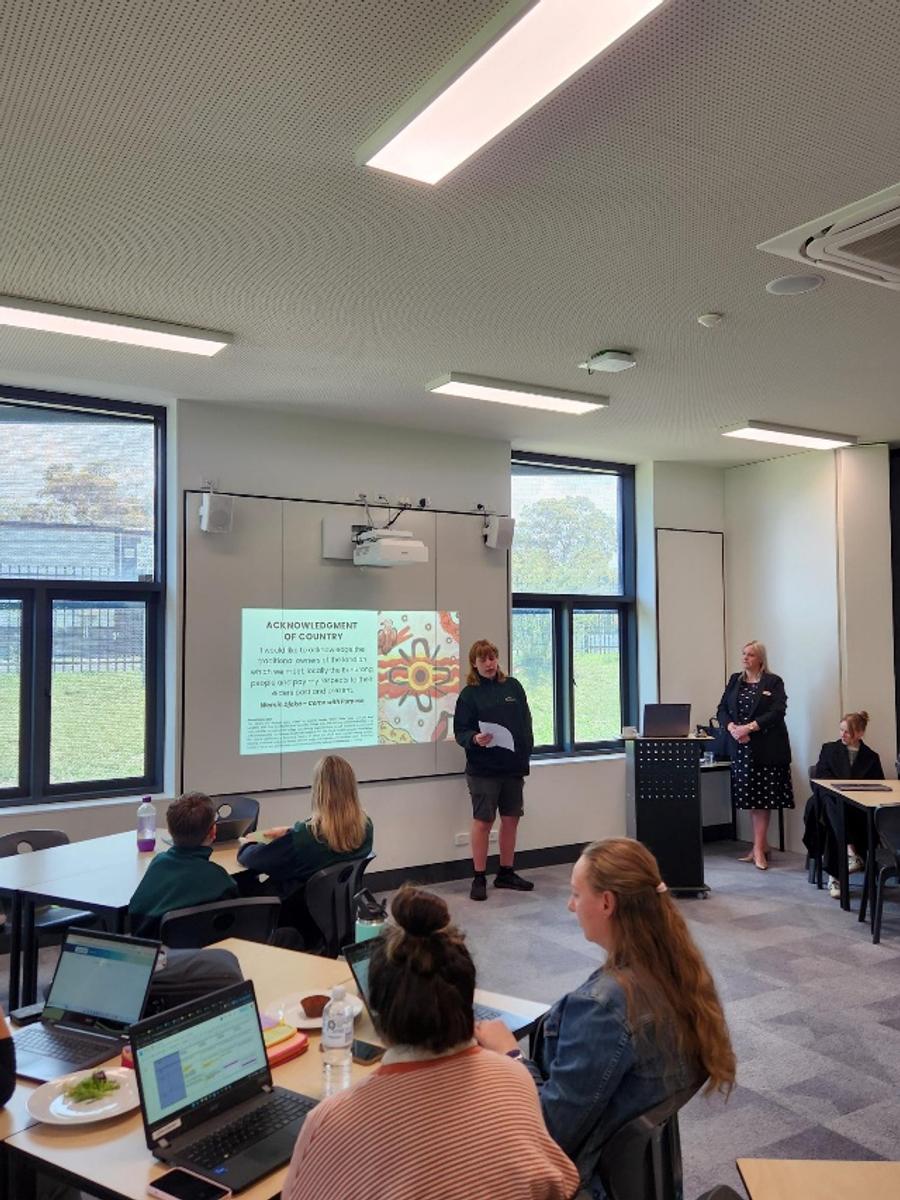
A huge shoutout to those schools who gave up their time and released teachers to be able to authentically work together on shared outcomes to improve the transition process for over 150 new Year 7s.
Professional Learning – WPSC Leading the Way
Schools within the Southern Network have continued to strengthen their ability to collect, analyse and target student learning needs by running professional learning in the form of Workshops for the network.
The college hosted 3 Data Workshops led by our Learning Specialists and Assistant Principals. Participants who engaged in the learning, left the sessions with a more comprehensive understanding of the Progressive Achievement Tests (PAT), greater confidence and ability to analyse students and cohort results and with the ability to plan next steps to support improved student outcomes or possible PL for teams back at their base school.
From a network level, this is exceptional practice which is helping to ensure that no matter what element of the data platform schools use (adaptive or linear), schools are all actively engaged in monitoring student progress to accelerate, to develop and to support students in specific areas where needed most. There are some data rock stars in our network!
A special mention to our junior leaders this year for their student voice and leadership contributions to the events; Paige, Owen, Stevie, Toby, Harper and Jett.
Term 4 LEAP Update
Students identified as at risk with their reading skills, based on DIBELS, PAT-Reading (PAT-R) and NAPLAN data, are moved from LOTE classes (Indonesian) into our LEAP classes for literacy support, 2 periods per week. The purpose here is to focus on providing these students with exposure to explicit teaching of literacy skills, through a knowledge rich curriculum, rather than introducing them to a second language before they have reached benchmark skills in their first. 2025 is the third year of our LEAP classes, and this year there has been 60 students in Year 7 and 52 in Year 8 who engaged in LEAP.
Additionally, students in LEAP experience curriculum designed to support their general knowledge in other subject areas. For example, in term 3, Year 7 Health classes focus on sexual health, so during term 3 in LEAP we design our informative non-fiction readings on the vocabulary and content of this topic, which frontloads our students with extra learning about sexual health. This serves the dual purpose of students both improving their reading skills, and building their knowledge and understanding of a complex, vocabulary rich topic from another subject. This is a point of difference for WPSC, as many secondary schools running reading intervention programs use pre-designed texts that are largely fiction (narratives) purchased from a program.
We set a learning goal for all students in our LEAP classes for everyone to improve their reading fluency enough to be out of ‘Needs Support’ and closer to benchmark according to our DIBELS assessments.
Our end of year learning data found below demonstrates our enormous reading growth that our students in both years 7 and 8 classes have experienced. This reading improvement is more than double that which our students experienced in 2024, and tells us that as a college trying to build best practice in the intervention space, we have refined a pedagogical model that WORKS!
Year 7 LEAP Results:
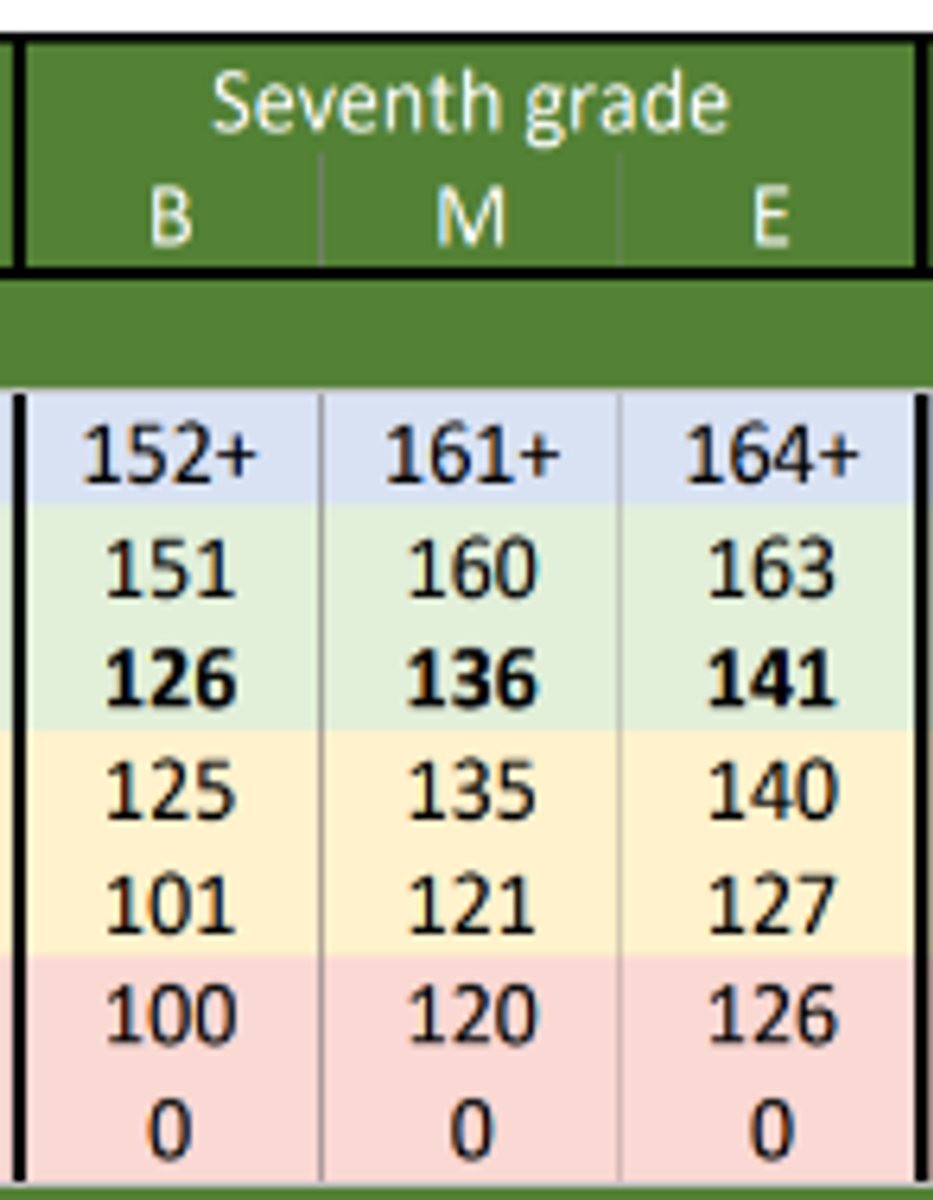
To help read and understand this data best, please note this is the Year 7 reading benchmark key outlining how many words per minute (WPM) a student should read to be at age-appropriate levels. The bold green numbers are the expected level.
B = Beginning of Year (BOY)
M = Middle of Year (MOY)
E = End of Year (EOY)
| Year 7 Words Per Minute (WPM) read accurately BOY Vs EOY | ||
| Average improvement in WPM | 21.64 | |
| Average excluding decreases | 25.83 | |
| Median Improvement | 21 | |
| # students decreased | 7 | |
| # students remained same | 1 | |
| # students increased <10 WPM | 8 | |
| # students increased 10-19 WPM | 9 | |
| # students increased >20 WPM | 31 | |
Year 8 LEAP Results:
To help read and understand this data best, please note this is the Year 8 reading benchmark key outlining how many words per minute a student should read to be at age-appropriate levels. The bold green numbers are the expected level.
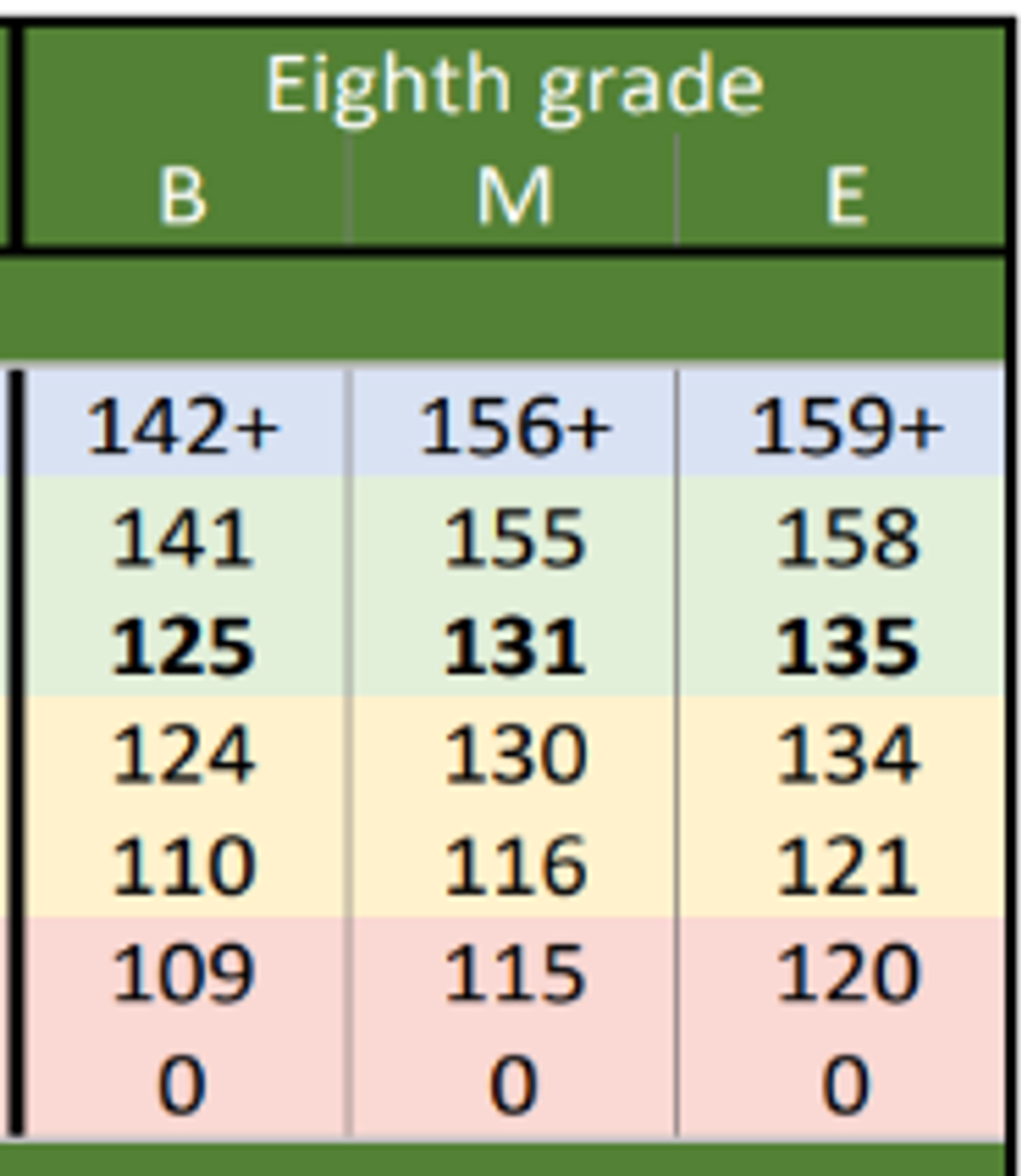
B = Beginning of Year (BOY)
M = Middle of Year (MOY)
E = End of Year (EOY)
| Year 8 Words Per Minute (WPM) read accurately BOY Vs EOY) | ||
| Average improvement WPM | 17.60 | |
| Average excluding decreases | 23.71 | |
| Median Improvement | 15 | |
| # students decreased | 9 | |
| # students remained same | 0 | |
| # students increased <10 | 3 | |
| # students increased 10-19 | 14 | |
| # students increased >20 | 17 | |
In conclusion, we want to send a HUGE congratulations to our Year 7 and 8 LEAP students who have overwhelmingly demonstrated absolute commitment to their learning improvement in reading. To our LEAP teachers, Mel MacKenzie, Robert Last, and Renae Knowles, I want to thank you for your unwavering dedication to our young people, and your commitment to continuous improvement. To our incredible tutor team who support our classes and collect and collate extensive data, thank you too.
LEAP in 2025 has gone from strength to strength, and I am looking forward to seeing what growth 2026 holds in store for our students.
Vanesa Dennis – LEAP leader