Science
🌱 Science – Biology
This term in Science, students across the school have been exploring living things through hands‑on activities, outdoor observations, and lots of curiosity‑driven investigations. Each level has taken on practical tasks that helped them understand how plants, animals and environments connect. Here’s a look at what each year level has been up to.
Prep – Living Things and Their Needs
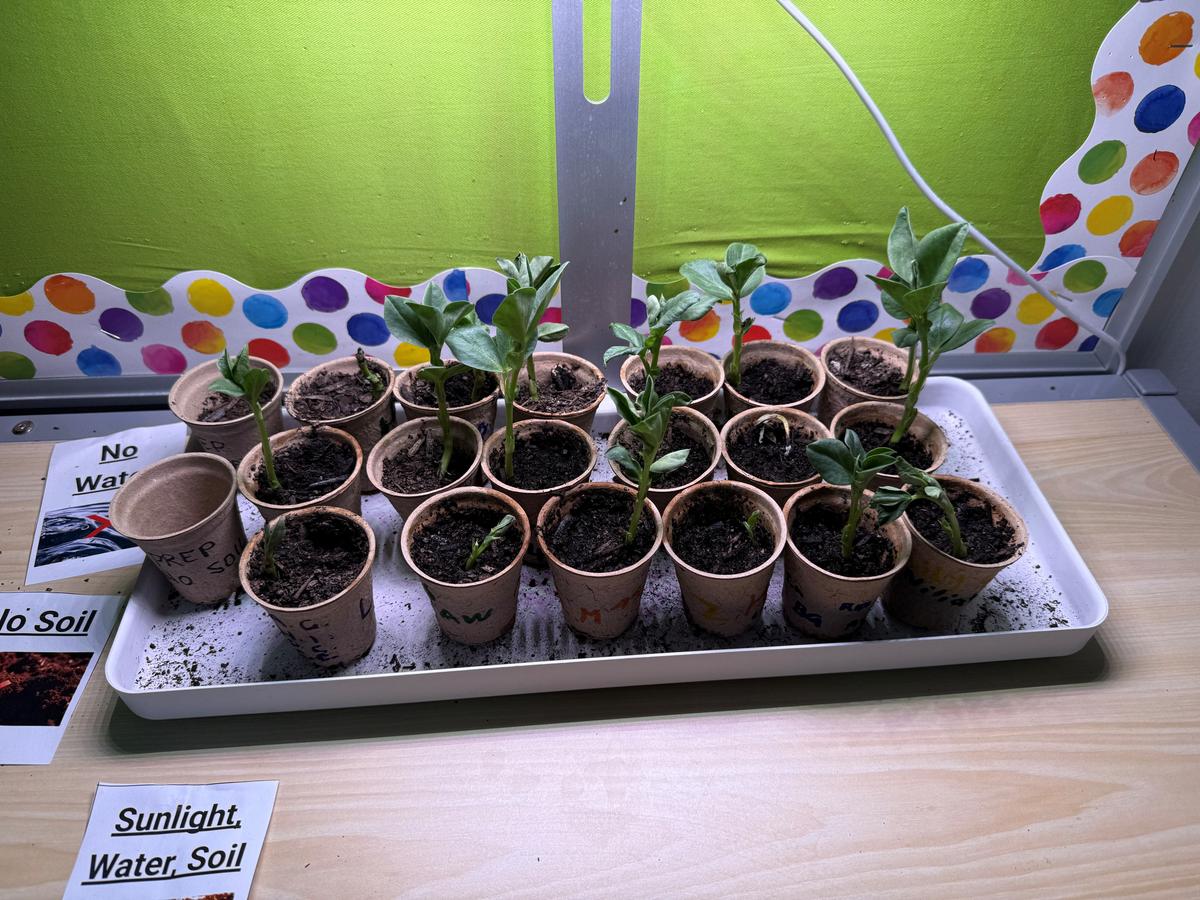
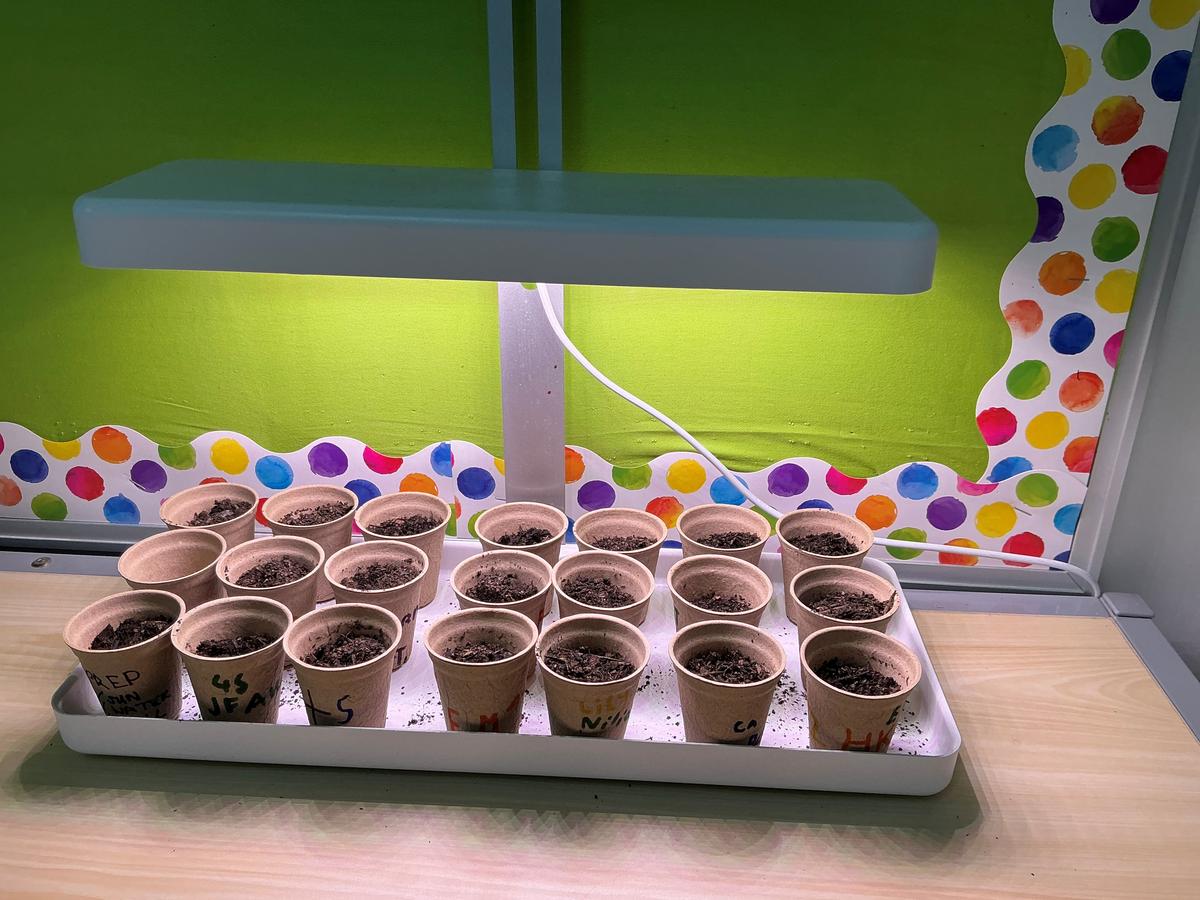
Prep students have been discovering what plants and animals need to survive. They’ve been exploring how plants grow by completing a broad bean experiment and exploring how animals need food, water, space, shelter and oxygen to survive. For their learning task, they will be creating simple designs for “animal homes” to show how habitats meet living things’ needs.
Level 1 – Features and Survival
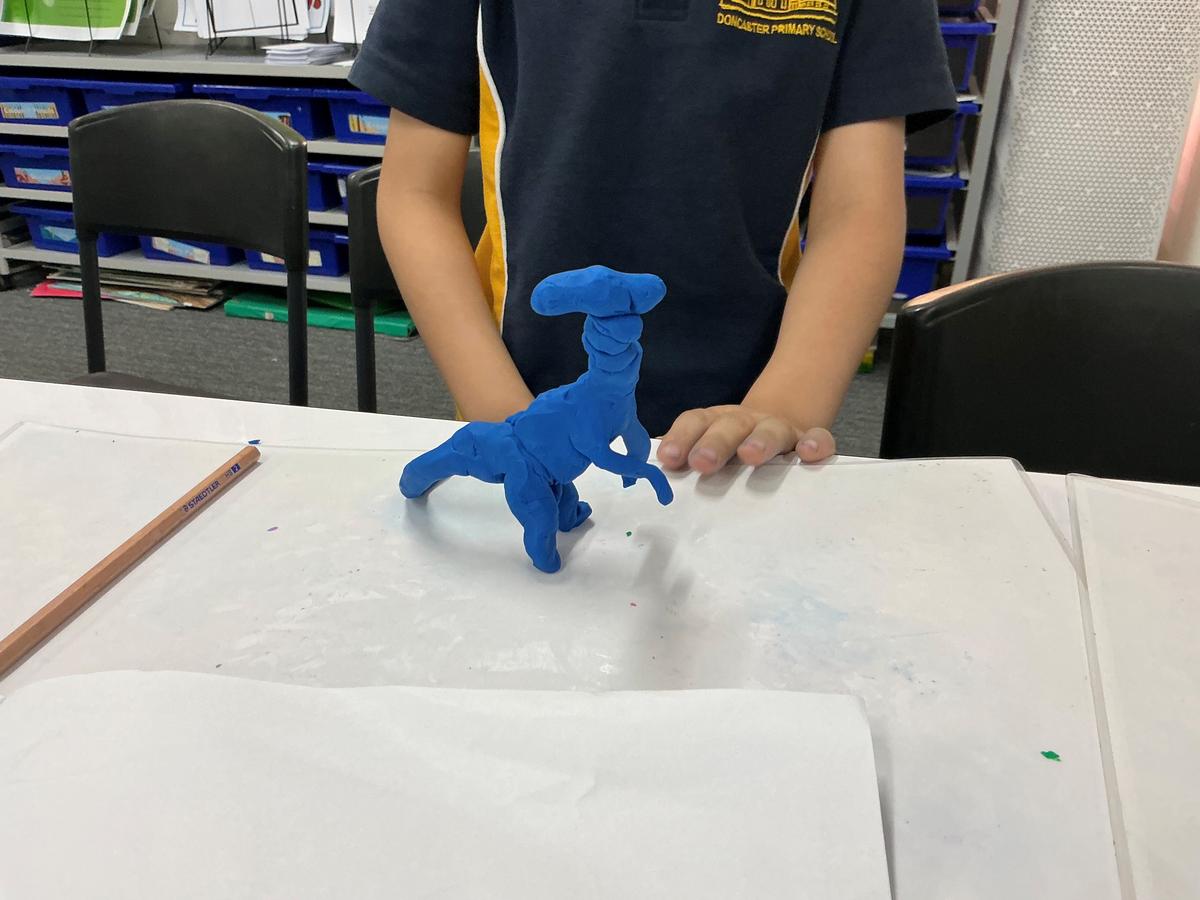
Level 1 students have been learning how the features of living things help them survive. Students have been practising making predictions, asking questions, and explaining how different features—like wings, claws or whiskers—help animals live in their environments. Students have been exploring how different types of teeth are designed for different types of food. They have been looking closely at dinosaurs to understand all of these different features. For their learning task, they will be creating a 'dino shield' to help protect their dinosaur using strong external features that other animals have.
Level 2 –
Level 2 students have explored how plants and animals survive by investigating their external features and functions. They have learn to observe, question, and record data. The students have investigated how living things grow and change and the requirements plants need to thrive. Students have identified and described the features of a plants and what each of these do. The Level 2 students have learnt about thr features of different animals and how these features help animals move, breathe, eat, and respond to their environment.
Level 3 – Classification, Habitats and Fossils
Level 3 students have been diving into how scientists classify living things. They’ve compared habitats and explore why certain creatures live where they do. Students have examined fossil images to understand how life has changed over time. For their learning task, students will be creating designs and comparisons showing how organisms survive in different environments.
Level 4 – Life Cycles and Ecosystems
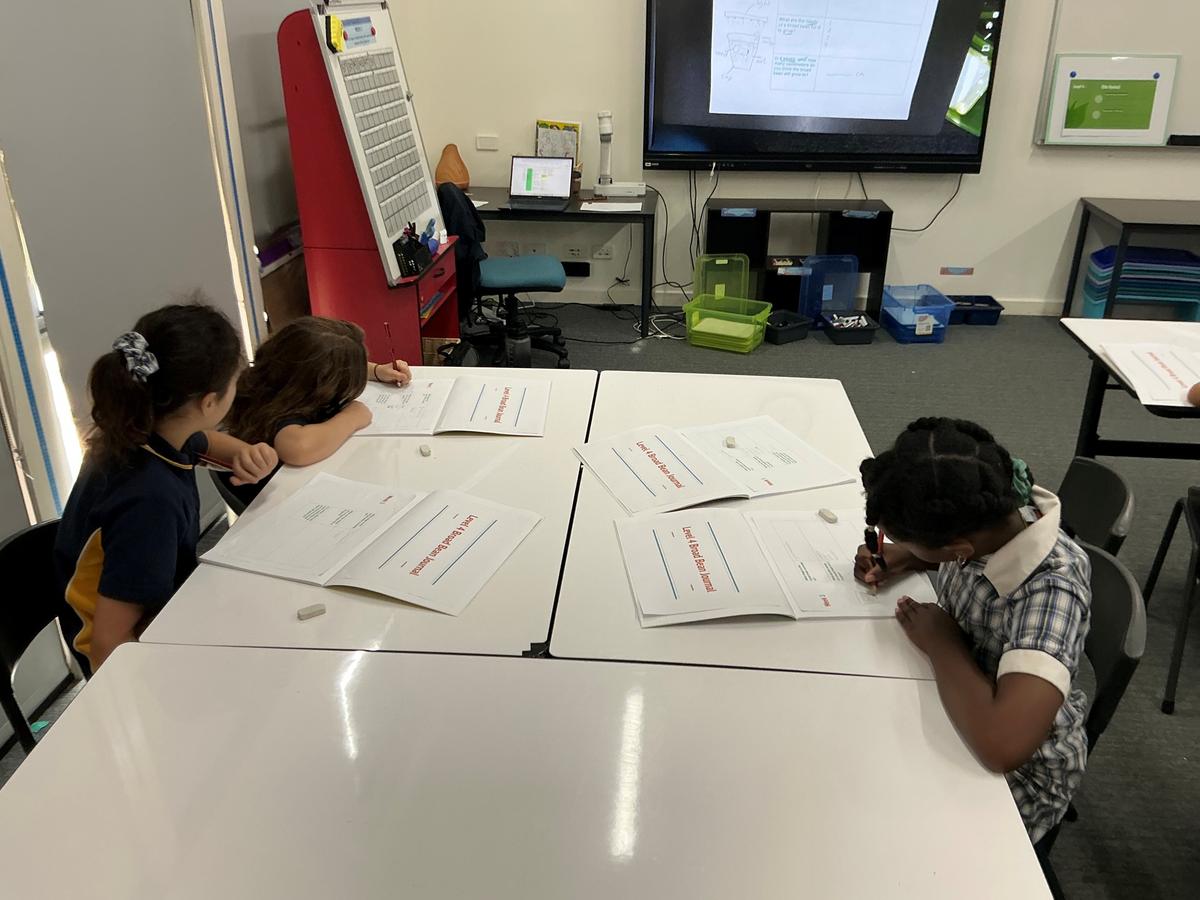
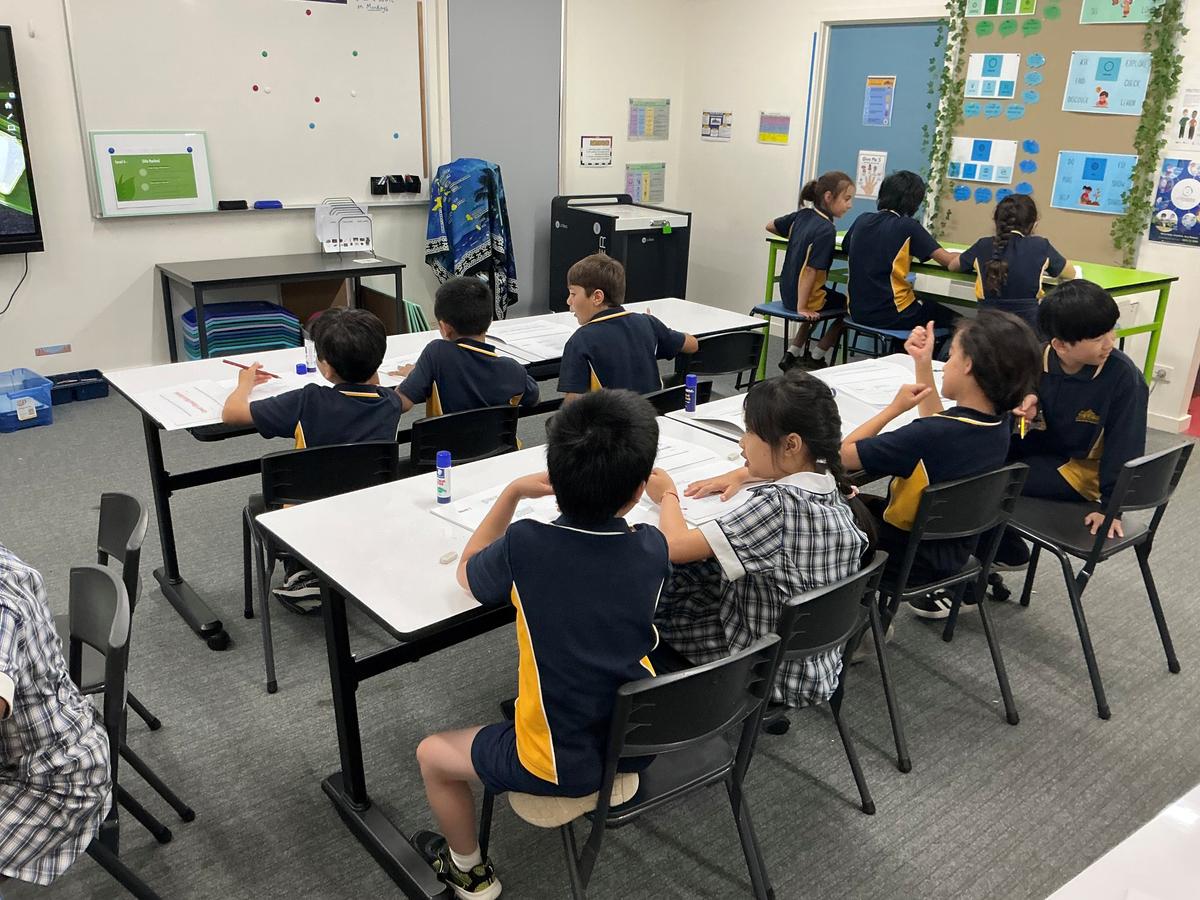
Level 4 students have been investigating the life cycles of plants and animals, including how offspring are similar but not identical to their parents. They’ve explored simple food chains using models and observations to understand producers, consumers, and decomposers. Through hands‑on investigations, students have carried out broad bean growth experiments, explored how environmental changes affect survival, and communicated their learning through reflective activities and creative ecosystem illustrations.
Level 5 – Adaptations and Evolution
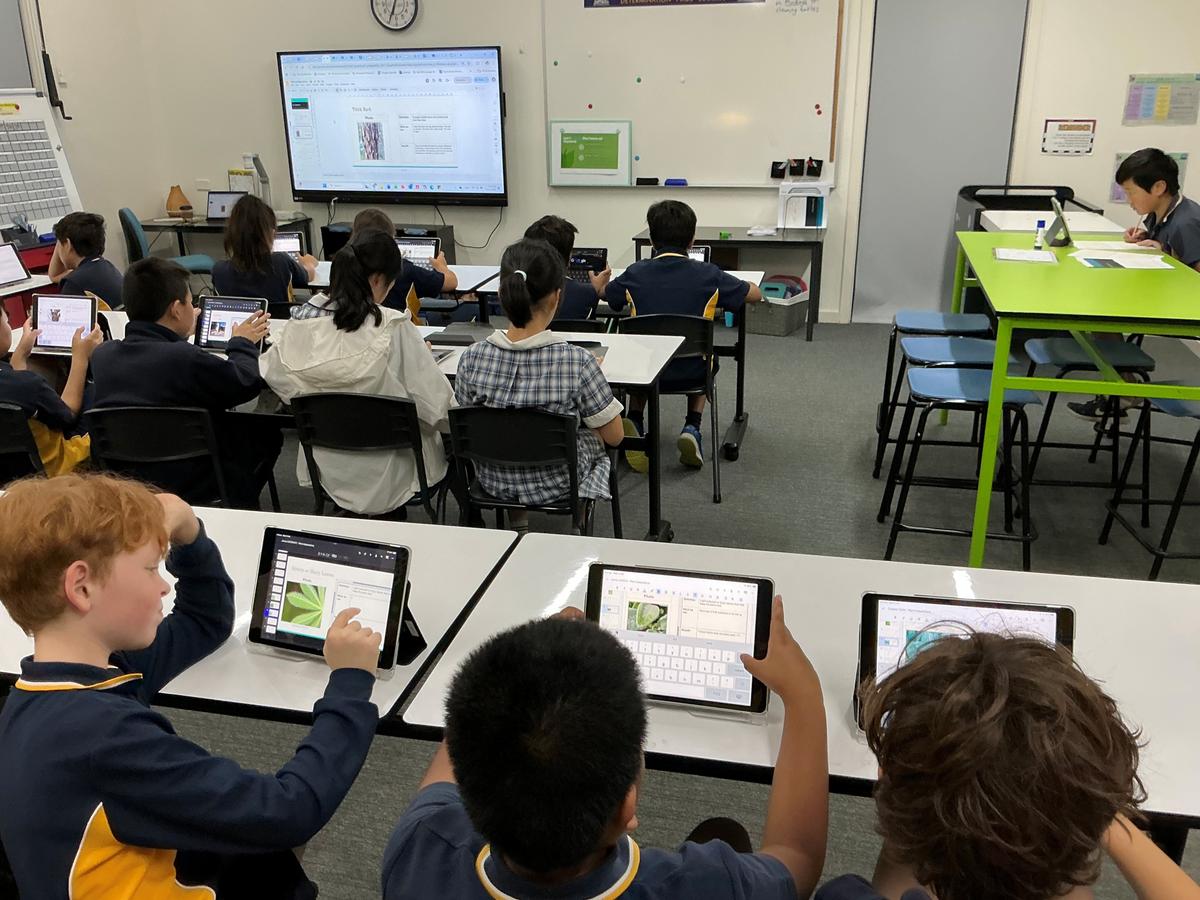
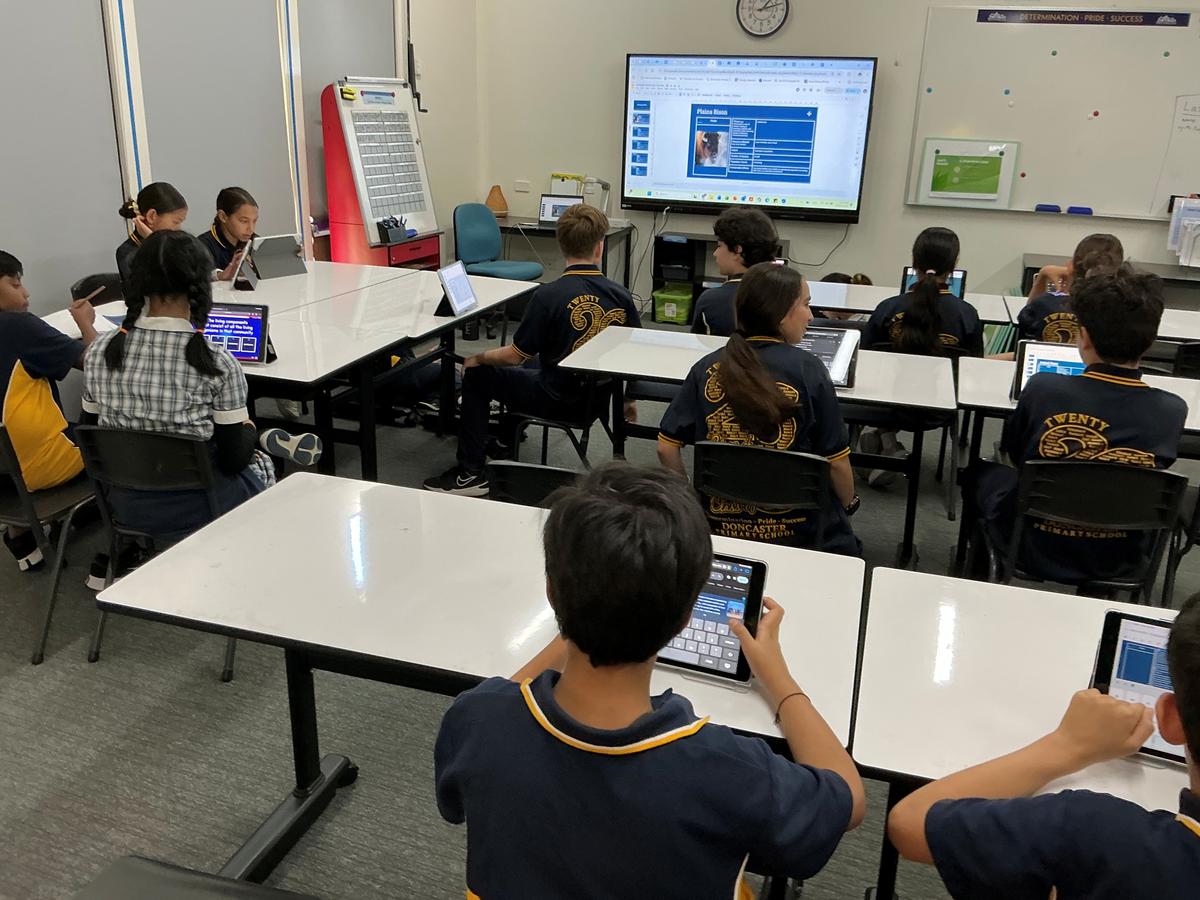
Level 5 students have been exploring how living things adapt to survive in their environments. They’ve compared different animal and plant adaptations and analysed real fossil images to see evidence of change over time. Students also explored why certain living things can survive in extreme habitats. These activities have helped students understand how adaptations support survival and how evolutionary changes occur over long periods. For their learning task, students will create a presentation by choosing an animal or plant to research their appearances, environment and adaptations to survive.
Level 6 – Habitat Change and Biodiversity
Level 6 students have been investigating how changes to habitats (especially those caused by humans) impact living things. They’ve researched endangered species, explored local and global threats to biodiversity, and analysed real conservation case studies. For their learning task, students will work to produce a news report where they highlight an environmental issue, explained the science behind it, and suggested actions communities can take to protect habitats.