Welfare / Inclusion News
Wellbeing at PHPS

Signs and symptoms
Mental health difficulties can occur in children of all ages, and can result in social, emotional and behavioural problems. Babies and toddlers can have mental health difficulties for similar reasons to older children and adults. They learn about emotions and how to manage them by watching and copying grown-ups who are important to them.
It can be difficult to know if your baby or young child’s behaviour is a result of a mental health problem. The following symptoms may be a sign of social or emotional concerns in a baby, toddler or young child, especially if you notice these issues being present most of the time and affecting your child’s ability to cope with day-to-day life at home, childcare, kindergarten or school.
Children (5–11 years)
- Ongoing worry or anxiety that interferes with your child’s ability to go to school and to be confident with others.
- Ongoing refusal to follow rules at home or school.
- Attention, memory and concentration difficulties.
- Difficulty making and maintaining friendships.
- Obsessions or compulsions that interfere with everyday life.
- Withdrawal (from activities or socialising with friends or family).
- Ongoing guilt or negative feelings.
- Playing in a forceful, violent or destructive way.
- Bullying other children or pets.
- Not sleeping well (nightmares) or having a change in their sleeping patterns (eg. more or less than usual).
- Consistently not wanting to eat (food refusal).
- Having toileting difficulties, including bed wetting.
- Frequent physical complaints such as headaches or tummy aches.
How you can help
Building resilience in children helps them to cope and recover more easily from difficult situations (eg. family breakdowns, making mistakes, bullying or a falling out with friends). Having strong positive relationships and spending time with your child is key to building resilience.
Developing the following skills from an early age can also help build resilience in your child:
- Self-respect and respectful relationships with others (highlighting strengths, building self-esteem).
- Optimistic thinking (realistic thinking, positive attitudes, problem solving).
- Social skills (making and keeping friends, resolving conflict, cooperation with others).
- Achieving or getting things done (building confidence, encouraging responsibility, knowing when to ask for help).
Most children learn to overcome challenges on their own so give them an opportunity to problem solve before you interfere. You can also try problem-solving together with your child and help them to develop coping strategies for future challenges.
WELLBEING GROUPS
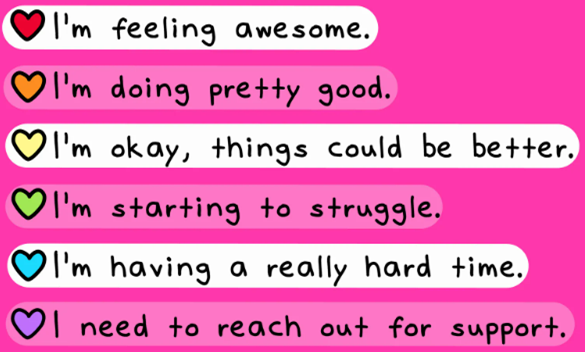
This year we are running small wellbeing groups where students learn practical coping skills and content in a fun way with other likeminded students. These small groups of up to 6 students run for 6 sessions.
We have just recently completed our first round of our Emotional Regulation Groups. Throughout the sessions, our students have been working on their own 'coping toolbox' and ways they can fill these with coping strategies that work for them.
During our final session, we celebrated by decorating our own 'cope-cakes' for a well-deserved sweet treat to finish off our group.
Well done to our grade 1/2 and grade 3/4 groups, what a great start to our wellbeing groups this year!
Looking forward to starting our Social Skills Wellbeing Group very soon.
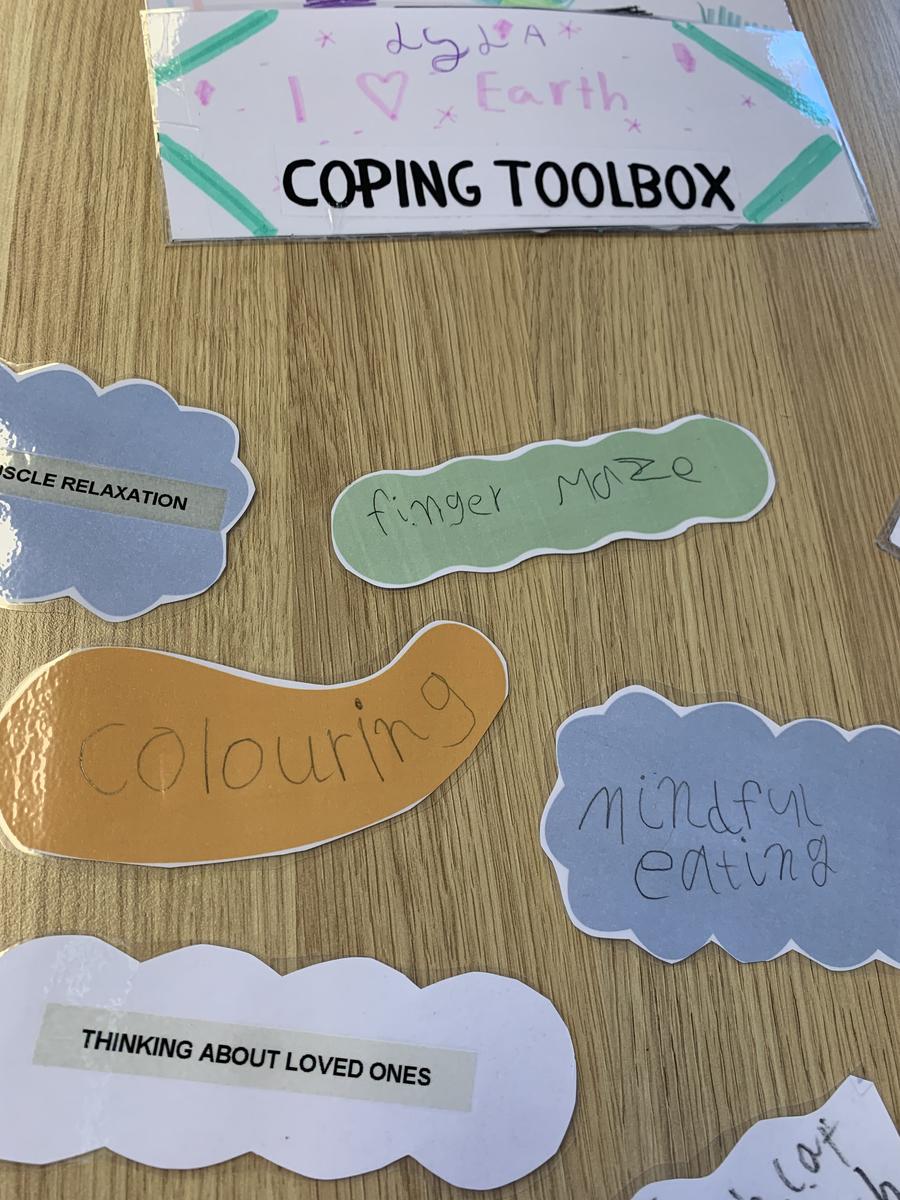
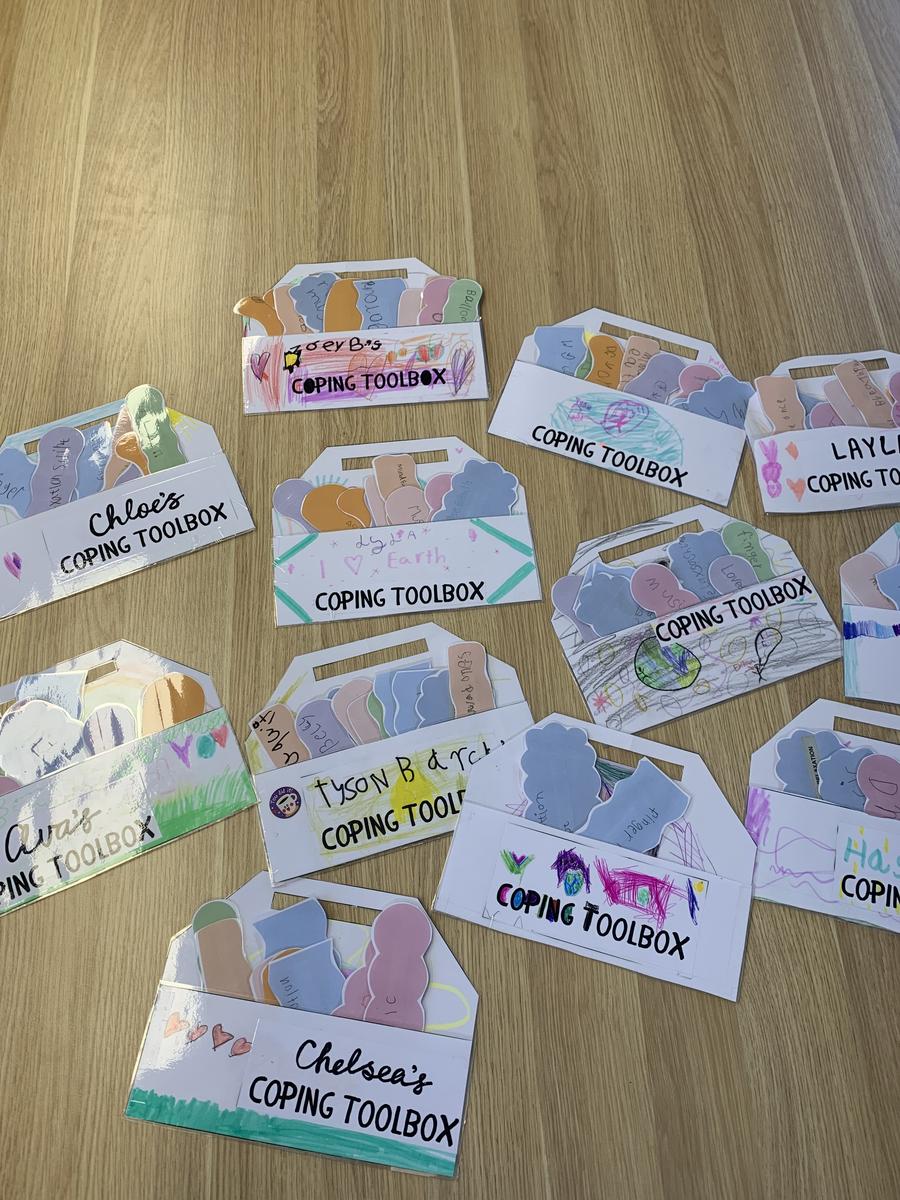
Coping Toolboxes to use when we feel strong emotions!
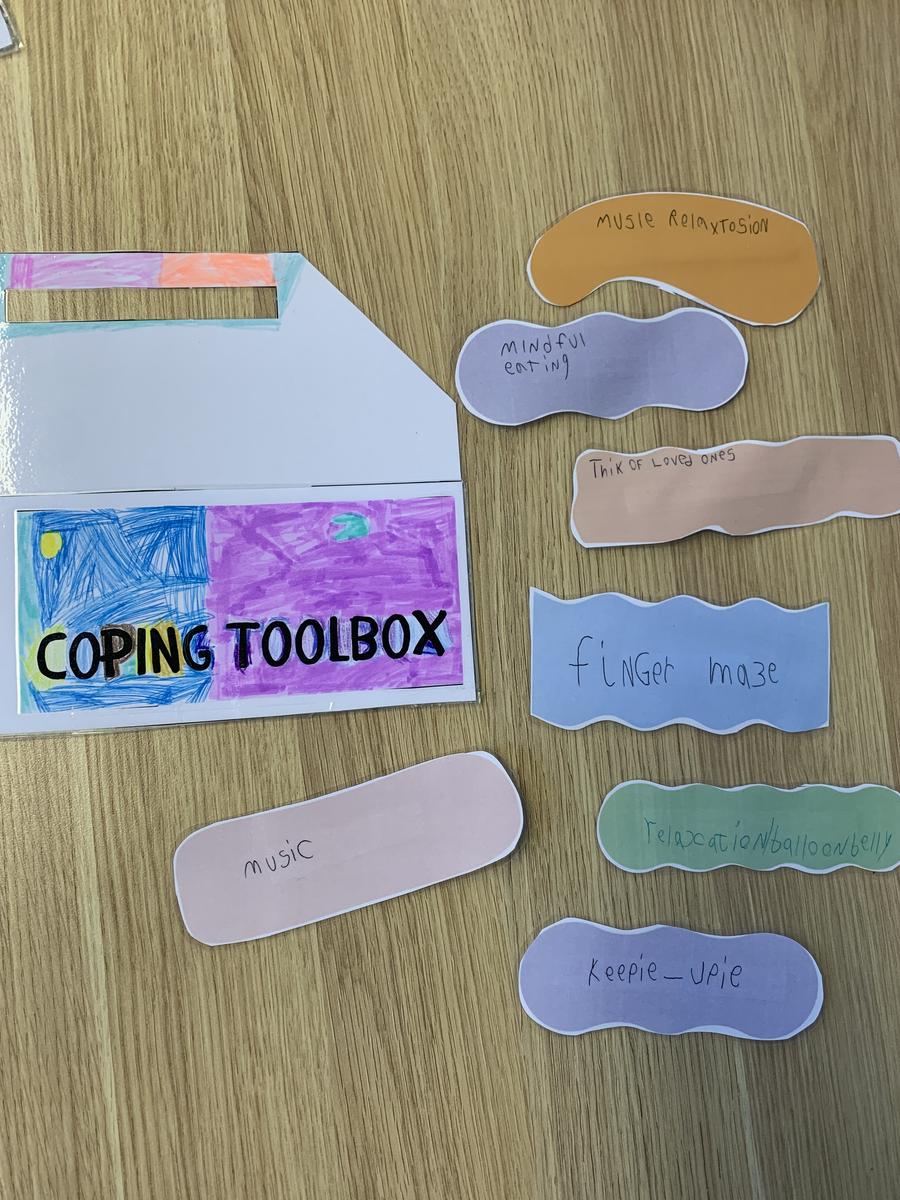
Coping Toolboxes to use when we feel strong emotions!
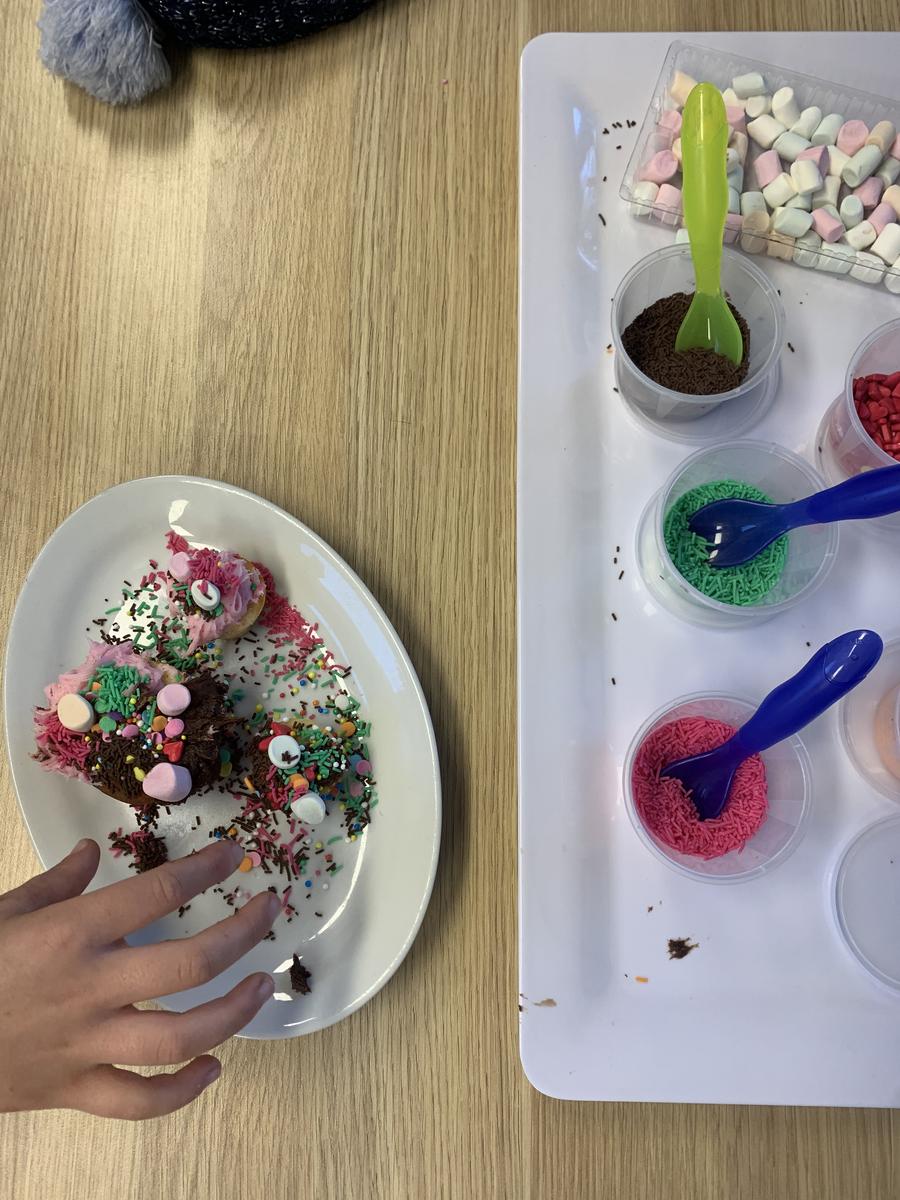
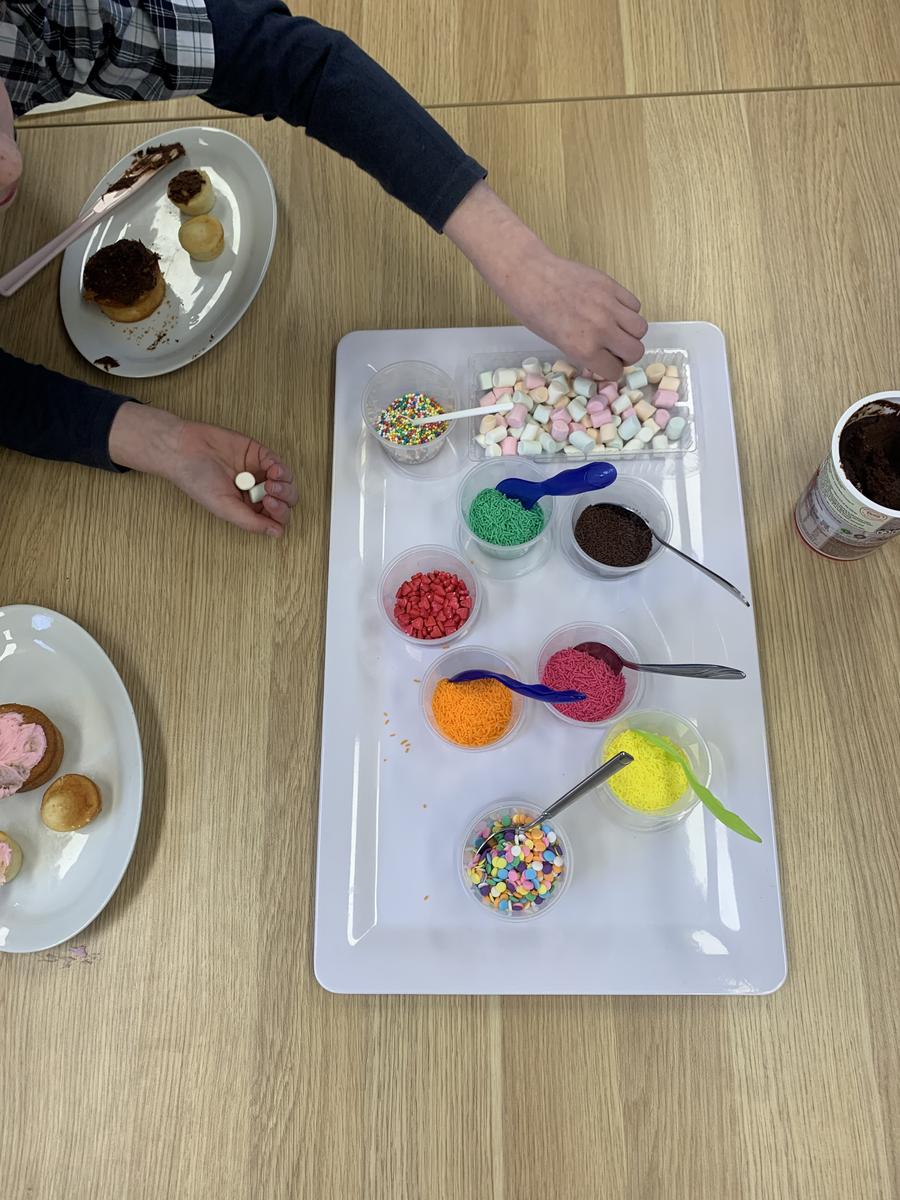
Decorating our cope-cakes during our well deserved celebration
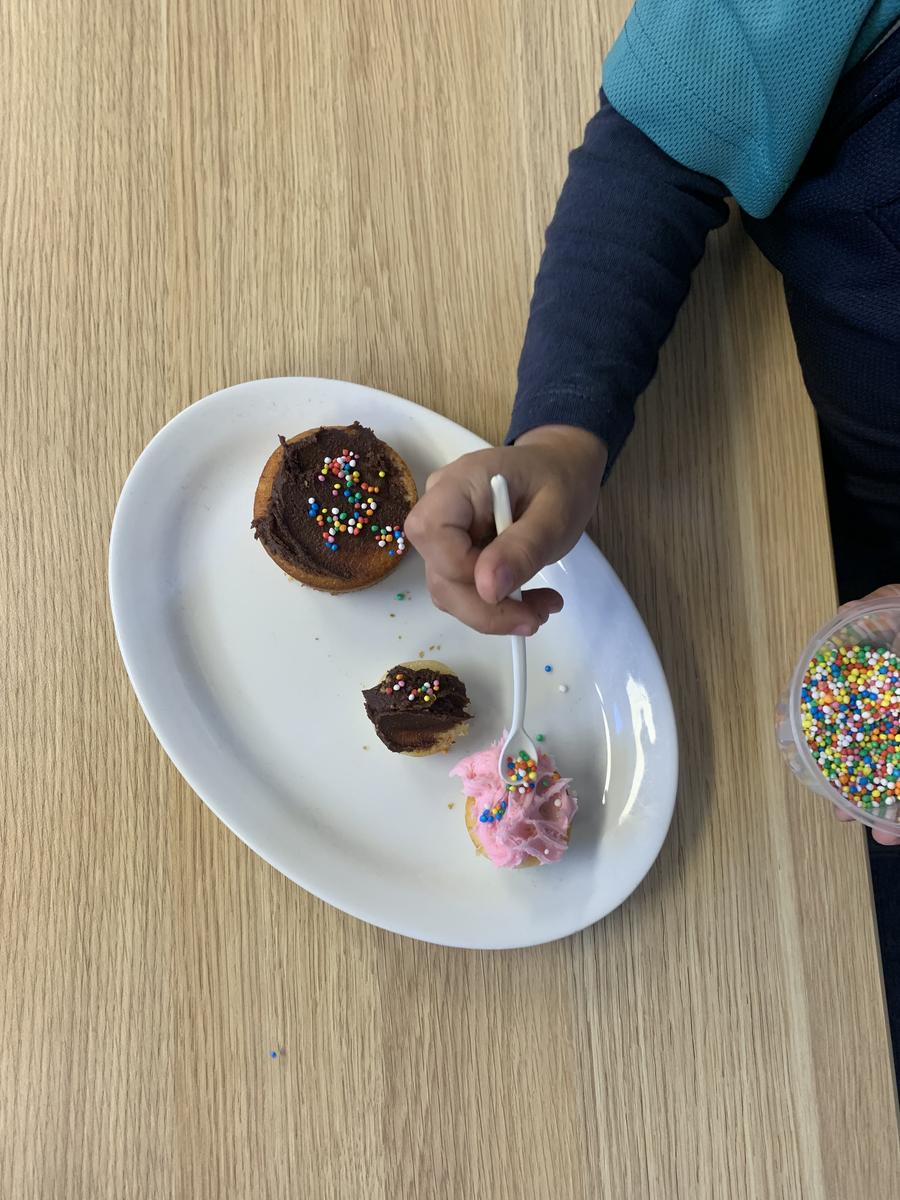
Decorating our cope-cakes during our well deserved celebration