Literacy News - Comprehension
Nicola Smith
Literacy News - Comprehension
Nicola Smith
As mentioned in our previous literacy articles, the Science of Reading states that the key areas of literacy development are: phonological awareness, phonics, fluency, vocabulary and comprehension.
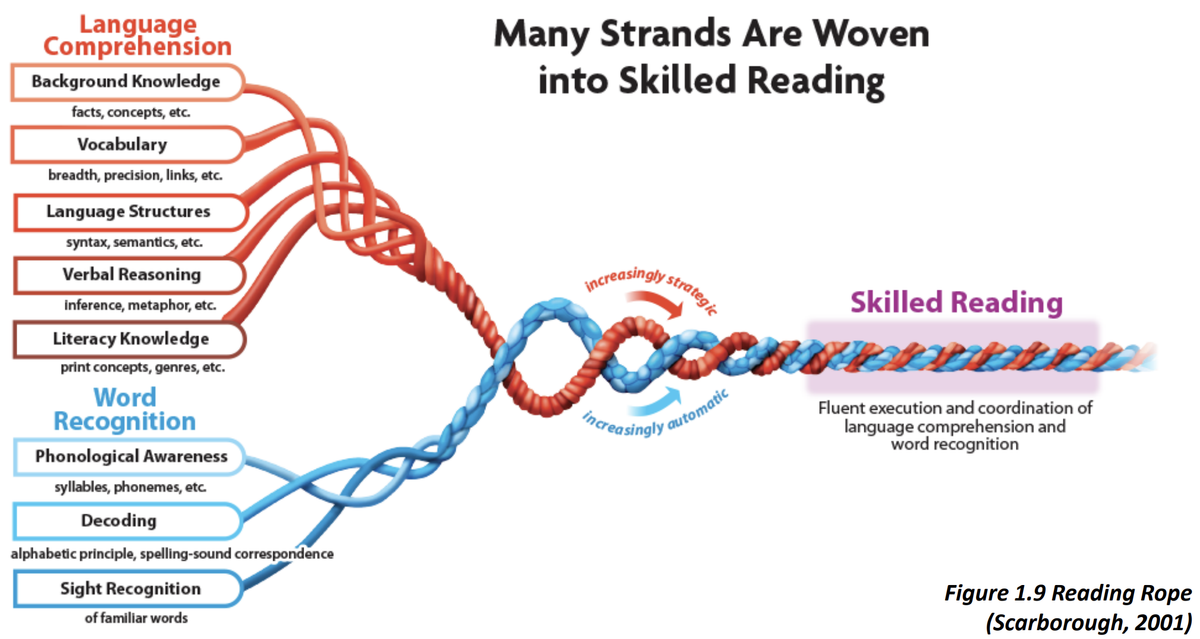
This week, we will explore the final pillar, comprehension. Language comprehension is primarily to do with understanding what one is reading, by interpreting and making meaning of what is read. This skill is critically important to all students of all ages. Using Scarborough’s Reading Rope (2001), we can see the importance of language comprehension in becoming a skilled reader.
Language comprehension develops alongside the other pillars of reading. Even before children can read the words on a page, they can begin to comprehend what is being said to them and what is being read to them. As students develop their word recognition skills their comprehension skills deepen. This development of comprehension skills extends well into the Upper Primary Grades and into Secondary School, as they engage with a range of texts.
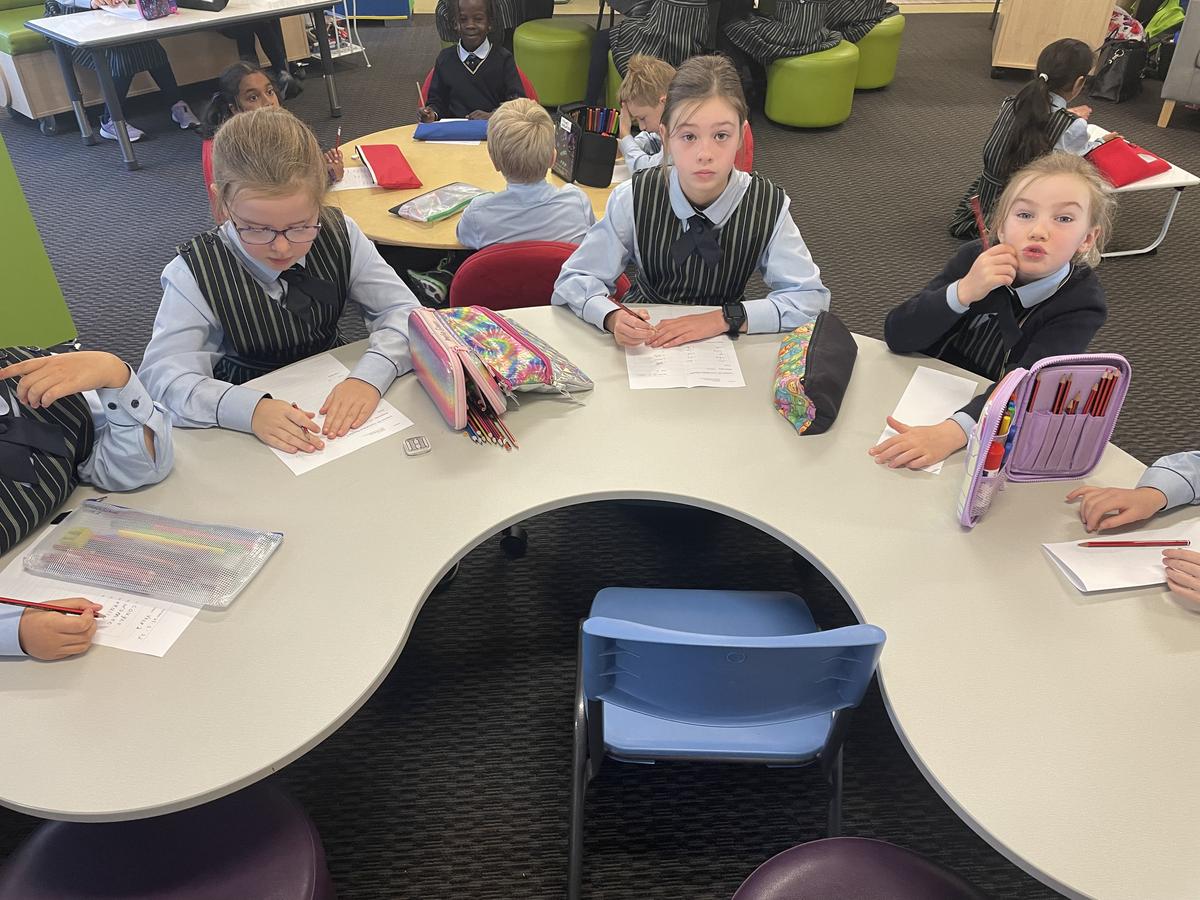
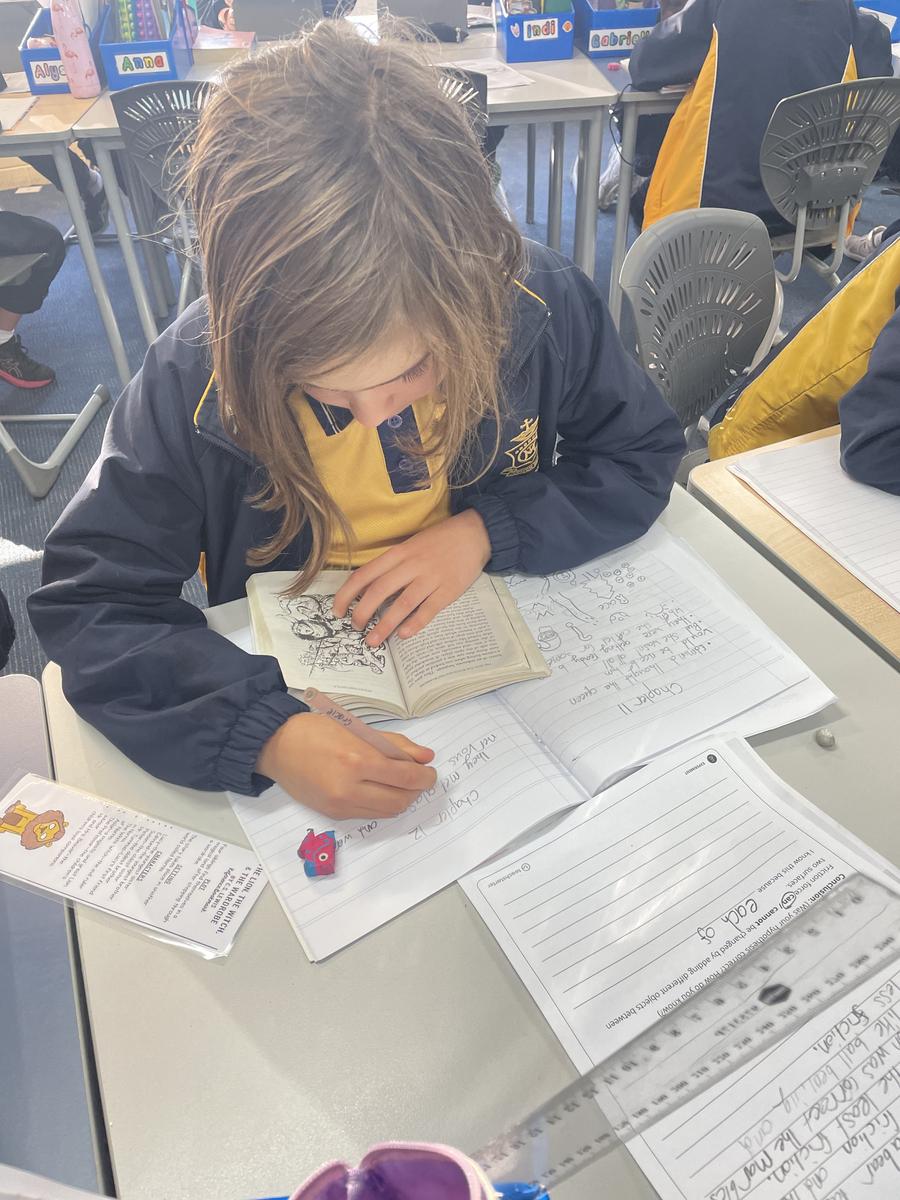
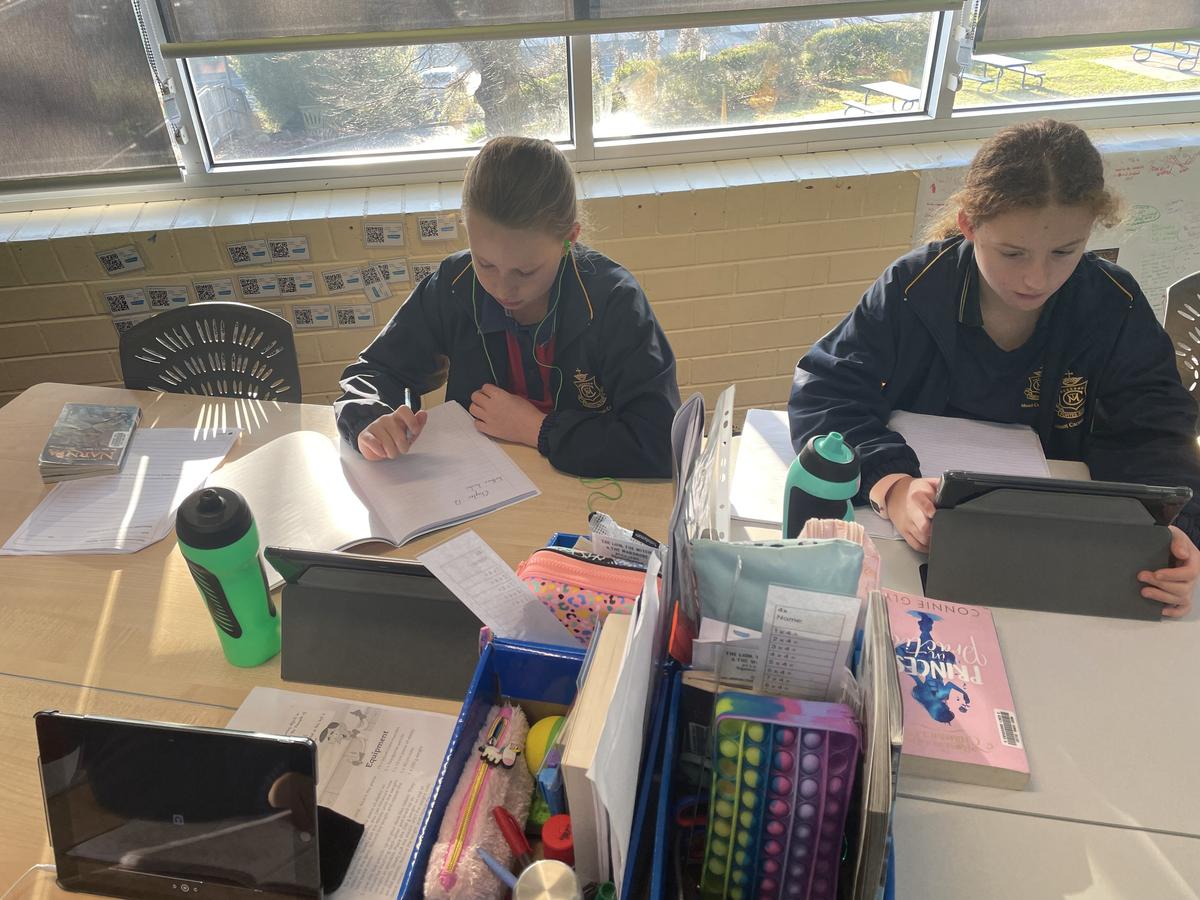
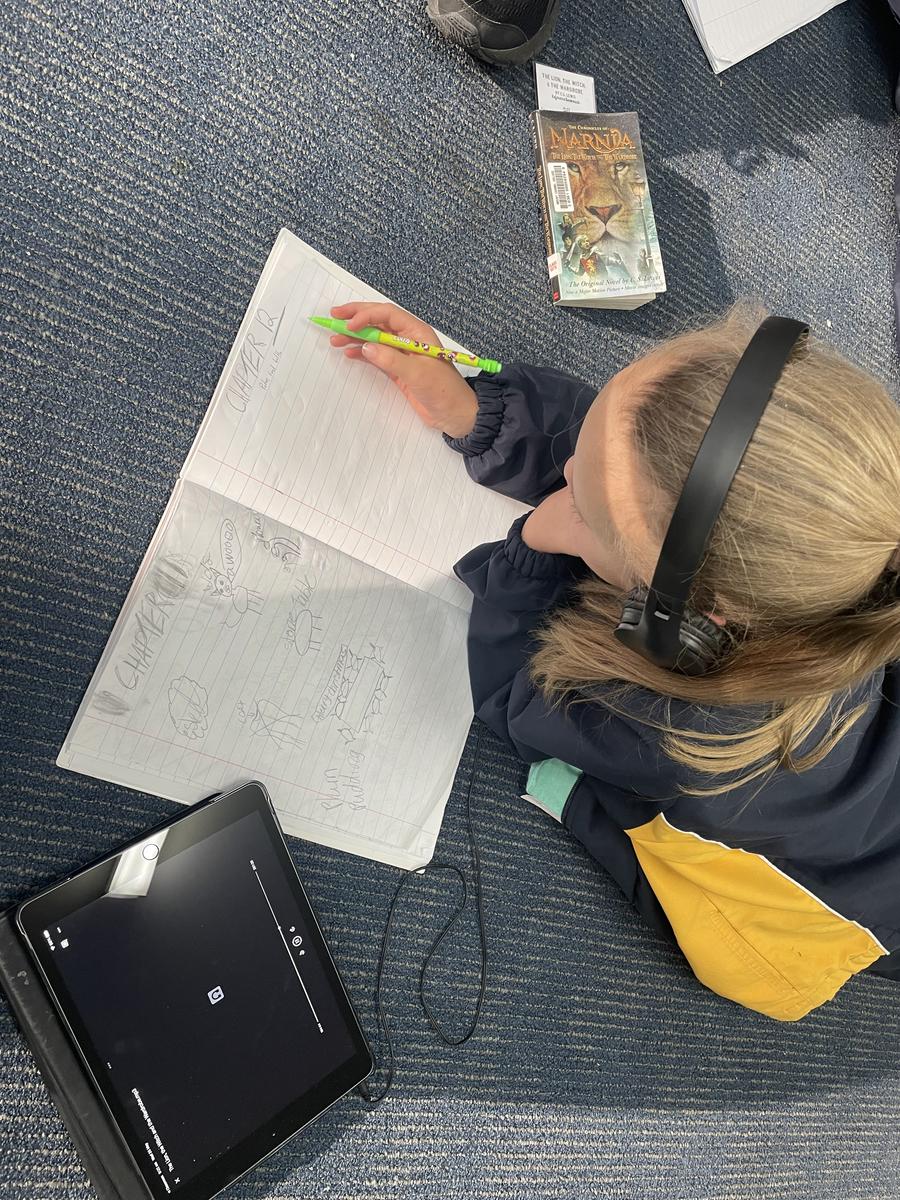
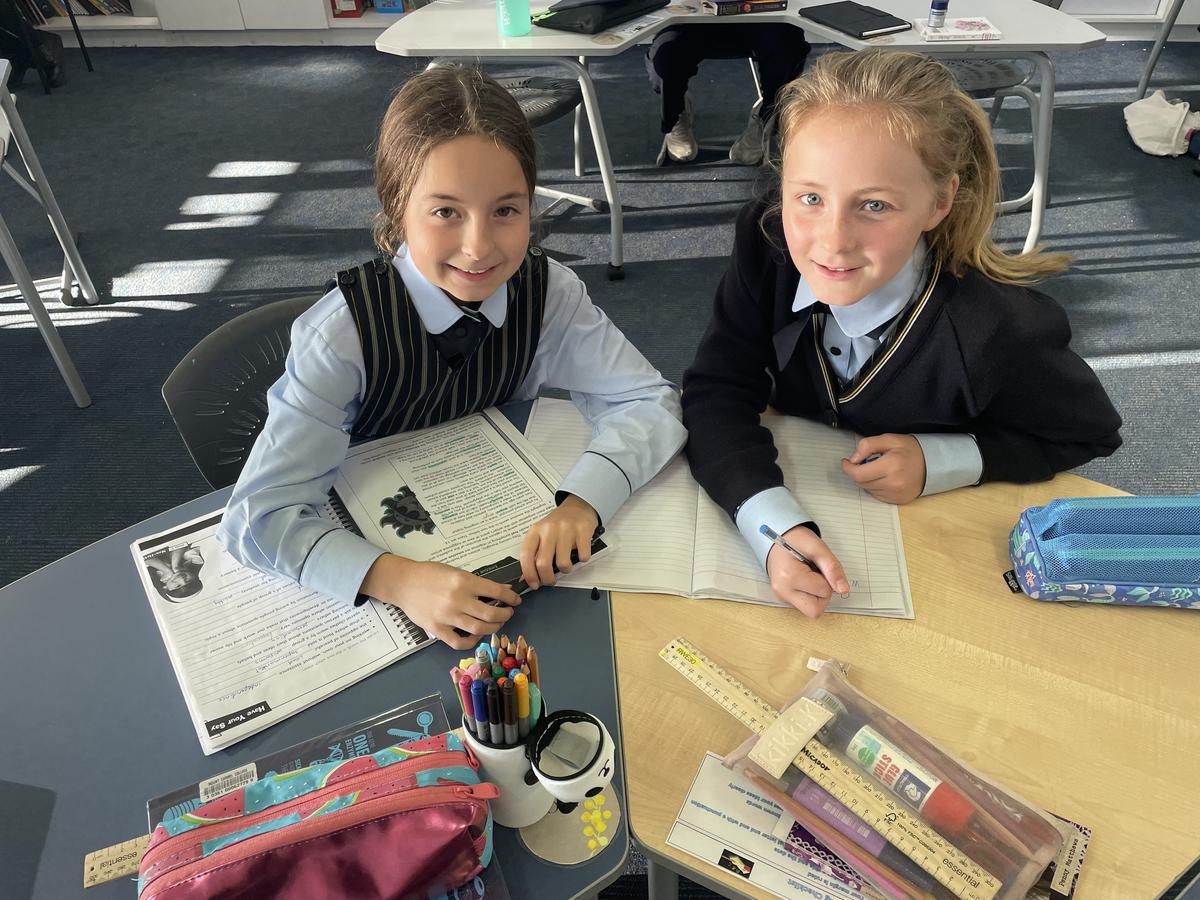
The breadth of language comprehension encompasses a range of sub-skills, including reasoning, background knowledge and language structure. In order for learners to combine and master these skills with complexity and depth, they need to be explicitly instructed on these and then be exposed to repeated practice across a range of texts and within a range of contexts, all throughout the grades.
At home, some ways to support language comprehension development include: