From the Director of Primary
Melanie Sluyters
From the Director of Primary
Melanie Sluyters
Acknowledgement comes in many forms. It can take the form of recognising the support provided in order to complete an academic paper, or a trophy at the end of the sporting season. It can be a wave as someone lets you in when trying to navigate the traffic or it can be a simple smile and a thank you as the door is held for you. To acknowledge someone for something that has been done can often be overlooked and in the general busyness of our day we do not always recognise the profound power a gesture of acknowledgment can and does provide. Acknowledging others builds relationships allowing for authentic conversations and people feeling valued and appreciated.
The art of acknowledging work done, actions taken, ideas presented or extra roles adopted allows for positive change in attitude and culture. Be it in a workplace or a school setting, being able to recognise, applaud or thank someone even with a simple gesture, provides a vehicle for this cultural shift.
In order to deliver acknowledgment in a meaningful way, there are a number of strategies that can be adopted. Firstly, it is essential that we understand its definition: “recognition of the importance or quality of something”. This process of recognition can be done in a myriad of formal or informal ways.
Secondly, it is important to recognise the impact of the acknowledgement and how positive words and/or actions can promote cohesion and a sense of joy and encouragement. Not acknowledging can see a decline in motivation and morale, and a sense of feeling disenchantment from processes, ideas and the community as a whole.
Thirdly, acknowledgement should be an intrinsic behaviour that is central to our daily lives, whether this is in our personal life, engaging with work colleagues, your son or daughter’s teacher or others with whom you come in contact. Normalising acknowledgement will help to make it a habit where the effort is reduced but the value remains high.
Finally, making this practice a priority and recognising its importance within our lives and how we engage with others can be seen as a gift. We have a choice in how we engage with others and how we want others to engage with us. Therefore we have a choice in making acknowledgment a matter of importance.
“The single most important lesson I learned in 25 years talking every single day to people was that there’s a common denominator in our human experience… we want to be validated.”
Oprah Winfrey
SchoolTV - an essential resource for our parents

In the middle of 2016 Mount Carmel College was invited to be a trial school for a wellbeing platform called SchoolTV. At the conclusion of the trial, which seems like only yesterday, it was decided that this resource was essential to our College community.
Six years on this resource is still part of us helping to assist parents within our College community. For those who have not already accessed it, you are encouraged to take some time and explore all that it has to offer.
SchoolTV uses leading specialists in the field of wellbeing and psychology such as Dr Jodi Richardson, Dr Michael Carr-Gregg, Professor Pat McGorry, Professor Elizabeth Scott and Professor Ian Hickie to address modern day realities in a manner that helps parents. The idea behind this resource is to provide parents with a place to head where information about issues regarding young people can be easily found. Using SchoolTV allows parents to feel empowered and informed because what is available is advice that is well researched, practical and easily accessed.
SchoolTV can be found on the College website under the Community tab. Here is a direct link to one of the topics recently uploaded - Managing Screen Time.
Learn to Swim
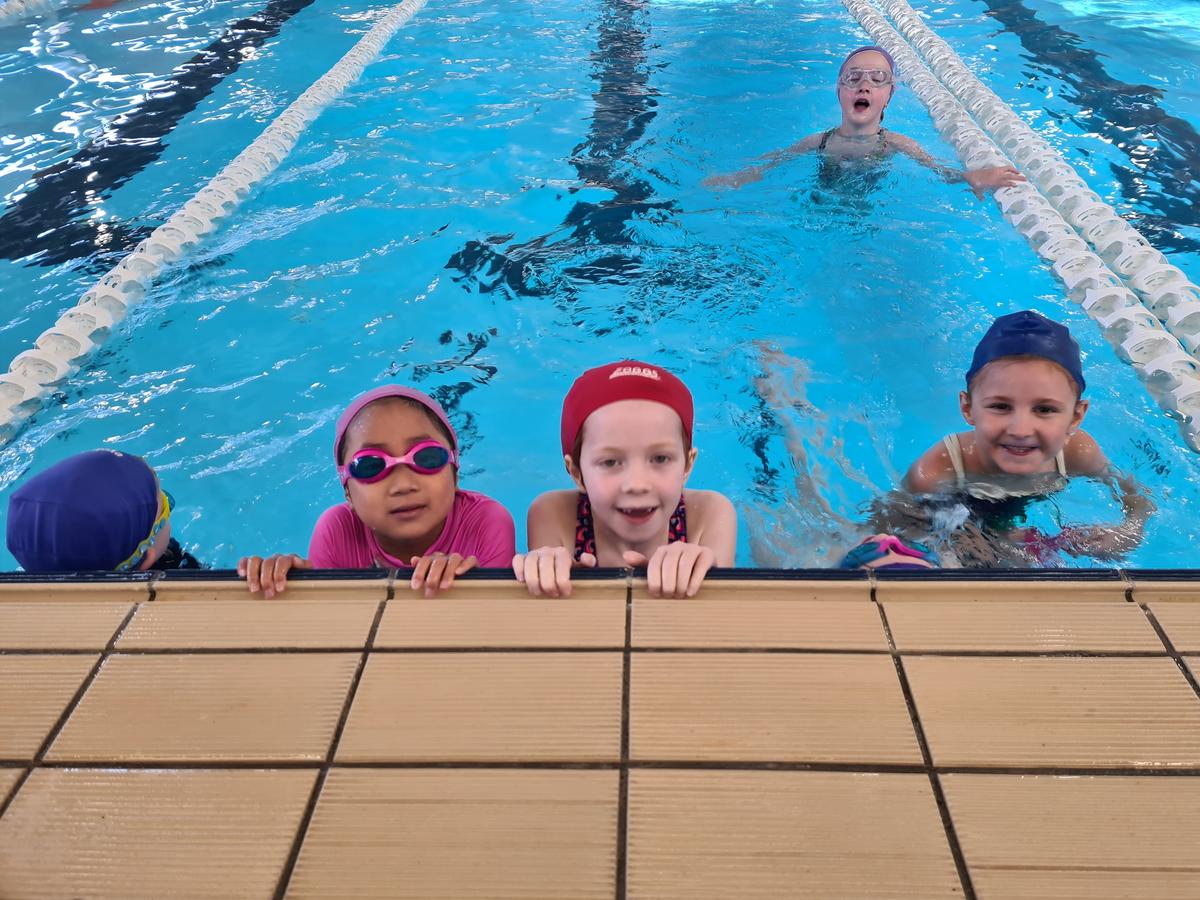
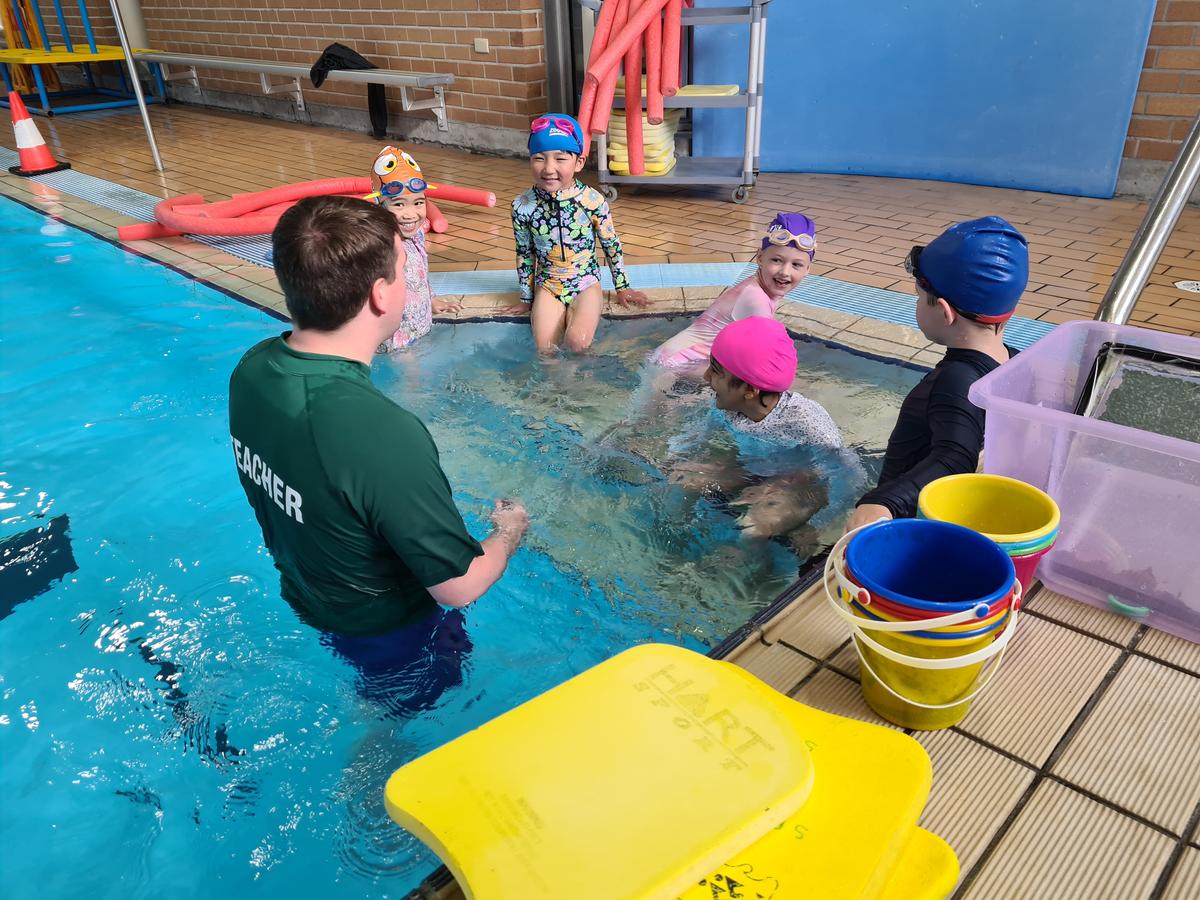
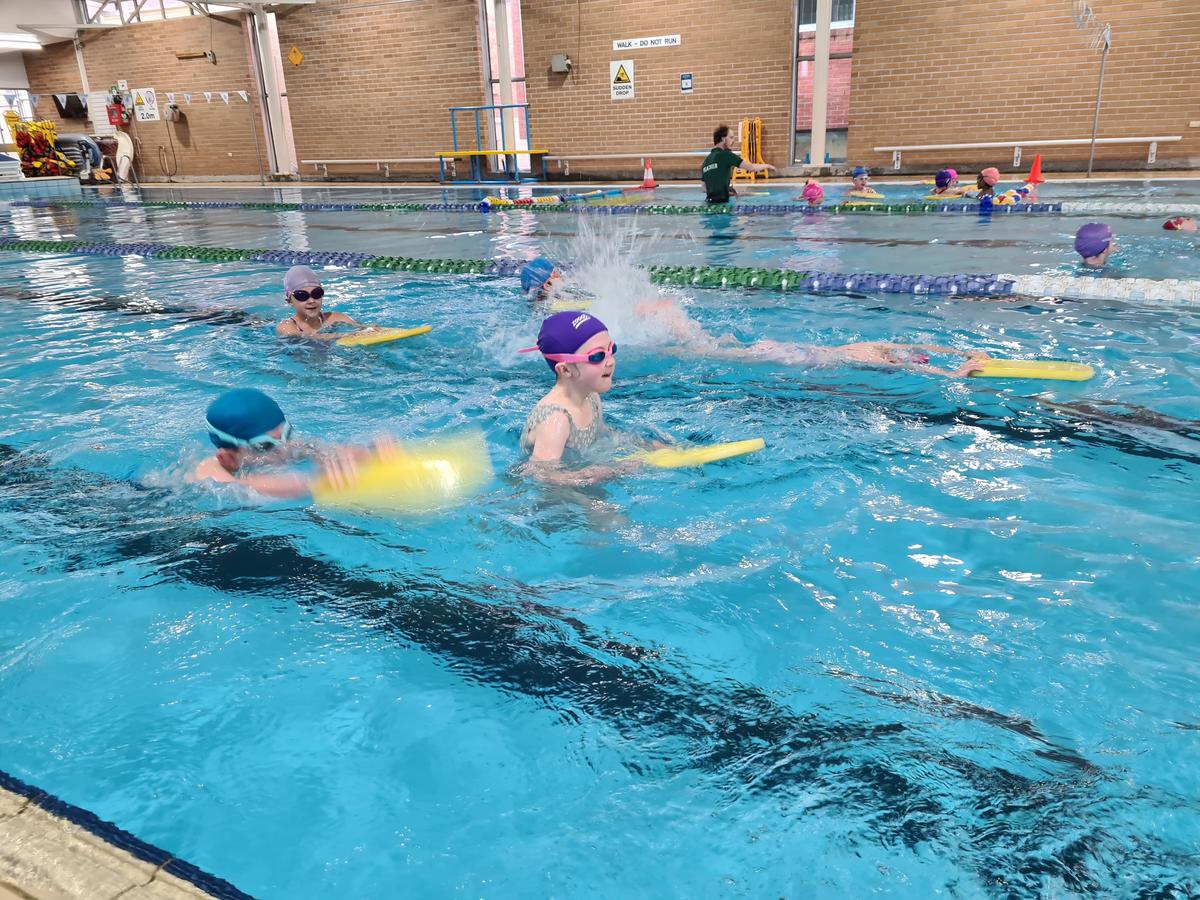
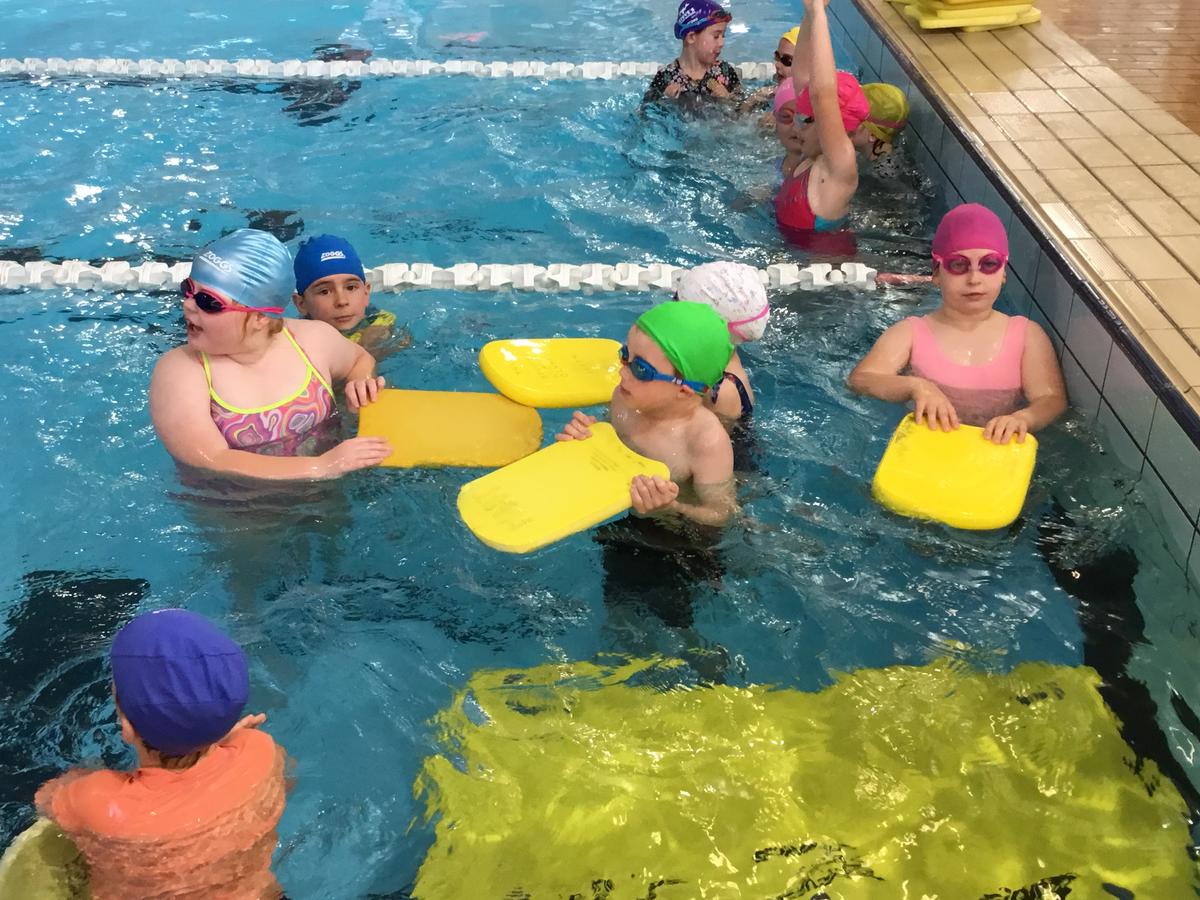
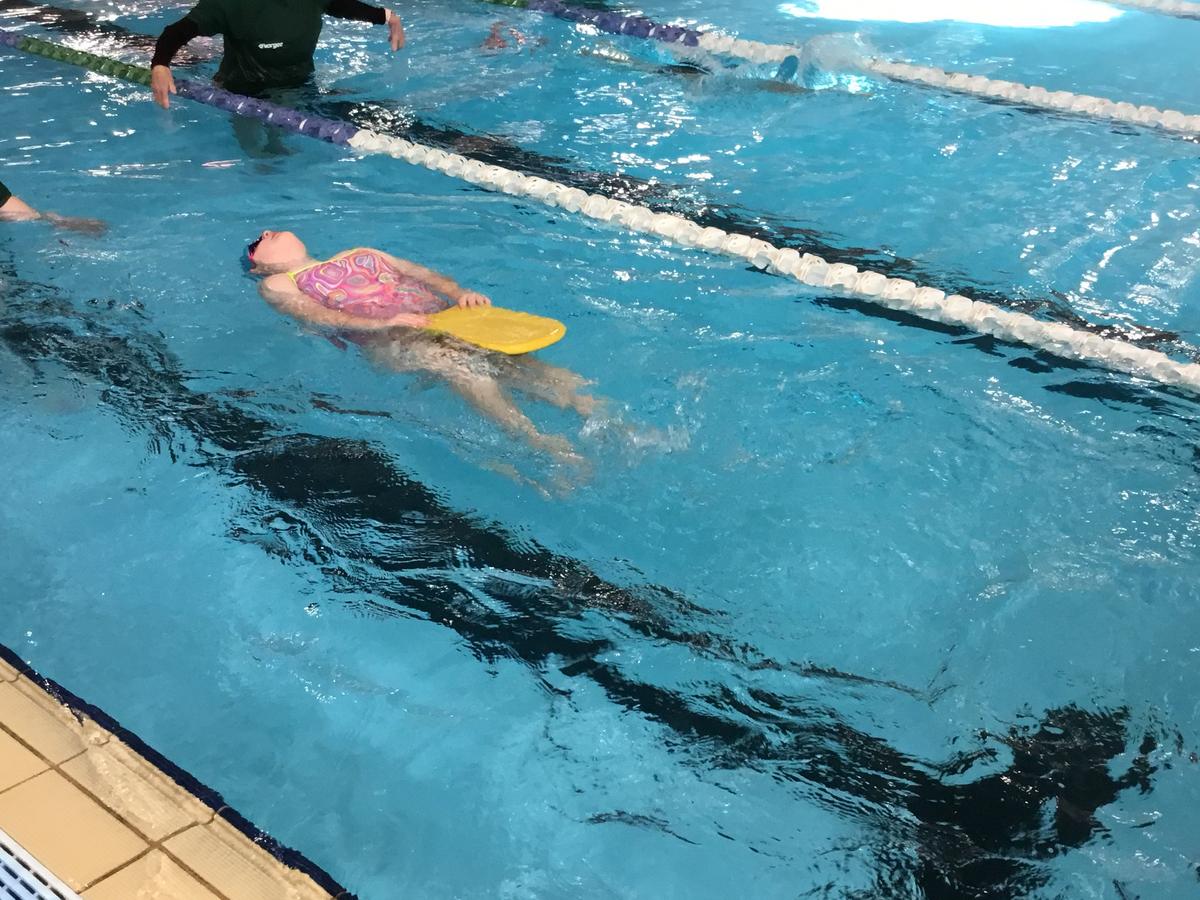
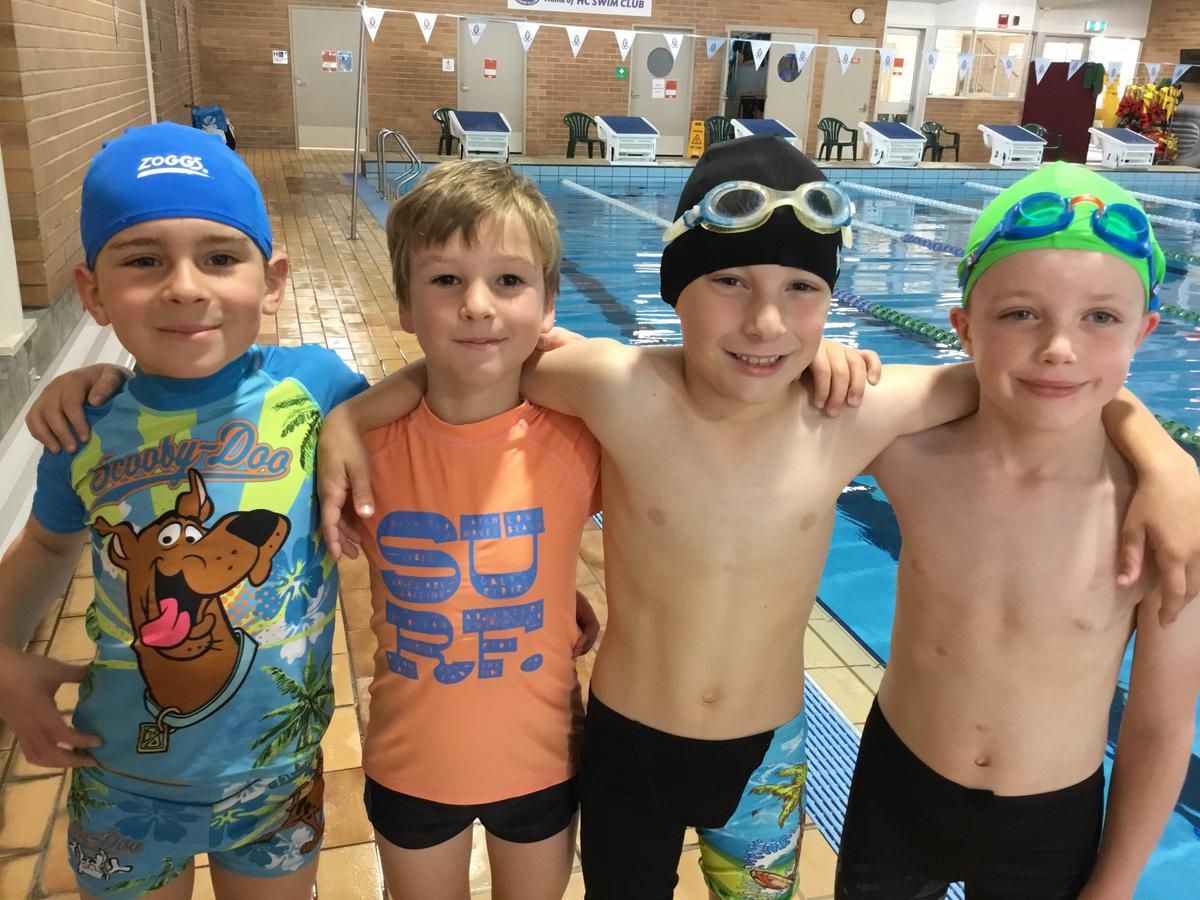
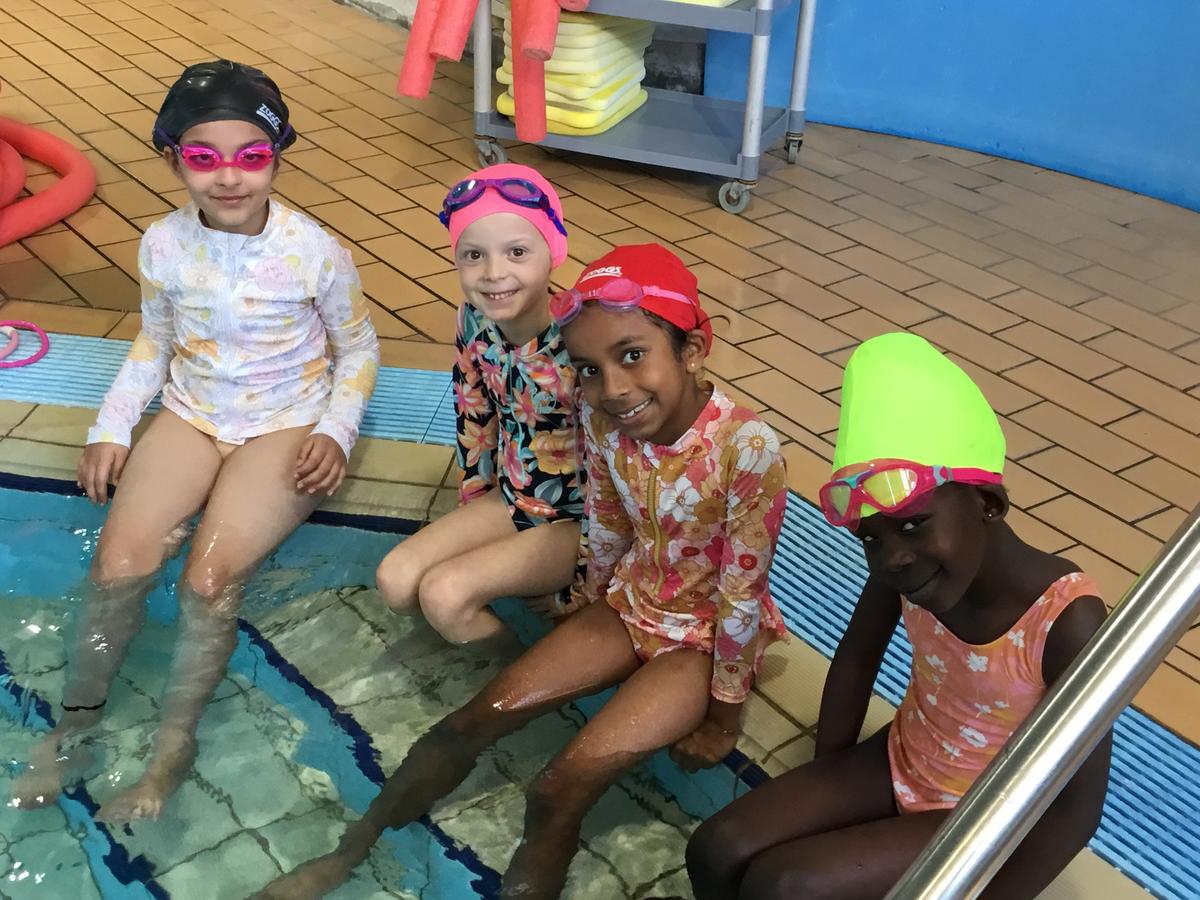
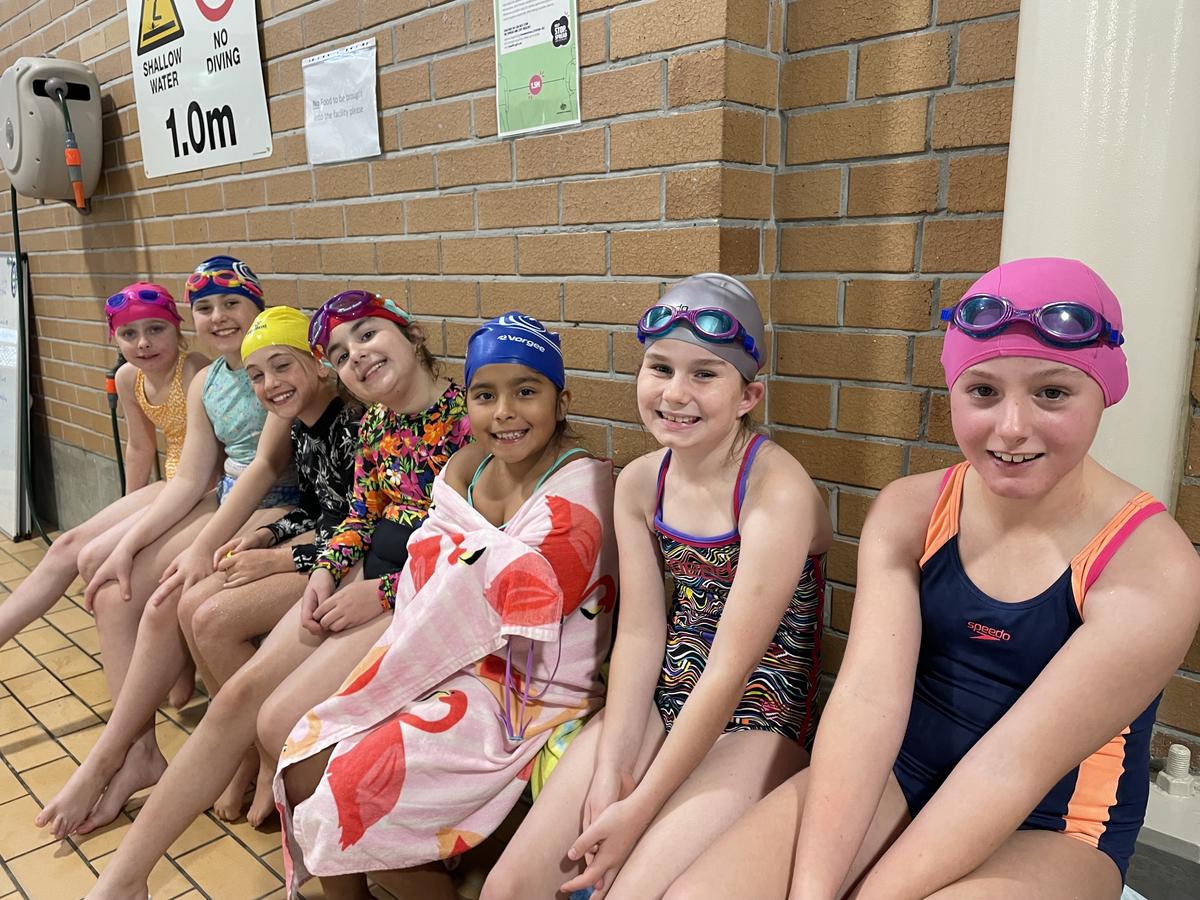
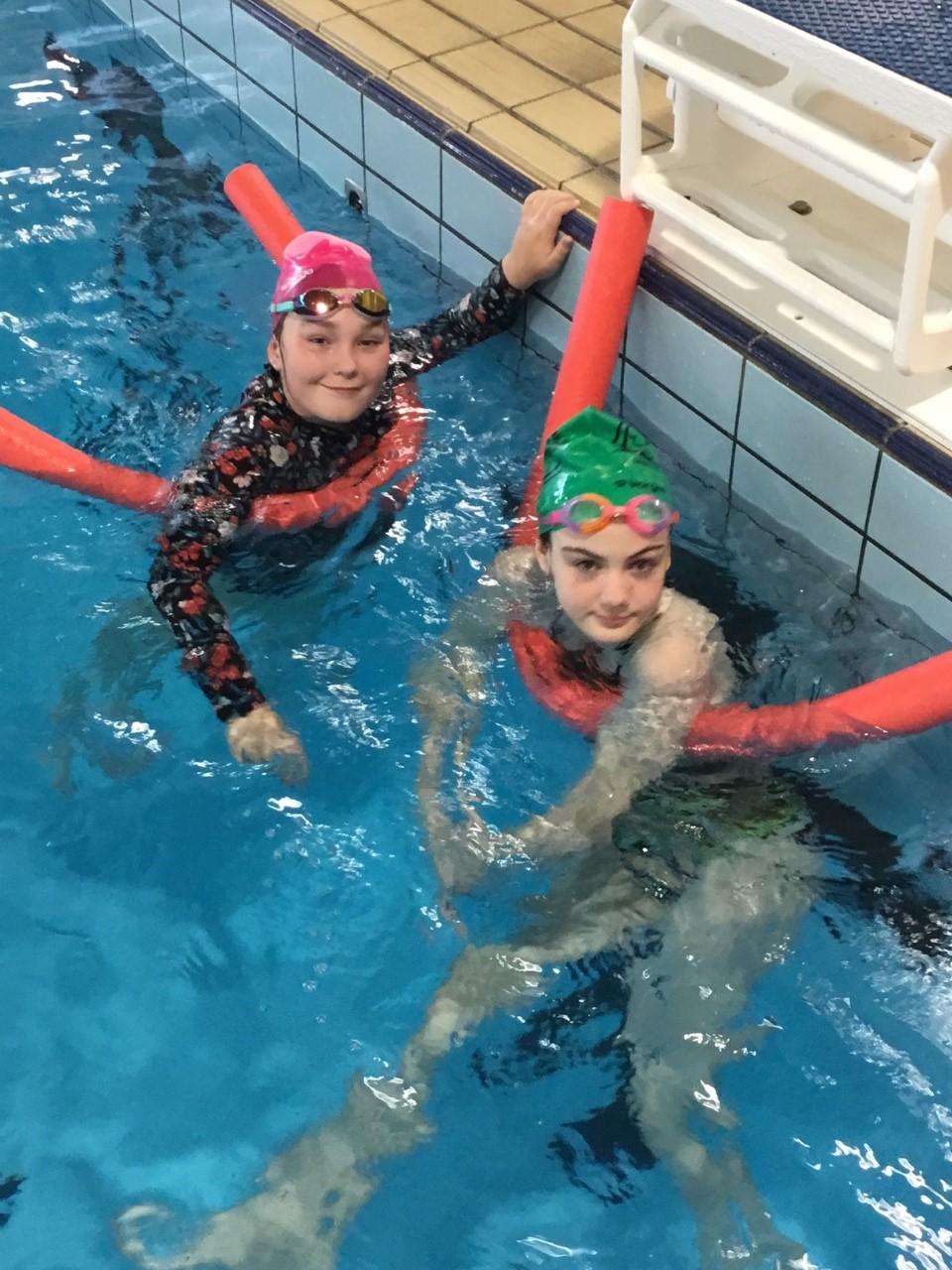
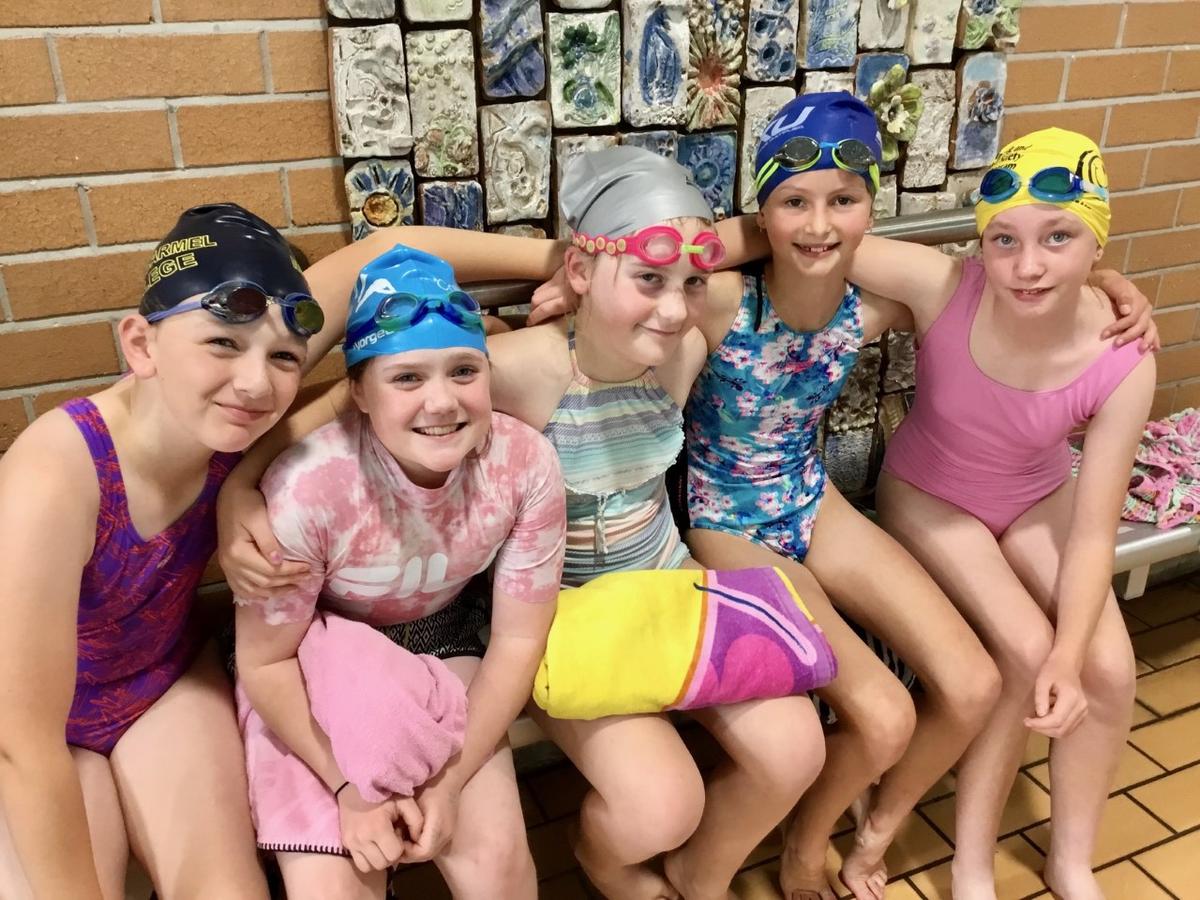
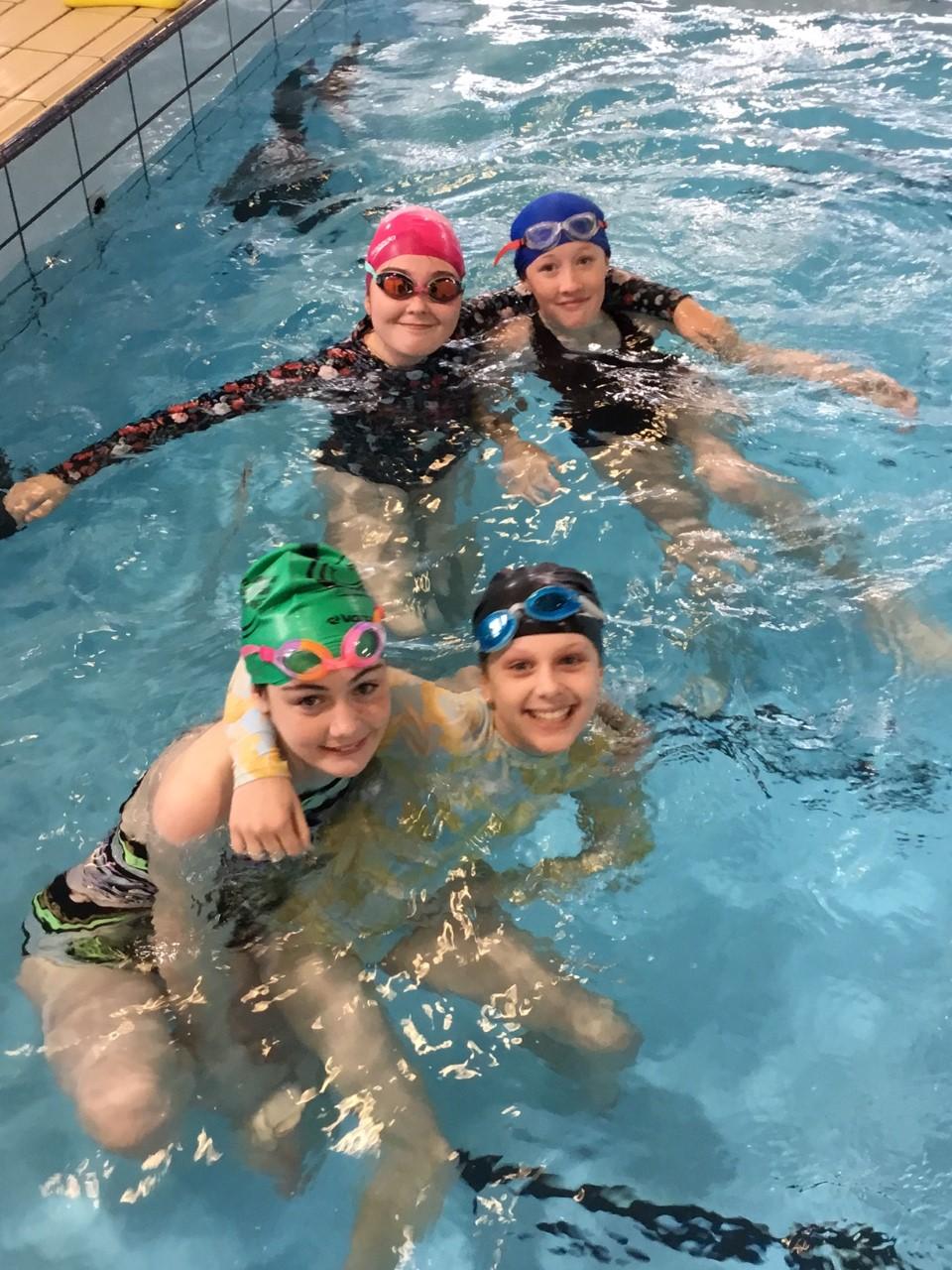
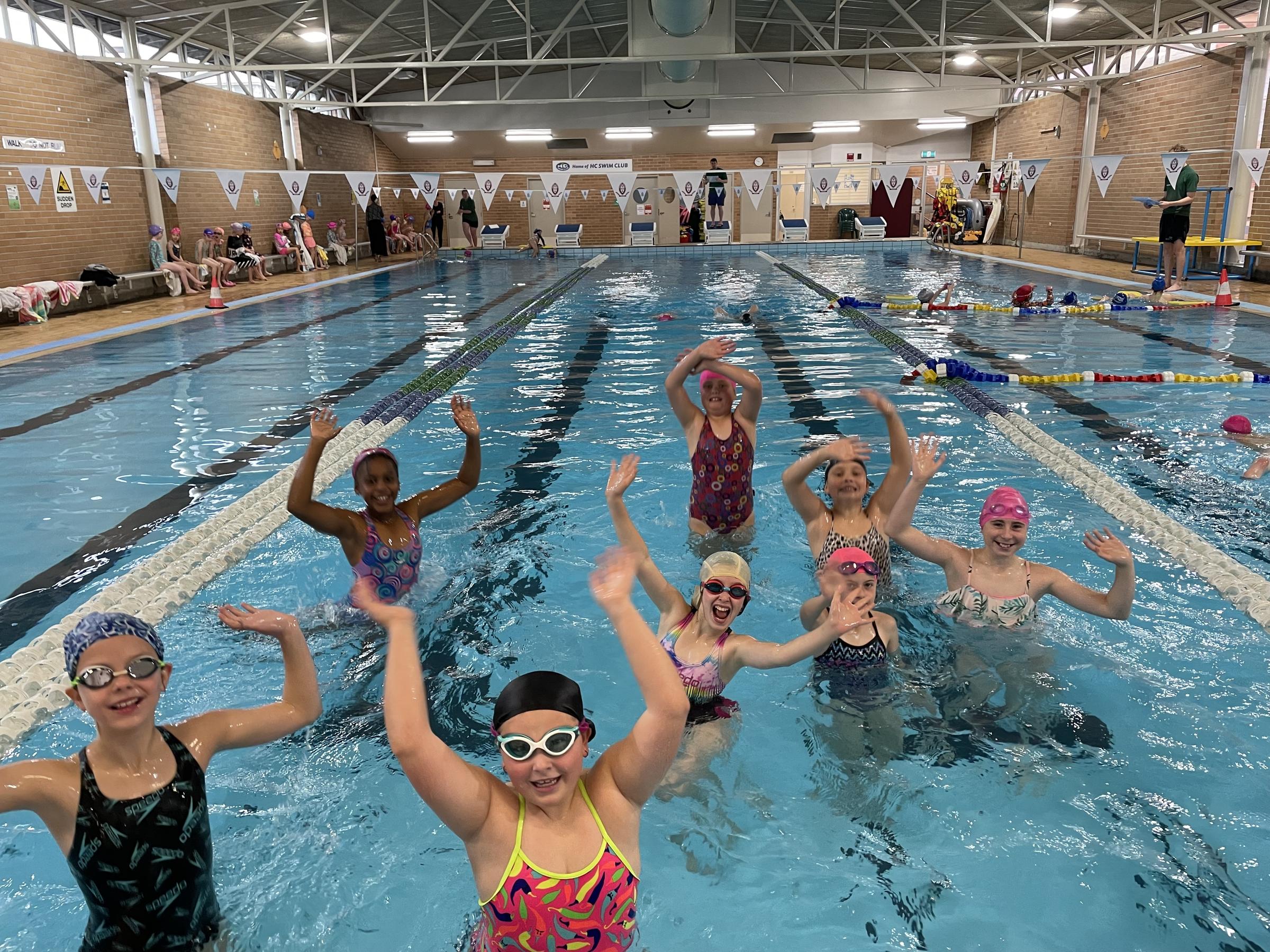
Thanks again to all who were involved in our recent Learn to Swim program this time it was our Years 1, 2, 4 and 6 who took to the pool. The support from parents and staff in ensuring the week ran smoothly was fantastic.
Winter Uniform
We are now into our fourth week of Term 2 and therefore our fourth week of wearing the winter uniform. It is quite cold in the morning and so please encourage your son or daughter to wear or at least have with them, their jumper, cardigan or vest as an extra layer. Students in Years 1 - 6 are not permitted to wear blazers in the classroom so this extra layer is vital at all times.
Also can you please check through items of uniform and ensure that they are all clearly named.
What’s Coming Up
National Reconciliation Week 2022
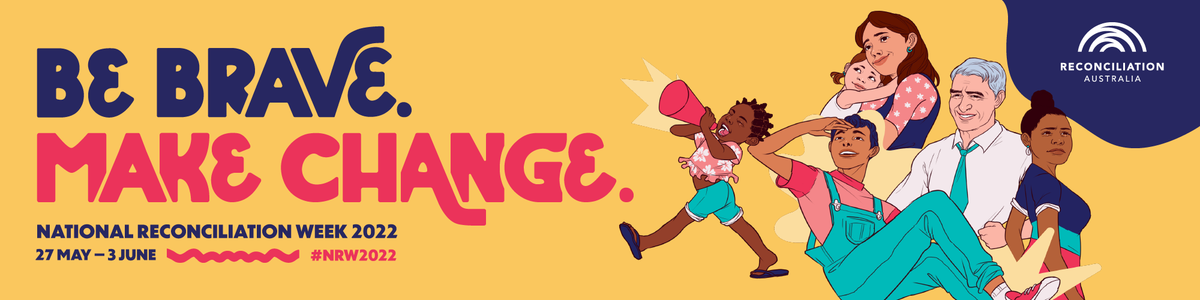
In 2022, the Mount Carmel College community has an amazing opportunity to celebrate and honour the First Nations of the Australian continent, centering their stories and storytellers, and learning about their connection to country and their living, thriving cultures.
Alongside Reconciliation Week, which regularly occurs in the middle of Term 2, this year we also have the chance to celebrate NAIDOC Week in the final week of term. We hope, therefore, to spend not only these weeks, but also the time in between, building up our knowledge and understanding of First Nations stories, history, and continuing culture. In particular, we will seek to focus on Tasmanian Aboriginal culture and language, and current national issues such as the "Uluru Statement from the Heart." This learning will involve art, storytelling, music, and craft, as well as a range of other opportunities.
As we journey together, not only through the next five weeks, but also into a strong, shared future, keep an eye out for some of the amazing stories, histories, and knowledge from the oldest continuing cultures in the world, the First Nations of the Australian continent.
Dave Wierenga - Key Teacher (Aboriginal & Torres Strait Islander Perspectives)