
Teaching and Learning News

Parent Involvement in Early Literacy - Why reading with your child every night is so important.
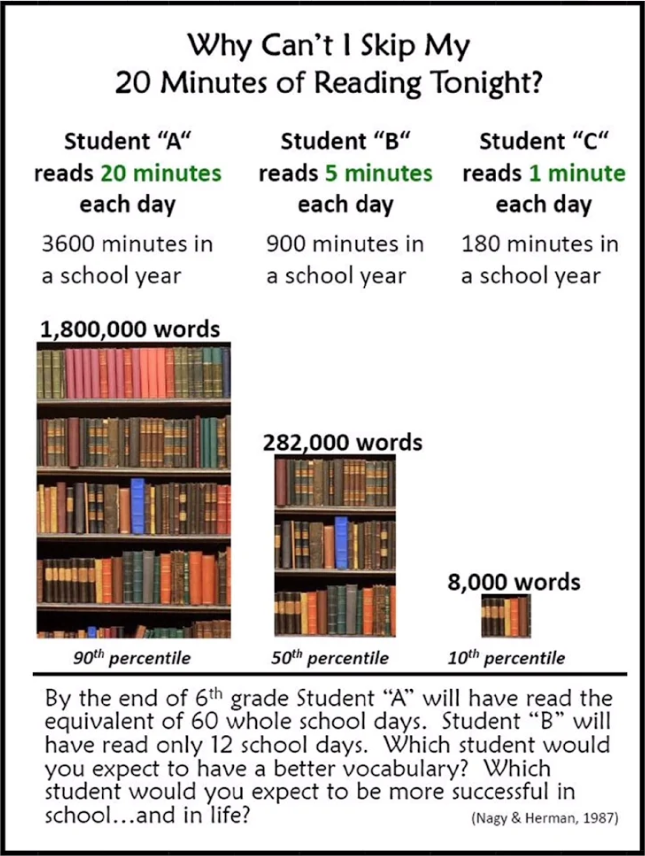
Parent involvement is a major predictor of early literacy success and future academic achievement.
Children need parents to be their reading role models with daily practice in order to navigate successfully through beginning literacy.
Here are some strategies for beginning and seasoned readers' literacy success:
Point to each word on the page as you read. This beginning literacy strategy will assist children with making print/story/illustration connections. This skill also helps build a child's tracking skills from one line of text to the next one.
Read the title and ask your child to make a prediction. Beginning and seasoned readers alike need to make predictions before reading a story. This will go a long way to ensure that a child incorporates previewing and prediction in his or her own reading practices both now and in the future.
Take "picture walks." Help your child use the picture clues in most early readers and picture books to tell the story before reading.
Model fluency while reading, and bring your own energy and excitement for reading to your child. Both new and seasoned readers struggle with varying pitch, intonation and proper fluctuations when they read aloud. Older readers will benefit from shared reading (taking turns).
Ask your child questions after reading every book. Reading comprehension is the reason we read -- to understand. Help your child explain his or her understanding of any given story in comparison to another. Have your child share a personal experience similar to a problem or theme within a story.
Connect reading and writing if possible. The connection between reading, writing and discussion should be with daily literacy practice. Have a young child dictate to a parent who writes in a journal or on a sheet of paper. Modelling the formation of sentences aligned with the words of a story assists a child make connections between reading and writing. A child's process of drawing pictures brings his or her personal creativity towards the story. Sharing these illustrations of experiences and individual interpretations related to the sentence he or she has created on the page, links reading, writing and thinking.
Beginning and lifelong literacy is transformative and daily reading practice matters.
Book Week Celebration
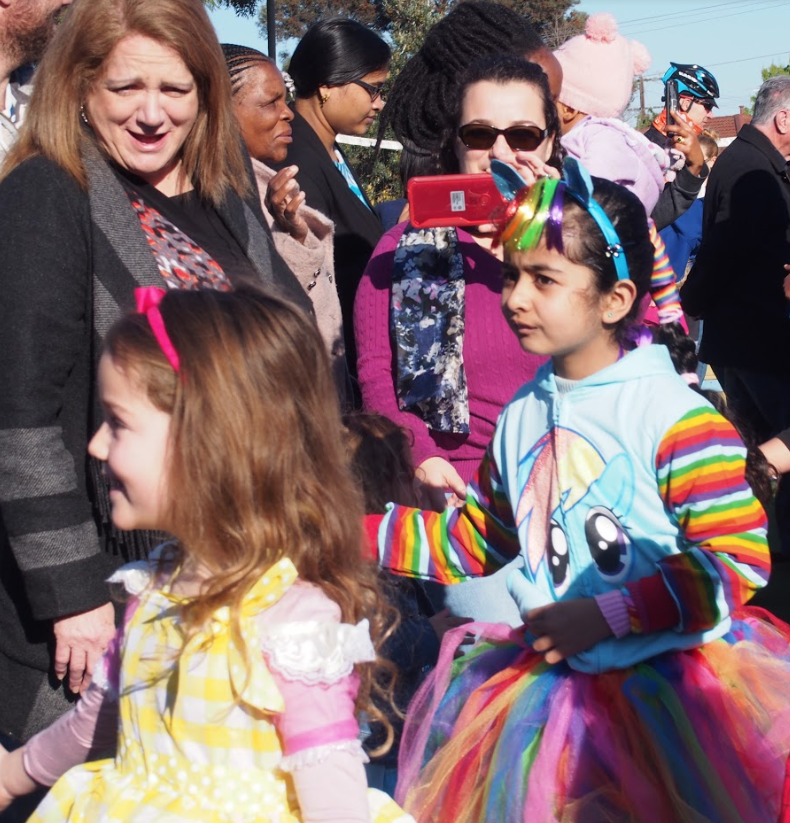
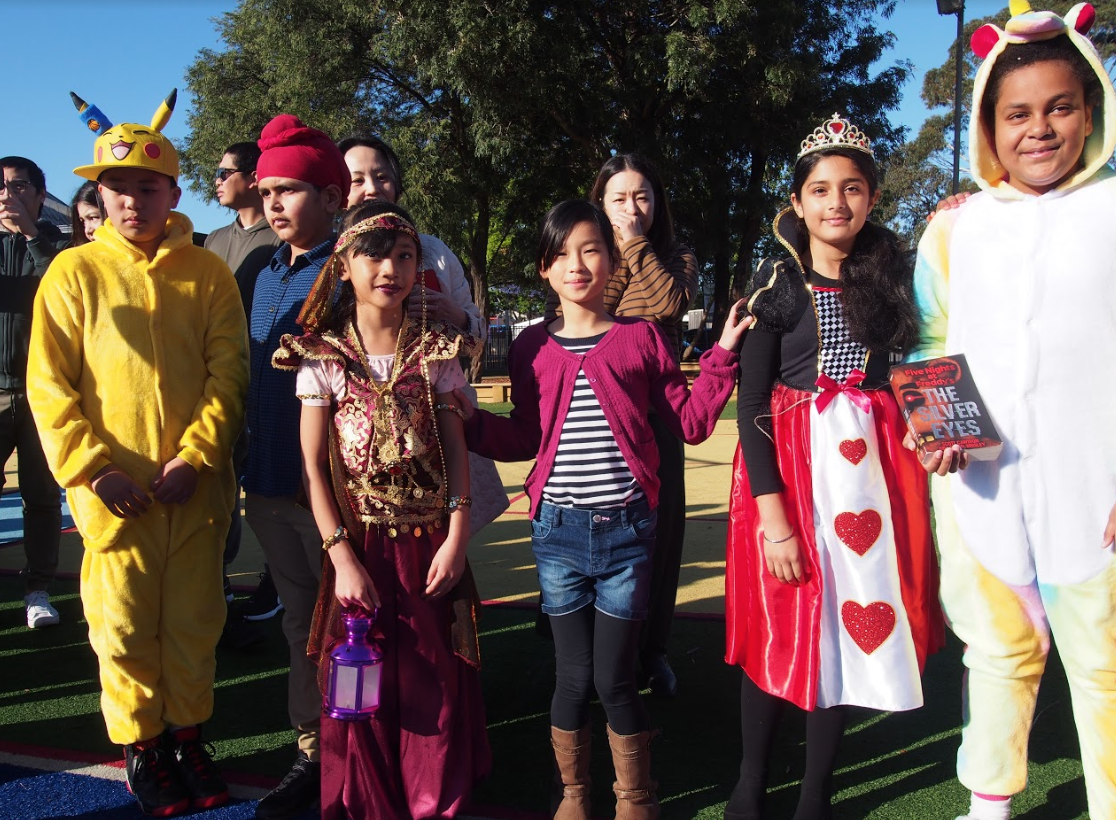
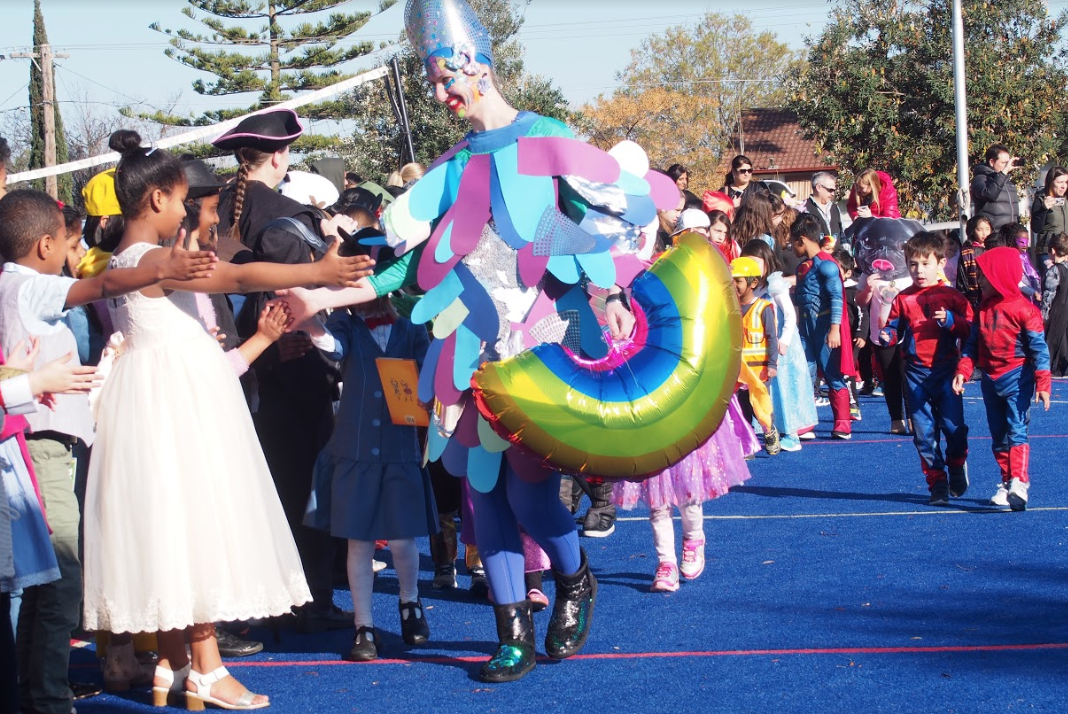
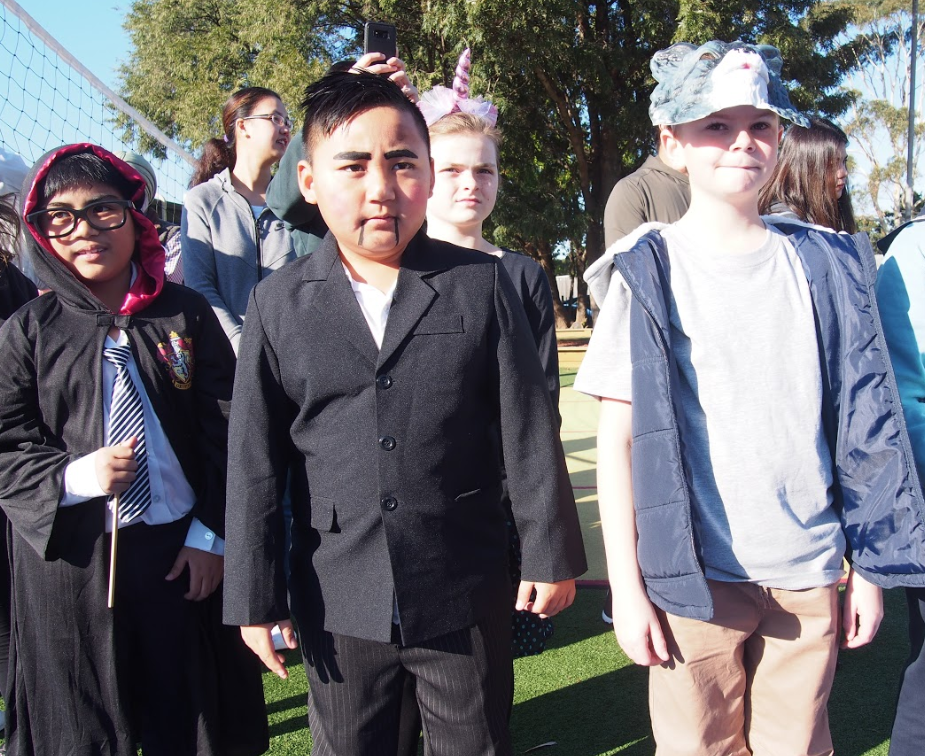
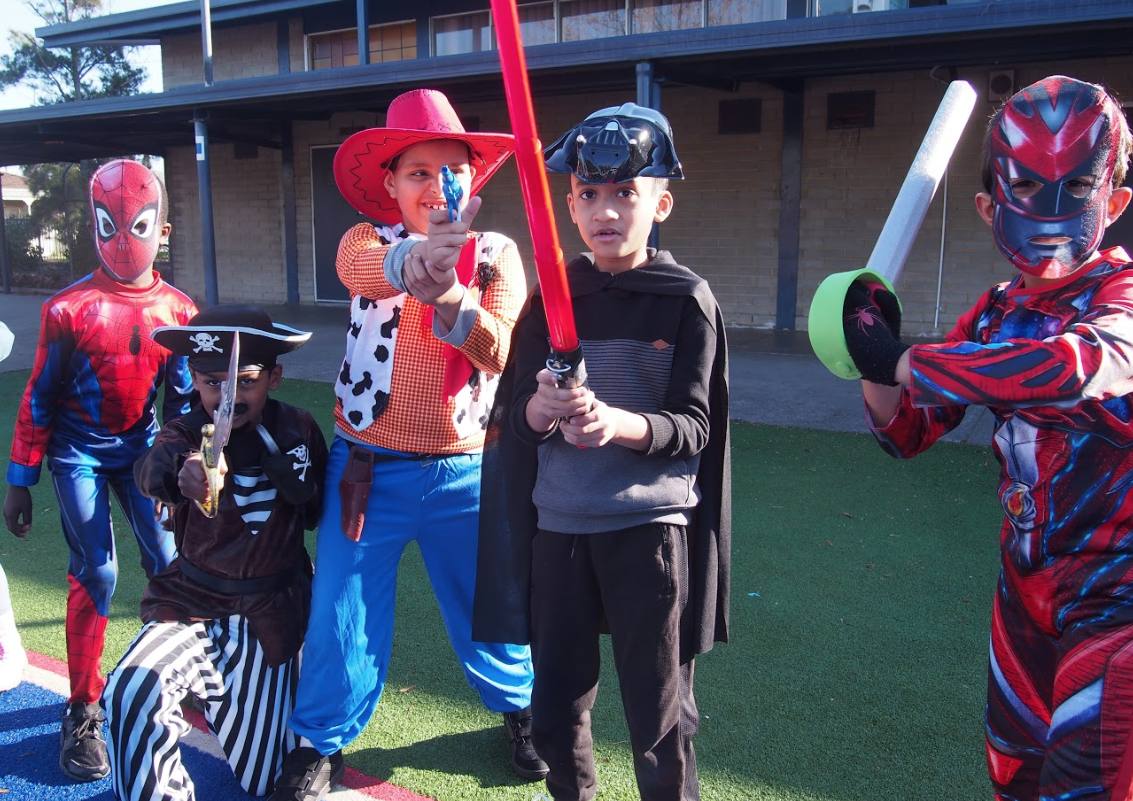
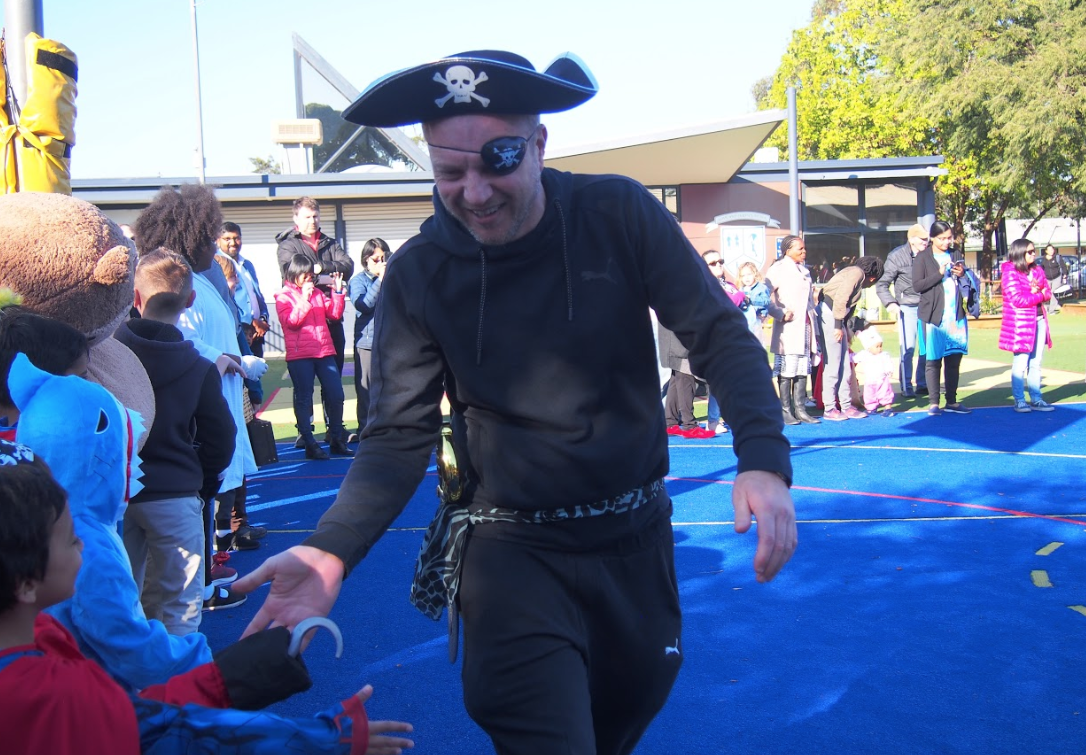
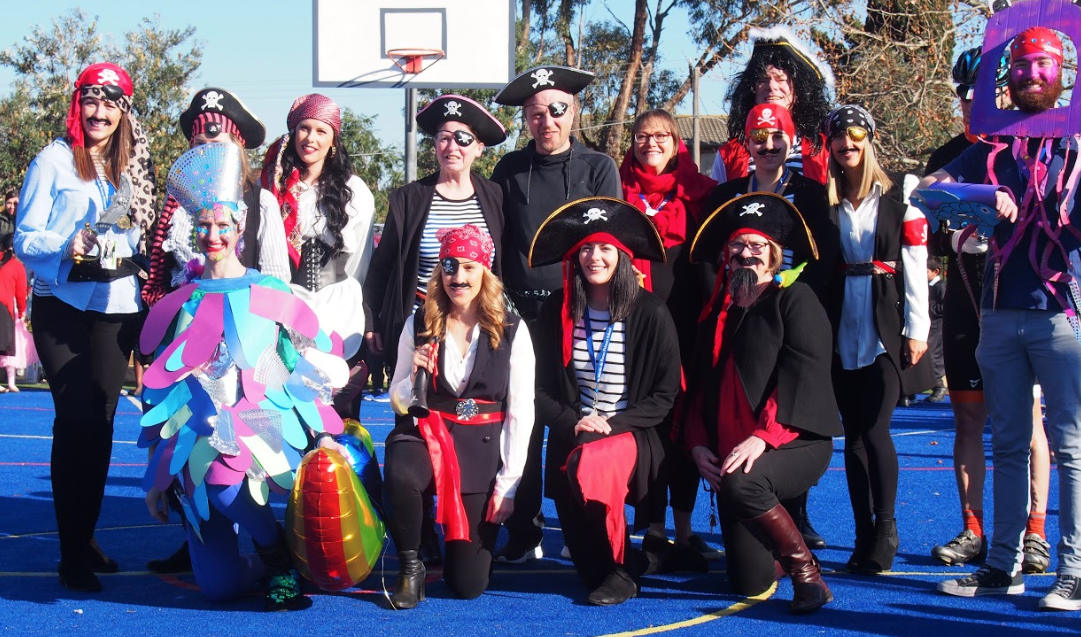
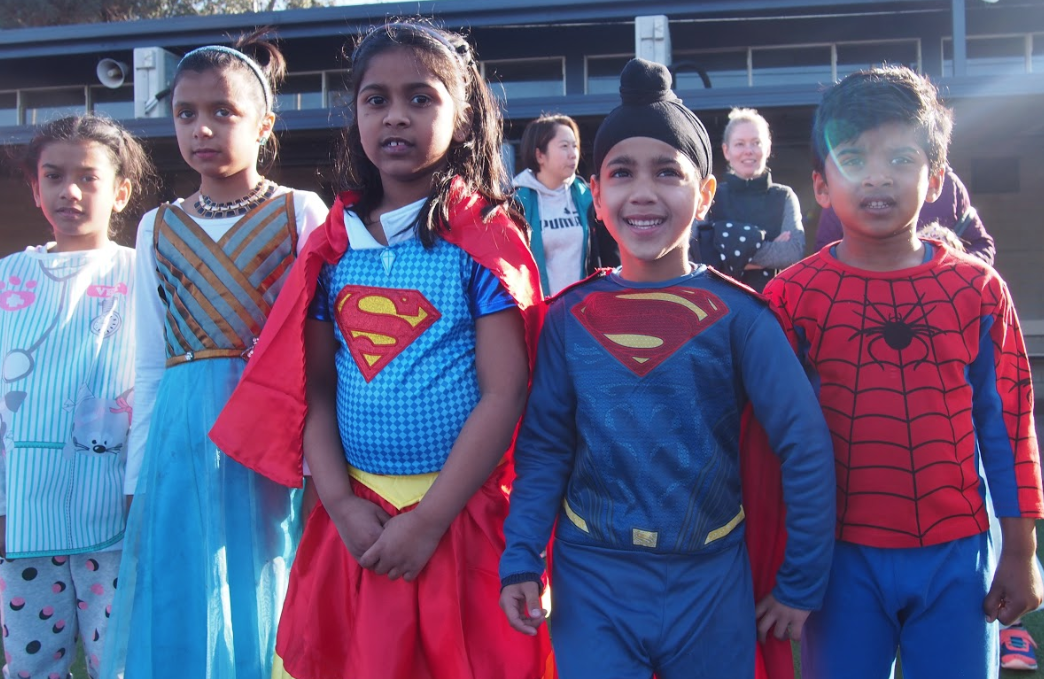
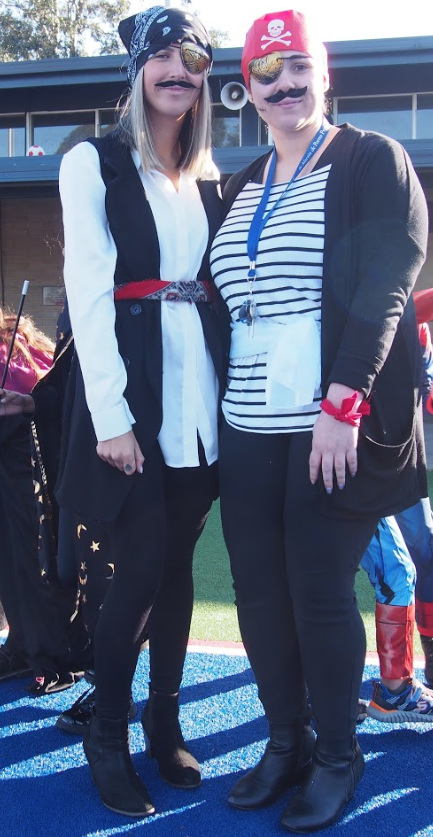
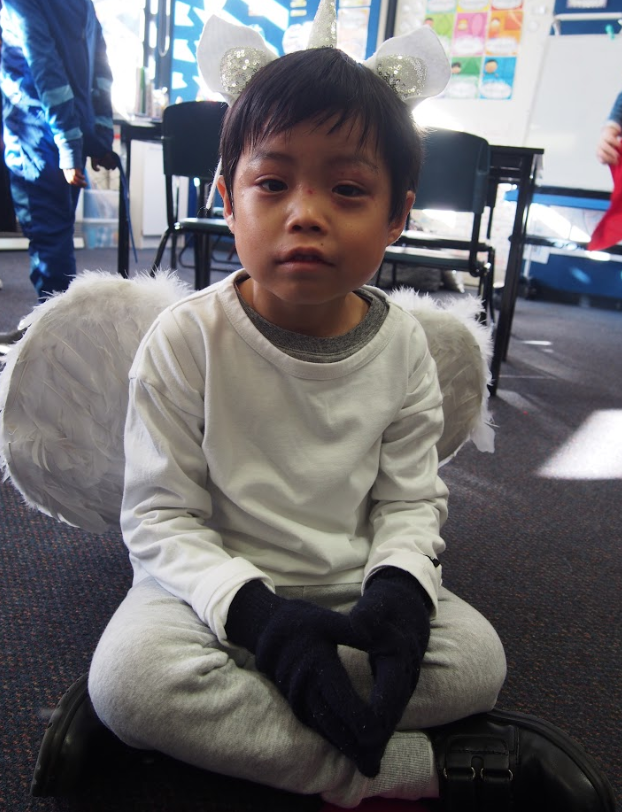
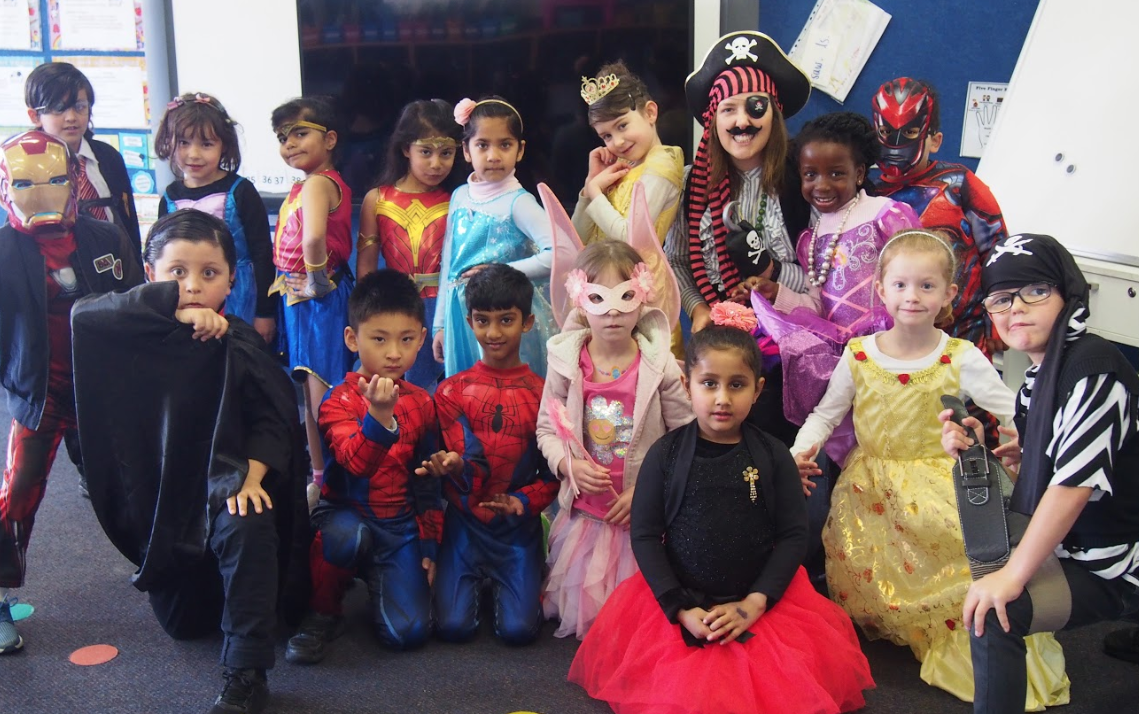
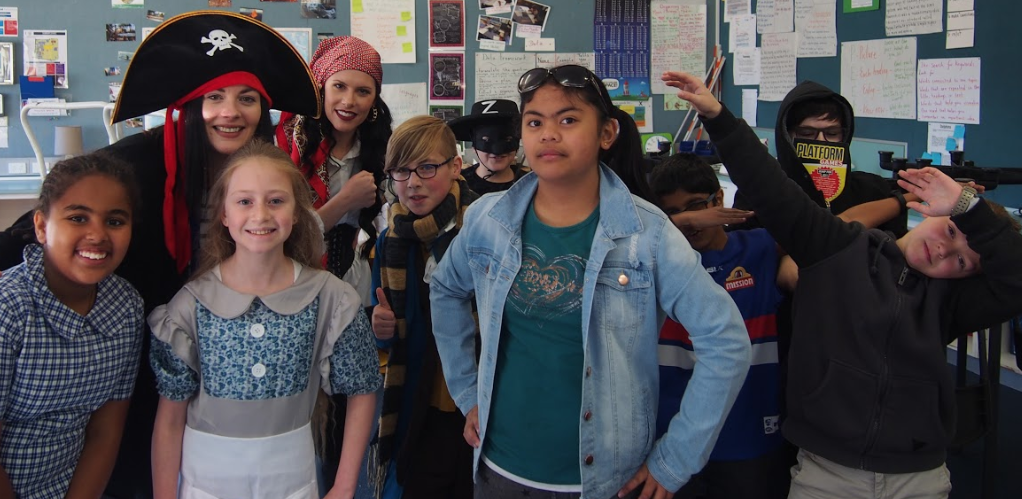
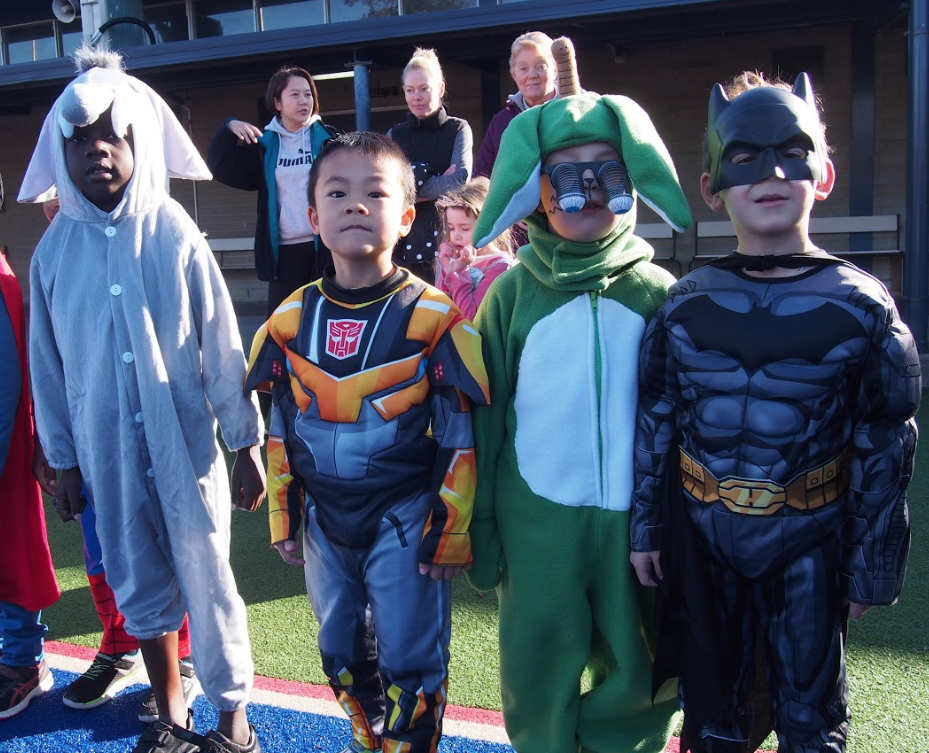
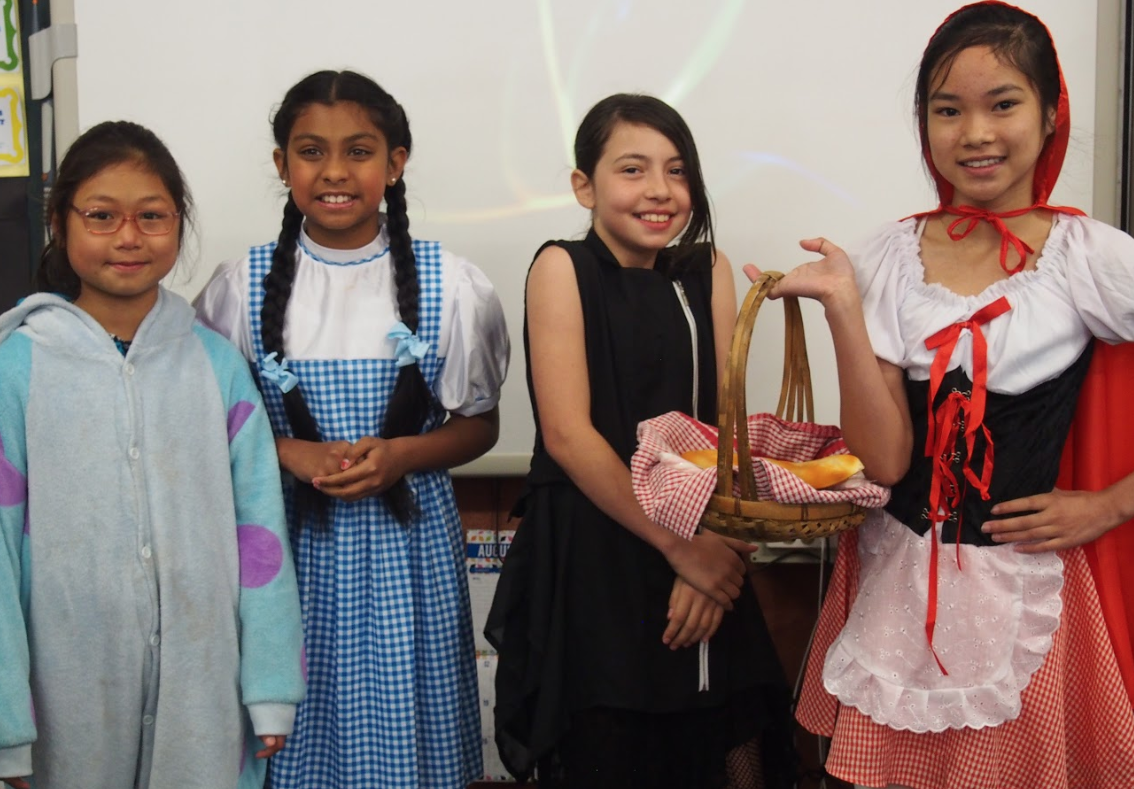
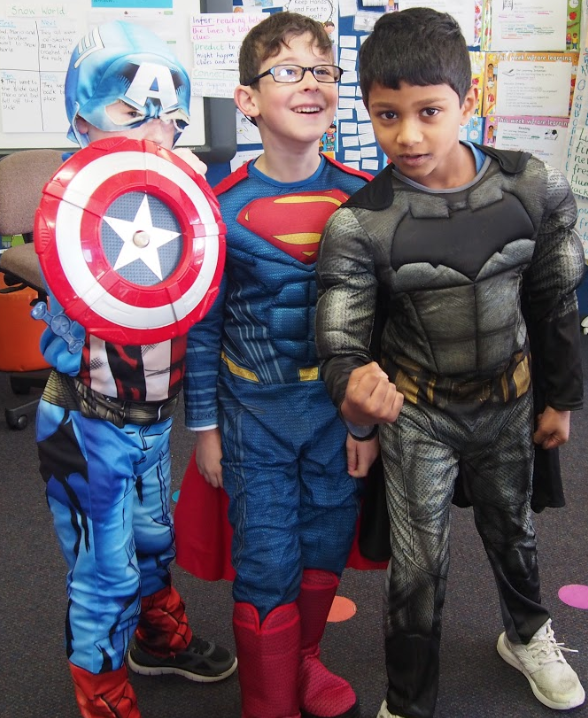
Last week we celebrated Book Week with the theme ‘Find Your Treasure.’ It was a great celebration of all things reading.
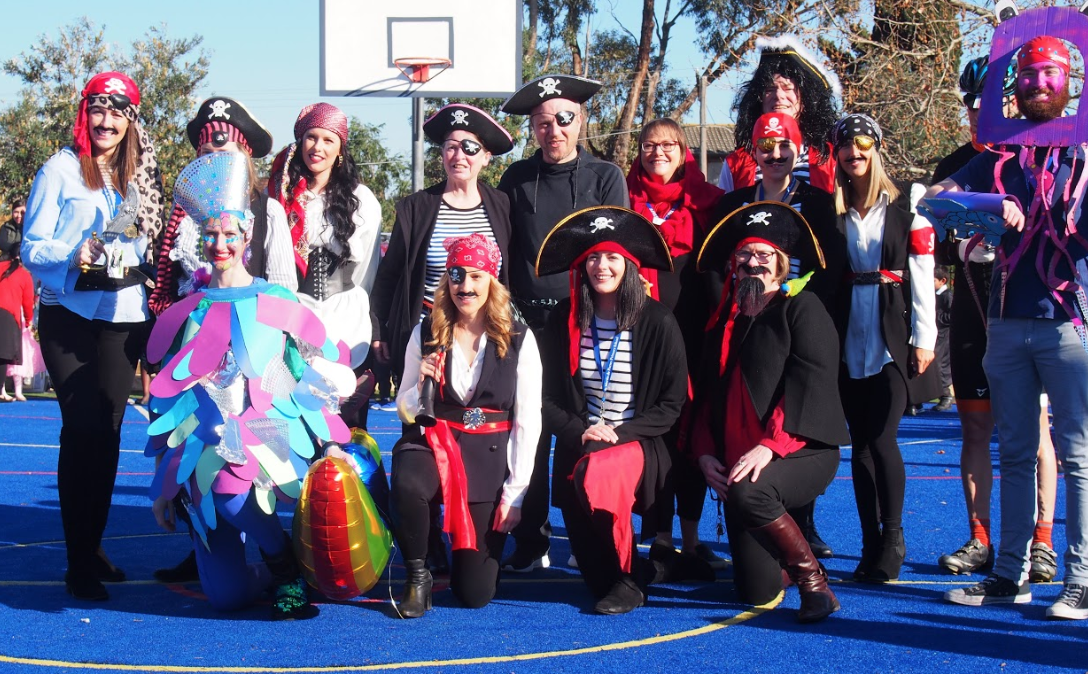
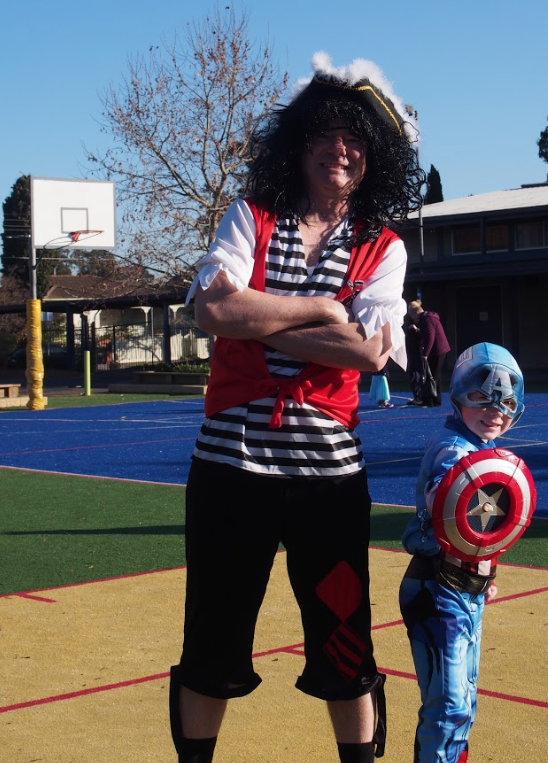
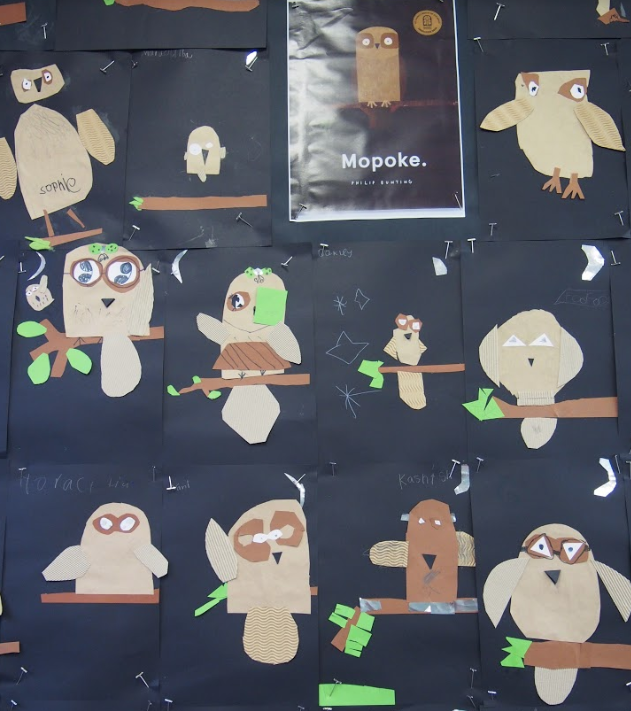
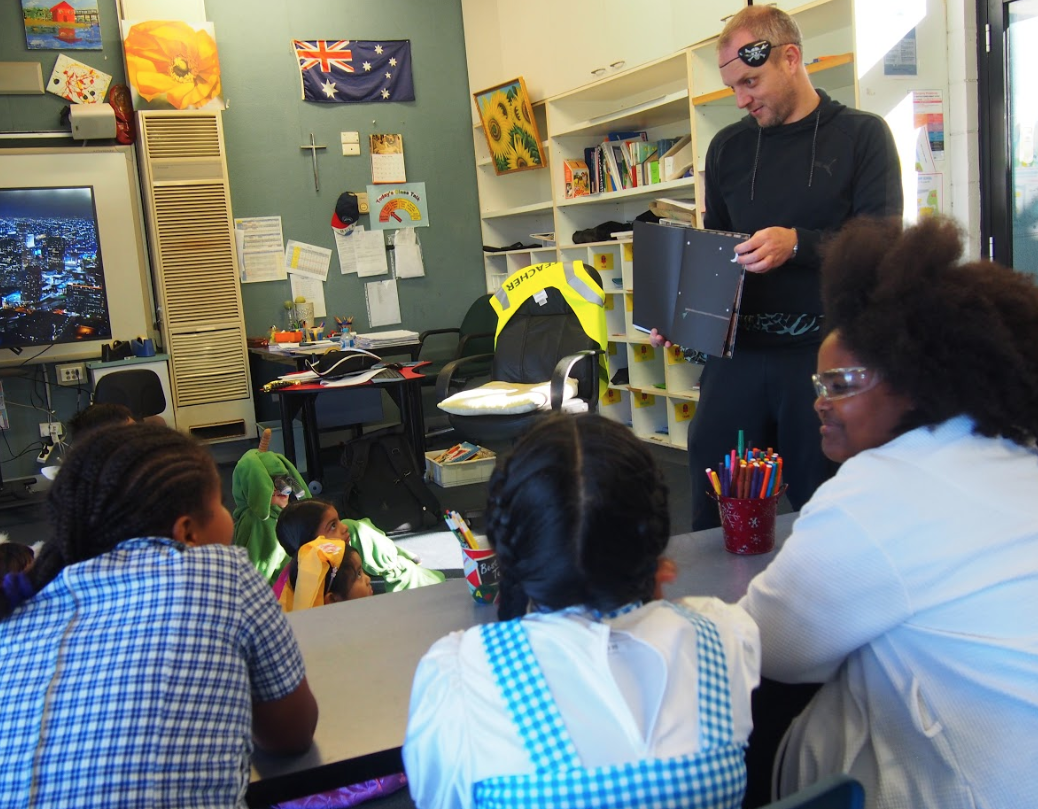
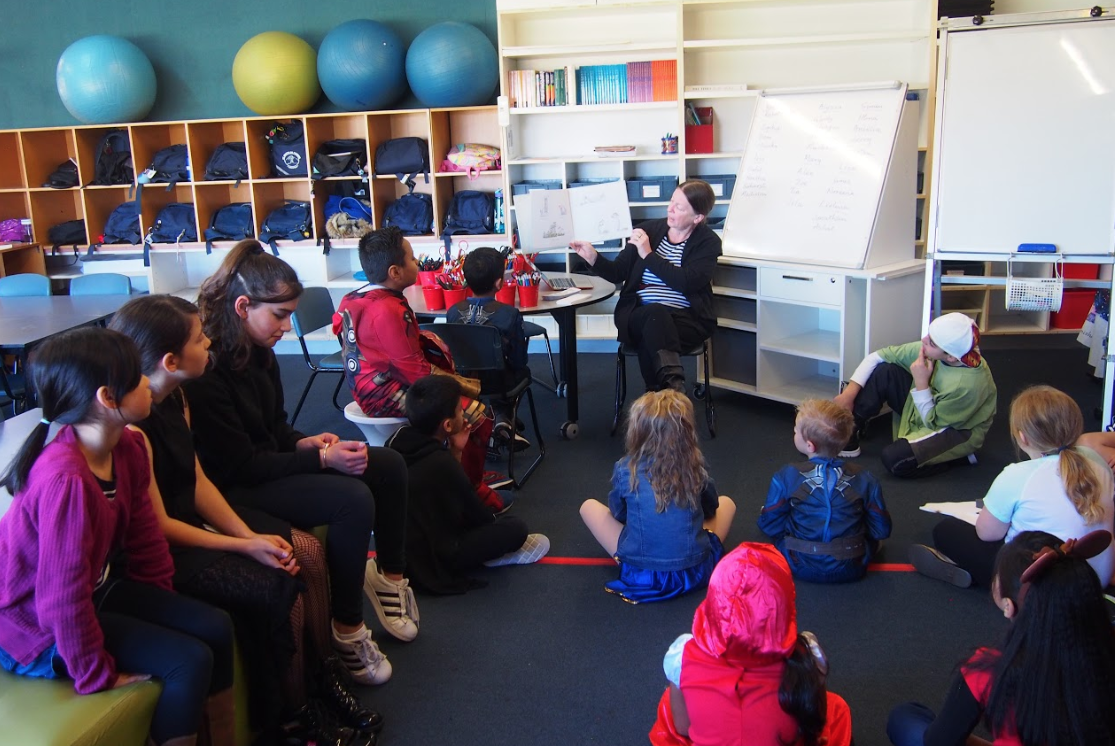
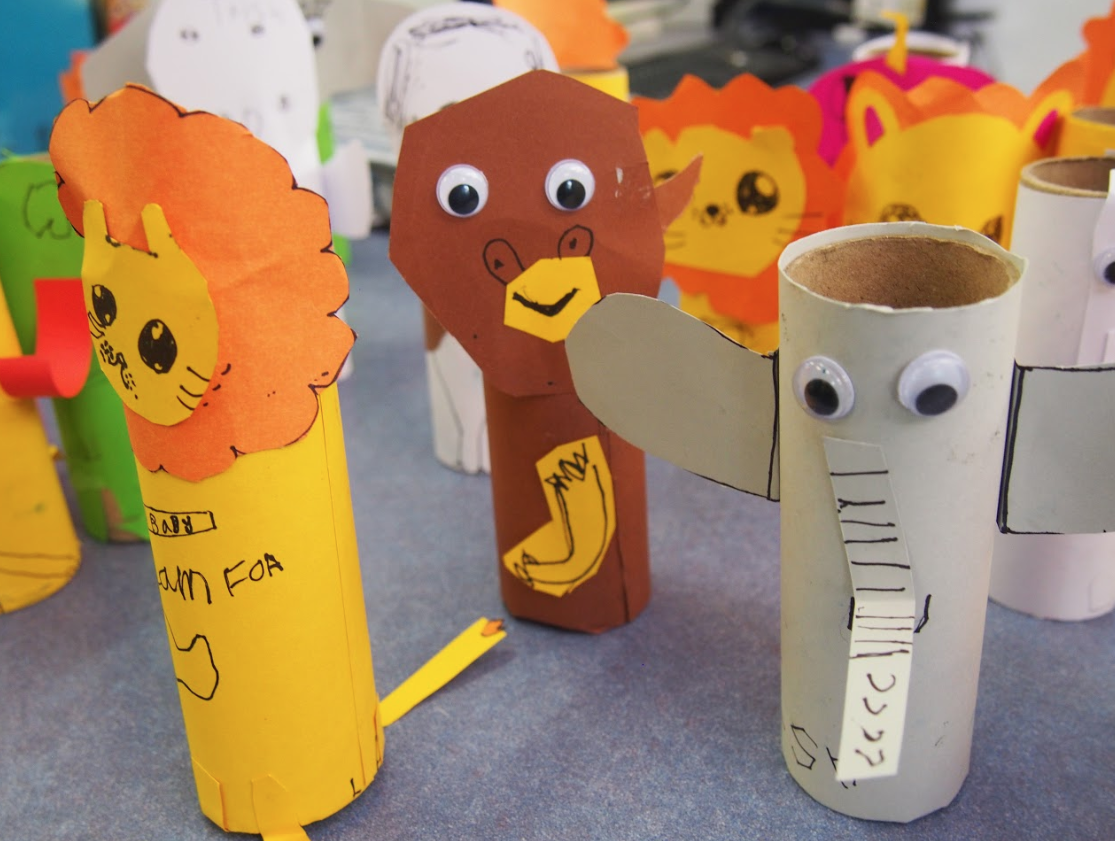
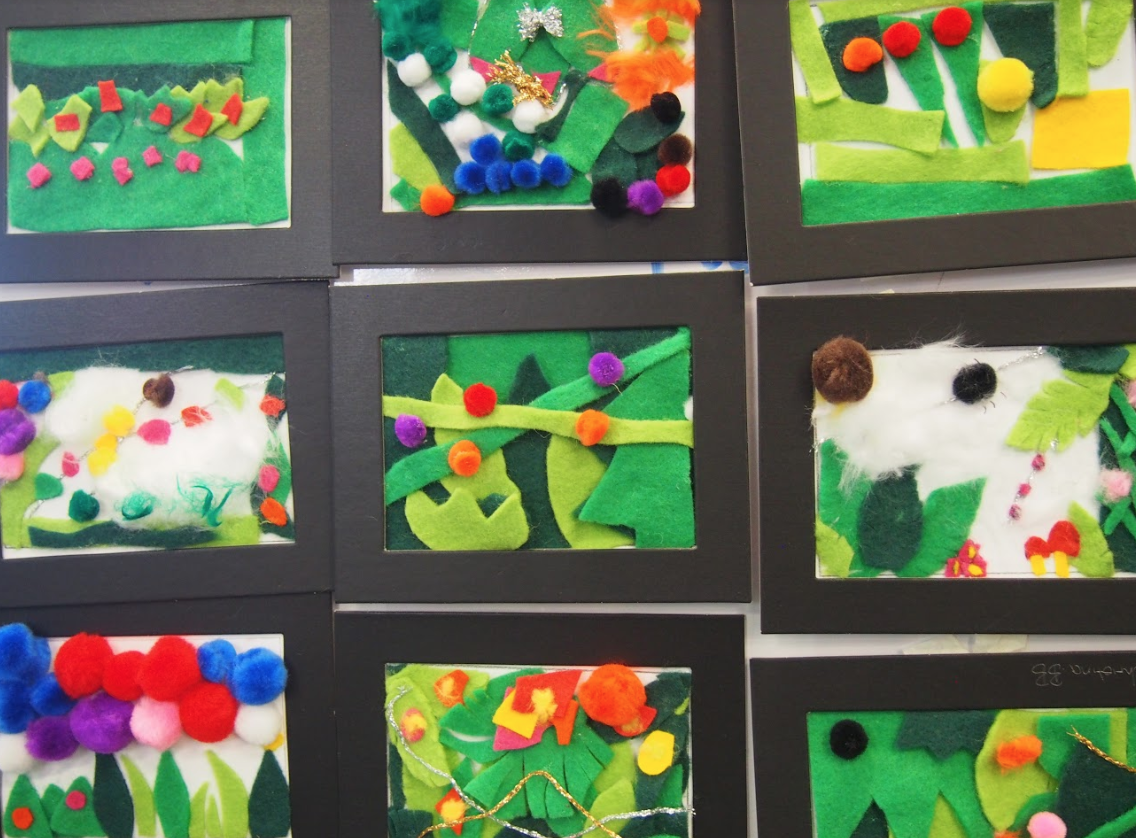
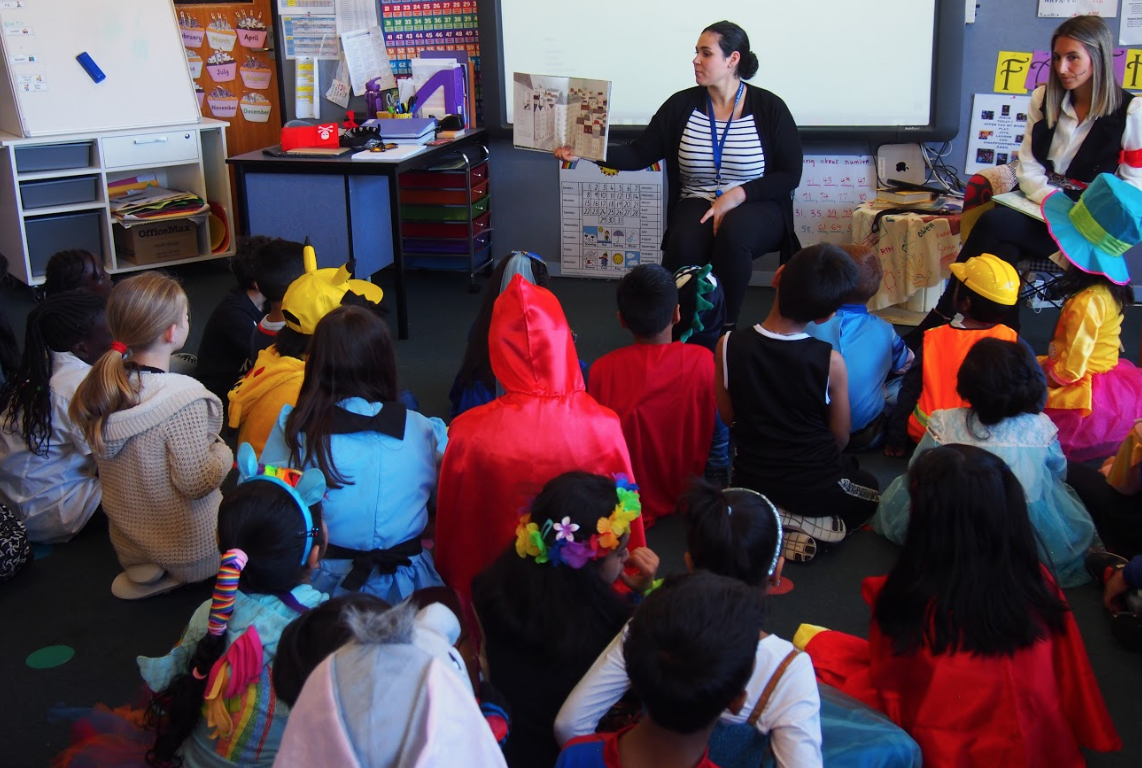
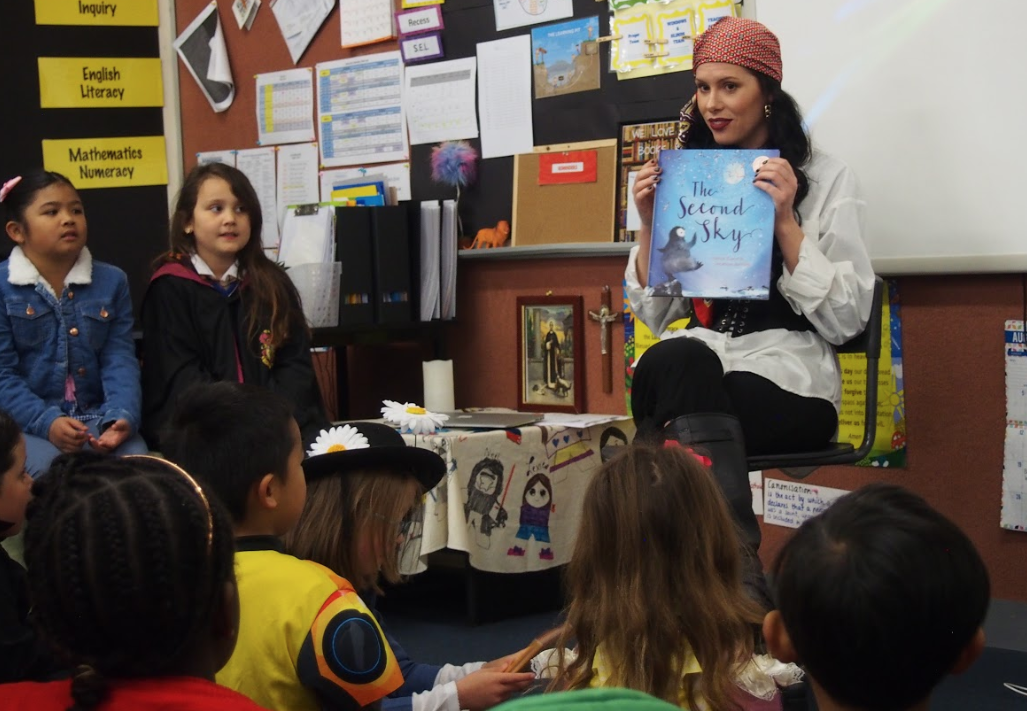
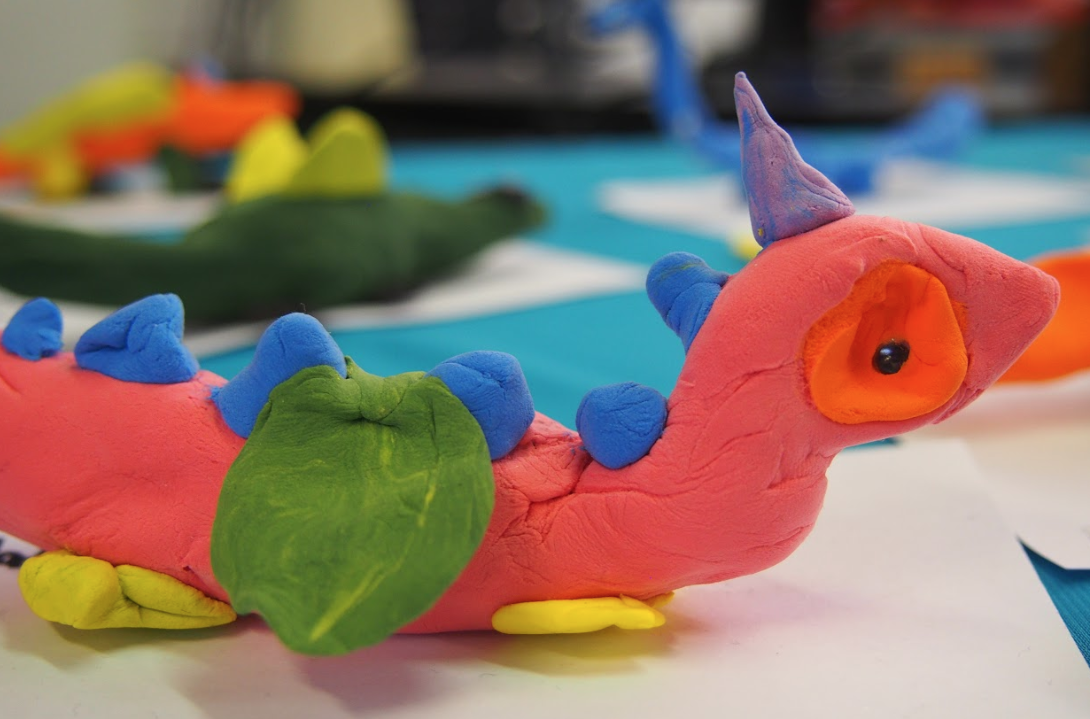
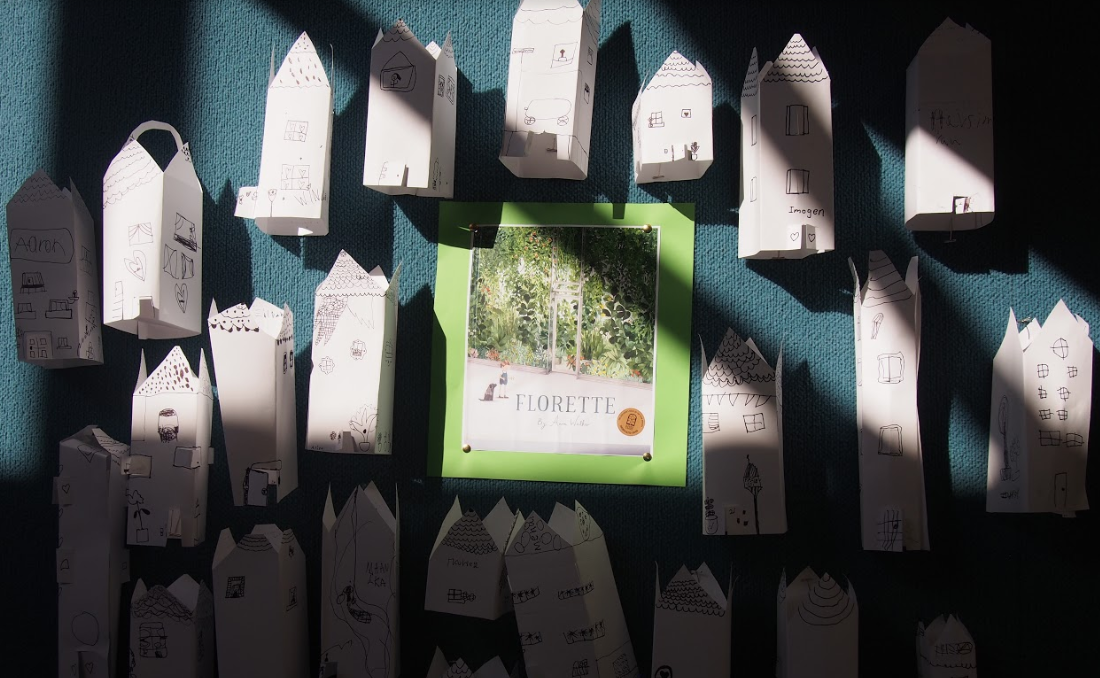
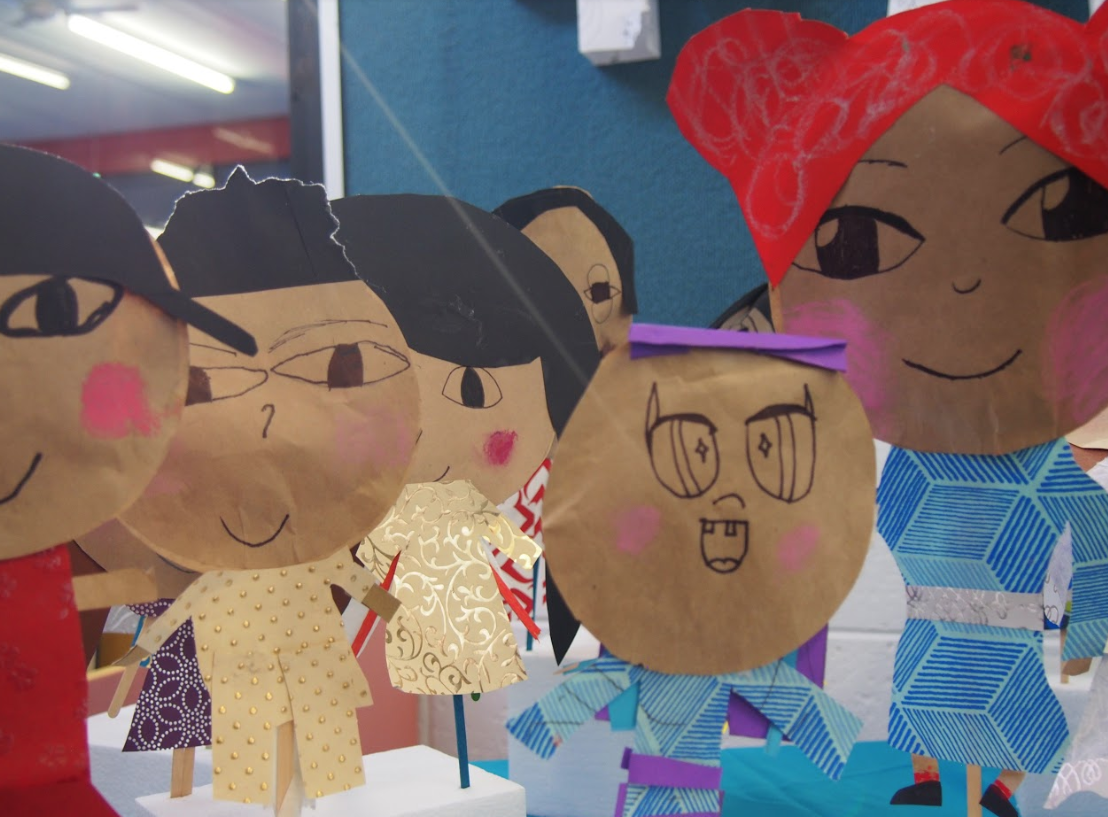
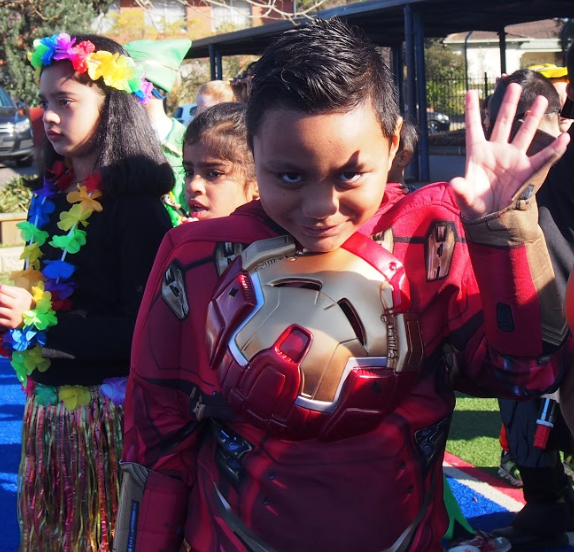

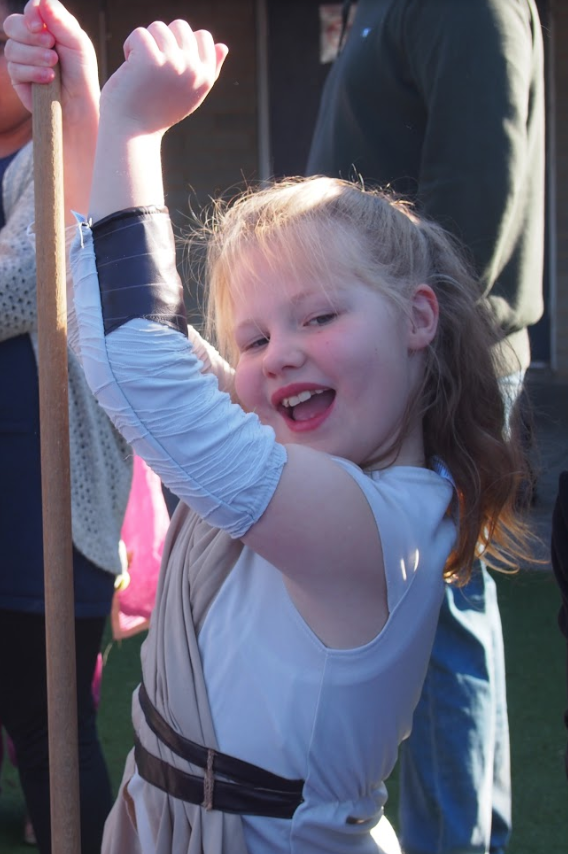
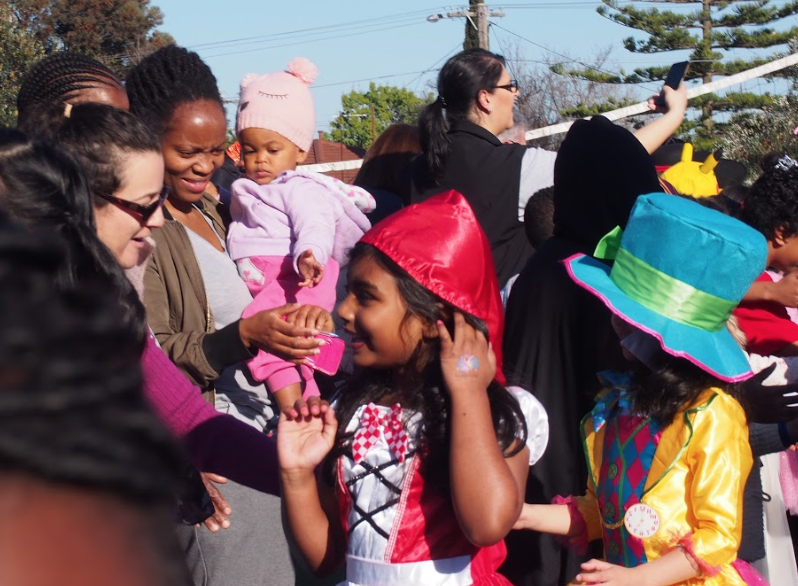
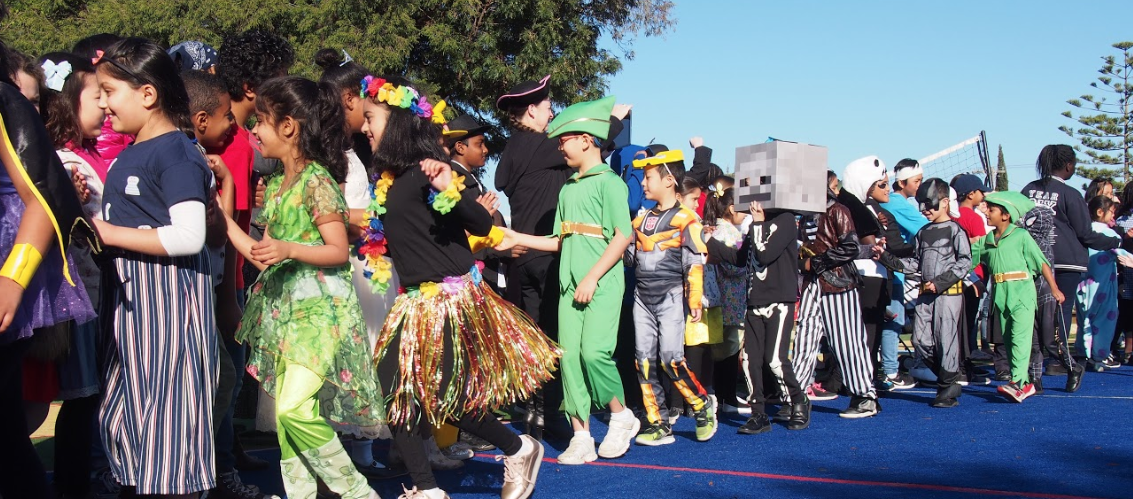
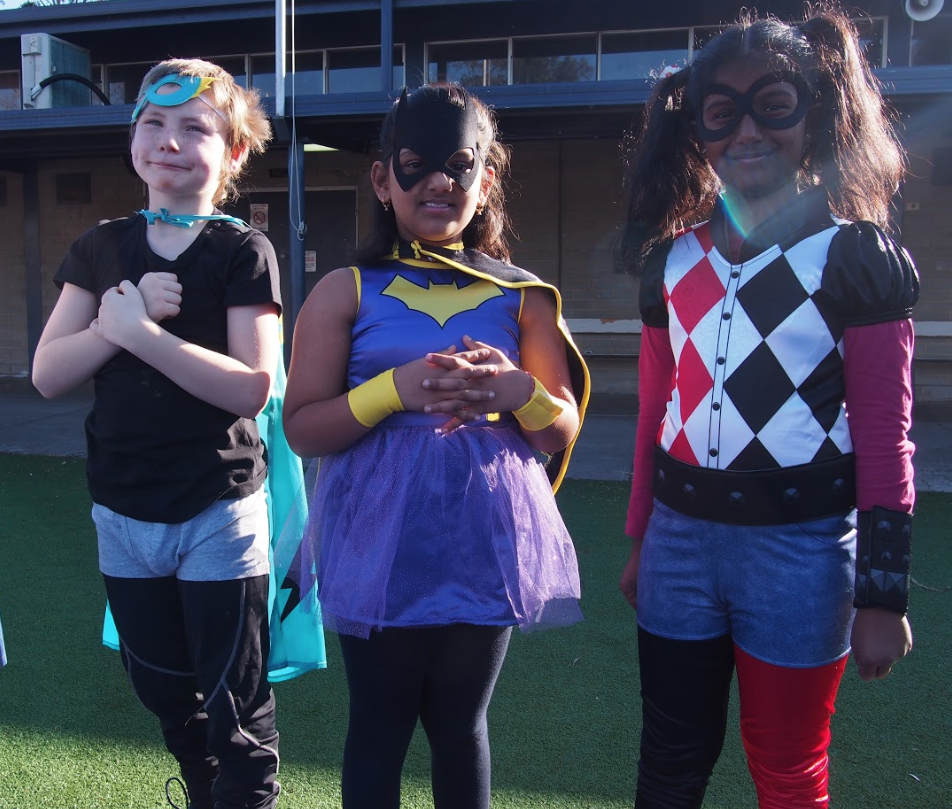
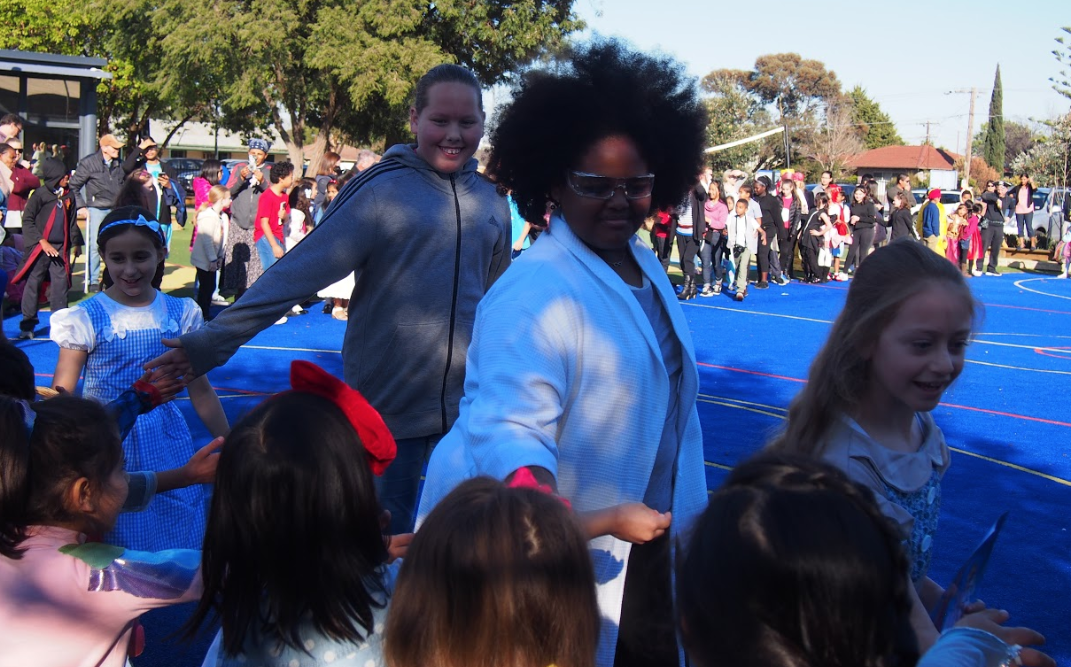
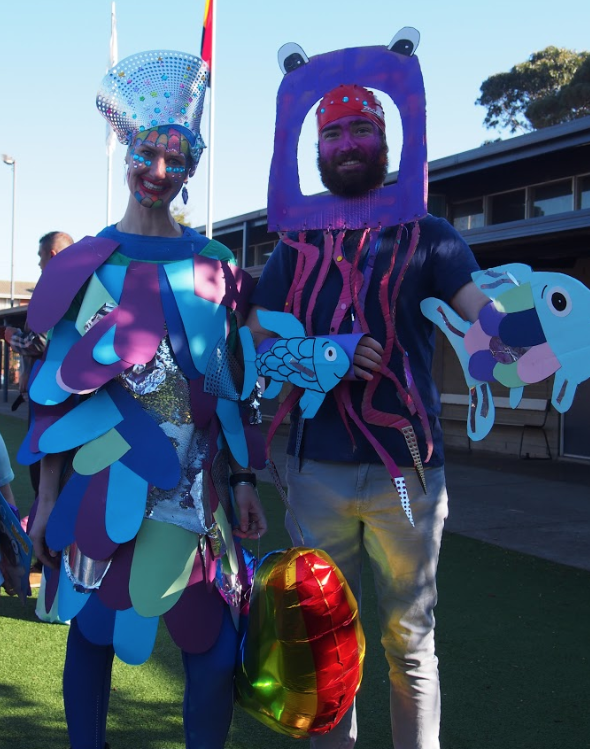
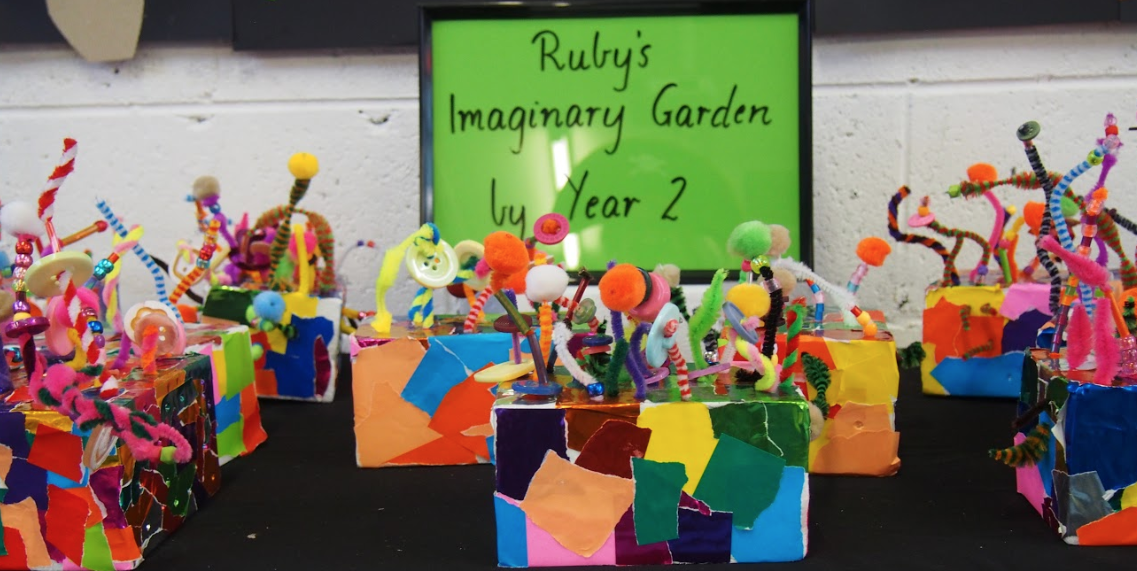
On Friday the school was over run with pirates, Harry Potters, superheroes, rainbow fish as well as many other interesting book characters. Students participated in literature appreciation activities, created artistic responses to shortlisted books, voted for their favourite title and participated in a whole school Readathon.
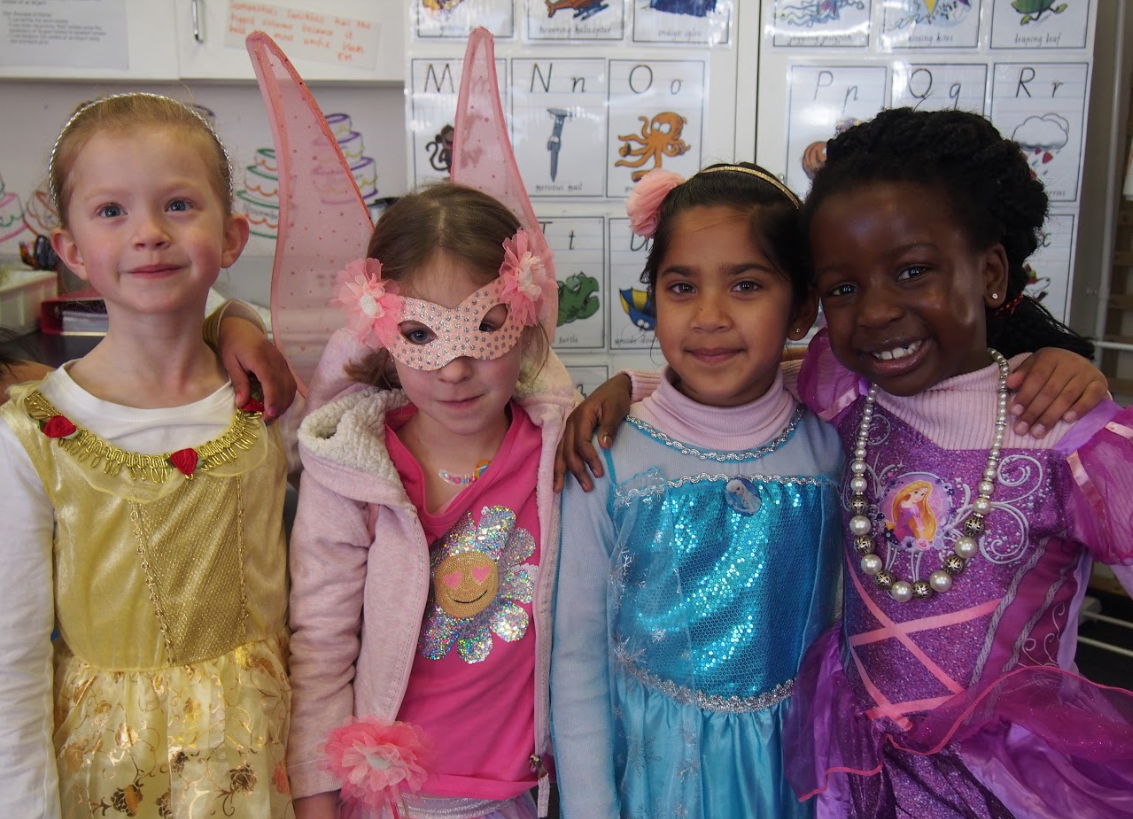
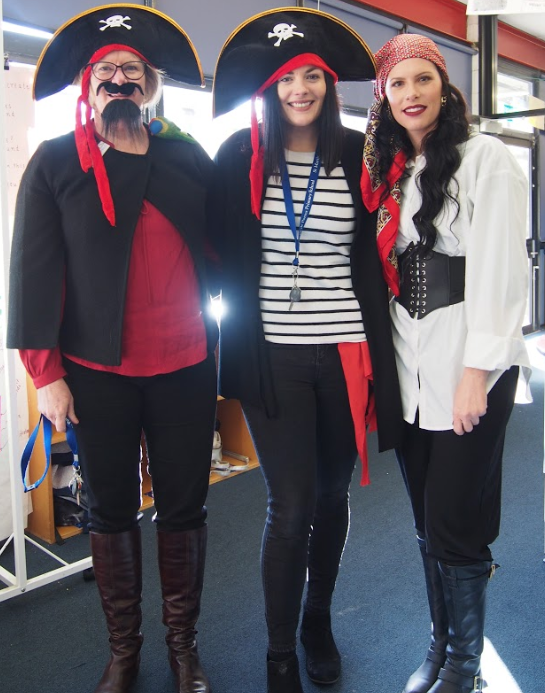

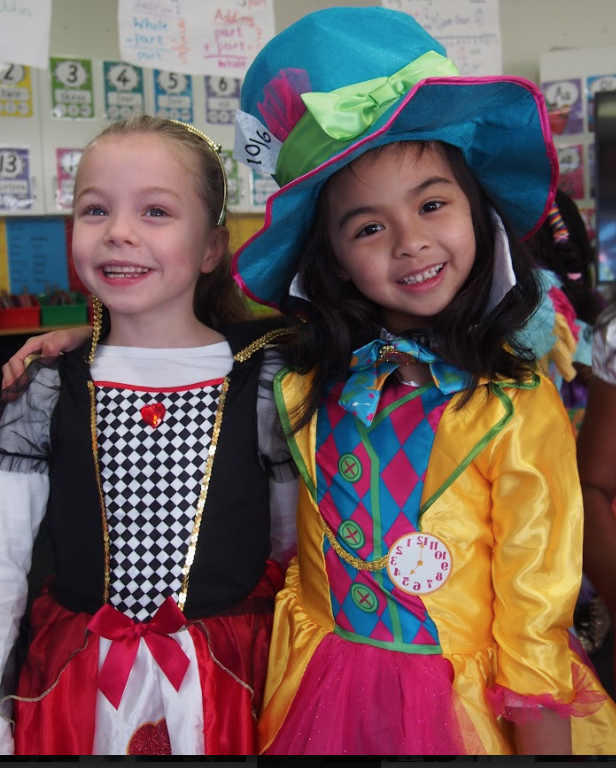
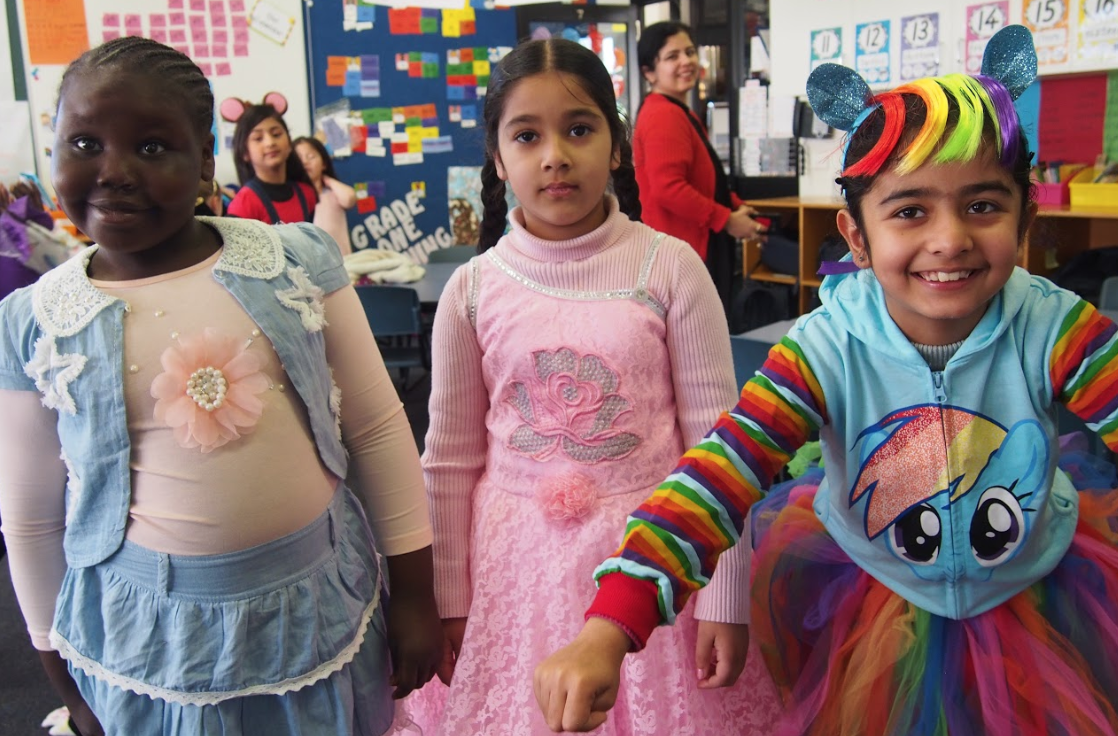
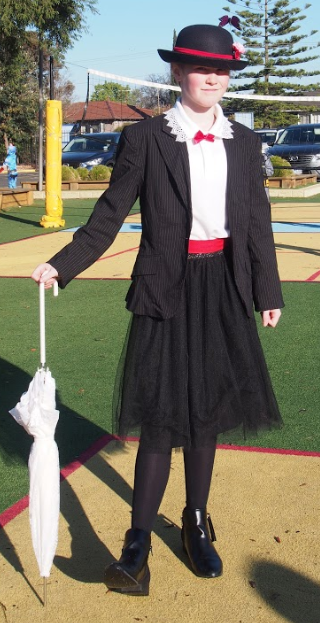
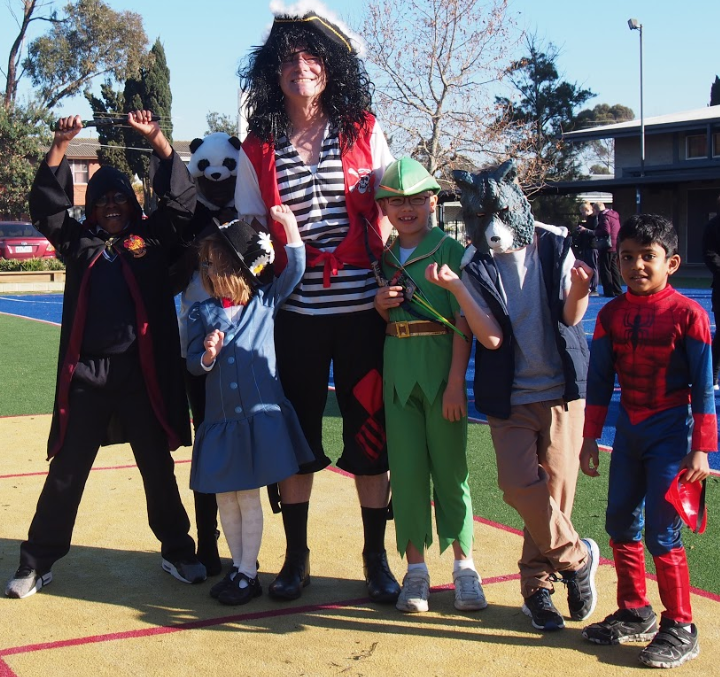
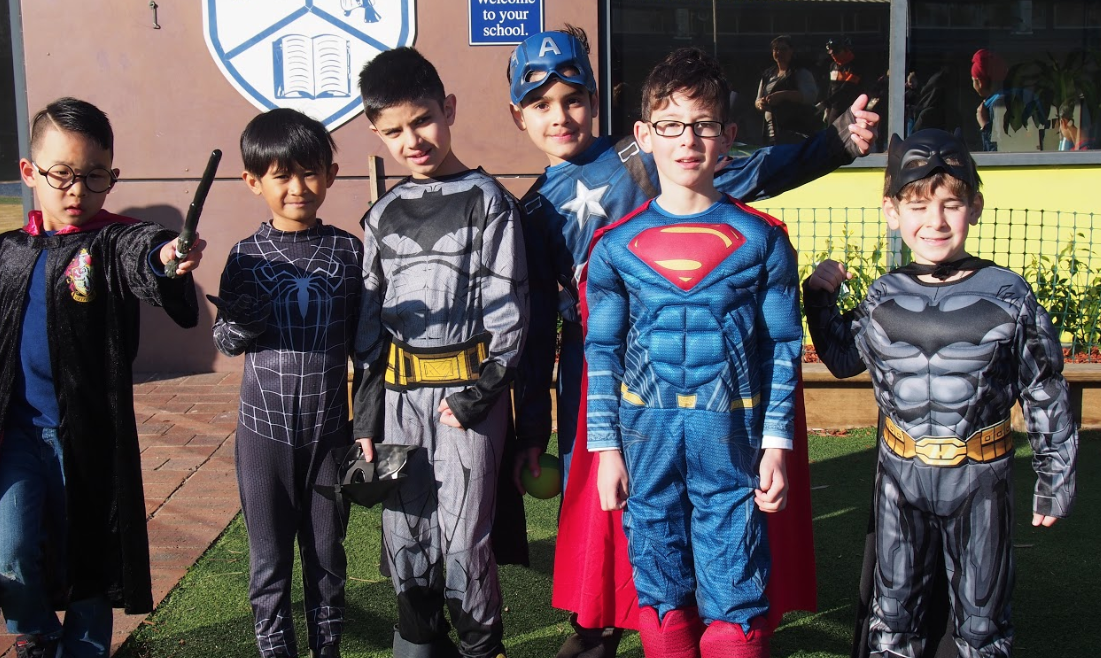
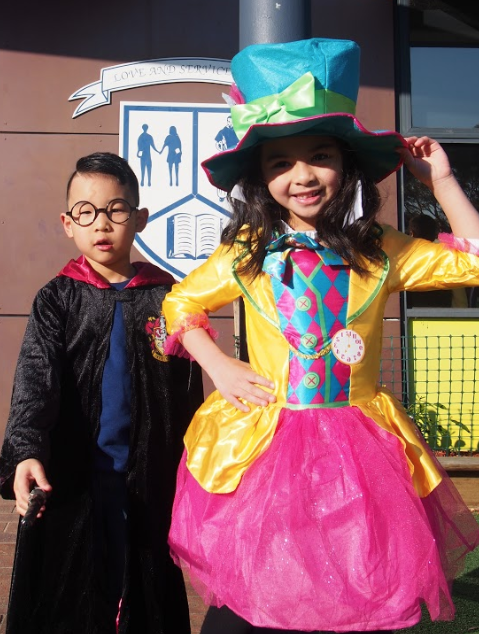
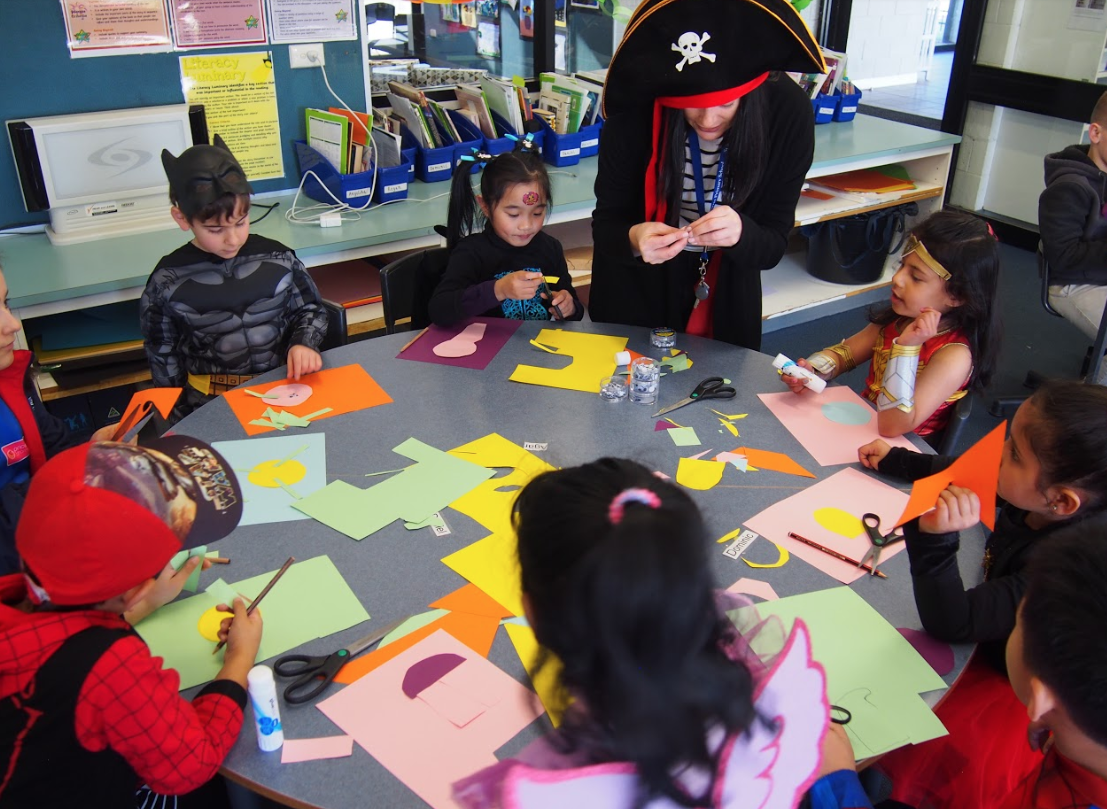
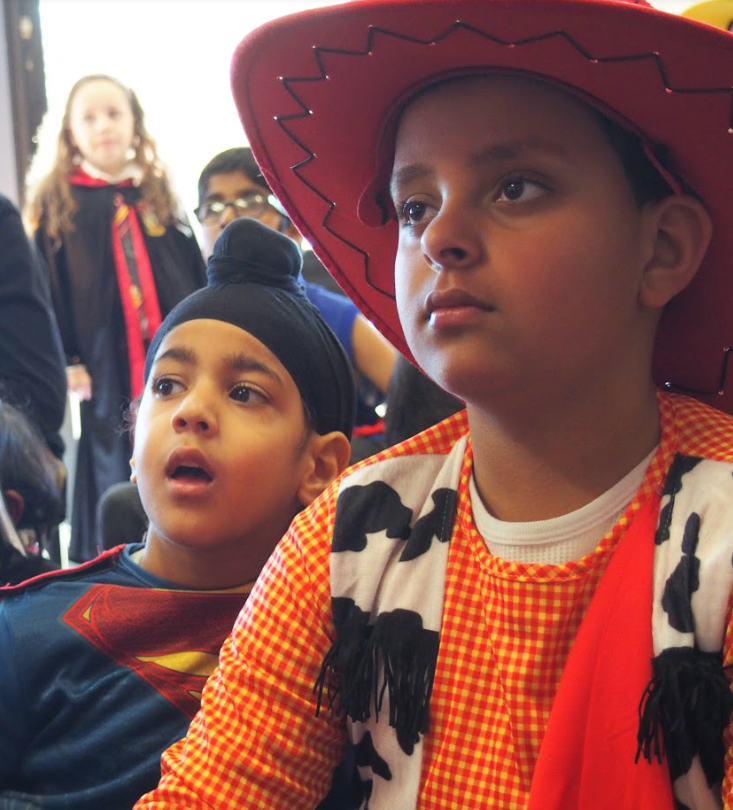
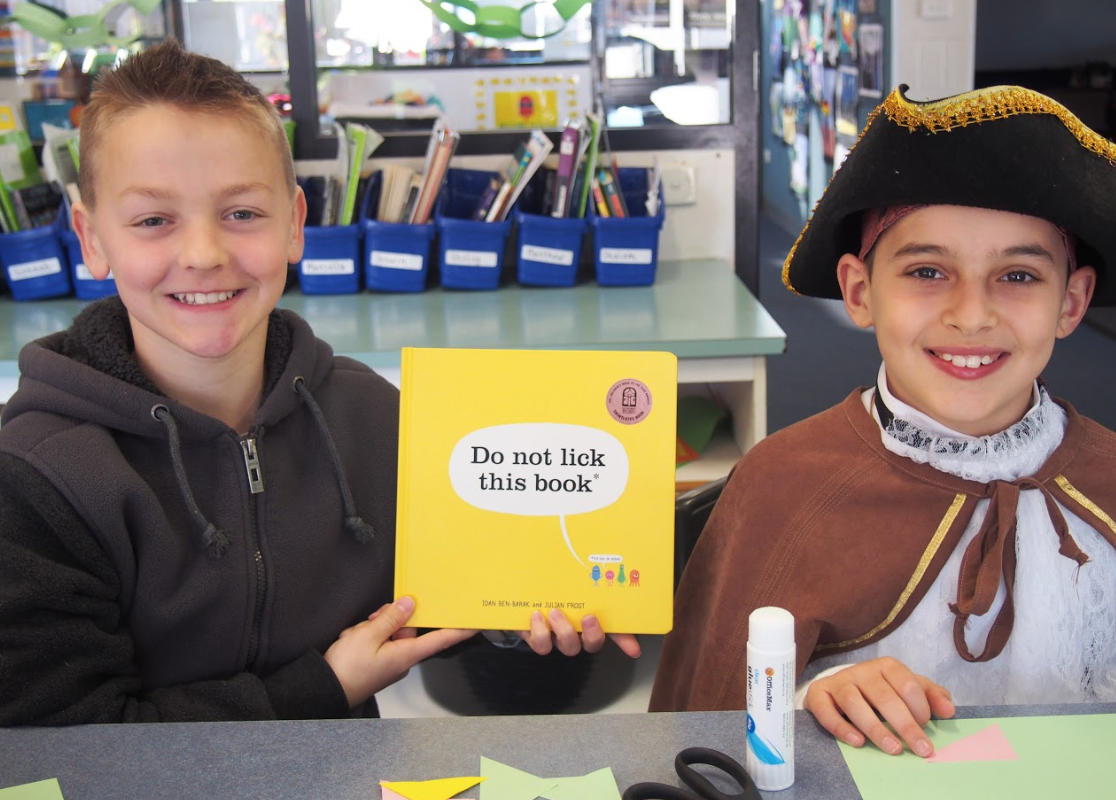
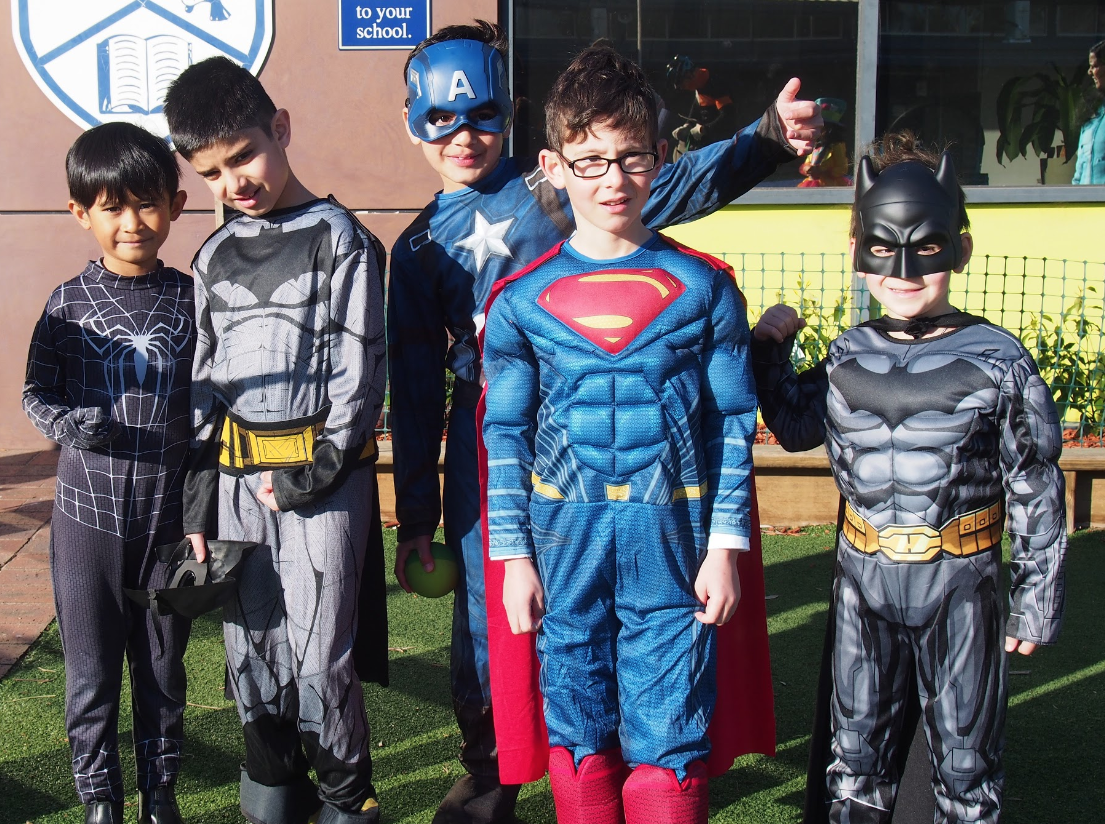
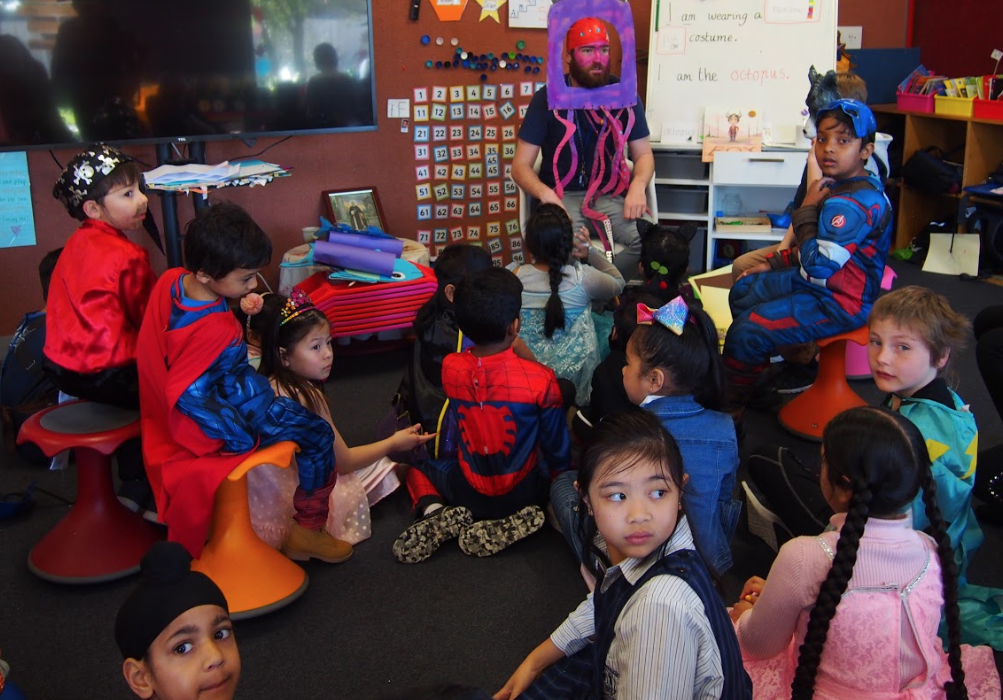
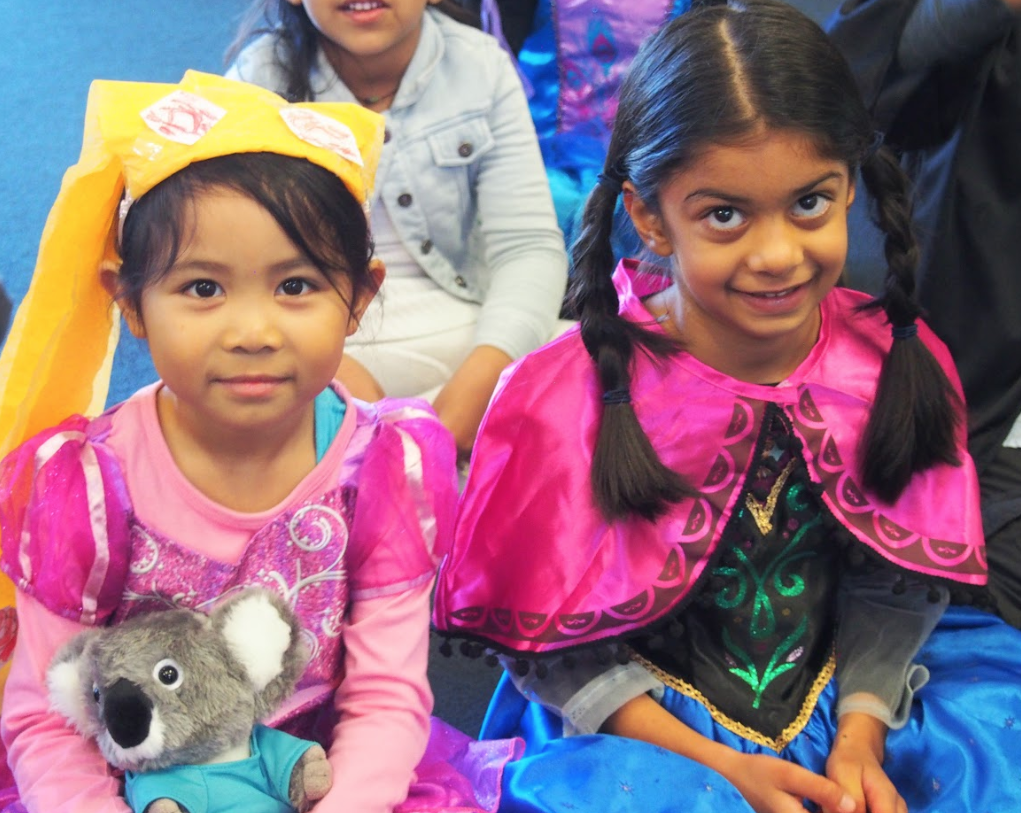
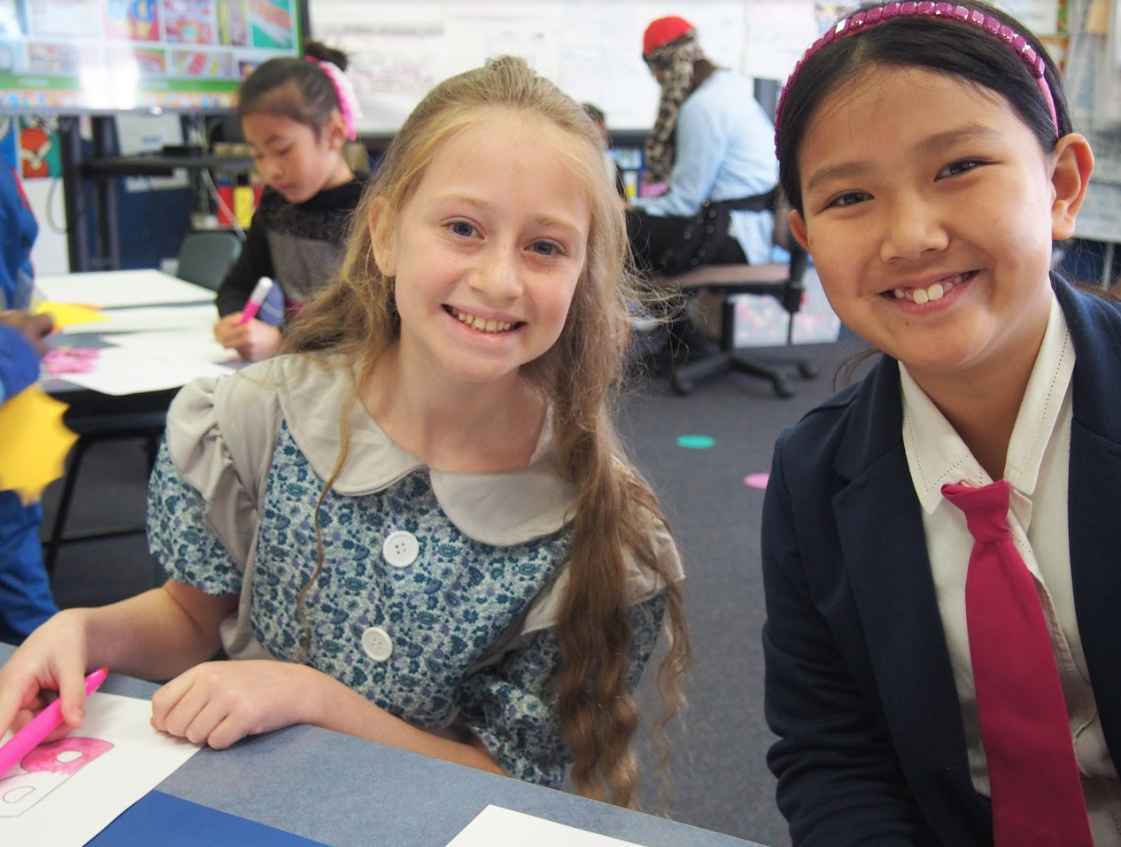
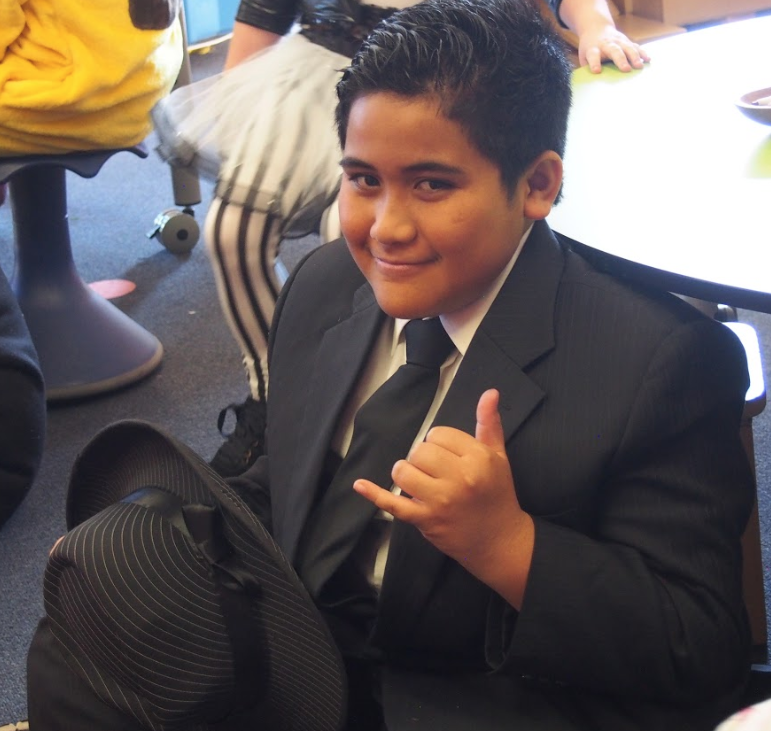
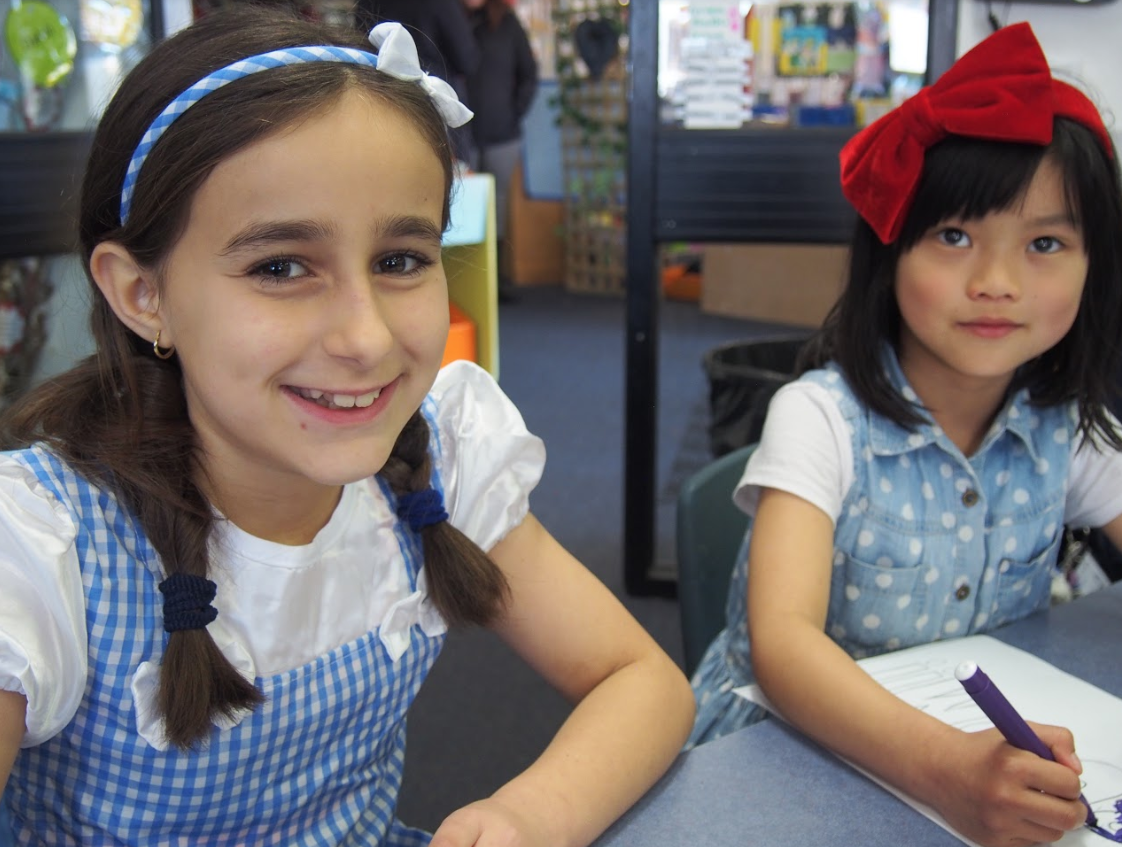
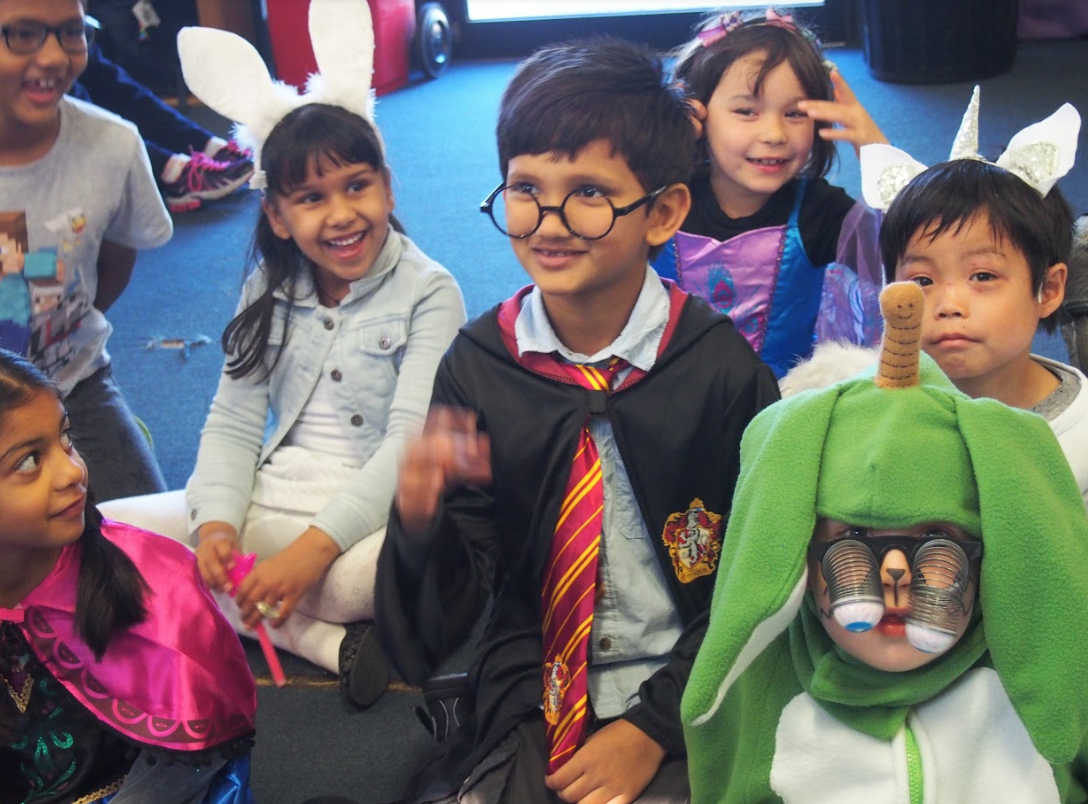
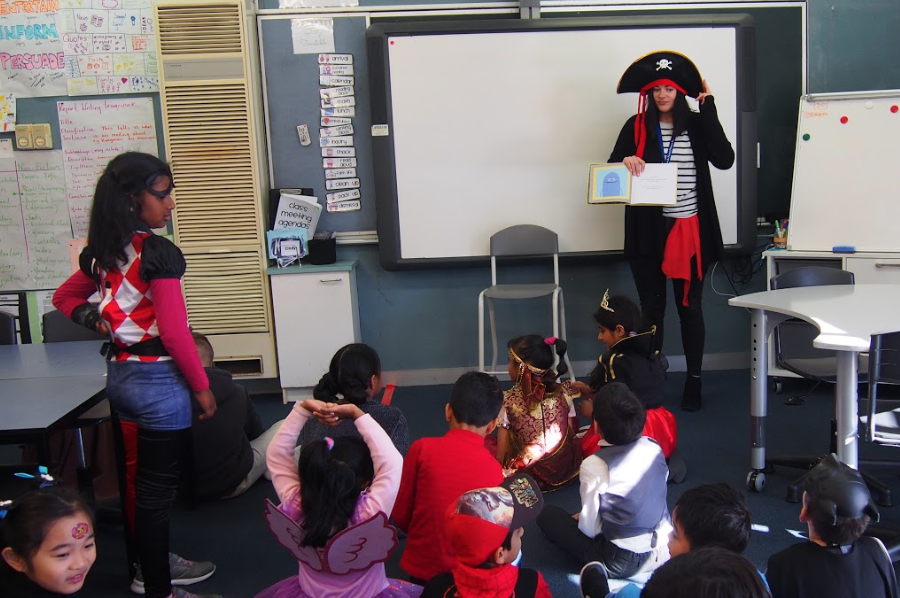
The week was a celebration of reading and a demonstration of purposeful, interesting and authentic learning.
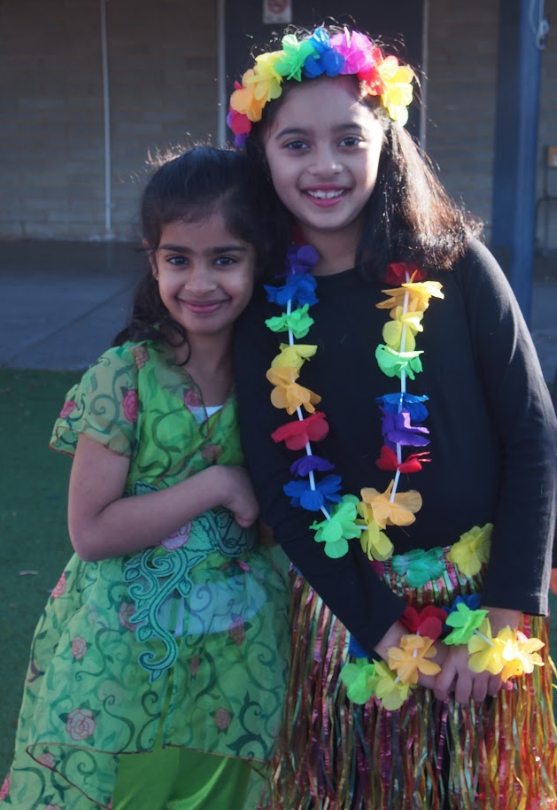


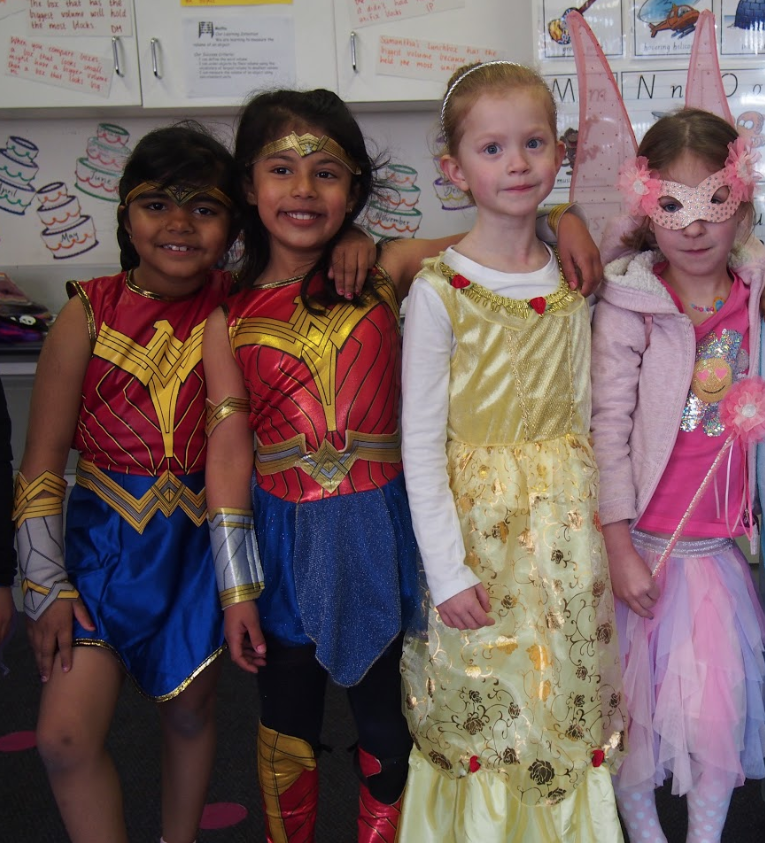
Thank you to all who embraced this initiative.
NAPLAN Reports for YR 3 & 5 Students
Naplan reports will be available to schools and parents of students in Year 3 and 5 in the next week. The actual tests were conducted in May and are based on the Victorian Curriculum.
These tests and results are a “photograph” of learner’s performance on a particular day and together with a range of assessment tasks used by teachers, over a period of time, a more in-depth or “movie” of a student’s performance is provided through:
“Mid-Year” and “End of Year” written reports
Work samples
Other formal school based assessment such as PAT Maths, PAT English, Fountas and Pinnell Levelled Literacy assessment
Teacher/Parent/Student learning Conversations
SeeSaw posts
Pre and post assessment of subjects
If you have any questions or concerns regarding this information, please make an appointment to speak with your child’s teacher.
Regards,
Denise Kelly
Deputy Principal, Teaching and Learning Leader