Learning & Teaching @ MFGSC

STAFF PROFESSIONAL LEARNING DAY WITH DR ANDREW FULLER
On the last day of Term 3 our teachers participated in a whole day of professional learning with Dr Andrew Fuller. Andrew is a clinical psychologist who works with many schools and communities in Australia and internationally, specialising in the wellbeing of young people and their families. He is a Fellow of the Department of Psychiatry and the Department of Learning and Educational Development at the University of Melbourne.

Mr Andrew Fuller
Mr Andrew Fuller
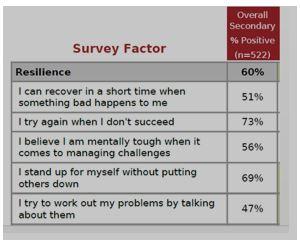
We had two foci for the day: The Learning Brain and The Resilient Mindset. One of the first MFG ‘traits’ we will focus on is MFG students who are ‘Resilient, adaptable and able to learn from mistakes’. Our 2018 Attitudes to School Survey data revealed that across the school, our students did not feel all that confident in relation to the questions connected to ‘Resilience’. Andrew’s research with 193,000 young people has revealed a cluster of factors that together create the 'resilient mindset'.
The Resilient Mindset extends the concept of a Growth Mindset to make it more applicable for teachers and parents. Growth mindsets relate to self-efficacy and beliefs about personal capacity. Growth mindsets are differentiated from fixed mindsets in which the person believes they have a fixed level of intelligence and competence.
The modelling of the data indicates that the fixed/growth dichotomy is too simple. Students are rarely one mindset or the other. It is not a case of either/or.
The Resilient Mindset is specifically attuned to learning and behaviours in classrooms. Resilient Mindsets are differentiated from anxious mindsets and avoidant mindsets.
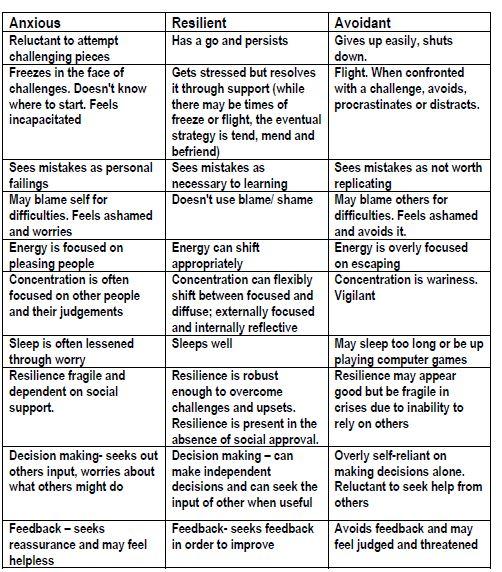
Our teachers had already read one of Andrew’s articles prior to the day (about the Learning Brain) and this was used to set the scene for the first session. The second focus – The Resilient Mindset – gave our teachers some clear strategies for helping anxious and avoidant learners develop more productive learning strategies.
NAPLAN 2018
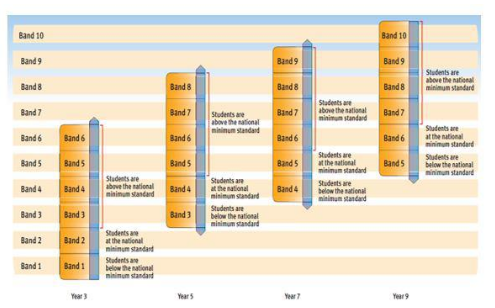
Our students’ performance on the 2018 NAPLAN tests in and we are currently reviewing and analysing our school’s data.
We have two approaches to using NAPLAN:
- Measuring student achievement or status
We use NAPLAN to understand student achievement at a point in time, compared with a standard (e.g. National Minimum Standard or bands)
For example:
- Sally was above the National Minimum Standard in Year 7 Reading
- MFG had an average mean score of 579.
- Measuring student learning progress or gain
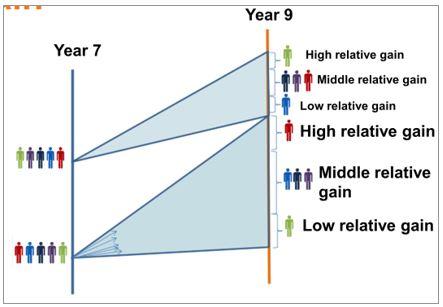
We also use NAPLAN to understand learning progress/gain, measures the amount of students' academic progress between two points in time (e.g. Year 7 in 2009 and Year 9 in 2011).
- Absolute gain is the difference between two test scores (eg how a student performed on the Writing task in Year 7 and how they performed on the Writing task in Year 9)
- Relative gain – a student’s current achievement is compared relative to other students with the same starting score two years earlier.
Categorising students based on their relative NAPLAN gain
- Based on the relative gain made by students relative to their academic peers across all sectors, students are categorised as having made either low, middle or high relative gain.
- These categories are set that in each group of academic peers, students would be grouped into 25% low relative gain, 50% middle and 25% high. These are whole of state benchmark.
- As well as these categories, students are assigned a ranking on the gain they made compared to their academic peers. This ranking is then expressed as a percentage, i.e. percentile ranking.
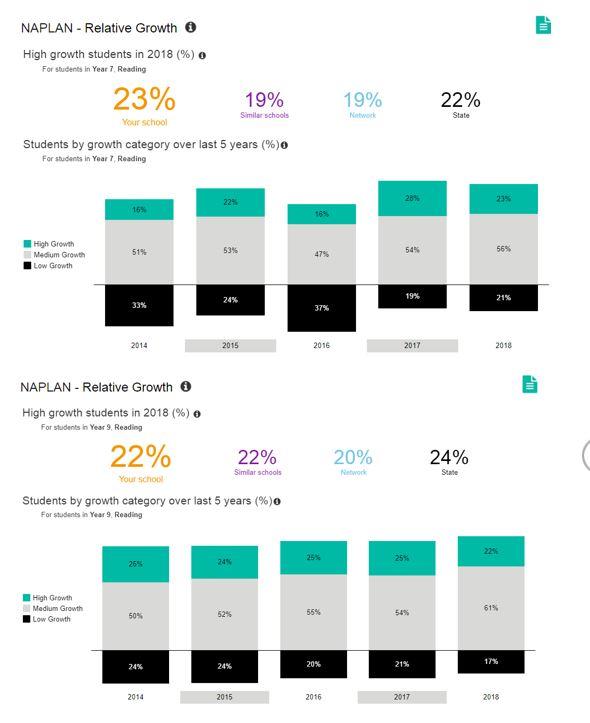
Reading
The graphs below show the percentage of students who made high growth in Reading in Year 7 and in Year 9.
Writing
The graph below shows the percentage of students in Year 9 who made high growth in writing.
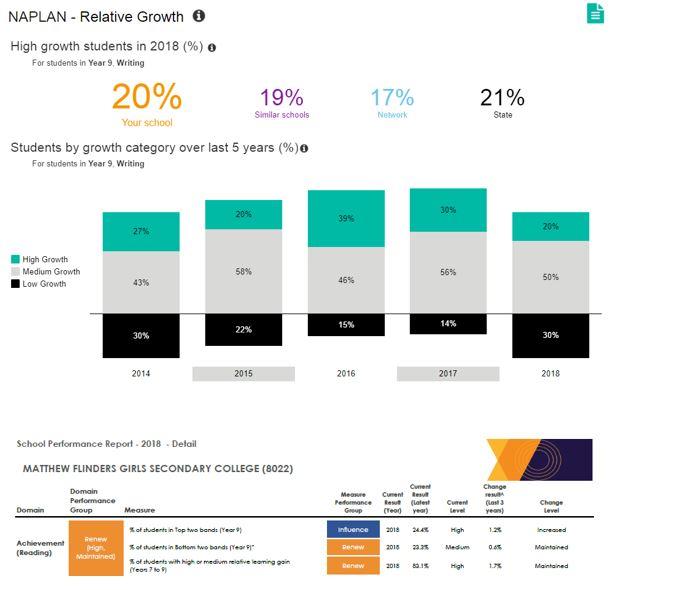
We’ll look further at this data, raise some further questions and decide what area(s) are worth focusing on as we start to develop our next Strategic Plan in 2019.
OPENING OF THE GEELONG TECH SCHOOL
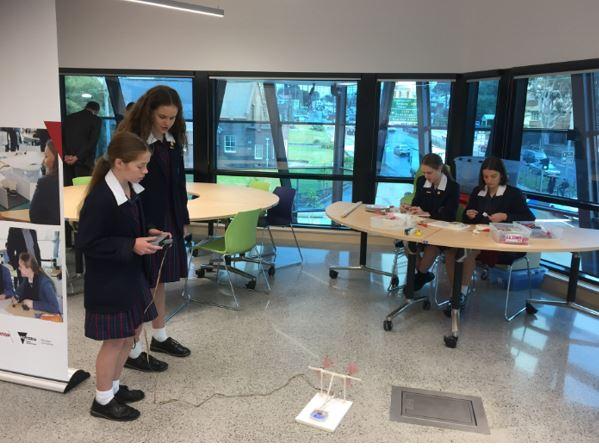
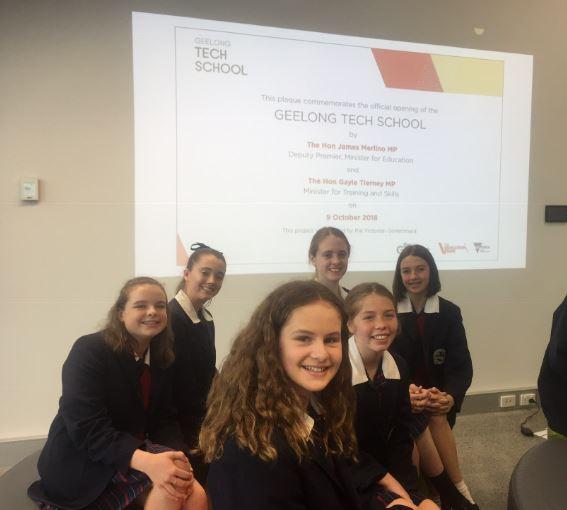
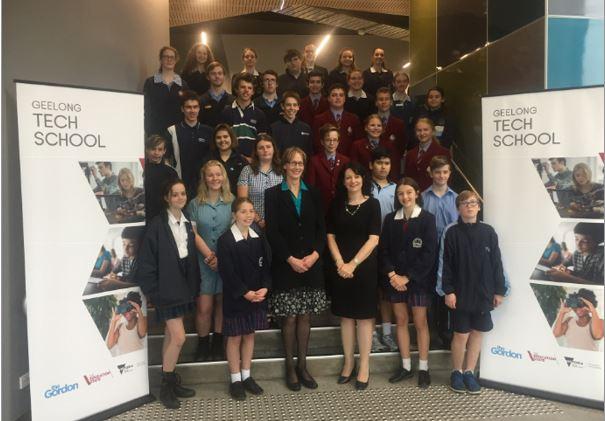
I had the pleasure of accompanying six of our students to the official Opening of the Geelong Tech School on Monday 8th October. Our students were wonderful ambassadors for our school and showcased their hovercrafts for the Minister of Education, James Merlino, and other officials and delegates.
Daisy commented on the importance of persistence during problem solving and the Tech School (5 minute walk for us) provides opportunities for our students to use high-end technologies that we don’t have at MFG. Well done to the following students:
Brodie Clingan Yr 7
Ella Colquhoun Yr 7
Sophia Richards Yr 8
Daisy Russell Yr 8
Georgia Clingan Yr 9
Sophie Watson Yr 9
IMPORTANT DATES FOR TERM 4
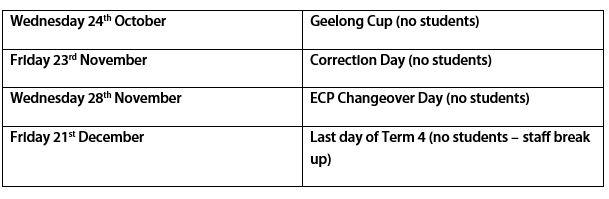
Term 4 is a busy term as our Year 12s finish their time with us, our Year 10 and 11 students head into the final exam period and then we start our Early Commencement Program (ECP). There are a few student free days to take into account for your planning.
Mr Damien Toussaint
Assistant Principal (Learning and teaching)
Matthew Flinders Girls Secondary College

Mr Damien Toussaint
Mr Damien Toussaint