
Pastoral Care
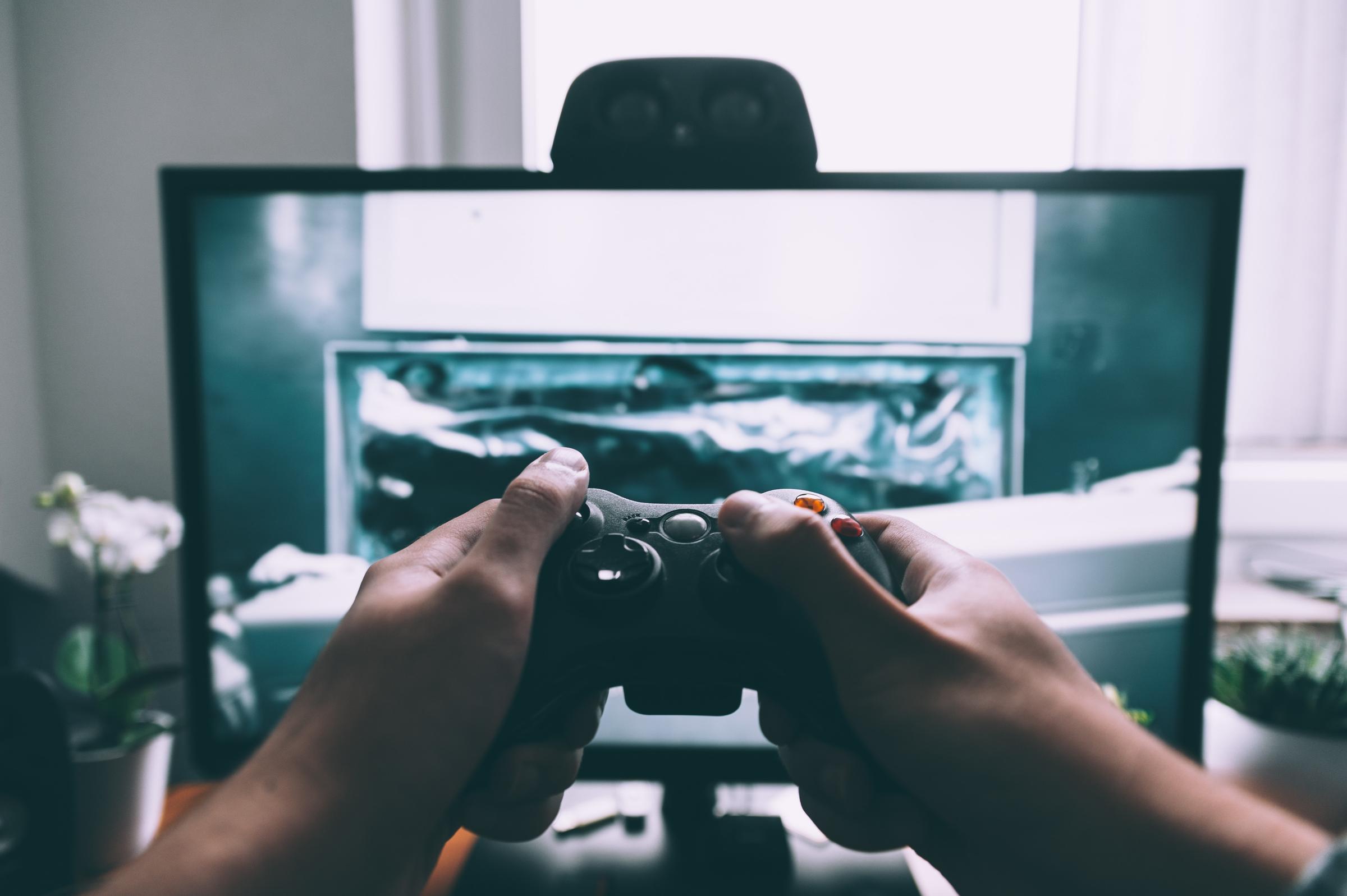
Kids, Violence and Computer Games
US researchers have found a link between violent computer games and kids' behaviour - and the effect may be long-lasting. For kids, it's an agonising choice - buy the Xbox 360 now, or wait for the Playstation 3?Strong parents, immune to pester power, may just say, "You're not having either of them. Go outdoors and engage in healthy active pastimes!" Yeah sure, mum and dad. Get real.
If, and when, mum and dad do bow to the inevitable and buy the latest console, there's another issue to face. Just what are little Tom, Dick and Harriet actually going to be playing on them?
If the game contains violent action and images, it could seriously affect the child's behaviour - now and down the track.
That's the conclusion of a study published in this month's journal Archives of Pediatrics and Adolescent Medicine, which looked at how violence in computer games affects young adults. And the findings are worrying. The researchers found - as have other researchers in the past - that there's a definite causal link between the violence portrayed in computer games, and violent and antisocial behaviour.
Researchers from the University of California, San Francisco, and the University of Pittsburgh in the US randomly divided a group of 100 male university undergraduates into two groups (they chose men because men are more likely to play violent computer games than women). The men were aged 18 to 21, from a range of ethnic and socioeconomic backgrounds. One group played a low-level violence game; The Simpsons: Hit and Run. The other group payed a high-level violence game; Grand Theft Auto III. In The Simpsons, players have to deliver Lisa Simpson's science project to school before Principal Skinner arrives and marks Lisa's project down as late. In Grand Theft Auto players take the role of a criminal employed by the mafia to use a baseball bat to beat up a drug dealer who's been selling drugs to prostitutes employed by the mafia (Hmm).
Before and after playing the game, both groups filled out a questionnaire that tested their attitudes towards violent acts and their attitude towards risky pastimes - alcohol and marijuana use, and unprotected sex. Their blood pressure was measured during play.
Men who played Grand Theft Auto had greater increases in blood pressure, more negative moods, more uncooperative behaviour, more conflict in their social interaction with others, and more permissive attitudes toward using alcohol and marijuana, compared to those who played The Simpsons. Their socioeconomic background and the levels of violence they had experienced in the past made no difference.
Long-term effects
Are these effects transitory, or are they lasting? That's the big question. To date there hasn't been a lot of research on the long-term effects of computer game violence because computer games are a recent phenomenon.
But there is plenty of evidence that shows a link between TV violence and long-term antisocial and violent behaviour, say the researchers. Exposure to television and media violence in childhood increases aggressive behaviour and criminality well into young adulthood, even after taking into account things like early aggressive behaviour, family socioeconomic status, parenting characteristics, and the safety of their particular community, say the researchers.
How does violence have this effect? Repeated acts of violence desensitise the natural aversion to violence that the child would otherwise have. And if the game rewards violent acts, but not non-violent ones, the child begins to think violence is not only acceptable, but desirable. The longer a chid is exposed to violence, the more ingrained these attitudes become.
There's a widespread but false belief that violent games are healthy because they allow kids a way of venting their aggression. They don't.
Supervision the key
That's not to say that a boy who plays a violent computer game is going to go out into the street and pick a fight. Extreme aggression, such as aggravated assault or homicide, is usually caused by several factors. Watching violent computer games is only one of many risk factors. Nor does it mean you should ban the console. Many children get a lot of enjoyment out of playing video games and these games can help build visual, problem-solving and fine motor skills.
What is does mean is that parents need to monitor what games their kids are playing.
Research on young children shows the bad effects of media violence are reduced when less time is spent viewing television and video game playing and when parents view the programs with children and offer guidance, the researchers say. Here are some tips from Young Media Australia, an organisation that advises on how media affects the healthy development of children. Before allowing your child to buy a computer game, rent the game and look at it with your child. If:
- the game involves some characters trying to harm others;
- this happens frequently, that is, more than once or twice in 30 minutes;
- the harm is rewarded in any way;
- the harm is portrayed as humorous;
- non-violent solutions are absent or less fun than the violent ones;
- realistic consequences of violence are absent from the game;
then think about whether you really want your child to play it. More information on this article can be found at: http://www.abc.net.au/health/thepulse/stories/2006/04/13/1614831.htm
13 Reasons Why
Earlier this month, the second series of '13 Reasons Why' began streaming on Netflix. The series deals with serious issues that teenagers in a fictional American community face including bullying, violence, substance abuse and suicide. It is for this reason that the show carries a MA15+ rating and is recommended on Common Sense Media for viewers aged over 16 years. The series '13 Reasons Why' is, however, very popular among secondary school students and so ReachOut in cooperation with HeadSpace and Netflix have developed some ‘top tips for parents’ who are considering allowing their teenage sons and daughters to watch the show. You can find these below:
'13 Reasons Why': Our top tips for parents
Here are some practical things parents can say and do to help families and teenagers make sense of the show and deal with challenging thoughts and feelings:
1. Read up on the issue of youth suicide. The show has caused a lot of anxiety for parents around this issue so it’s a good idea to educate yourself first. Be assured that talking about suicide with your teenager won’t ‘put ideas in their heads’. If you show that you are comfortable and knowledgeable talking about suicide and mental health, your kids are more likely to open up to you during a tough time.
2. Is '13 Reasons Why' right for your child? If your child is under 15, it’s our strong recommendation that the graphic suicide and sexual assault content makes it inappropriate for a younger age group. If they are older or you decide they can watch it, at least watch the show before them, and then watch it with them – that way you can be prepared to discuss any issues that arise.
3. Don’t binge watch it. '13 Reasons Why' has some very distressing content, and the distress will be multiplied if you watch episodes back to back. Do something soothing after each episode, like having a cup of tea or milo or watching something funny.
4. Talk to your teen about the issues raised after each episode. Check in with how they’re feeling. Leave open the option of not watching any more episodes if it’s too distressing.
5. Make sure they know where to go for help. Ask them who they would feel comfortable talking to if they were going through a tough time.
6. Connect your teenager to ReachOut if they are upset after watching an episode. There are other great services like Kids Helpline and Lifeline if they need to talk to someone.
Feeling suicidal is not uncommon for young people. If you’re concerned about your teenager, ask them directly if they’re feeling suicidal or having thoughts of ending their life, take them seriously and get help. For more info, learn about supporting suicidal teenagers on ReachOut Parents.
Need to talk to someone right now?
National 24/7 crisis phone services include Lifeline 13 11 14, Suicide Callback Service 1300 659 467 and Kids Helpline 1800 55 1800.
For more information about this topic, please click on the link below:
https://13reasonswhy.info/wp-content/uploads/2018/05/AUSTRALIA-PARENTS-13RY-Headspace.pdf
Please let the College Psychology and Counselling Services know with urgency, if you notice that your child has been affected by this program.
Pastoral Care Team