Teaching and Learning
Start-Up Program
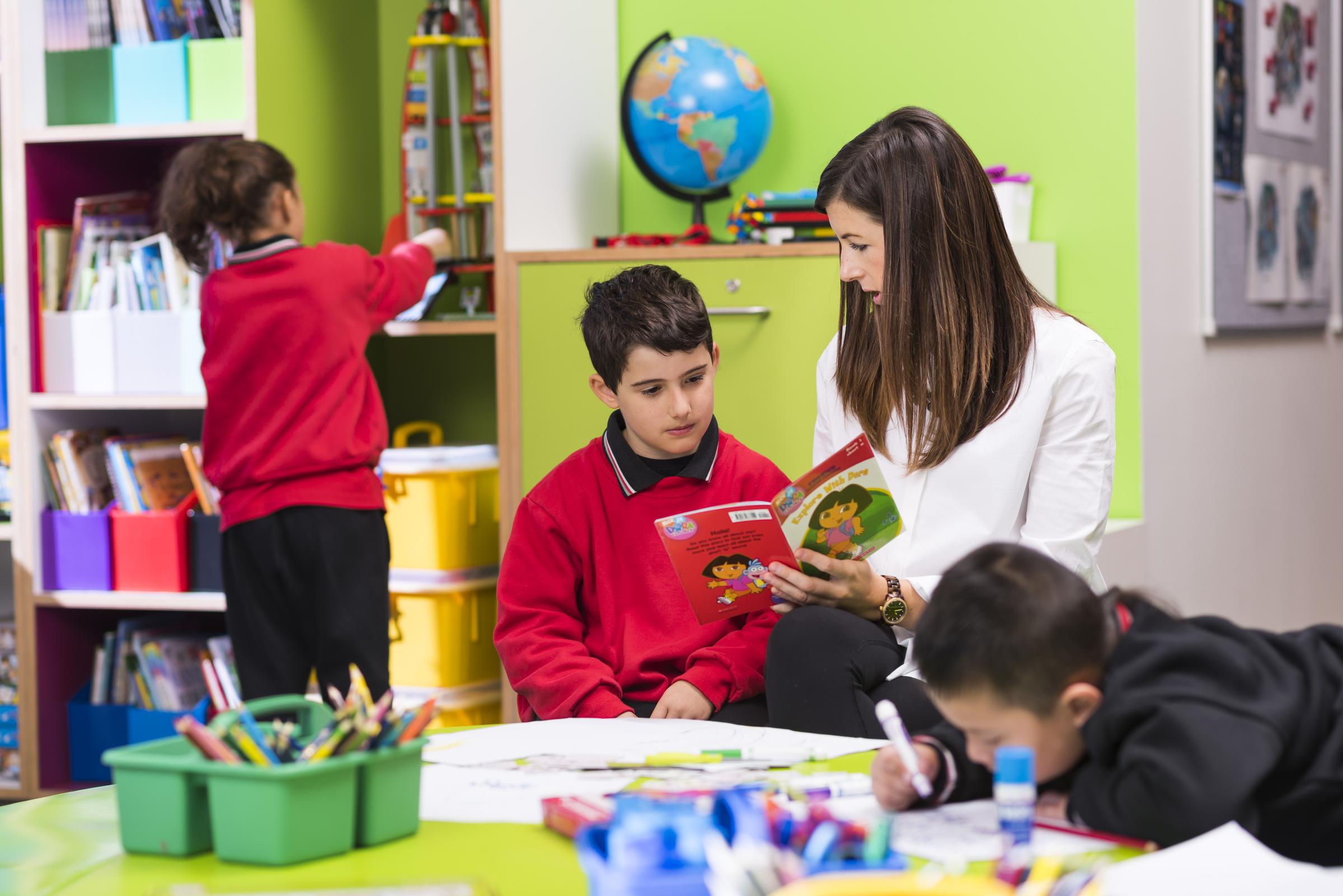
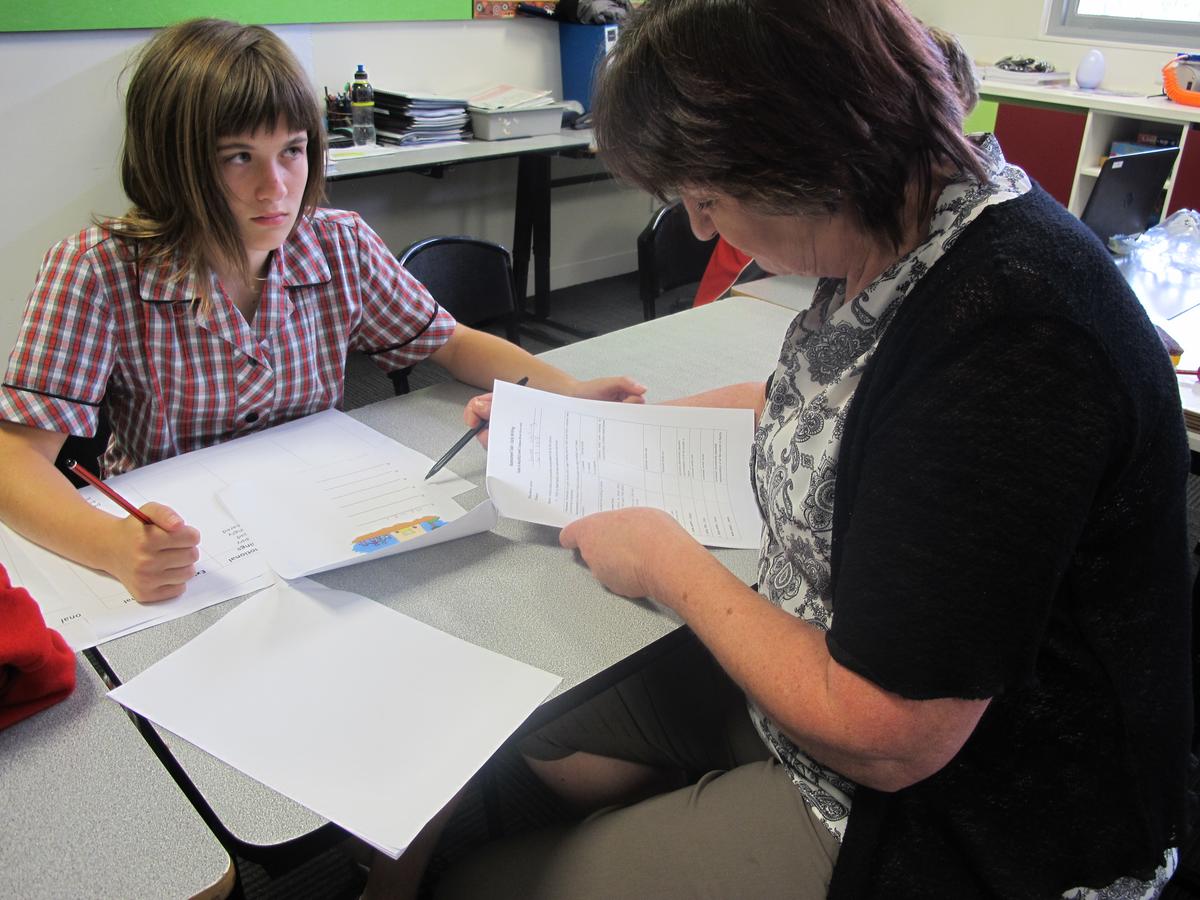
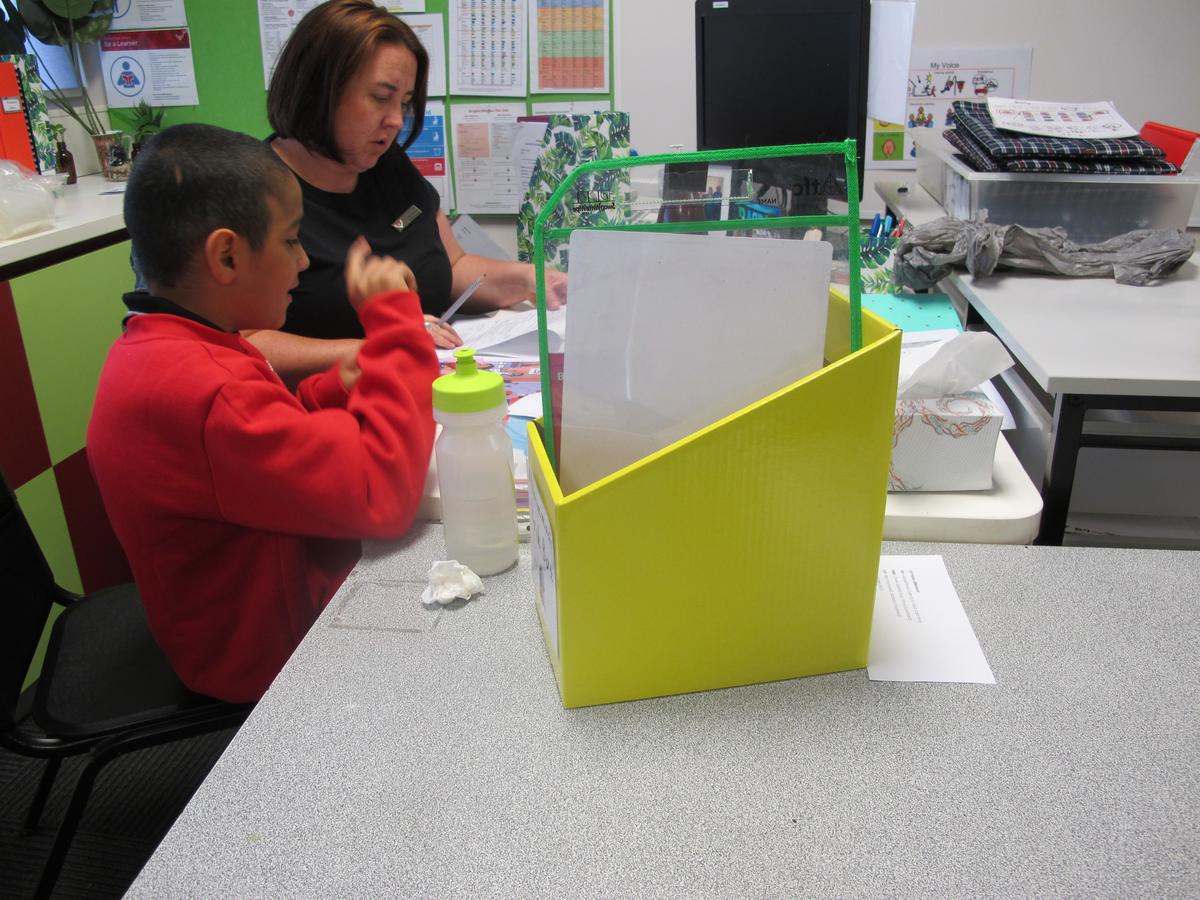
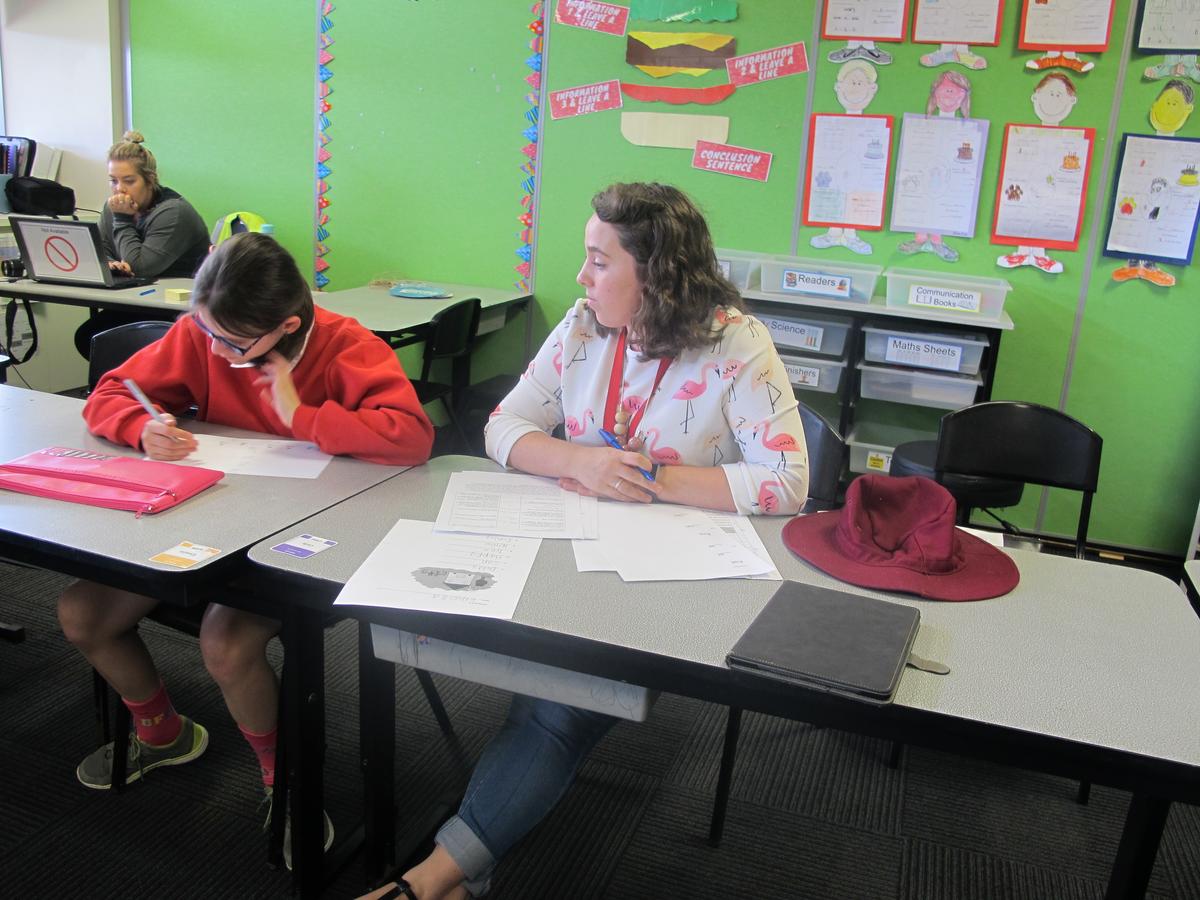
As the start-up programs draw to a close many teachers have completed individual student assessments of student skills in Mathematics and English and are ready to commence more formal learning programs. At the beginning of each year, all student assessment data from 2017 and 2018 is gathered and analysed by teachers and teams to develop effective Student Learning Plans. This ensures that all programs are personalised to meet individual student needs.
Numeracy
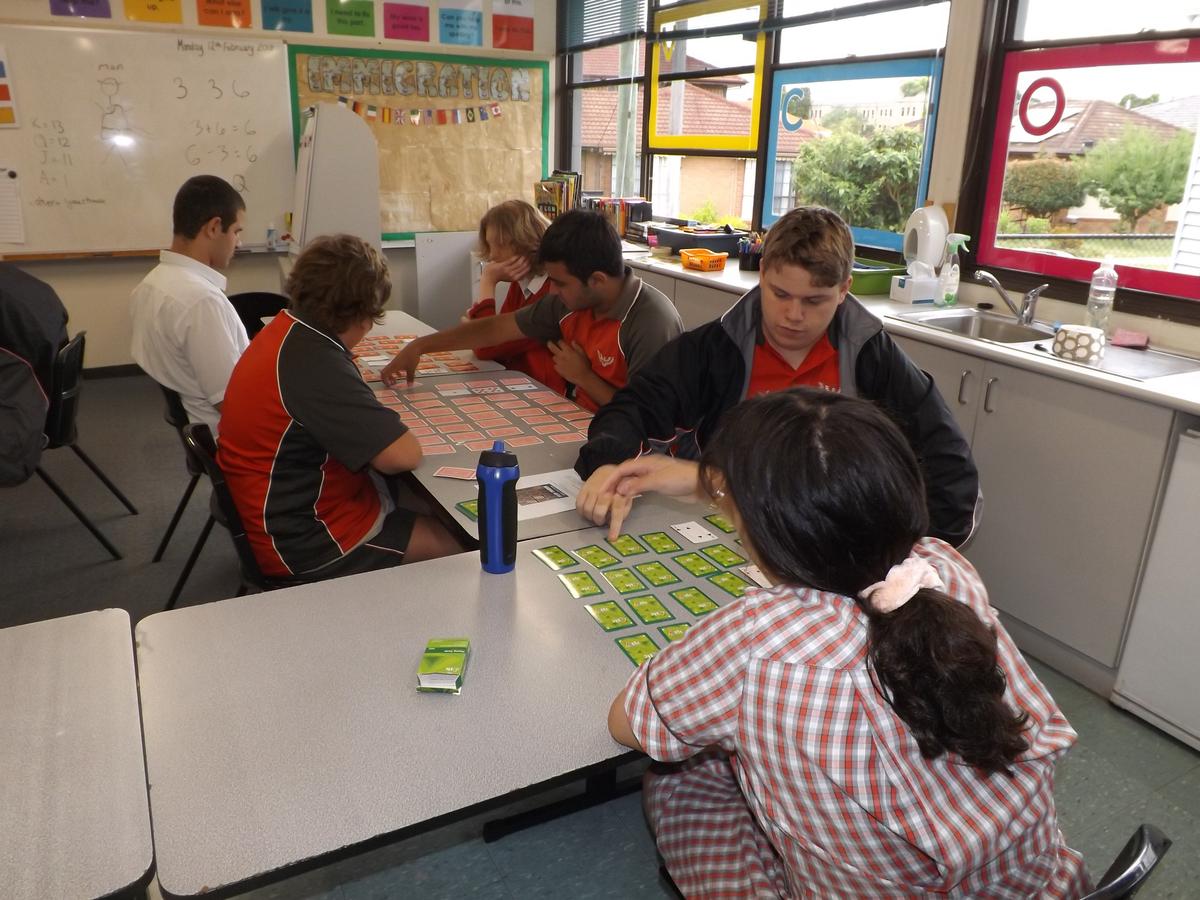
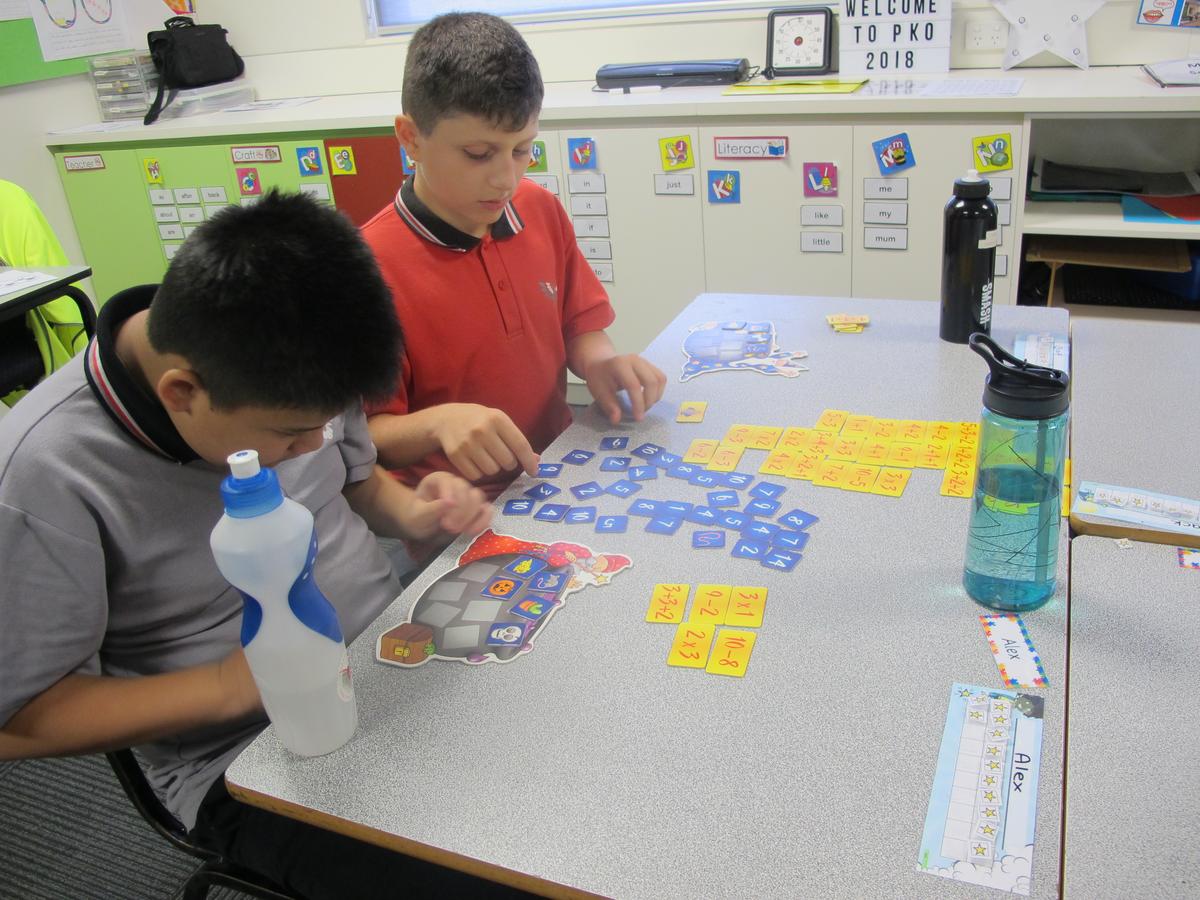
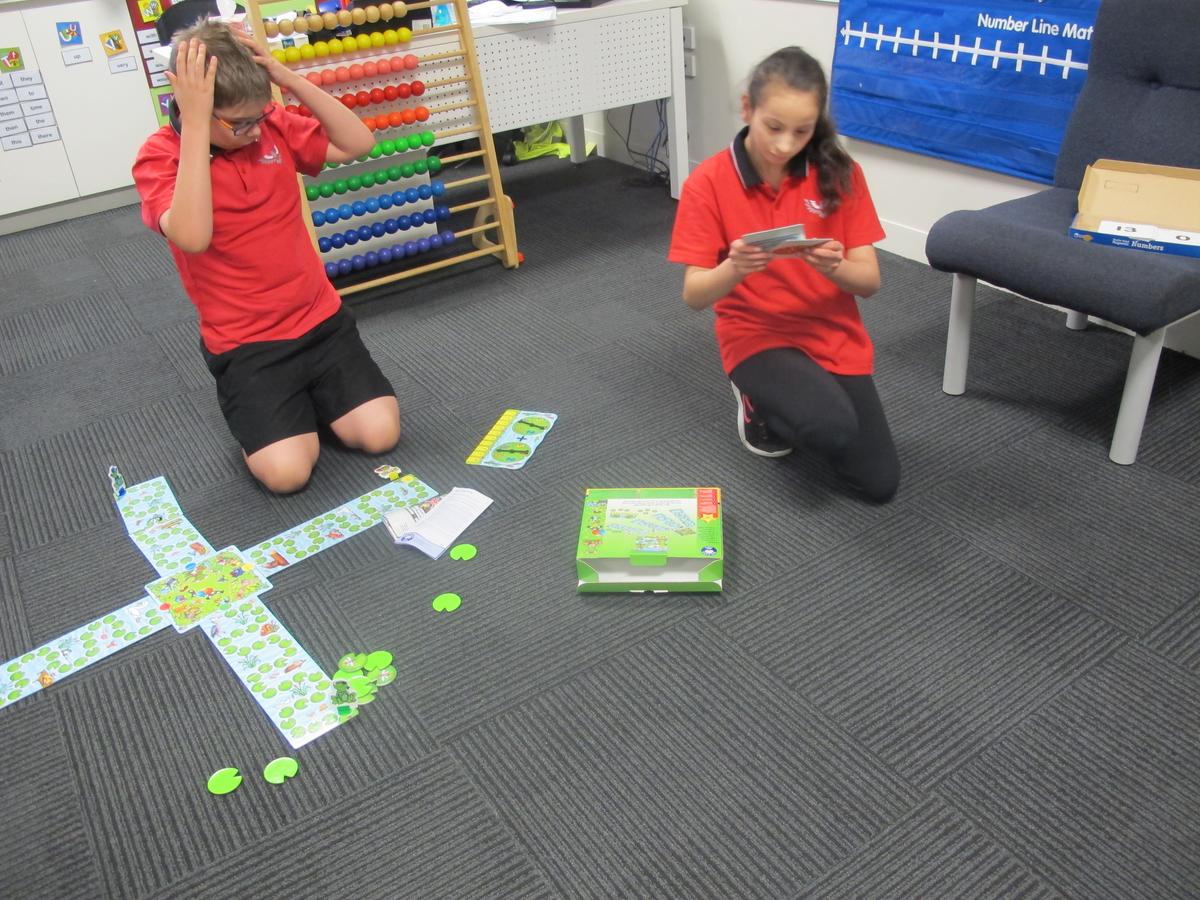
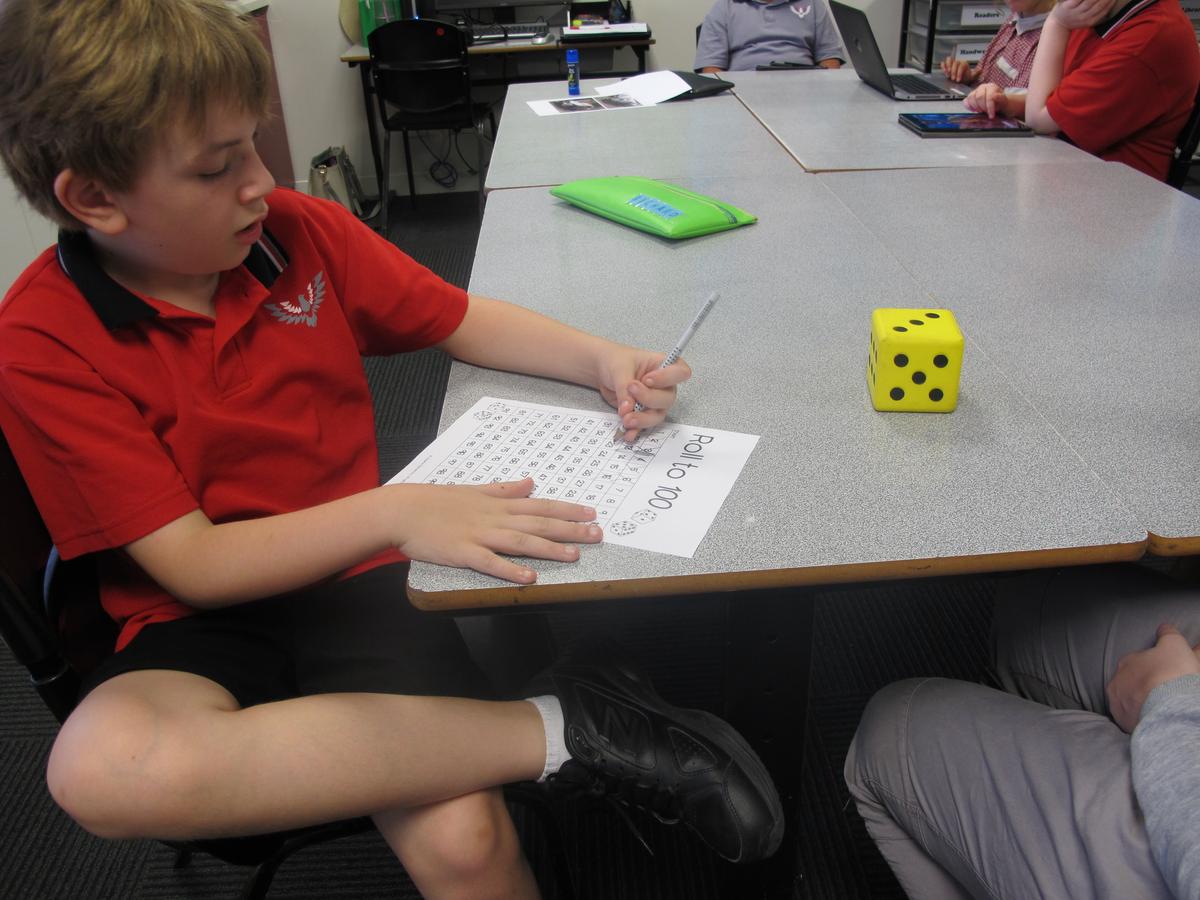
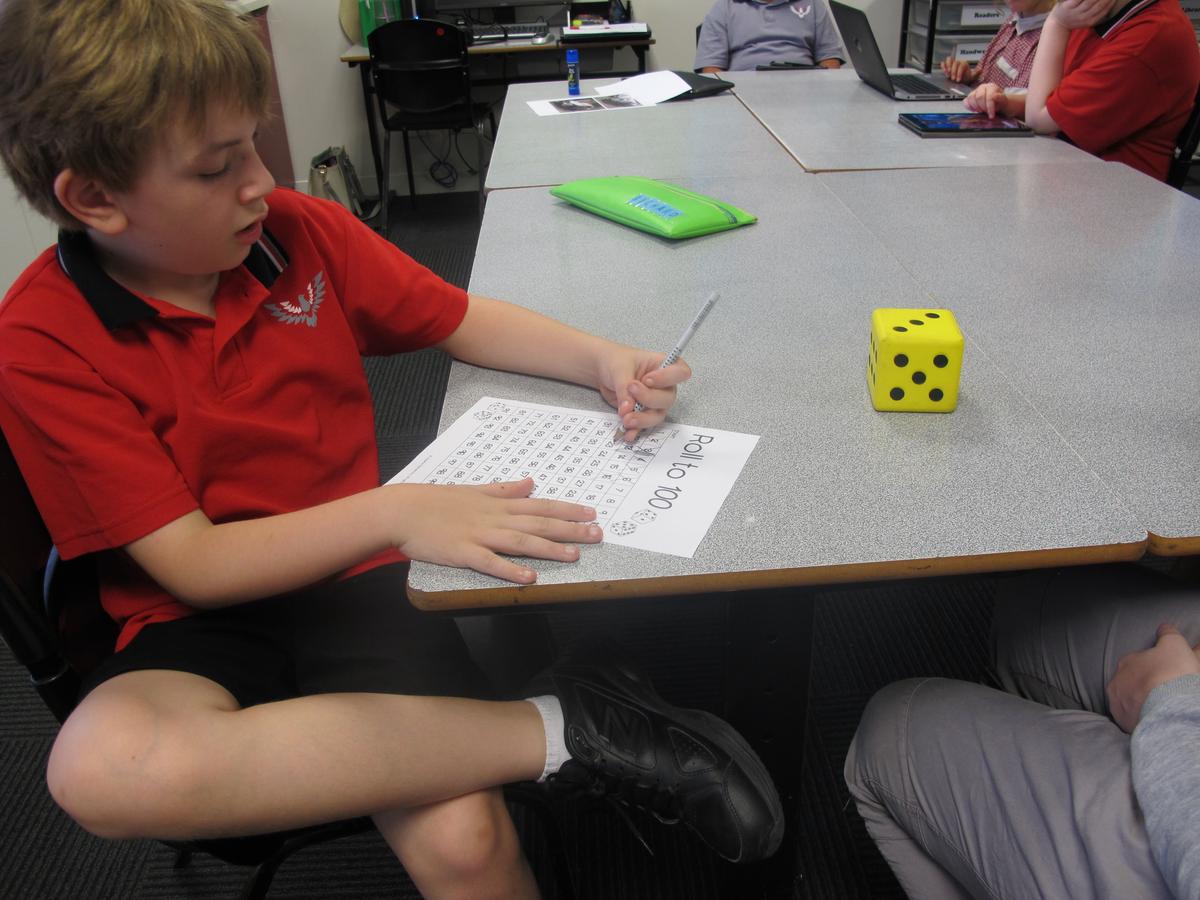
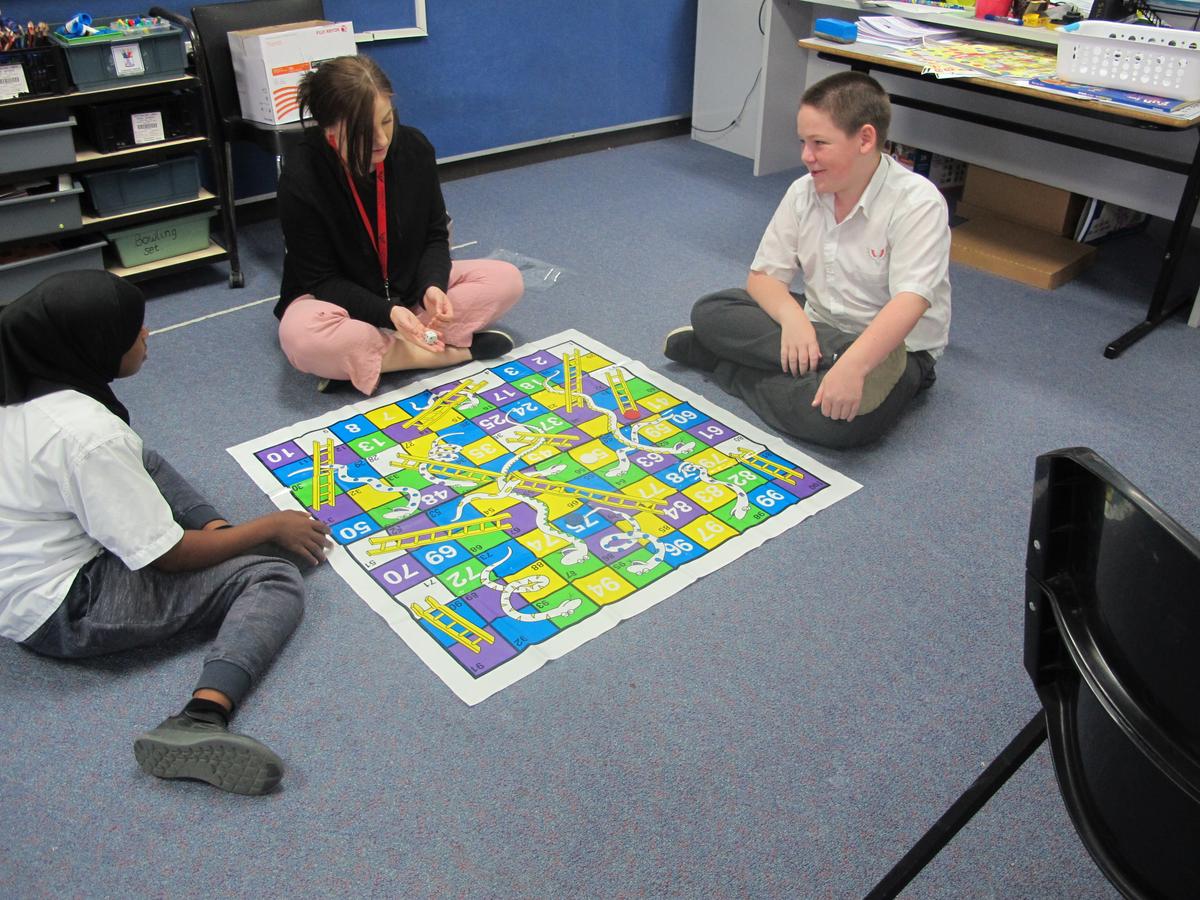
All the F-10 classes will be focusing on developing an understanding of Place Value and our base 10 number system. Students will count, recognise, model and order numbers based on their point of need. You can help your child simply by providing them with practical opportunities to; recognise numbers in the environment, estimate and count objects, money or people (at a basketball match etc.) and guess a 2-digit/3-digit… number (Mastermind Game). Students will also be engaged in gathering statistics on their height, birthdays and personal preferences and making graphs and other visual displays to interpret. At the very early stage students are simply answering yes/no questions and making true/false statements about data sets. As students move through the learning continuum they will eventually describe different methods for data collection and interpretation and evaluate their effectiveness.
Literacy
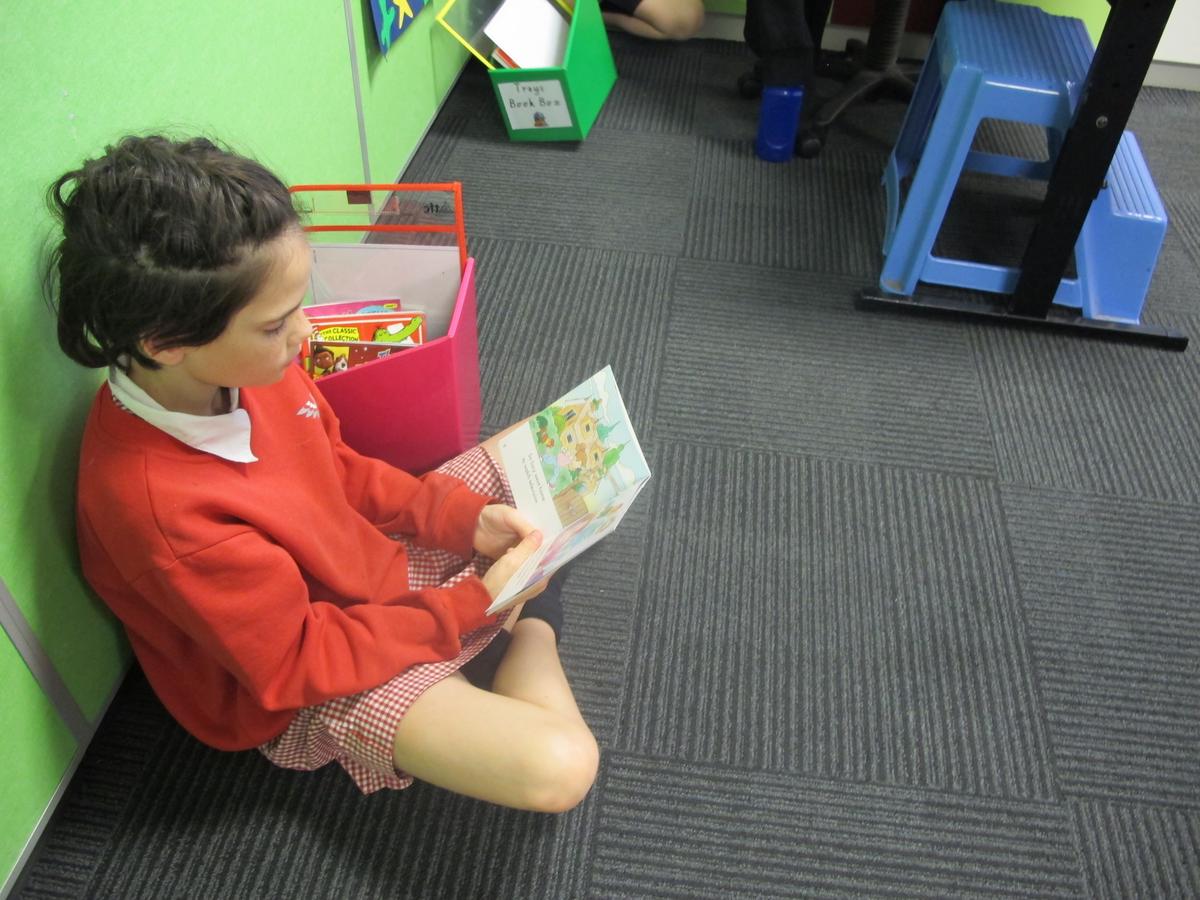
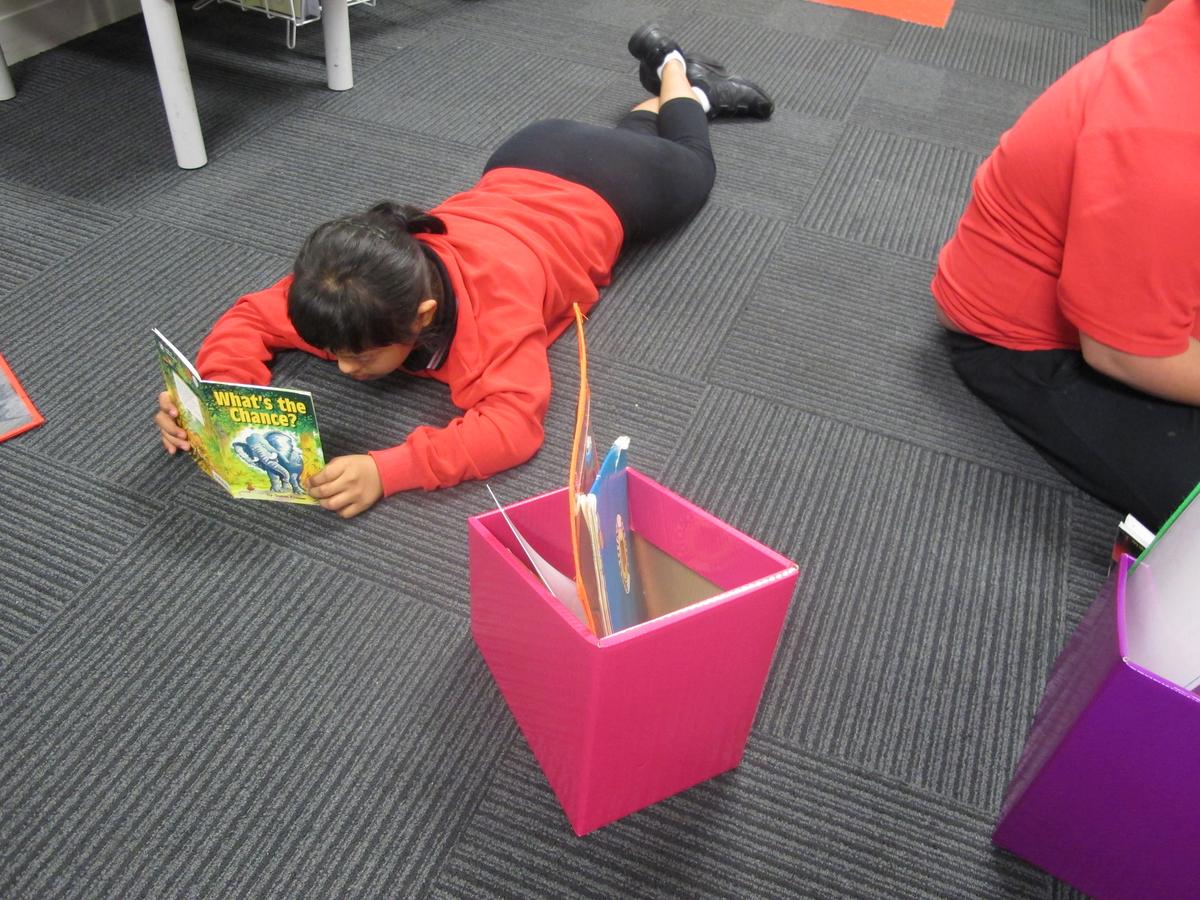
In Literacy all students will be engaged in developing Reading Comprehension strategies. Understanding the text is the key to good reading. Often students are able to decode words and read with some fluency but if they can’t understand the underlying meaning in the text then the core purpose is lost. Teachers will be assisting students to construct meaning from text by developing their literal, inferential and evaluative comprehension skills. In the early understanding of text students often respond to information that is directly stated in the text, this is literal comprehension. As they develop their understanding students begin to read between the lines and infer information that is not directly stated. This is inferential comprehension. As students mature they are able to evaluate what they read and form opinions. At this point they are using evaluative comprehension. All students will be working through these elements of comprehension at their point of need.
Literal strategies will range from reading pictures, sequencing text and retelling stories to summarising, checking for understanding and asking questions. You can help your child with literal strategies by asking who, what, when, where and how questions about the text.
Inferential skills may include; making connections with text, predicting and visualising, inferring and comparing and contrasting. You can help your child with inferential strategies by asking questions such as: Why is…? What caused…? Can you explain…? What is meant by…? Evaluative skills are more challenging as students need to develop analytical and critiquing strategies and think deeply about the author’s purpose. You can help your child with evaluative strategies by asking questions such as: What makes this a good….? Do you agree…? Why/How might…? Would it be better…? How would you judge….? During the next few weeks most of our students will be focusing on recount text.
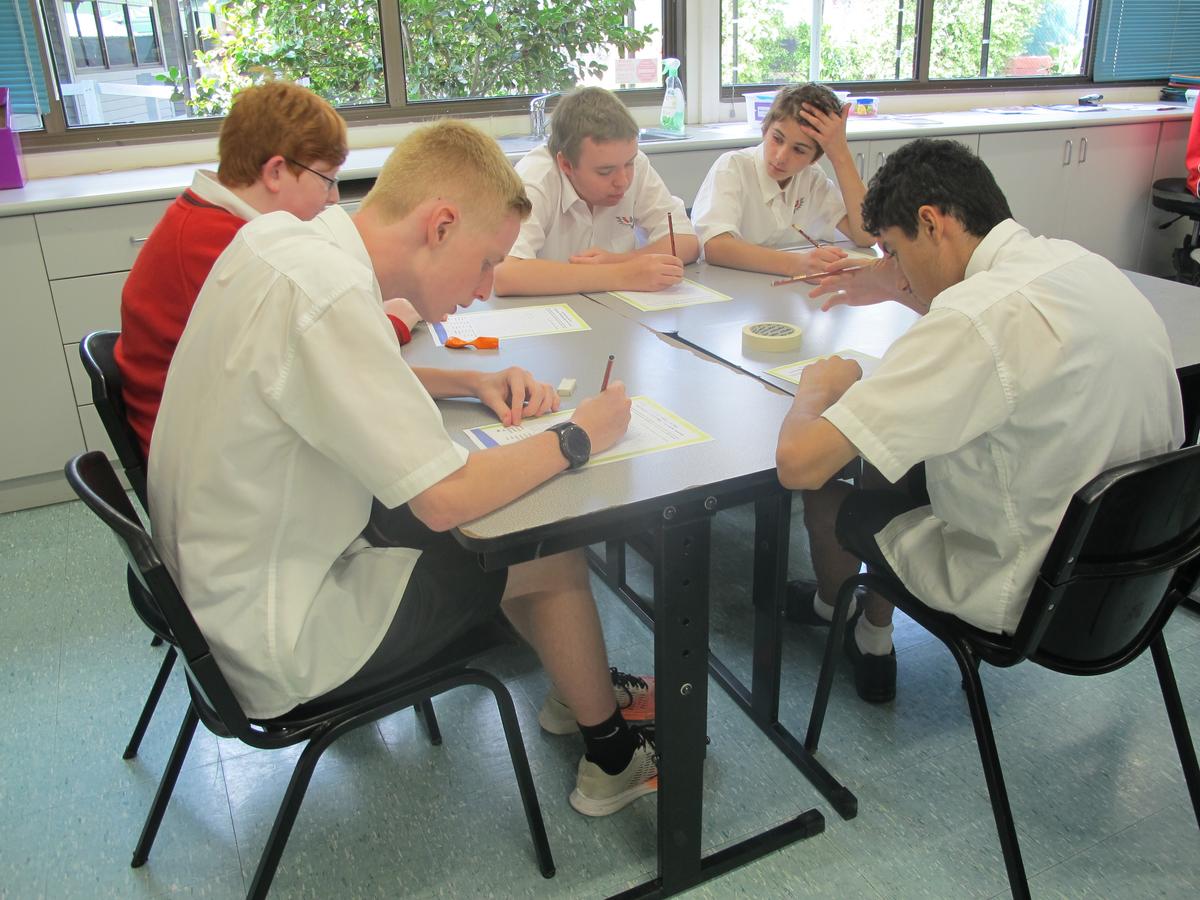
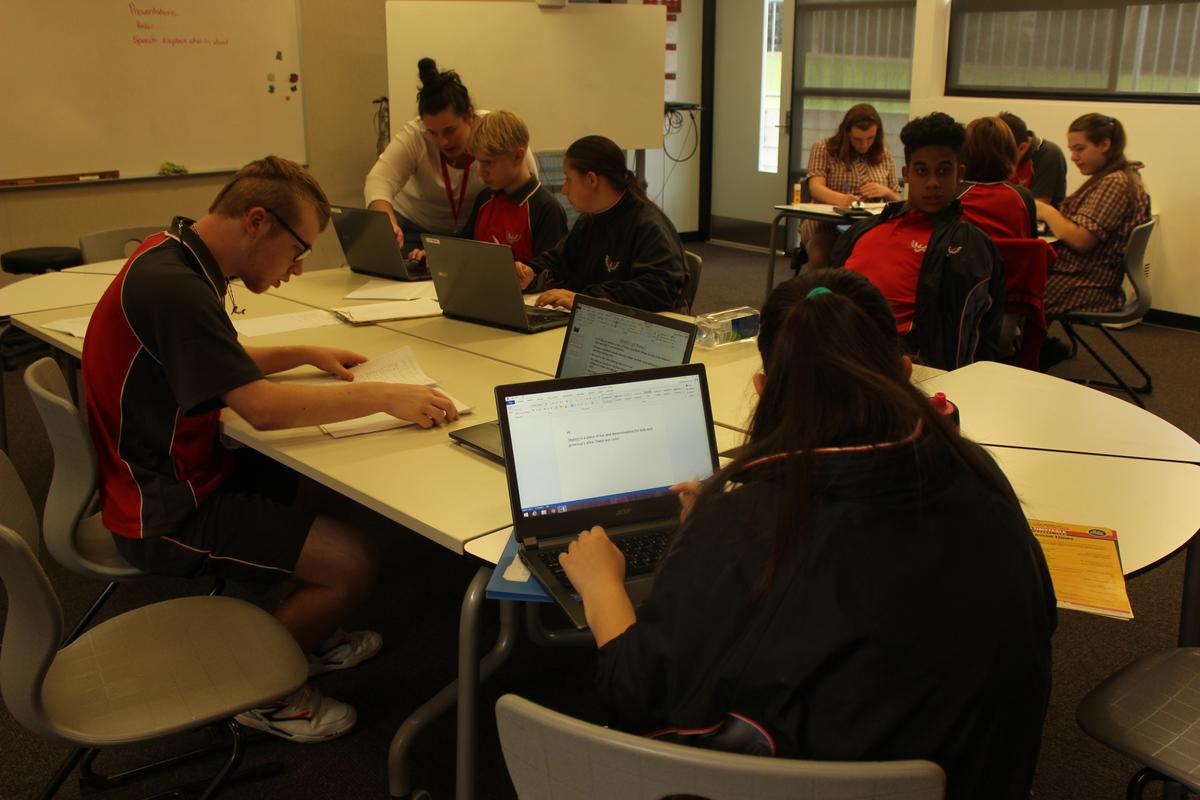
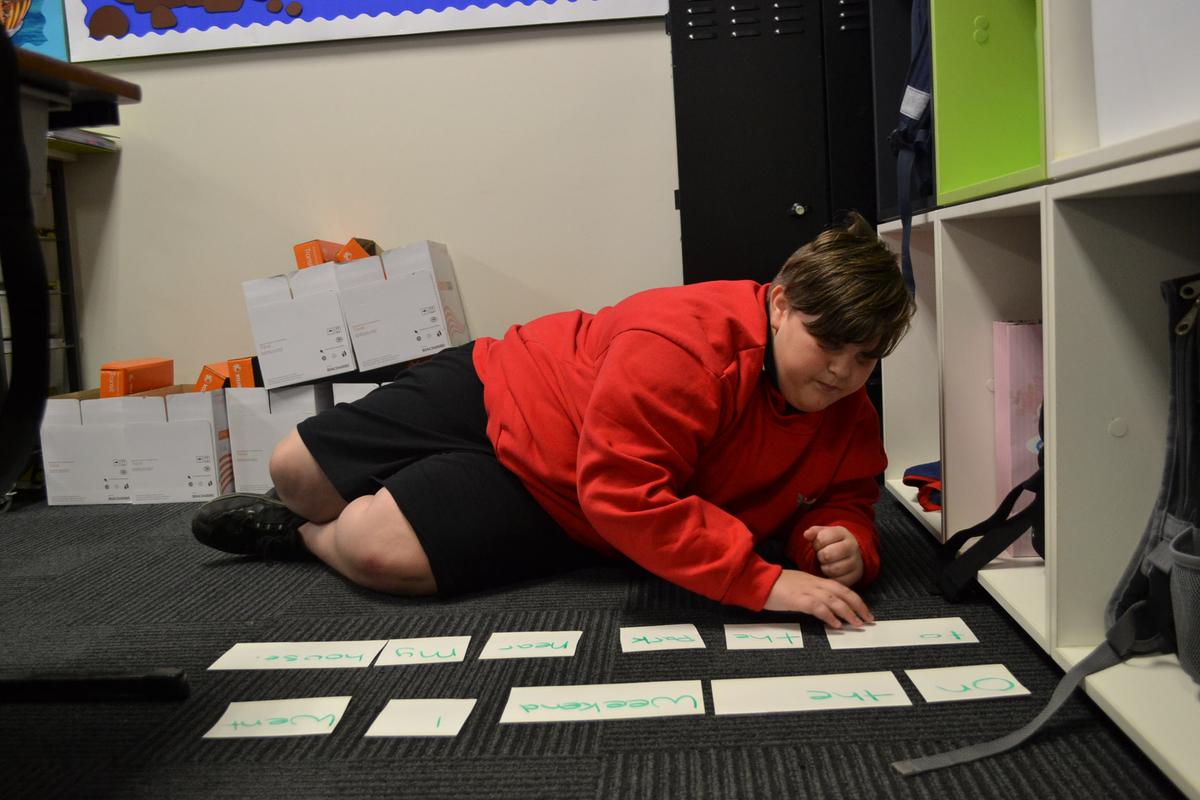
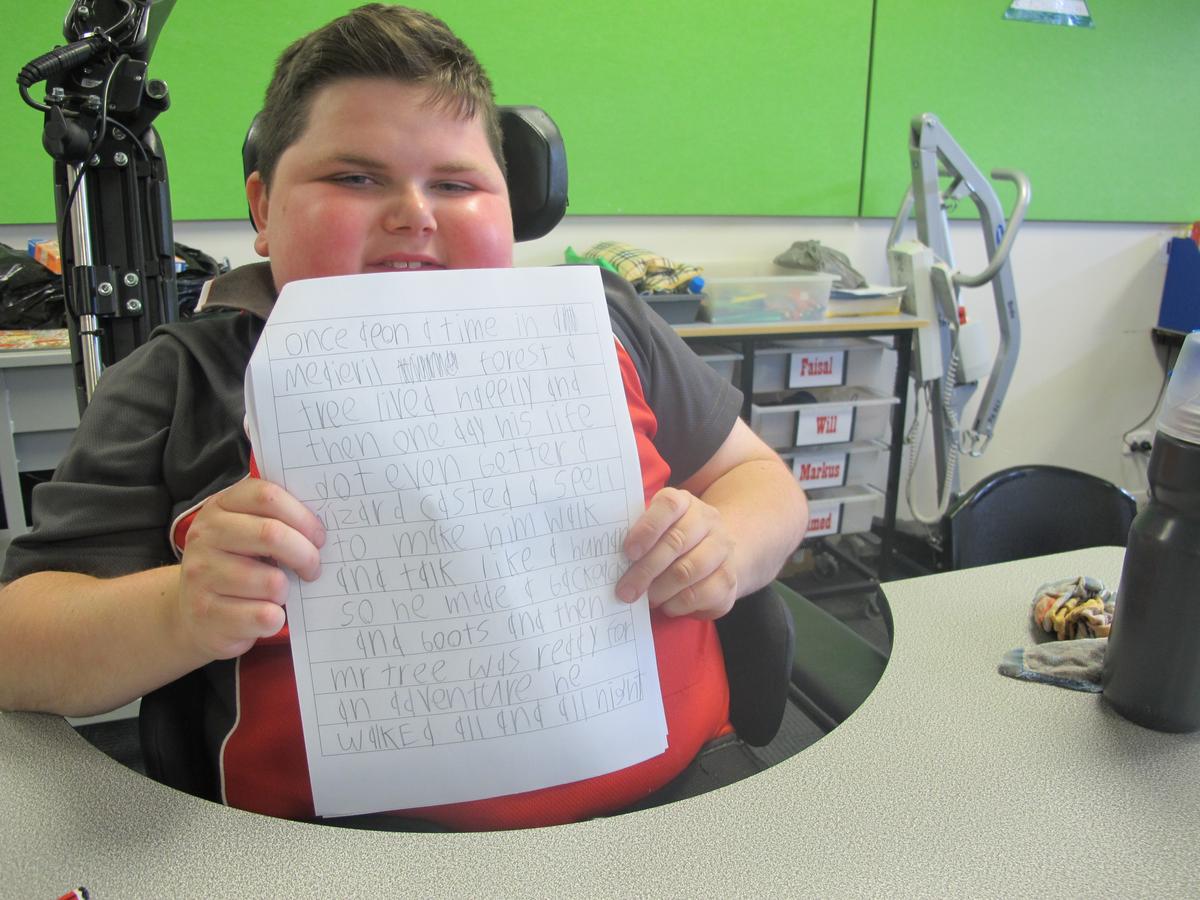
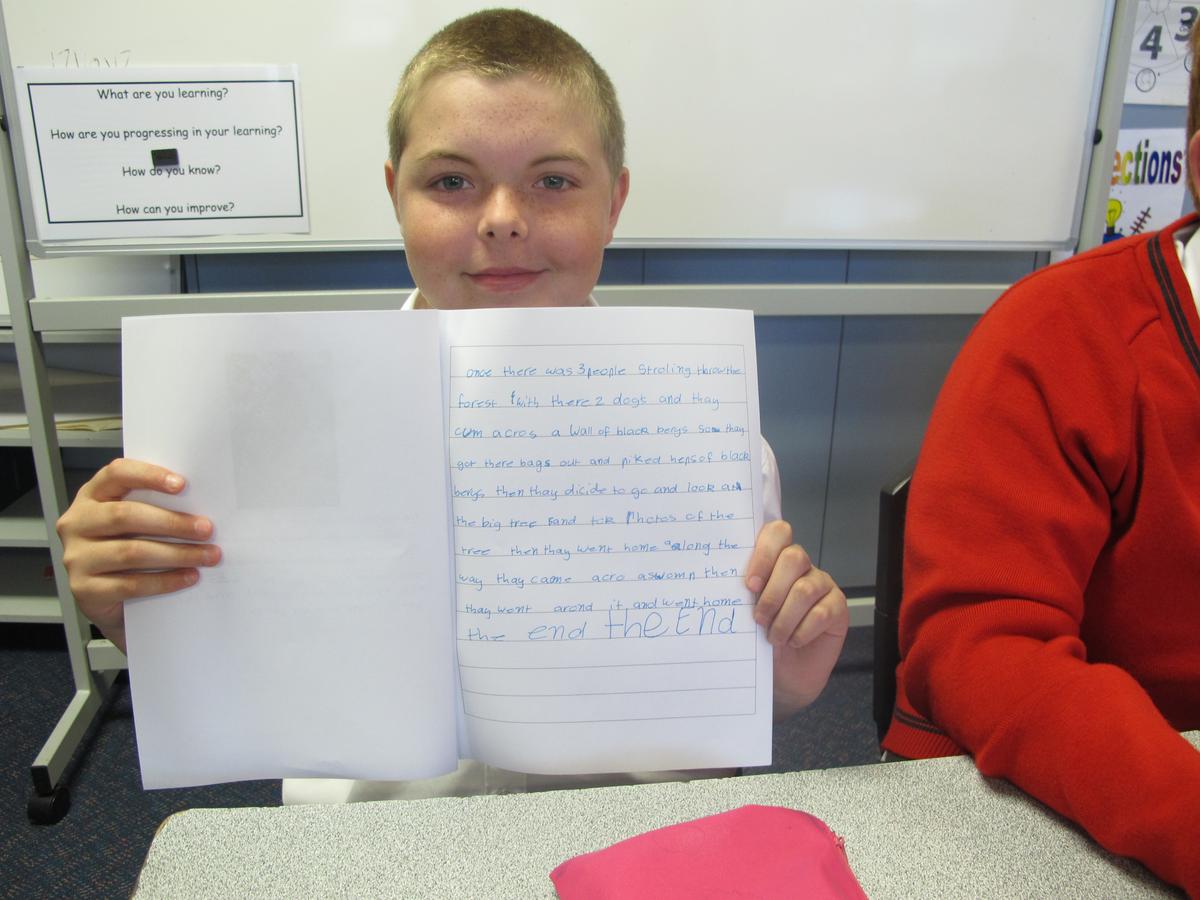
Our writing content is often matched to our integrated unit topics. Our aim is to expose the students to all of the text types and make it meaningful by aligning the content to what they are learning about. Students are reading and writing recounts about our community topic and are learning about the specific features of that text type. It has been excellent to see some entertaining student diary and personal story recounts in Secondary classes that demonstrate the correct features of this text type. The students have set the scene with who, what and where details and have sequentially ordered their events. I’m looking forward to seeing the Secondary 9/10 newspaper recounts featuring their integrated unit excursions and experiences.
Integrated Learning
This semester the integrated unit focus at Concord School is Community. Students in Foundation to Year 10 (F-10) are undertaking different inquiry learning through-lines related to the concept.
Lower Primary students are engaged in stories of the past. They are learning about storytelling traditions and how they may be used to pass on important cultural knowledge, such as Dreaming. They will listen to, read and view traditional stories now told using writing, illustrations and digital forms as well as drama performance. They will create oral, written and visual texts. Students in
Upper Primary are focusing on the First Fleet. Students are investigating and retelling the stories of the convicts on the First Fleet to gain an understanding of the first European settlement of Australia. They will present their stories in print, digital journals and living history montages. Students will also explore the great journey of exploration and the contact with the Indigenous people of the land.
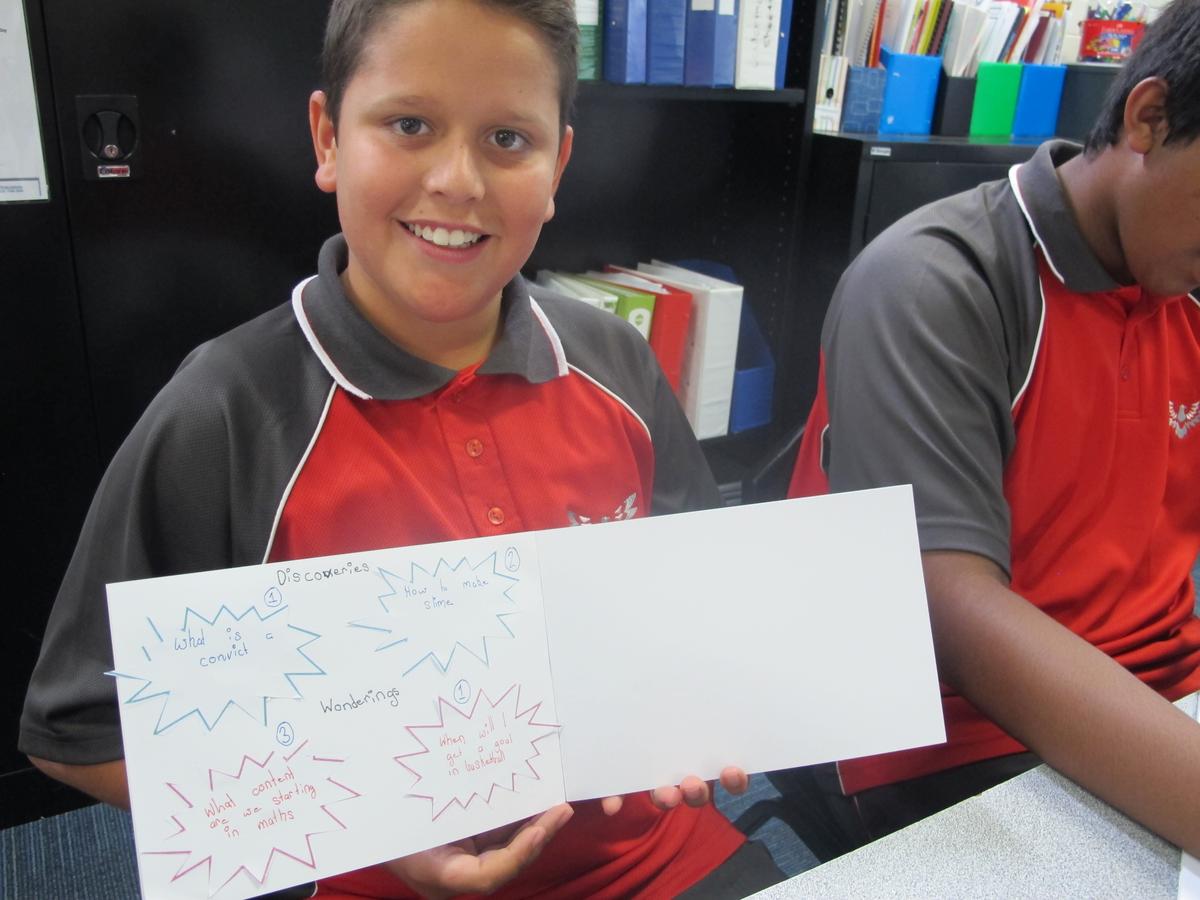
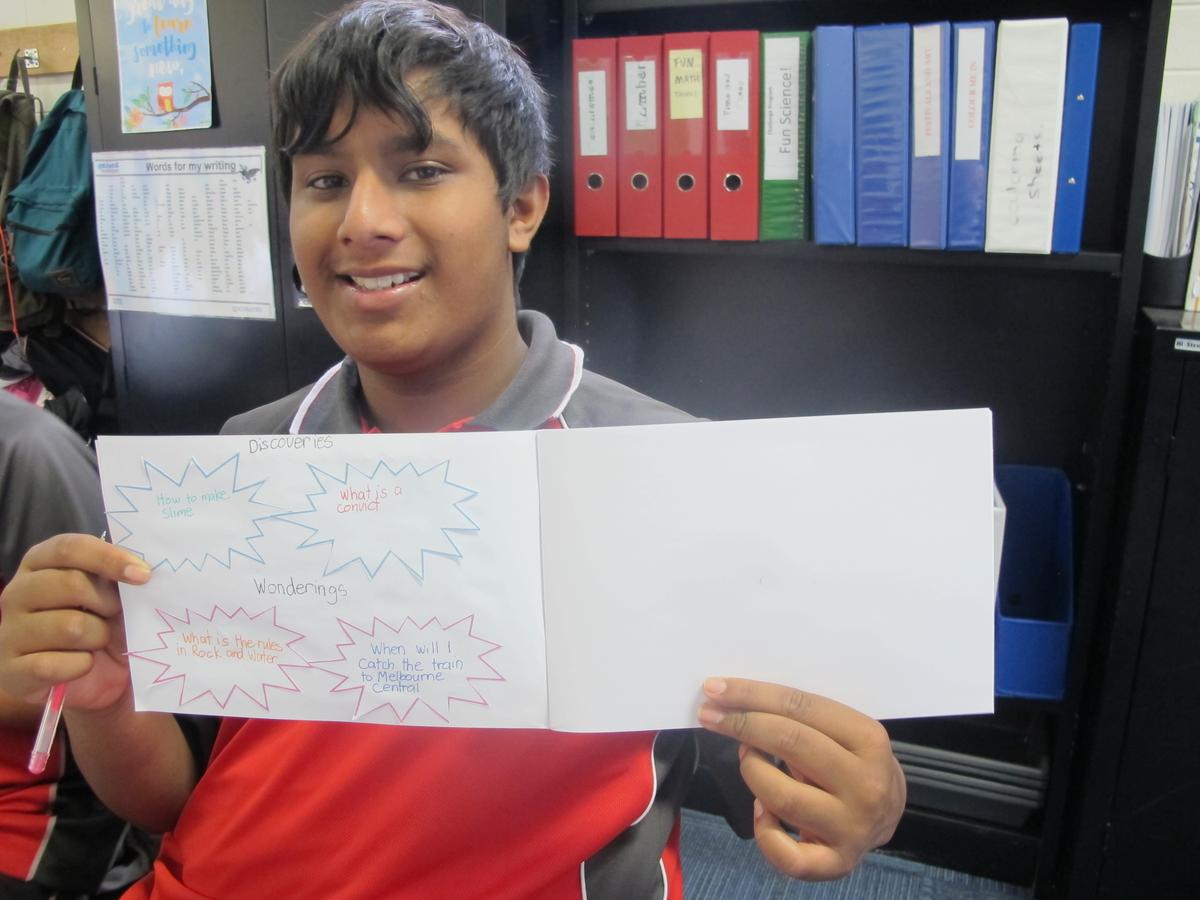
Secondary 7/8 students are immersing themselves in the Australian Colonies. Currently they are using thinking tools such as ‘discoveries’ and ‘wonderings’ to anticipate what they know and need to find out about early Australia. Over the next few weeks they will explore the early European discovery of Australia and visit Captain Cook’s cottage. They will also investigate Aboriginal heritage and the impact of settlement on our indigenous people as the nation building progressed.
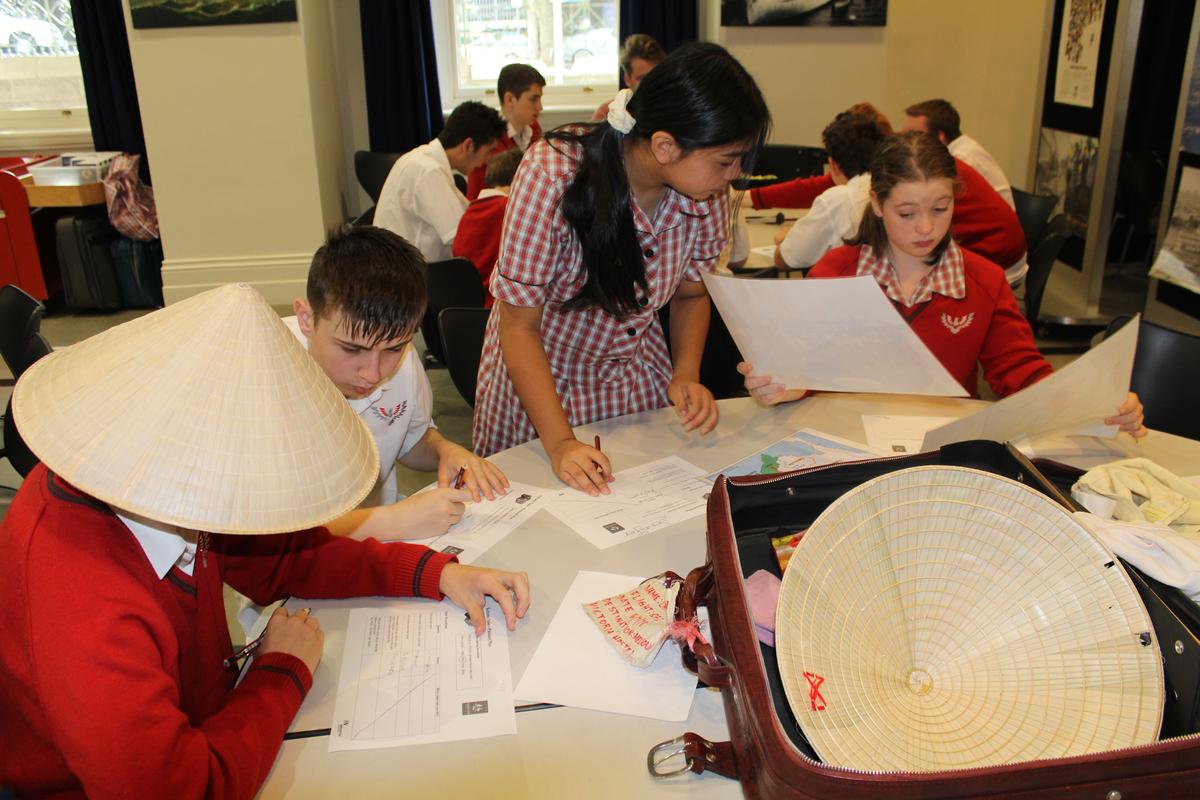
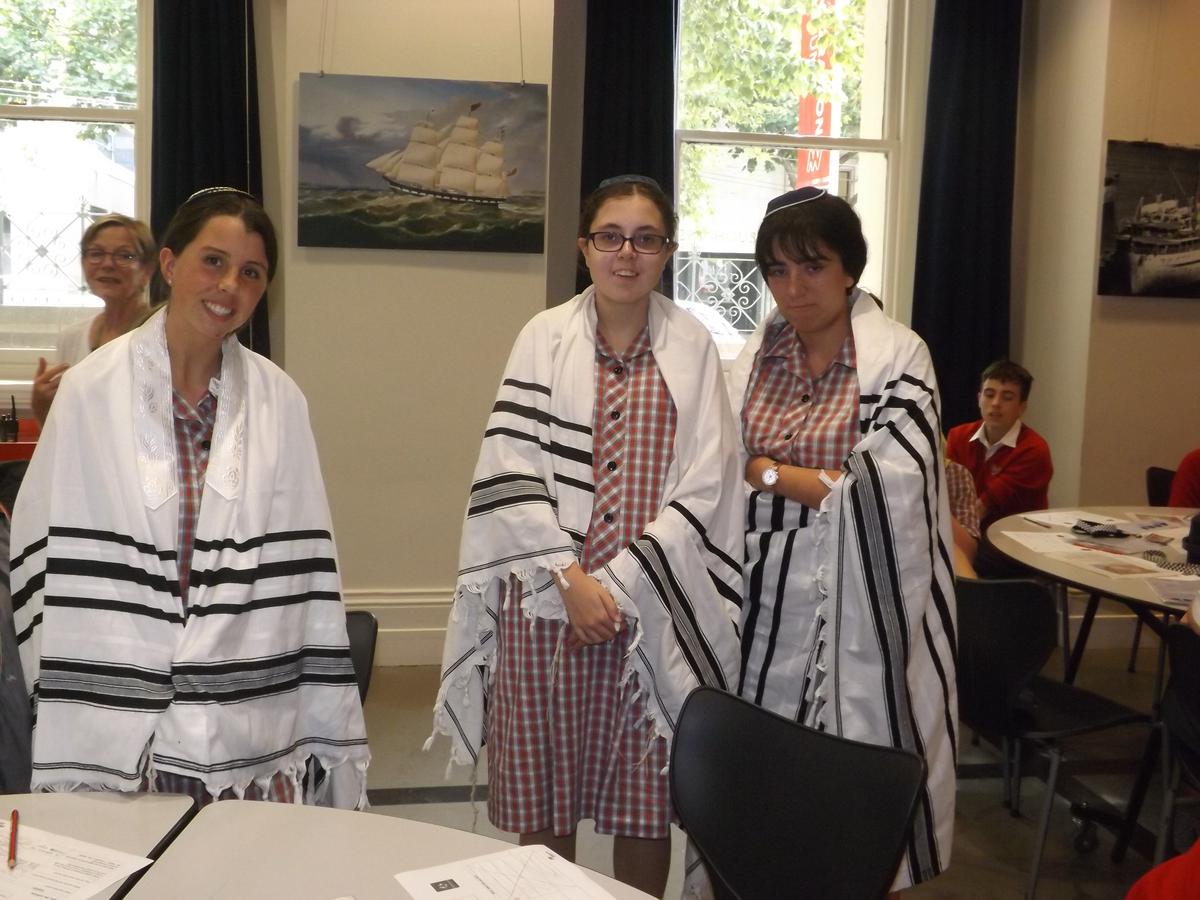
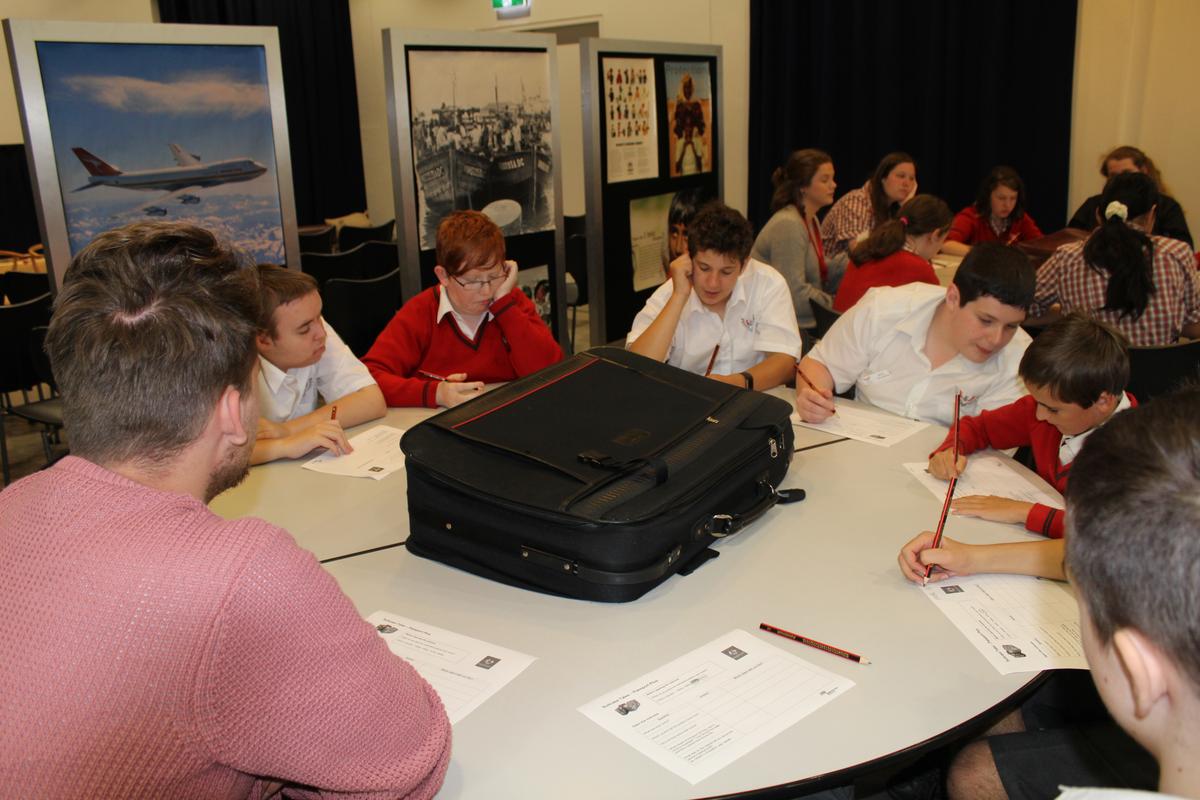
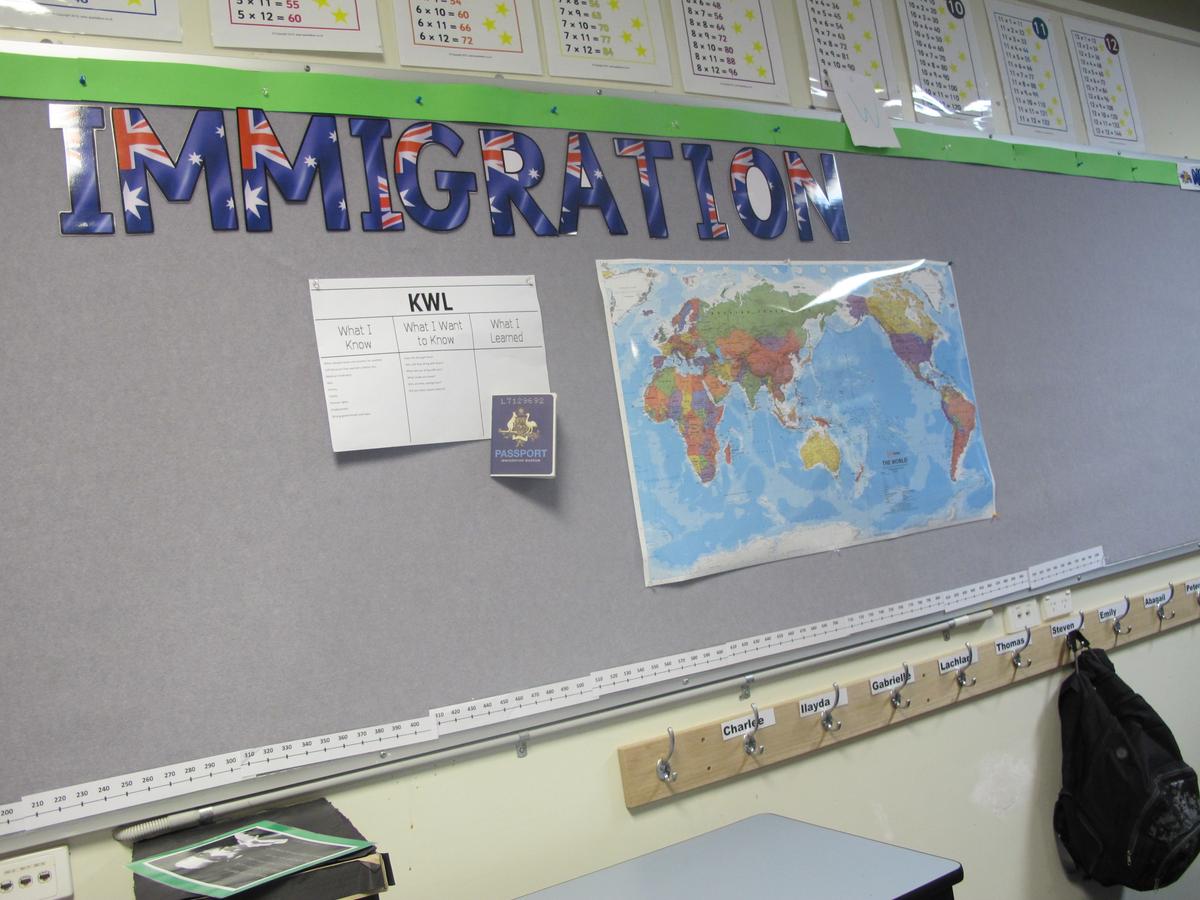
Immigration is the overarching theme for Secondary 9/10 students. Already some classes have visited the Immigration Museum to immerse themselves in what it means to be Australian. They will delve further into the significant events in Australia’s history which have enriched the population and culture and have contributed to the development of an Australian identity. They will also explore the symbols, emblems, commemorations and celebrations which reflect national values.
All F-10 students will have a chance to demonstrate their inquiry skills as they pose questions about their topics and integrate available information to explore ideas. The students will identify and provide reasons for their point of view, and, in secondary classes, they will be encouraged to justify changes in their thinking.
Discovery Centre
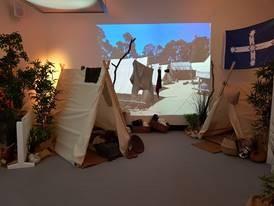
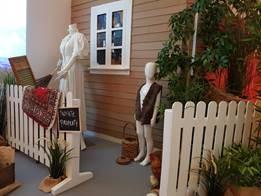
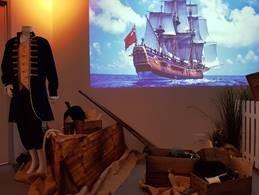
Our amazing Discovery Centre has been transformed this semester to support our integrated Community theme. There are hands-on multi-modal learning opportunities for all four learning through-lines.
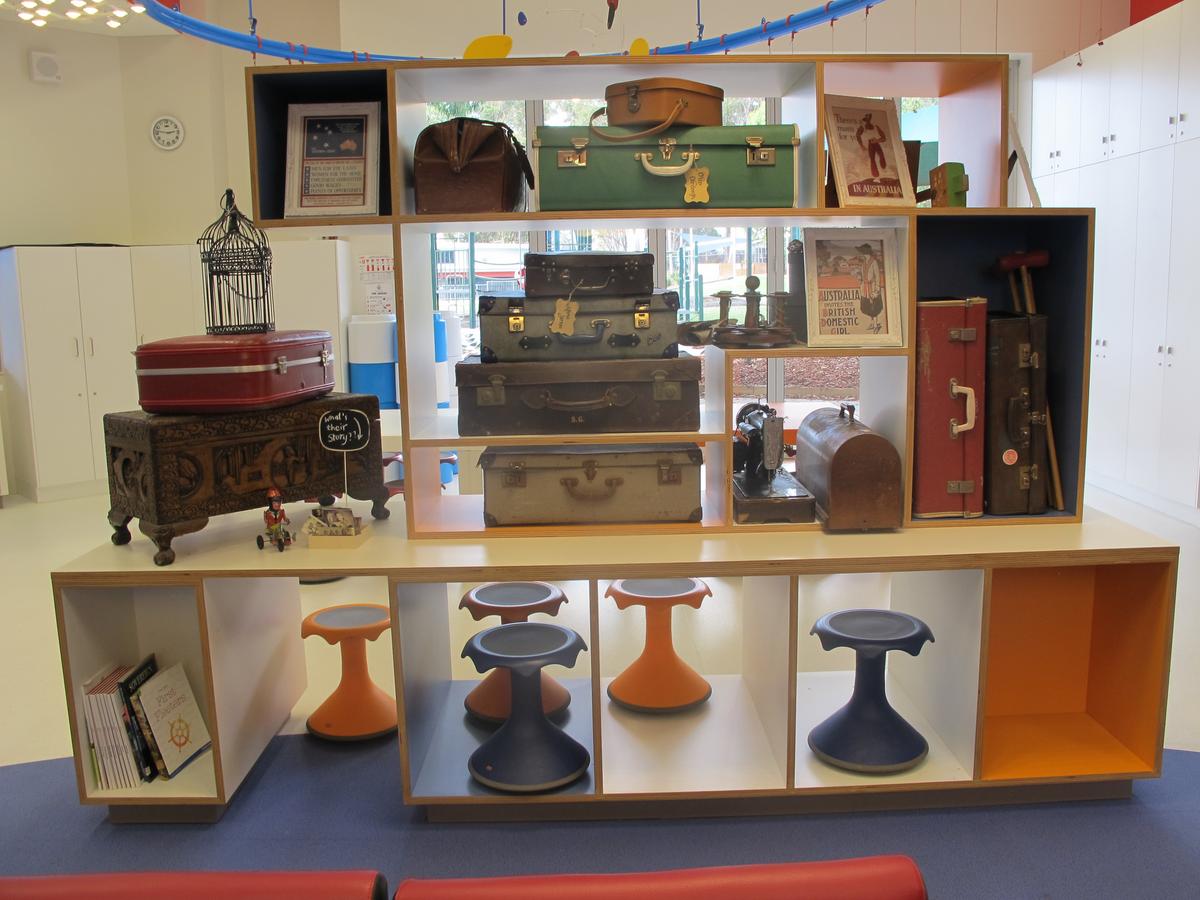
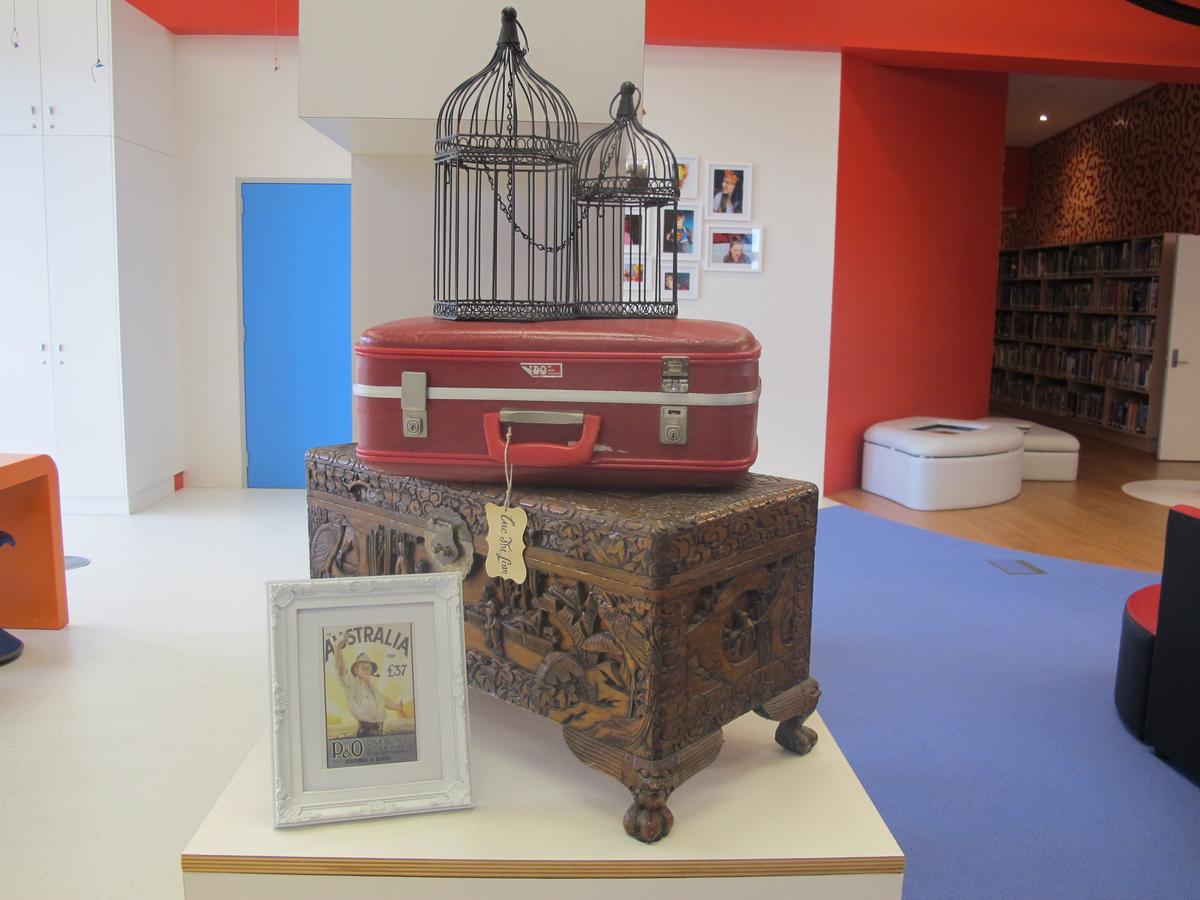
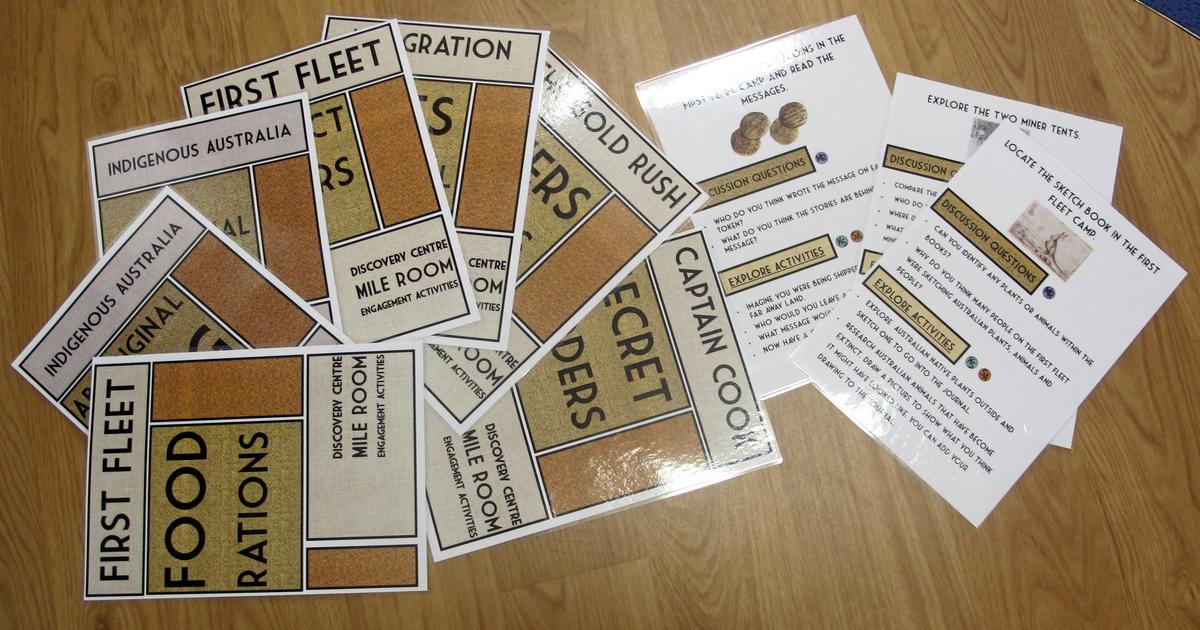
The MILE room has been artistically arranged to transport students back to the past to a time when Europeans first settled in Australia. Displays follow a basic timeline commencing with the arrival of Captain James Cook, the First Fleet and ending with the Gold Rush. Students can explore a range of scenes and artefacts that depict the influx of immigration throughout Australian History. They can also investigate significant historical events and reflect on the impact of settlement on Indigenous Australia. Engagement activity cards assist groups with further interpreting displays and using key artefacts to enrich student knowledge and experience.The Sensory Space features an indigenous campsite inside a cosy cave displaying Aboriginal paintings, symbols and artefacts. Groups can listen to or act out Dreamtime stories, they can play and hear the didgeridoo and transport themselves back to a time before European settlement when Indigenous Australians inhabited the land. There were widespread communities that engaged in their own complex rituals, symbolism, dance, art and language. This information has been passed down generations through Dreamtime Stories. A campsite provides an ideal ‘meeting’ place for students to engage with Indigenous tales and explore artefacts.
Social Competencies
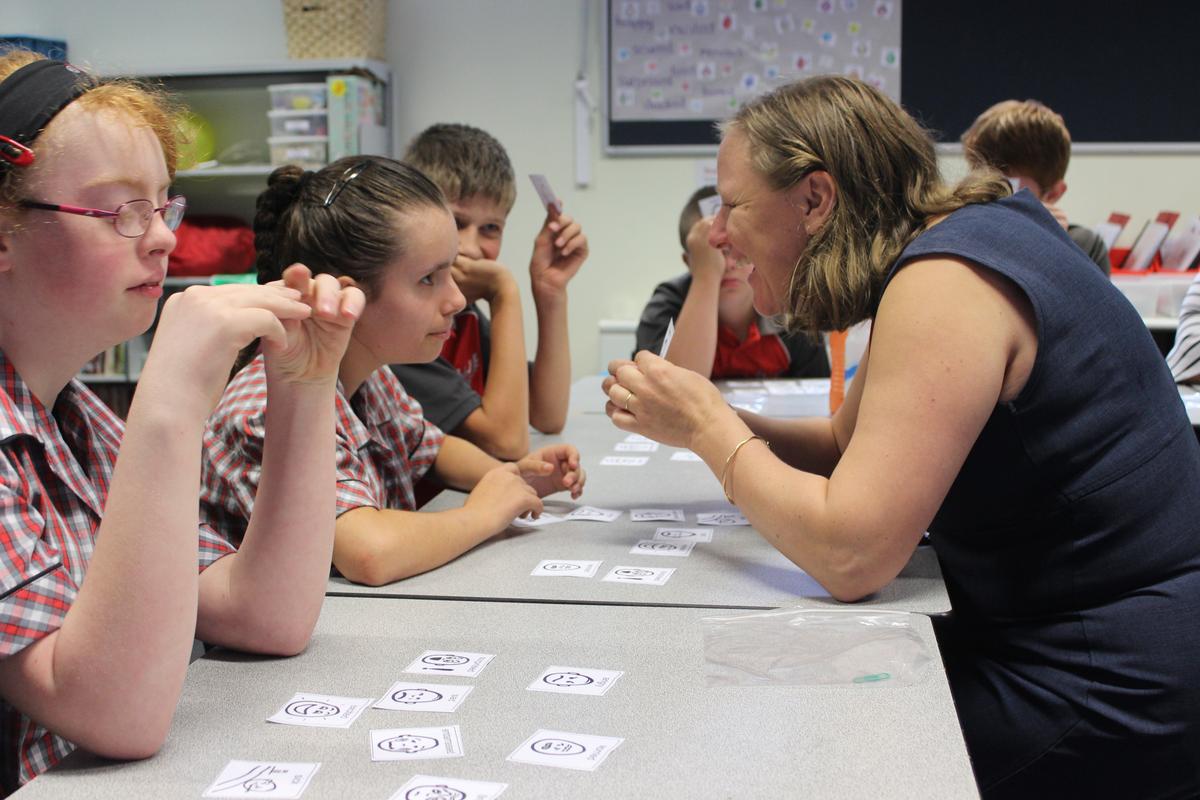
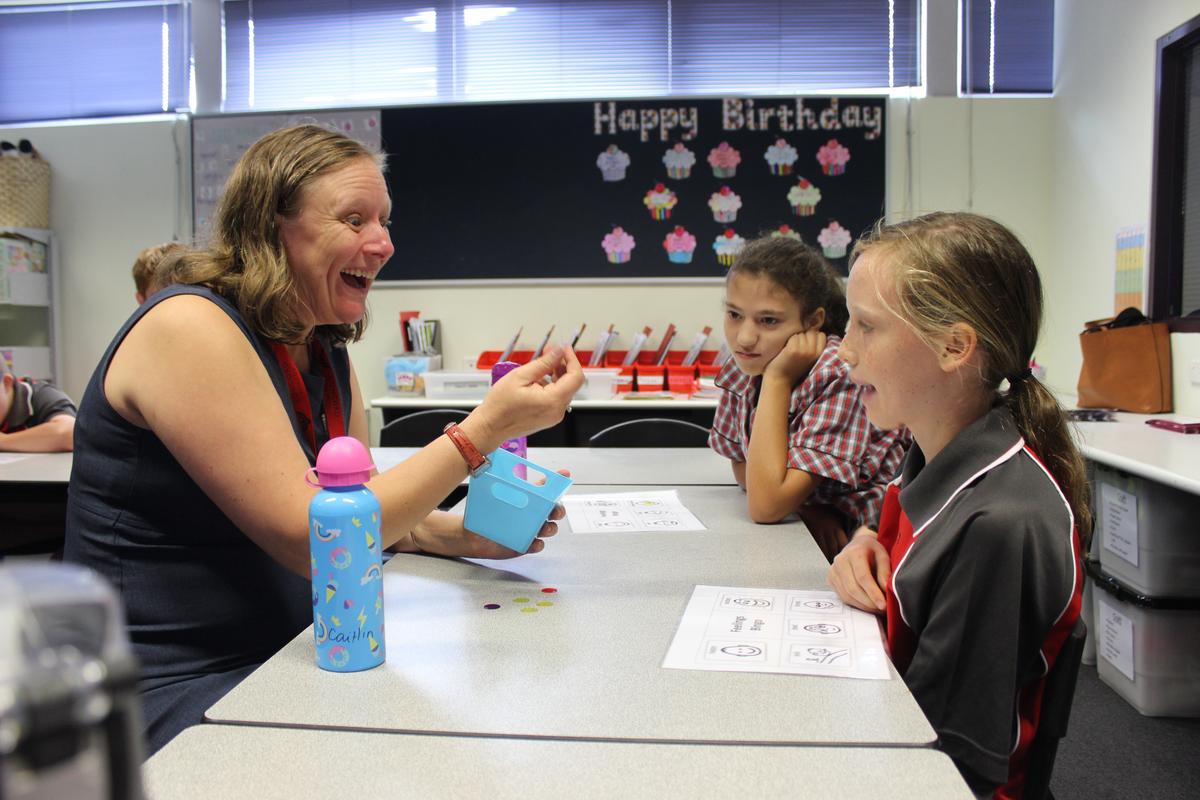
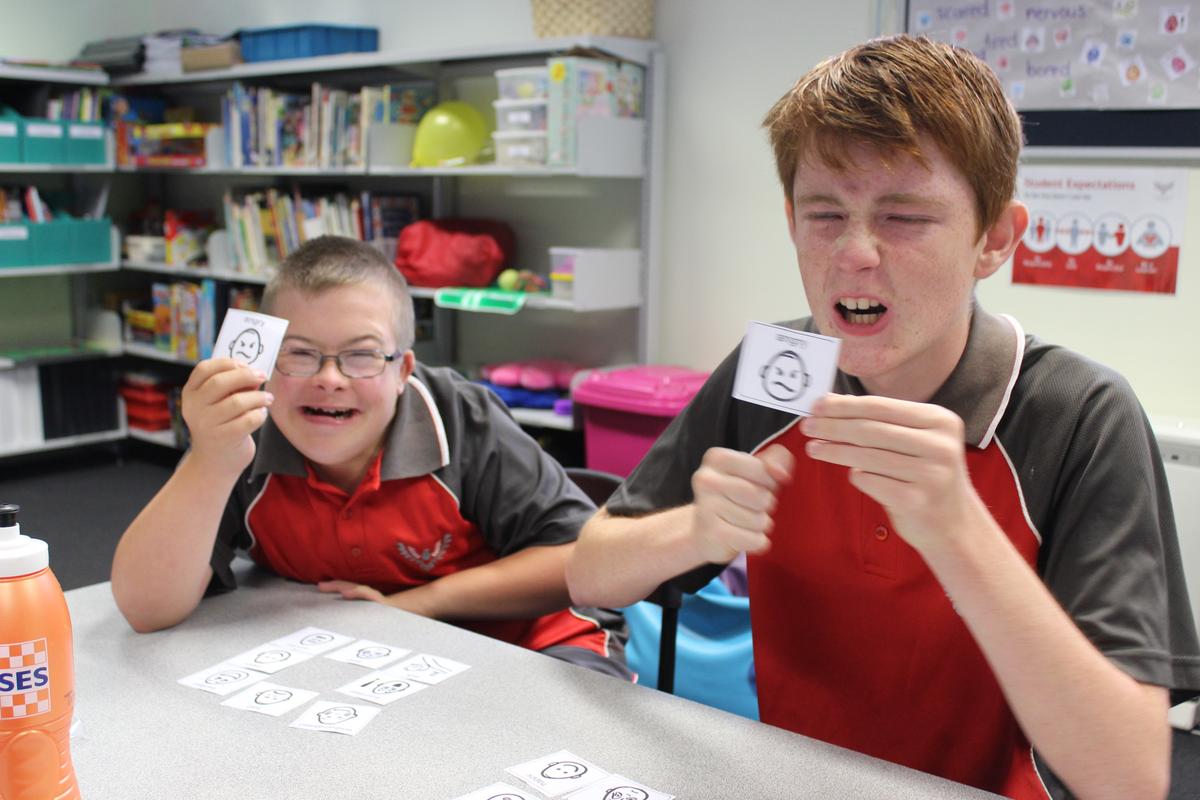
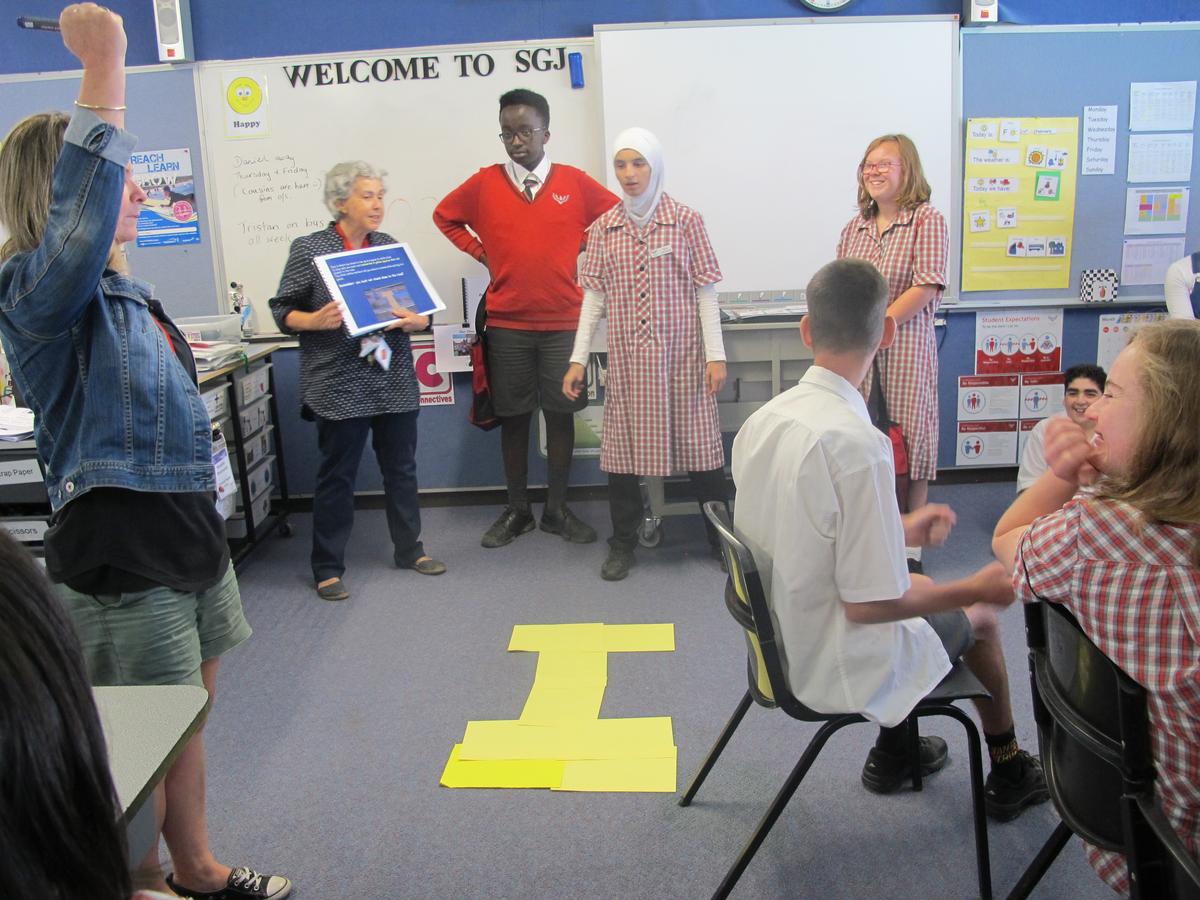
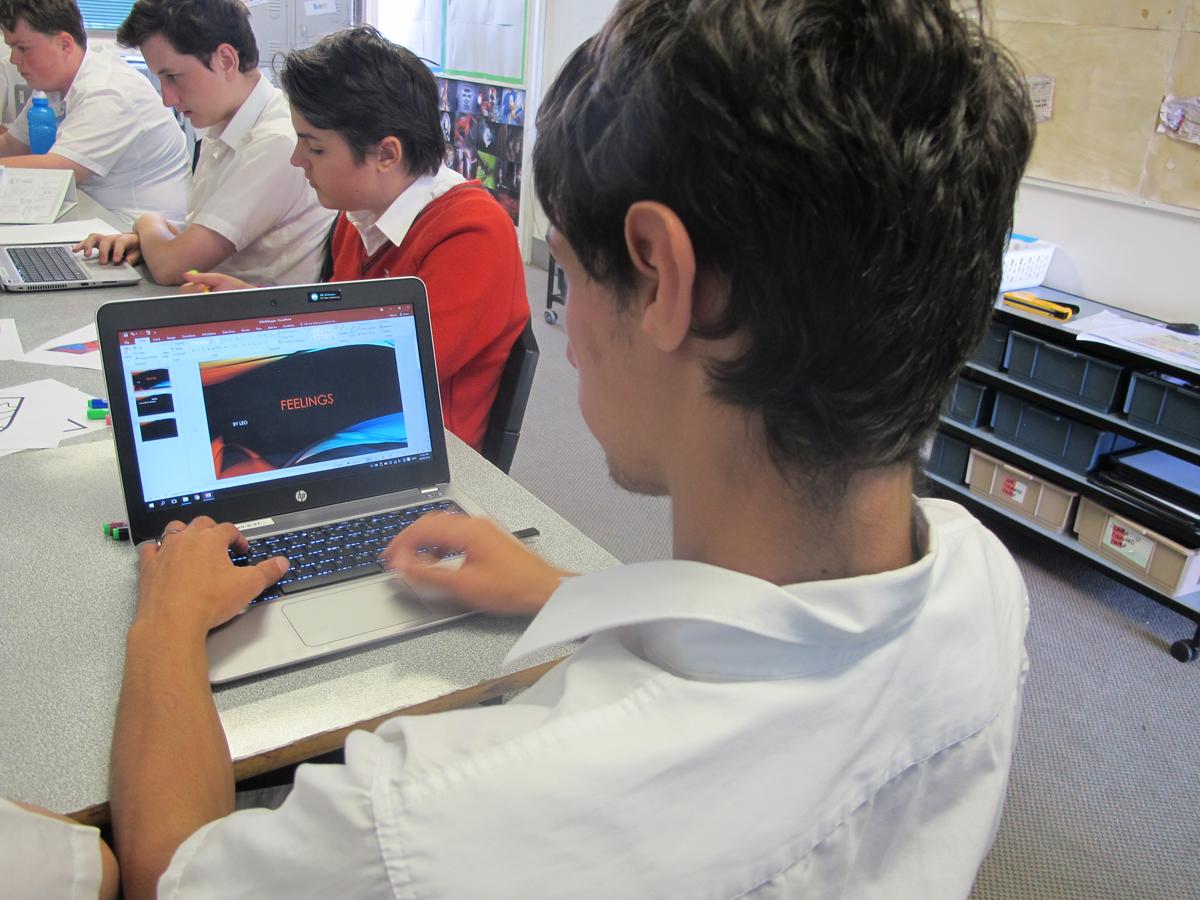
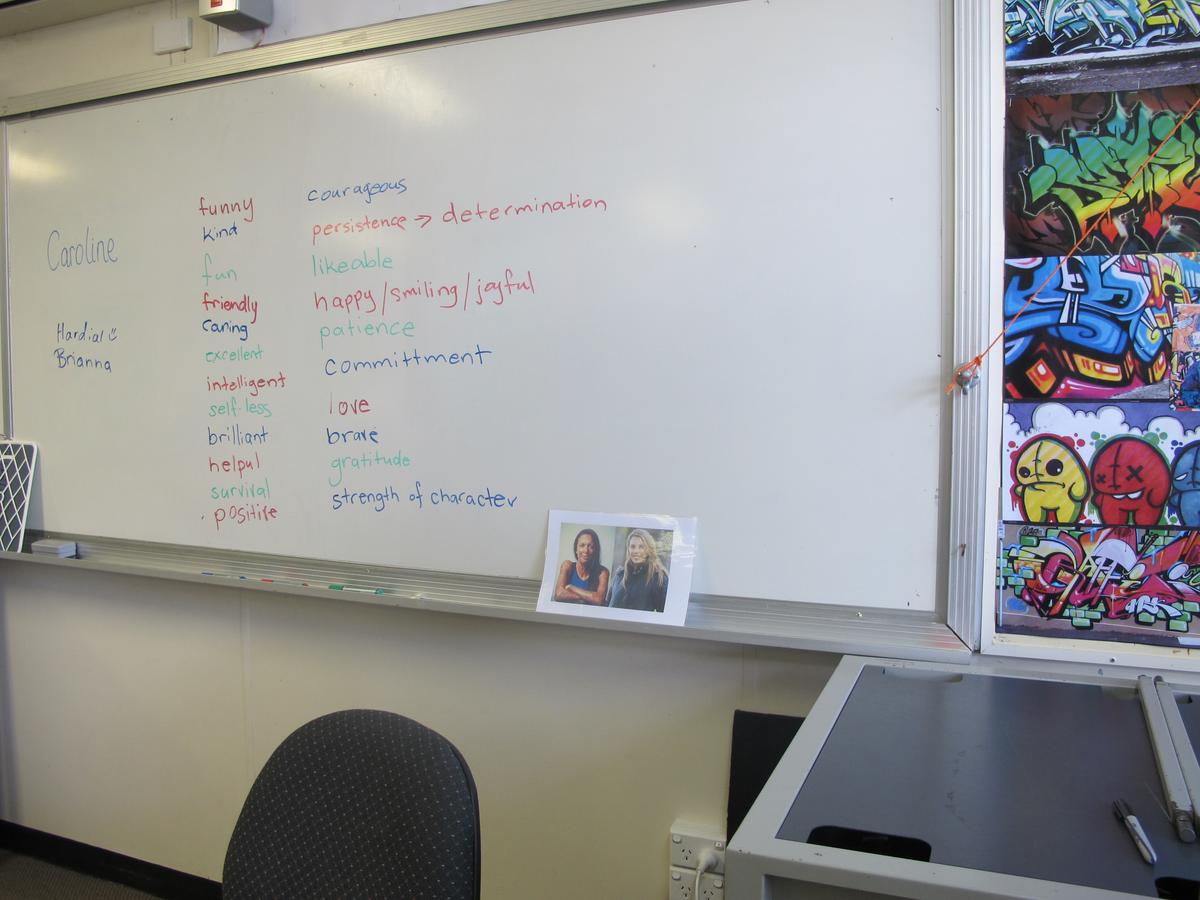
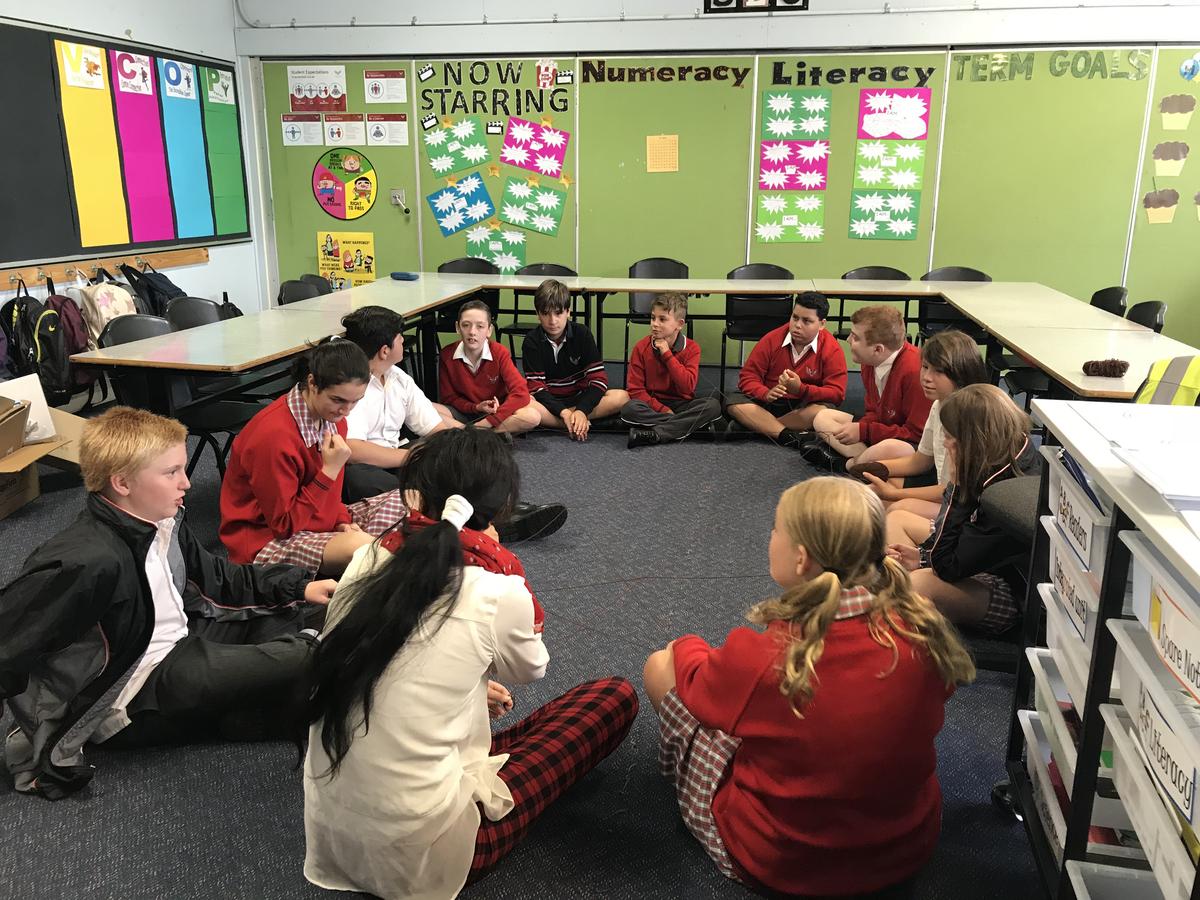
At Concord social competencies are integrated strongly through all classroom programs. In addition, each week specialist teachers instruct students on specific Social Competencies skills. The content focuses on developing the social and emotional capabilities that all young people need to acquire in order to be successful in school, experience well-being and have positive relationships including making contributions to others and the community. These explicit lesson skills are then followed up by classroom teachers throughout the week. Social Competency lessons over the next few weeks will continue to focus on identifying different feelings and how students feel when they are experiencing those emotions. Last week I observed some keen Secondary 9/10 students brainstorming a diverse range of words to describe emotions. Students then worked, independently or in pairs, and confidently chose one emotion to investigate and present in PowerPoint.
PreCAL Program
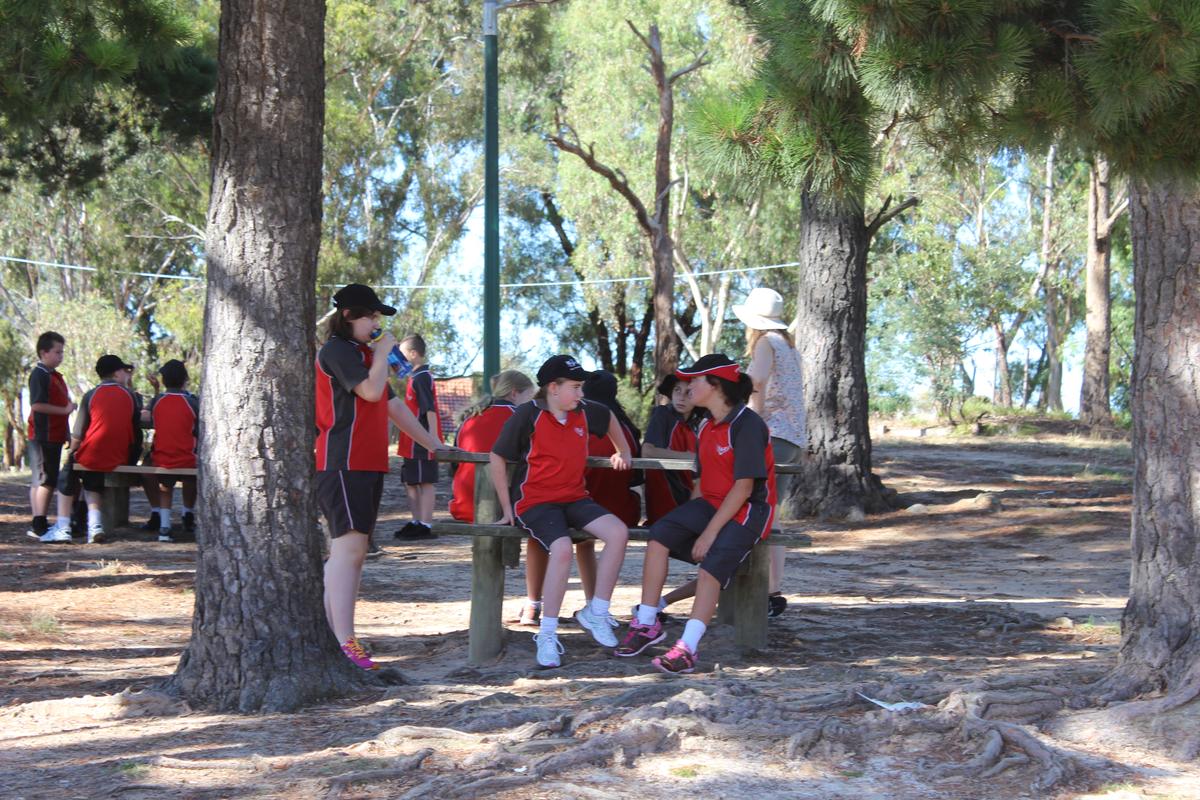
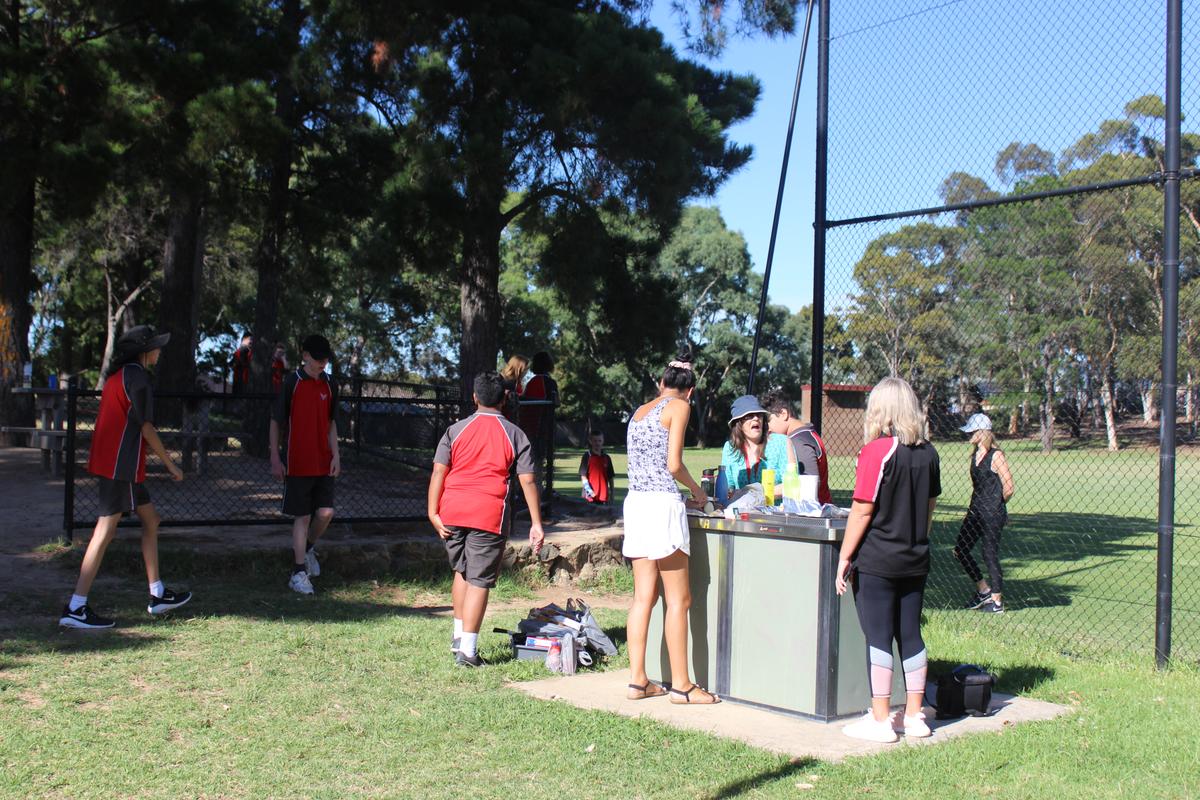
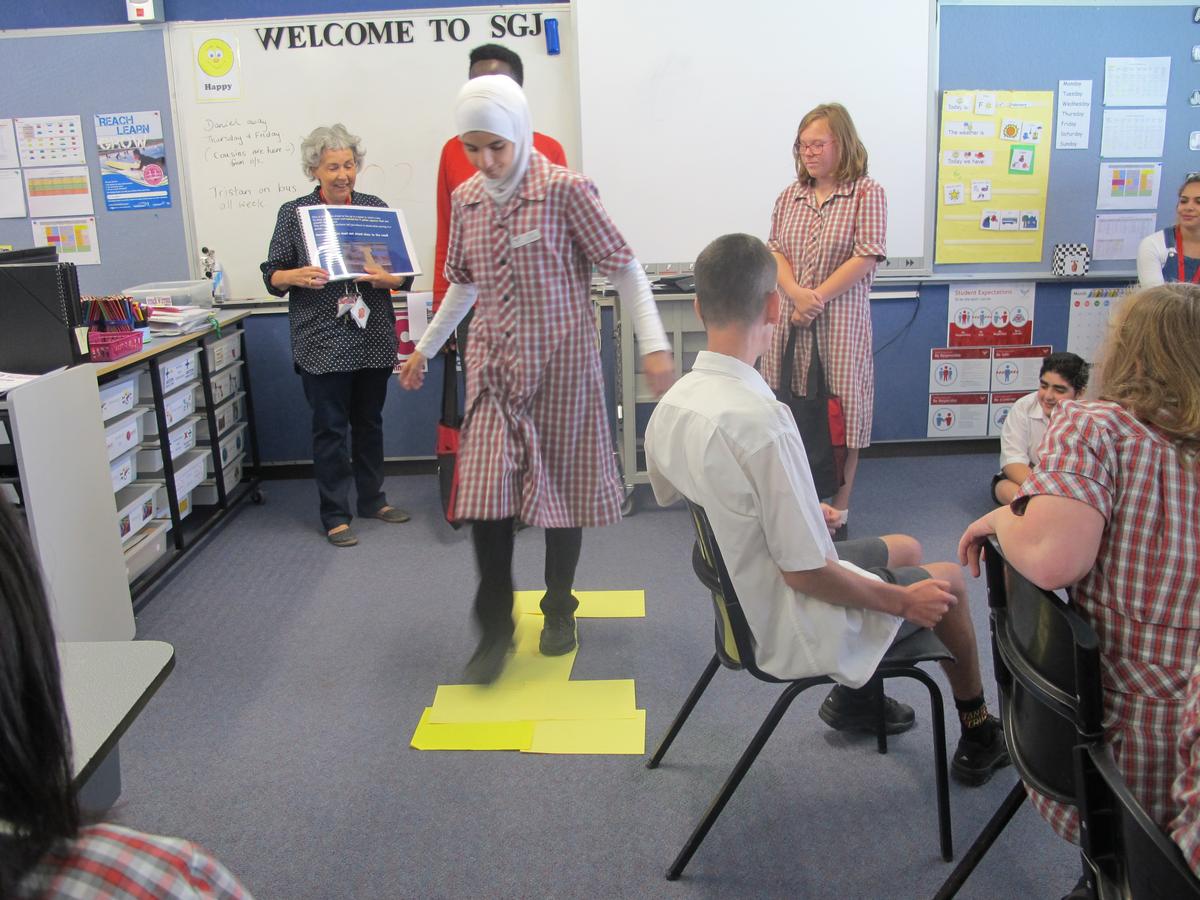
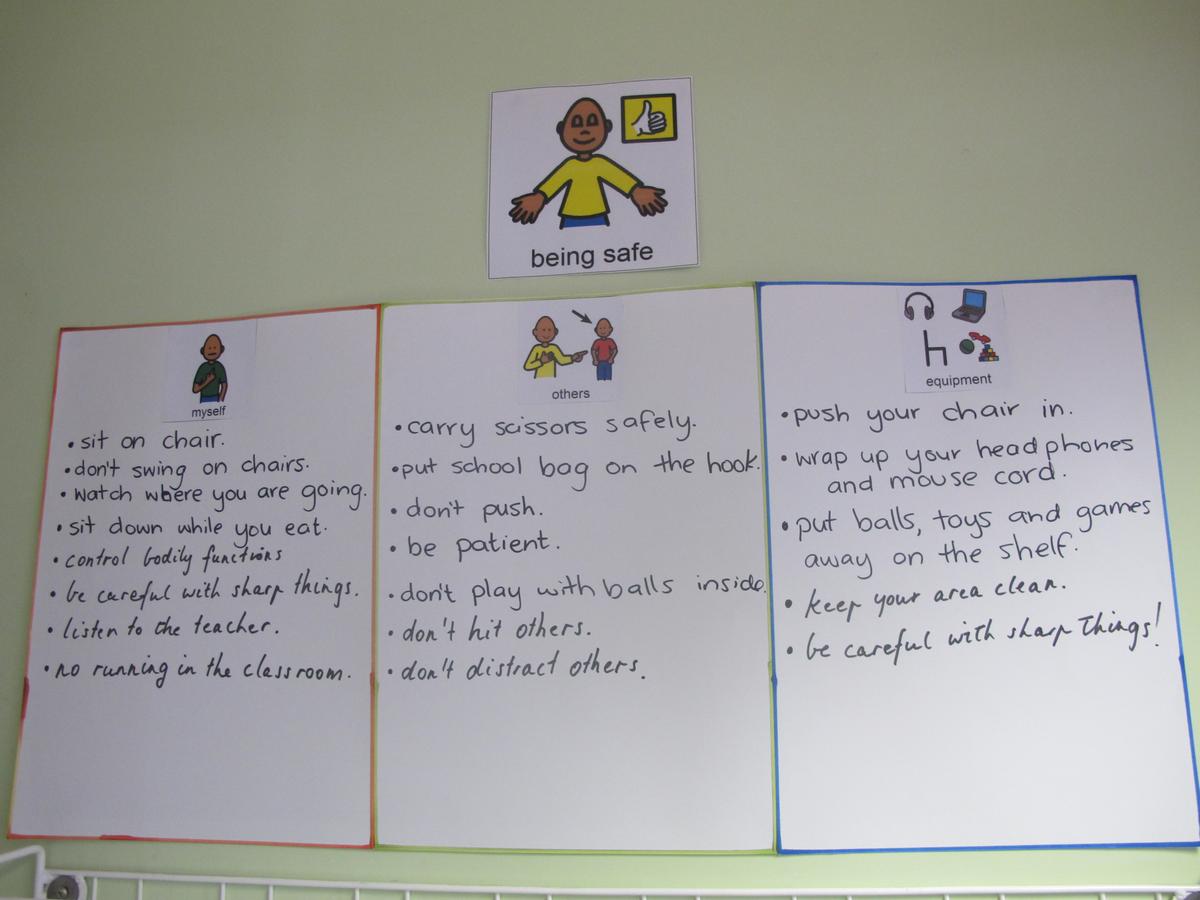
A strong inquiry focus for the PreCAL students this term is safety. The unit begins with; exploring what it means to be safe, identifying safe and unsafe situations, locating environmental signs that help keep them safe and finding out who can help them to feel safe at home, at school and in the community. Later in the term, Secondary 7/8 will investigate emergency facilities and signs at school and in the community. Secondary 9/10 will inspect workplace safety and initially explore how they can find out about workplace safety. Already Secondary 7/8 have closely examined personal safety and classroom equipment safety and created simple posters to guide them. In the next few weeks they will transfer these skills as they practice public transport travel safety whilst visiting Coles and Woolworths to conduct research on products for their end of term section BBQ. Secondary 9/10 have practised group safety: keeping together and following the instructions of the adult leaders as they moved around the school. They will focus on both travel and community safety and combine visits to Aldi’s with explicit consumer spending instruction. These PreCAL experience days will provide a rich context for their learning over the next fortnight.
VCAL Careers and Transitions
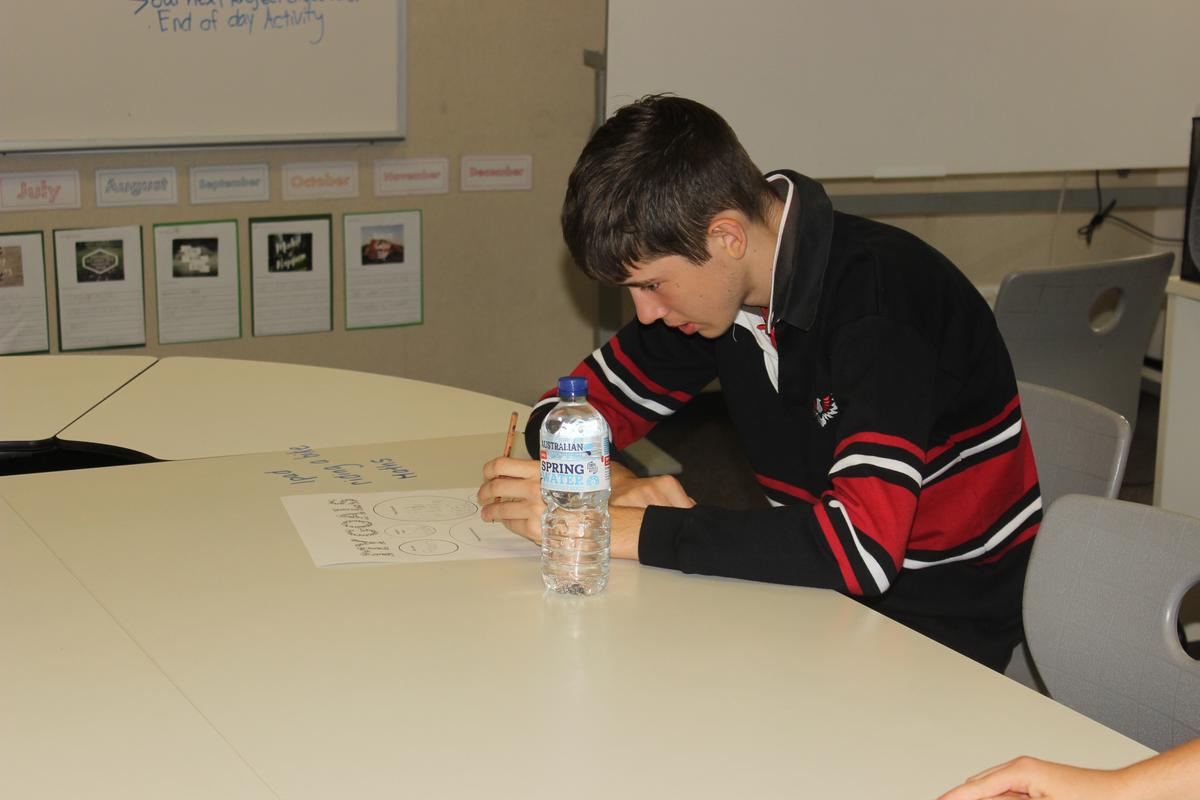
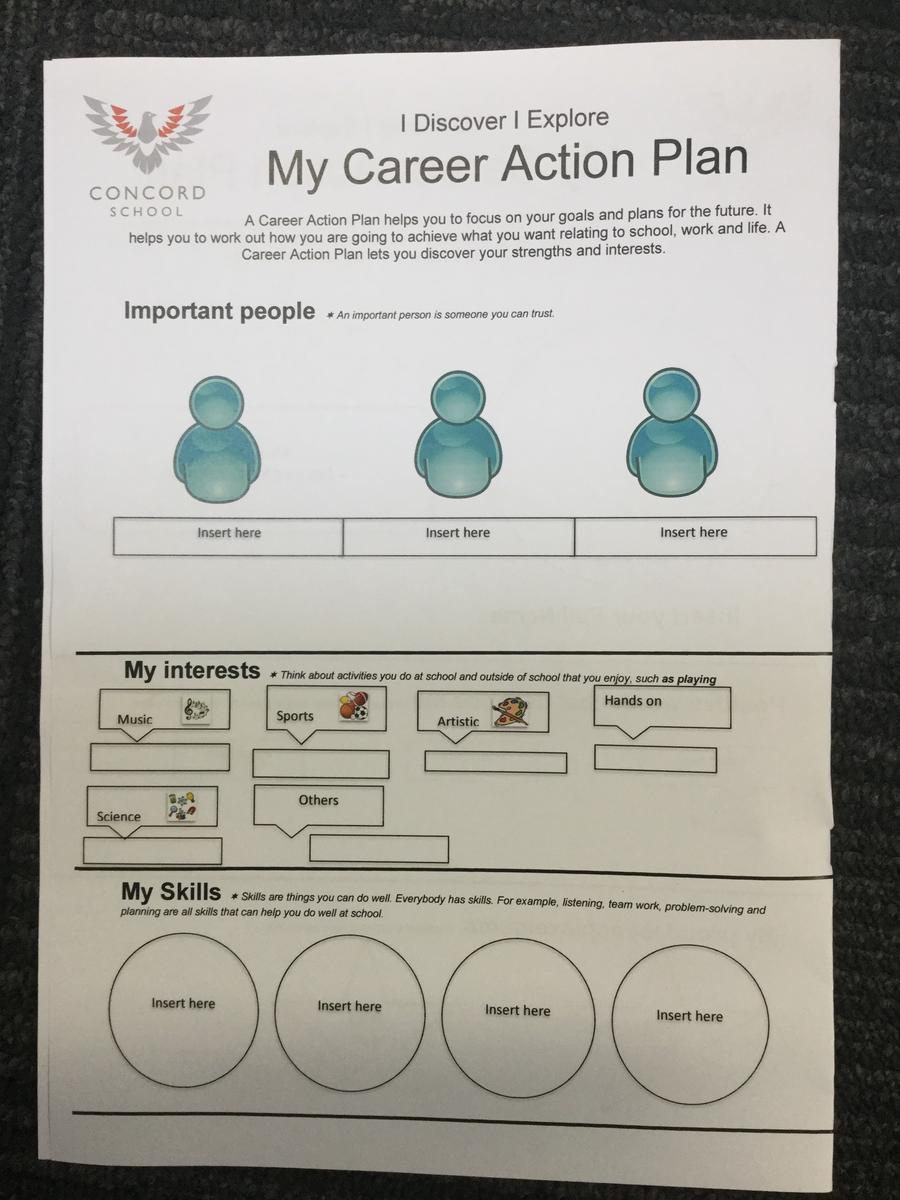
Annemarie Holmyard, our committed Career Education teacher, has already started her important role by working on Career Action Plans (CAPs) with individual students on Monday and Tuesday (afternoons) and every Thursday. The development of a Career Action Plan is designed to assist young people to set their goals, to clarify the actions needed to achieve these goals and to commit to participating in the planned activities. Maintaining a Career Action Plan is an ongoing process, not a one-off activity. The Career Action Plans incorporate the three stages of career development; self-development, career exploration and career management. I look forward to seeing our VCAL students, this term, beginning to assume more ownership of their CAPs and confidently sharing their plans with trusted adults (particularly parents, teachers, carers and community members)
Please note there is a Careers Expo: on Tuesday 6th March. This is a great opportunity for parents and carers of Year 9-12 students to find out more about what the service providers in the community offer your transitioning young adult. Parents are advised to allow 45 minutes to visit all the stalls and get the information they need. Secondary 11/12 teaching staff will be attending.
Specialists
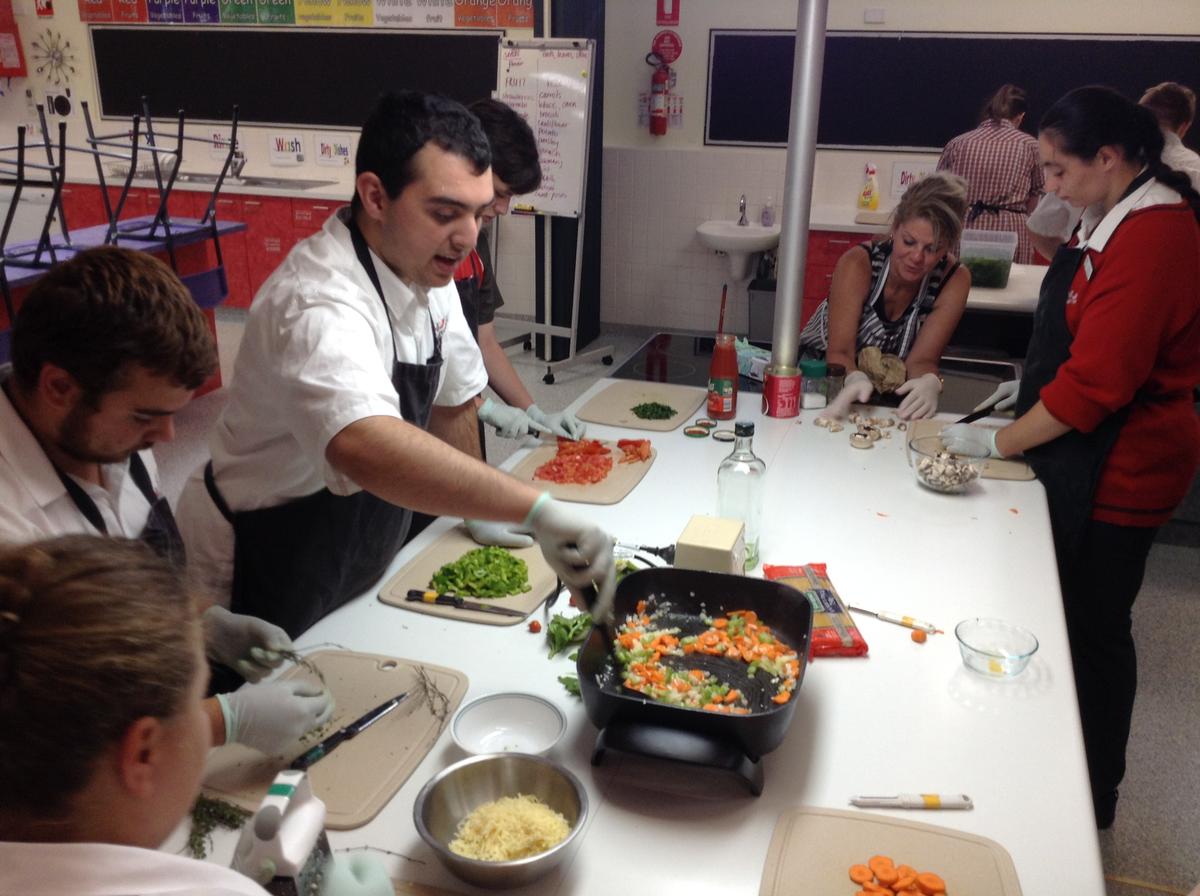
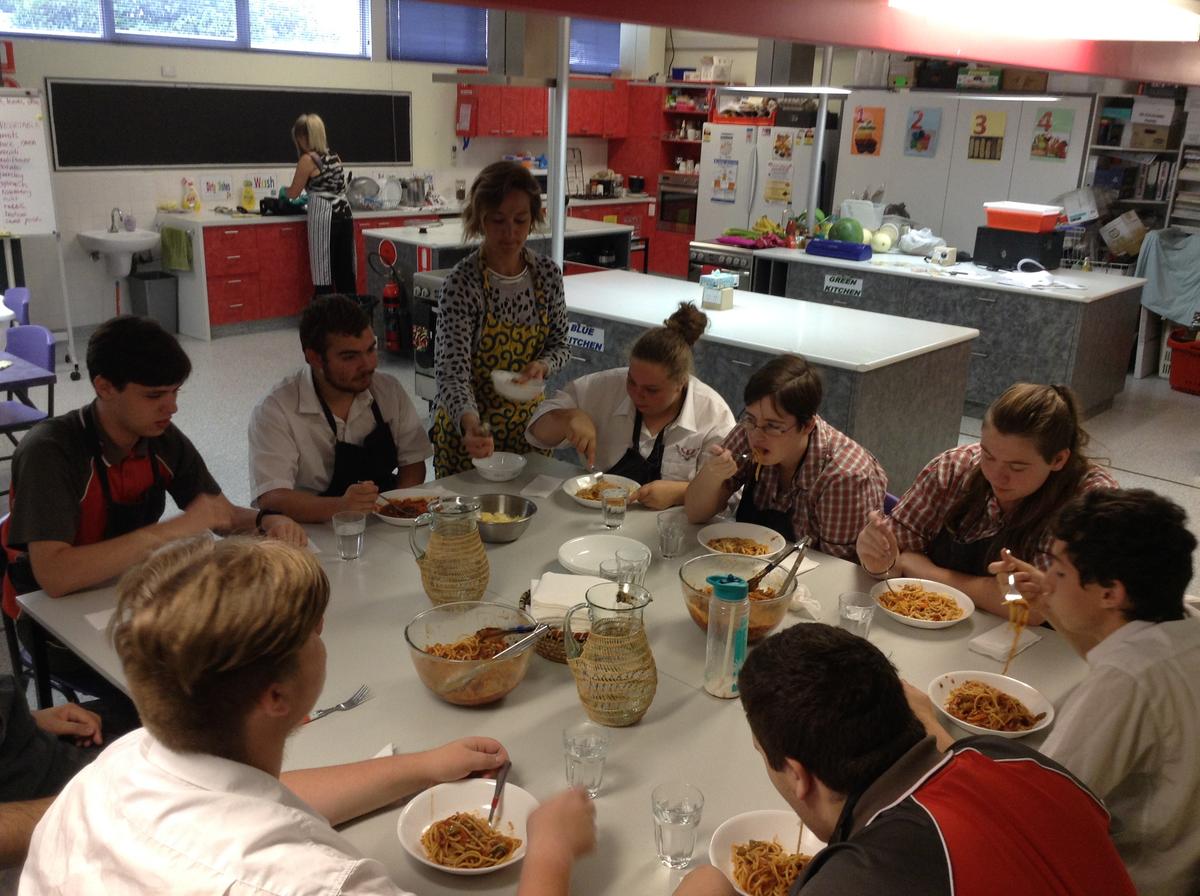
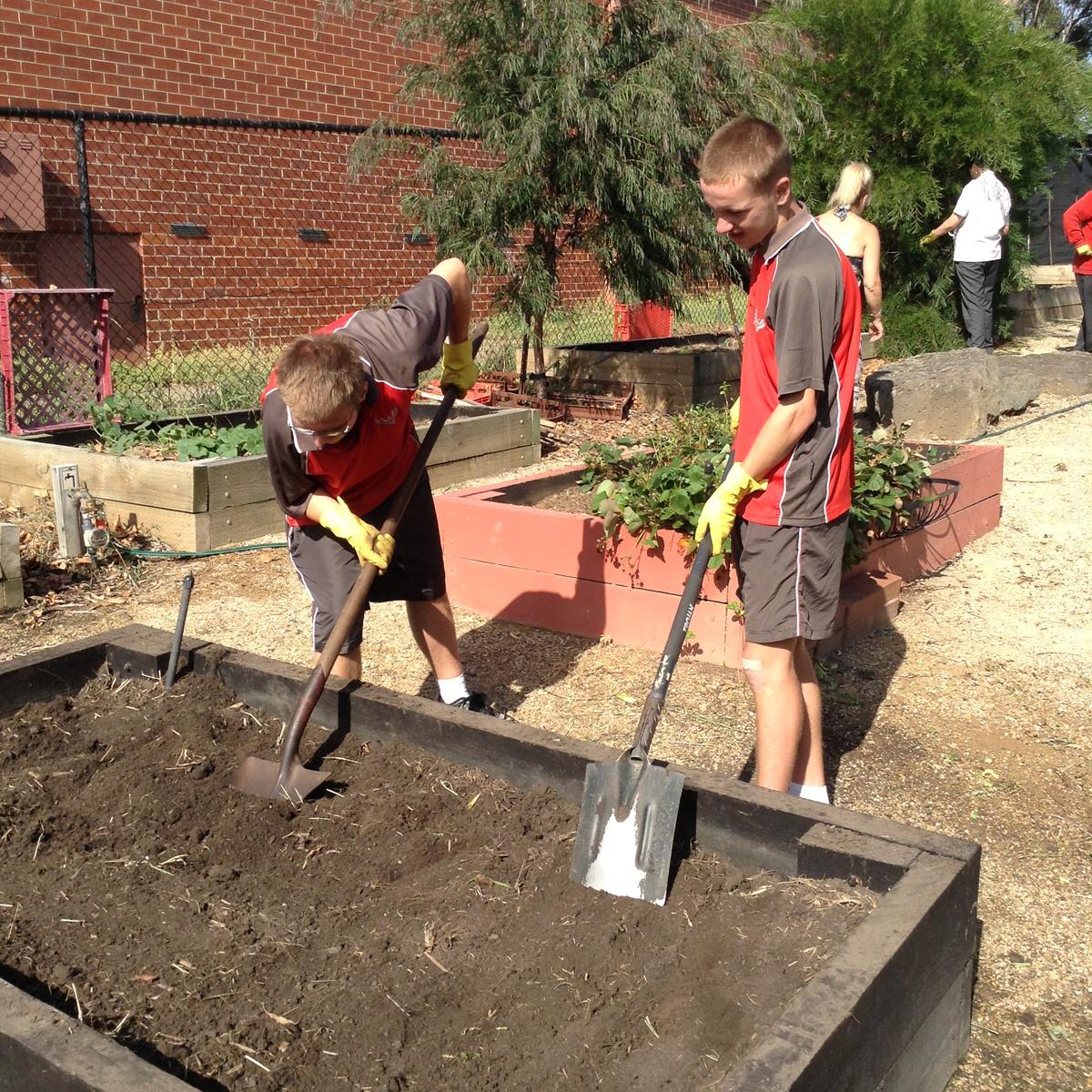
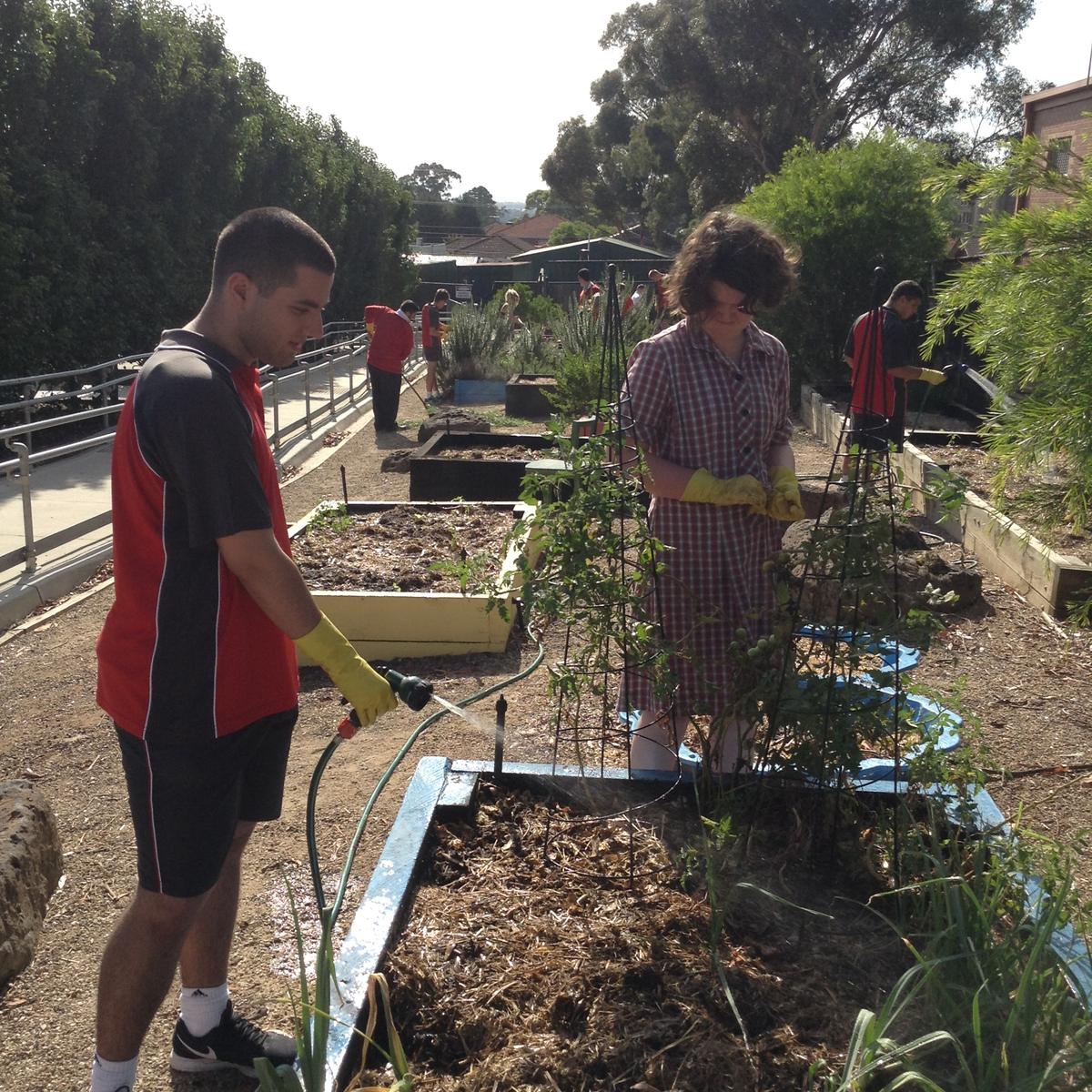
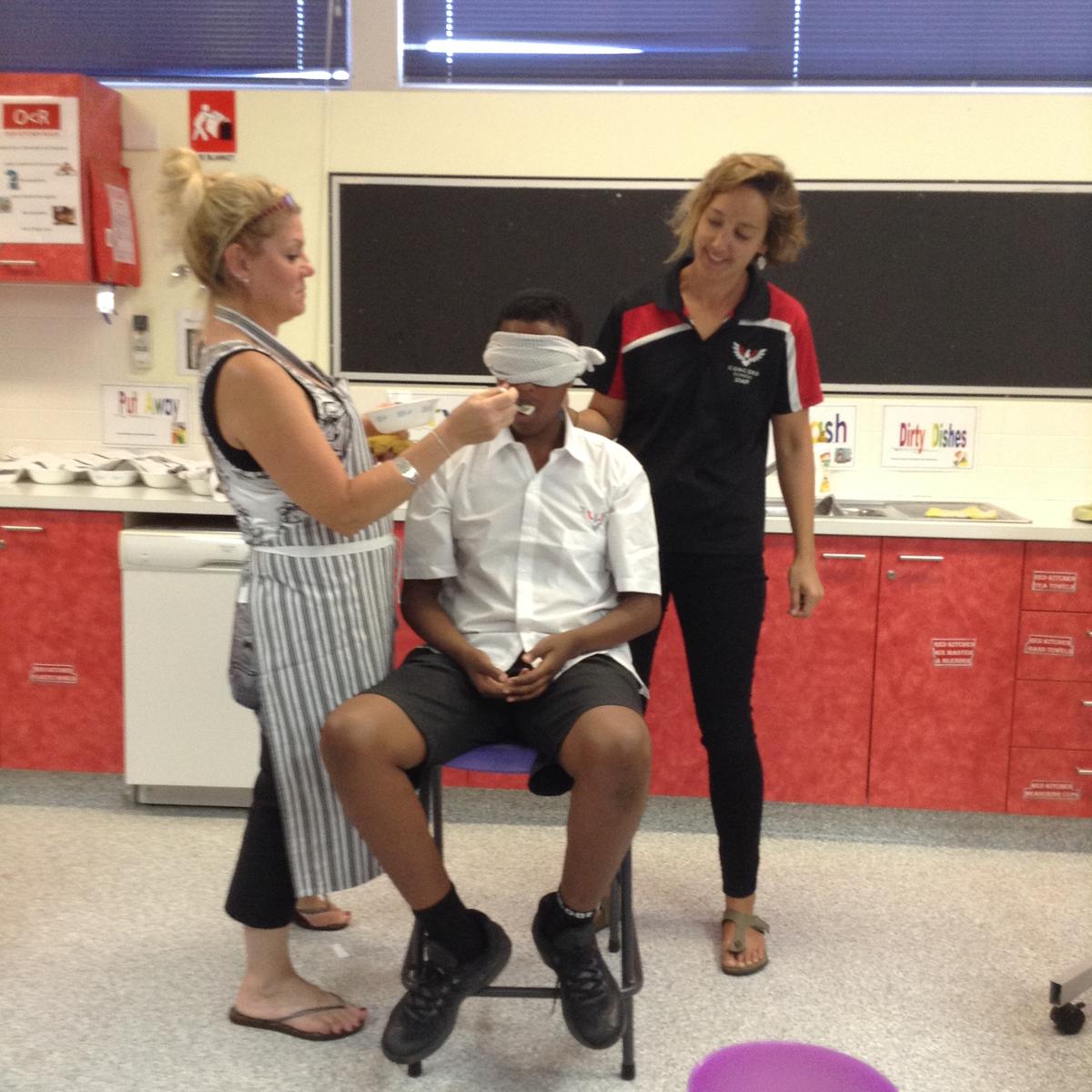
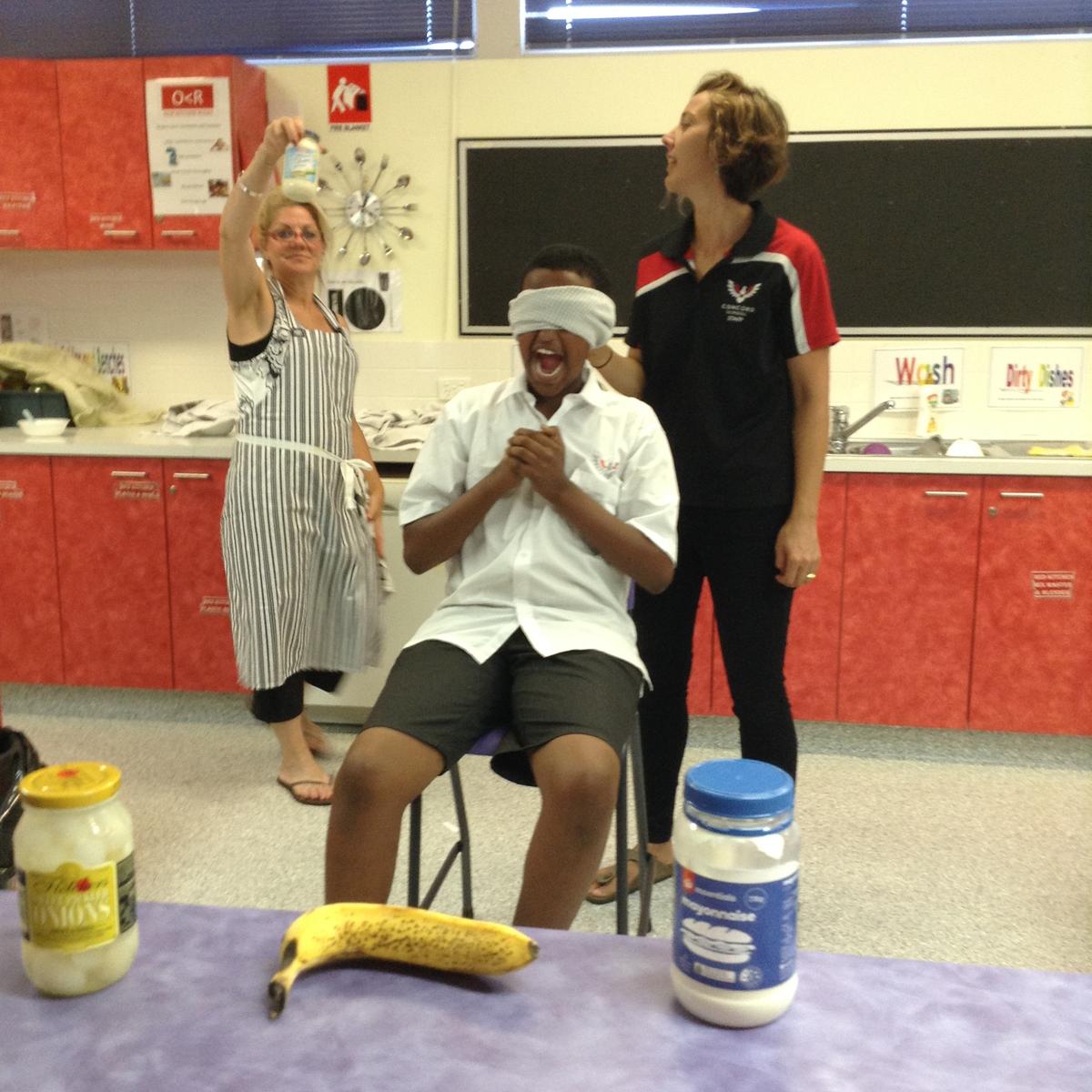
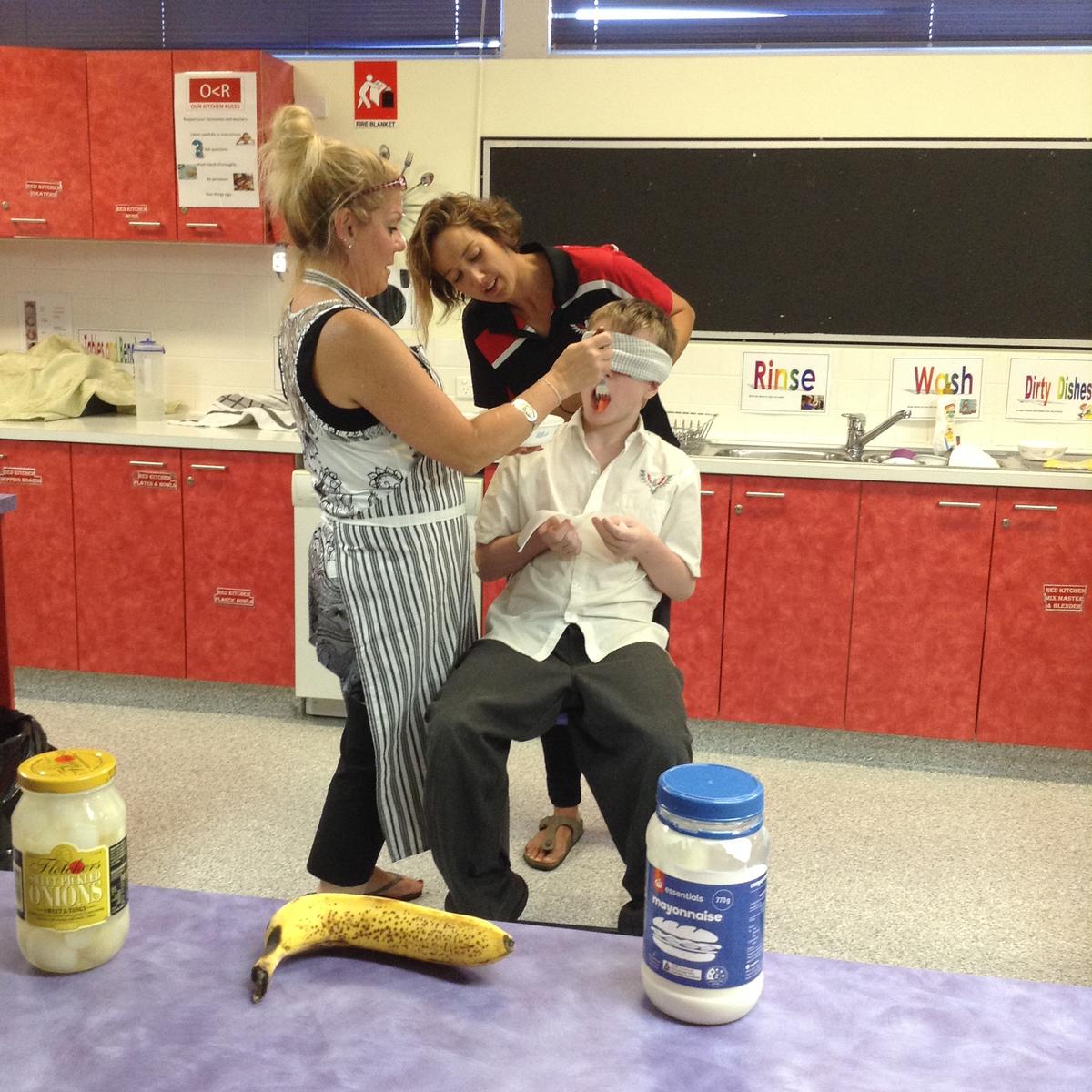
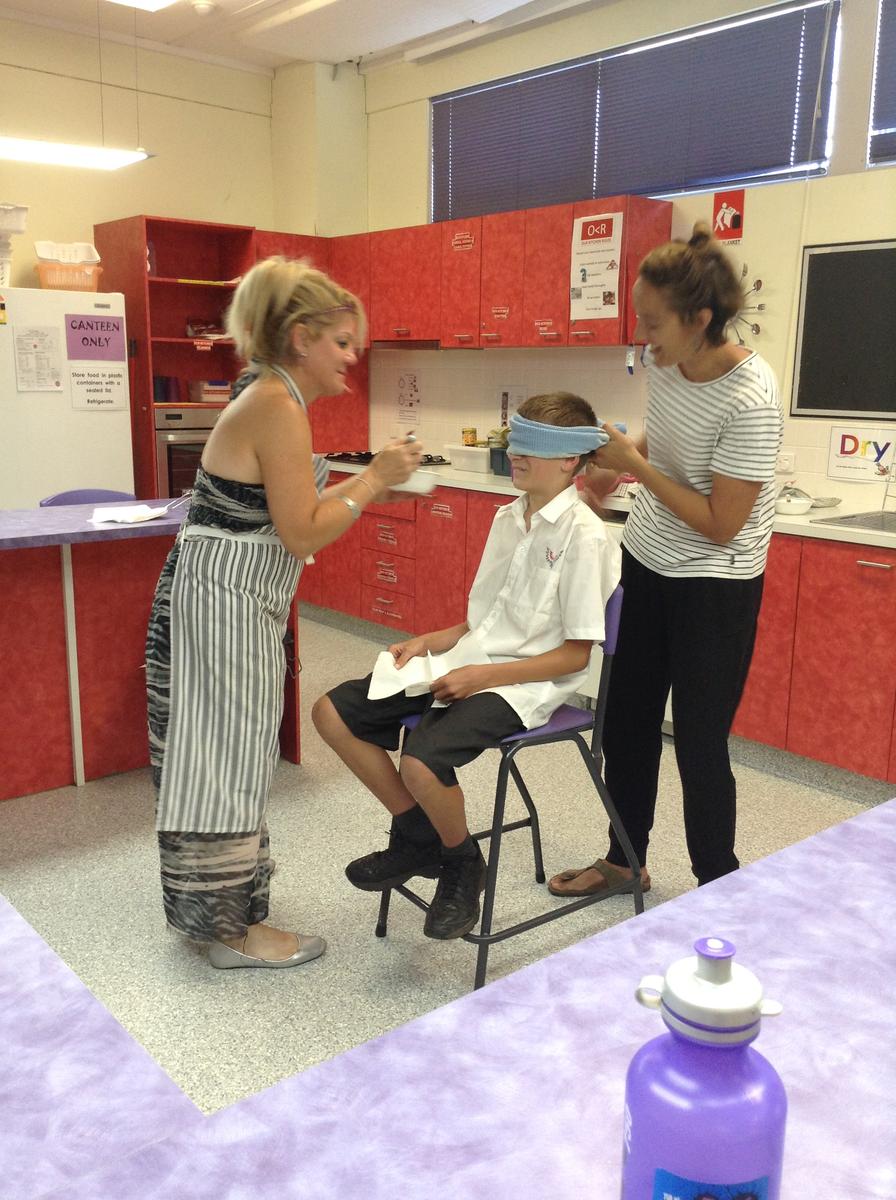
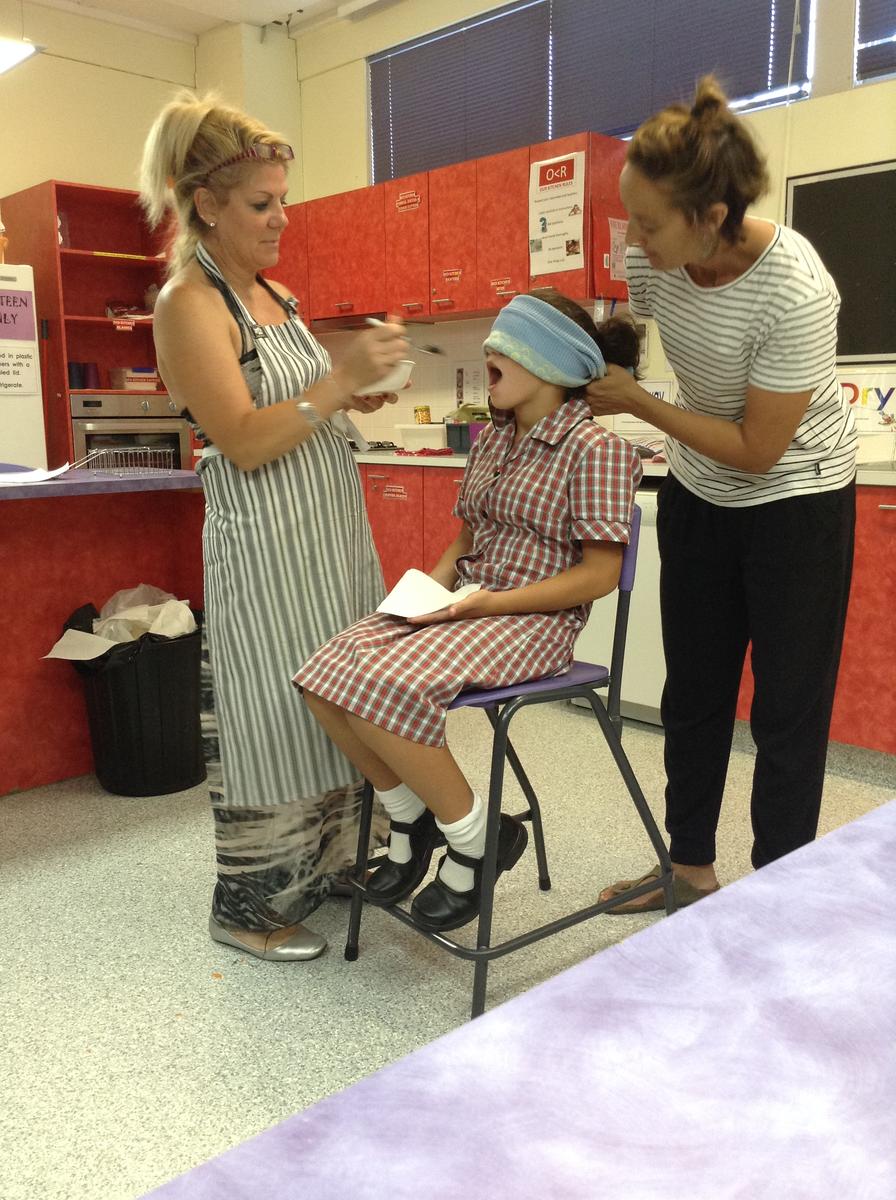
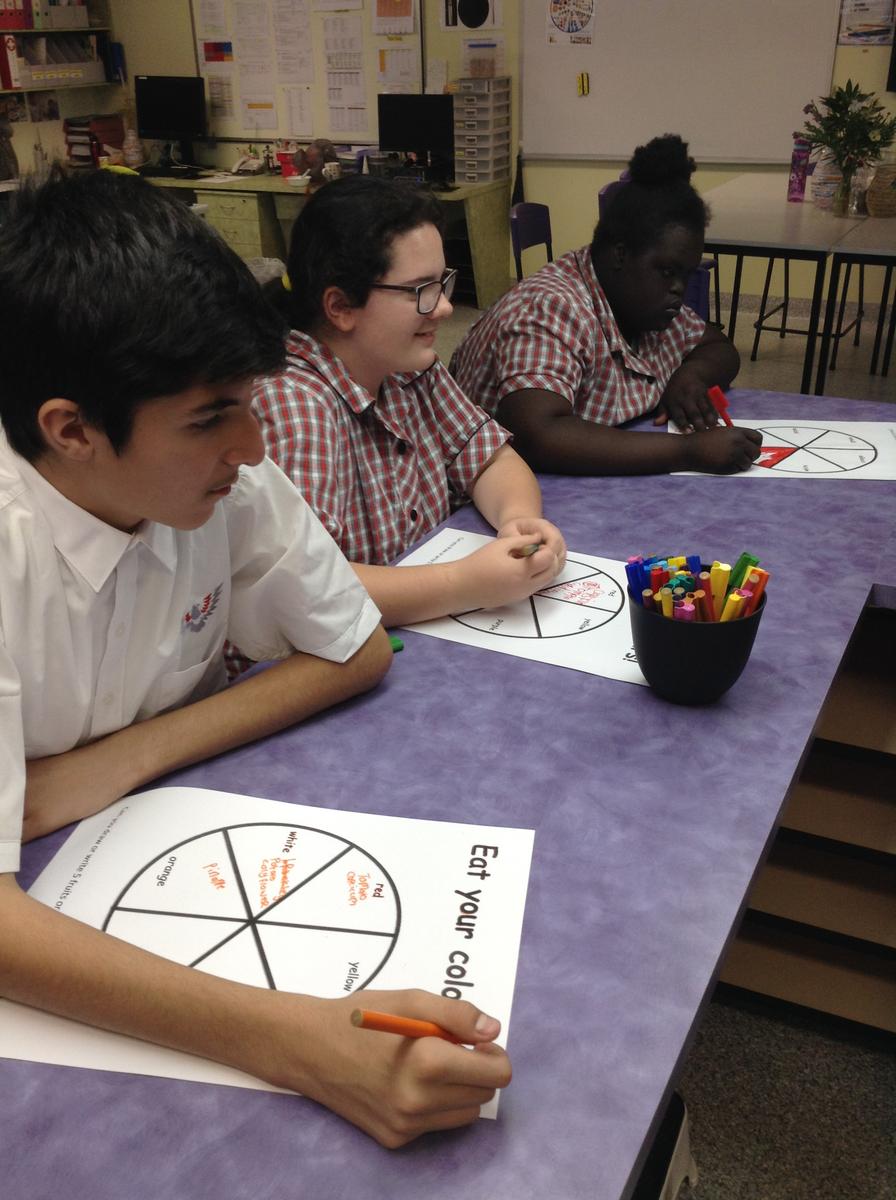
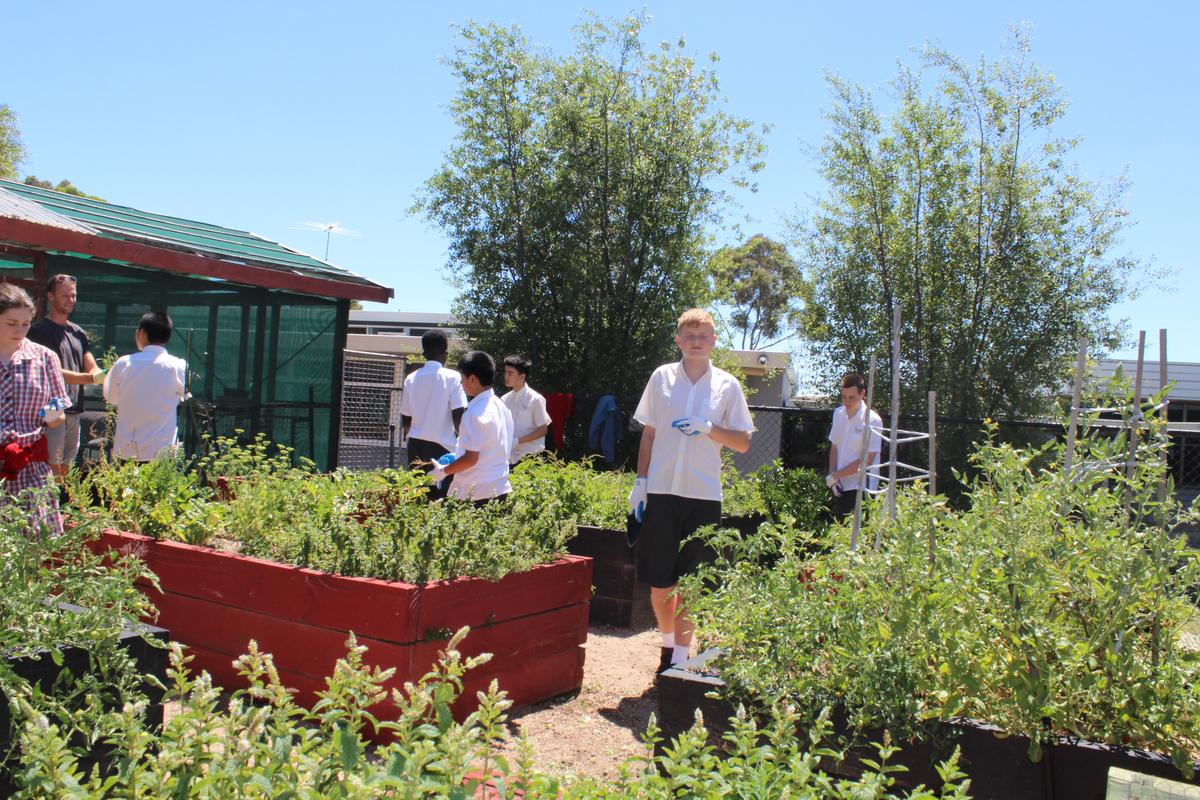
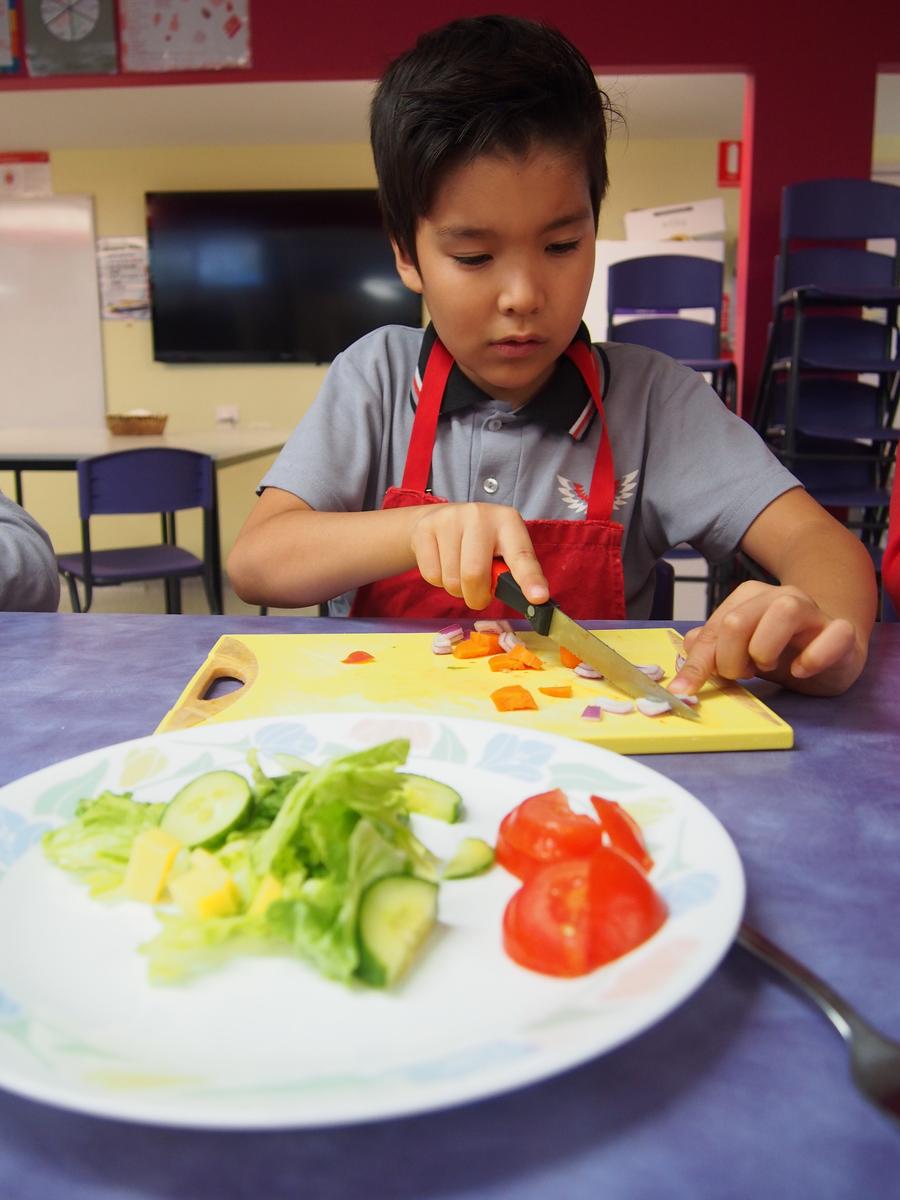
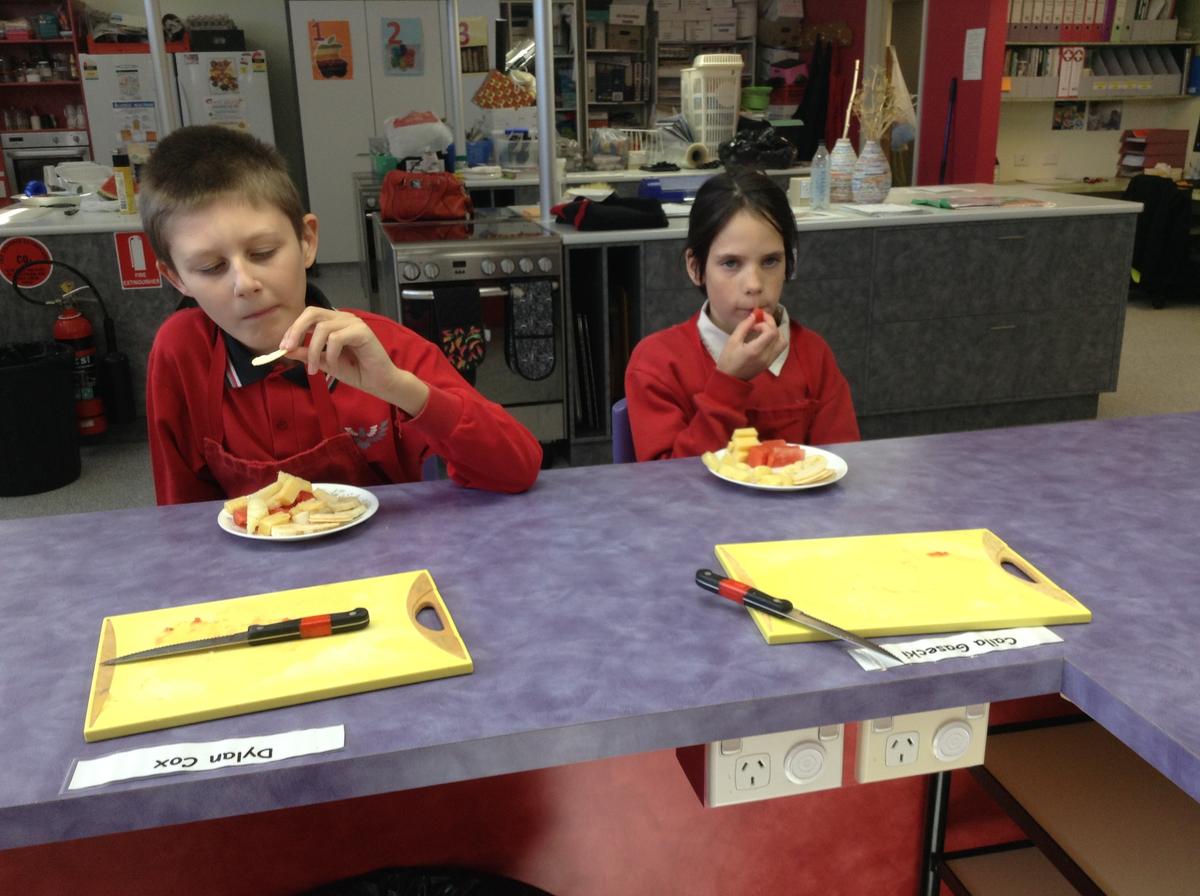
A diverse range of specialist programs are in full swing across the school. Electives programs have been successfully launched in Secondary 9/12, whilst Secondary 7/8 have tapped into a broader array of Specialist programs than 2017. I will feature different specialist programs each issue. This week Food Technology is my special focus. Blind folded taste testing is an entertaining and confronting feature of the Secondary Year 7/8 program as students explore food texture and attitude to foods. In Upper Primary classes the students are introduced to healthy foods particularly lunches, whilst in Secondary 9-12 the focus is more about consolidating and sustaining healthy habits and connecting their knowledge of fresh food to the kitchen garden environment.
Helen Edmonds
Acting Assistant Principal