
Importance of Oral Language
Literacy Update
Importance of Oral Language
Literacy Update
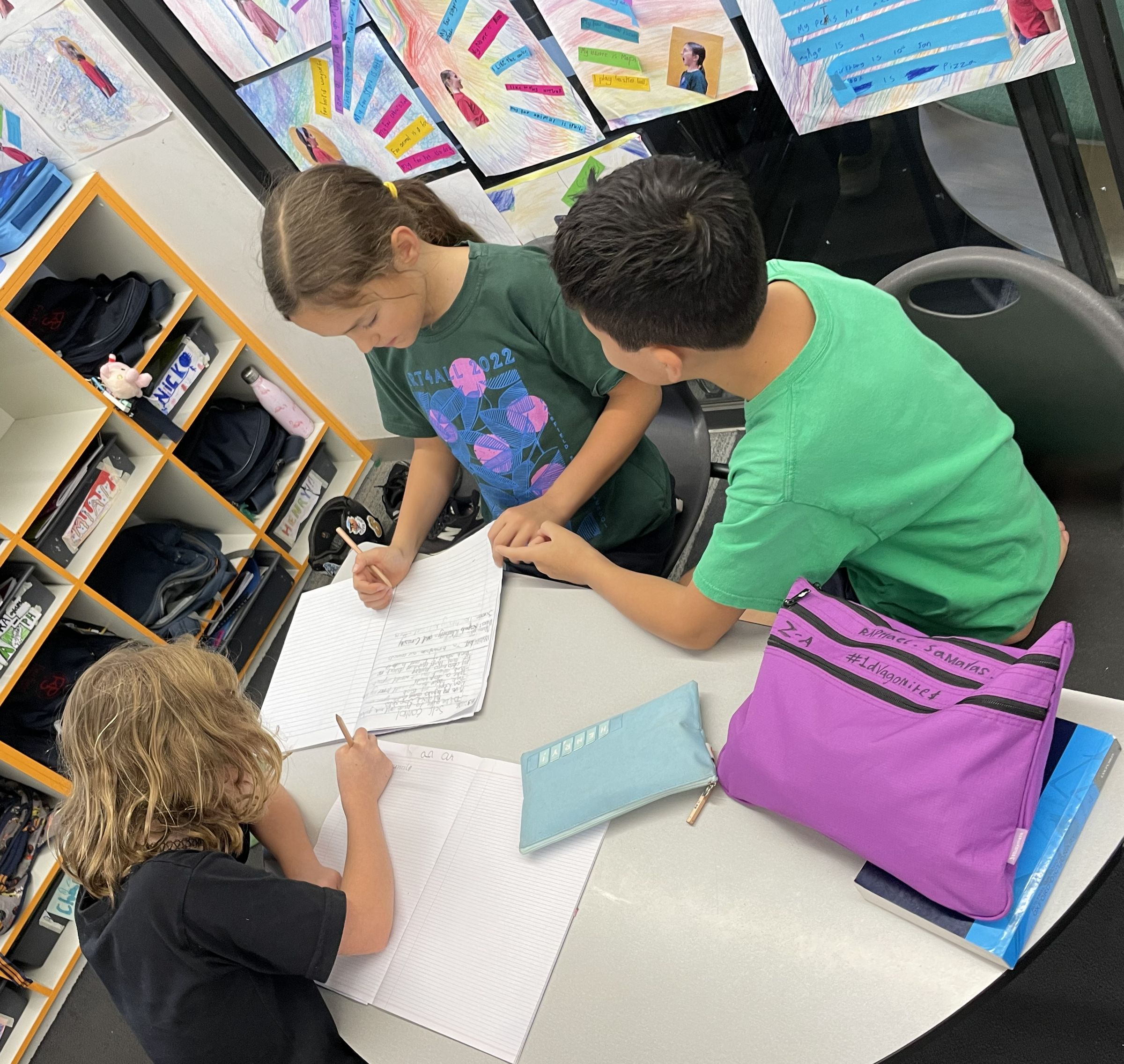
As we conclude term one, I am pleased to see the progress our students have made in developing their literacy and communication skills. This is especially noticeable in our Foundation students as they begin their first year of schooling, and in our Grade 6 students, who have achieved great success in their debate rounds.
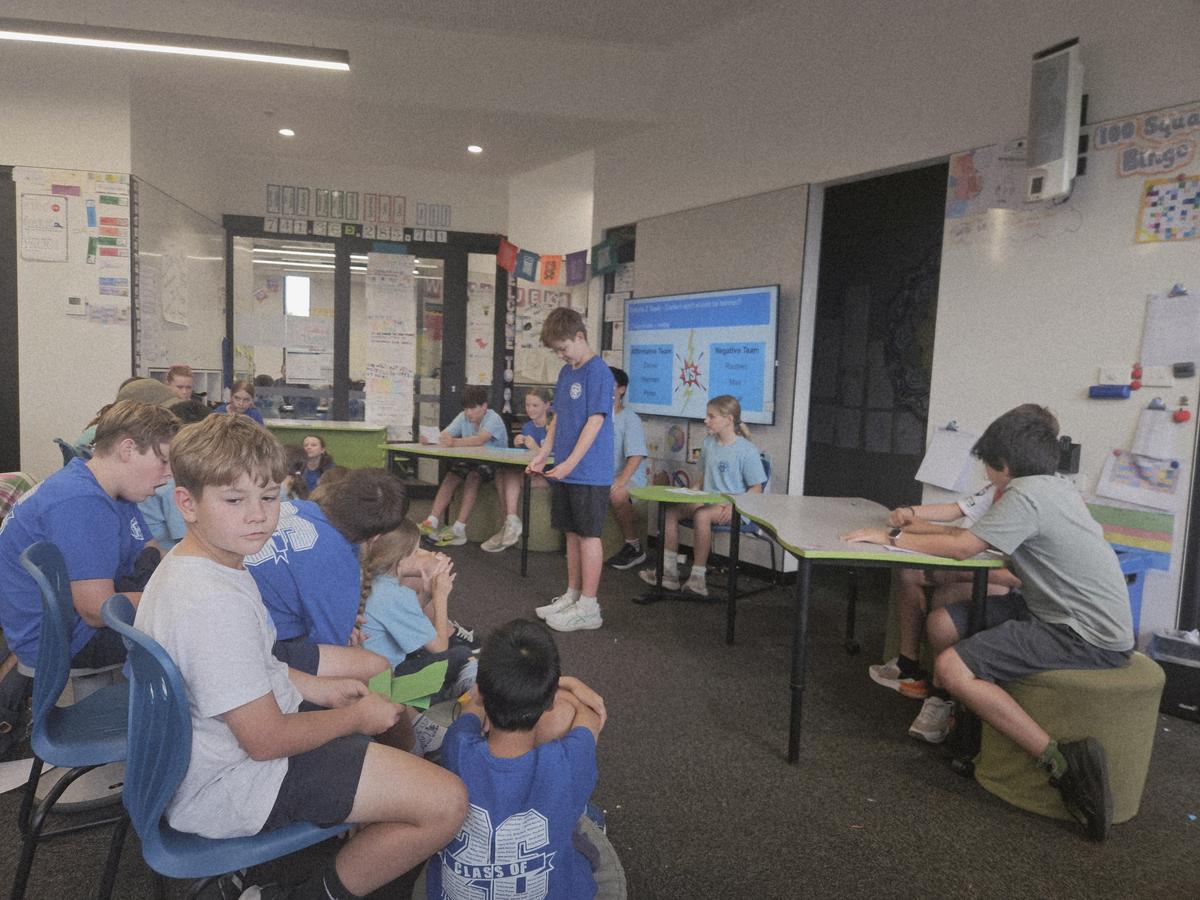
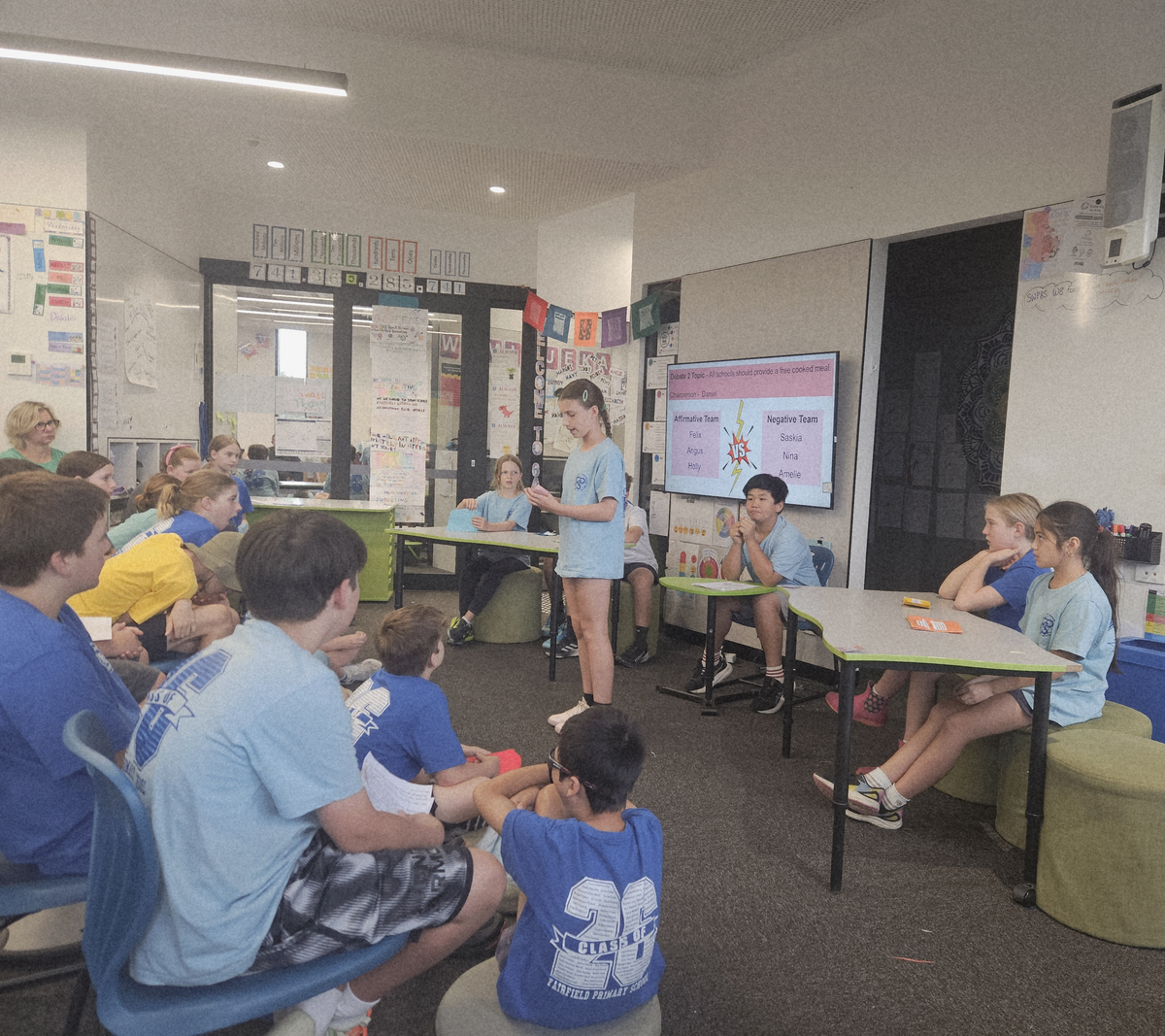
Our first focus for the year is oral language, which is one of the most important foundations for literacy development. As the quote goes,
“Reading and writing float on a sea of talk.” (Britton, 1976).
Oral language includes speaking and listening skills, as well as the vocabulary and sentence structures students use to communicate their ideas. Strong oral language skills support students in learning to read and write, as they help children understand new vocabulary, organise their thoughts, and express their ideas clearly.
At Fairfield Primary School, oral language is developed across all learning areas. Students participate in a range of activities that encourage them to speak, listen and interact with others. These include class discussions, partner talk, presentations, storytelling, and collaborative learning tasks. Through these experiences, students build confidence in sharing their ideas, listening respectfully to others, and responding thoughtfully in conversations.
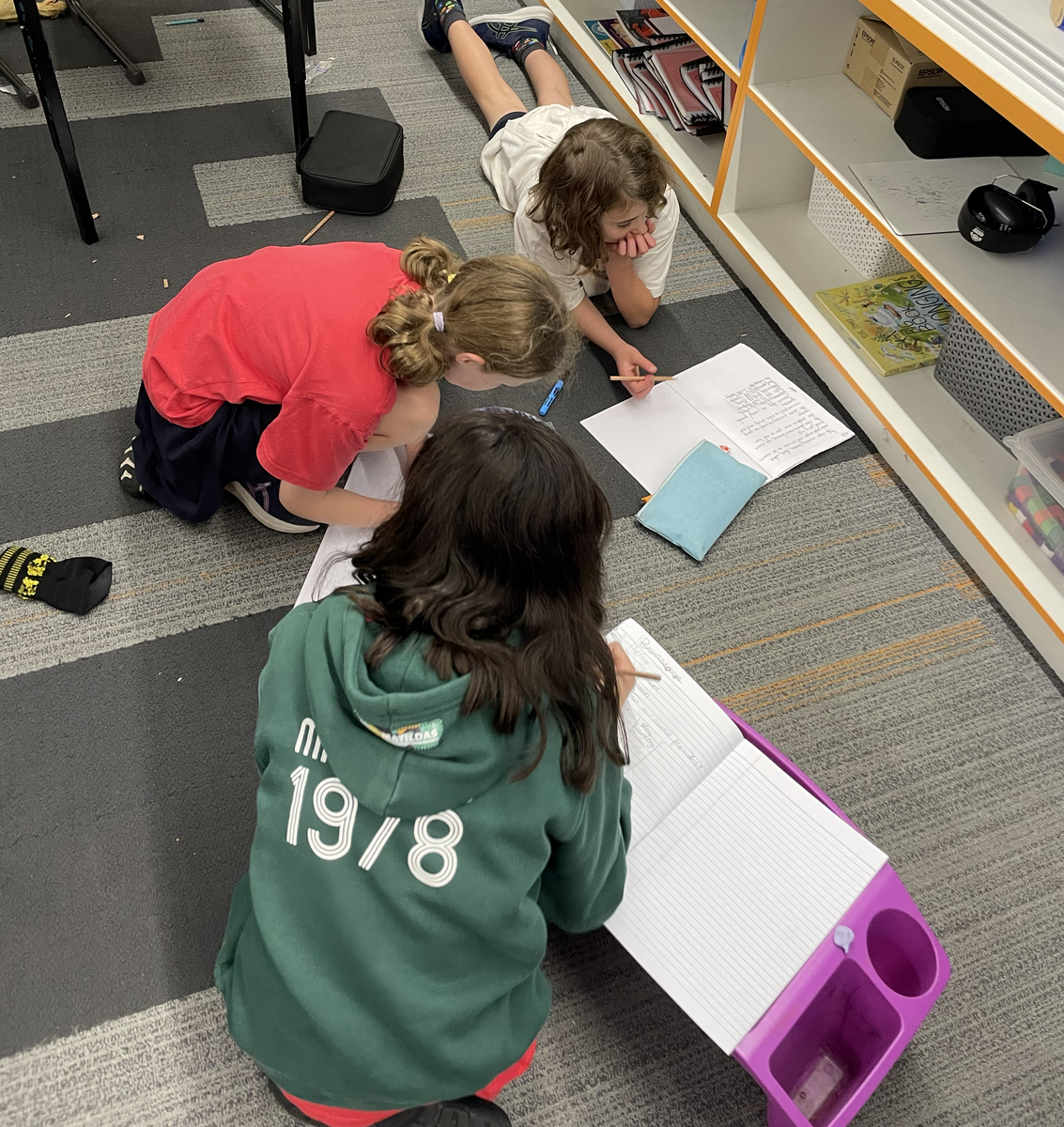
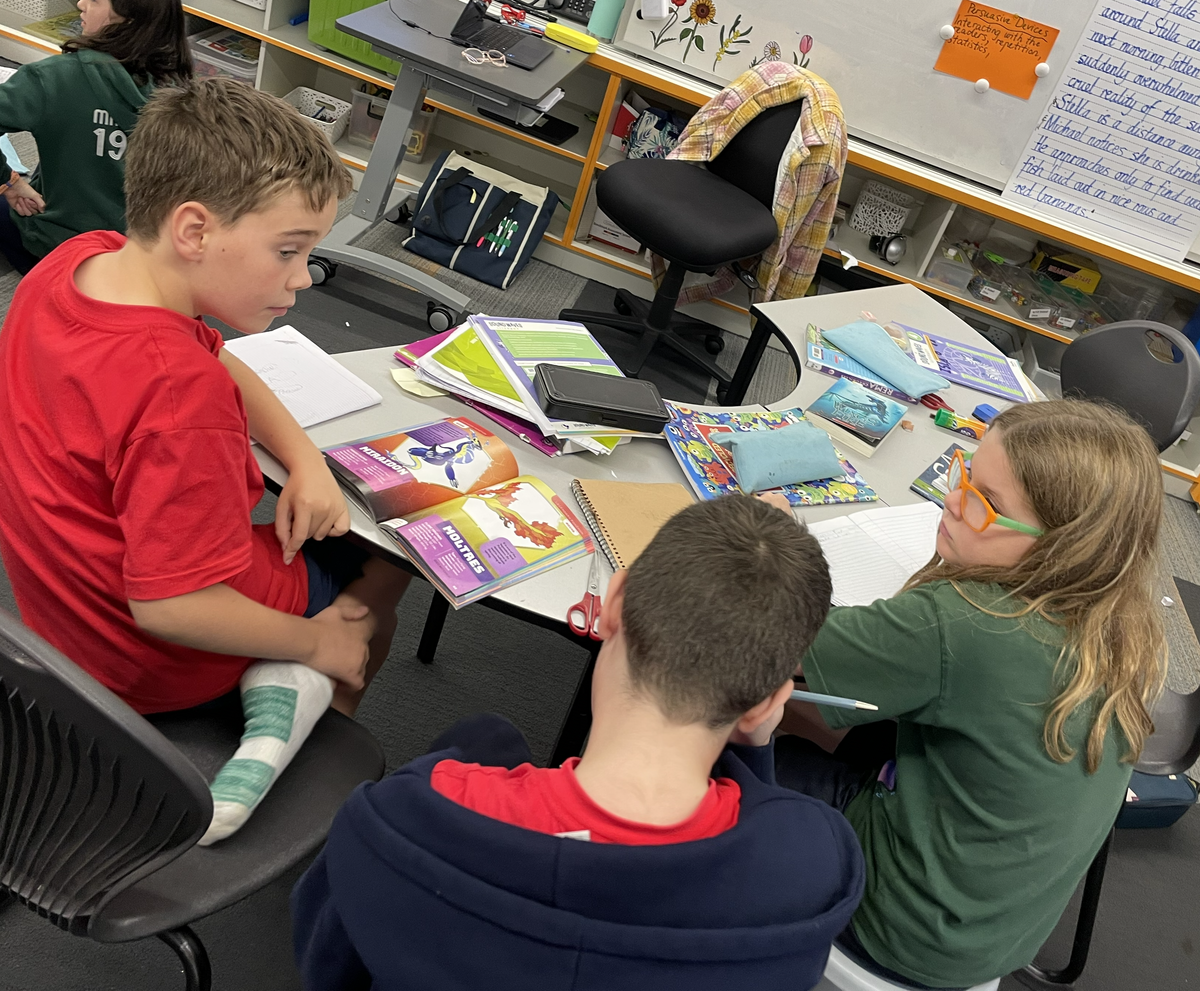
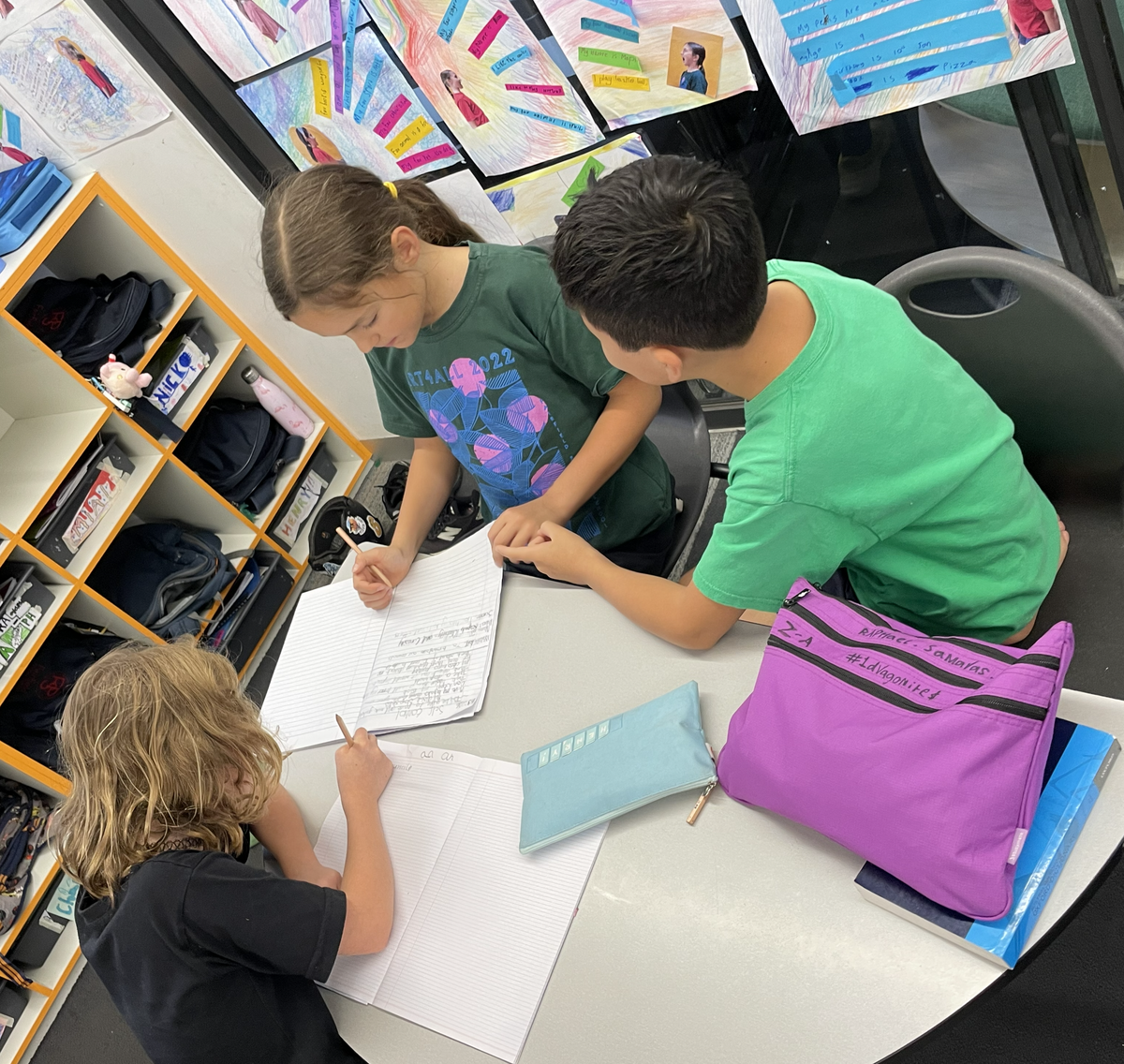
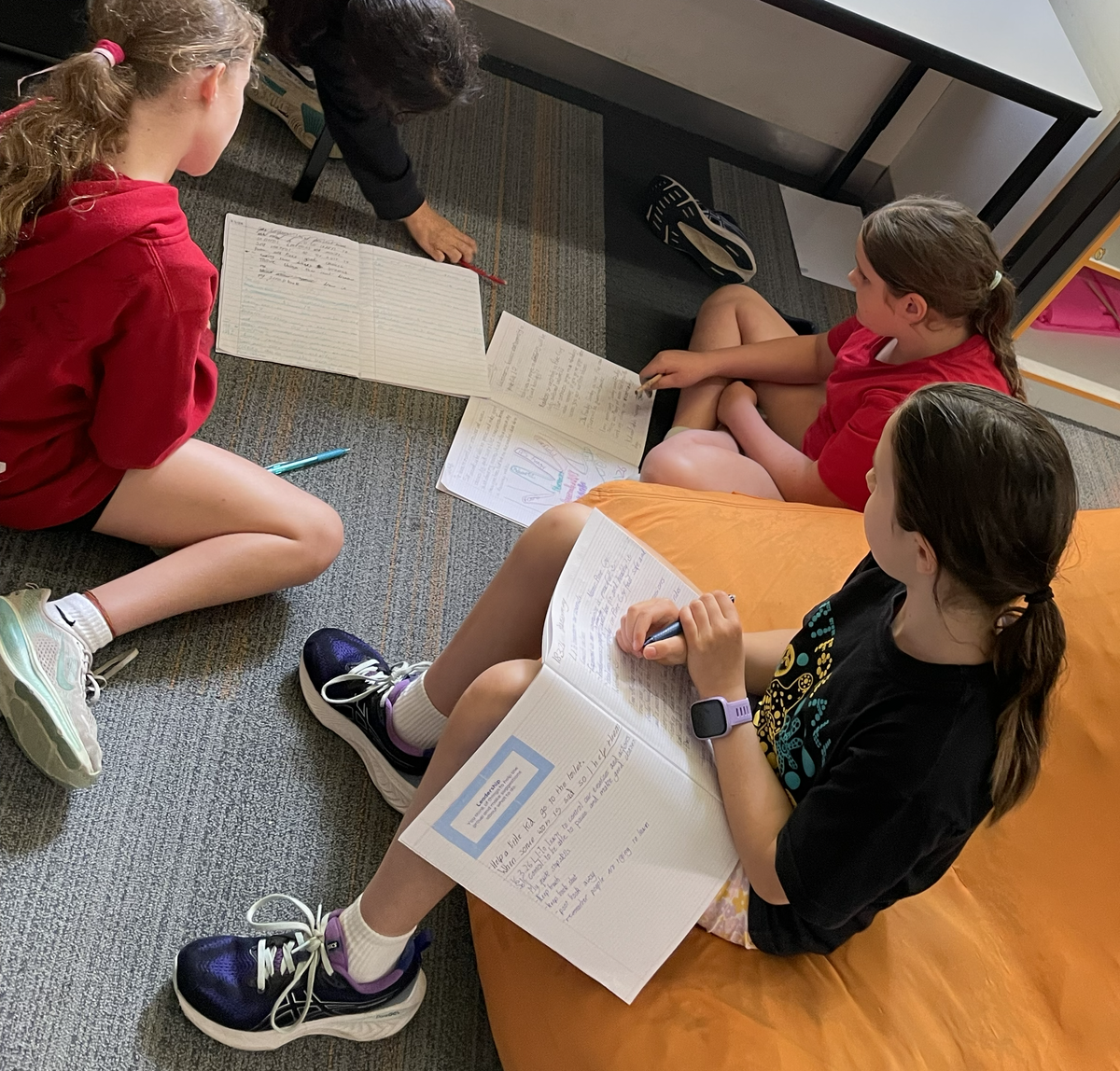
From Foundation to Grade 6, we assess students’ speaking and listening skills using a scope and sequence based on the Victorian Curriculum 2.0 Speaking and Listening curriculum. This allows teachers to monitor student progress as their communication skills develop across the years. Teachers observe students during classroom discussions, partner work and presentations, assessing skills such as vocabulary use, turn-taking, expressing opinions, providing reasons for ideas, and presenting information clearly to an audience.
As students move through the year levels, they learn to use increasingly precise vocabulary, structure their spoken texts more clearly, and adjust their language depending on the purpose, audience and context. Developing strong oral language skills supports success not only in literacy but across all areas of learning. We look forward to sharing more about our literacy program with you throughout the year.
Binh Hoang
Literacy Learning Specialist