Term Four
English: Initial Lit
Reading, Viewing, Listening and Speaking
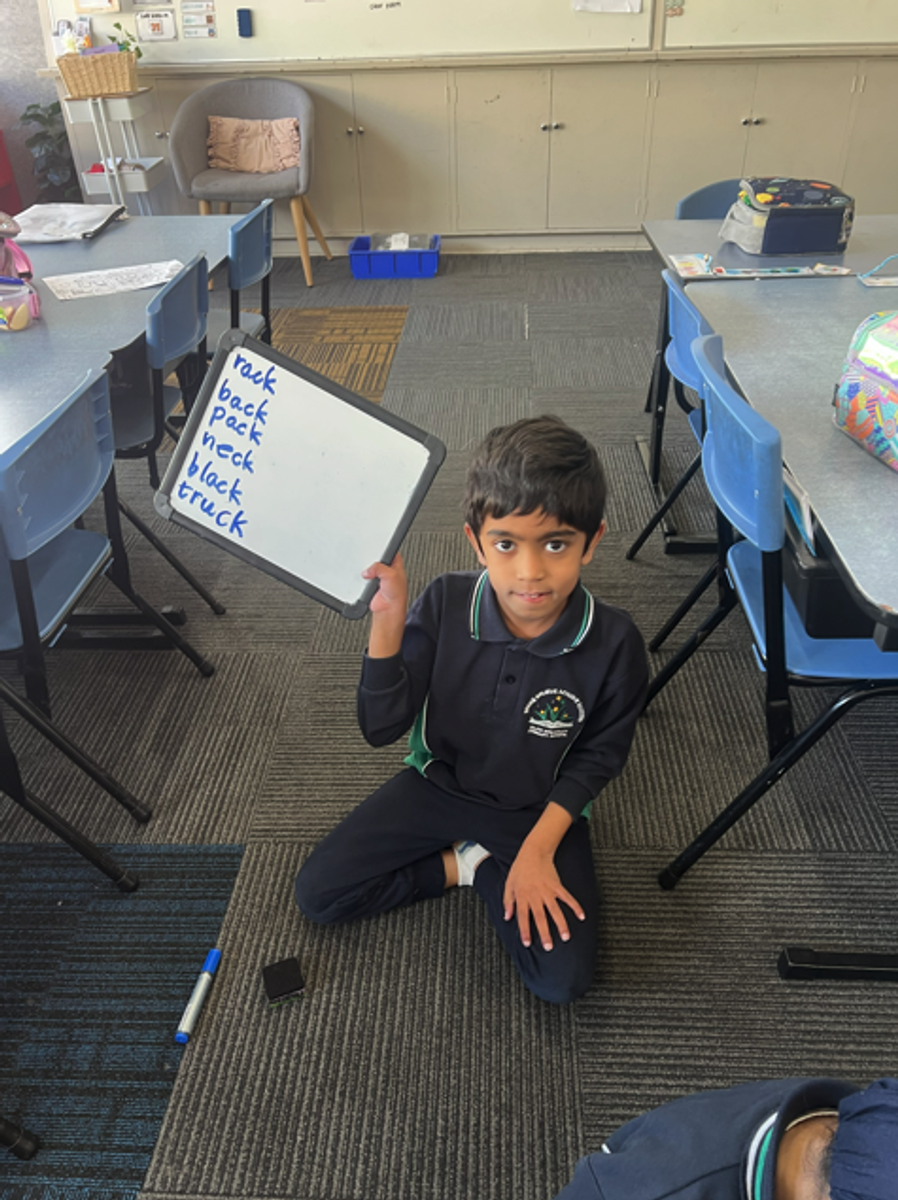
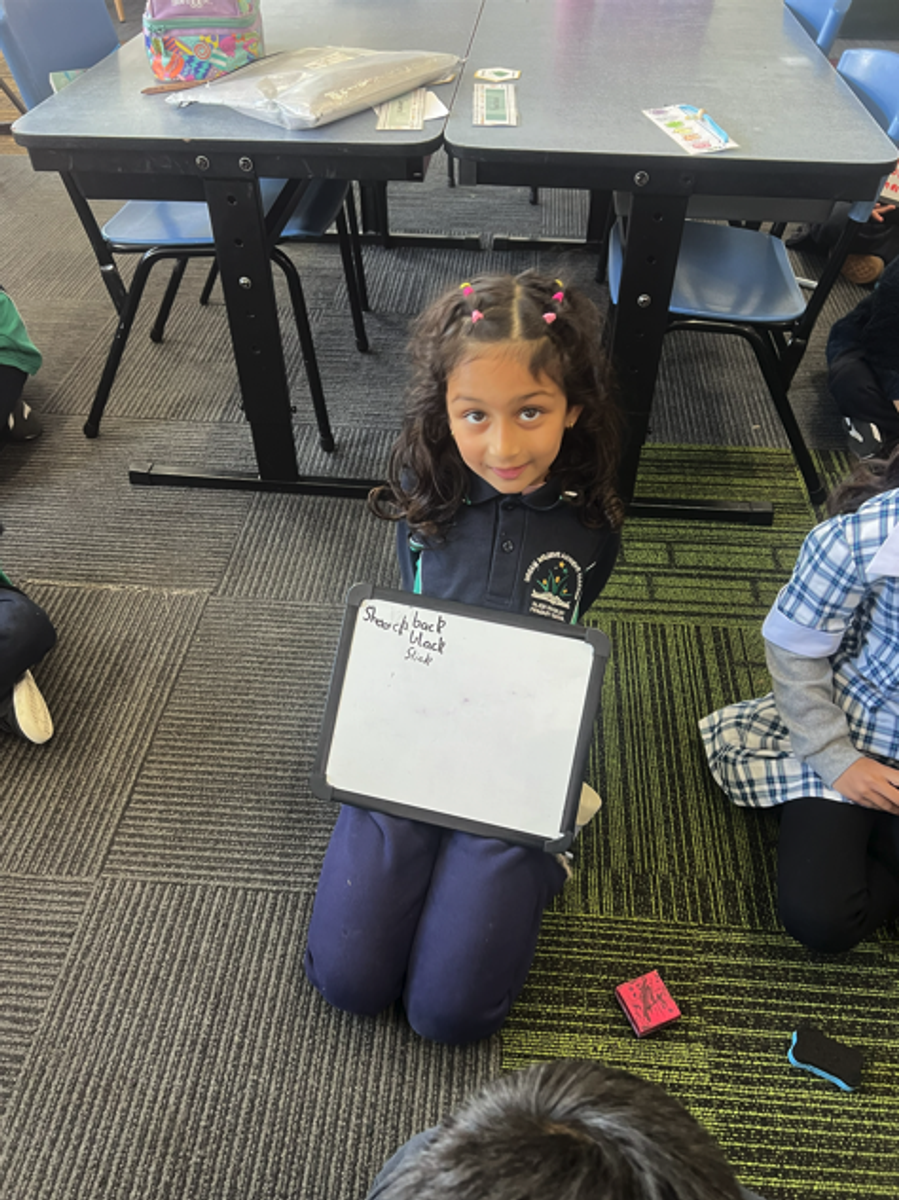
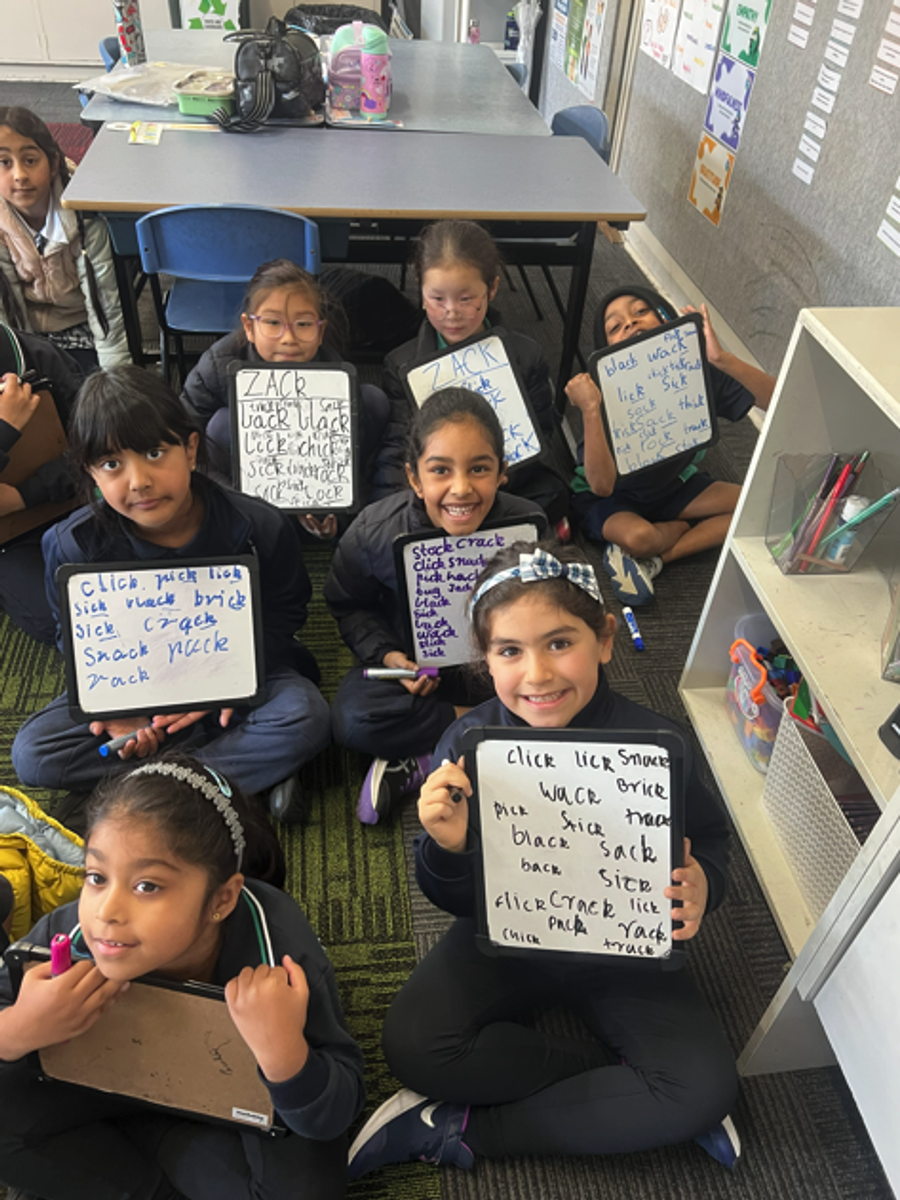
In Term 4, Year One will begin to revise and consolidate the phonemes taught this year. This consolidation will prepare the learners for the Year 2 program of InitiaLit. Through InitiaLit, teachers will reinforce the skills for decoding and reading, moving away from previously taught strategies of ‘guess the word using the picture’. Learners are encouraged to recognise single letter sounds, digraphs and trigraphs to decode and read words, and understand texts. Explicit teaching of comprehension is embedded into daily InitiaLit sessions this term, and learners are provided with the opportunity to practise these skills in two weekly Storybook sessions. The InitiaLit programs has provided learners with the opportunity to growth in their Reading, Viewing, Listening and Speaking skills, which has a direct impact on the quality of their learning in other subject areas.
Key Vocabulary:
Phonemes, digraphs, trigraphs, decode
How can you support your children at home?
- Provide your child with the opportunity to connect their reader with their life experiences.
- Take your child to the local library to explore different genres and access a range of texts.
- Play word games at home, for example, Sound Snap, Scrabble, Bananagrams, etc.
Writing
In Term 4, Year One students will engage with hands on tasks to write procedural texts, with a focus on sequencing steps in order. Students will be encouraged to use precise verbs to accurately describe the action and ensure clarity for their reader. They will also revisit narratives and deepen their learning in this area. With strengths in setting and characters, learners will explore complex problems and varying solutions to add creativity and intrigue to their narratives.
Key Vocabulary:
Problem, Solution, Narrative, Procedural, Sequence, Verbs
How can you support your children at home?
- Follow instructions together as a family, such as game rules, craft instructional videos or recipes.
- Create oral stories together, practicing building on each other’s ideas to create a deeper story.
- Read stories together or watch movies and talk about the characters, settings, problems and solutions.
Mathematics
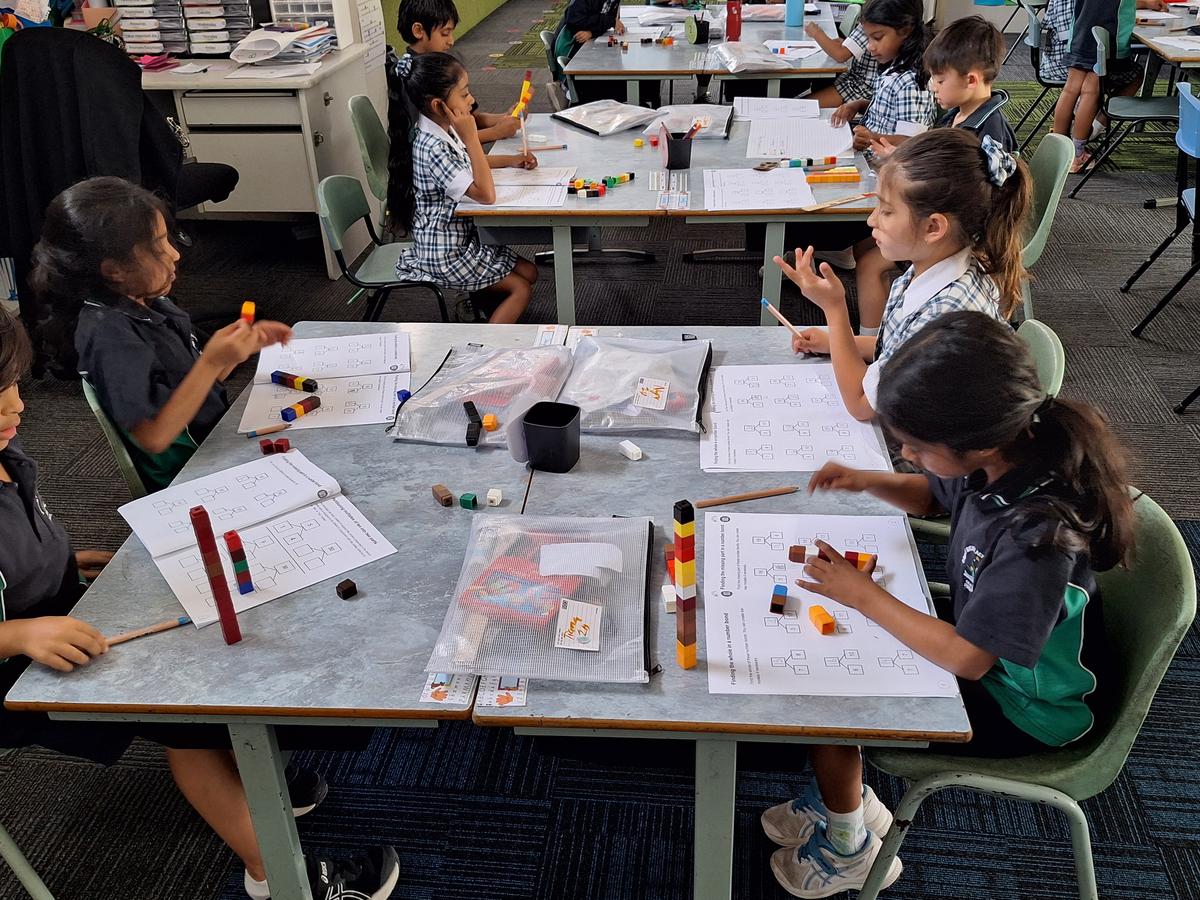
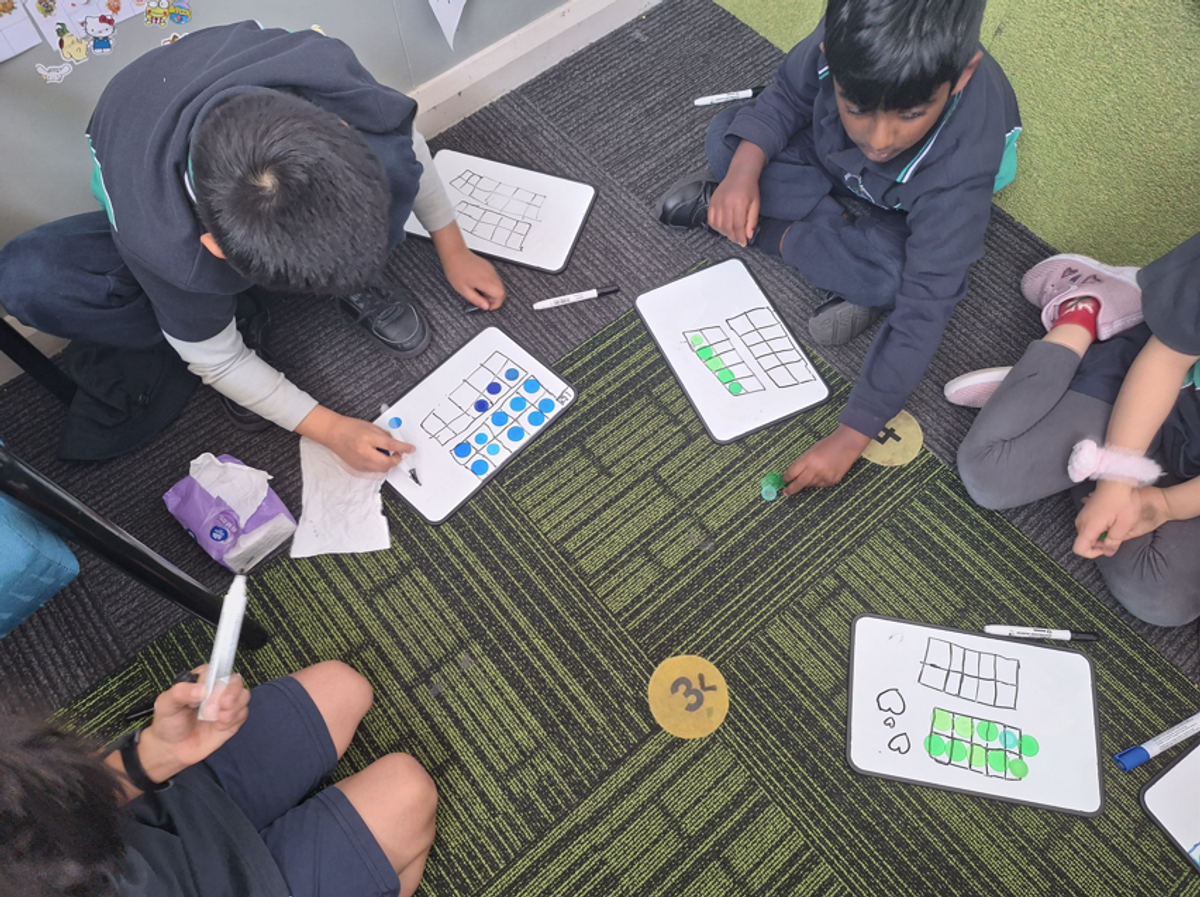
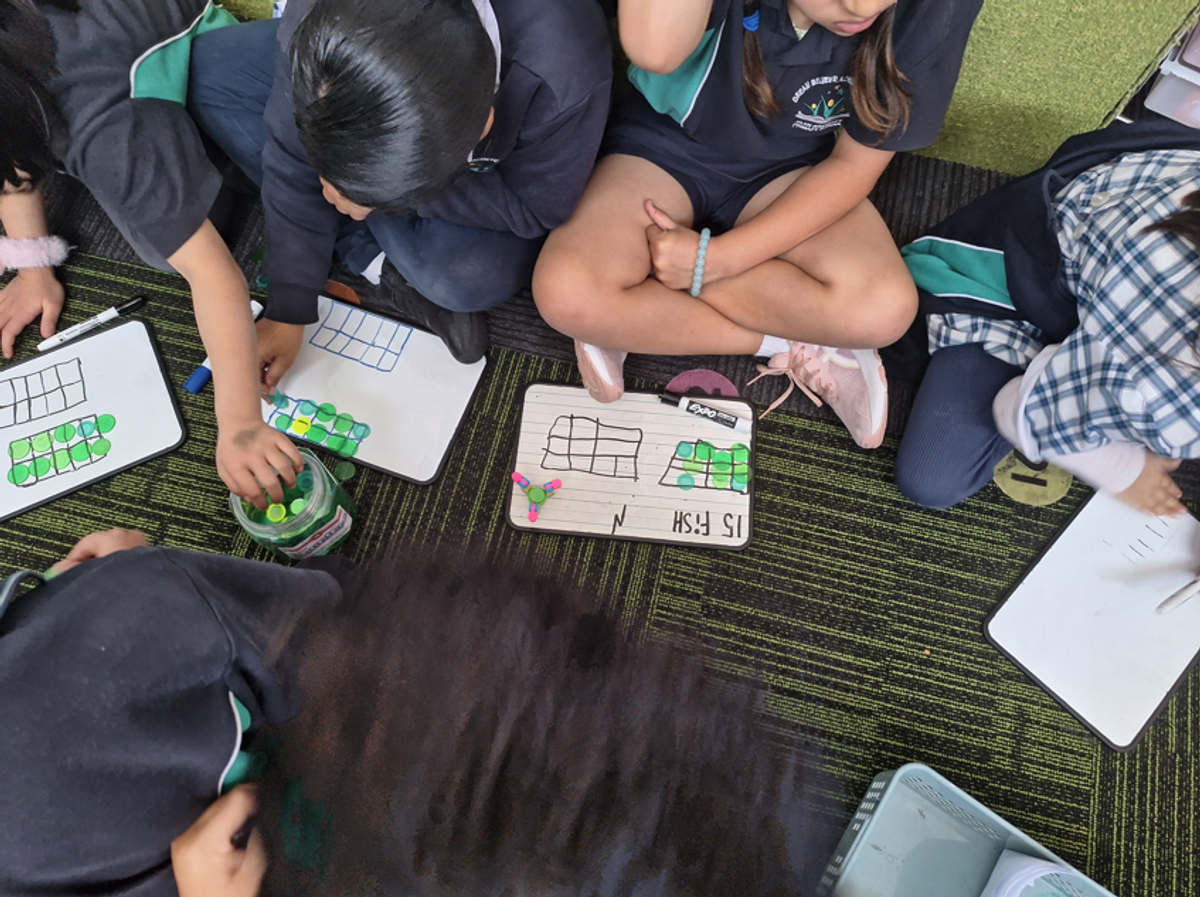
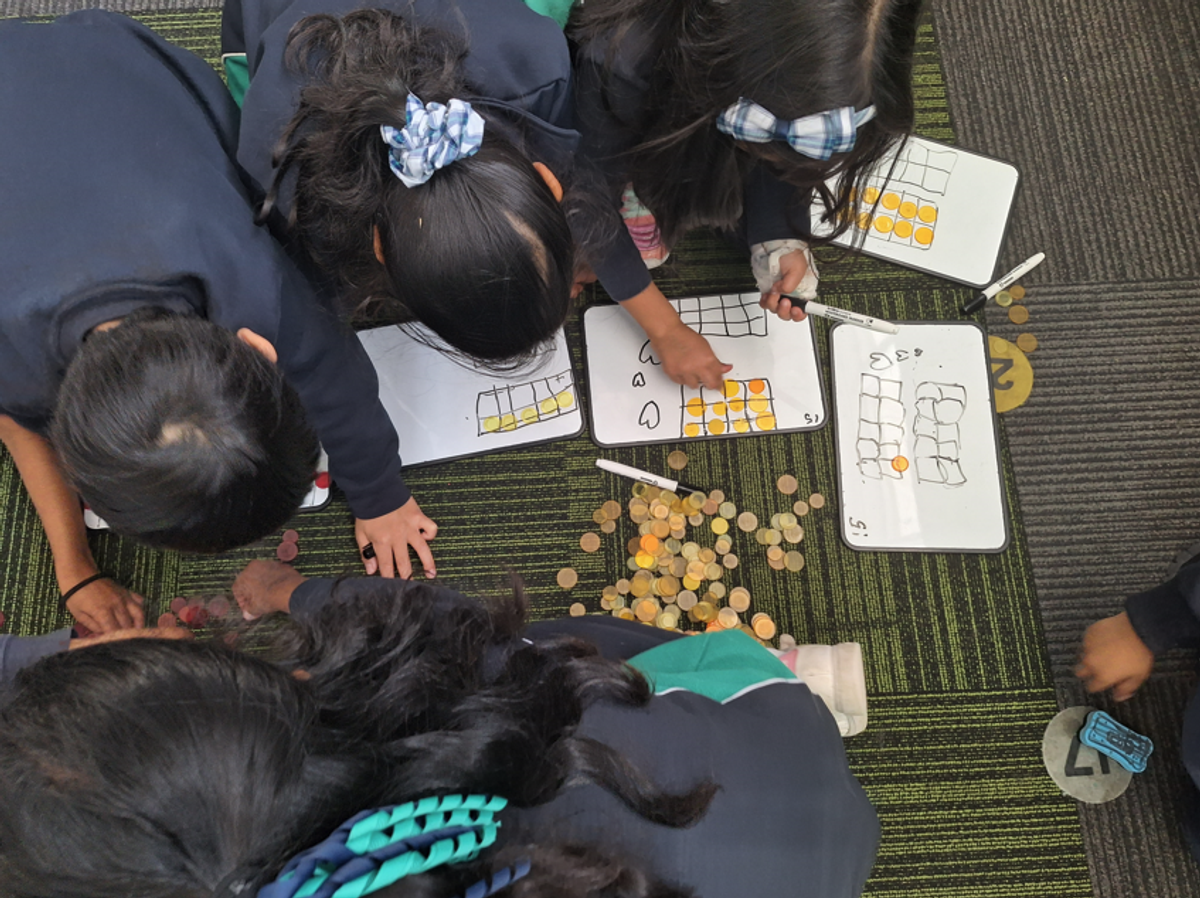
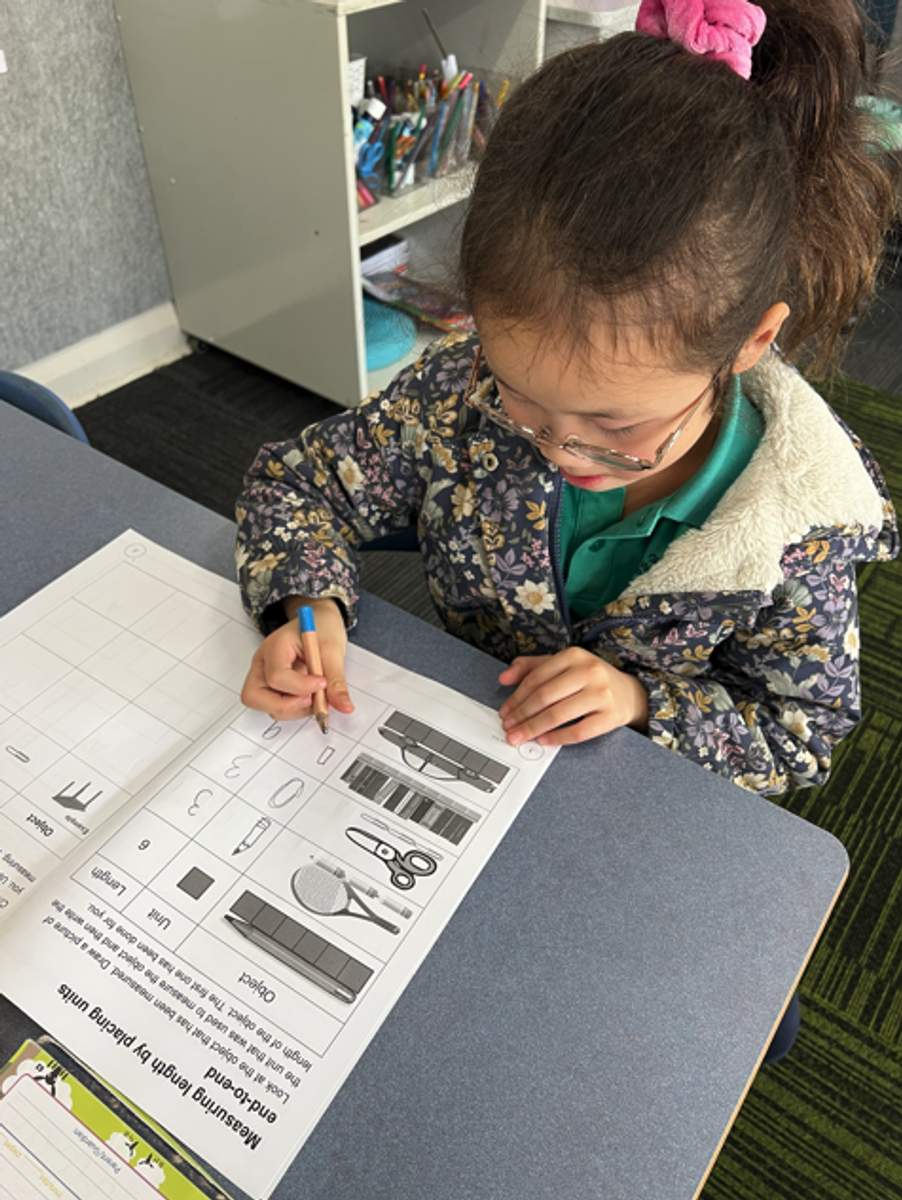
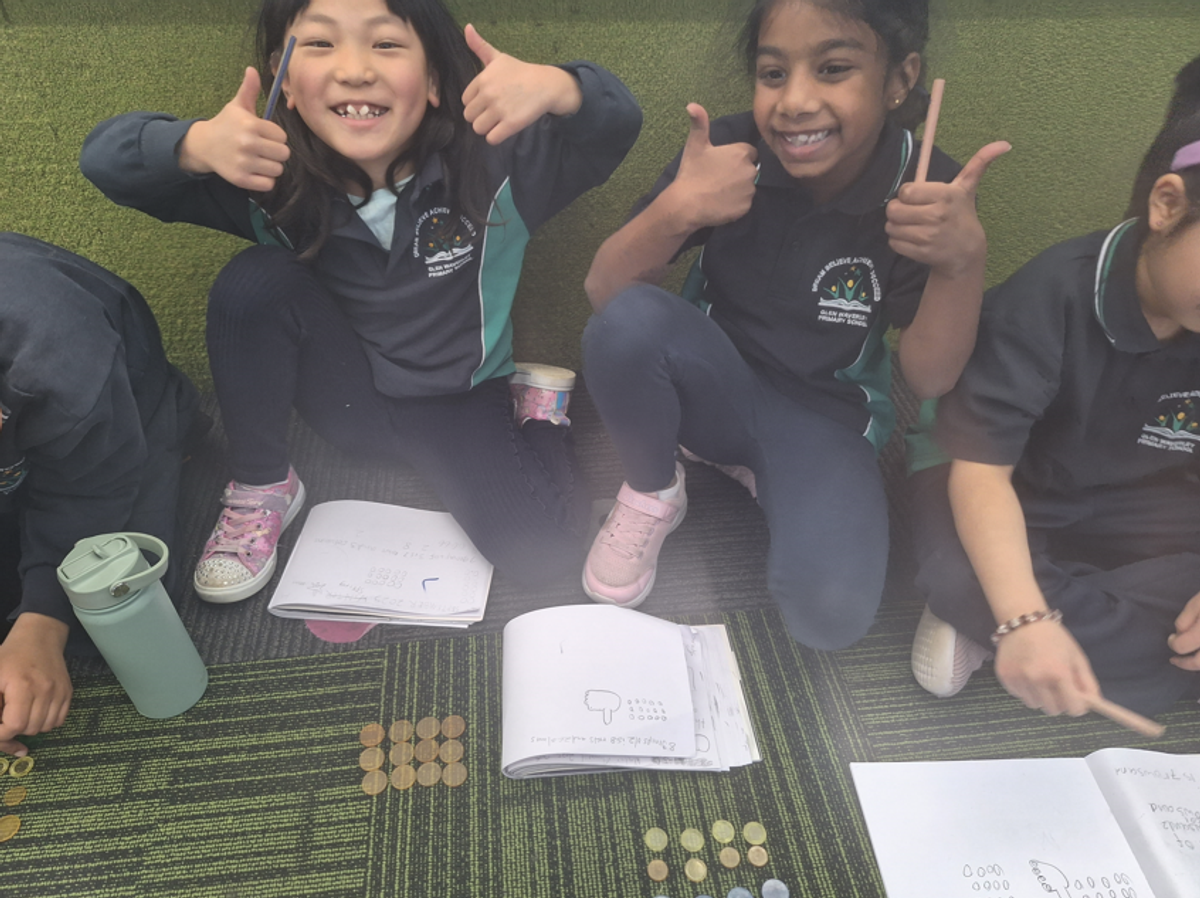
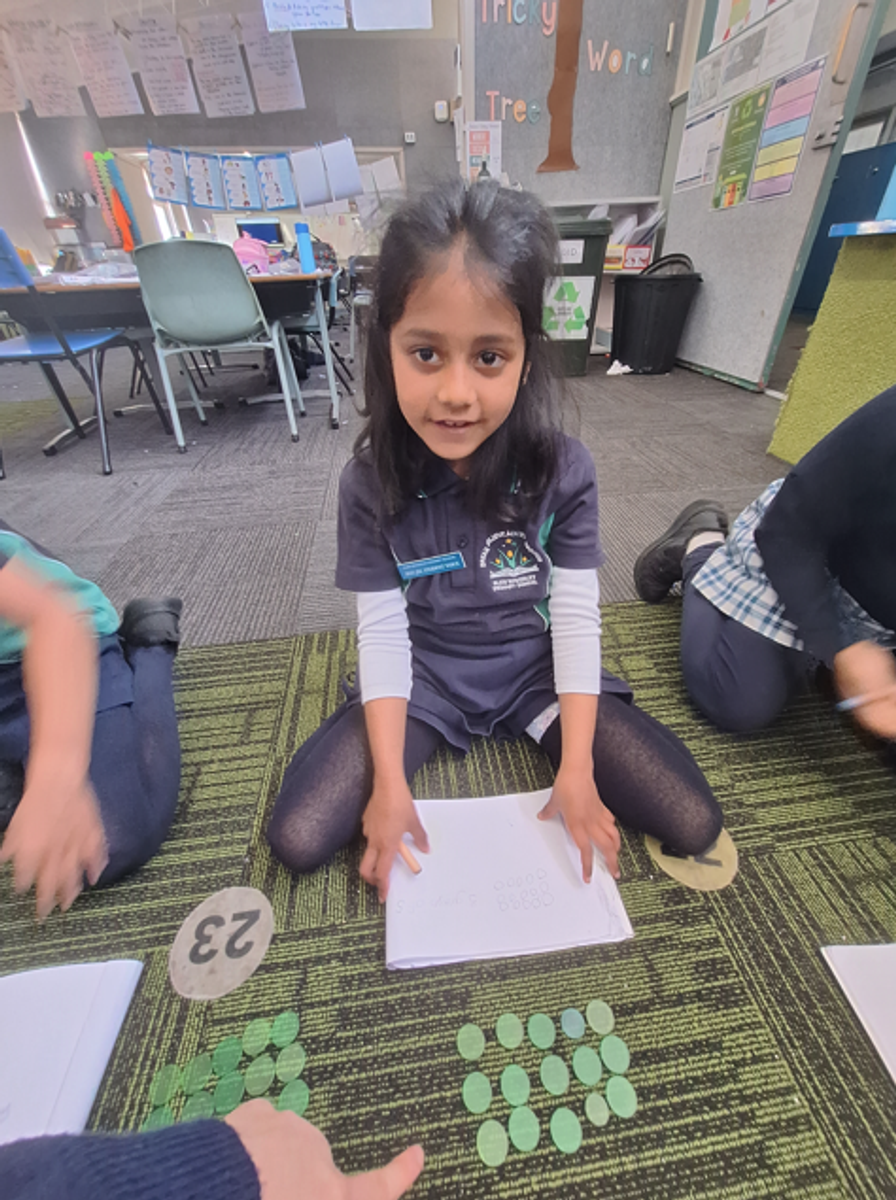
In Term 4, Year One students will explore a range of mathematical concepts through hands-on experiences, discussions, and practical problem-solving activities.
Data: Students will revisit the topic of data by learning how it can be collected, organised, and represented in different ways to enhance understanding. They will explore how to formulate suitable questions for data collection, improve their surveys through repetition, and interpret results to answer meaningful questions.
Location: Students will investigate how objects can move in 2D space following given directions. They will learn to use ordinal numbers to describe positions and to change locations accurately using both verbal and written instructions.
Measurement – Time: Students will develop an understanding of the calendar and clock. They will learn the names of the seven days of the week, the twelve months of the year, and the number of days in a month and a year. They will also practise telling time to the hour and drawing hands on an analogue clock.
Shape: Students will identify and describe two-dimensional shapes, applying their knowledge to make and draw shapes. They will also explore three-dimensional objects in the environment, constructing models while explaining their reasoning.
Addition and Subtraction: Students will consolidate their understanding of addition and subtraction within 20 by using number lines, counting on and back, and partitioning two-digit numbers into tens and ones. They will also practise writing addition equations in multiple ways to demonstrate their understanding.
Key Vocabulary:
Data, Survey
Directional Language (front, back, left, right, forwards, straight ahead, backwards)
Time, Hour, Minute
Vertices, Sides, Edges, Faces, Two-dimensional shape, Three-dimensional object
How can you support your child’s Mathematics learning at home?
- Use a calendar to mark birthdays, school days, and special events.
- Spot shapes around the house (doors = rectangles, clock = circle).
- Practice skip counting by 2, 5 and 10 with coins and notes.
Inquiry
Question: How do changes in the sky affect us?
Global Goal: 13. Climate Action
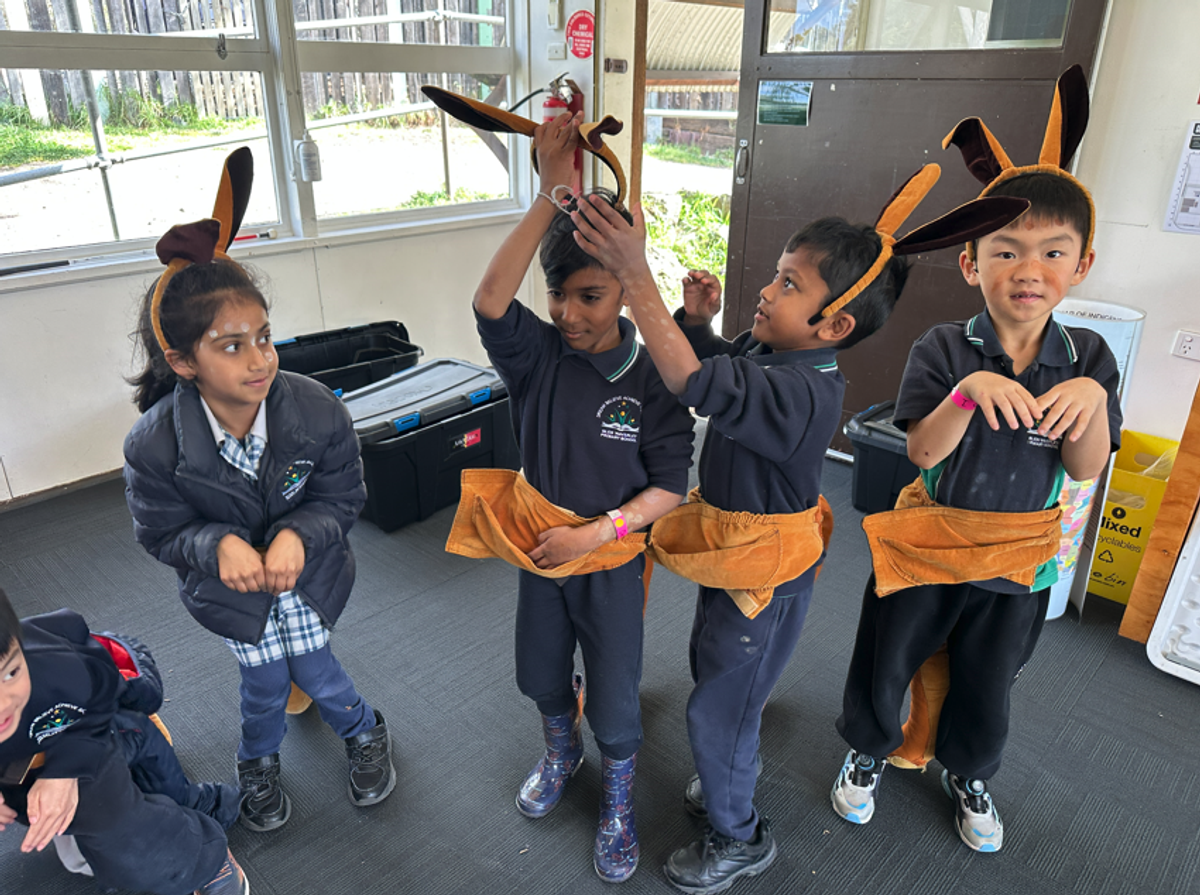
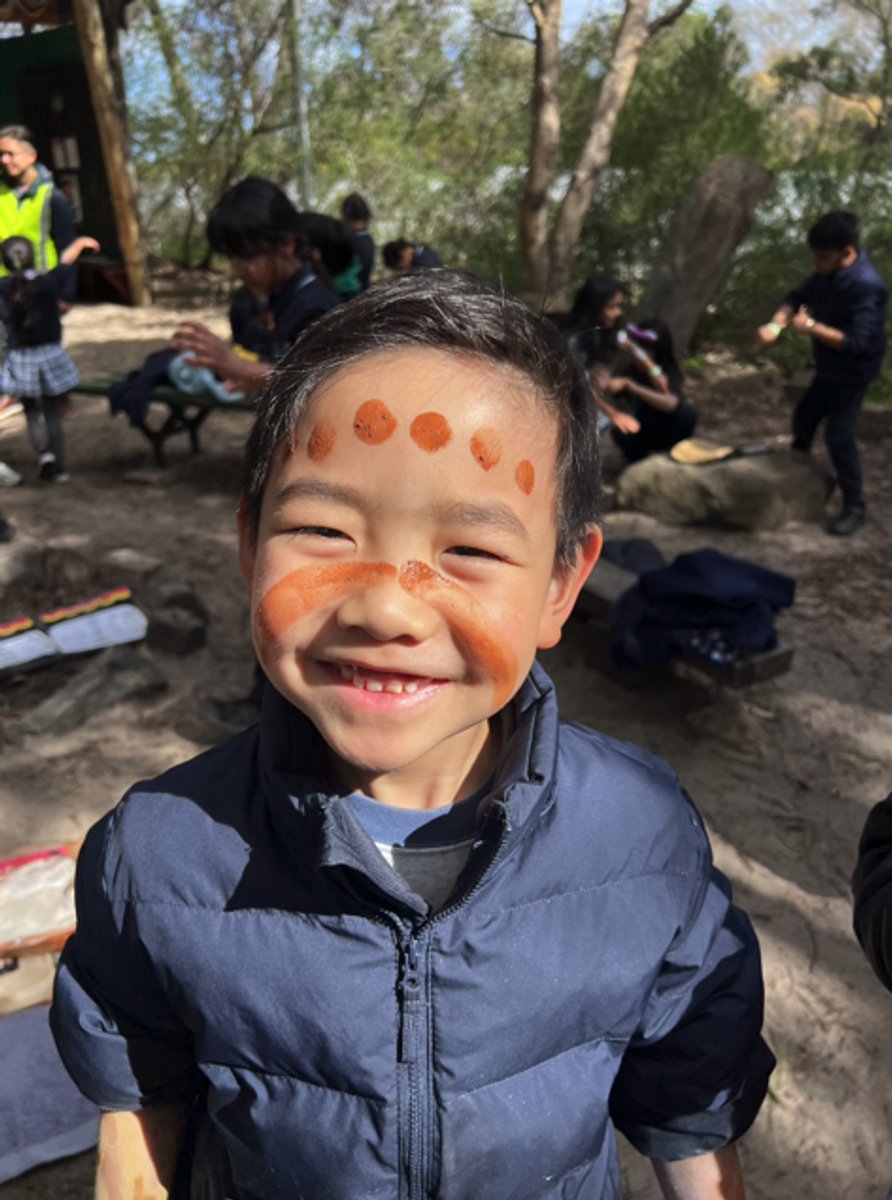
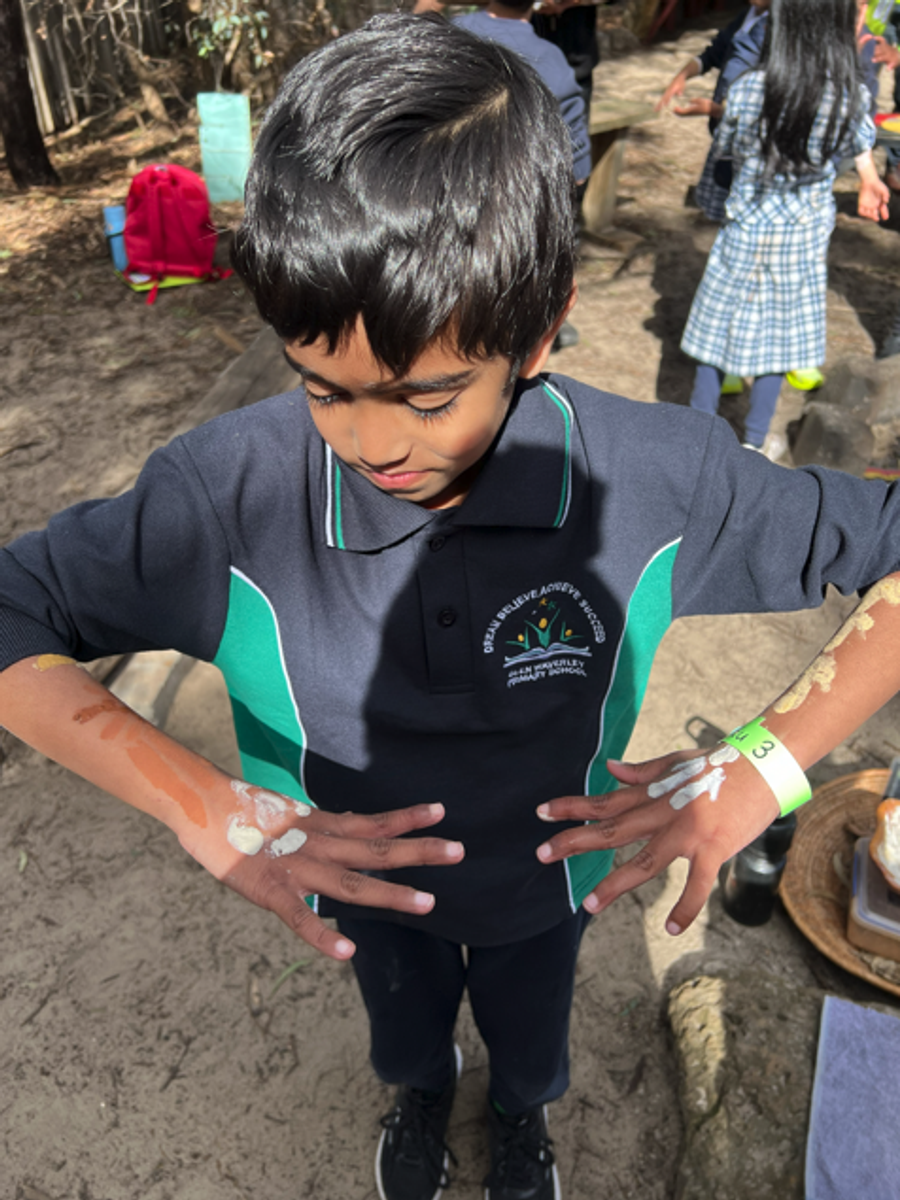
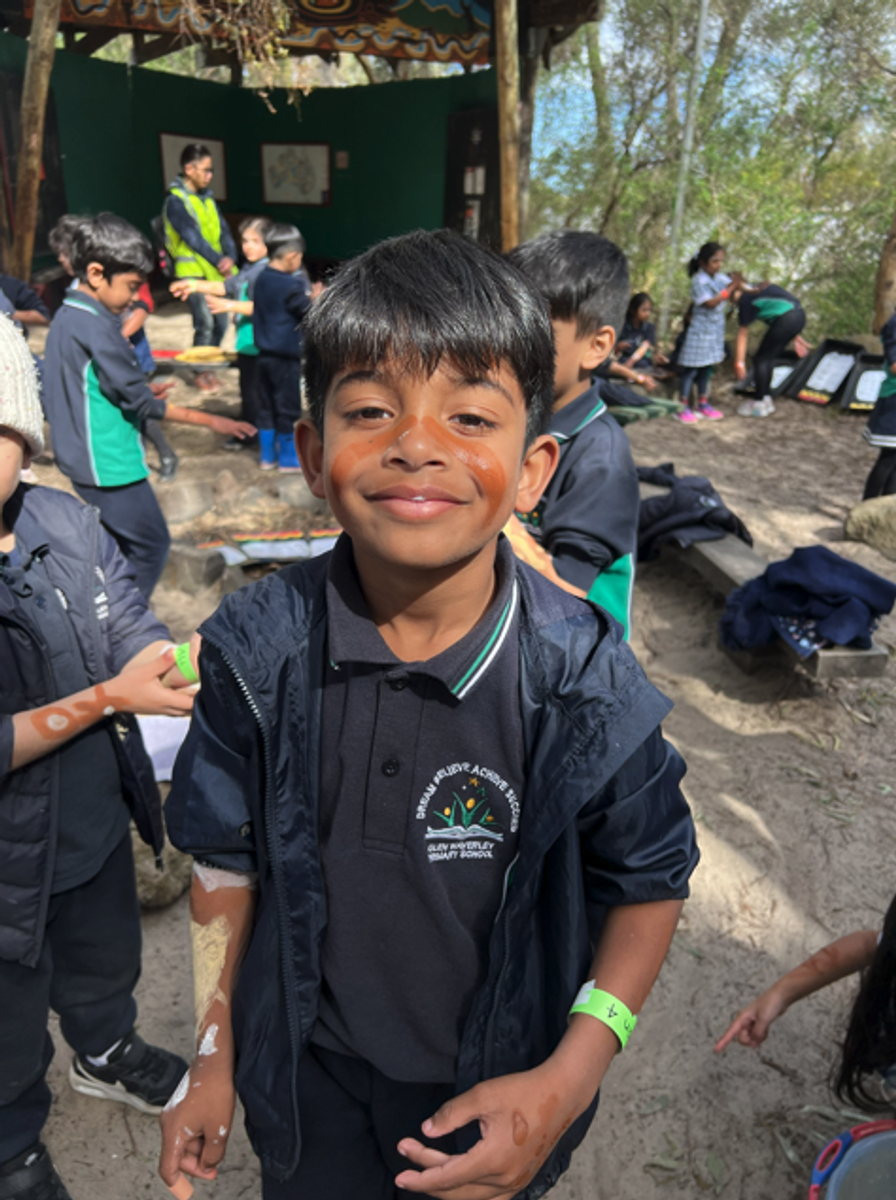
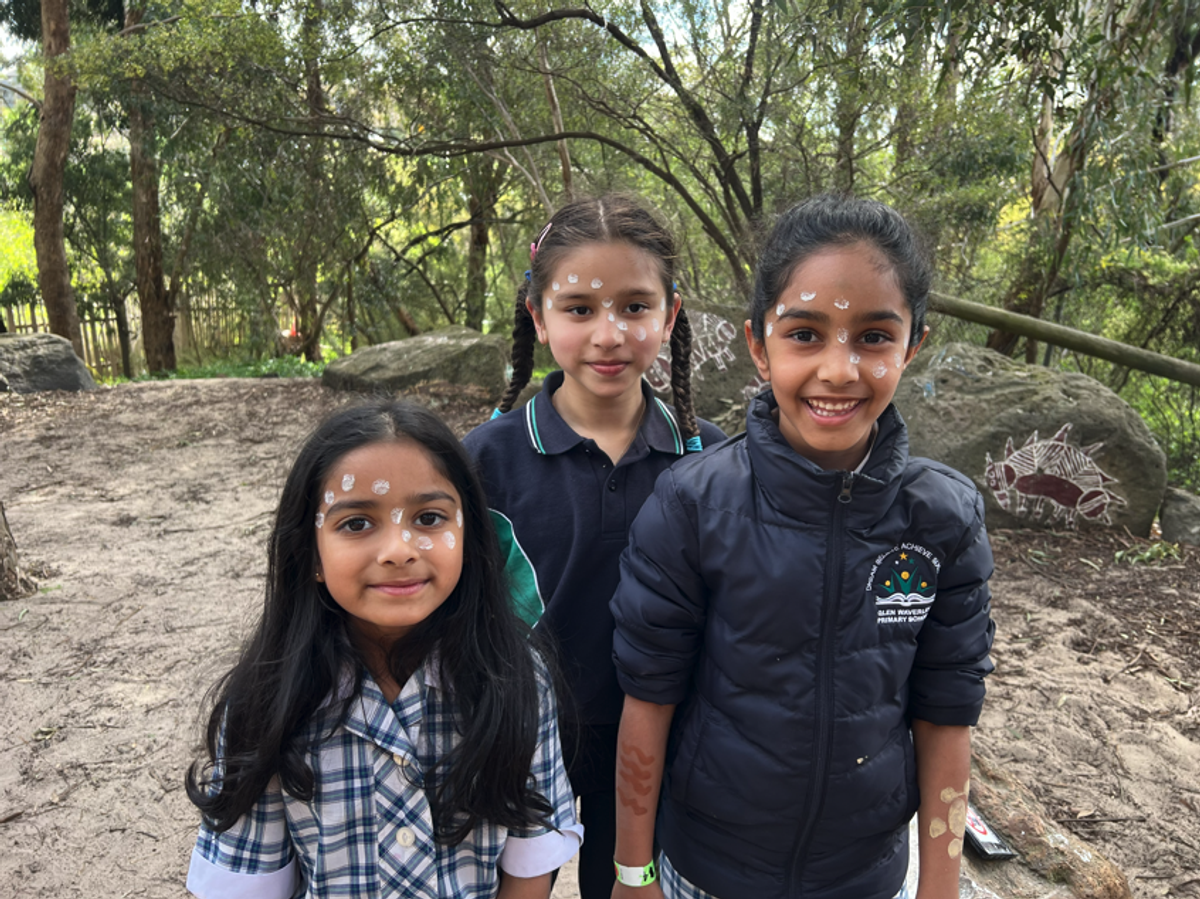
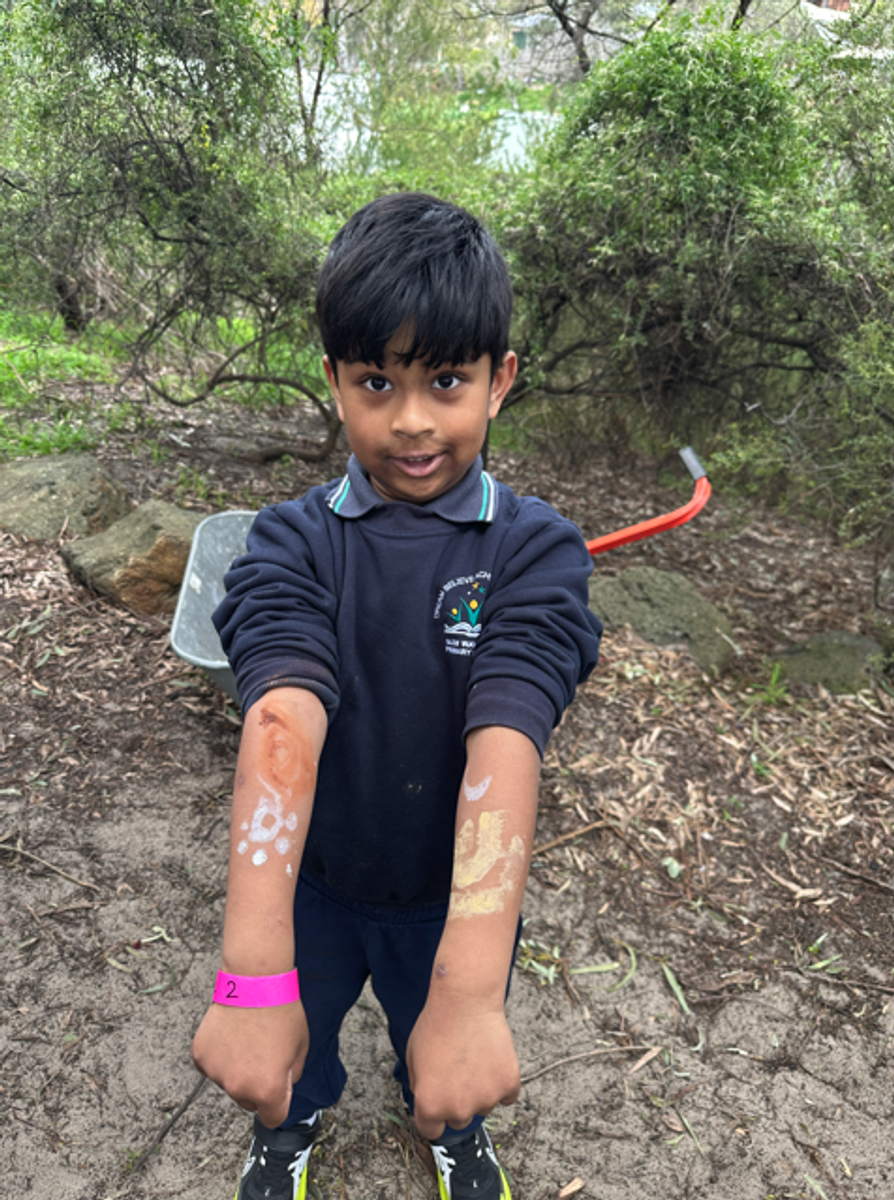
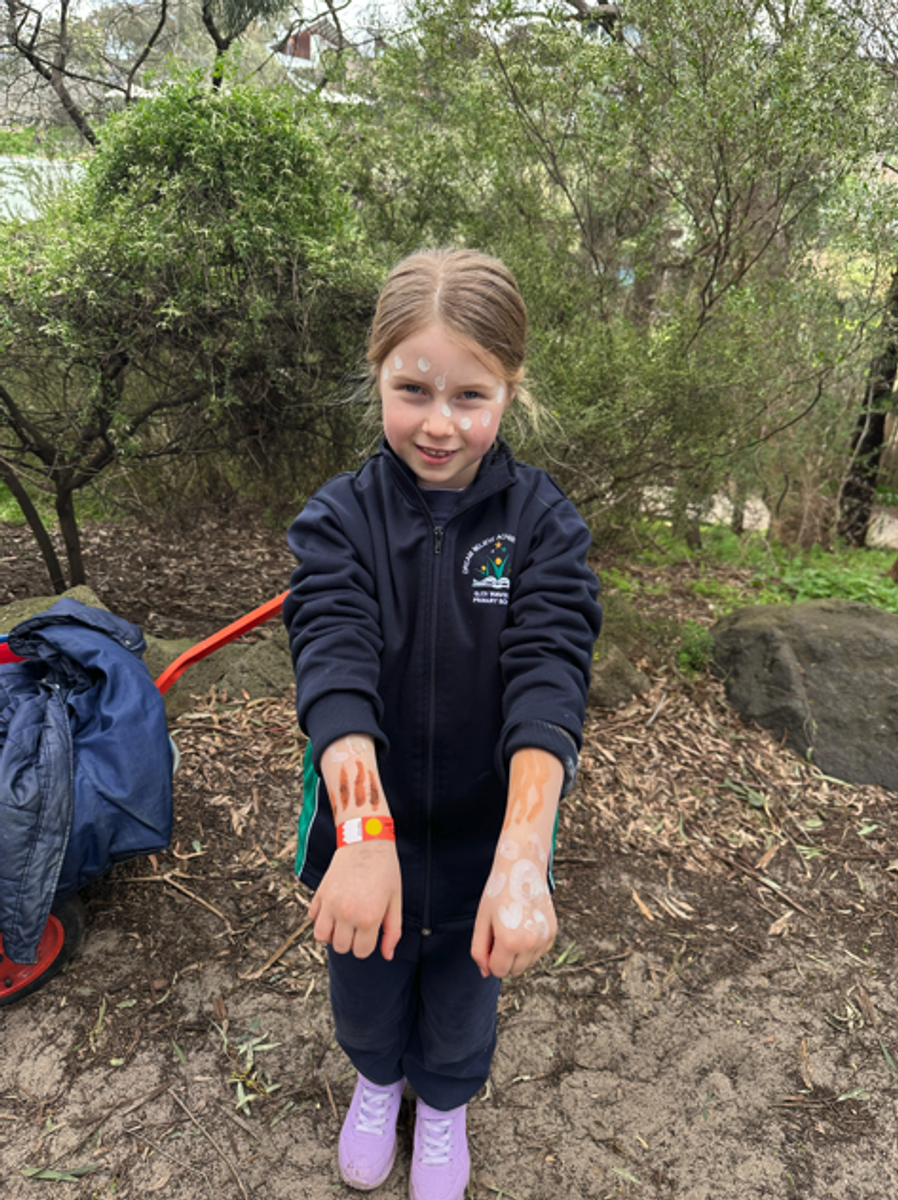
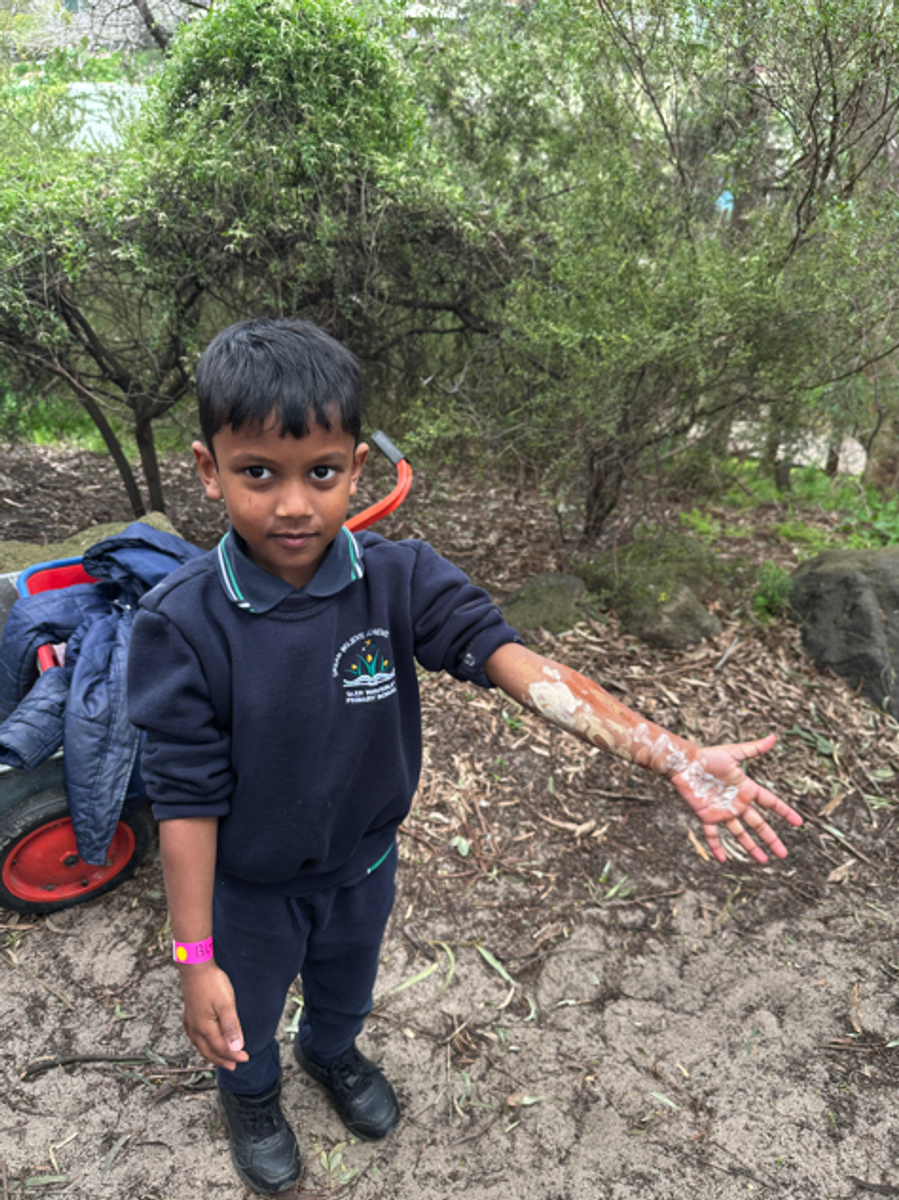
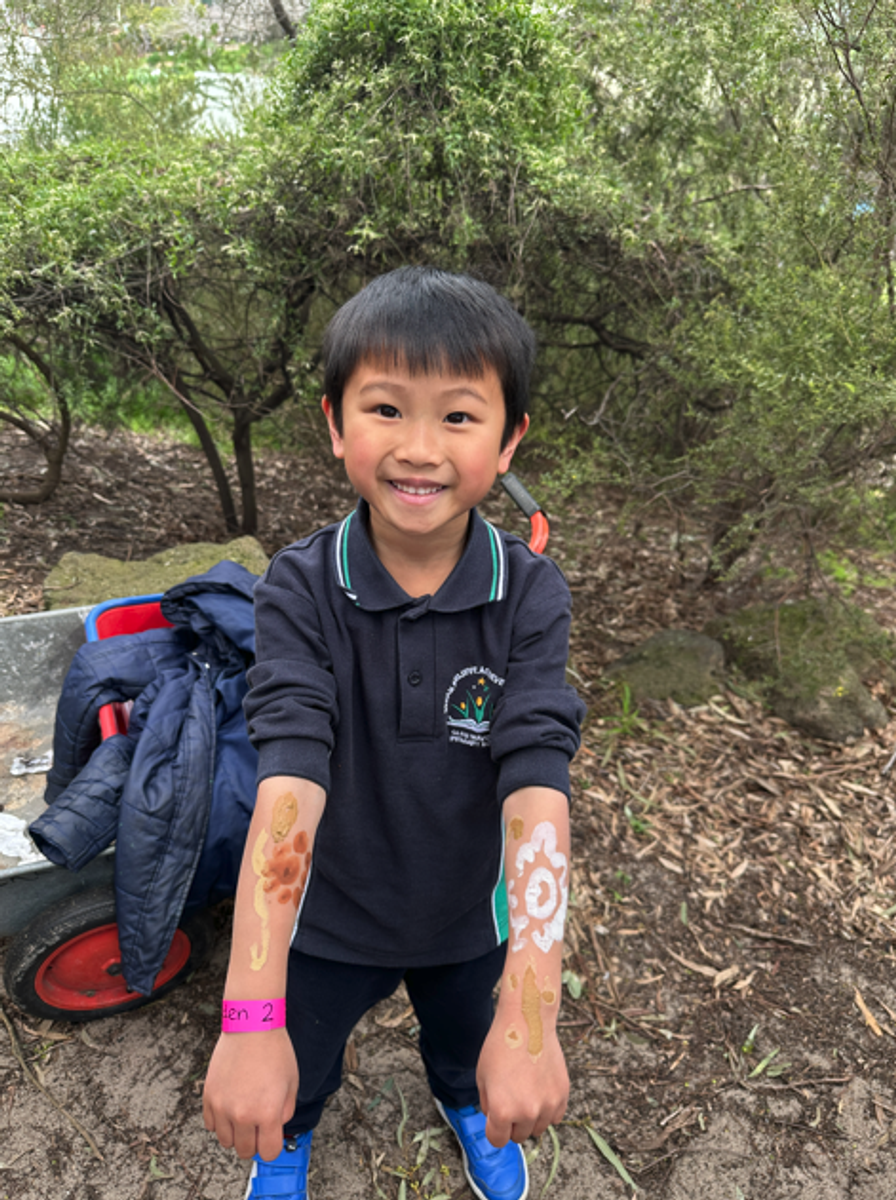
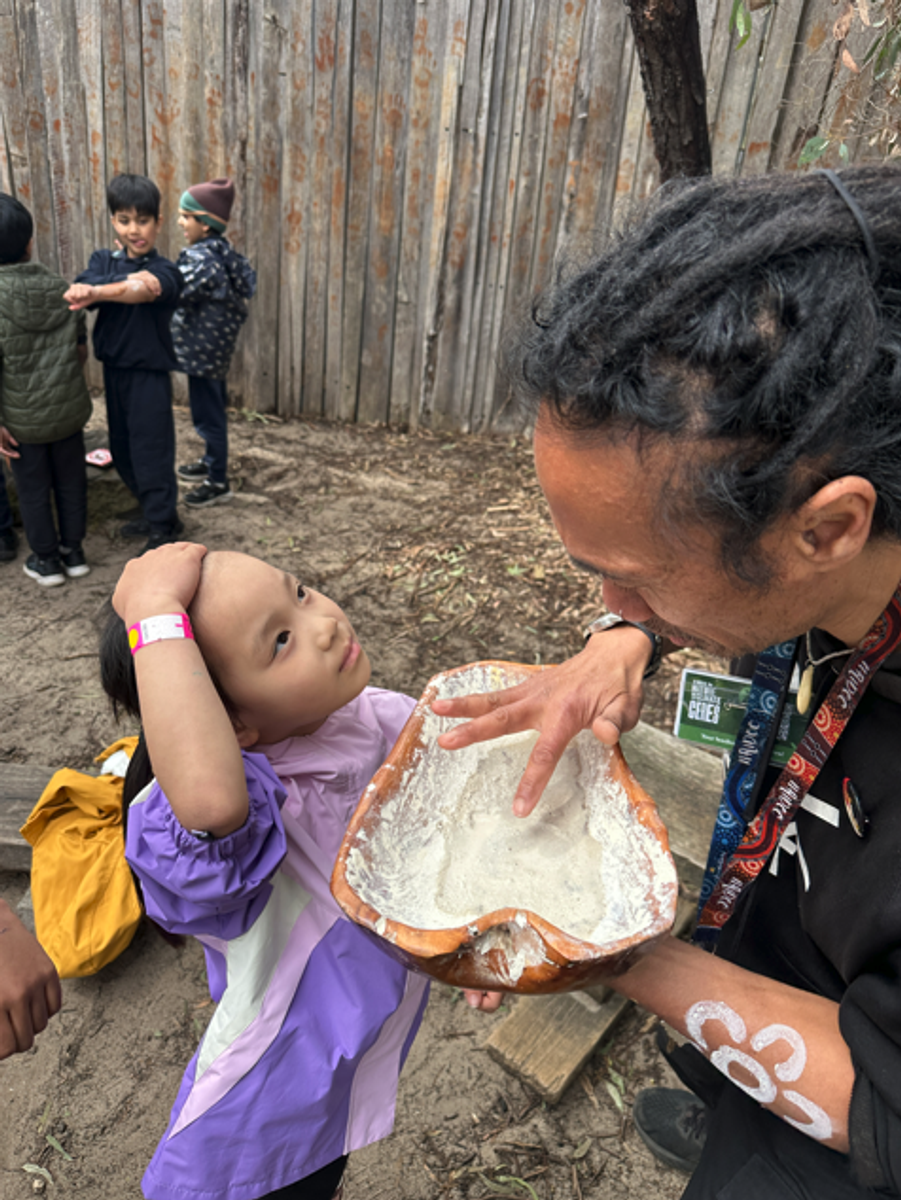
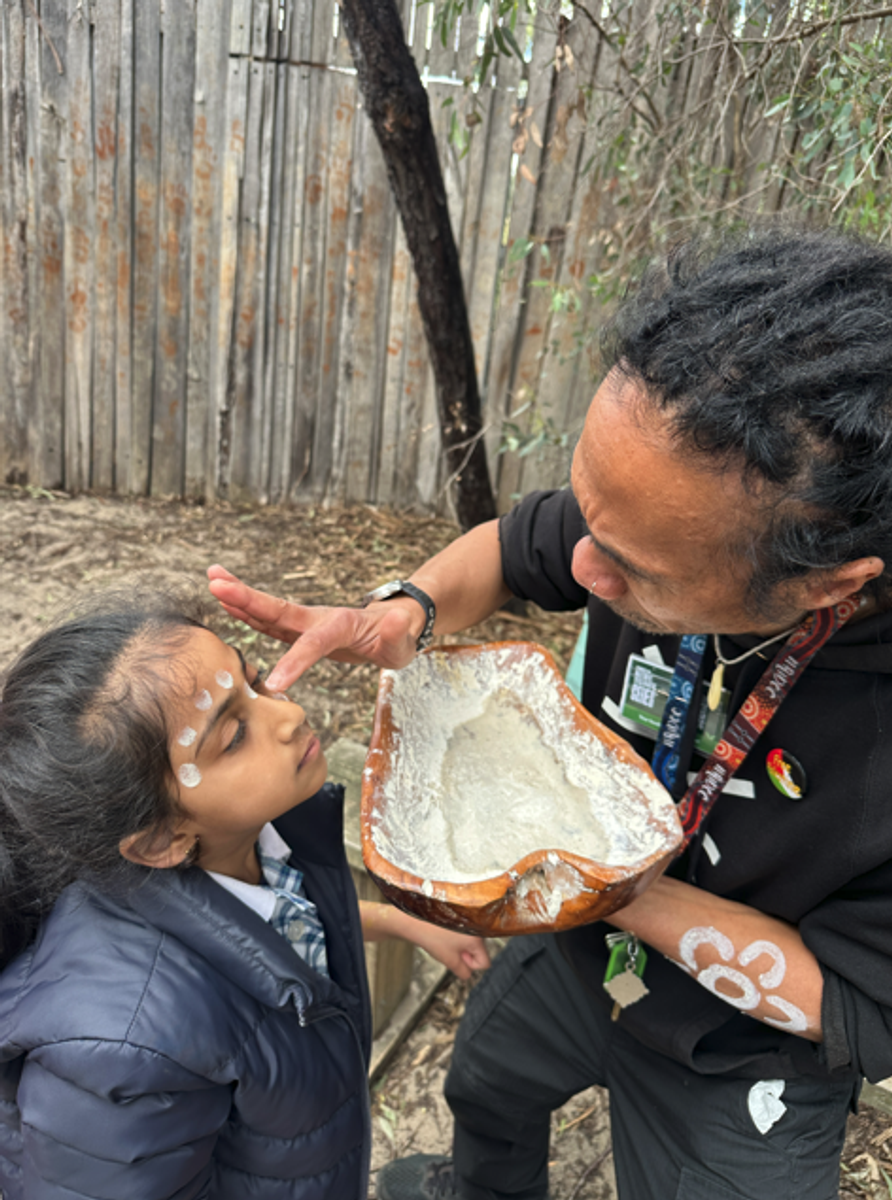
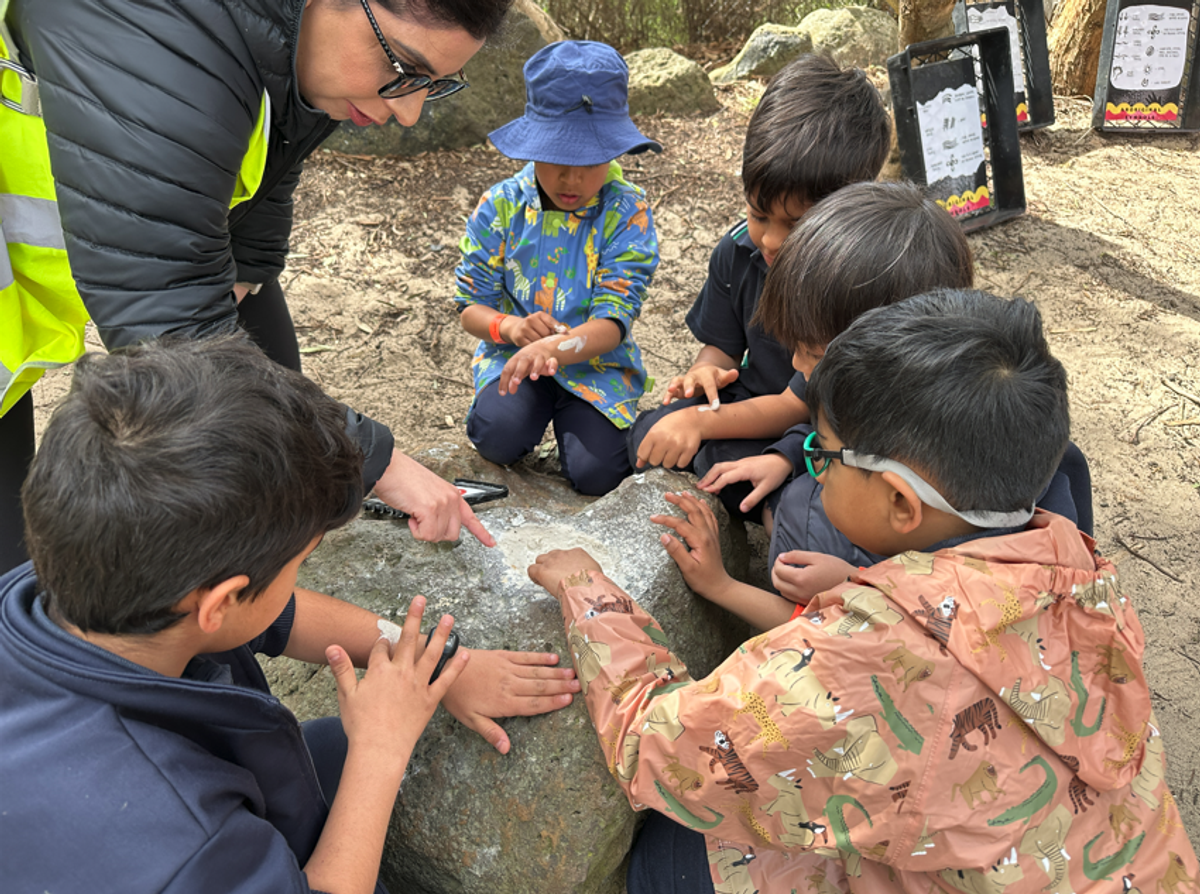
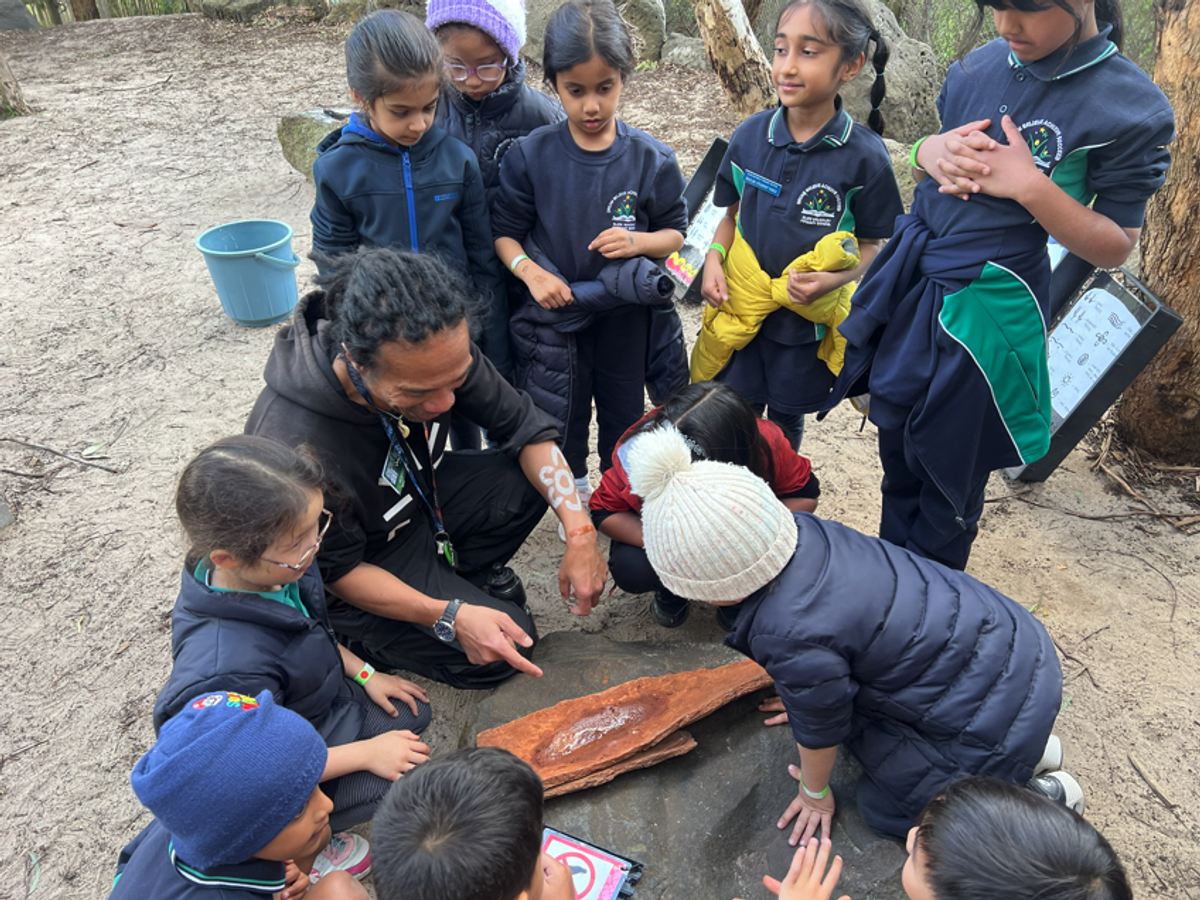
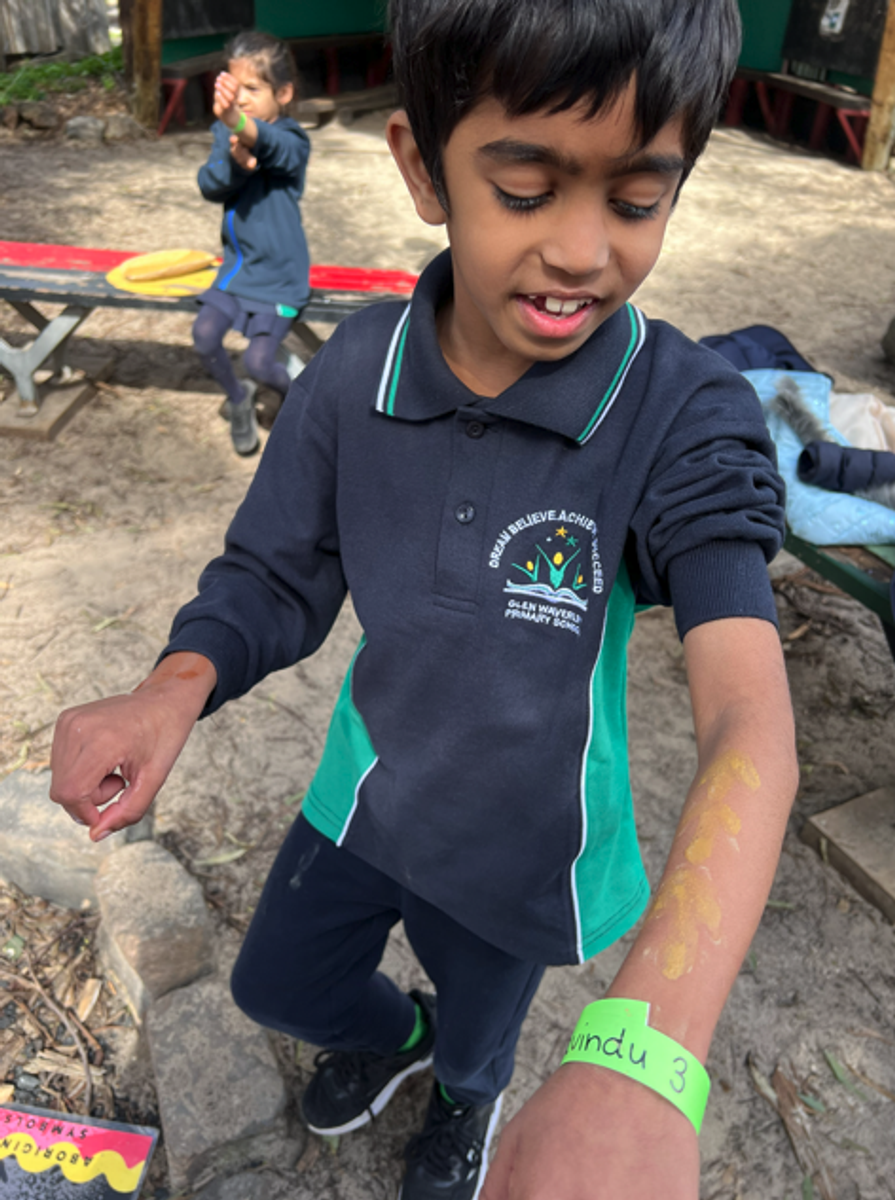
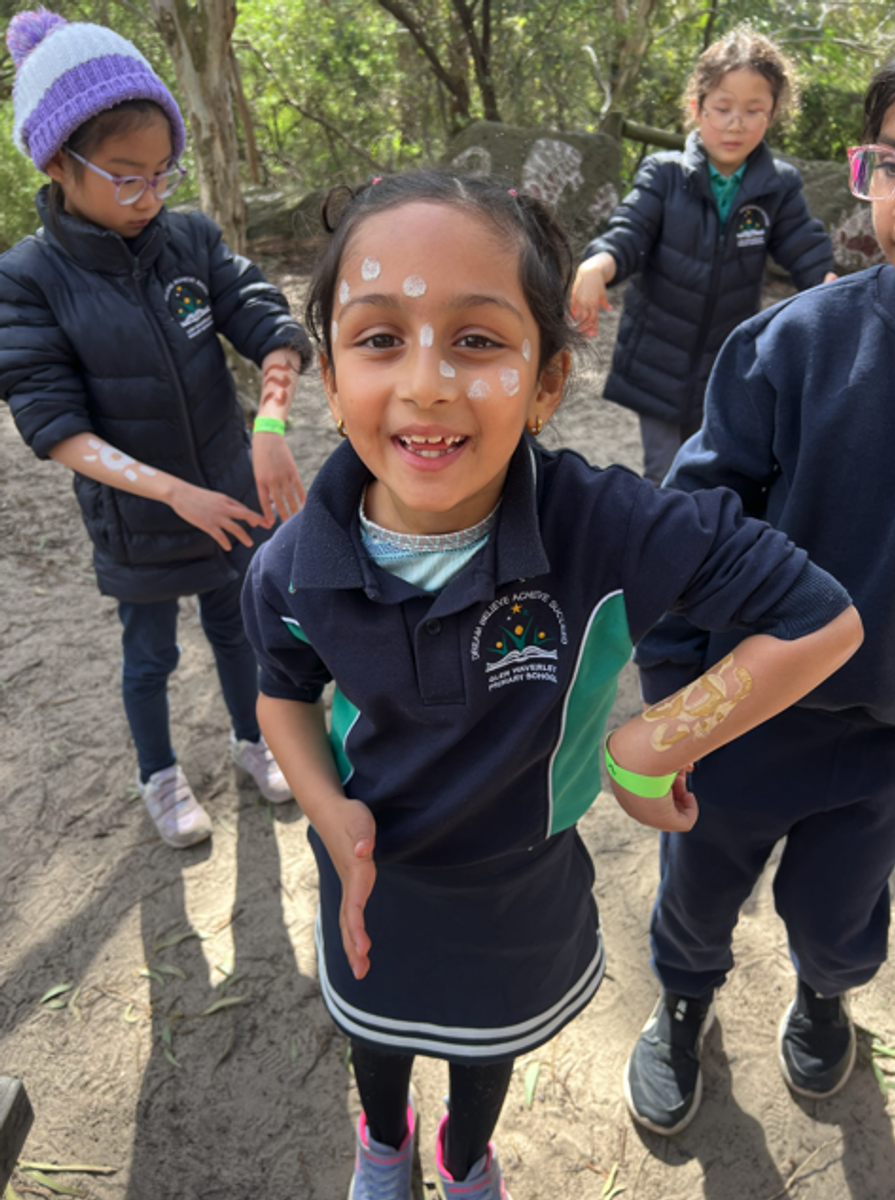
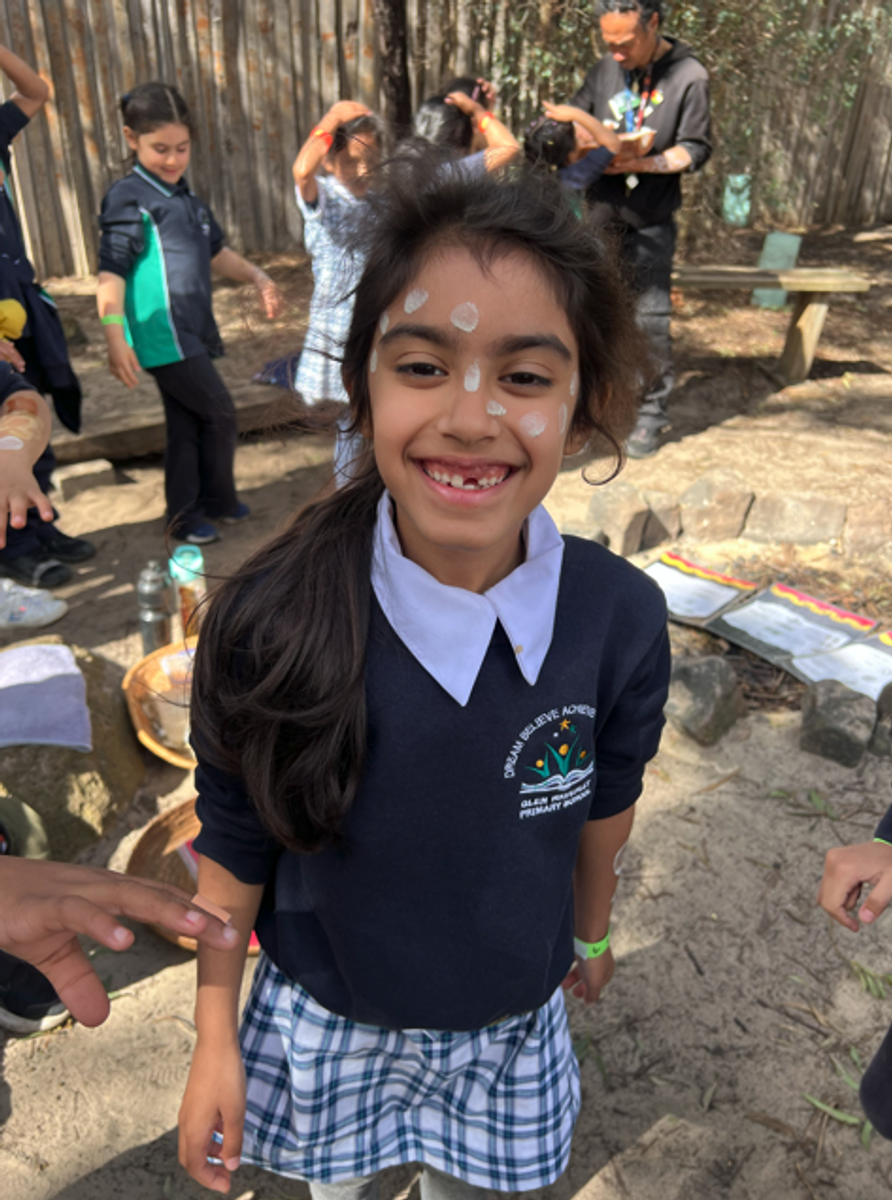
In Term 4, students will explore the guiding question: “How do changes in the sky affect us?” They will observe the sun, moon, and stars, investigating how daily and seasonal changes influence our lives, routines, and environment. Students will keep sky journals, track patterns of sunrise and sunset, and record changes in the moon over time. They will also examine weather and seasonal variations, discovering how plants, animals, and people adapt to these changes. Alongside their scientific observations, students will explore cultural perspectives, including how First Nations Australians use astronomy to understand the sky and how different cultures celebrate and respond to seasonal changes.
Key Vocabulary:
Celestial objects, Patterns, Seasons, Weather, Climate Action
How can you support your child’s Inquiry learning at home?
- Spend time outside with your child observing the sky. Look at the clouds, moon, stars, or sunset together, and talk about what you notice.
- Share stories, traditions, or festivals from your culture (or others you know) that are linked to the sun, moon, stars, or seasons.
- Talk about how seasonal changes affect your daily life—for example, what clothes you wear, the food you eat, or outdoor activities you enjoy.
Wellbeing and Cyber Safety
In Term 4, we will continue with The Resilience Project, where learners will develop their emotional literacy and understand how their words and actions impact those around them. They will explore body language, both in themselves and in recognizing it in others. With Year 2 fast approaching, we will focus on identifying, understanding, processing and demonstrating emotions and well as expressing gratitude. Lastly, we will emphasize the value of thinking before speaking or acting, considering how our choices affect others. We will also transfer these threads into the online space, through our Cyber Safety Program.
Key Vocabulary:
Gratitude, emotions, empathy, consequence, affect, feelings, transition/change
How can you support your child’s Wellbeing learning at home?
- Body Language Charades: Act out emotions using only your body language (e.g., happy, sad, excited), while family members guess the emotion.
- Gratitude Journal: Each day write down something you are thankful for.
- GEM Chats: Engage with the weekly GEM chat question provided in the home learning as a family, during car rides, dinner time or before bed.