HUB NEWS

Three future educators. Three different journeys. One shared calling.
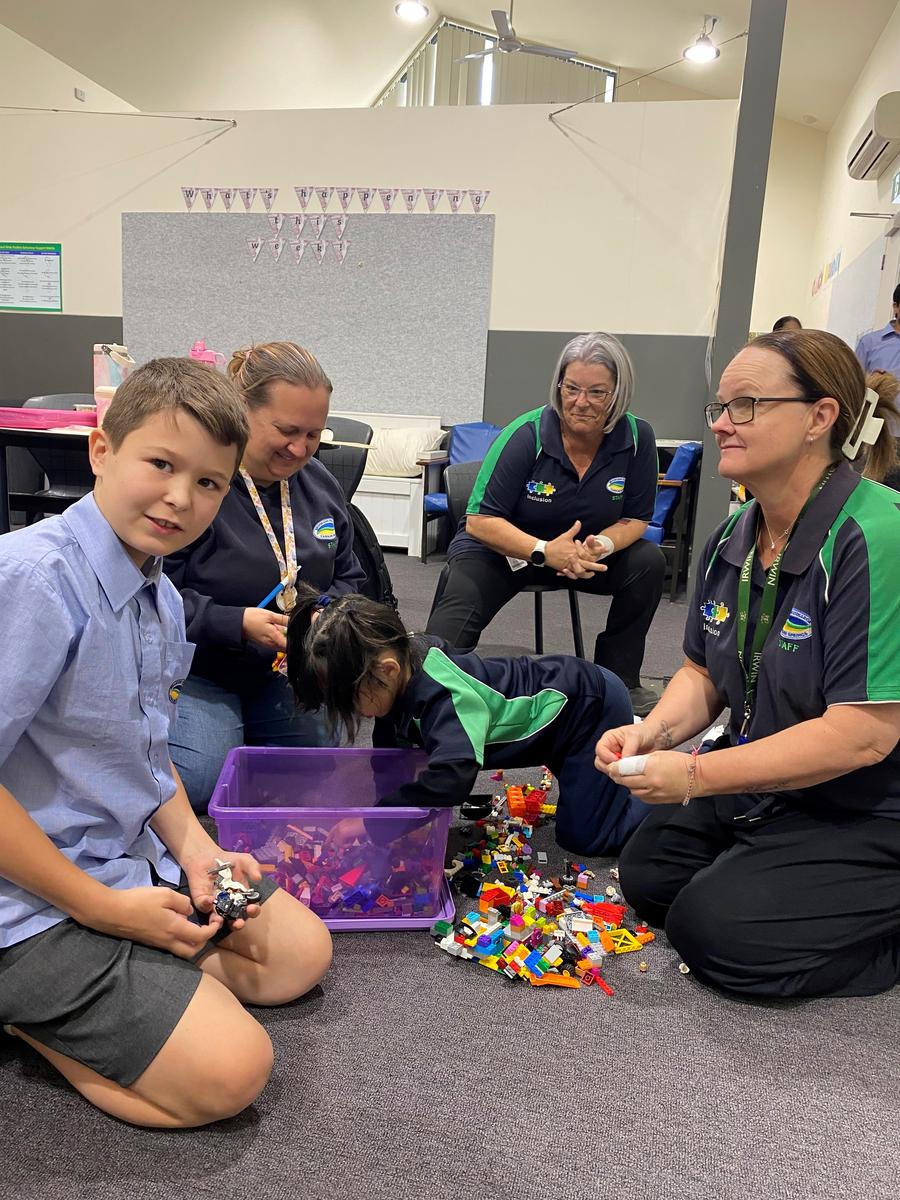
Meet a trio of passionate ES staff here at Brookside College; Claire (left) Charlize (right) and Mel (single image) on the path to becoming teachers...each driven by the desire to learn how to teach.
They all bring a unique perspective; creativity that sparks curiosity, empathy that builds connection, and determination that inspires growth.
As the trio juggle the commitments of study, work and family, they use their knowledge, classroom strategies, and hands-on experiences to support many students throughout the school.
All three have a strong passion for supporting students and helping them succeed. They enjoy working alongside students as they learn a new skills and step outside of their comfort zones.
Mel also helps to facilitate the Koorie Club at Brookside where Aboriginal and Torres Strait Islander students connect and share their culture which helps build identity, pride, and a sense of belonging.
We wish Claire, Charlize and Mel all the best with their upcoming assignments.

The Importance of Play
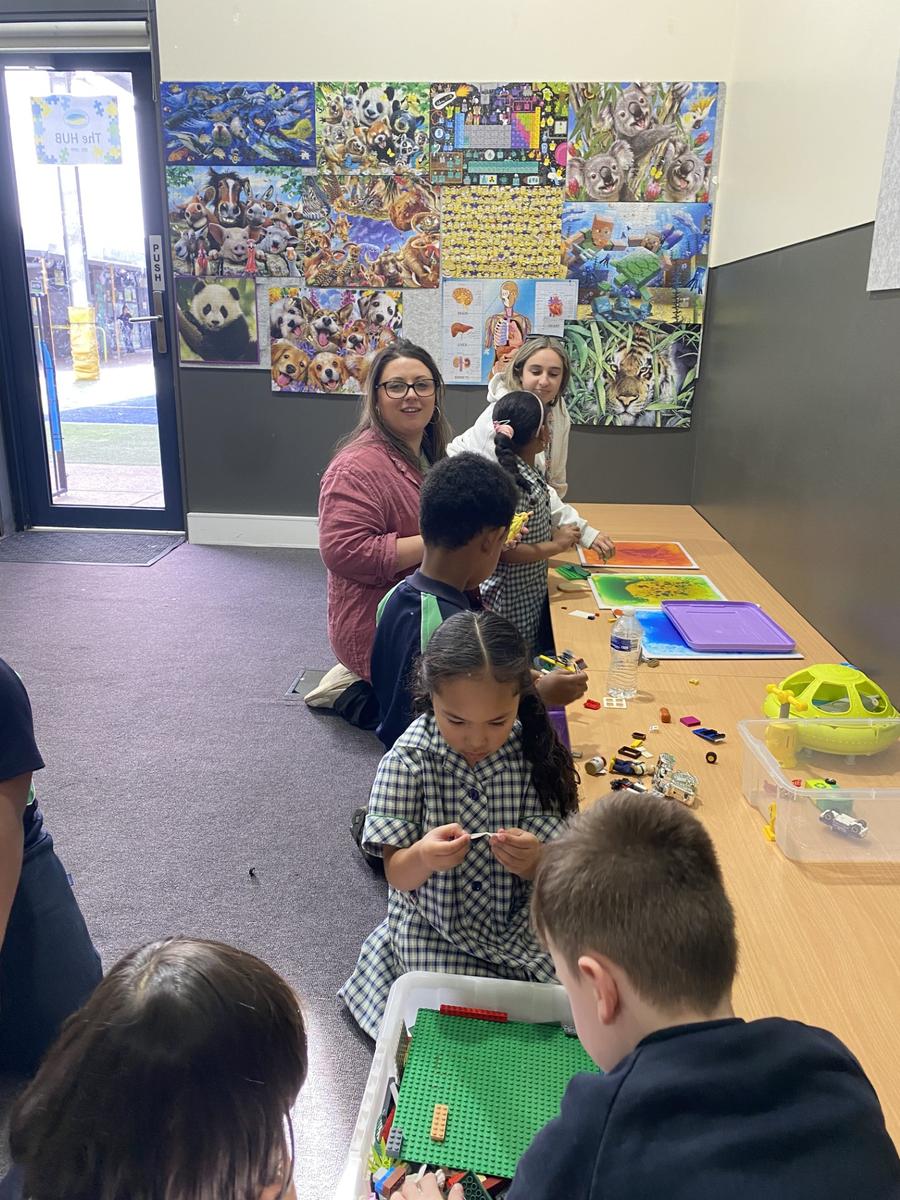
Play is a natural, enjoyable, and essential way for children to learn and develop. Through play, children explore the world around them, build understanding, and develop important life skills in a meaningful way. Activities such as building, drawing, pretending, and playing games encourage creativity, problem-solving, and imagination, helping children make sense of their experiences.
Play supports physical development by promoting movement and coordination. Activities like running, climbing, and jumping help children build strength, balance, and overall health. At the same time, these experiences encourage independence as children practise everyday skills.
Social and emotional development is also strengthened through play. When children interact with others, they learn to share, take turns, cooperate, and manage emotions such as excitement or frustration. This builds confidence, resilience, and empathy. Imaginative play, such as role play, allows children to express feelings and understand different perspectives.
Play also supports cognitive, literacy, and numeracy development. Children develop thinking, memory, and attention skills while learning concepts like shapes, numbers, and language.
In addition, structured social groups can support skill development by focusing on areas like friendships, turn-taking, and coping strategies. Overall, play is not just fun—it is a powerful tool that supports children in becoming confident, capable, and well-rounded individuals.