
Student Wellbeing
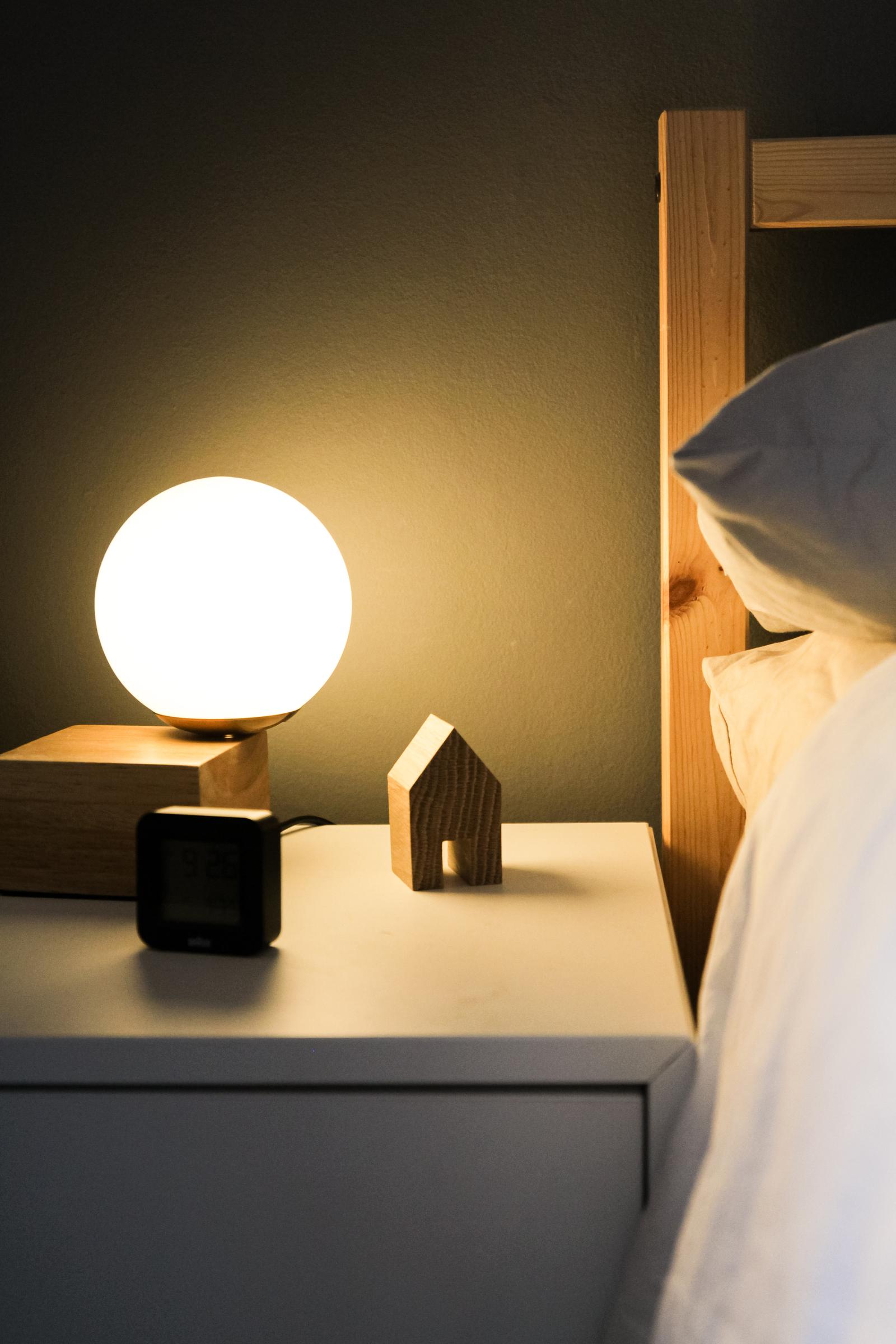
Sleep Habits!!
- Sleep is a key part of healthy growth and development for children and teens.
- There are average ranges for how much sleep children need at different ages, but every child has individual sleep needs.
- Factors like caffeine and screens can lead to poorer quality sleep and delay your child falling asleep.
- Follow a consistent and predictable bedtime routine, and be clear with your child about acceptable behaviour.
- Try not to negotiate with your child at bedtime and aim to remain calm and consistent.
- Positive reinforcement is an important part of behaviour change. Praise and reward your child for their healthy bedtime habits when they wake up the next morning.
- If your child has nighttime worries, assure them you are confident in their ability to deal with them and that they are safe. If these worries are ongoing or severe, see a mental health professional for review and support.
About sleep for children and teens
Sleep is an important part of healthy growth and development for children and teens. Good quality sleep allows the body to rest and helps with various physical and emotional processes, from immunity to concentration, emotional wellbeing and brain function.
How much sleep does my child or teen need?
Every child needs a different amount of sleep, which changes as they age.
As a guide:
- Children aged one to three years old need 12 to 14 hours
- Children aged three to six years old need 10 to 12 hours
- Children aged seven to 12 years old need 10 to 11 hours
- Children aged 13 to 18 years old need 8 to 10 hours.
Sleep problems in children and teens
For many families, sleep problems begin before their child is in bed. It is not unusual for children to have nighttime worries or fears that stop them from falling asleep easily. Preschool and primary-aged children may use excuses to avoid going to bed, like needing to go to the toilet or wanting to talk about something. Older children and teens may lie awake at night for a range of reasons, such as being uncomfortable in their sleep environment or stressed about school or friendships.
Sleep problems in children and teens can be behavioural, psychological or medical.
Problems for behavioural reasons
Behavioural reasons are the most common cause of sleep troubles for children. These include problems falling asleep, waking overnight, waking early in the morning, or a combination.
There are many reasons why a child may develop behavioural sleep problems.
If an infant or young child is used to being soothed to sleep in a certain way by a caregiver, they can form a habit called a ‘sleep association.’ This habit can make it hard for children to fall asleep without the support of that caregiver. Over time, it may mean they wake more often and need to be settled back to sleep.
Everything from school stress to busy schedules can disrupt sleep in older children and teens.
Speak to your child’s doctor if you are concerned about their sleep-related behaviours. You can also meet with a Maternal and Child Health Nurse if your child is under five.
Problems for mental health reasons
Mental health plays a key role in sleep; teens and children with anxiety, depression or other mental health concerns often find it harder to sleep than those without.
Some children will need mental health support from a doctor, psychologist, allied health professional or psychiatrist to improve their sleep.
Problems for medical reasons
Your child may struggle to sleep for health reasons, such as an illness like an ear infection, poorly controlled asthma, or a condition like obstructive sleep apnoea (OSA). Puberty also affects sleep in older children and teens. This is because a teen’s sleep-wake cycle – also known as their circadian rhythm – shifts, so they want to go to bed later and sleep in the next day.
If you think your child has an ongoing medical issue affecting their sleep, it is best to speak to a doctor.
Other factors that may affect sleep
Caffeine
Caffeine stimulates the brain and nervous system. While we usually associate caffeine with coffee, energy drinks and cola, it is also found in many other products your child may consume. Things like chocolate, coffee-flavoured desserts, green tea, matcha, and some medicines contain the same amount or more caffeine than a cup of coffee.

Screens
More kids than ever have access to screens – including phones, iPads and computers. While these devices can be great tools for learning, they can also impact how easily young people fall asleep and the quality of their sleep.
There are a few reasons why screens may cause sleep problems:
- Light from screens can delay the release of melatonin – a hormone that helps regulate the body’s sleep and wake rhythms
- Content viewed on screens may be highly stimulating for the brain
- Devices can make sounds or let off light which can disrupt sleep
- Children may want to stay up later to play games or use social media
- Older children and teens may have electronic devices in their bedroom and use these in bed late into the night.

Strategies to help bedtime behaviour and habits
Be clear and consistent about what your child needs
- Decide what acceptable bedtime behaviour is, and be clear with your child about your expectations.
- Talk with your child about bedtime habits and make plans for any changes during the day – try not to wait until you are getting them into bed.
- Focus on explaining the benefits of sleep to your child, such as growing up to be strong and having energy for exciting activities.
- Expect some resistance. Your child will probably not want to change their habits, so their behaviour may worsen in the short term before it gets better.
Follow a bedtime routine
- Plan a consistent bedtime routine to help your child wind down. Over time this should help them fall asleep more quickly.
- Include calm and enjoyable activities in the pre-bed routine, such as a bath or a set number of stories.
- Avoid stimulating activities like watching television or other screen use, running around or playing video games.
- Consider removing screens and devices from your child or teen’s room before bedtime and overnight.
- Stick to a regular bedtime and discuss it with your child during the day.
- Try not to negotiate with your child at bedtime, and do not argue if they protest. Instead, calmly remind them of the new rules and continue.
- Settle your child into bed and try to leave the room while they are still awake.
- Be consistent and stick to your routine.
Respond to any resistance
It is common for children to resist bedtime.
If your child calls out from their bedroom, try these tips:
- Calmly tell them it is time to sleep
- Do not start a discussion
- Enter the room to reassure them if they are upset – try to be quick and limit what you say.
If your child comes out of their room:
- quietly return them to bed while holding their hand
- be firm, but do not punish them
- try to limit what you say – it is best to be calm, repetitive, and boring. For some children, even a parent getting angry is more interesting than sleeping. For others, this triggers anxiety which makes it harder to get to sleep.
Return your child to bed if they get out again. Repeat as many times as needed.
Use positive reinforcement
- Praise your child first thing in the morning for things they did well the night before. A positive focus on effort and success will be better at changing their habits than telling them off or focusing on failure.
- Consider rewarding your child for sticking to the rules. Sticker charts can work well – even for older children. After five stickers, you could organise a lucky dip or small prize to keep them engaged with their behaviour change.
- If your child struggles with their new routine, break it down into different parts and reward them for each. For example, you could give them three stickers: one for getting into bed, one for staying in bed and one for sleeping through the night.
Helping your child with worries at night
Some children have problems falling asleep because they feel anxious and think too much about their worries when they go to bed.
The following tips may help them overcome their nighttime anxiety:
- Talk about their worries: Have open discussions with your child about their concerns during the day. Some young children may say they fear the dark or monsters. Older children may not be able to explain what they are worrying about, or they may just worry about not being able to fall asleep. It is important not to dismiss your child's worries, while being careful not to dwell on irrational fears. Tell them you have confidence in them to deal with their worries and reassure them they are safe.
- Get creative: If your child is scared at night, consider a creative way to help them. For younger children, you could invent a special fairy or protective dragon who watches over them – this uses their imagination to make them feel safe. Older children might prefer a worry box where they can write down or draw their concerns and put them in a box. Teenagers might benefit from relaxing with a book, journaling or listening to a guided meditation before bed.
- Try relaxation techniques: Children of all ages can learn relaxation techniques that calm them down and distract them from worries. Breathing exercises, muscle relaxation and positive imagery are all great methods to try.
- Use security objects: Sometimes, a simple object can help your child’s anxieties. For example, a nightlight may help a child scared of the dark. If your child is over 12 months old, they may feel more relaxed with a soft toy or favourite blanket to cuddle.