
Junior School
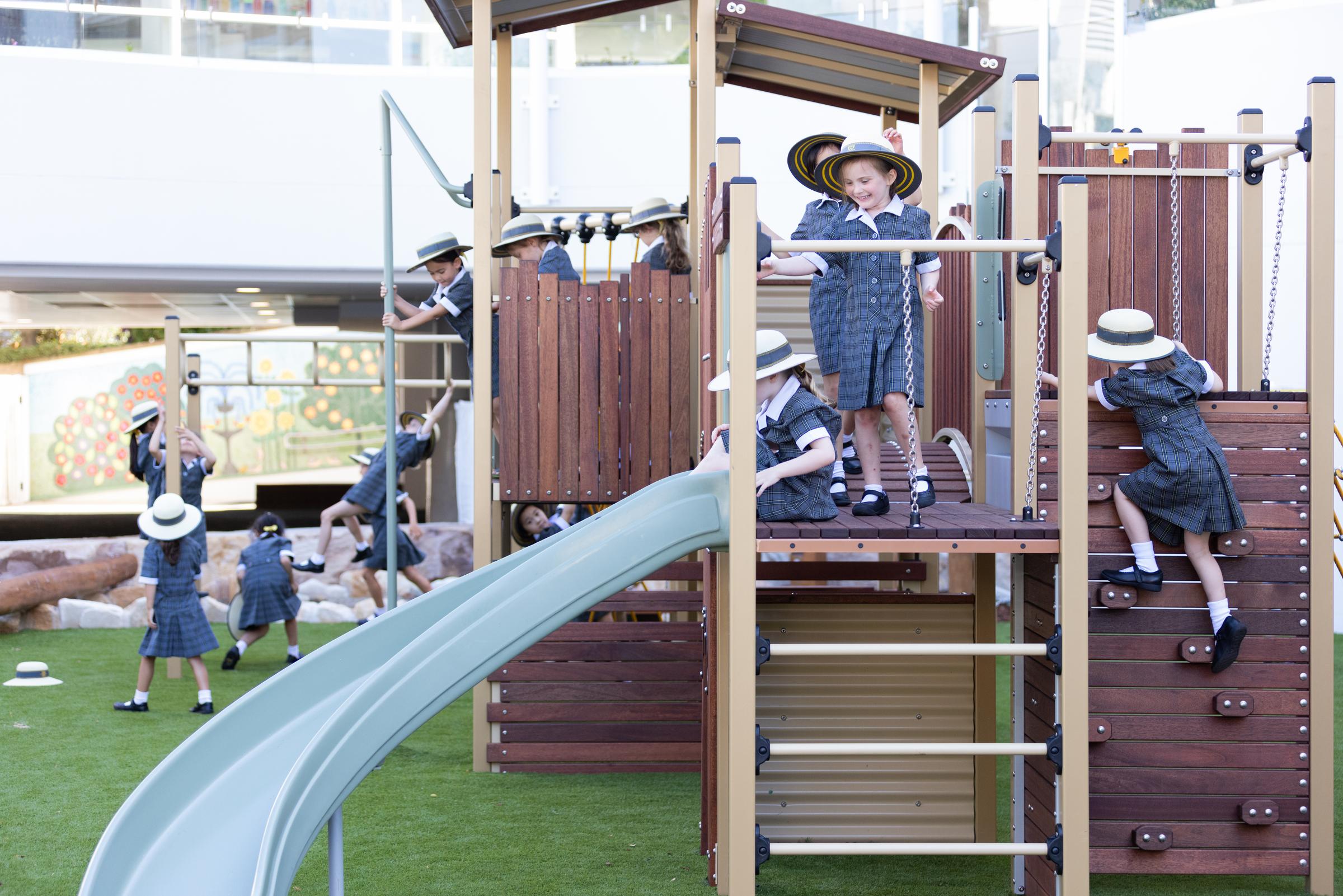
Fostering Inquiry, Innovation and Critical Thinking
What does it mean to be a critical thinker in the Junior School? It begins with curiosity. It is evident when a student asks a thoughtful question about the natural world, perseveres through a challenging mathematical problem or seeks to understand how technology works rather than simply using it. Throughout Term 2, students across the Junior School have embraced opportunities to inquire, investigate and solve problems, developing the critical thinking skills that underpin future learning and leadership.
In Science, our Year 6 students have embarked on an exciting journey with the University of Technology Sydney’s Combined Schools Science Initiative (CSSI). Working alongside their Year 10 mentors, students are exploring this year’s inquiry theme, Balancing Nature: How Do Living Things Keep Ecosystems Healthy? Through their investigations, students are examining the intricate relationships between plants, animals and their environments, while considering the impact of human actions on natural ecosystems.
As young scientists, students are moving beyond the acquisition of scientific knowledge to engage in the practices of authentic scientific inquiry. They are posing questions, designing investigations, collecting and analysing data, and communicating evidence-based conclusions. Through this process, students are developing a deeper understanding of sustainability and biodiversity while recognising that scientific understanding is constructed through observation, investigation and critical evaluation. The partnership with Year 10 mentors provides a valuable collaborative learning environment in which students exchange ideas, challenge thinking and deepen their understanding through shared inquiry.
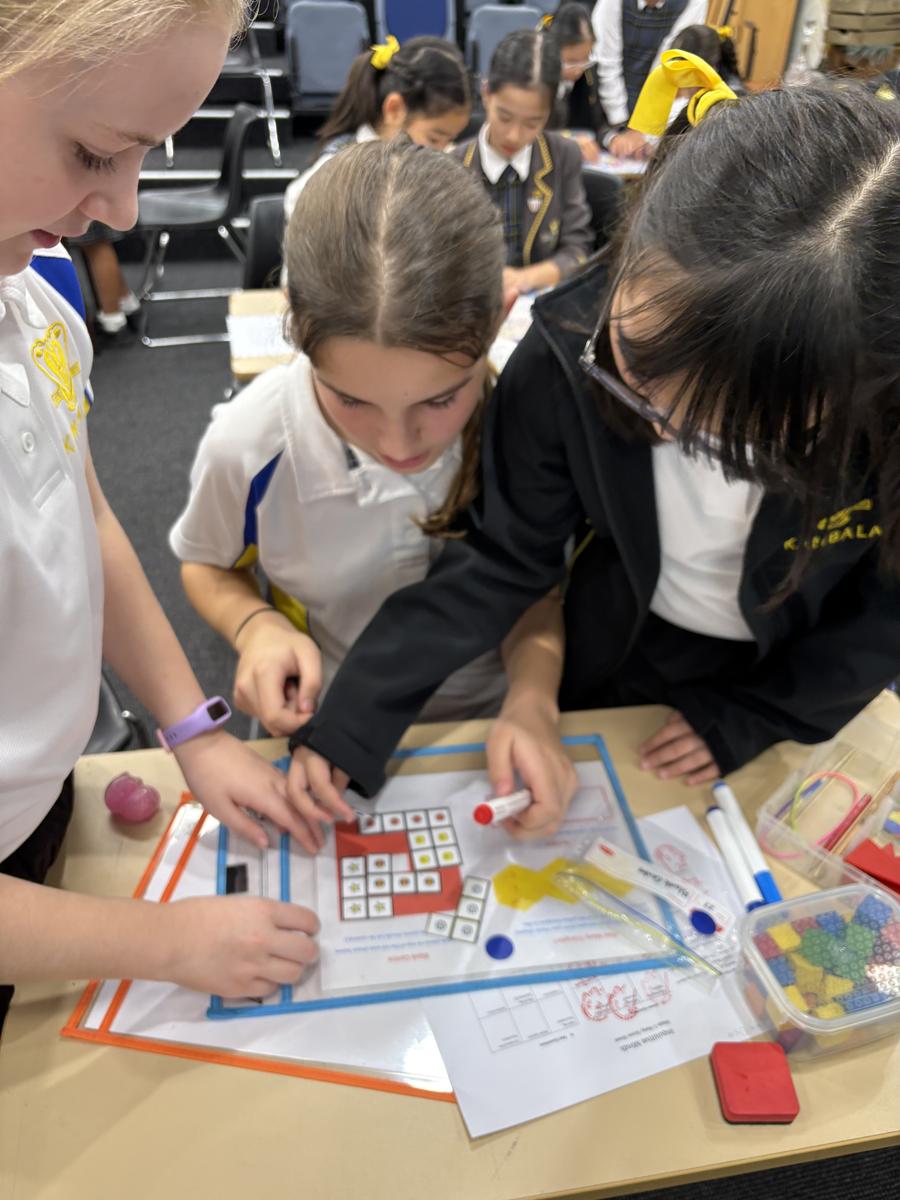
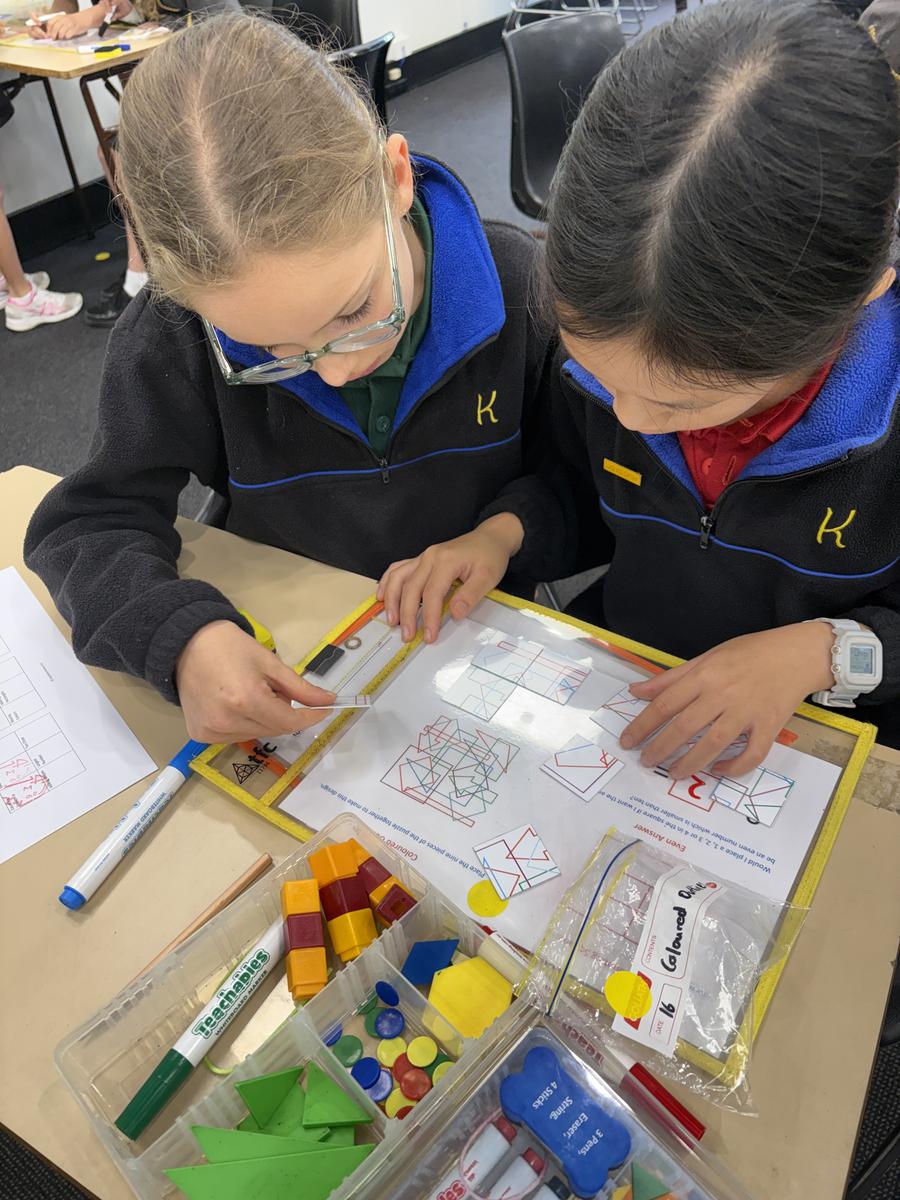
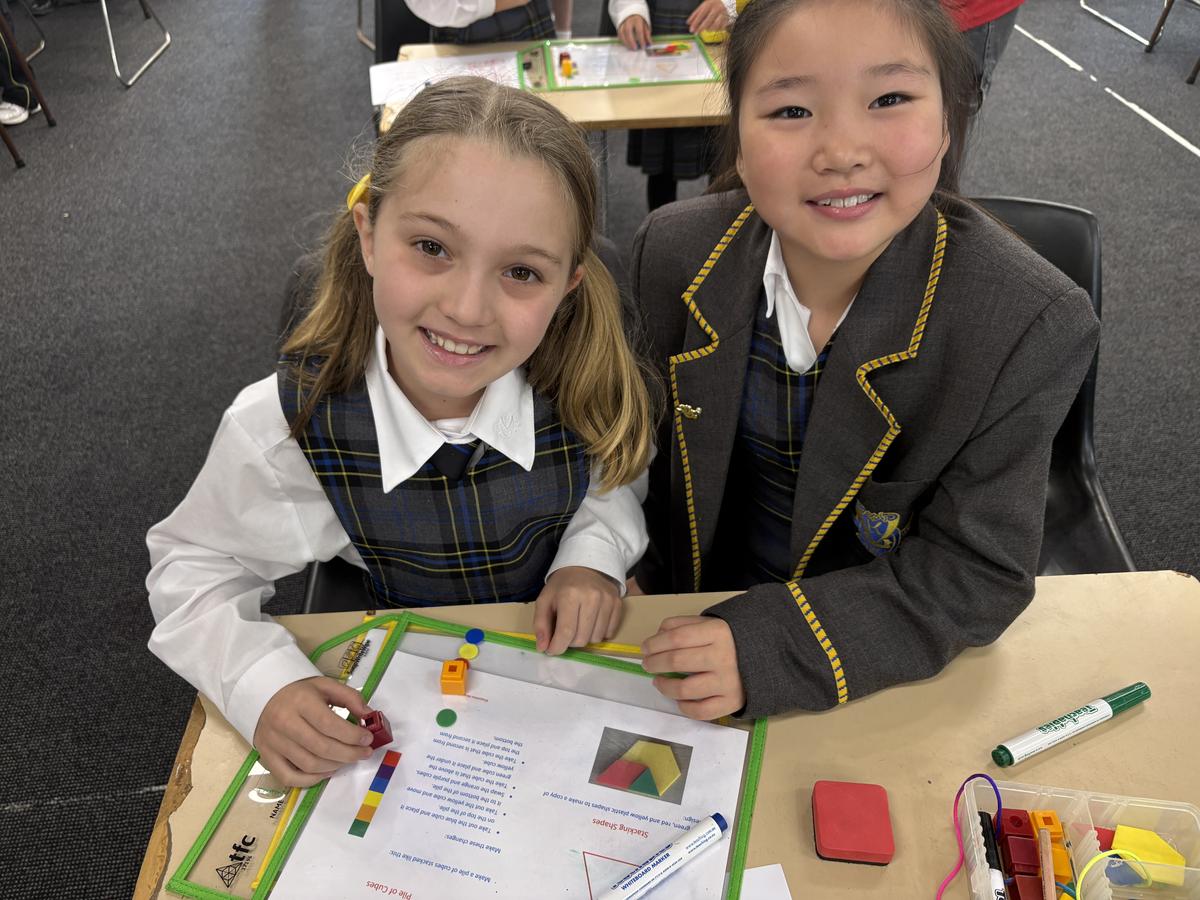
Critical thinking has been equally visible in Mathematics. Students have participated in the highly engaging Inquisitive Minds workshops, where classrooms have been transformed into hubs of collaboration, strategy and problem-solving. Faced with complex challenges and mathematical brain teasers, students have worked together to test ideas, identify patterns and justify their reasoning.
These workshops have encouraged students to move beyond finding answers and instead focus on the thinking processes required to reach them. Logical reasoning, perseverance and resilience have become essential tools as students explore multiple solution pathways and refine their strategies. It has been inspiring to see students embrace challenge with enthusiasm, demonstrating both confidence and a willingness to take intellectual risks. The depth of thinking has matched the energy in the room, as students discover that some of the most rewarding learning occurs when problems do not have an immediately obvious solution.
Students have also been strengthening their digital literacy and computational thinking skills through our digital technologies program. Across Years 1, 3 and 5, students have participated in specialised coding workshops that provide hands-on opportunities to explore how digital systems operate.
From investigating algorithms and digital systems in Year 1 to exploring data representation and visual programming in Year 3 to examining networks and data transmission in Year 5, students are developing an increasingly sophisticated understanding of the technologies that shape their world. Importantly, they are learning not only how to use technology but how to think critically about it. Through coding, troubleshooting and designing digital solutions, students are developing the confidence to become active creators and problem-solvers in an increasingly digital society.
Collectively, these experiences are developing students’ capacity to think critically, engage with complexity and apply their learning in authentic contexts.
Sheridan Sweeney
Deputy Head of Junior School
Problem Solving- Inquisitive Minds
“All children have remarkable abilities to learn substantial mathematics when provided learning opportunities that emphasize sense making and problem solving” (National Council of Teachers of Mathematics, 2020).
Problem solving and critical thinking skills prepare students to understand and critique their world, preparing them to be contributing leaders in society. They are skills that all individuals need in decision-making, in the workforce, in their communities, and in daily life.
When approaching challenging problems in Mathematics, students are required to:
▪ explore and connect mathematical concepts
▪ build understanding and fluency
▪ choose and apply efficient techniques to solve problems
▪ communicate their thinking and reasoning coherently and clearly
Recently, our girls in Years 3-6 immersed themselves in an engaging incursion called Inquisitive Minds. The workshops foster a love of mathematics in students as they learn cooperatively to solve challenging problems and brain teasers using logical reasoning and strategic thinking. The girls were able to apply the skills of problem solving that they have been learning in class. They displayed a growth mindset with their perseverance, resilience and willingness to tackle challenging tasks. We are proud of our girls for displaying enthusiasm, enjoyment and cognitive engagement in their mathematical thinking.
Quotes from students
Mia Li
We got to work as a team and do a relay. Working together is better than working by yourself. If you don’t understand, you can figure it out together. We used logical reasoning rather than guessing. It made it more efficient.
Alexandra Scanlon
I liked how they took us through step-by-step. They helped me understand problems clearly.
Lilia Feng
I like how their logo is made out of Maths numbers and symbols. In the relay, there were 36 questions and there were many winners. You worked in pairs and built relationships.
Olivia Ren
We applied our critical and creative thinking and needed to collaborate to work out what to do.
Katherine Revelas
It was exciting to move onto the next question in the relay to beat the other teams. We had to think outside the box to solve the problems.
Selen Summerill
It was fun teamwork, and it was competitive. We had to find strategies that I wouldn’t normally use that I can now use in my learning.
Ky-Lee Murphy
Director of Curriculum

Join the Kambala Parents' Association for the City to Surf on 9 August.
Click here to join the team and to gather all details.
We'd love to have you join us!!
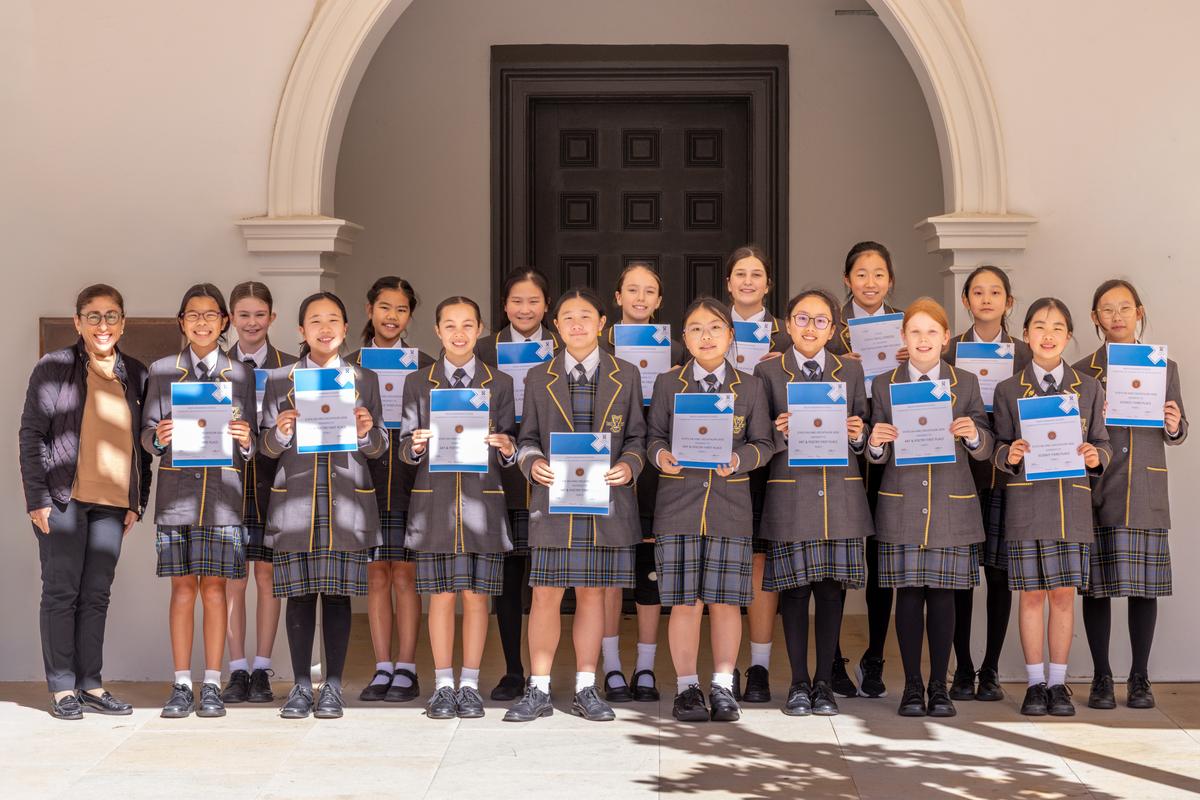
Further results: Celebrating Success at the da Vinci Decathlon
Recently, 1,500 students from across New South Wales competed in the prestigious da Vinci Decathlon State Competition. Designed to challenge the state's brightest minds, the event required exceptional higher-order thinking, problem-solving skills and creativity.
Kambala Junior School teams achieved outstanding results across multiple categories.
TheYear 5 team demonstrated excellent critical thinking and versatility, earning8th placeoverall in the state:
- Code Breaking: 1st Place in NSW
- Art and Poetry: 1st Place in NSW
- Mathematics: 4th Place in NSW
The Year 6 Team also delivered a fantastic performance:
- Science: 3rd Place in NSW
- Mathematics: 12th Place in NSW
- English: 15th Place in NSW
Congratulations to our Decathlon teams on these wonderful achievements!
Their hard work and dedication reflect Kambala’s tradition of academic excellence.
Anna Koutsoukis
da Vinci Decathlon coordinator
Whole School Survey- Response Time Extended
In support of our school improvement process, Kambala has provided an opportunity for parents (Hampshire House to Year 12) and students (Year 5 - Year 12) to provide feedback relating to their views of the school across a number of areas.
Last week MMG Education invited parents to complete a questionnaire, which remains open until Sunday 14 June 2026. The Senior School students will be completing their questionnaire today.
At the conclusion of the research period, MMG will provide Principal Danvers with a report. There will be opportunities for members of the school community to receive feedback from the research.
In anticipation, we thank you for the valuable contribution you will be making by completing the questionnaire.