
Engagement & Wellbeing

Professional Learning: Staff Wellbeing

During last Thursday’s Pupil Free Day, our staff participated in a highly engaging professional development session led by Chris Egan. The day centered on staff wellbeing, offering everyone a valuable opportunity to reflect on the personal practices they use to maintain balance and resilience.
Teaching is a uniquely complex profession. Our staff dedicate a significant portion of their energy to ensuring that students, parents, and colleagues alike are supported. The core message of the day was - everyone has the right to experience positive wellbeing. As this was our first dedicated session of this nature in quite some time, the opportunity to take the time to look at this was fantastic.
We know that when we foster a community where teacher wellbeing is prioritised, it creates a "ripple effect" that leads to higher student outcomes and improved student wellbeing. Throughout the day, staff explored practical strategies, including:
- The "Positive Emotions Toolbox": Identifying tools to shift mindsets during challenging moments.
- Sustainable Habits: Establishing daily routines that foster long-term mental health.
- Self-Compassion: Unpacking what it means to be kind to oneself and the profound impact that has on professional practice.
Actionable Planning: Developing concrete steps to maintain these habits during the busy school term.
While our staff remains deeply committed to nurturing the wellbeing of every student, we are mindful that they are also human beings navigating their own complex lives outside the classroom.
Your continued care and compassion toward our staff is really appreciated!
Ride2School Day
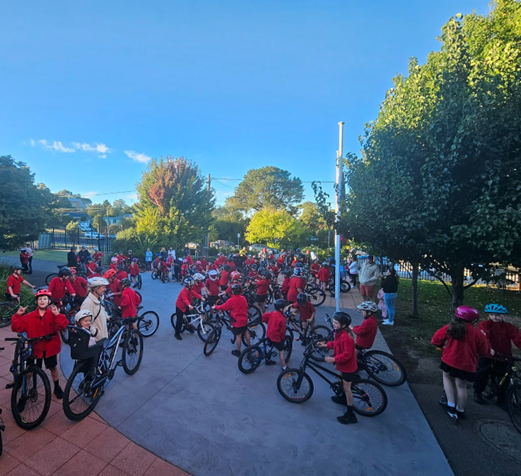
We have such a great school community!
Ride2School Day is always a highlight for the students! This year was no different, with close to 100 students and parents joining the commute on bikes and scooters. The morning was a fantastic success, reinforcing the importance of hosting whole-school community events that our community can get involved in!
Thanks to all of the parents that jumped in to help in the morning, without your support it can make an event like that really difficult to run! So much fun!
Occupational Therapy (OT) Integration (Prep–Grade 2)
Our OT, Patricia, has been making a significant impact on Wednesdays, further strengthening the inclusive environment we provide at Buninyong. Given her extensive clinical experience in early intervention, we have prioritised our focus in the junior years. Over the past few weeks, Patricia has been active across several key areas:
- Pencil Grip Audits: Completed across all Prep and Grade 2 classrooms.

- Environmental Audits: Assessing all Prep–Grade 2 learning spaces to optimise student engagement.
- Teacher Collaboration: Meeting regularly with staff to discuss strategies for supporting core strength, emotional regulation, and handwriting.
- Education Support (ES) Professional Development: Leading sessions for our ES staff on fine motor skills, correct posture, and effective pencil grip interventions.
- Individual Observations: Providing specific student recommendations to support classroom participation.
Uniform: Don't Let Logos Be Your Arch-Enemy!
Just a reminder that we are asking for parents to help support our Uniform guidelines, particularly around wearing the right socks to school. Wearing our uniform with pride is about more than just clothes - it’s about belonging. A consistent dress code ensures every student feels equal, helping to remove social barriers and boost self-esteem by focusing on who they are, not what they are wearing.
What we are asking:
Socks – plain black or white (no patterns or logos)

Bunjil Student Awards
Congratulations to the following Grade Prep to Grade 2 students who received a Bunjil Award at last week’s Whole School Assembly.
| Billie | James | Mia | Albie |
| Toby | Bella-Grace | Spencer | Darcy |
| William | Venice | Kyle | Bailey |
| Violet | Charlie | Evelyn | Matilda |
| Daisy | Ryder | Philip | Billy |
| Lenny | Lakey | Zara | Lenny |
| Vada | William G | Olive | Henley |
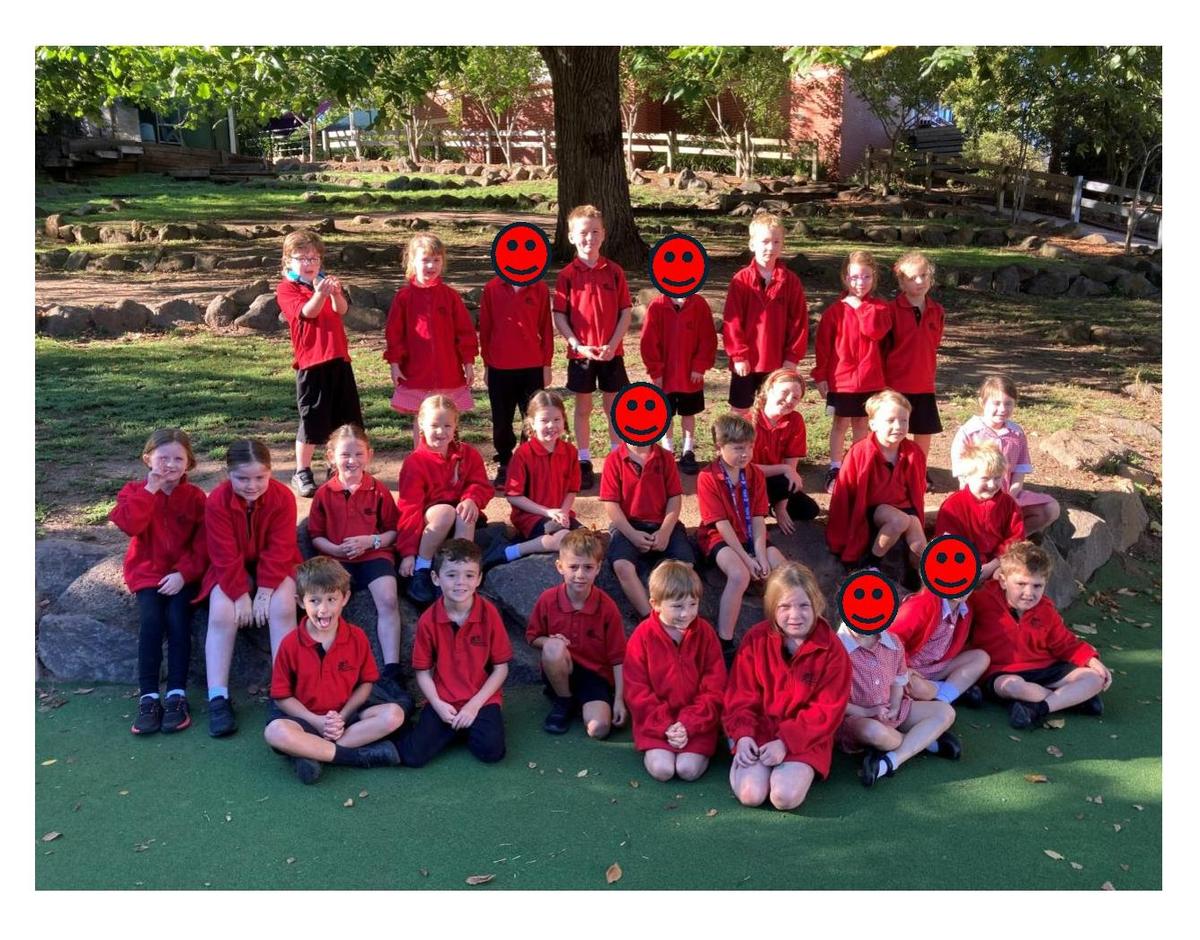
Bunjil awards recognise student achievement and those who display our school values of being respectful, responsible and kind. Well done! All of our weekly winners enjoyed a hot chocolate or zooper dooper with a principal. This process is always a great chance for us to hear from the kids and ask them some questions about our school.
Student Attendance
PRIMARY SCHOOL ATTENDANCE -
EVERY DAY COUNTS & EVERY MINUTE MATTERS

Please read the following information, “The Importance of Attendance at Primary School” from the Department of Education.
Every Day Counts
Primary School Attendance
Going to school every day is the single most important part of your child’s education. Students learn new things at school every day – missing school puts them behind.
School is better when your child is there
Why it’s important
We all want our students to get a great education, and the building blocks for a great education begin with students coming to school each and every day.
If students miss school regularly, they miss out on learning the fundamental skills that will set them up for success in the later years of school.
There is no safe number of days for missing school – each day a student misses puts them behind, and can affect their educational outcomes.
Each missed day is associated with progressively lower achievement in numeracy, writing and reading.
Getting in early
Attendance patterns are established early – a child regularly missing days in kindergarten or in the early years of school will often continue to miss classes in the later years, and receive lower test scores than their classmates.
It’s vital that students go to school every day – even in the early years of primary school.
In Victoria school is compulsory for children and young people aged 6 -17 years
Student Absences
The main reasons for absence are:
Sickness – There are always times when students need to miss school, such as when they’re ill. It’s vital that they’re only away on the days they are genuinely sick, and developing good sleep patterns, eating well and exercising regularly can make a big difference.
Family holidays - It's vital that holidays are planned during school holidays where possible, and not during the term. If you are planning to go on holiday during term time, make sure that you talk to your child’s school in advance, and work with them to develop an absence learning plan.
“Day off” – Think twice before letting your child have a “day off” as they could fall behind their classmates – every day counts.
Truancy – This is when students choose not to go to school without their parent’s permission. There can be many reasons for truancy. The best way to address this is for schools and parents to work together.
School refusal
School refusing children will experience significant emotional distress not only when going to school but also at the thought of going to school; they may be absent from school for weeks or even months at a time. School refusal differs from truancy as children generally stay home with the knowledge of the parents and despite their best efforts to encourage their child to go to school.
Being away from school for one day a fortnight equals missing 1.5 years over 13 years of school
If your child is away
If for any reason your child must miss school, there are things you can do with your school to ensure they don’t fall behind:
Inform the school
- Speak with your child’s classroom teacher and find out what work they need to do to keep up.
- Develop an absence learning plan with your teacher and ensure your child completes the plan
Remember, every day counts. If your child must miss school, speak with your classroom teacher as early as possible.
Openly communicating with your child's school about all absences is a good way to prevent attendance issues being escalated to a School Attendance Officer. A School Attendance Officer is a Department of Education and Training Regional Director who has authority to follow up attendance issues. Chronic or ongoing attendance issues that are escalated can lead to an Infringement Notice being issued to parent/s.
If you’re having attendance issues with your child, please let your classroom teacher know so we can work together to get your child to school every day.
Top attendance tips for parents
- Schools want to work in partnership with parents – act early if you have any concerns by contacting your child’s school and asking for advice and support
- Remember that every day counts
- There is no safe number of days for missing school – each day a student misses puts them behind, and can affect their educational outcomes and their social connectedness
- Talk positively about school and the importance of attending every day
- Open and prompt communication with your child’s school about all absences is a good idea
- Avoid making routine medical and dental appointments during the school day or planning family holidays during the term
- Seek help from your school if you are concerned about your child’s attendance and wellbeing. Schools want to work in partnership with parents to support student attendance and wellbeing.
Further information
For more information and resources to help address attendance issues, visit: