
Octavia
Year 6
Octavia
Year 6
Year 6 students have been busy this term learning new concepts and strengthening what they already know in reading. So far, we’ve explored two engaging texts: Little Light and Peregrines in the City.
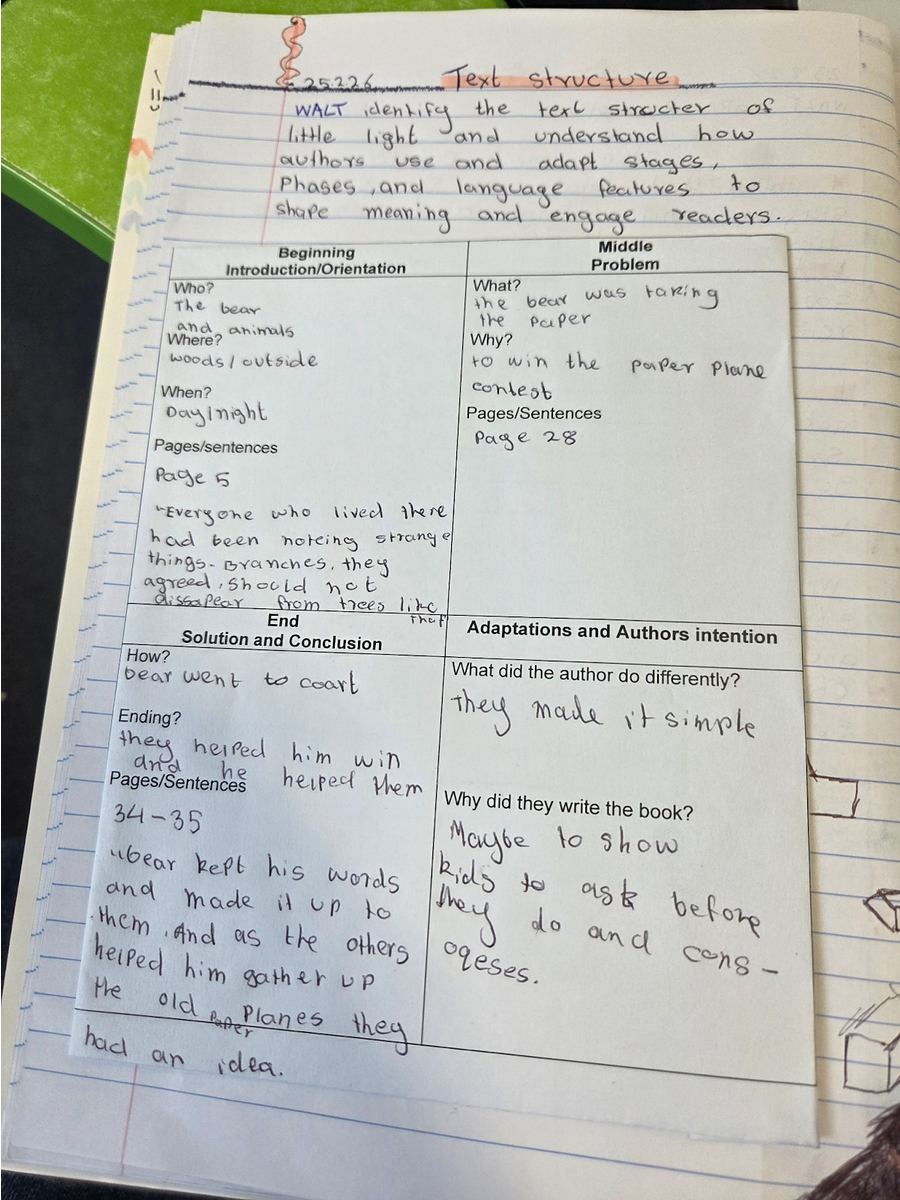
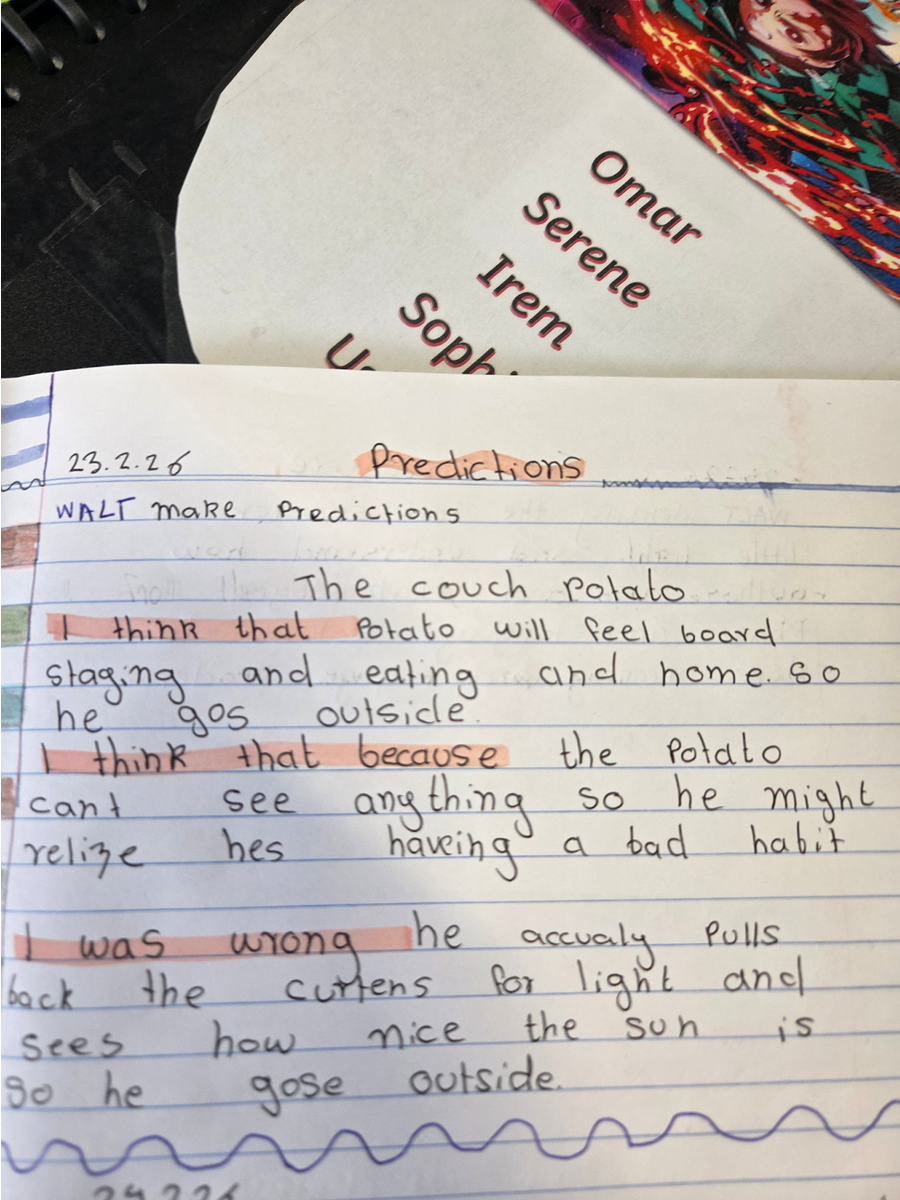
In Little Light, students developed a deeper understanding of how authors guide readers through predictions, language choices, and text structure, and how these tools shape mood, meaning, and reader response.
In Peregrines in the City, we became “bird detectives,” using comprehension strategies like visualising, predicting, connecting, questioning, monitoring for meaning, and summarising. Students practised using text clues, illustrations, and prior knowledge to make strong predictions and inferences.
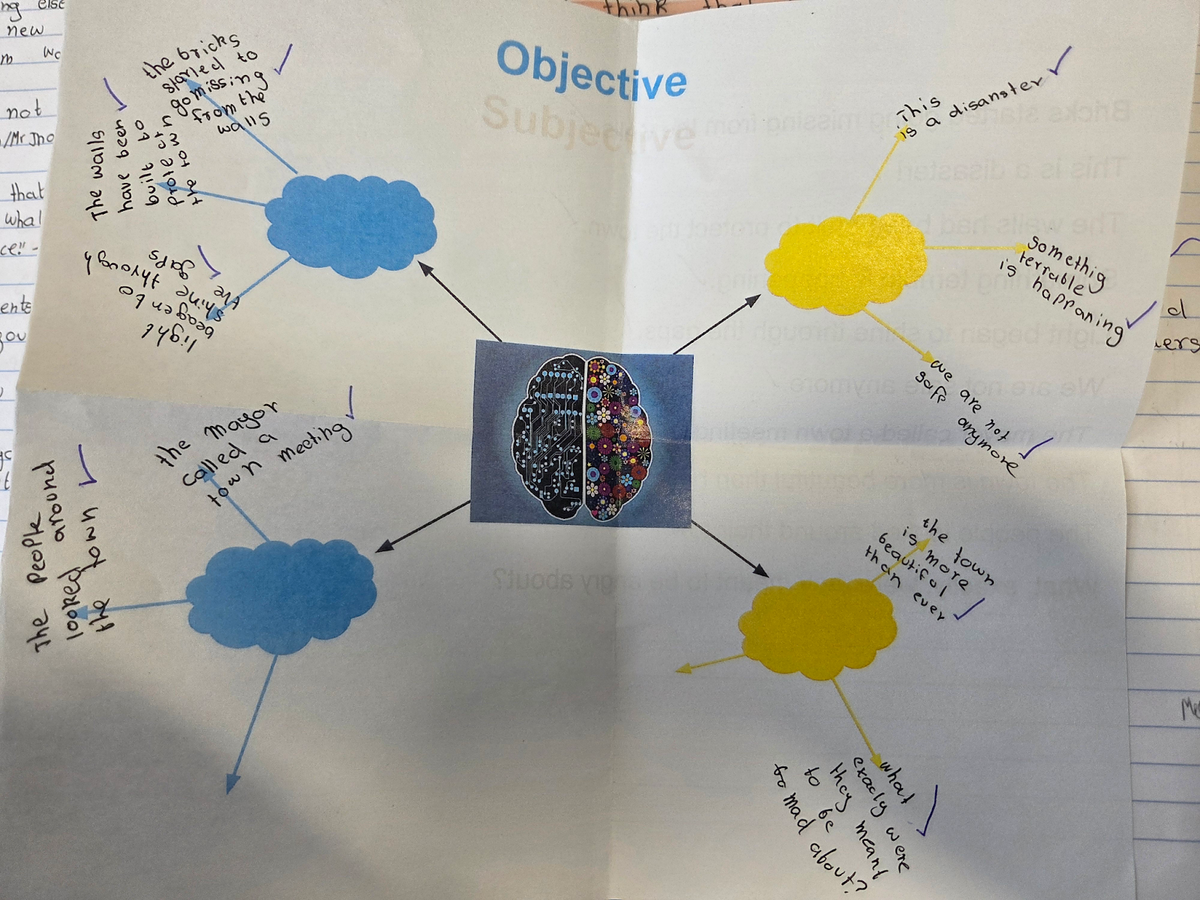
Across both texts, we also investigated how information texts are designed to teach readers, focusing on headings, captions, diagrams and paragraph structure, and learning the difference between objective and subjective language (and how bias can appear). Students have shown great curiosity and are growing more confident explaining their thinking using evidence from the text.
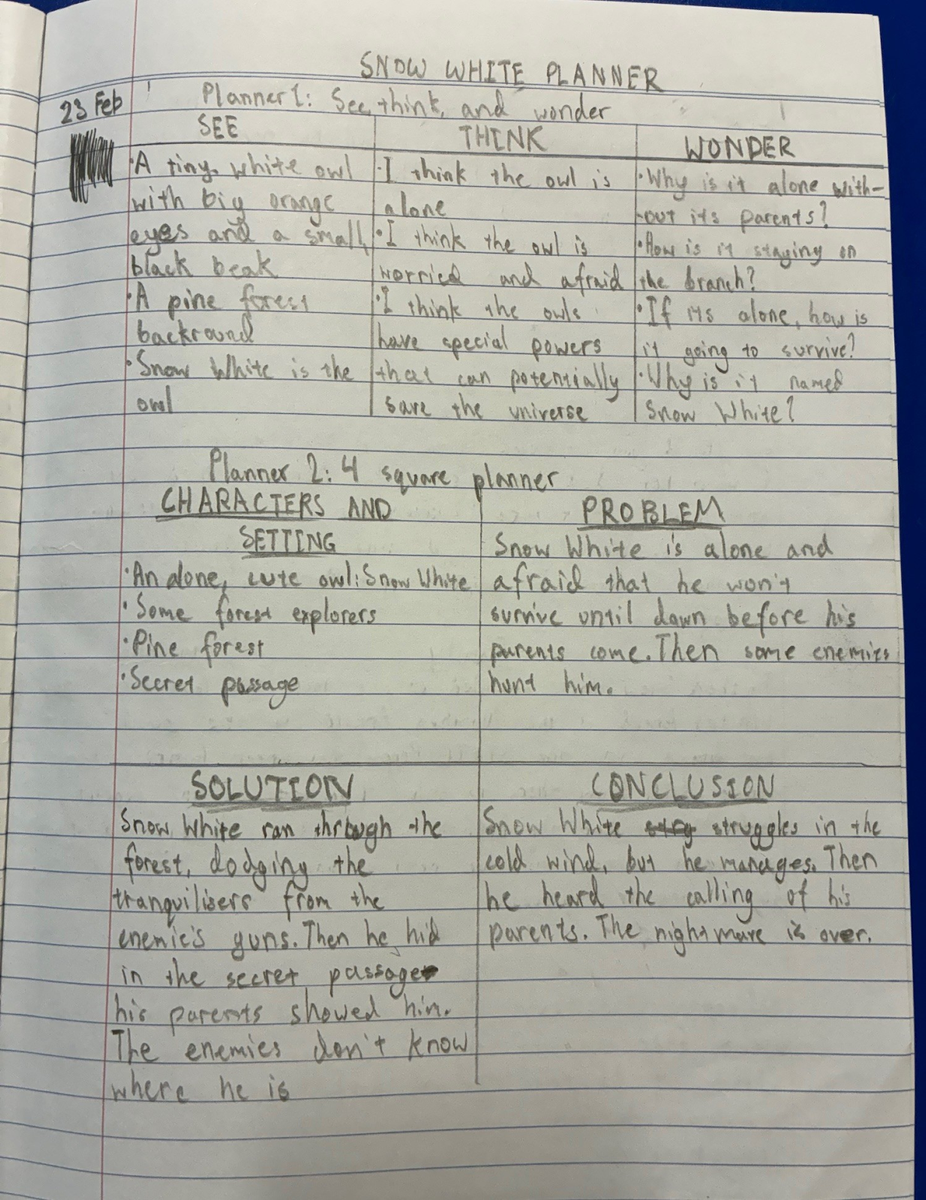
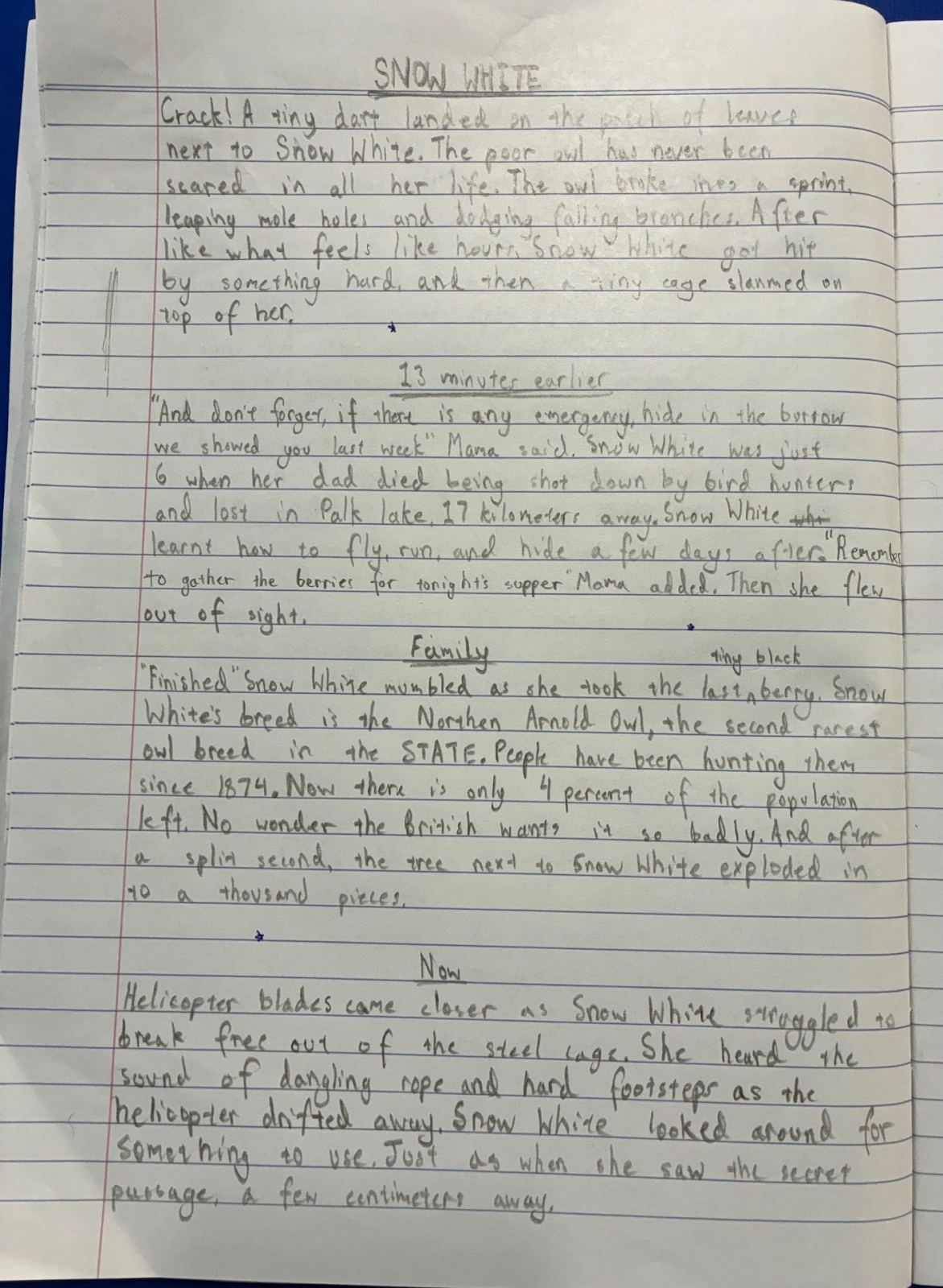
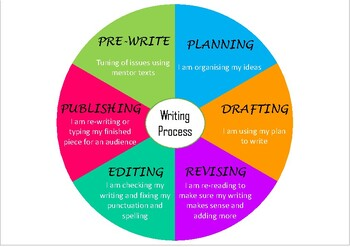
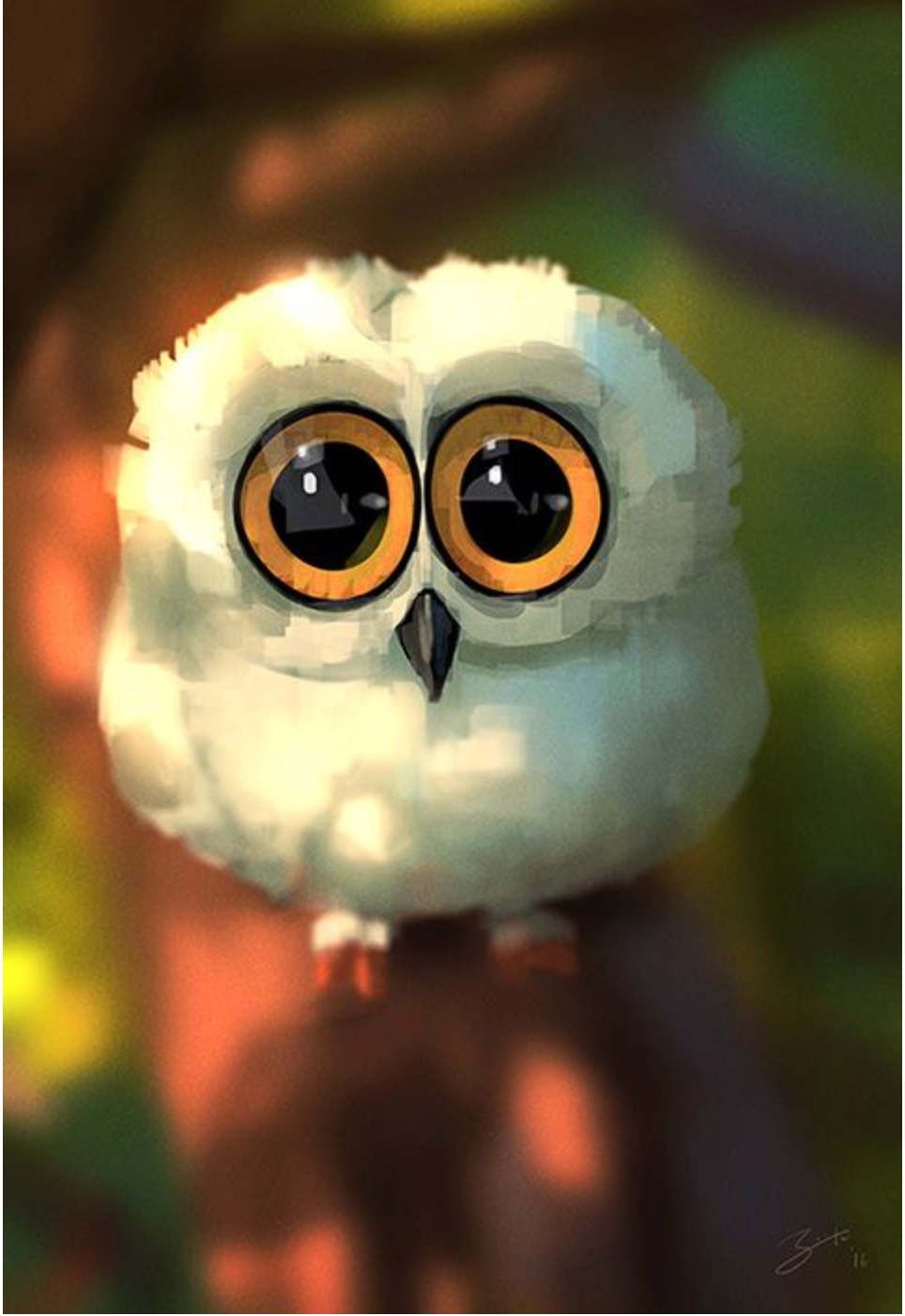
Over the past four weeks, our Year 6 students have been developing their skills in narrative writing. They were introduced to the full writing process- planning, drafting, revising, editing and publishing- and used strategies such as ARMS and CUPS to strengthen their work. Students also set up personal Writers’ Notebooks to collect ideas and inspiration. As the unit progressed, students deepened their understanding of narrative structure, identifying the orientation, complication and resolution in their writing. They explored how authors engage readers through descriptive vocabulary, dialogue, strong verbs and figurative language. There was a strong focus on engaging openings, using sizzling starts, “wow” words and precise language to build mood and tension. Students also strengthened sentence construction, paragraph structure and punctuation to improve clarity and flow. Students have begun drafting imaginative narratives to contribute to a unique class book and are revising carefully to ensure their ideas flow logically from beginning to end. Throughout the unit, students have shown growing confidence and control as they apply their narrative writing skills.
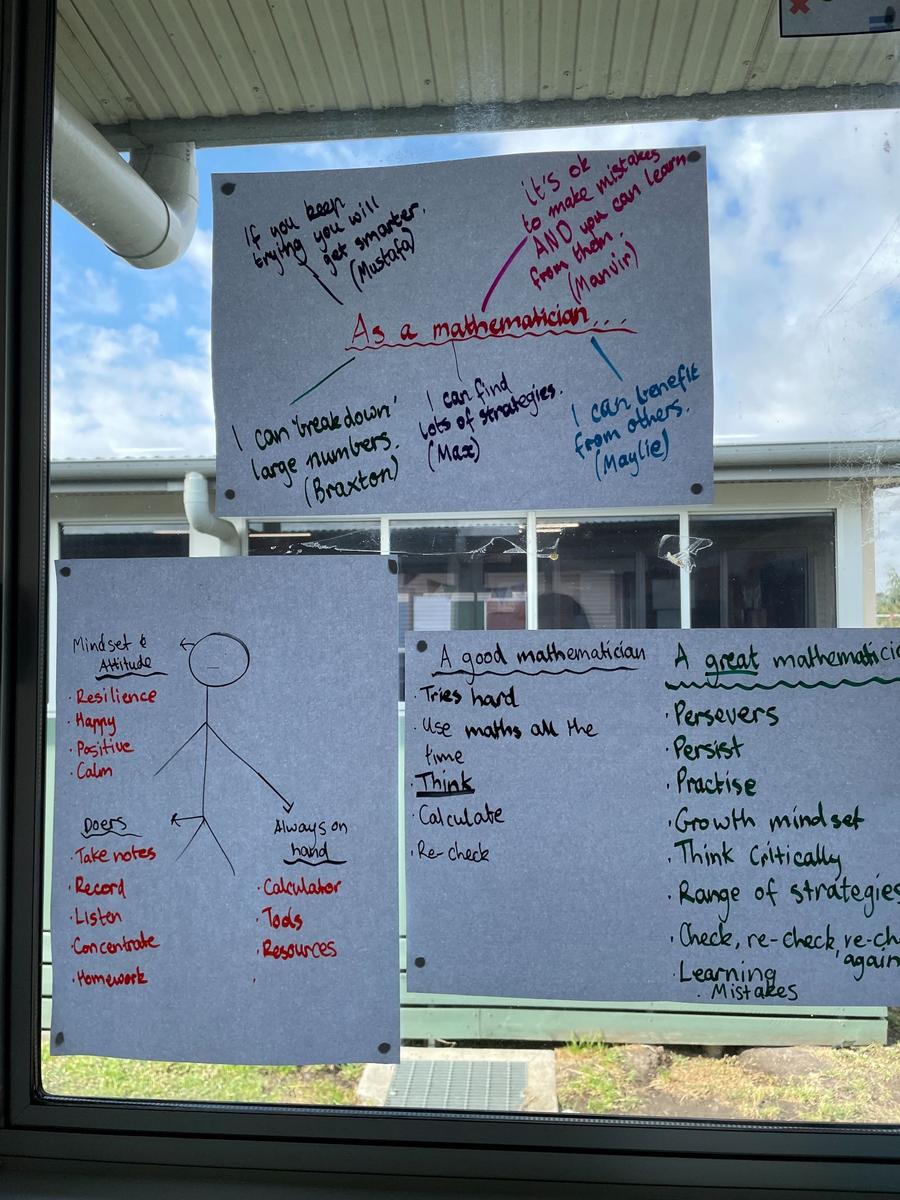
It has been an amazing start to the term and school year in numeracy, with the students showing off their wide range of skills, knowledge and over all enthusiasm they have with maths!
The students began with a lead in to numeracy unit, where they set up their protocols and procedures and became familiar with their classroom maths trolleys in order to get as much use as possible out of the concrete materials throughout the year.
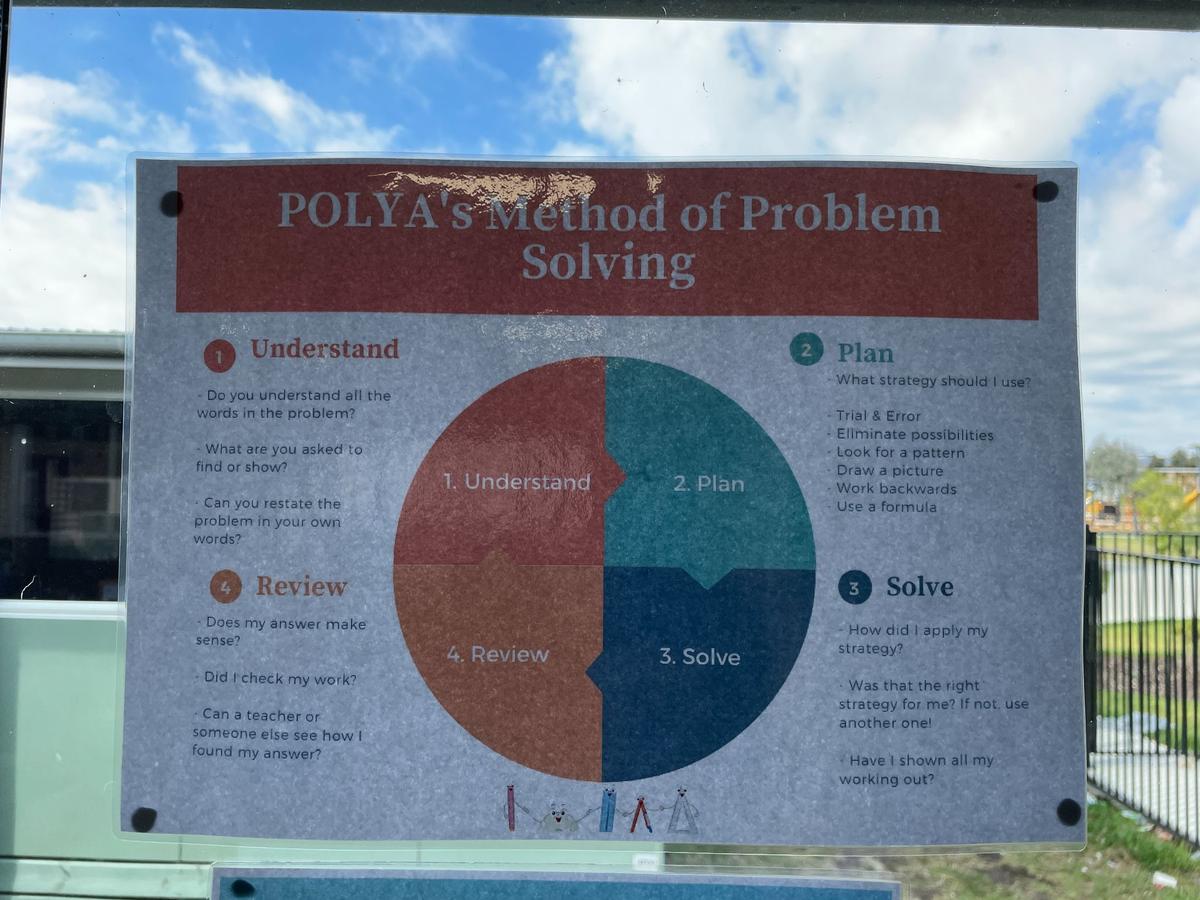
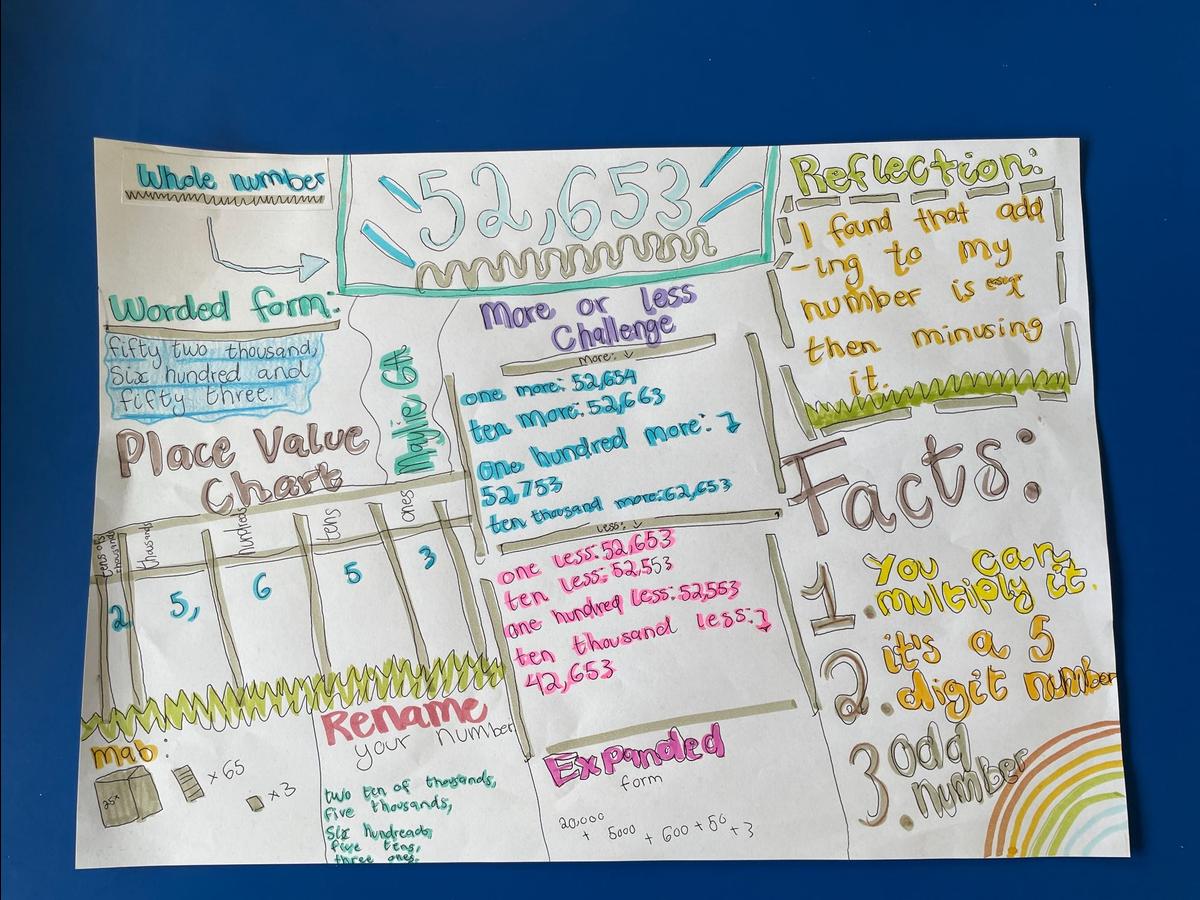
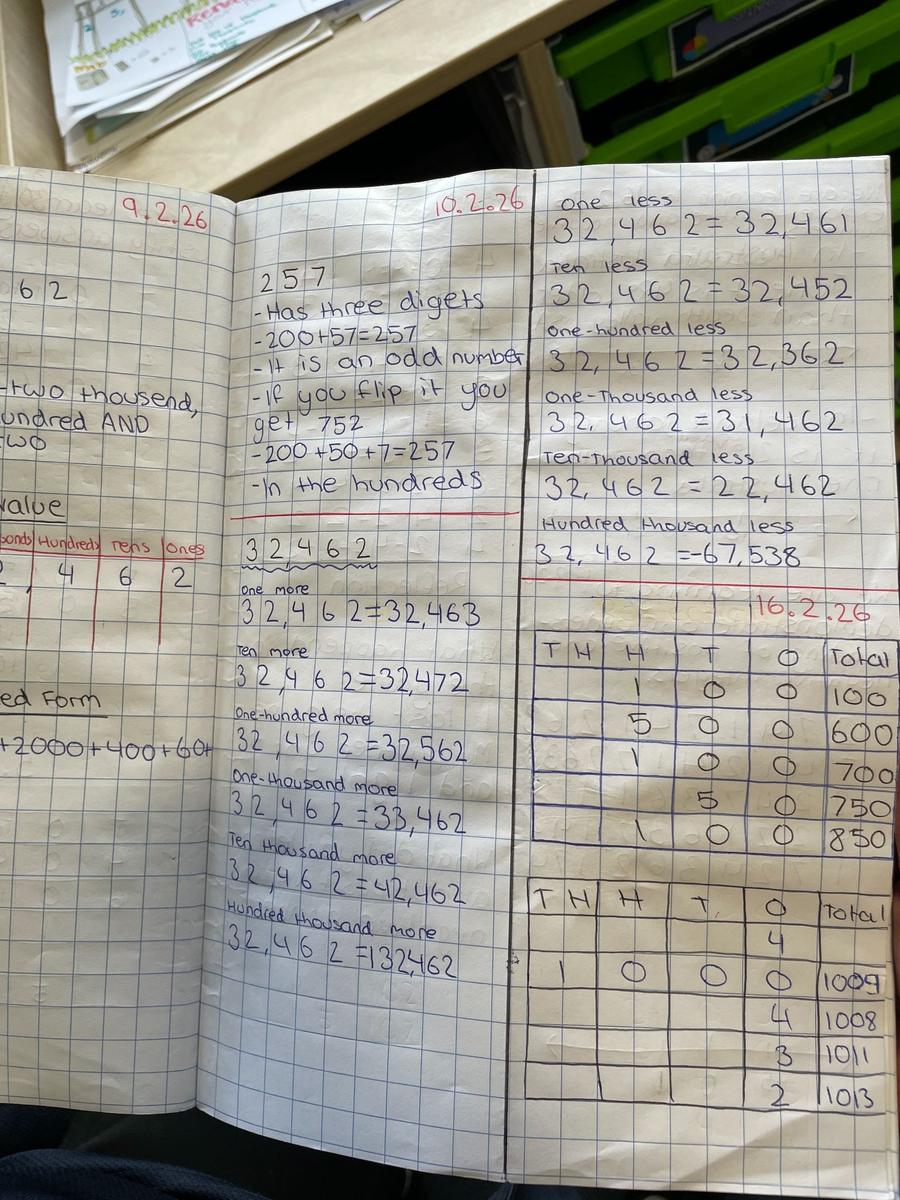
So far the students have also explored place value, including positive and negative numbers (integers), and experimented with adding, subtracting, multiplying and dividing these using their knowledge of ‘BIDMAS’.
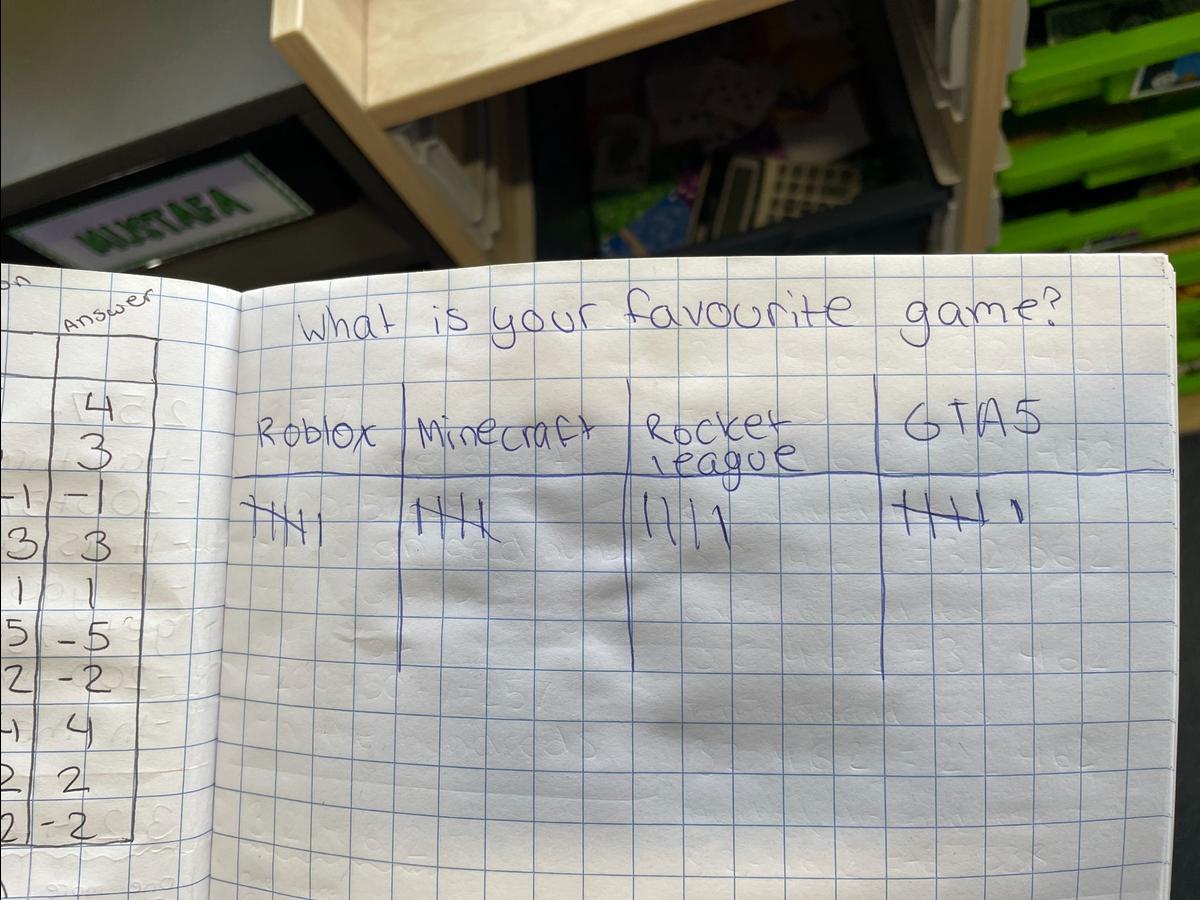
The students have also engaged in a ‘statistics/data’ project, which enabled them to learn a range of new graphs to display the data they have collected, as well as how to analyse that data and report their findings.
Moving into the rest of the term the students will explore number properties (odd, even, prime, composite, squared and triangular numbers) and engage in measurement activities surrounding length and mass.
This month, our Grade 6 students have been exploring how taxation supports communities and why governments collect taxes to provide public services and make economic decisions. Students learned what tax is, why we pay it, and how it supports essential services such as schools, hospitals, roads, and emergency services. They investigated different types of economic resources, including natural, capital, and human resources.
In addition, students explored the factors that influence financial decisions. They discussed the difference between needs and wants, and examined how advertising, ethical choices and budgeting can shape their behaviour. Students considered the short and long-term consequences of spending and saving, such as choosing between saving for a larger goal or making smaller everyday purchases.
In Social and Emotional Learning (SEL), the Grade 6 students have been exploring our School Care Values and what it means to demonstrate leadership through Care for Learning, Care for Others, Care for Ourselves, and Care for School. Students discussed practical ways they can model these values in the classroom and across the school, recognising the important role they play as senior students.
Students were also excited to begin their Resilience Project journals, where they have been learning about the impact of healthy habits, understanding emotions, and practising gratitude. As part of this work, they have explored how emotions present within the body and how recognising these signals can help them respond in positive and healthy ways. It has been wonderful to see their thoughtful reflections and growing self-awareness.