
Assistant Principal's Report
Katrina Spicer - Wellbeing and Inclusion
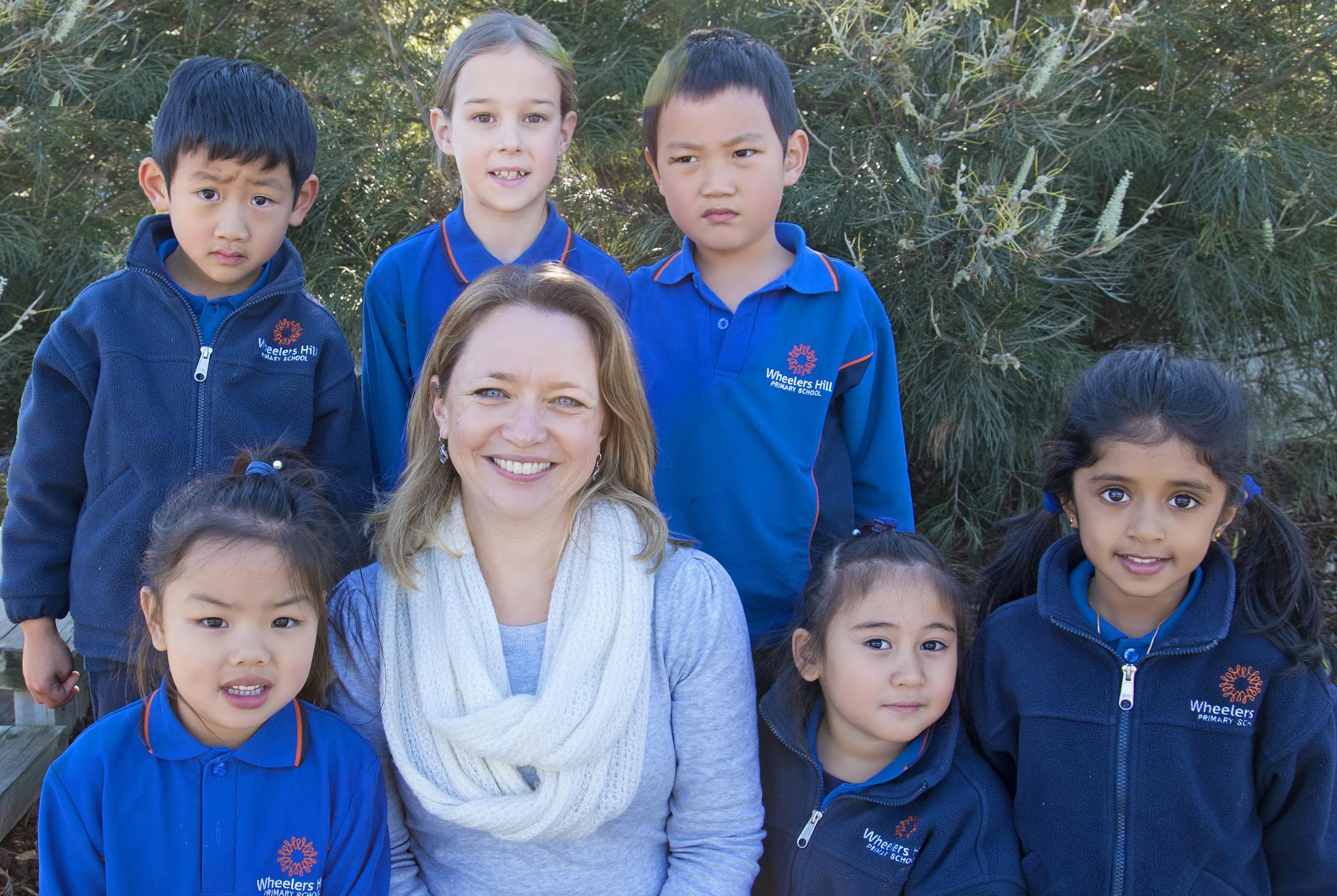
Assistant Principal's Report
Katrina Spicer - Wellbeing and Inclusion
Please be mindful that the staff carpark is for staff only between the hours of 8am and 4pm. Parents should not be using the staff carpark to drop off and pick up their children between these times.
Please also be mindful that parents and students should not walk through the staff carpark at drop off and pick up time, as there is a danger of cars driving in and out. We encourage families to please use the path outside OSHC instead of cutting across the carpark.
Every term our students use the tokens they have earned for displaying positive behaviours to vote for an end-of-term reward. This term our junior school (yrs P-2) overwhlemingly voted for a Class Party, whilst the senior school (yrs 3-6) voted for 'Choose Your Own Adventure' where they were able to co-plan a day with their teachers. From all reports, everyone had a great day!

Wishing everyone a restful and rejuvenating school holidays. We look forward to seeing you all back at school for Term 4 on Monday, 5th October.
Katrina Spicer
Assistant Principal for Wellbeing and Inclusion
katrina.spicer@education.vic.gov.au

By Dr Justin Coulson
For years, one of the most common questions I’ve been asked is “How much screen time is too much?”
I’ve found the guidelines from official sources unhelpful. And I’ve disagreed with them more often than not. However…
From the people who brought you “an hour or less per day,” we now have…new screen guidelines! The American Academy of Pediatrics updated its guidance last month, and the biggest change? No more emphasis on “screen time.”
Instead, we’ve got a much more comprehensive – and, admittedly, less straightforward – set of recommendations. The focus has shifted from counting minutes to understanding how screens fit into your child’s whole life.
THE FIVE Cs FRAMEWORK
The AAP now recommends thinking about five key areas:
1. Child
Toddlers & Preschoolers: Know your toddler’s personality. Some are obsessed with screens and demand them constantly; others let them go easily. Understanding how your child reacts to media helps you set healthy boundaries that actually work.
School-aged: Your child’s unique strengths and challenges are becoming clear. Whether they’re great at art, struggle with attention, or are obsessed with science facts, carve out time to build on these interests beyond screens. If your child is neurodivergent they are more likely to be screen-obsessed. Be mindful of this in the way that your kids have access to and use of screens.
2. Content
Toddlers & Preschoolers: Not all screen time is created equal. Educational programs like Sesame Street, or Bluey teach facts, healthy behaviours, and emotional regulation. They’re slow-paced, and much better for your child’s brain. YouTube? Keep it minimal. It’s often full of marketing and poor role modeling. If your child watches it, create playlists and turn off autoplay. And avoid apps. Even the educational ones aren’t really educational. Slow TV (ABC Kids) is best.
School-aged: Many kids love video games and YouTube at this age but can easily access inappropriate content (violent, sexual, or rude). Use Common Sense Media to check reviews, set up parental controls (they’re not perfect but help), and watch shows or play games together to see if you like the messages.
3. Calm
Toddlers & Preschoolers: Big tantrums are normal at this age. Help your child learn to manage emotions by staying calm yourself, labeling their feelings (“You wish you could have the TV on all day huh?”), and helping them settle. Try not to hand them a device every time they’re upset or bored. Save screens for special times or long trips.
School-aged: Many kids want a mental break after school – that’s fine. Just ensure it doesn’t crowd out homework, family meals, or other activities. Put devices away at bedtime and teach techniques like deep breathing or quiet music to help them wind down.
4. Crowding Out
Toddlers & Preschoolers: Screens can displace or replace your child playing, moving, exploring outside, reading, and chatting with family. This is an issue because these are all the activities that build social and brain skills for preschool success. Set aside time each day to play, read, or get outside together.
School-aged: Video games and YouTube are designed for extended use – hours at a time. Talk about balancing screen time so there’s enough time to sleep, read, play sports, do homework, and chat with family and friends in analogue mode (face to face). Model putting your own phone down at meals, bedtime, and in the car.
5. Communication
Toddlers & Preschoolers: Toddlers understand more than we think. Talk about what they see in videos, point out “good” and “bad” character behaviour, and do activities related to their favorite shows.
School-aged: This is prime time for conversations about advertising, privacy, right vs. wrong. Regular open-minded talks build critical thinking and become the “voice in their head”. Let them know they can tell you about anything creepy or negative they see online.
WHAT ABOUT YOU?
The new guidelines recognise that parents need support too. Screen use isn’t just a kid problem—it’s a family one.
Think about how you’d score on this quick check (0=Never, 4=Very Often):
If you’re scoring high, you’re not alone. The AAP now calls on tech companies to create safety features as default settings and policymakers to invest in real-world spaces – because healthy media use isn’t solely parents’ responsibility.
THE BOTTOM LINE
Screens and parenting are inseparably intertwined. Kids want to game, chat, consume, and be on their screens endlessly (and honestly, so do we as their parents).
But the stakes are high. Getting screen usage right matters enormously.
Consider your child. Consider the context. Consider the content. But also consider whether they’re creating, connecting, or just consuming.
These guidelines are messier than “one hour a day,” but they’re more honest. Creating a healthy digital life for your family is about balance, not a timer. Start with one C that resonates most, and build from there.
