
Wellbeing
Fiona Dandie & Robert Pain
Wellbeing
Fiona Dandie & Robert Pain
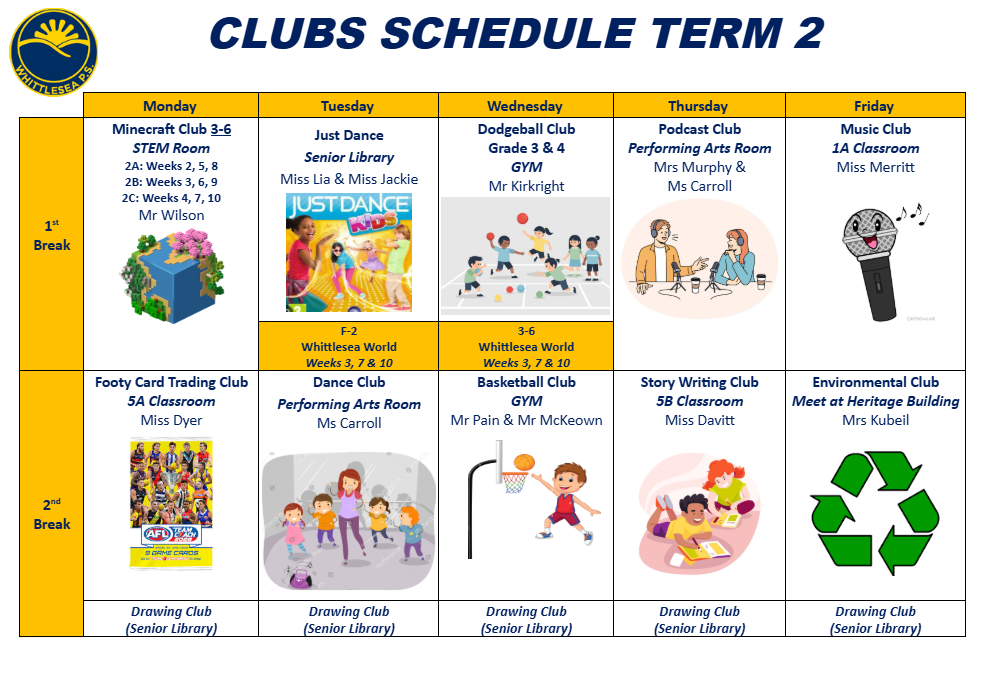
Lunchtime clubs have commenced for Term 2 this week. There are several positive benefits of lunchtime clubs, including helping to build student engagement, social skills, and inclusion for all students. They support students who may struggle with a lack of structure in the school playground or need an outlet from the traditional playtime setting.
Lunchtime clubs can also benefit our students and the whole school community, by:
reduction in playground behaviour incidents.
Below is our Term 2 Lunchtime club schedule. These have already commenced this week. We are fortunate to have a variety of staff members volunteer their time to run a club, as we know the students of WPS love to engage with them.

Understanding Sensory Overload – Supporting Our Children at Home and School
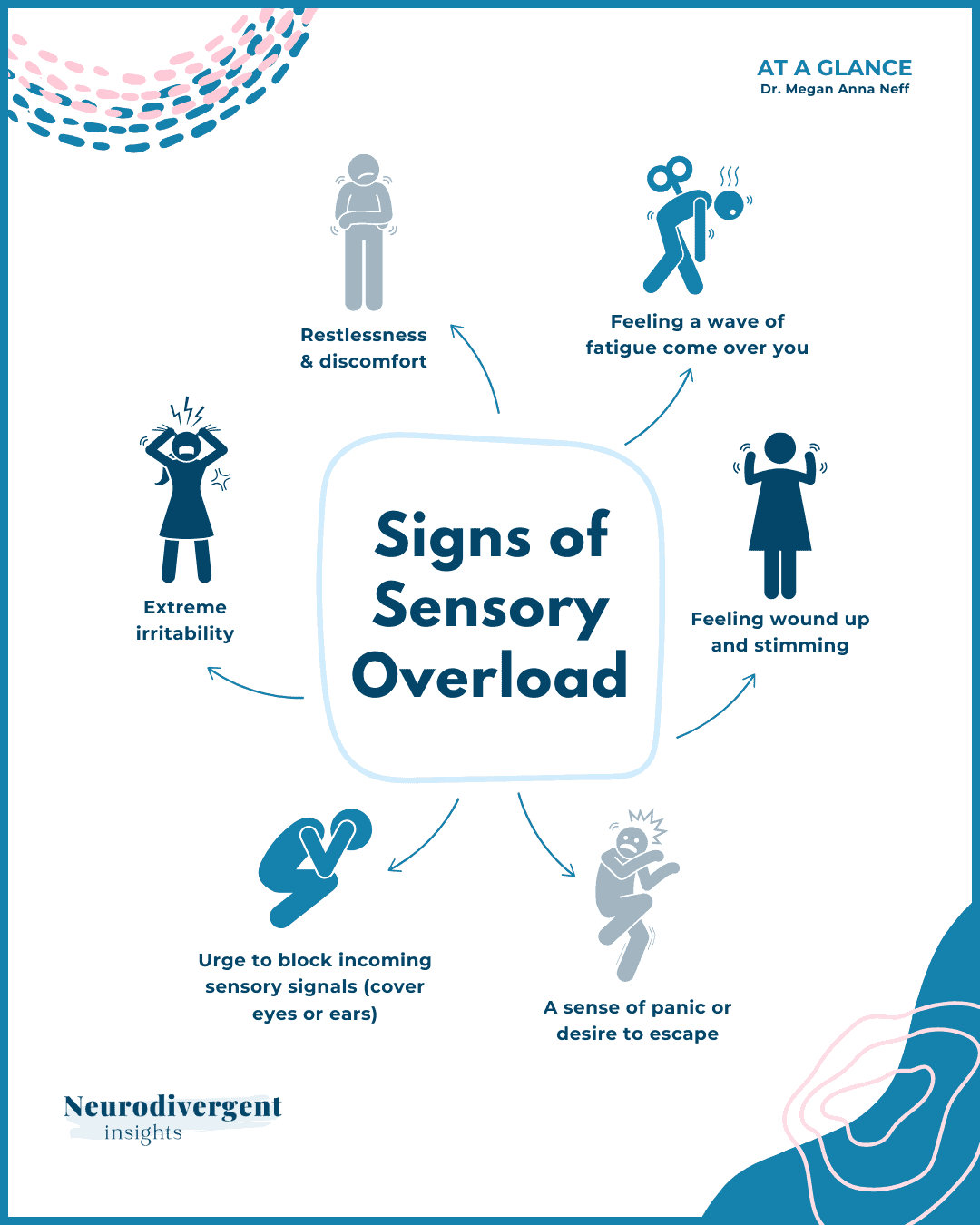
Many children experience the world in different ways, especially those who are neurodiverse (including children with autism, ADHD, or sensory processing differences). One common experience is sensory overload. This happens when the brain receives more sensory information than it can comfortably process. Busy classrooms, playground noise, bright lights, crowded spaces, or even strong smells can quickly become overwhelming.
For a child experiencing sensory overload, it can feel like everything is “too much” all at once. You might notice signs such as covering ears, withdrawing, becoming upset or irritable, difficulty concentrating, or a sudden emotional outburst. It is important to remember that these responses are not “misbehaviour” but a sign that the child’s nervous system is overloaded and needs support.
At both school and at home, there are simple and effective ways to reduce the likelihood of sensory overload. Predictable routines are key,knowing what to expect helps children feel safe and prepared. At school, this might include visual schedules, clear transitions, and access to a quiet or calm space. At home, this could look like consistent daily routines and preparing children ahead of time for changes or busy events. Across both settings, adjusting the sensory environment can make a big difference, reducing background noise, using softer lighting, and offering sensory tools such as fidget items, noise-cancelling headphones, or quiet corners for breaks.
When sensory overload does happen, a calm and supportive response is essential. Whether at home or school, adults can help by speaking gently, reducing demands, and giving the child space to regulate. Offering simple choices like, “Would you like a quiet space?” or “Do you need a break?” can help children regain a sense of control. Once the child is calm, it can be helpful to reflect together on what triggered the overload and what strategies were most useful.
Practical Tips for Home Routines

In the Morning (Before School):
Be mindful of sensory triggers like loud TV, bright lights, or uncomfortable clothing.
After School (Preventing Meltdowns):
Keep afternoons flexible where possible, limiting extra commitments on school days.
General Home Support:
Celebrate what works, every child is different, and small adjustments can make a big difference.
By working together, we can create consistent, supportive environments that reduce stress and build children’s confidence. Understanding sensory overload is an important step in helping every child feel safe, supported, and ready to learn and thrive.