
Social Emotional Learning
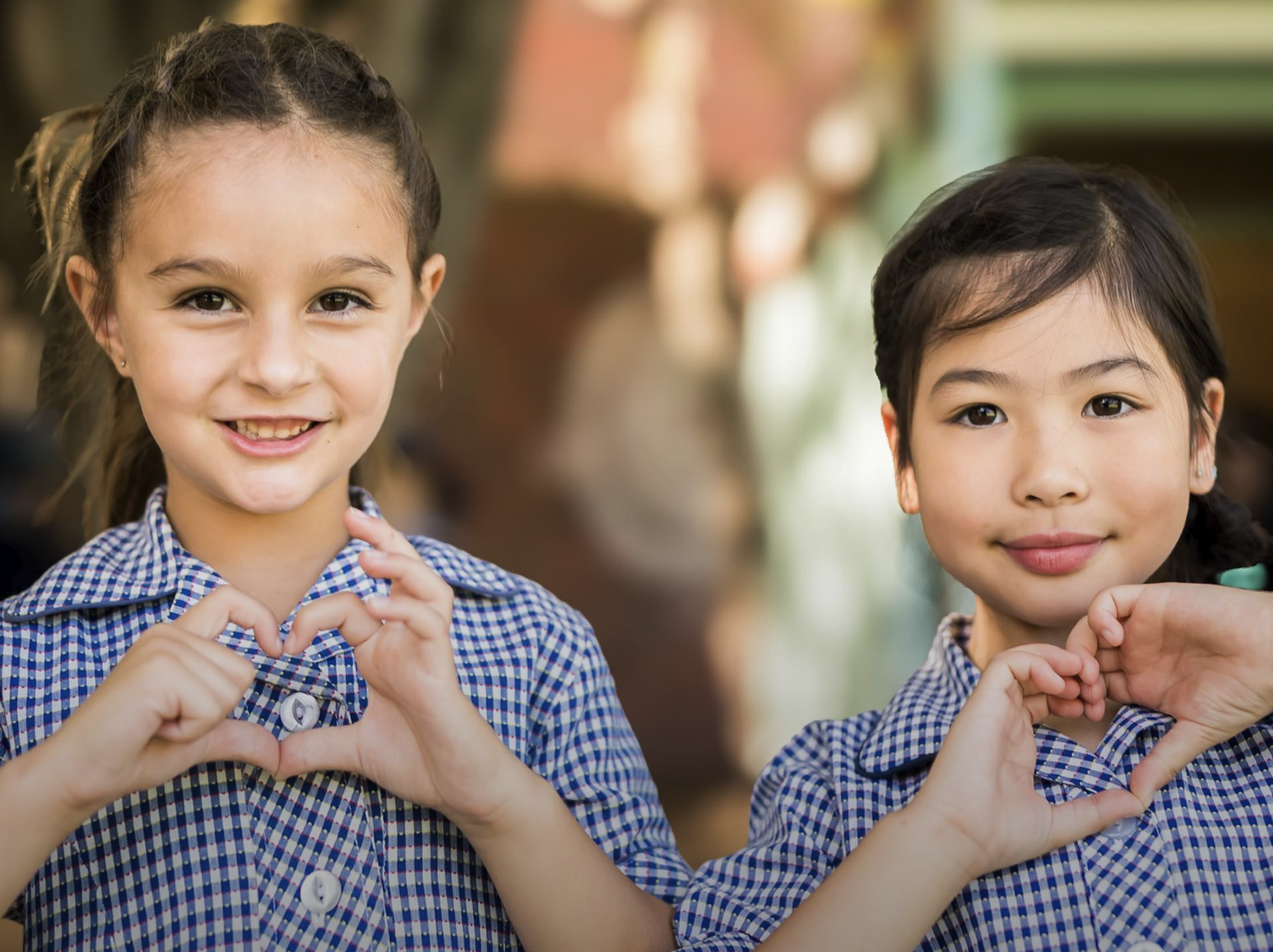
Over the past term, students across the school have engaged in Social and Emotional Learning with a strong focus on emotional literacy, acts of kindness, inclusion and embracing diversity.
This term, we have been excited to introduce the URSTRONG Friendship Skills program, an evidence-informed Social and Emotional Learning program that supports children to build healthy friendships, develop resilience, and learn practical strategies to manage conflict in positive and respectful ways.
Developing emotional literacy remains an important foundation of this work, as building a broad vocabulary for emotions helps strengthen self-awareness, support emotional regulation, and encourage empathy for others.
Through explicit URSTRONG lessons and everyday classroom experiences, students are learning a shared language around friendships and practising skills such as including others, showing kindness, recognising friendship challenges, and seeking help when needed.
Through classroom activities, discussions, the introduction of the URSTRONG program, and the celebration of Harmony Day, children have developed a greater understanding of the world around them. They are learning to celebrate differences in others and to recognise the importance of supporting diversity in order to build a respectful and kind community.
The school holidays provide a wonderful opportunity to continue these conversations at home using real-life examples. Taking time to notice and acknowledge your child when they display kindness, include others, or demonstrate empathy helps reinforce these important skills. You might congratulate your child when they show a selfless act of kindness and explain the positive impact their actions can have on those around them.
Below is an article focused on making the most of the holidays — embracing some downtime, connecting with family, and supporting children’s wellbeing during the break.
Building Wellbeing at Home Written by Dr Justin Coulson
5 Ideas to Help Your Family Make the Most of School Holidays
The school holidays are a unique opportunity to cultivate deep family bonds, healthy habits, and a sense of freedom and self-expression in your family. And they’re nearly here!
Instead of rushing through endless activities or striving for perfection, the following five principles will help you create a balanced and joyful school holiday experience for your family.
1. Prioritise Presence Over Perfection
The school holidays are a rare opportunity to spend uninterrupted time with your children. While it can be tempting to fill every day with perfect plans or carefully curated activities, the real benefit comes from your presence. Children don’t remember the specific outings or events as much as they remember how their parents made them feel.
Set aside distractions (like phones, emails, or work) during your time together. Engage in open-ended conversations, delight in the simplicity of everyday moments with your child, and enjoy the shared experiences that only come when you’re truly present.
2. Cultivate Slow, Mindful Days
In our fast-paced world, we often forget the value of slowing down. The school holidays provide the perfect opportunity to create a rhythm that’s more relaxed. There’s no rush to get from one scheduled event to the next. Encourage your family to embrace the unstructured moments—whether it’s reading a book slowly, taking a walk, or simply doing nothing at all.
Mindful moments aren’t just about relaxation; they promote emotional resilience. When children see their parents embrace stillness, they learn to value time with themselves and discover that joy doesn’t always come from being busy.
3. Encourage Autonomy and Agency
Holidays are an ideal time for children to explore their independence. Instead of micromanaging every detail of the day, let your children take the lead on certain activities. Allow them to make decisions about what to do, what to eat, or where to go. This sense of autonomy fosters confidence and helps build important life skills.
Trust your children’s judgement and allow them to make their own decisions—this builds self-esteem and resilience.
4. Build Routines That Foster Stability
While the holidays offer a break from the structure of school, children thrive on routine. Rather than having completely open-ended days, create a loose structure to your time. Regular meals, consistent bedtime routines, and predictable pockets of activity can help children feel safe, secure, and emotionally balanced. Routines don’t have to be rigid, but the repetition of positive habits—whether it’s morning walks, family time, or even quiet moments—helps ground everyone during a time of potential upheaval.
5. Foster Play and Creativity Over Achievement
The holidays should be a time to step back from the need to perform and instead embrace the freedom to play and create without any external pressure. Encourage your children to explore new forms of creative expression: drawing, building, writing, or just daydreaming. Let them roam freely in their imagination. This unstructured creative time not only boosts their emotional health but also develops their problem-solving abilities, enhances their adaptability, and helps them learn through trial and error in a low-stakes environment.
The Wellbeing Effect of Balanced Holidays
If you’re the kind of family that pushes for progress, achievement, and success, this is particularly important for you.
Know that the best “holiday” is not based upon the number of activities you can fit in or the milestones you can tick off. It’s about creating space for growth, connection, and rest. If you must do something academically oriented, keep it simple by encouraging your kids to read. It’s the one activity that is good for academic achievement without feeling like it’s focused on academic achievement.
These holidays, use your family time wisely—not by being everywhere and doing everything, but by simply being together and giving everyone in the family the chance to pause, reflect, and enjoy the richness of life.
Georgina Carman
Wellbeing Leader