
PRINCIPAL
Petrina.Bean@education.wa.edu.au
PRINCIPAL
Petrina.Bean@education.wa.edu.au
The past week has been another busy and productive one across the College, during the school day and alongside a full program of after‑school activities. The College’s strong reputation within the community is built on high standards, and our students play a critical role in upholding this reputation every day.
Uniforms
Recently, we have observed a decline in uniform standards. While expectations have been clearly communicated to students, reminders alone are no longer sufficient. Going forward, students who are not meeting uniform standards will receive an email notification to their parents.
These expectations reflect industry standards and are an essential part of preparing students for future employment. Professional presentation matters, and wearing the College uniform correctly demonstrates respect for themselves and the College. Thank you in advance for your continued support.
For your interest ……
Agricultural Advisory Committees – Supporting Our Agricultural Program
Our College is supported by two key advisory groups that play an important role in strengthening our agricultural programs: the Agricultural Advisory Committee (AAC) and the Combined Agricultural Advisory Committee (CAAC).
Last week I, along with other staff, met with the Agricultural Advisory Committee for the first meeting of the year.
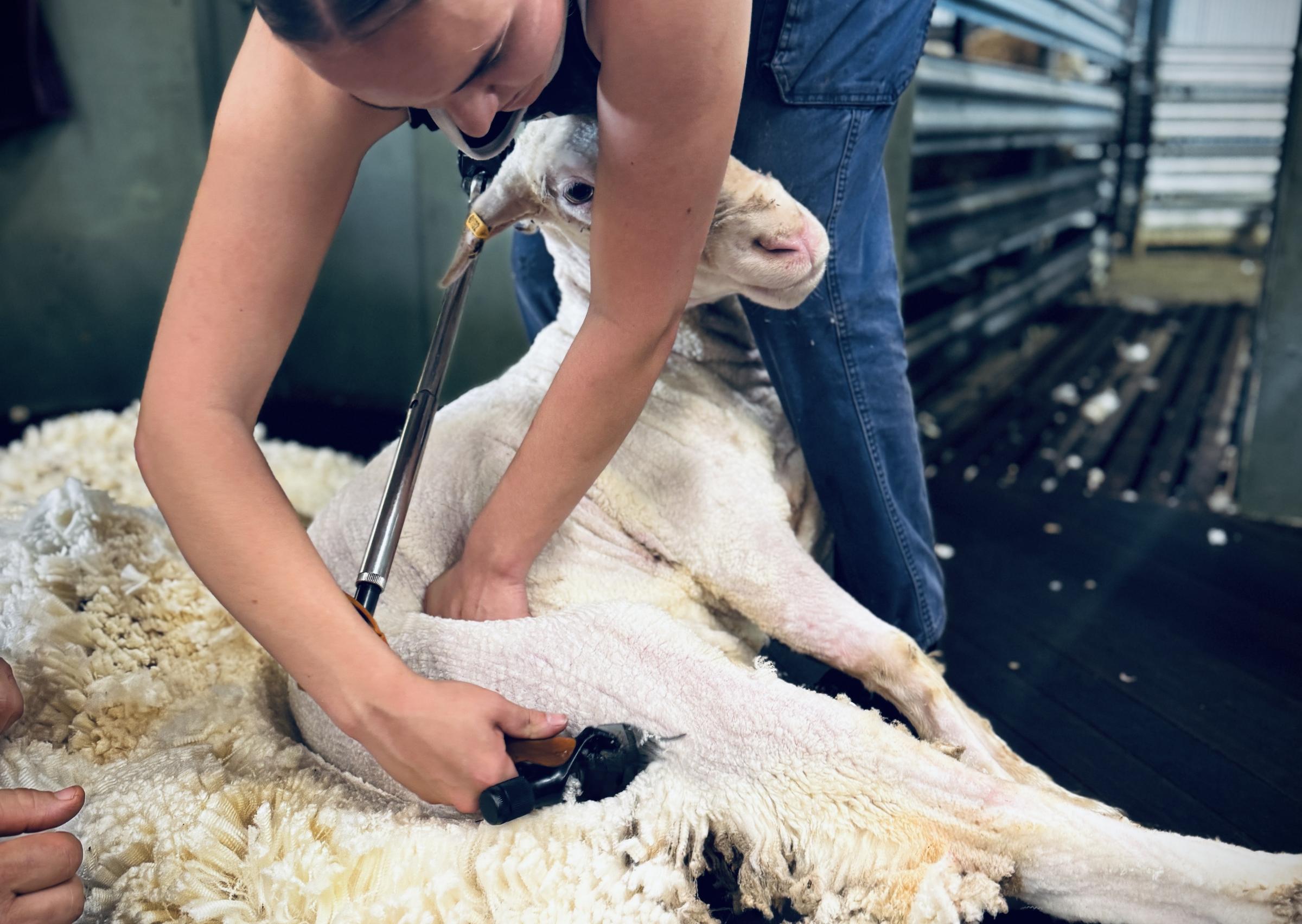
The Agricultural Advisory Committee (AAC) comprises highly regarded local farmers who generously provide advice on our farm operations. Their expertise helps ensure our students experience a realistic, industry‑aligned agricultural environment that enhances the quality of their training. Each AAC member brings specific skills and experience and is aligned to one or more of our farm enterprises. We are very grateful for the time and commitment these members provide.
The Combined Agricultural Advisory Committee (CAAC) consists of representatives from AACs across WA Colleges of Agriculture, including Esperance. The CAAC provides high-level advice to the Department of Education and the Minister for Education on agricultural education matters.
A key role of the CAAC is advising on the use of funds from the Agricultural Trust. WA Colleges of Agriculture contribute 40% of their gross farm income to the Trust, which supports shared resources, including vehicle leases. Schools delivering agricultural programs can also apply for Trust funding for specific projects. This model allows schools with greater capacity to generate income to support those with fewer resources, strengthening agricultural education across the state.