DESIGN AND TECHNOLOGY
DESIGN AND TECHNOLOGY
Woodwork
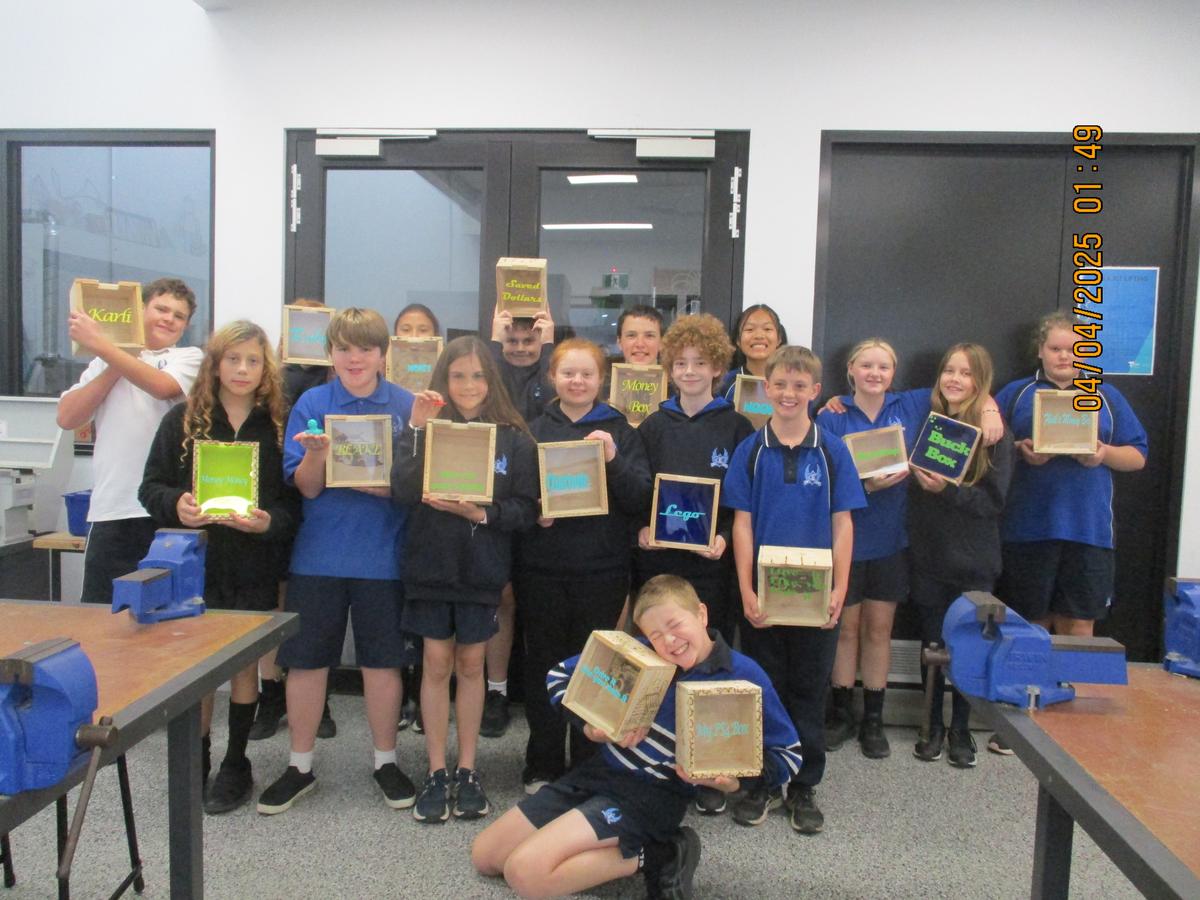
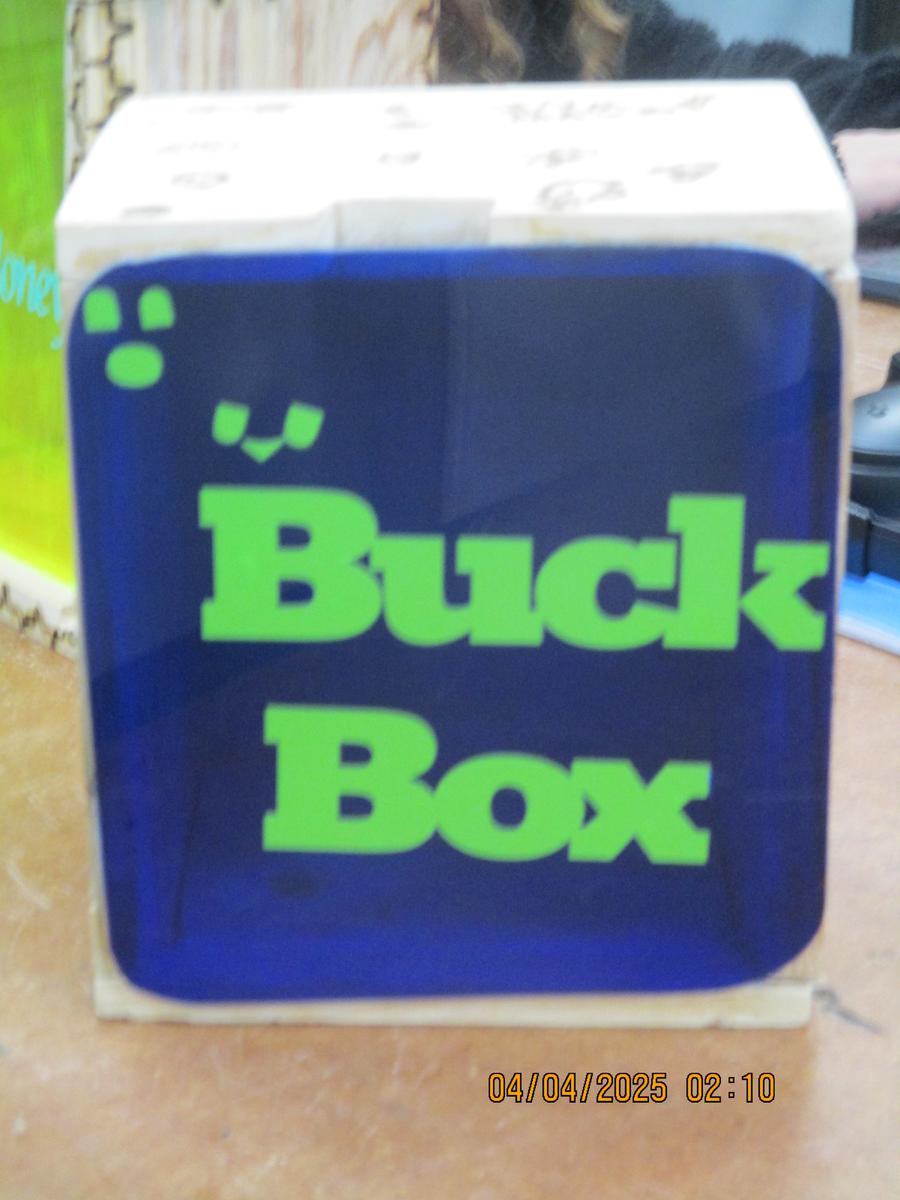
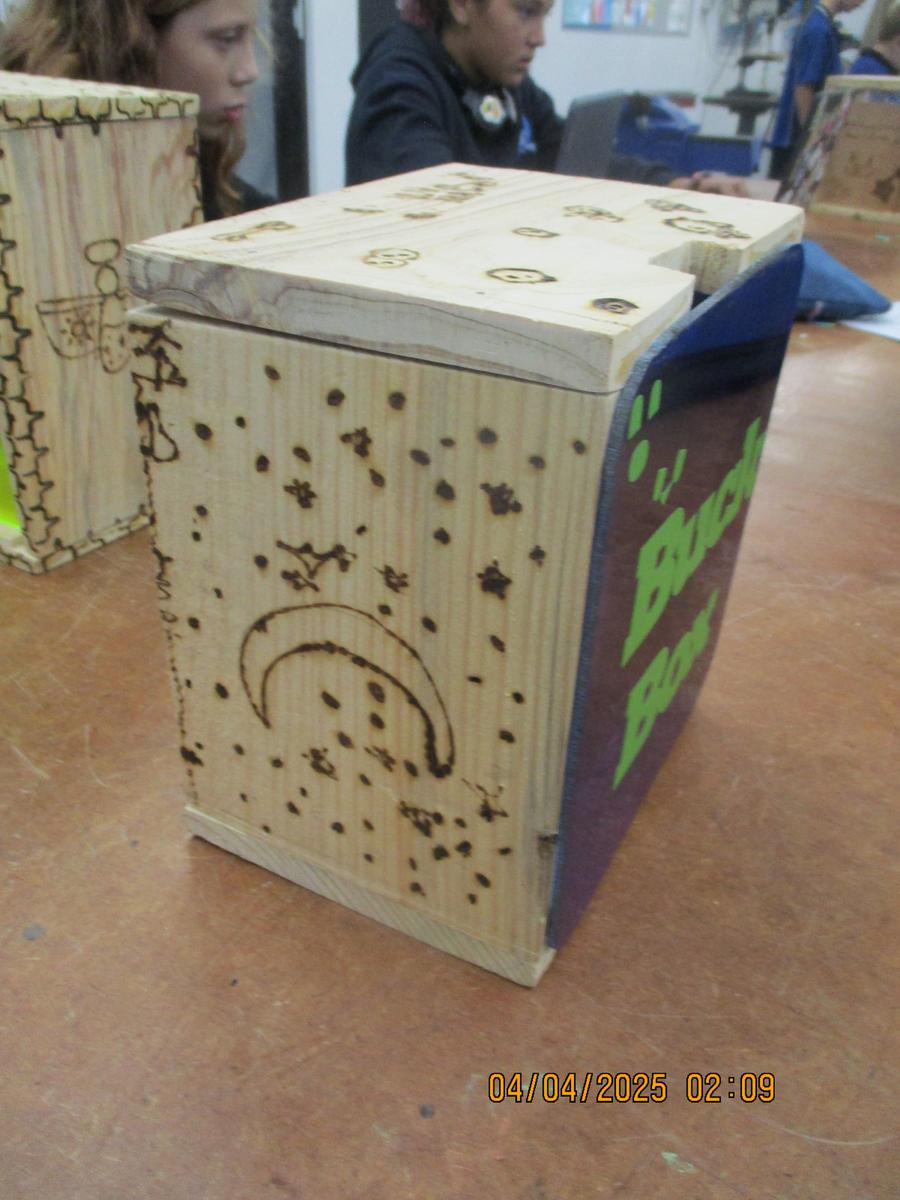
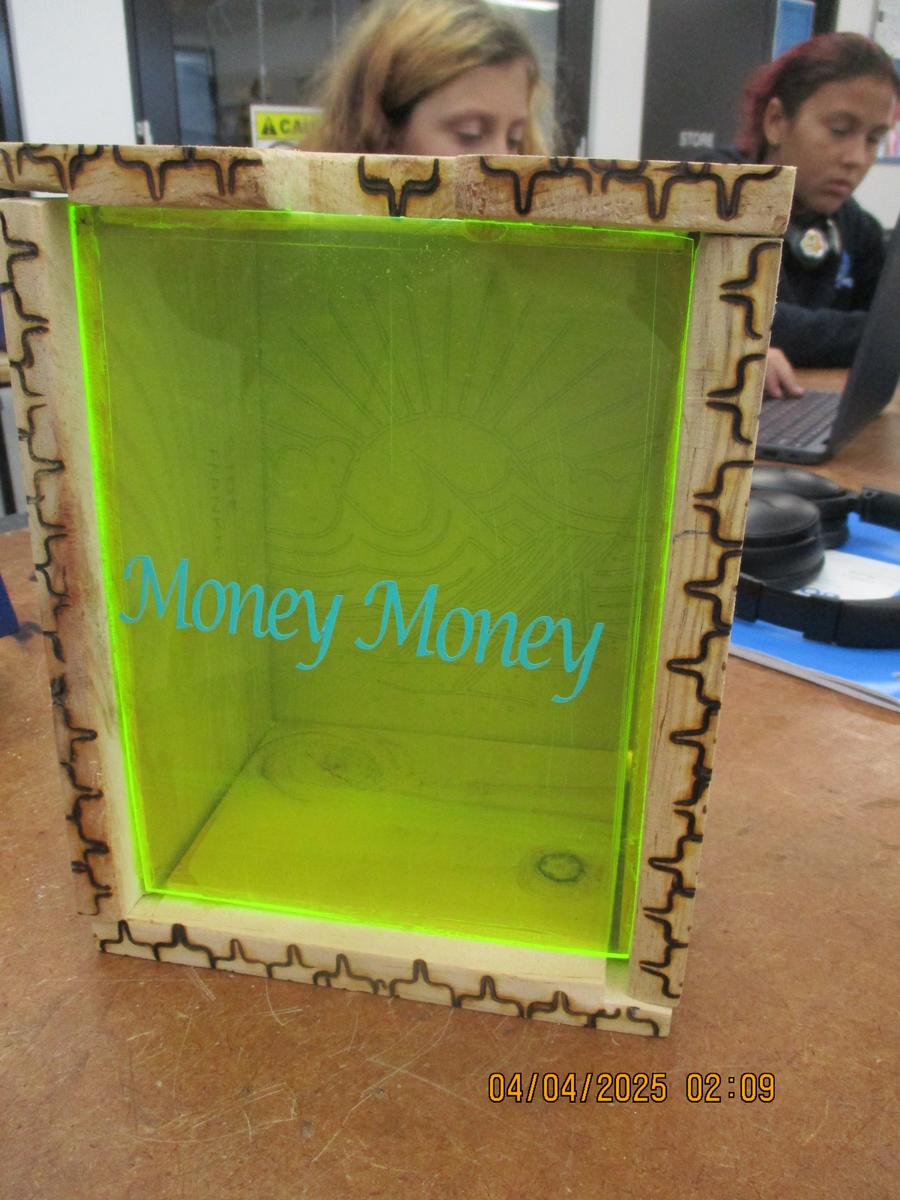
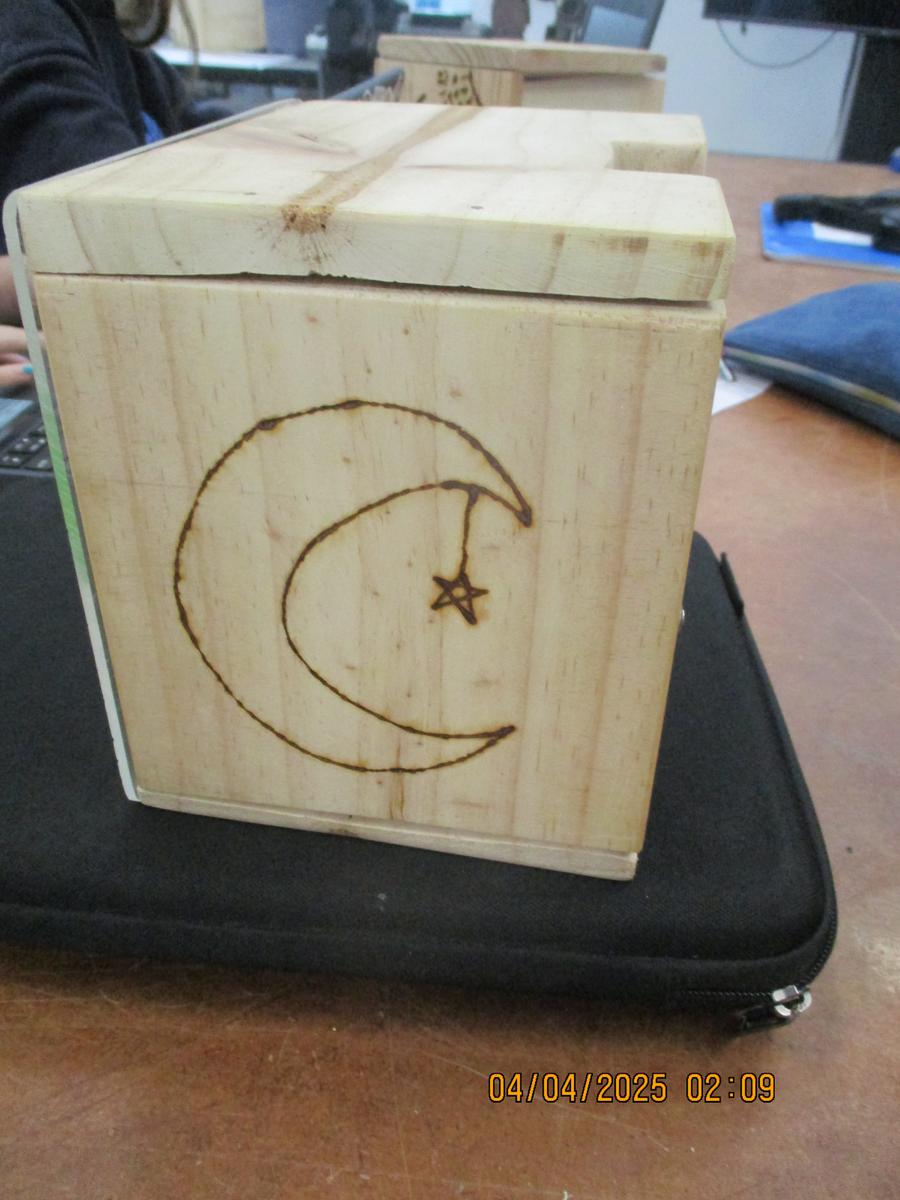
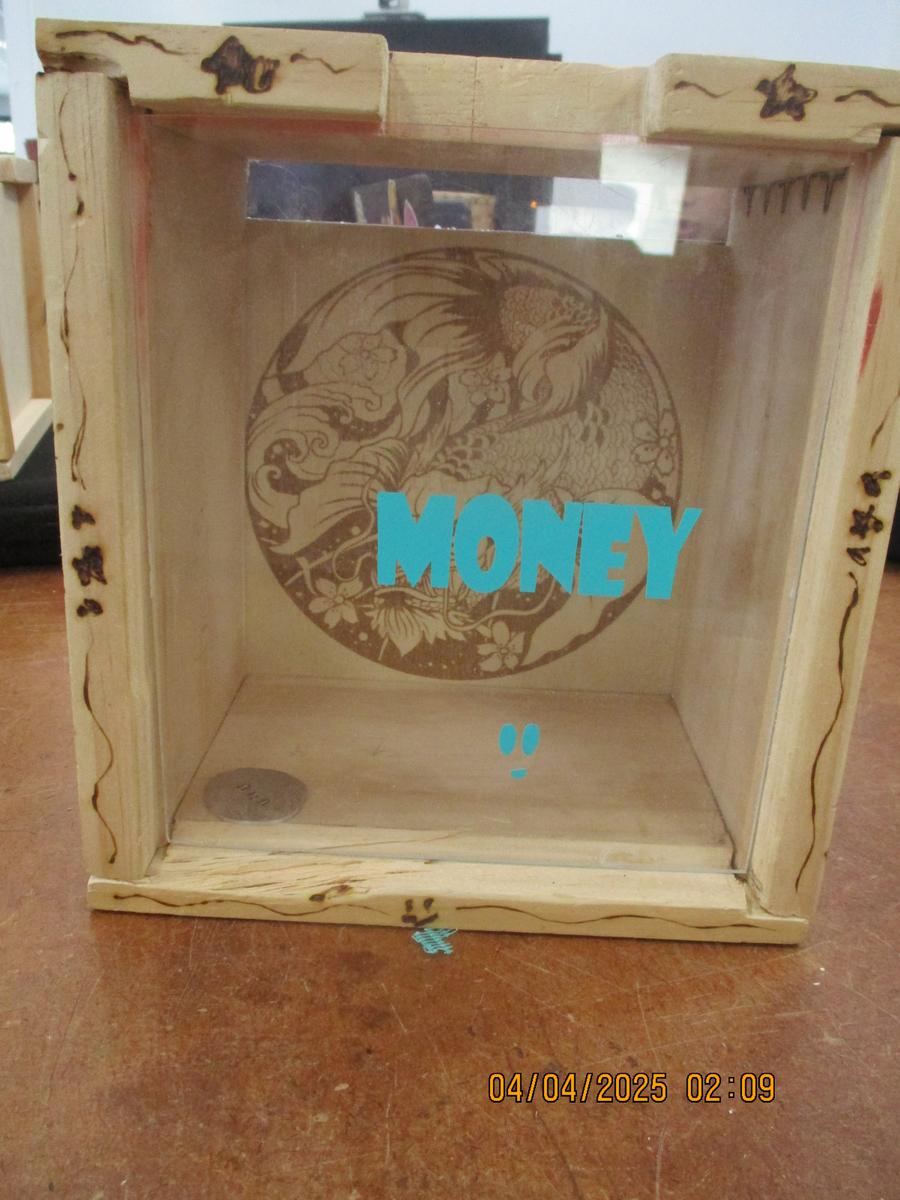
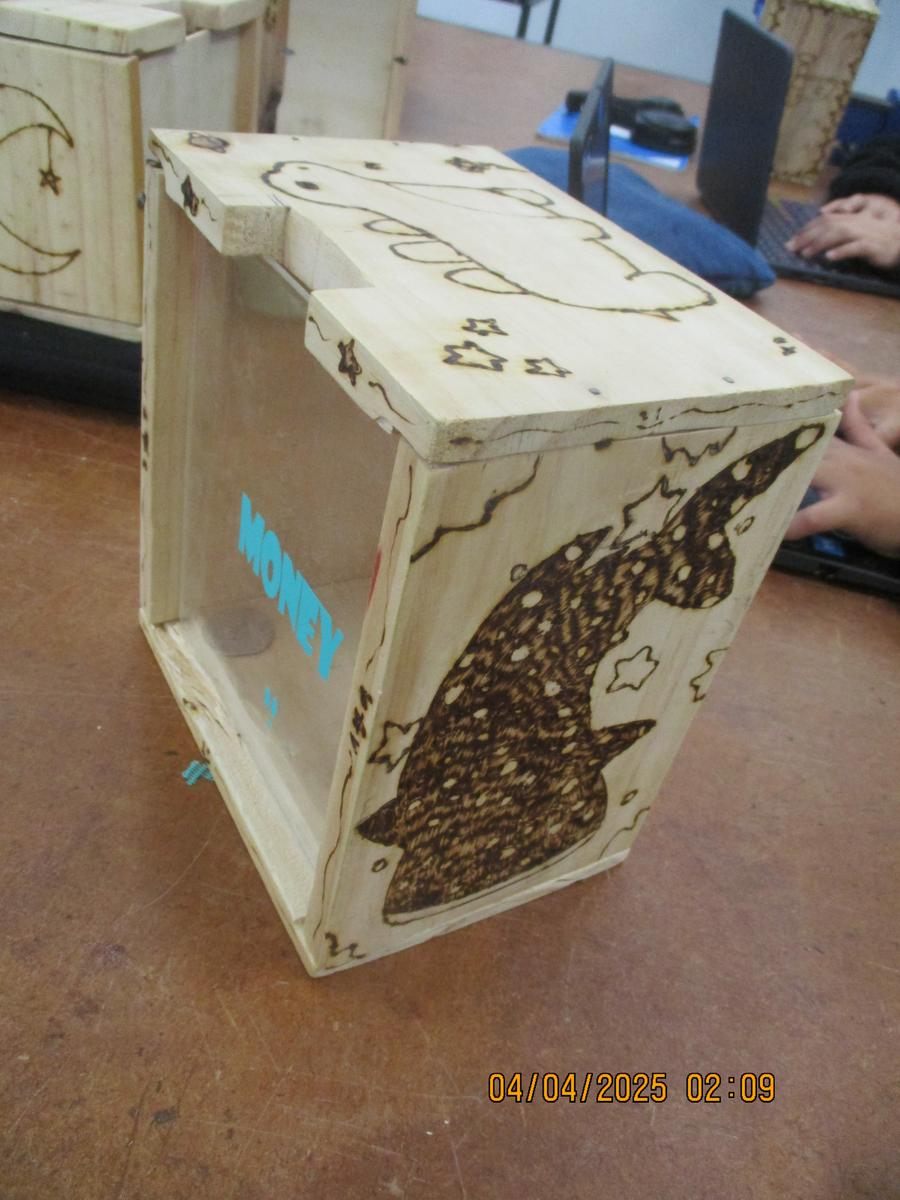
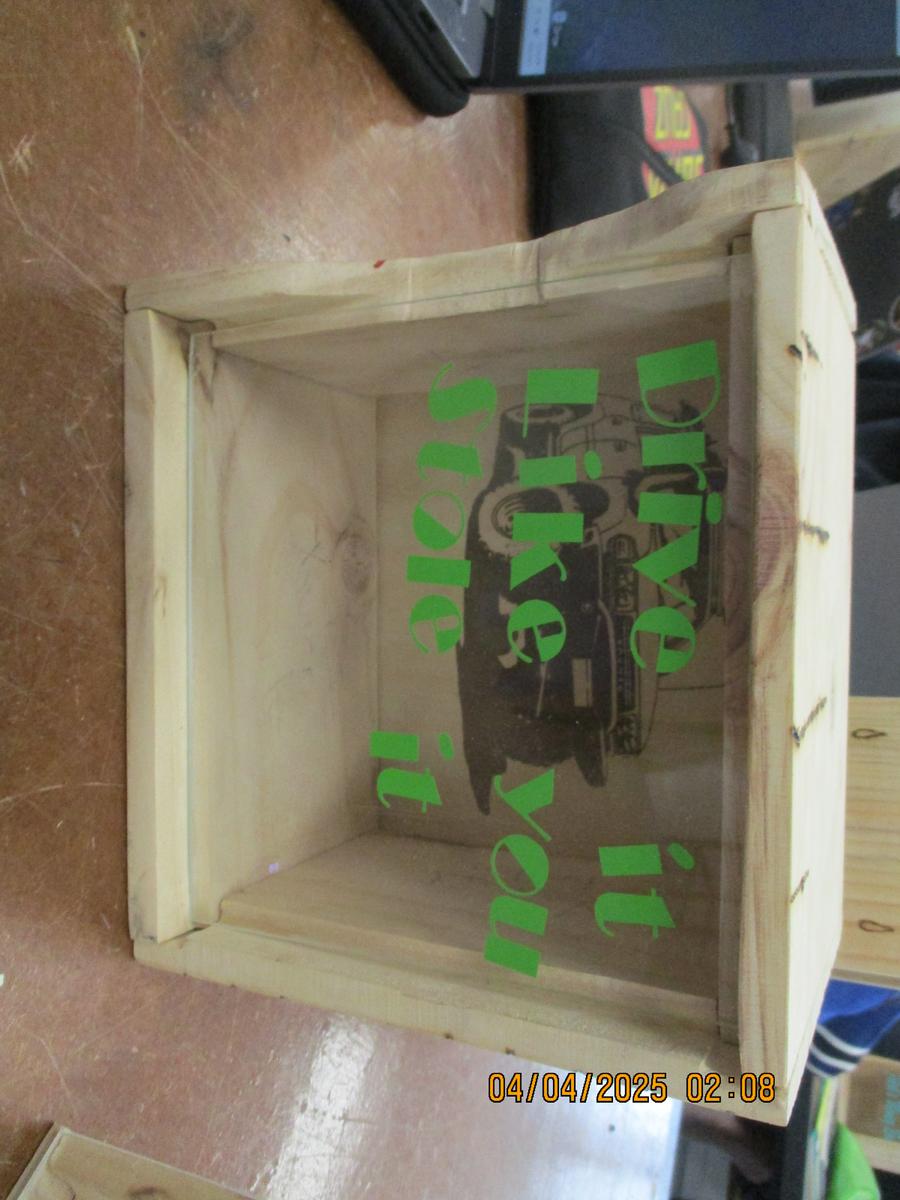
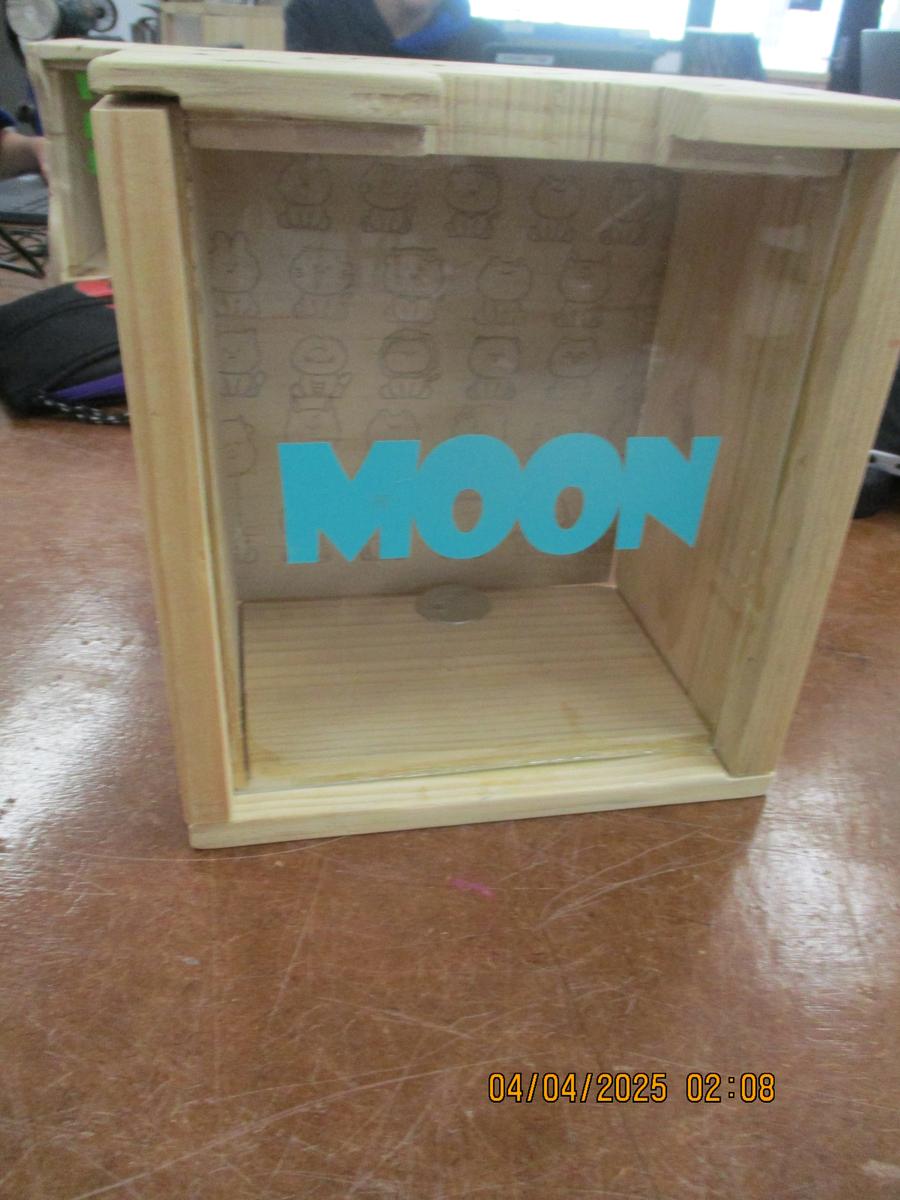
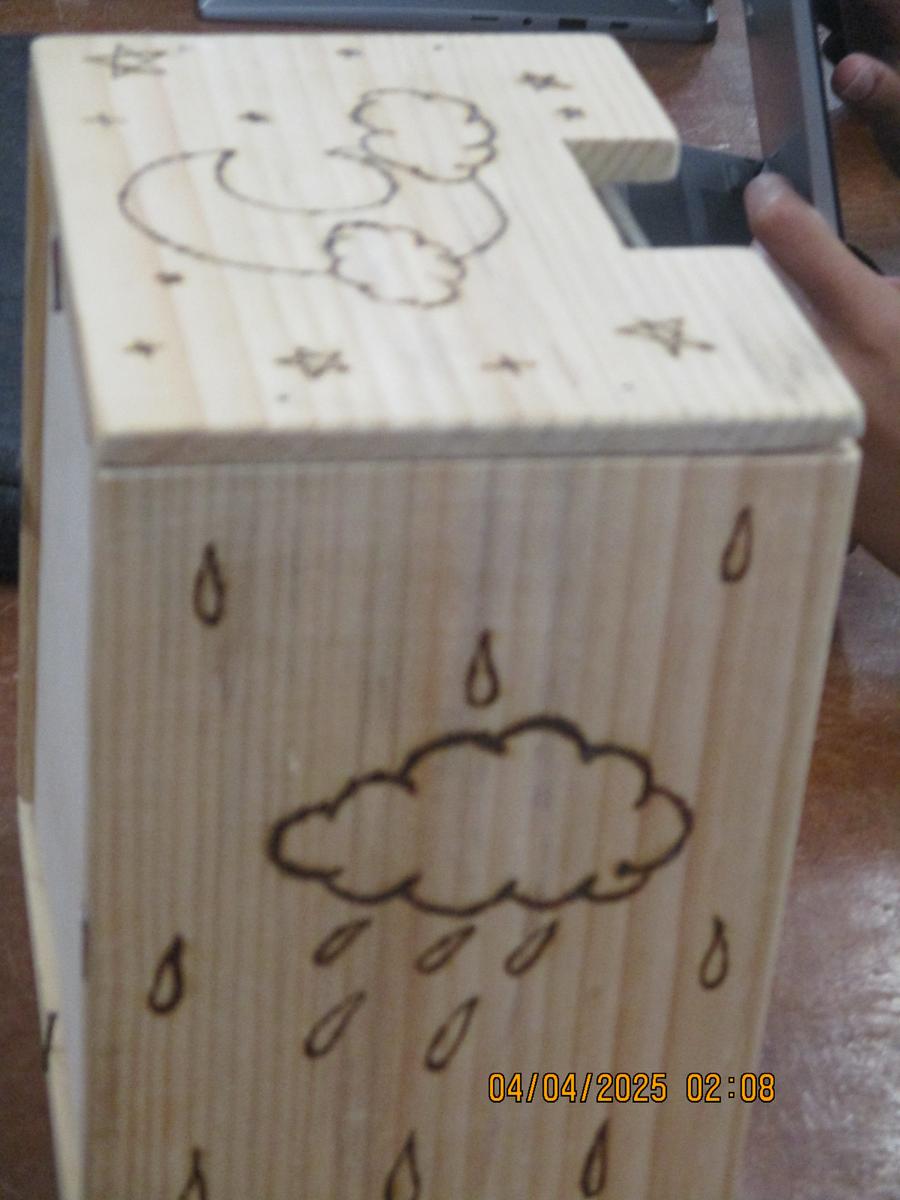
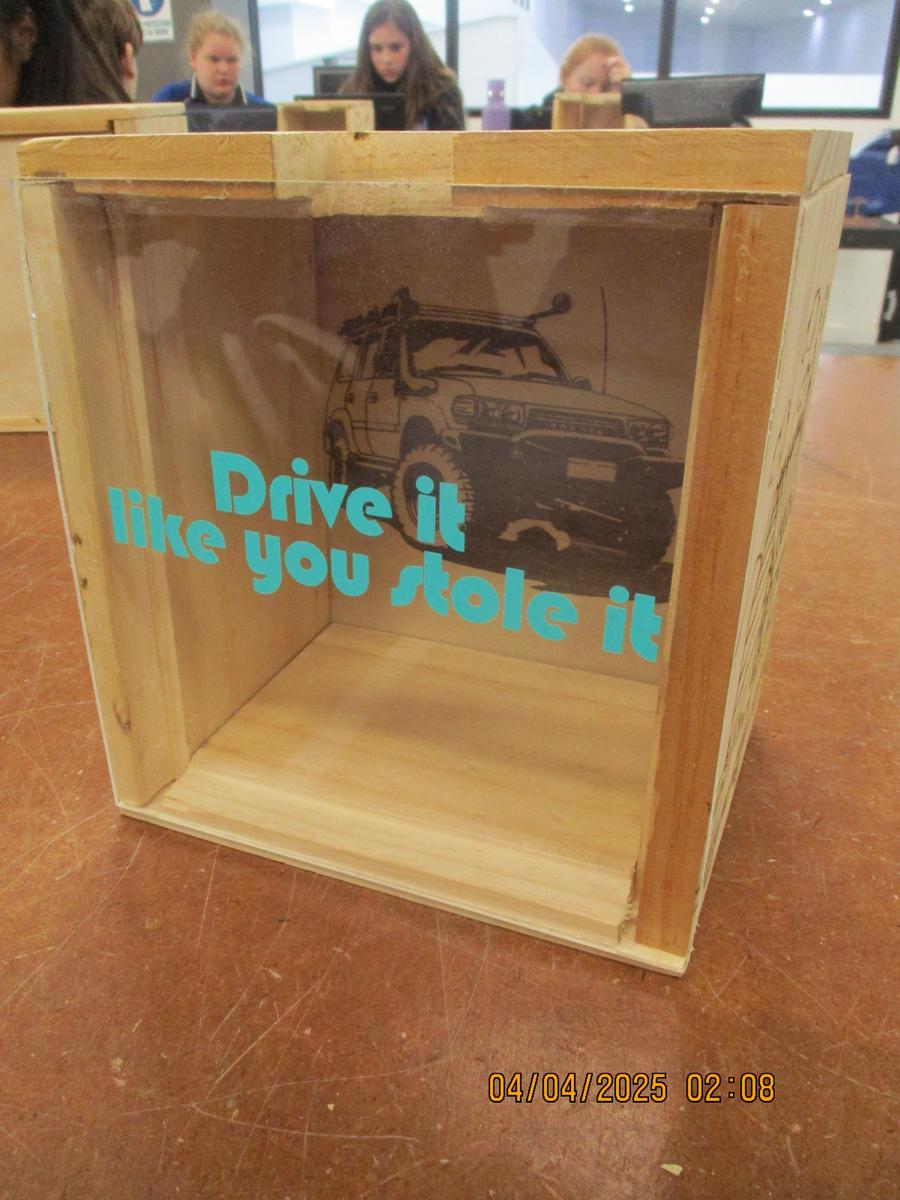
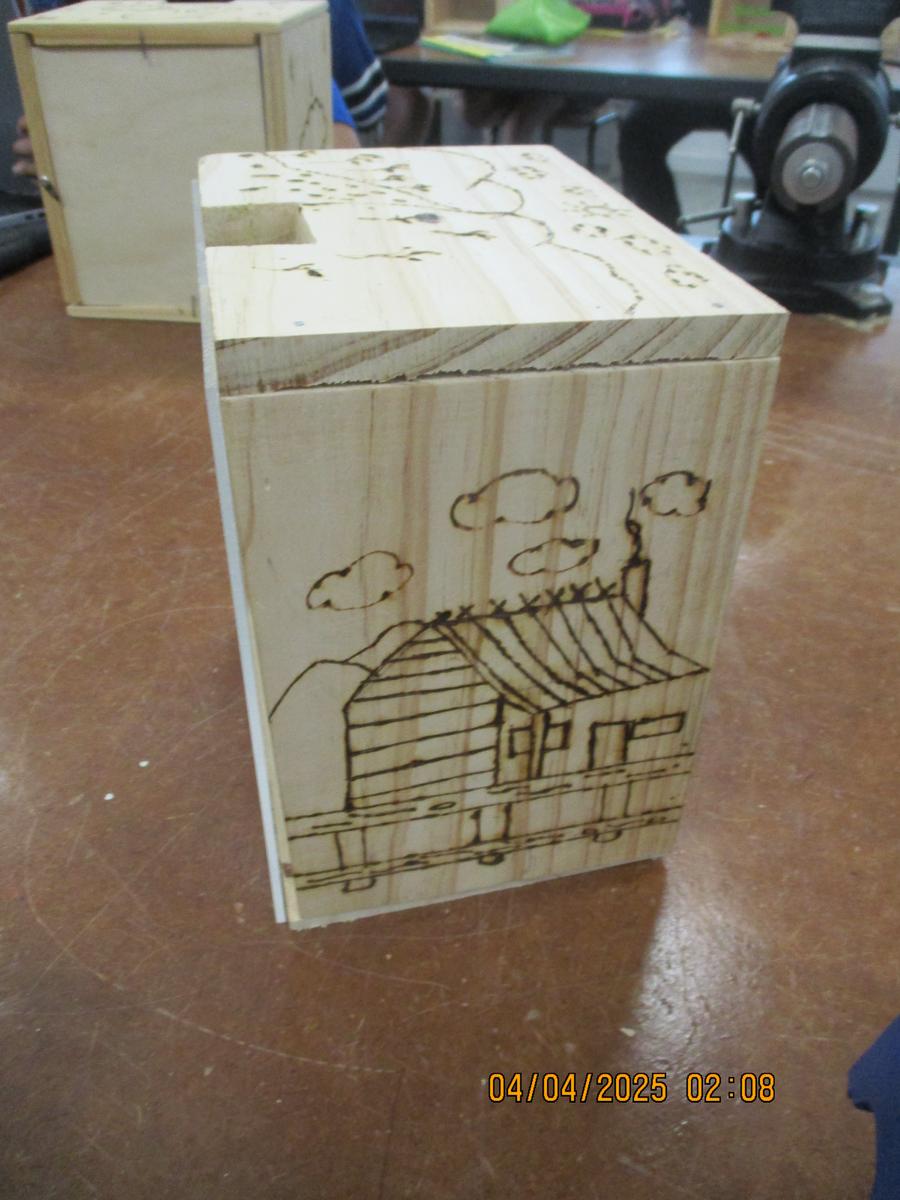
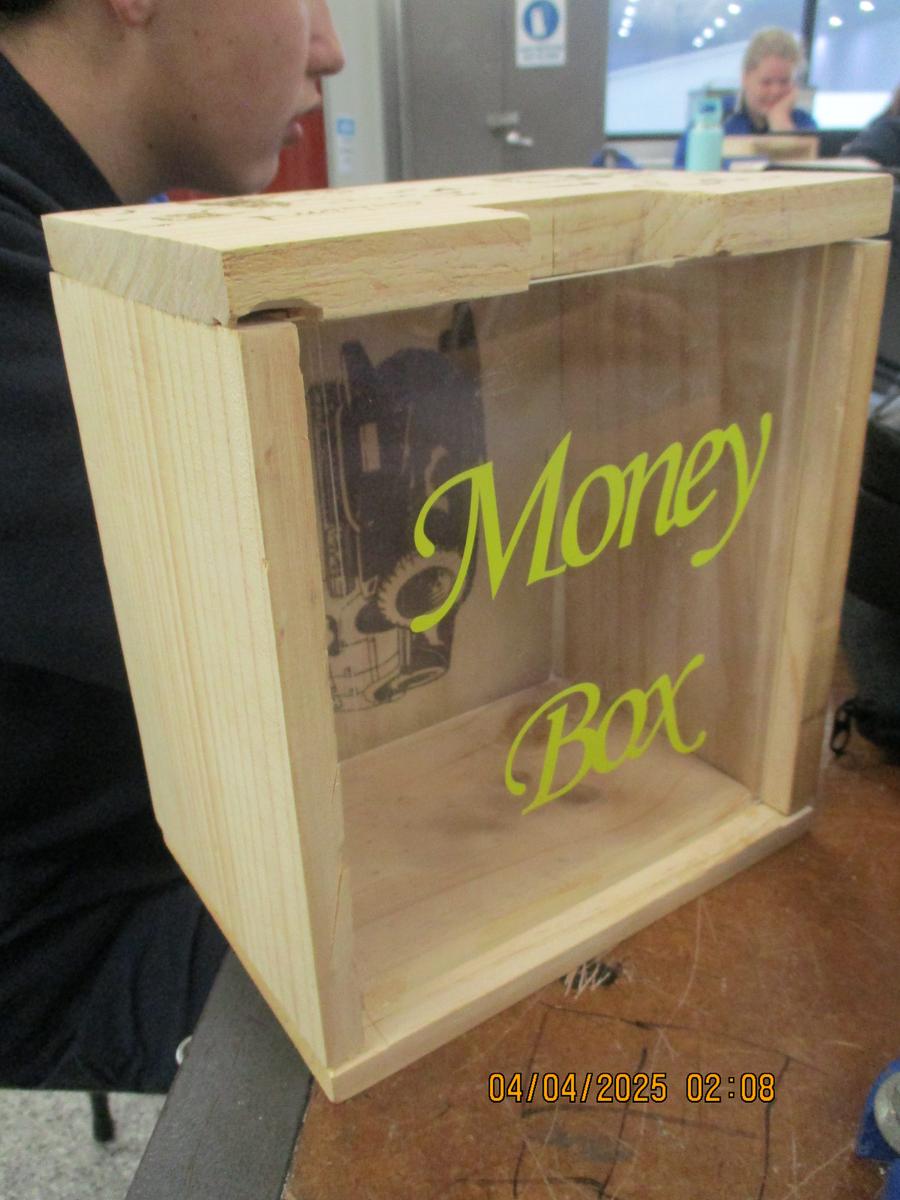
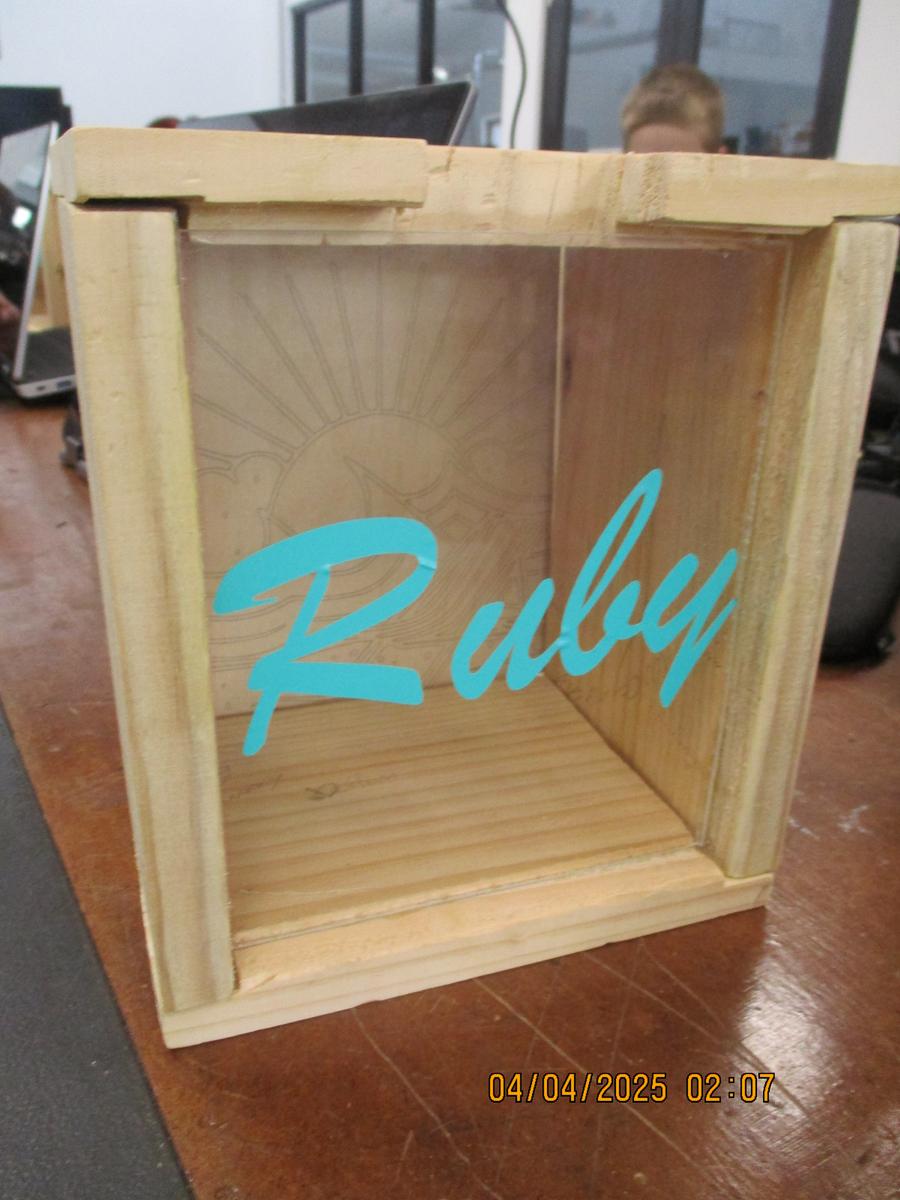
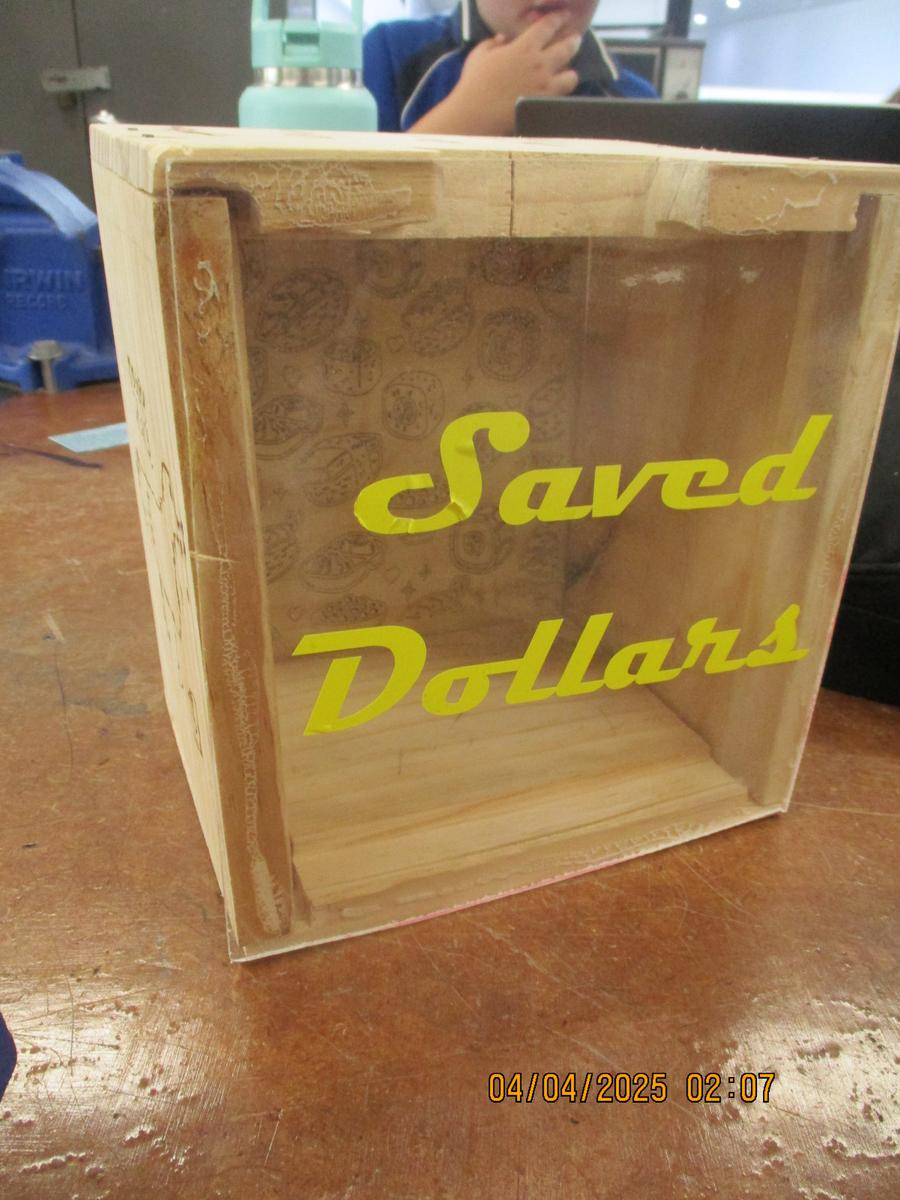
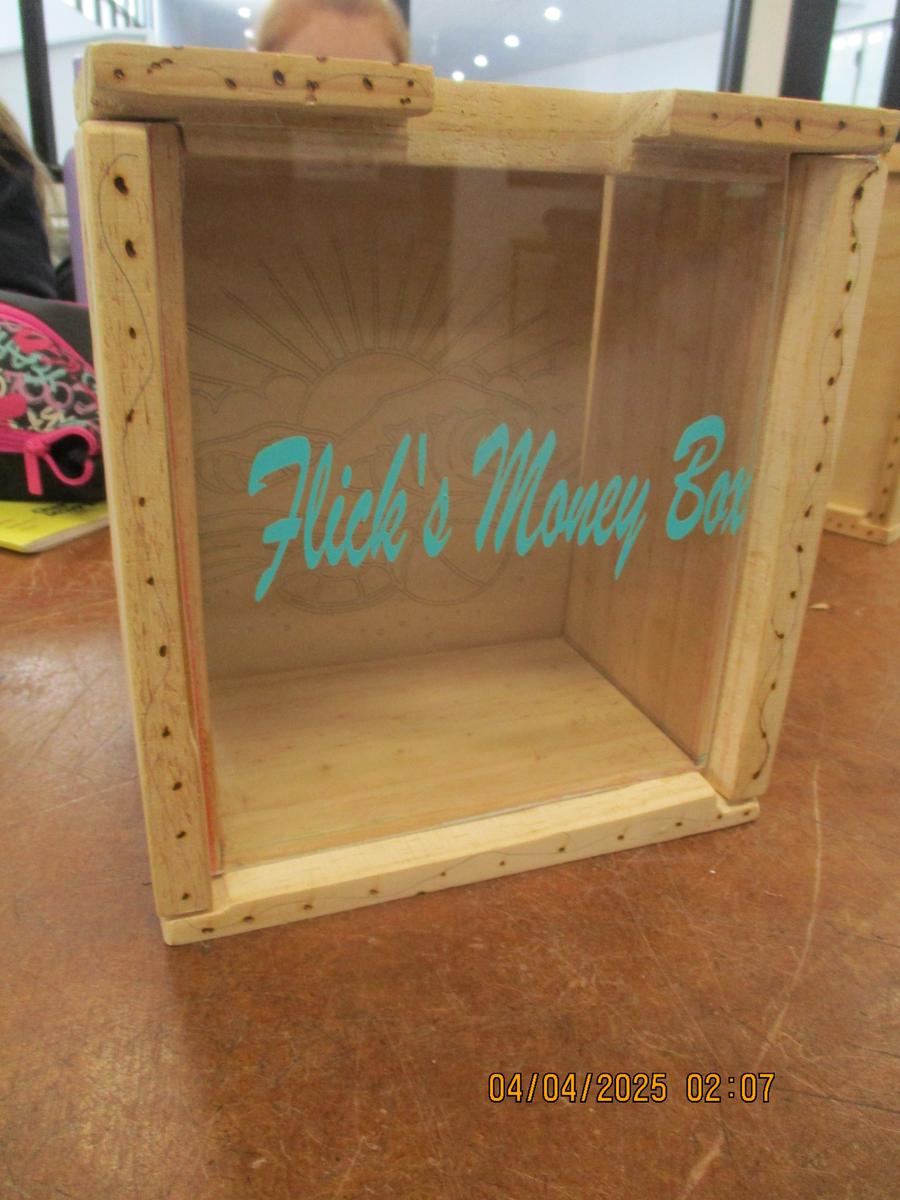
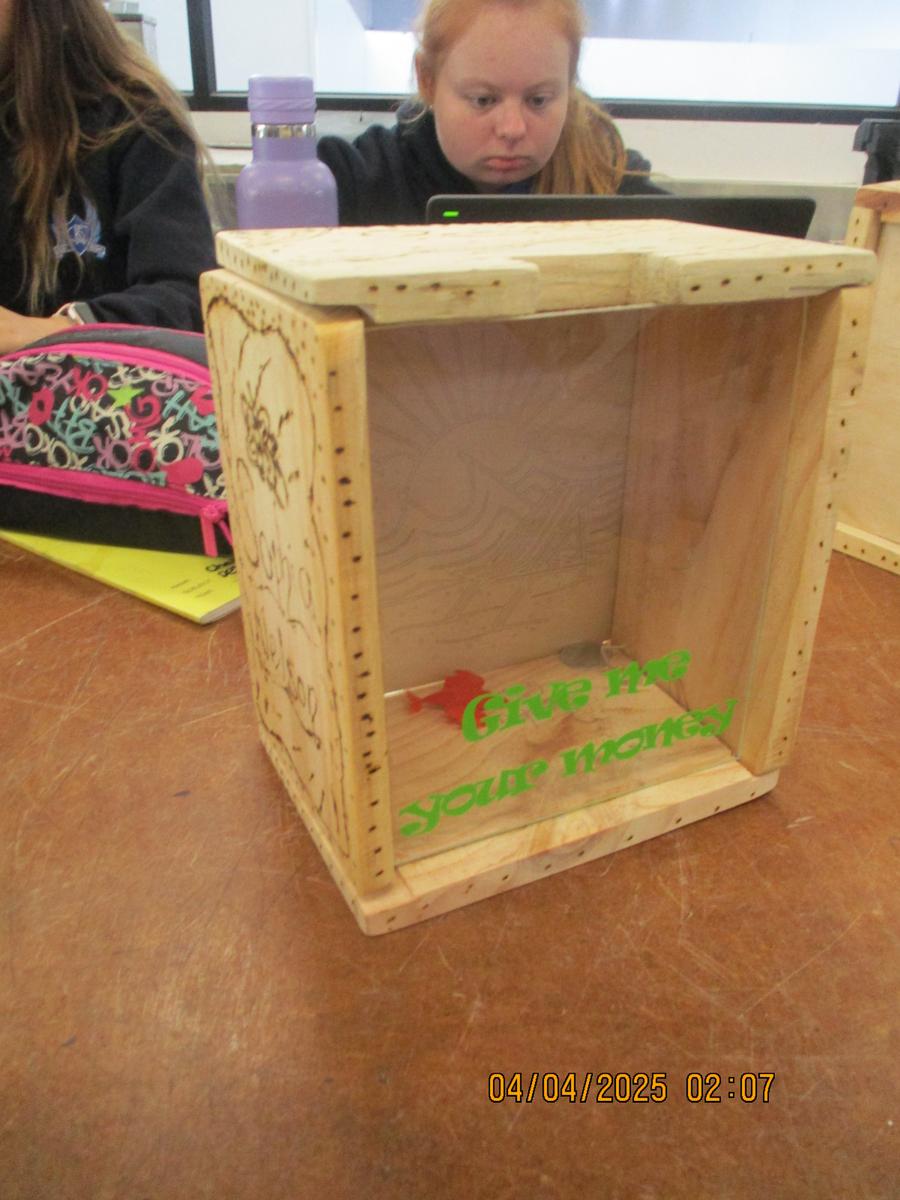
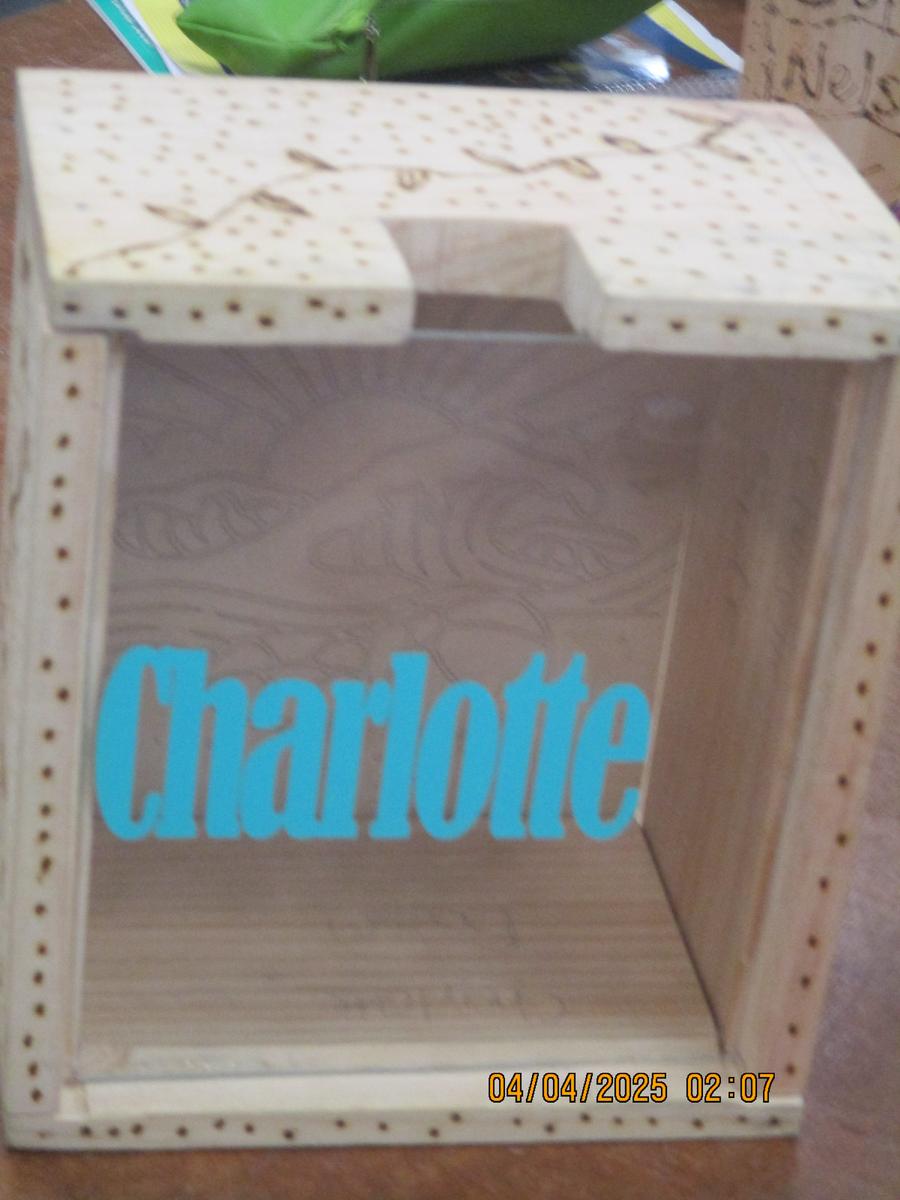
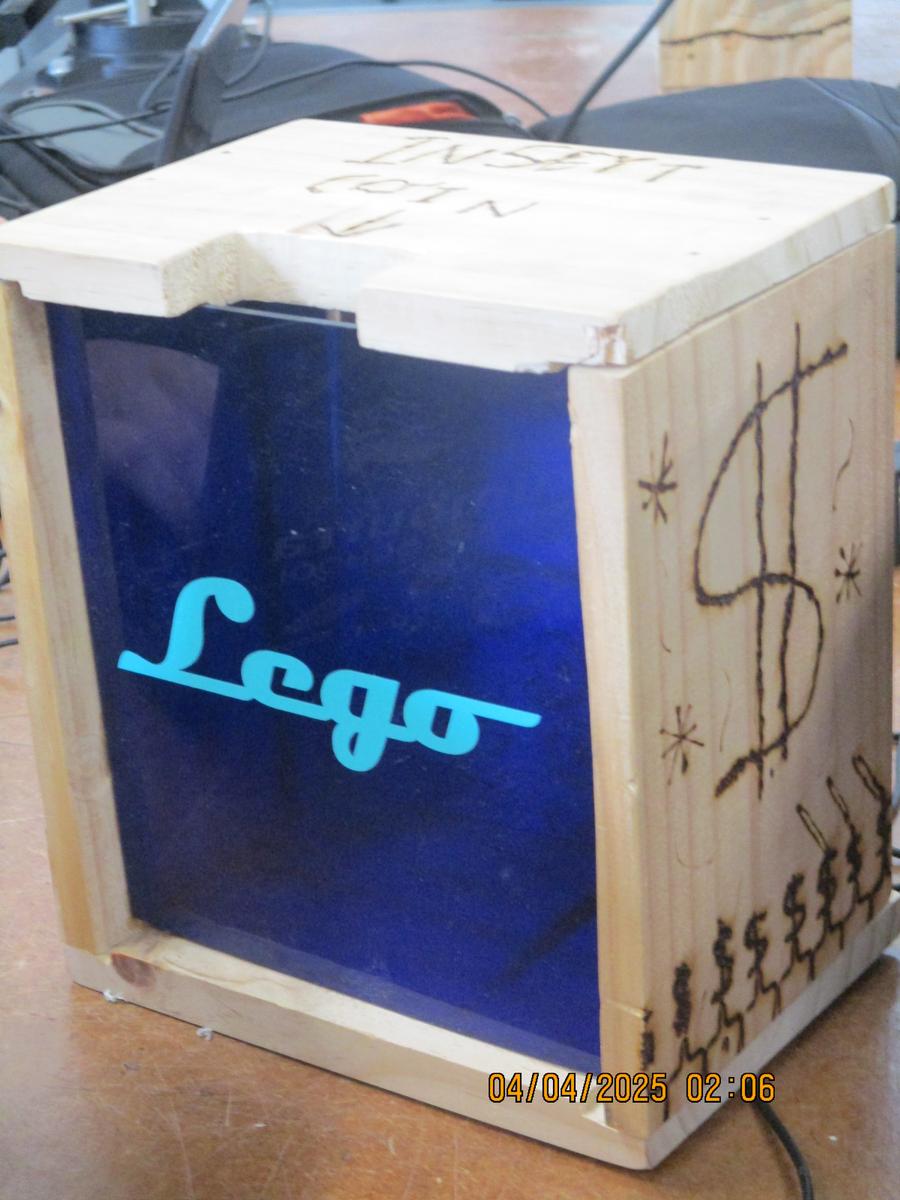
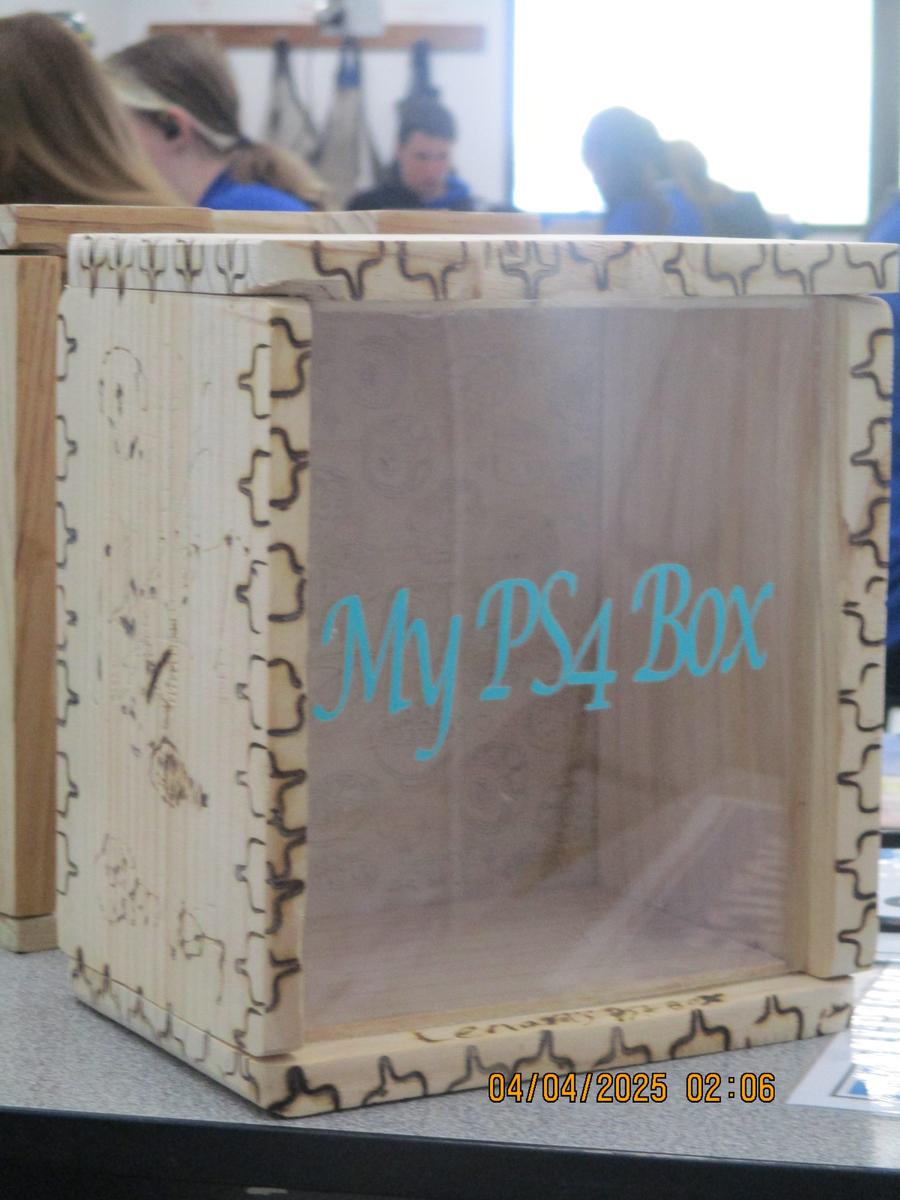
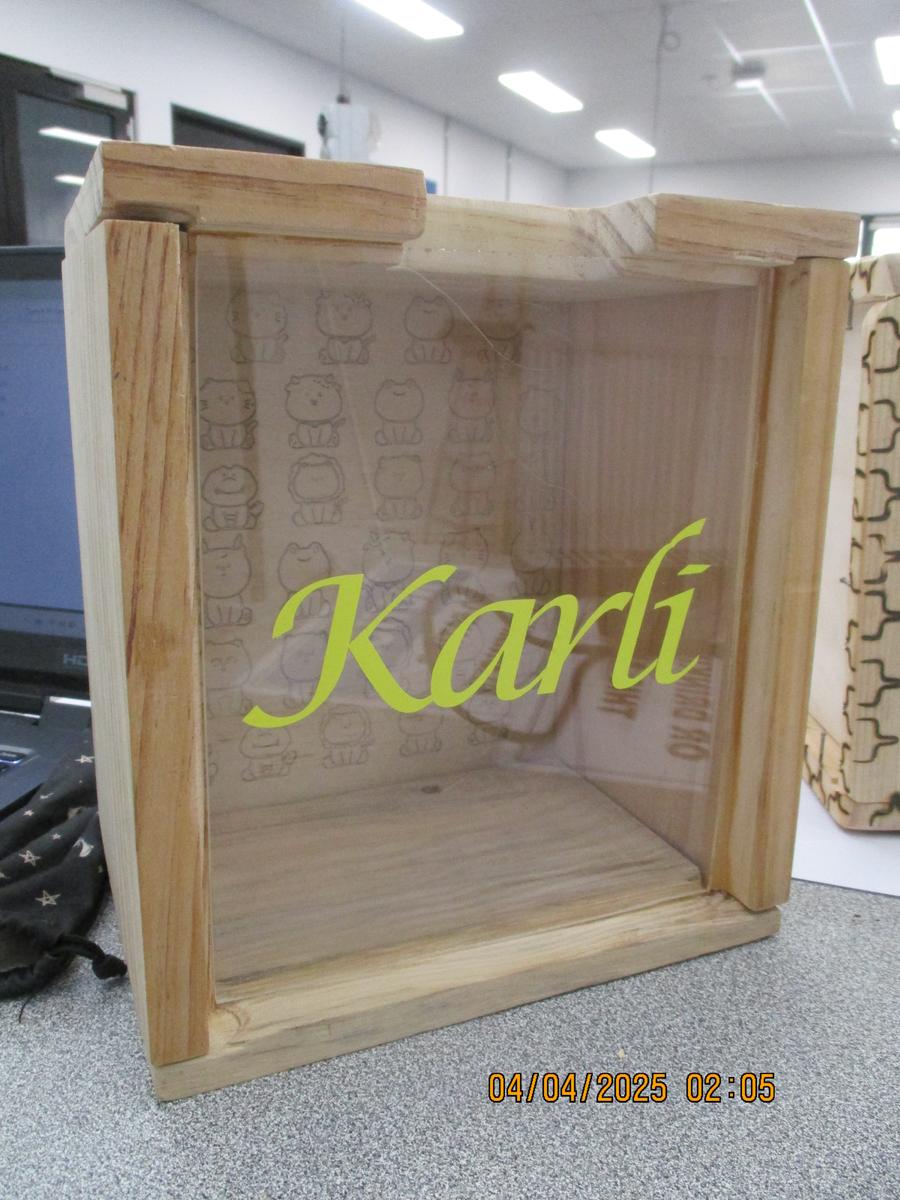
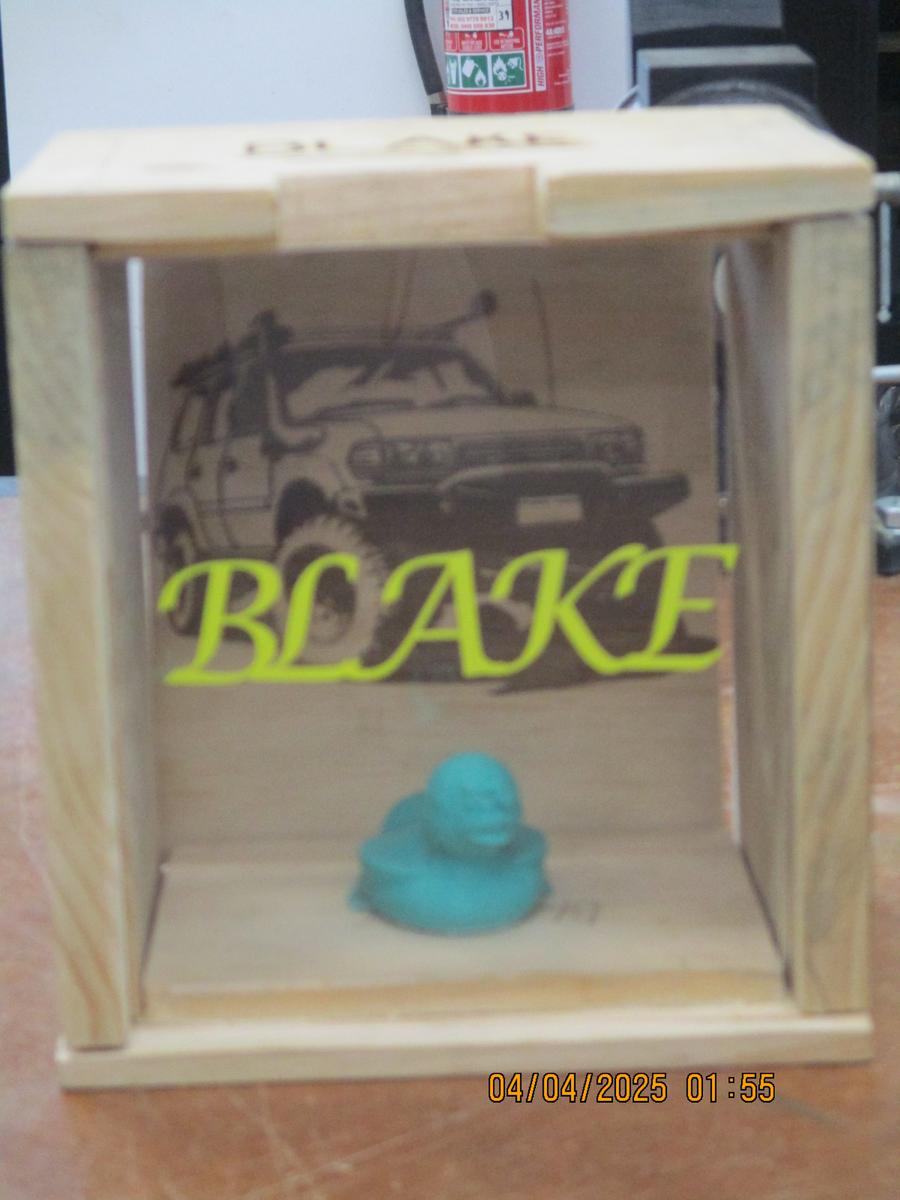
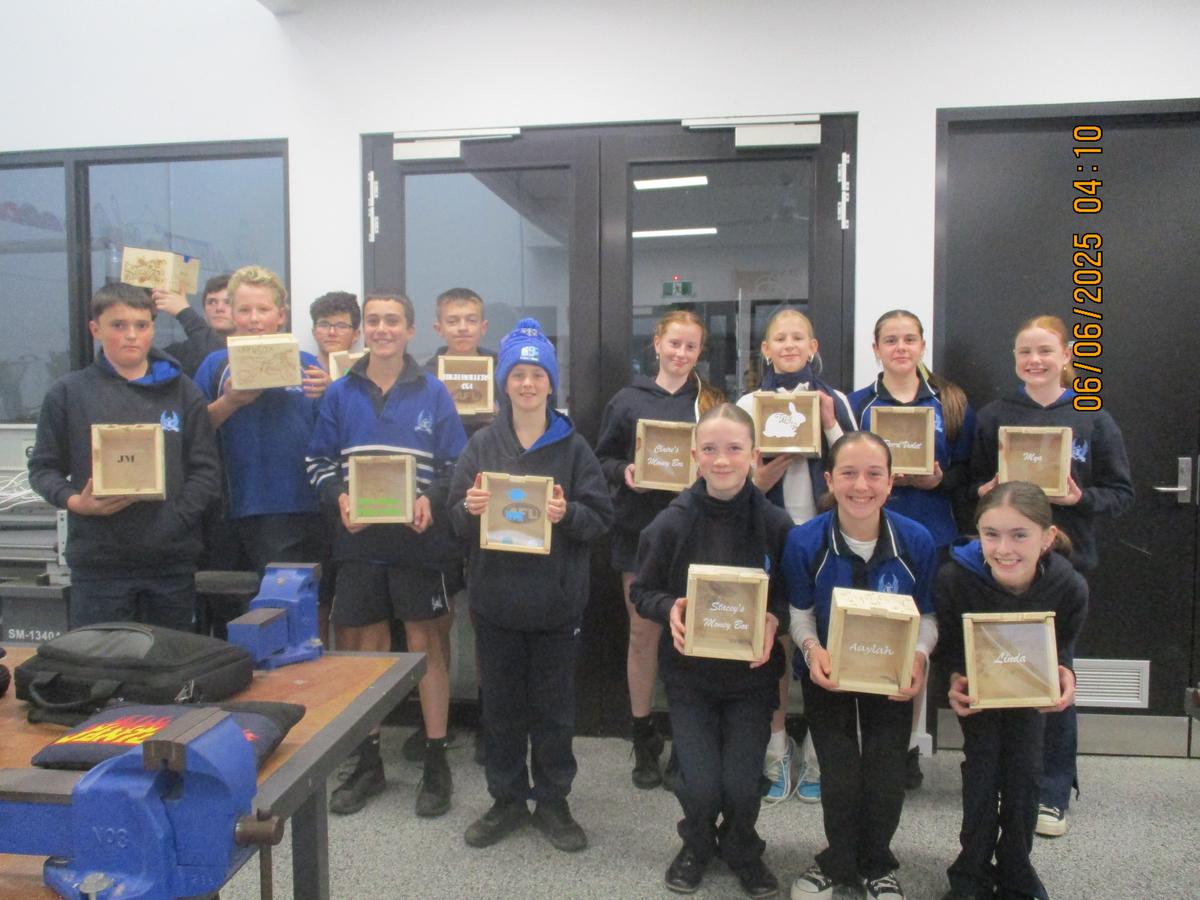
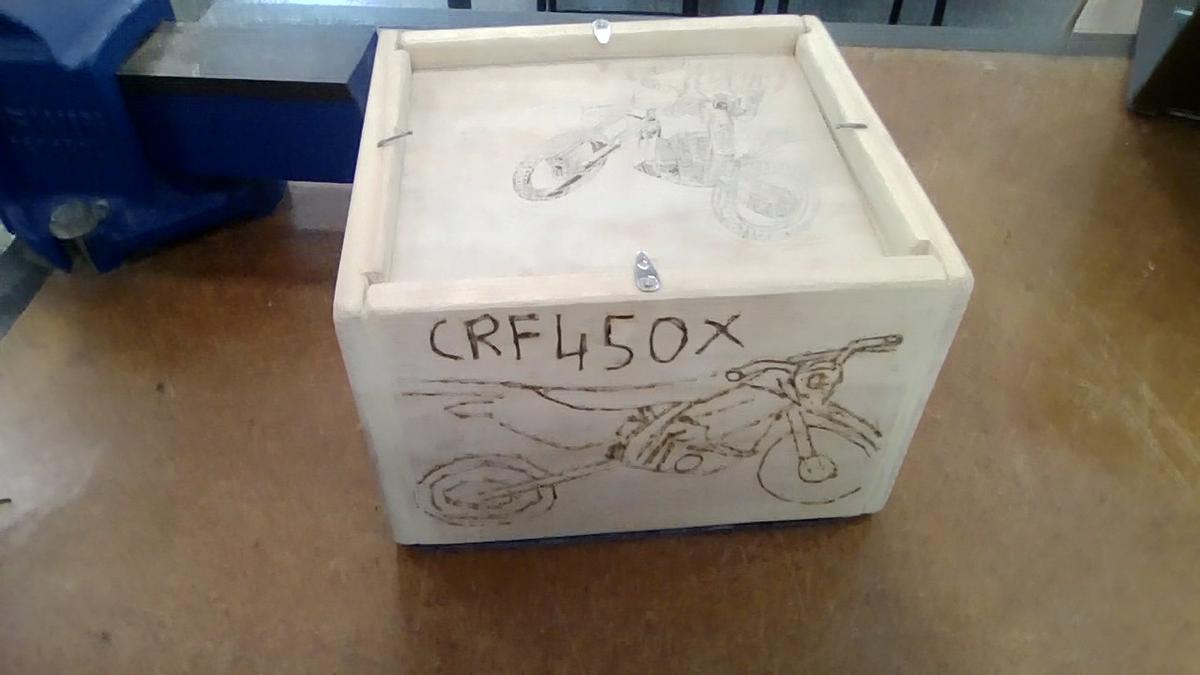
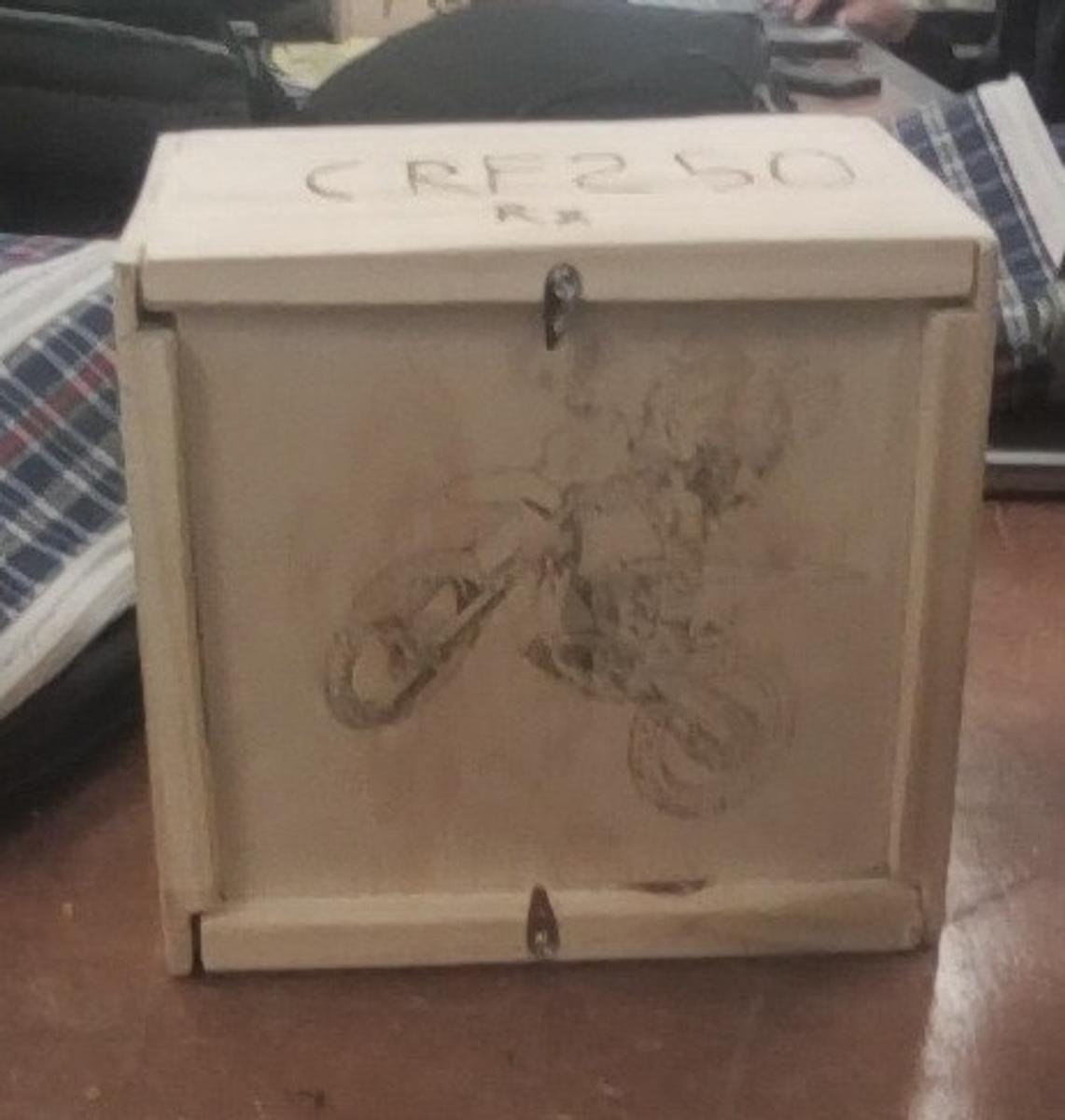
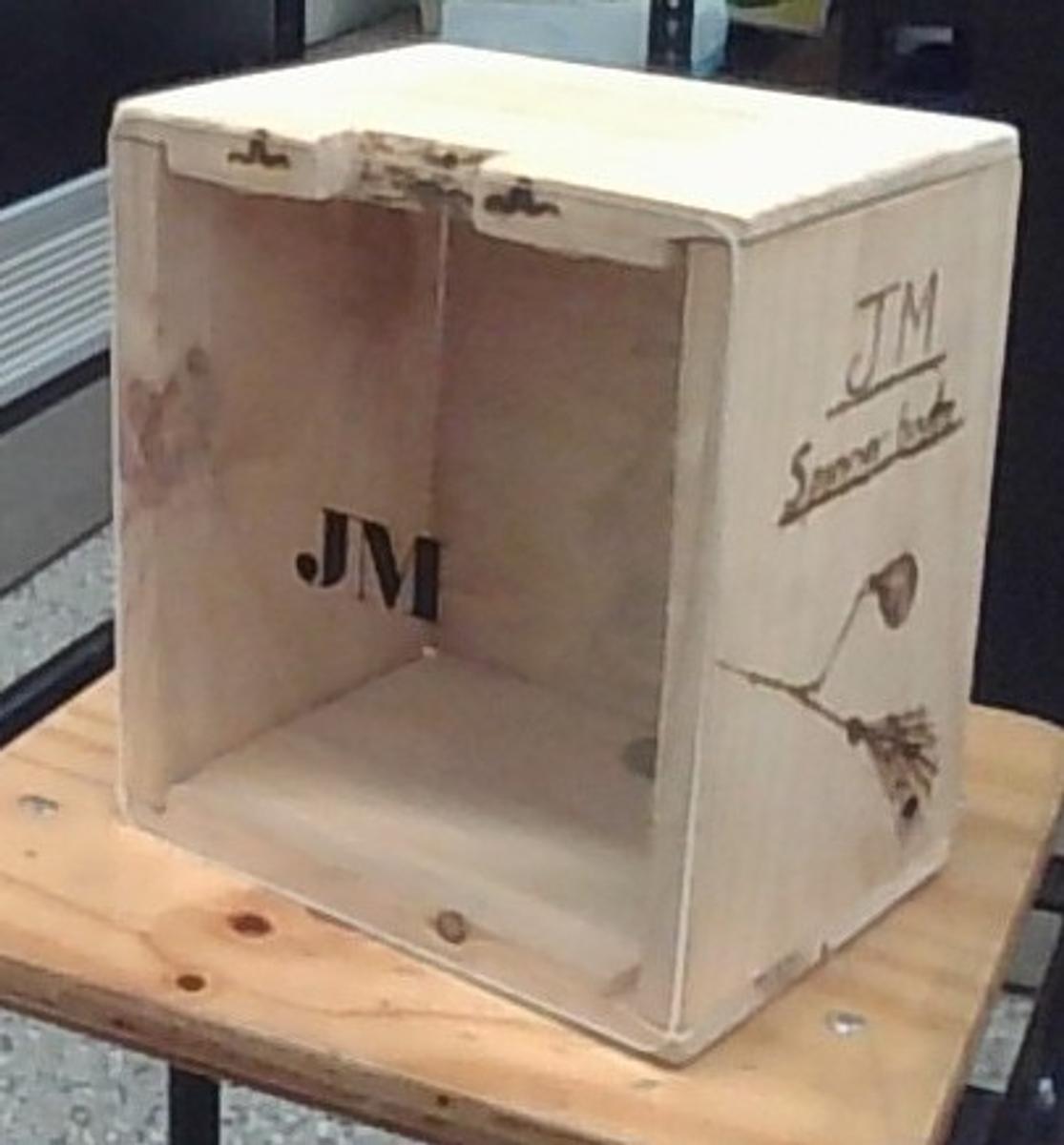
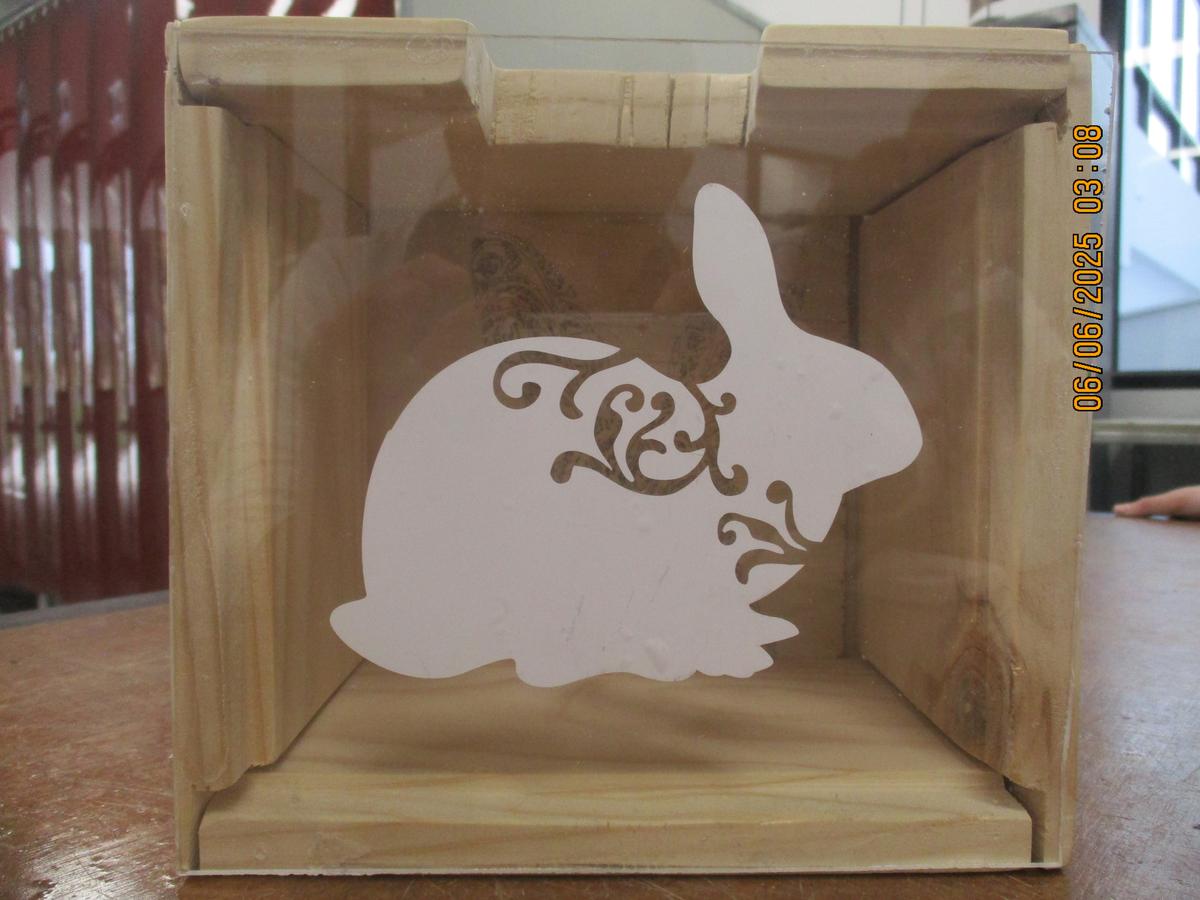
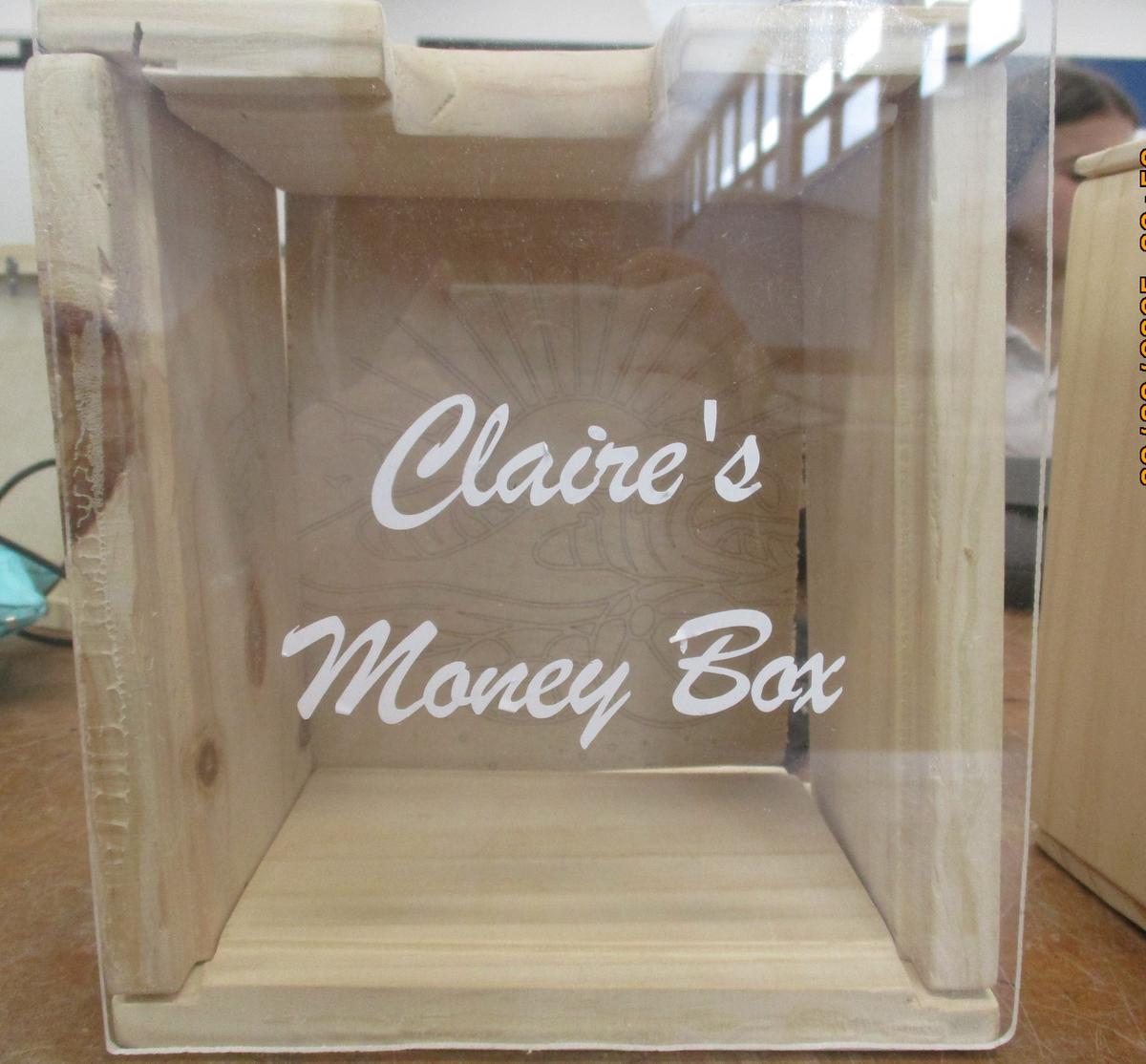
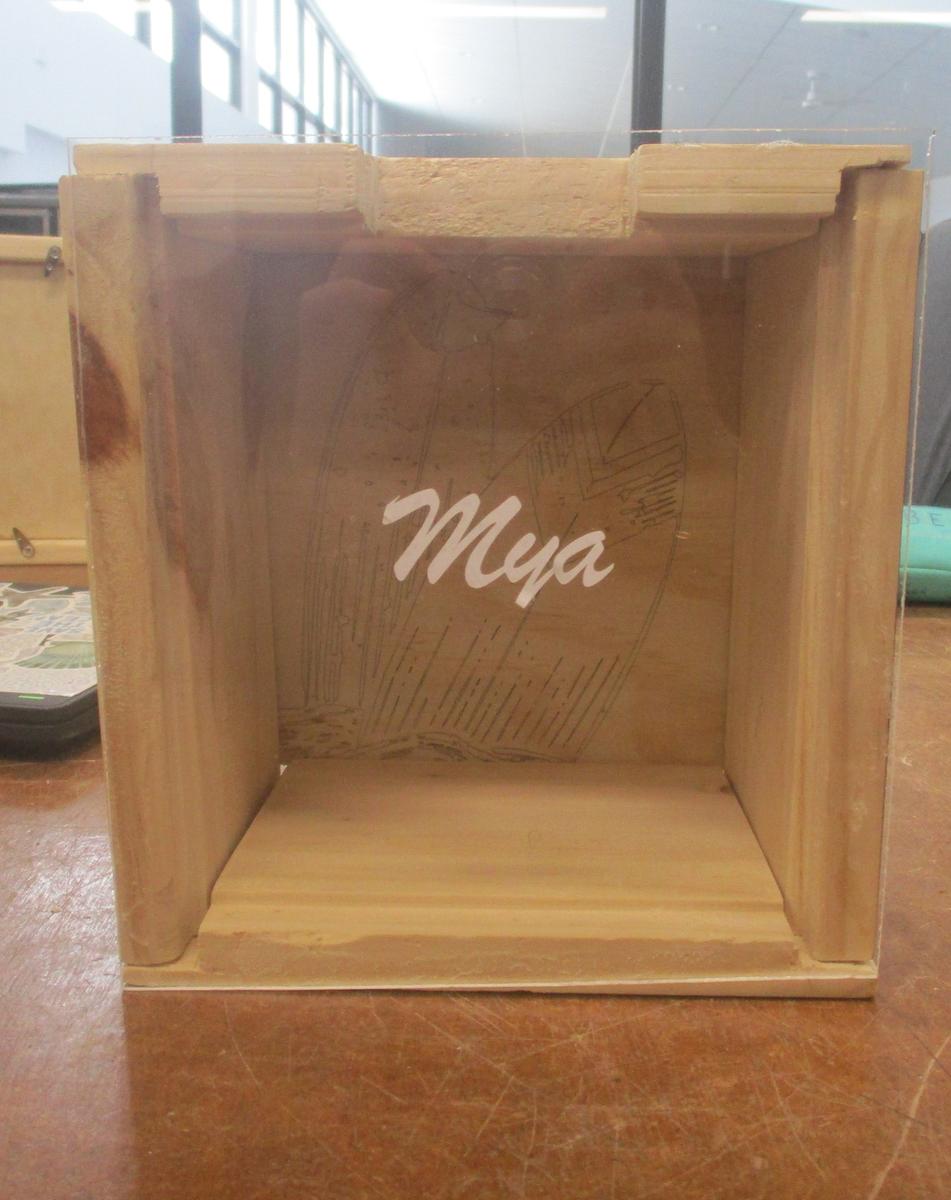
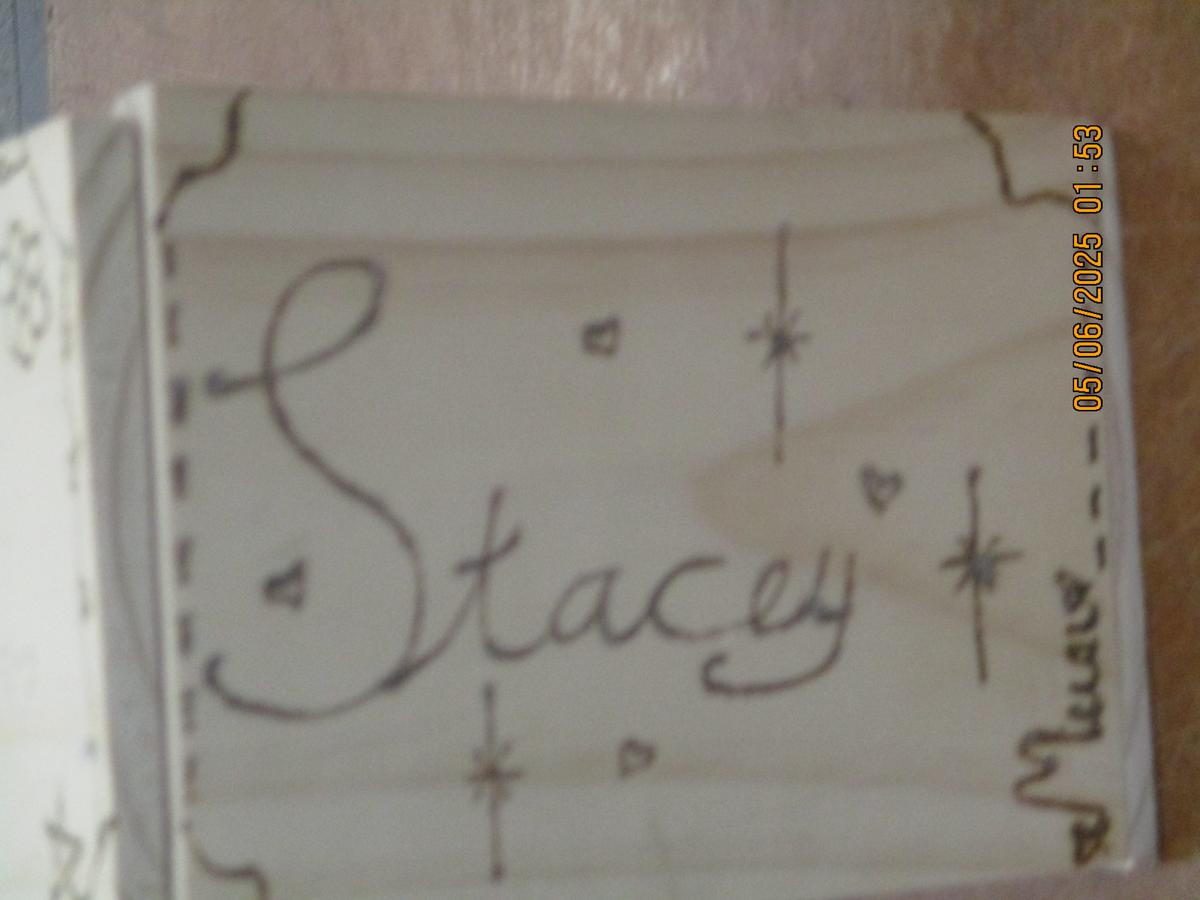
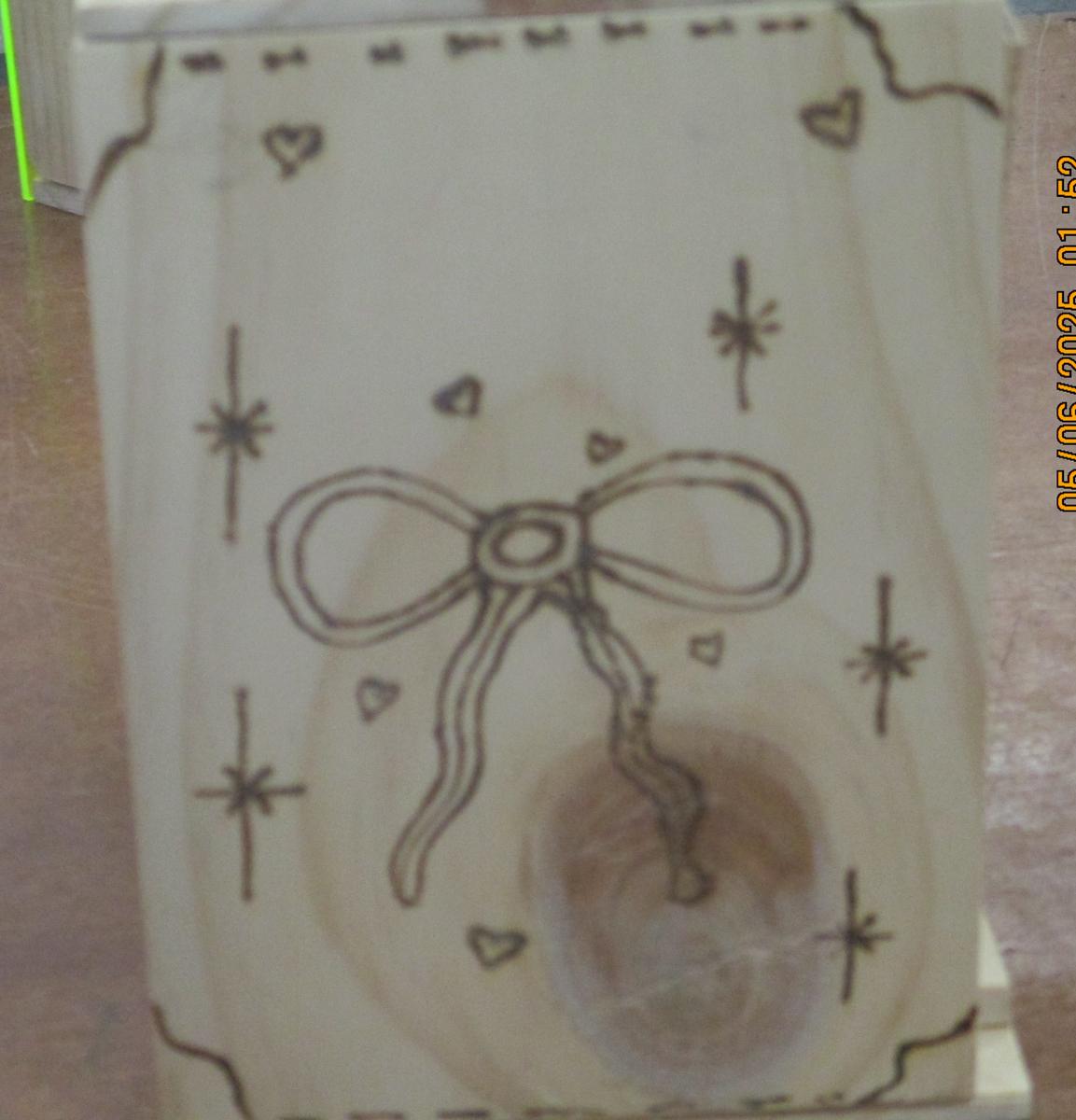
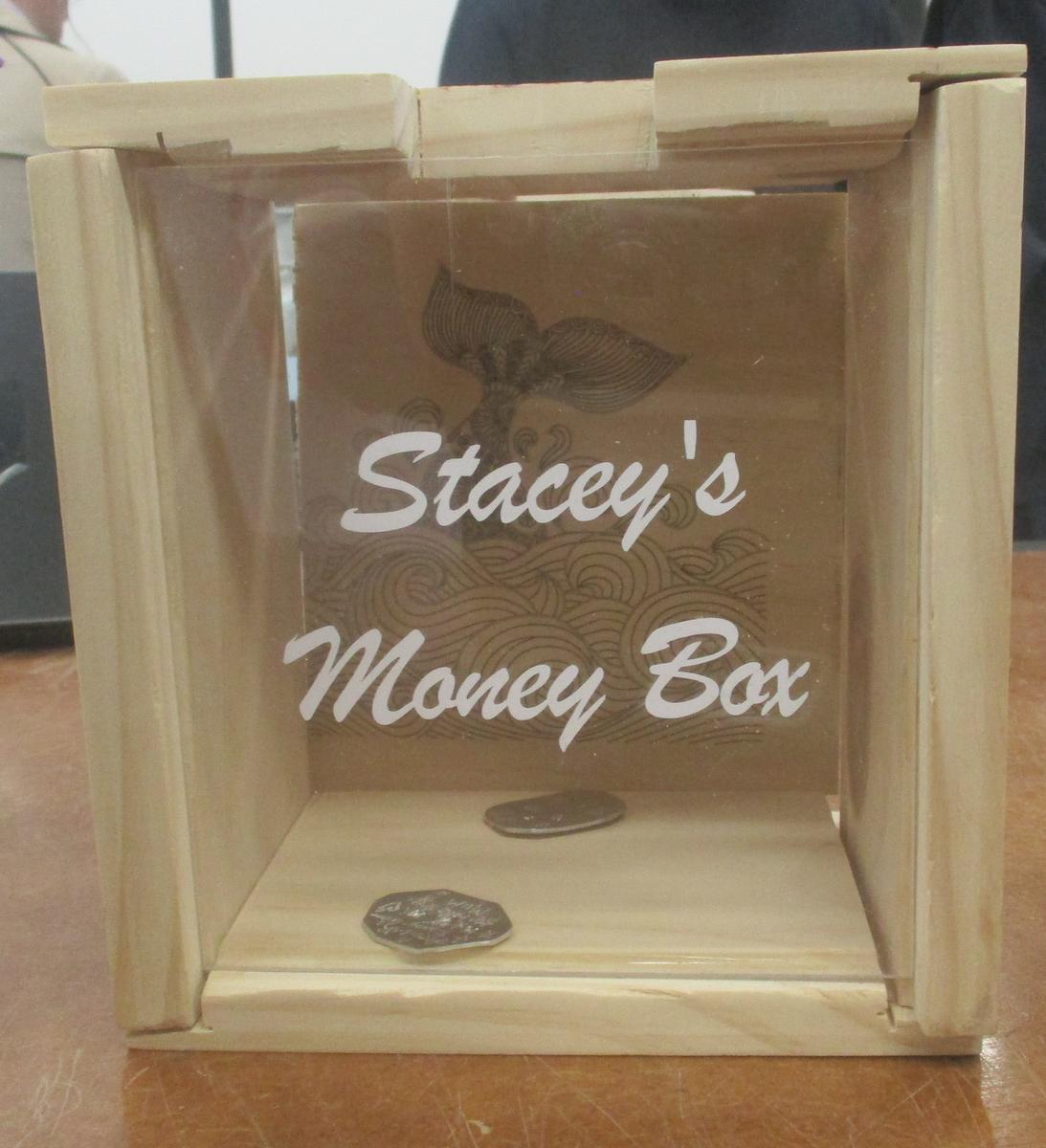
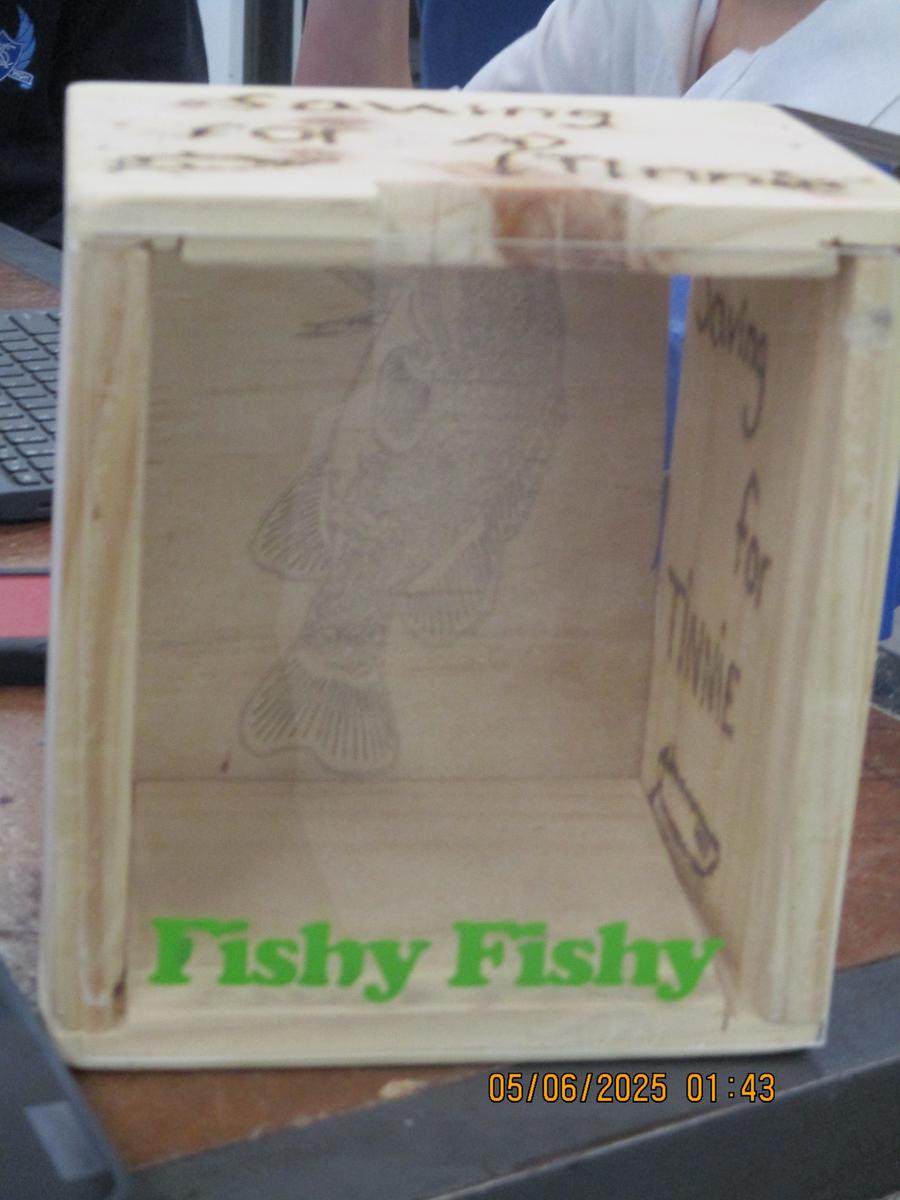
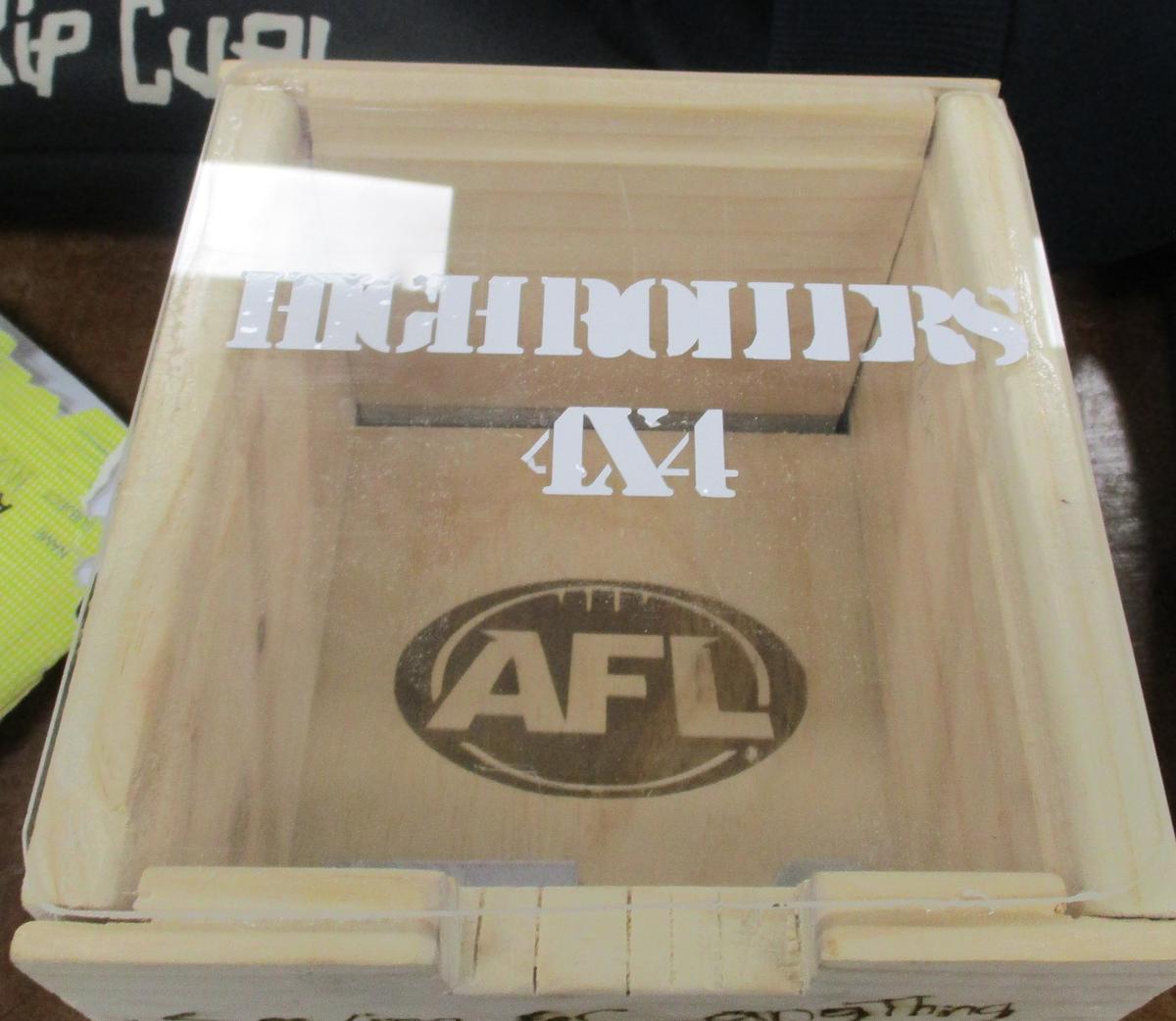
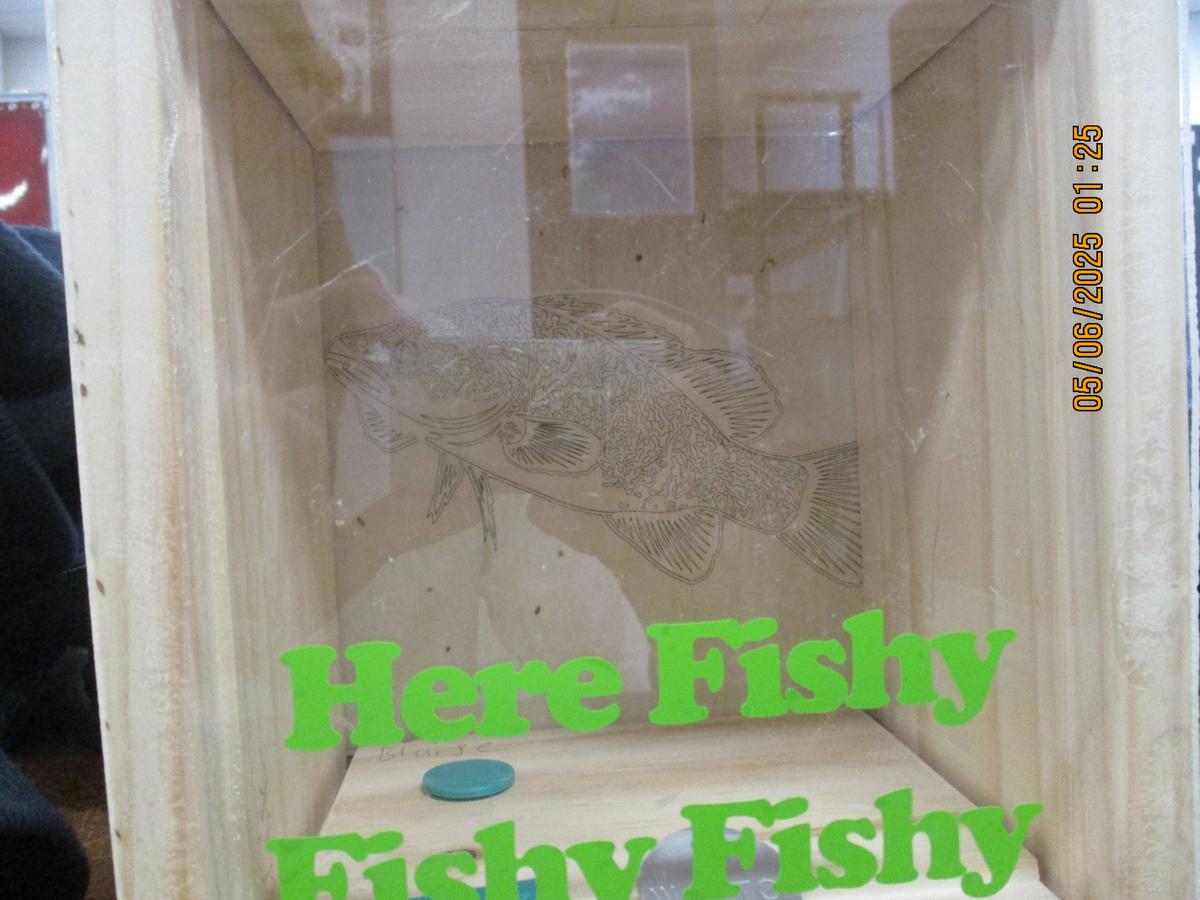
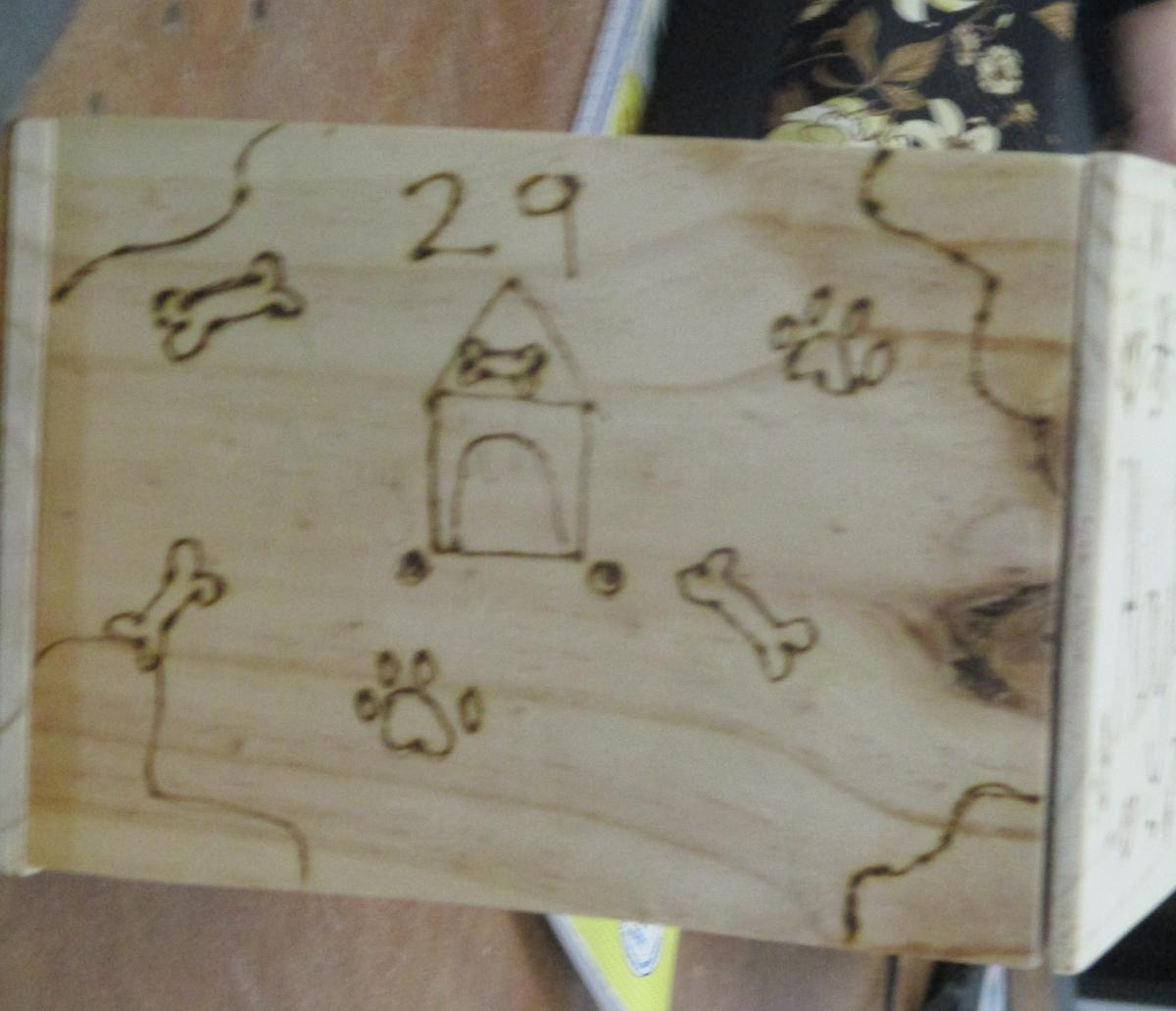
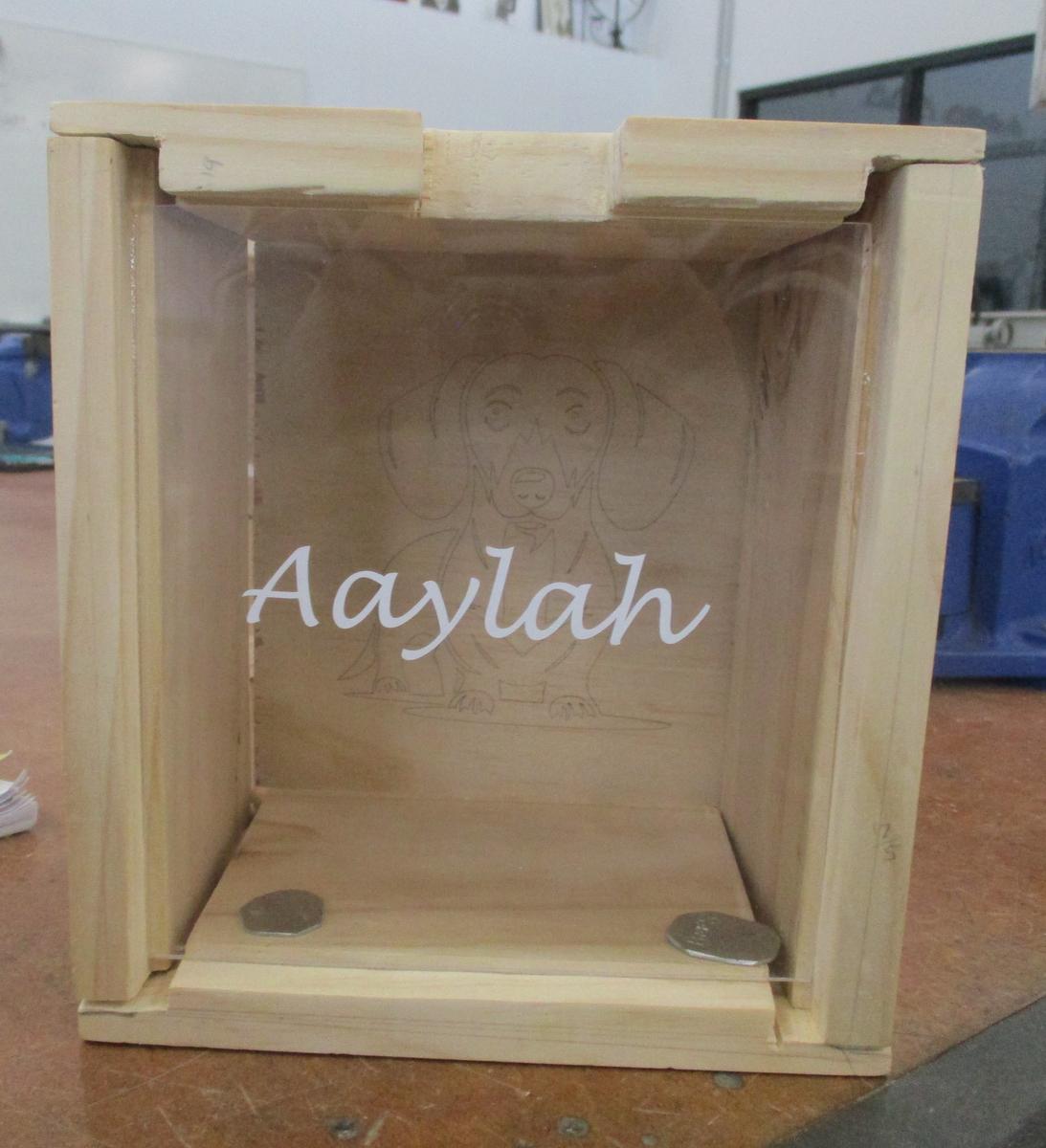
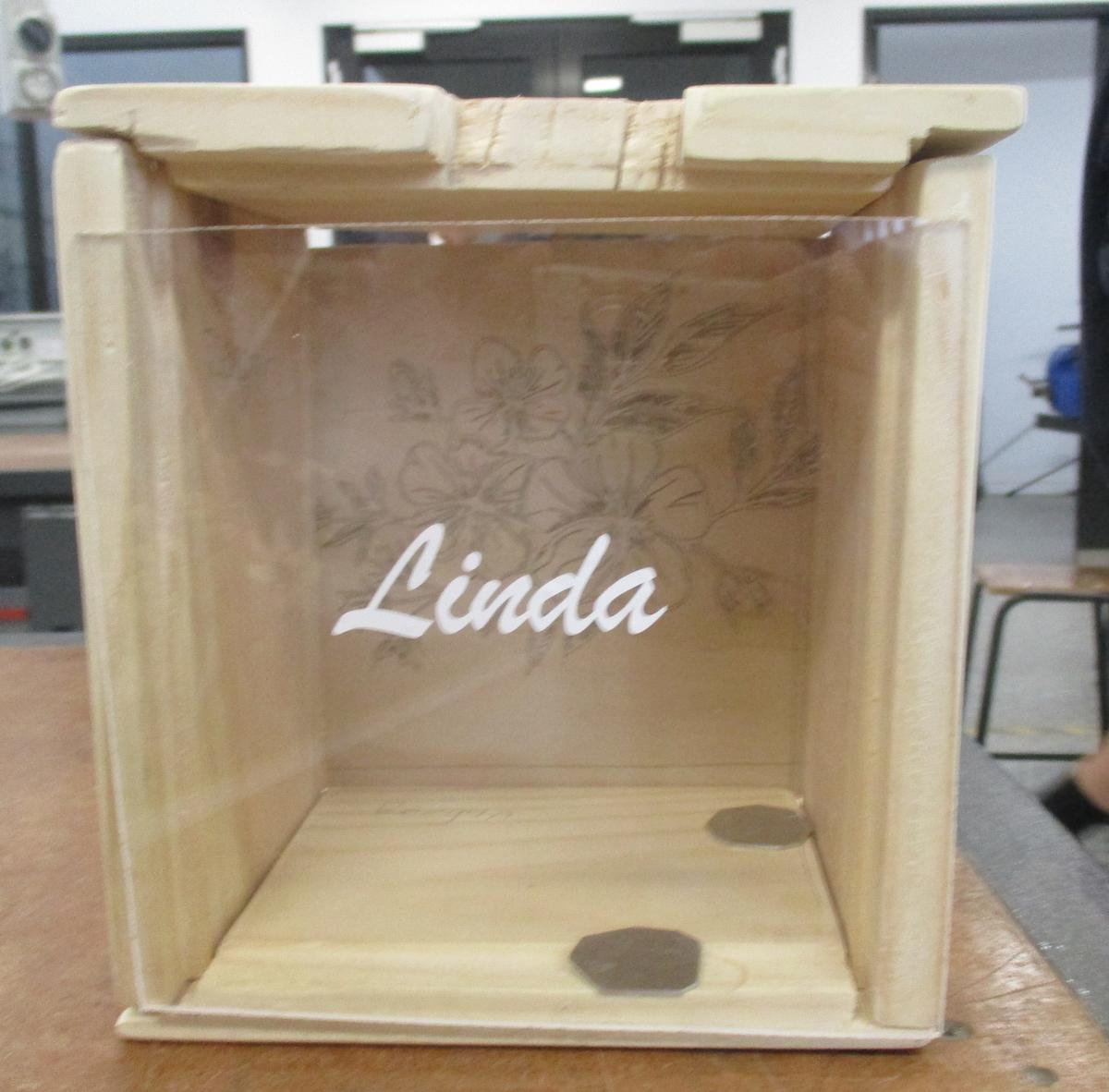
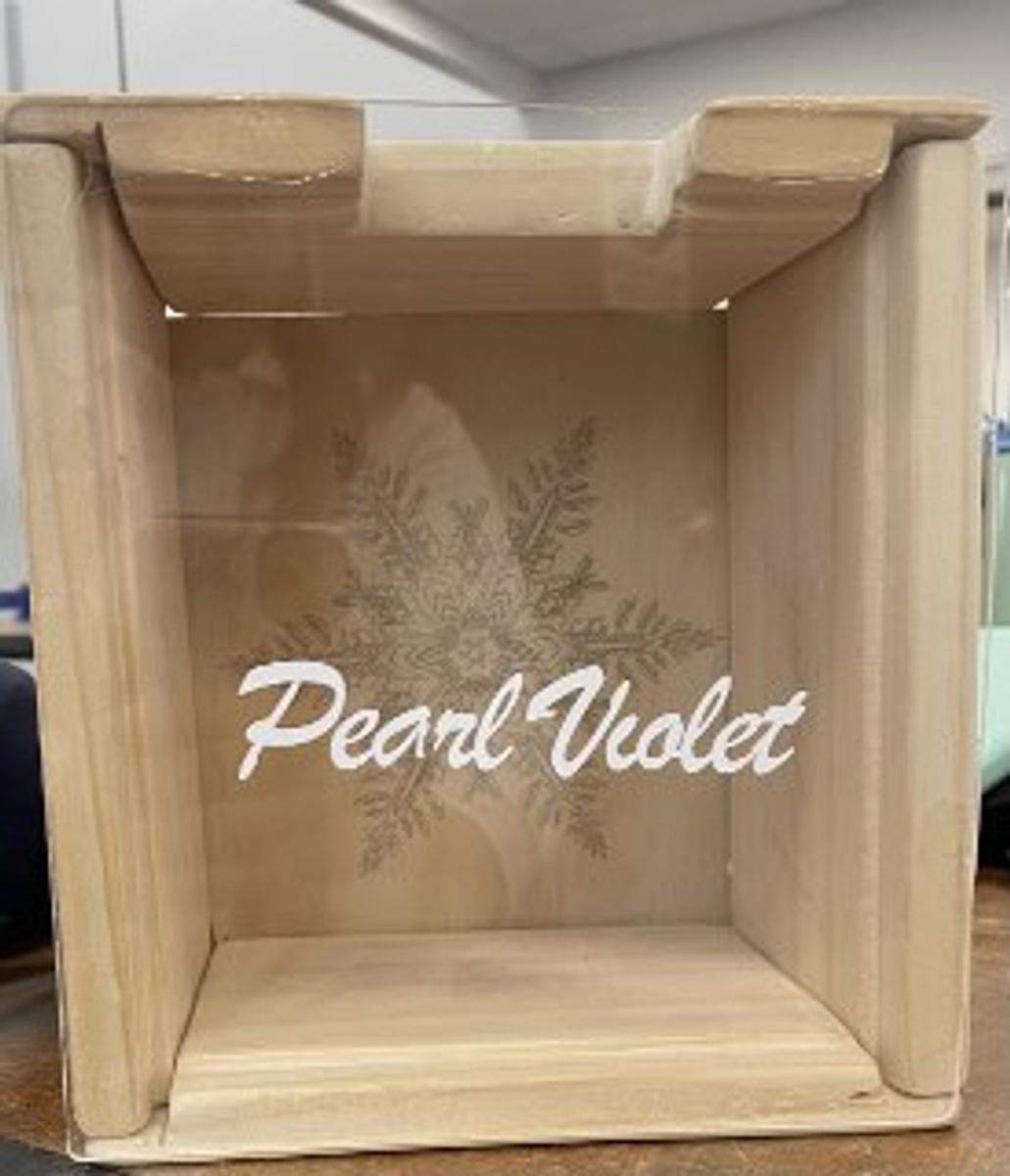
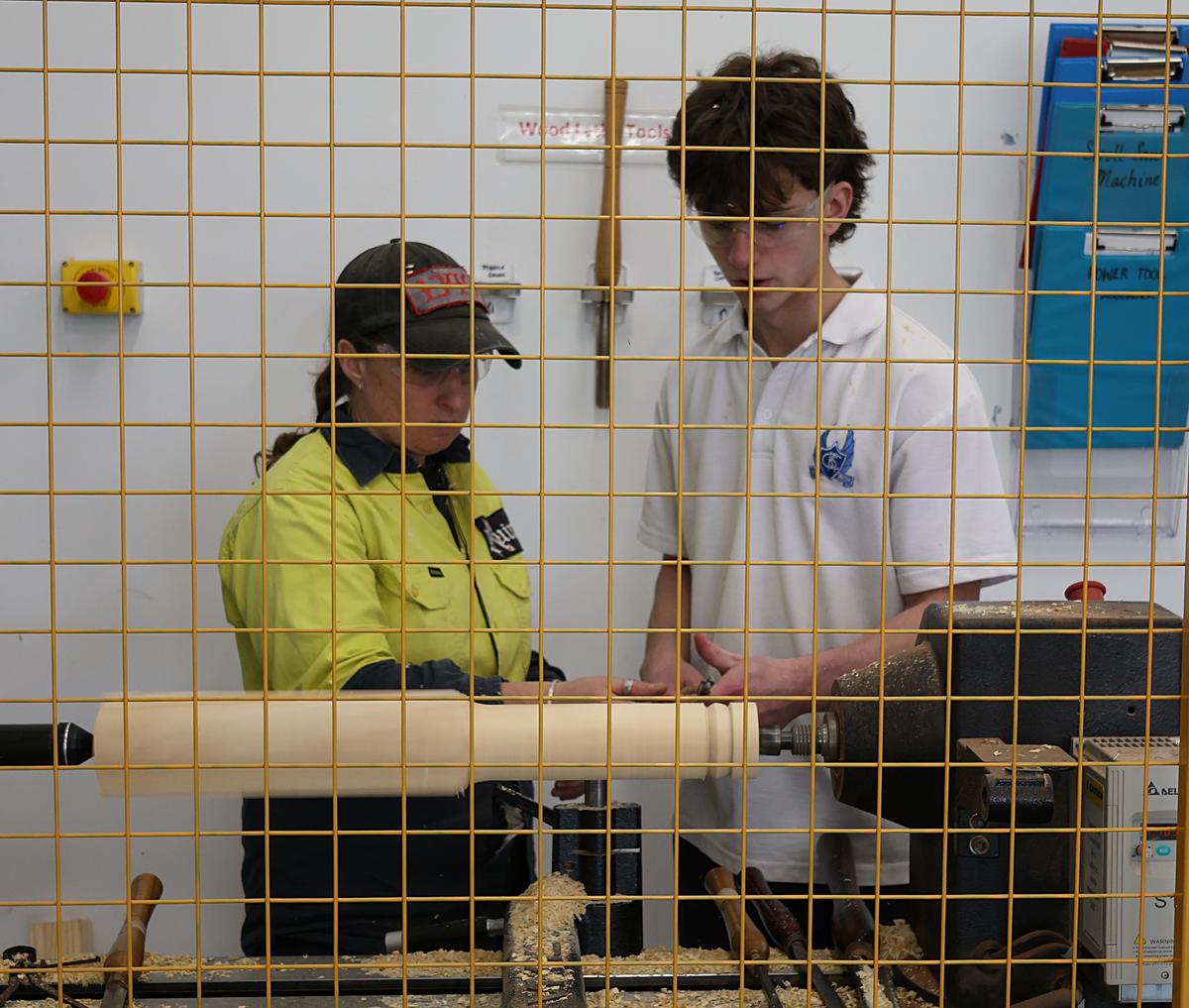
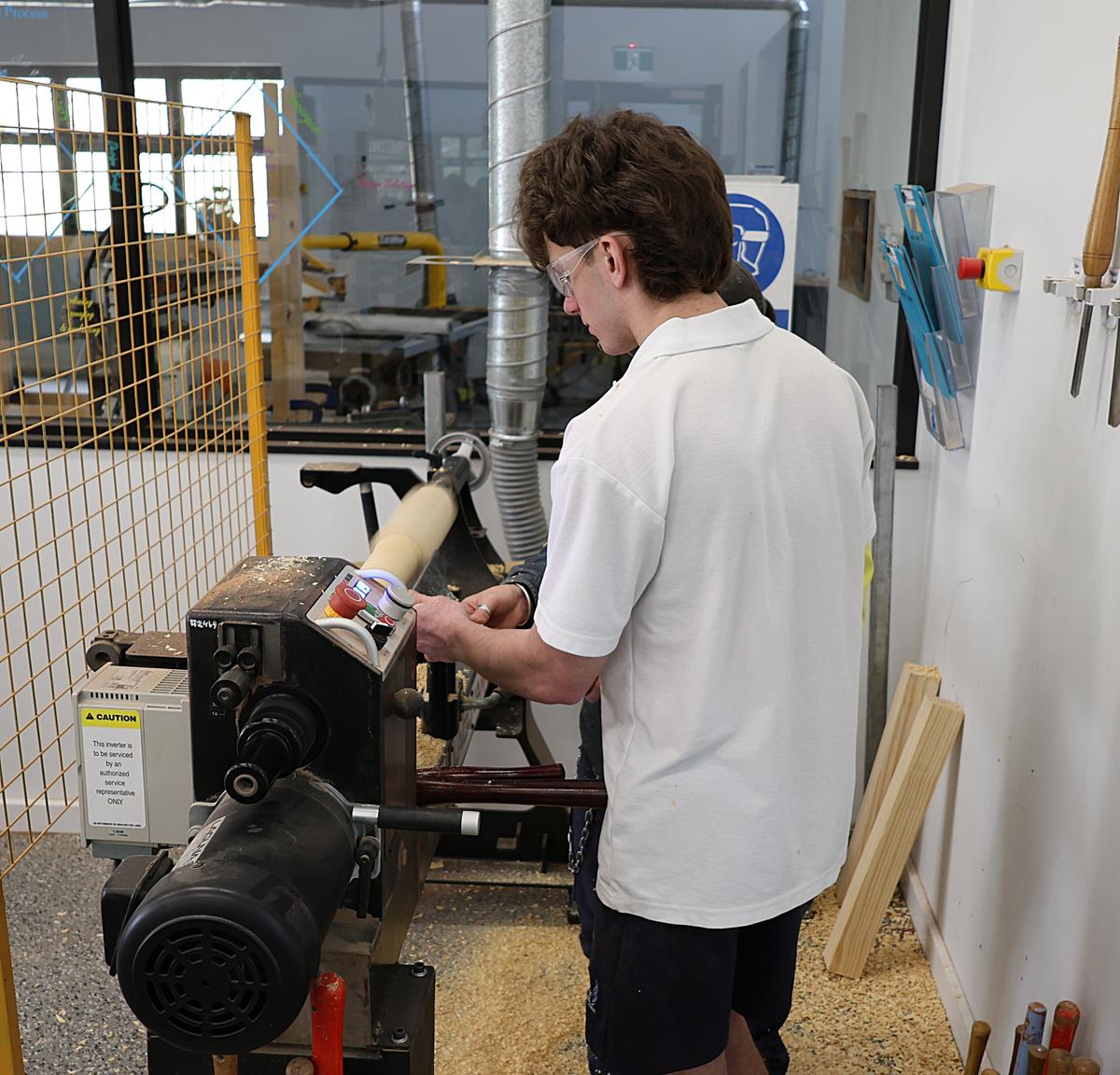
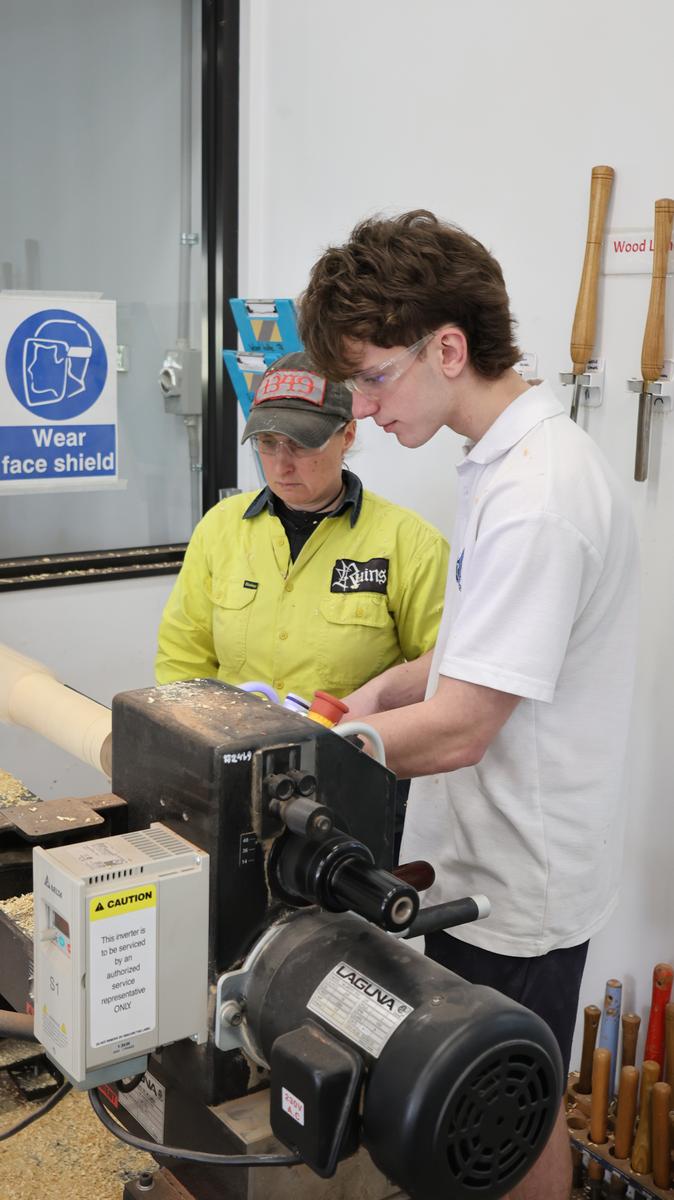
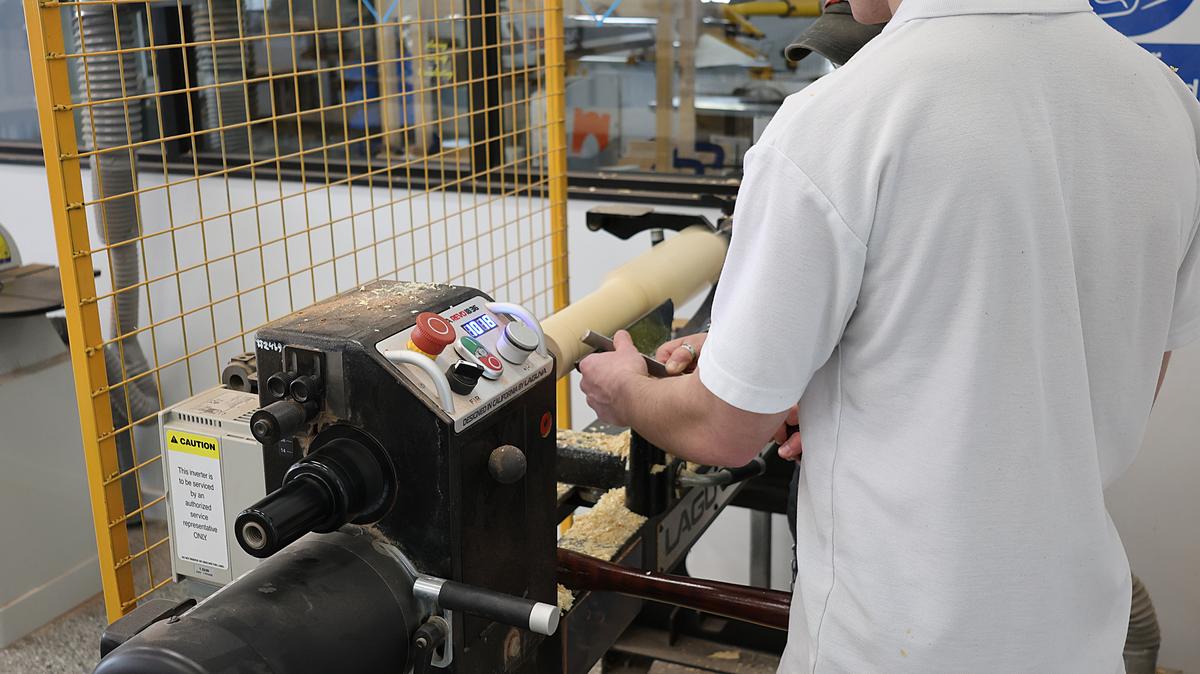
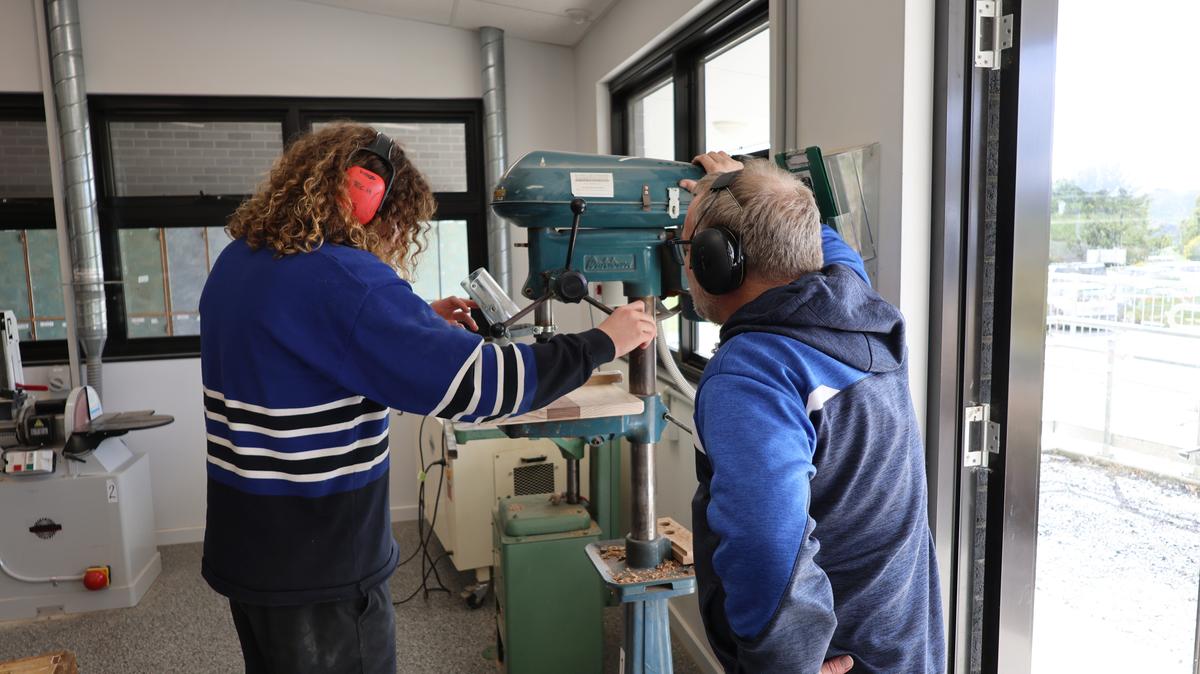
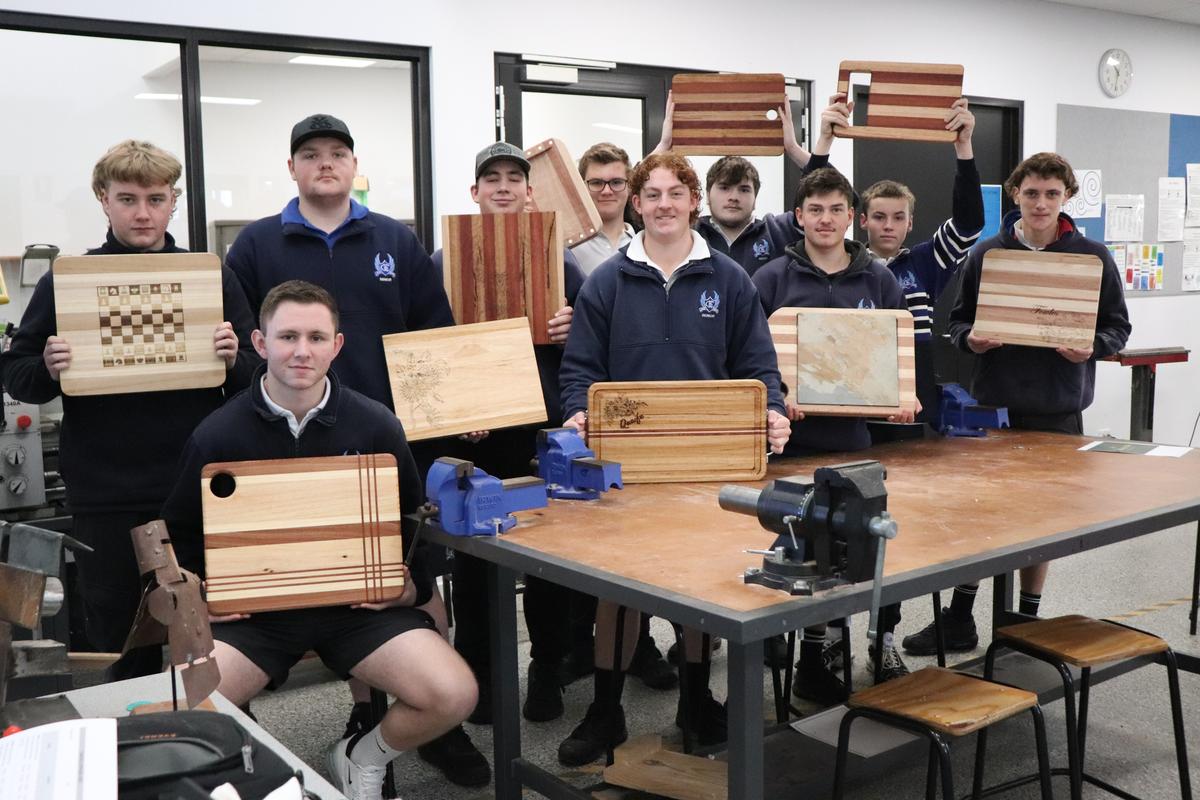
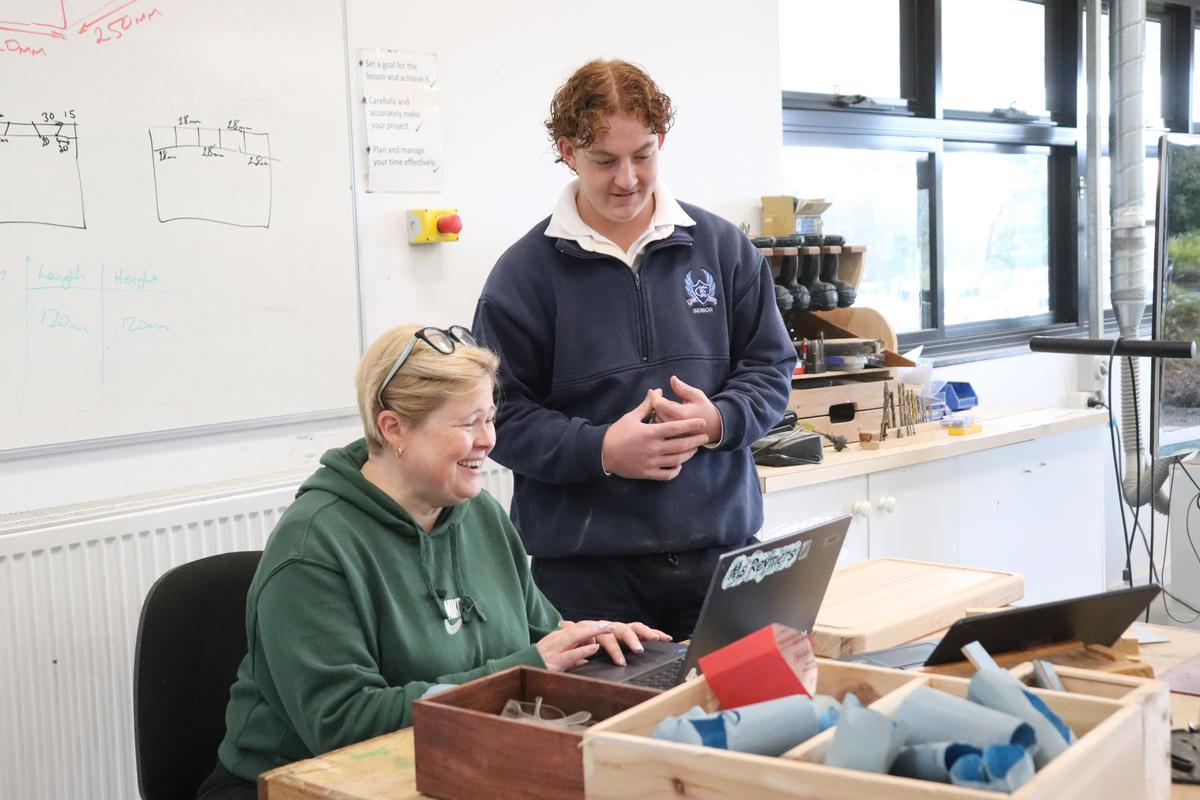
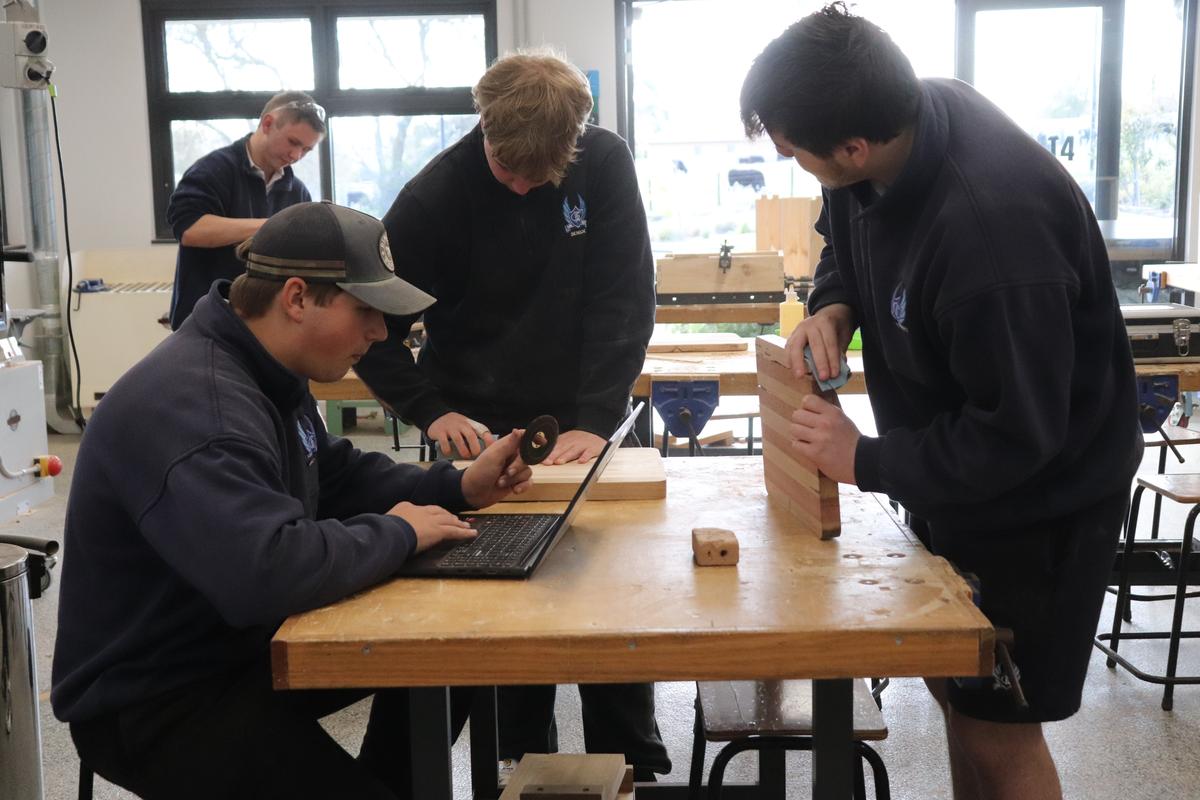
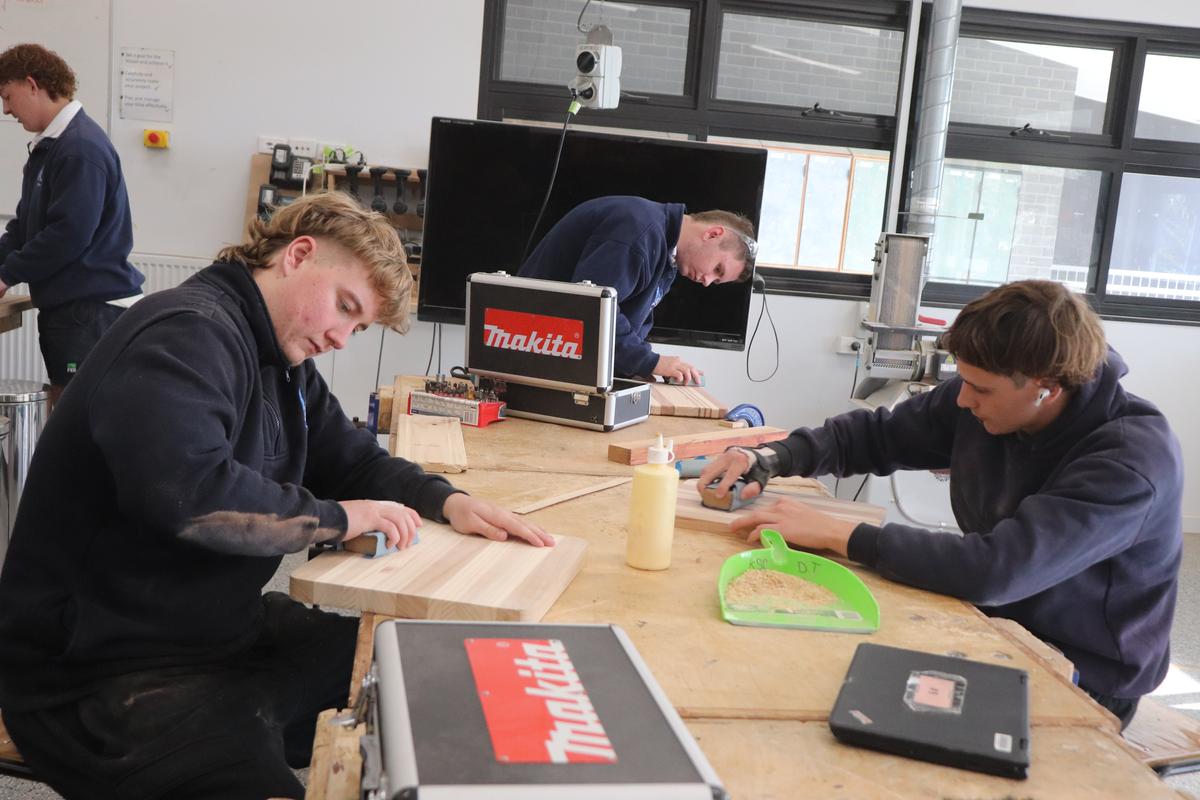
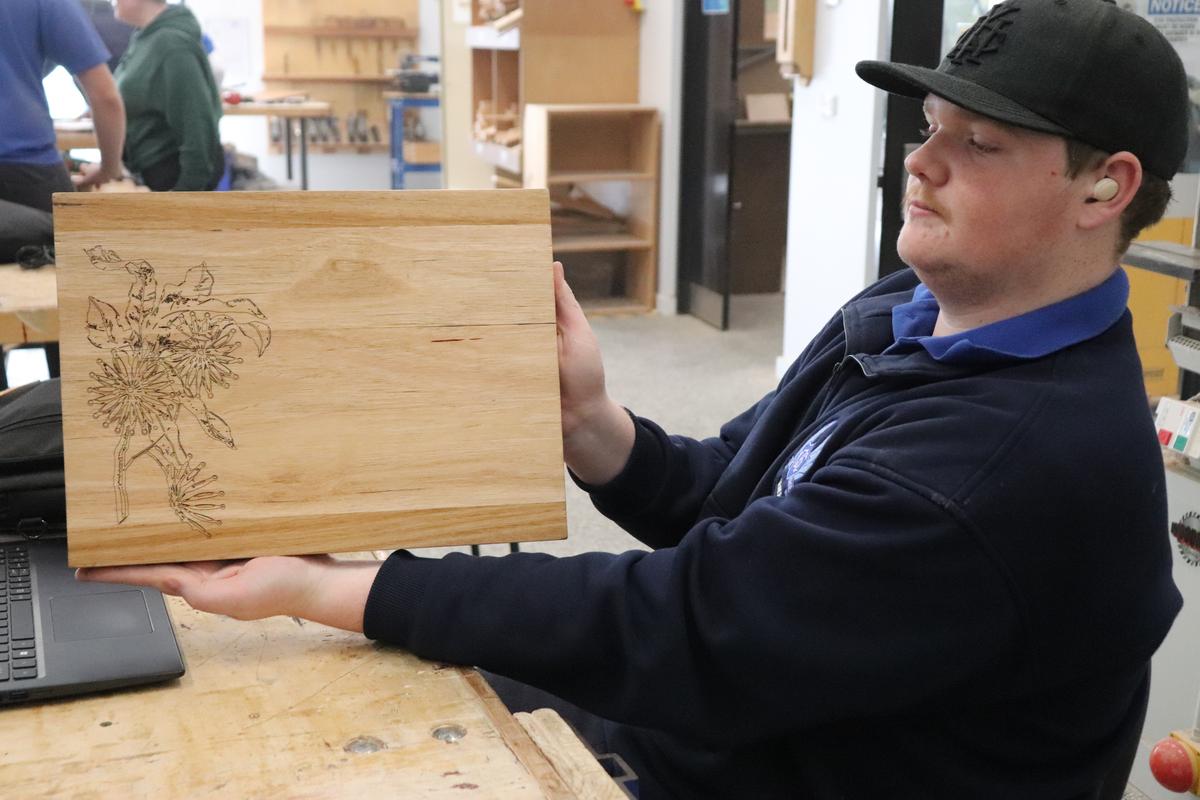
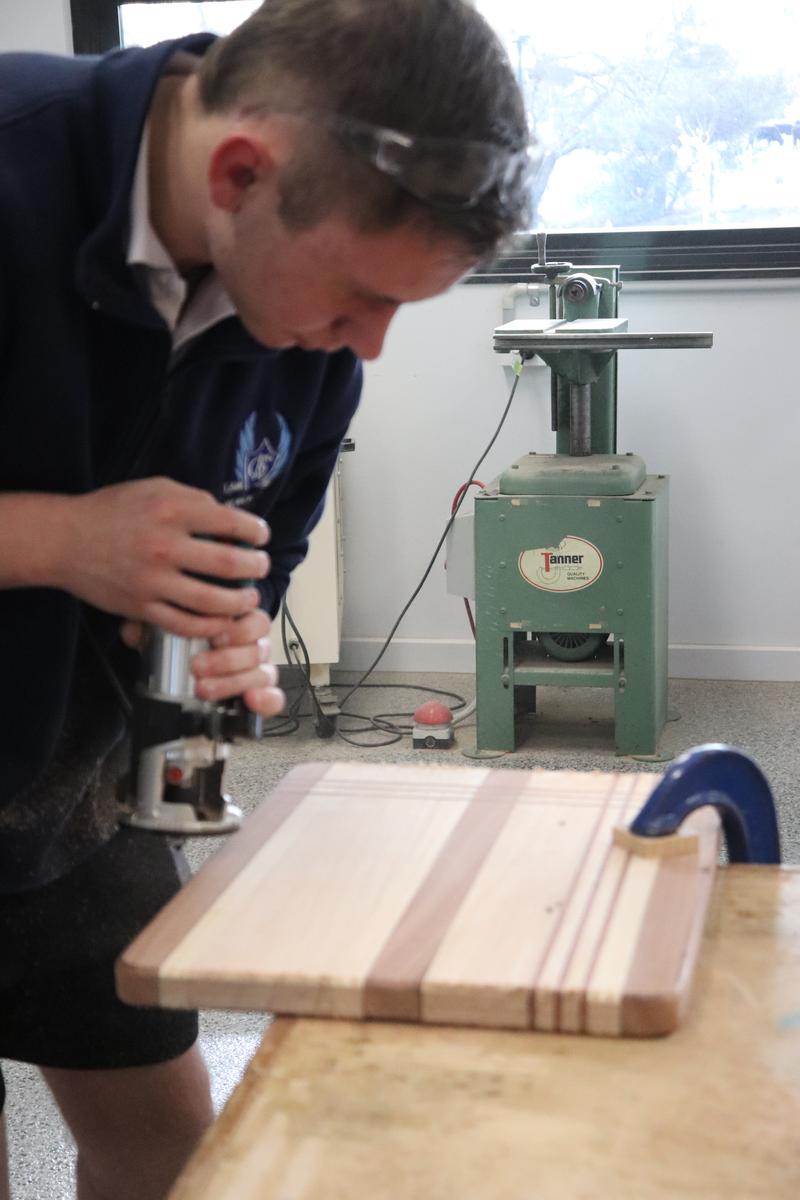
During 2023 our classes centred around projects that advanced students’ knowledge, skills and understanding of timber and wood work projects in design technologies studies. Students designed projects that follow the product design process through illustrative planning, researching, visualisations and productions thus increasing students’ skills over time. Students from years 7- 12 all created an assortment of beautifully designed timber and multimedia projects that given students the opportunity to learn a variety of skills from traditional hand cut joinery to more modern woodworking techniques, creative and innovative materials, and new emerging technologies.
YEAR 7
YEAR 10
Year 11
Metalwork
Throughout 2025, our Year 7–10 Metalwork students have been busy designing, creating, and innovating! Students explored how metals have shaped the world around us—from ancient craftsmanship to modern-day technologies—while discovering how to use materials responsibly and sustainably.
They investigated the properties and characteristics of different metals, learning how to shape, join, and finish materials safely using a range of hand tools, machinery, and digital technologies. Using design thinking and problem-solving strategies, students transformed their creative ideas into functional products—developing prototypes, testing their designs, and refining their work through CAD software to visualise design aesthetics.
A strong focus on sustainability and ethical production encouraged students to think critically about the life cycle of materials and the impact of metal use across the globe. From small precision projects to larger, ambitious builds, students demonstrated curiosity, creativity, and craftsmanship—developing real-world skills to become the innovative makers of tomorrow!
Product Design Textiles
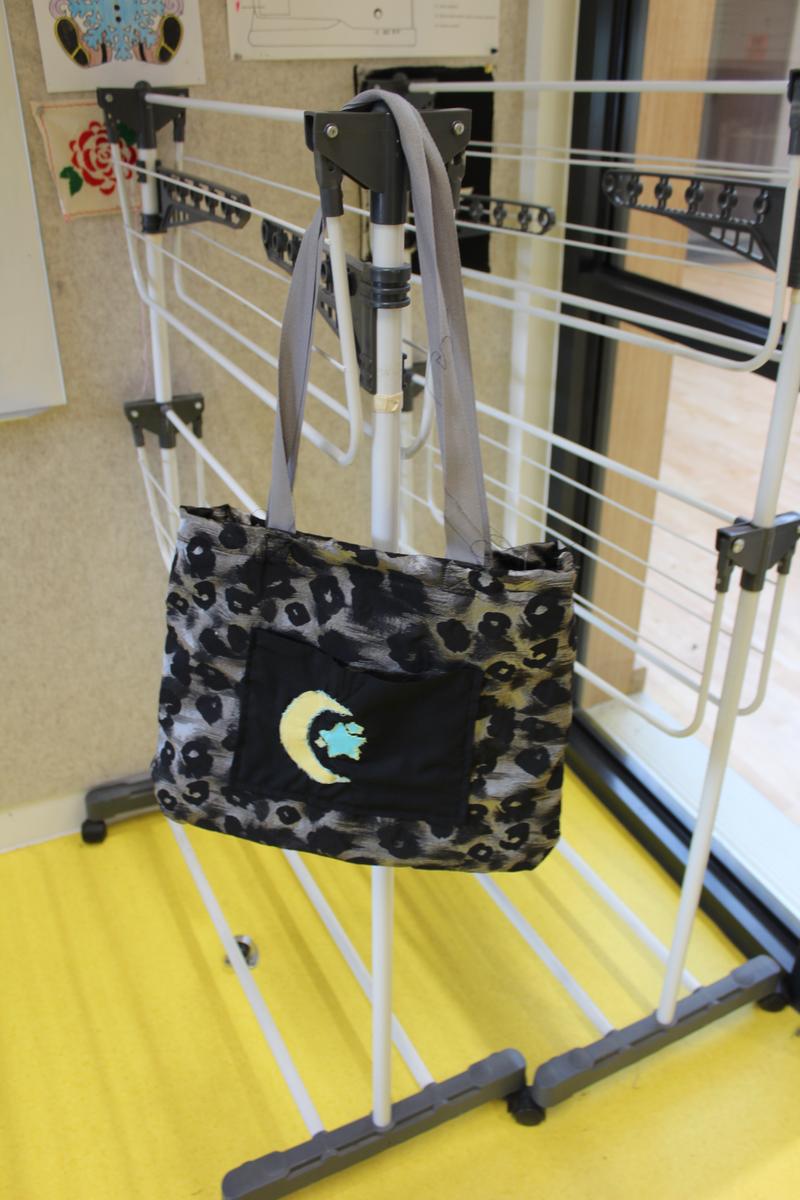
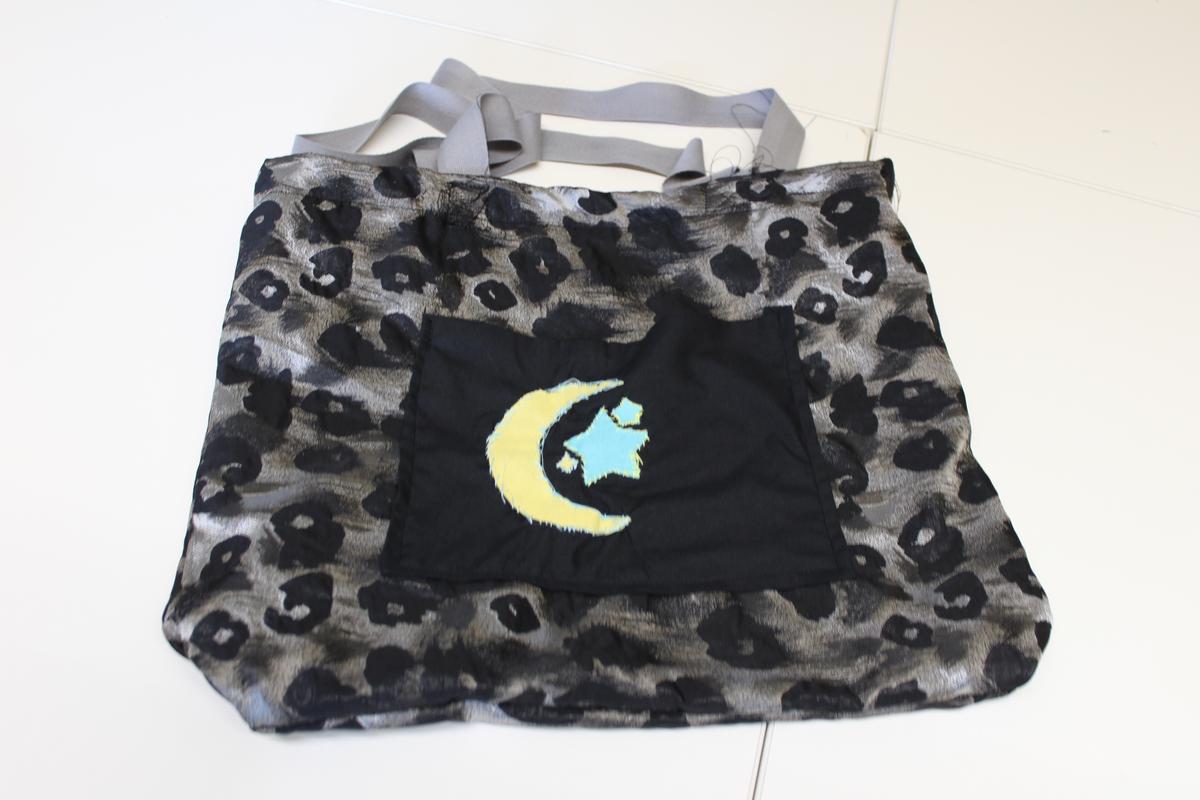
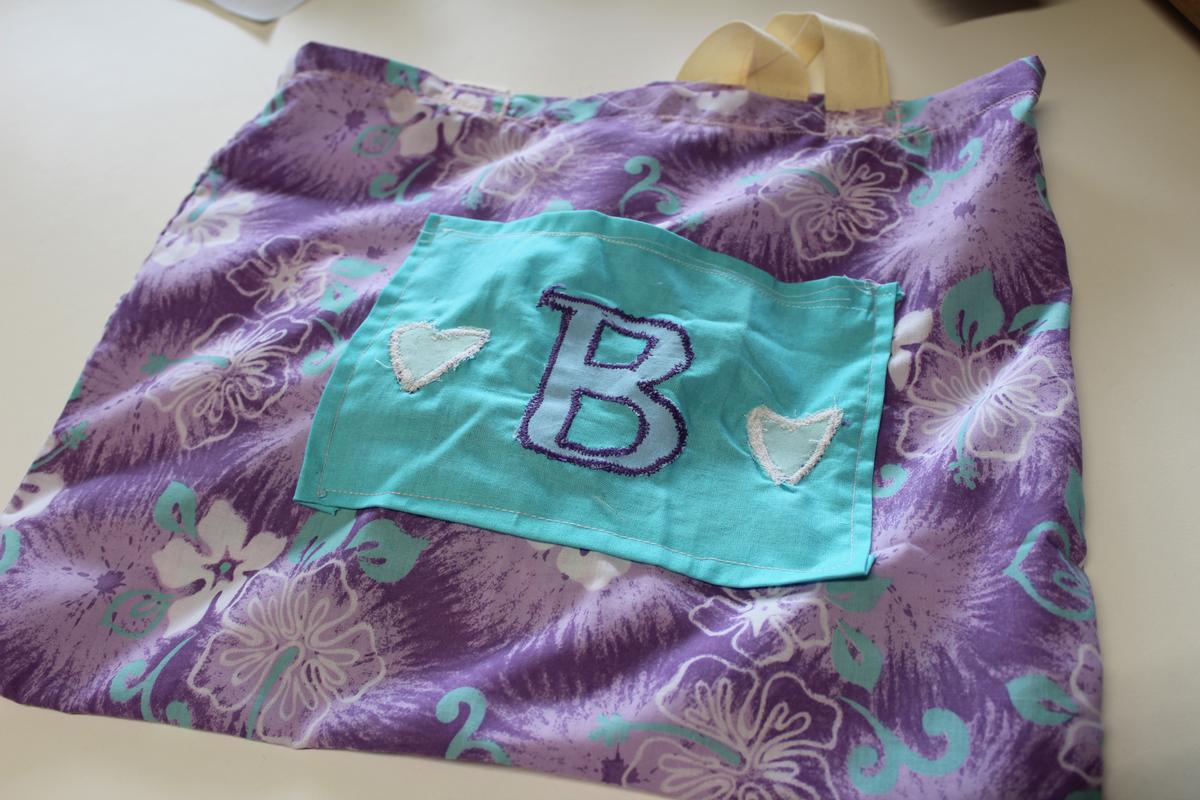
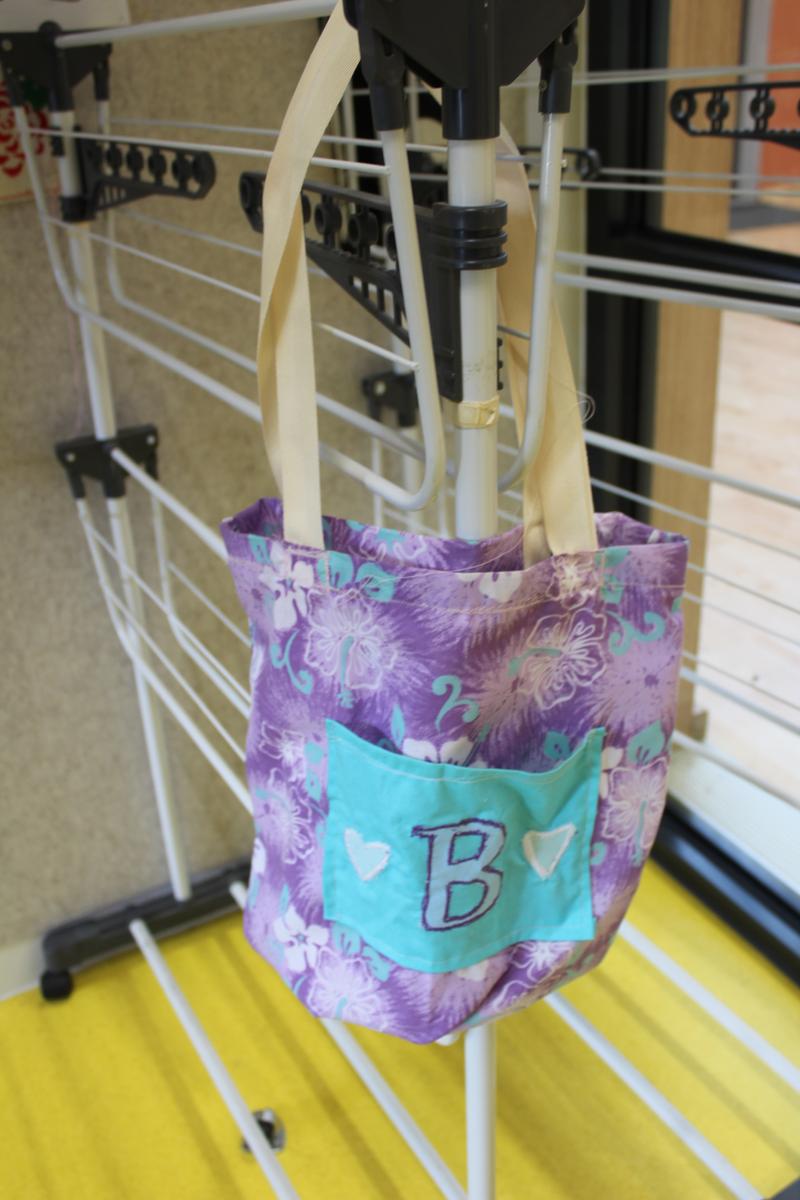
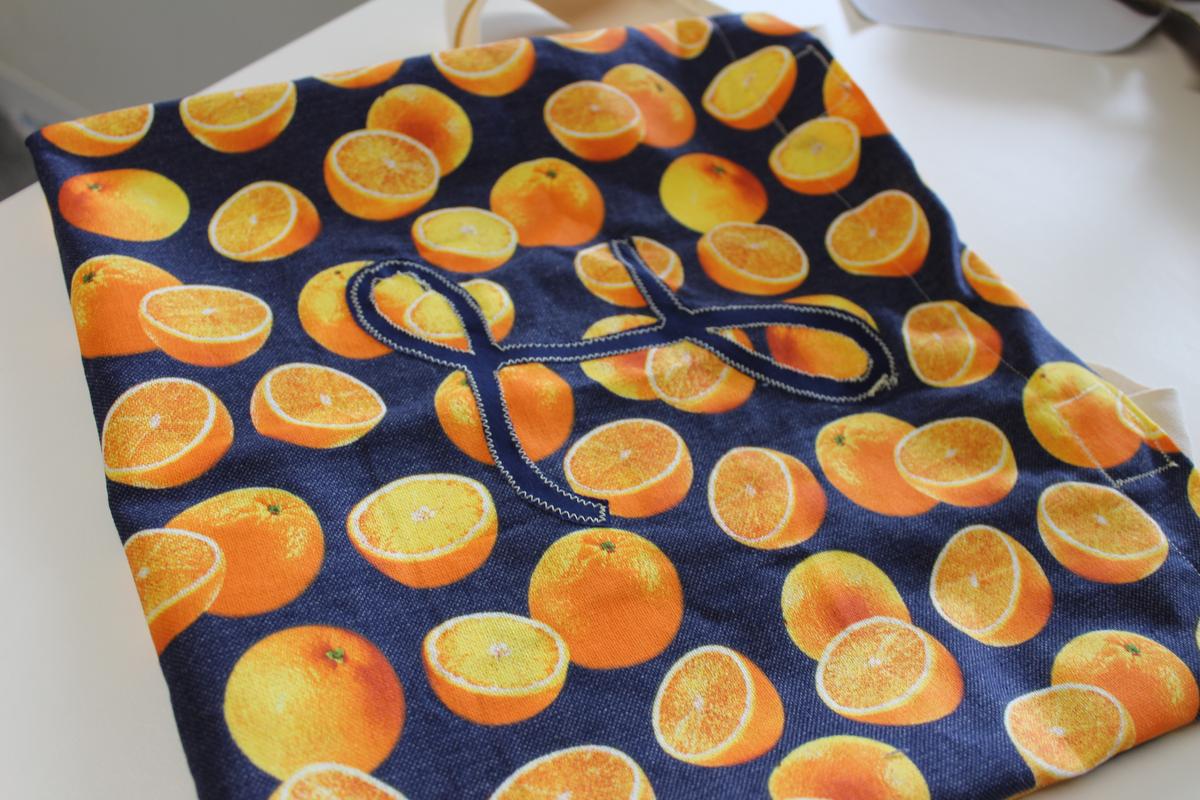
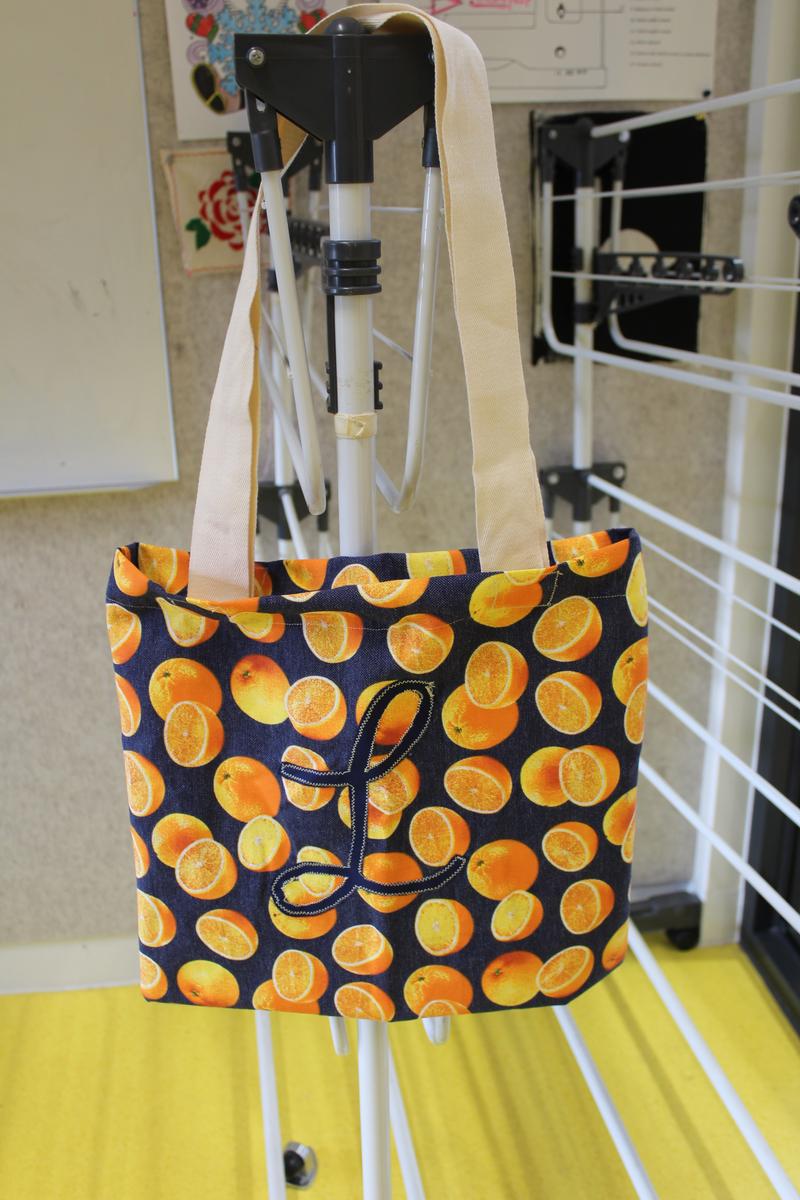
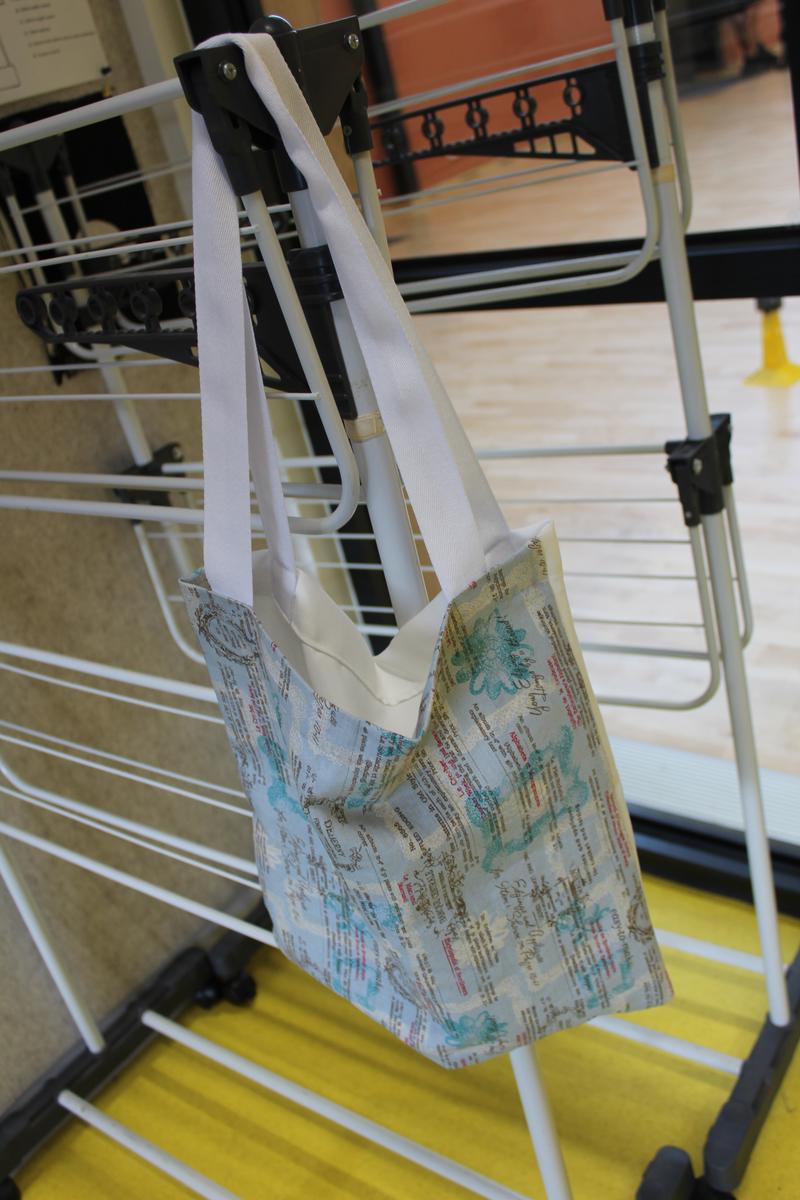
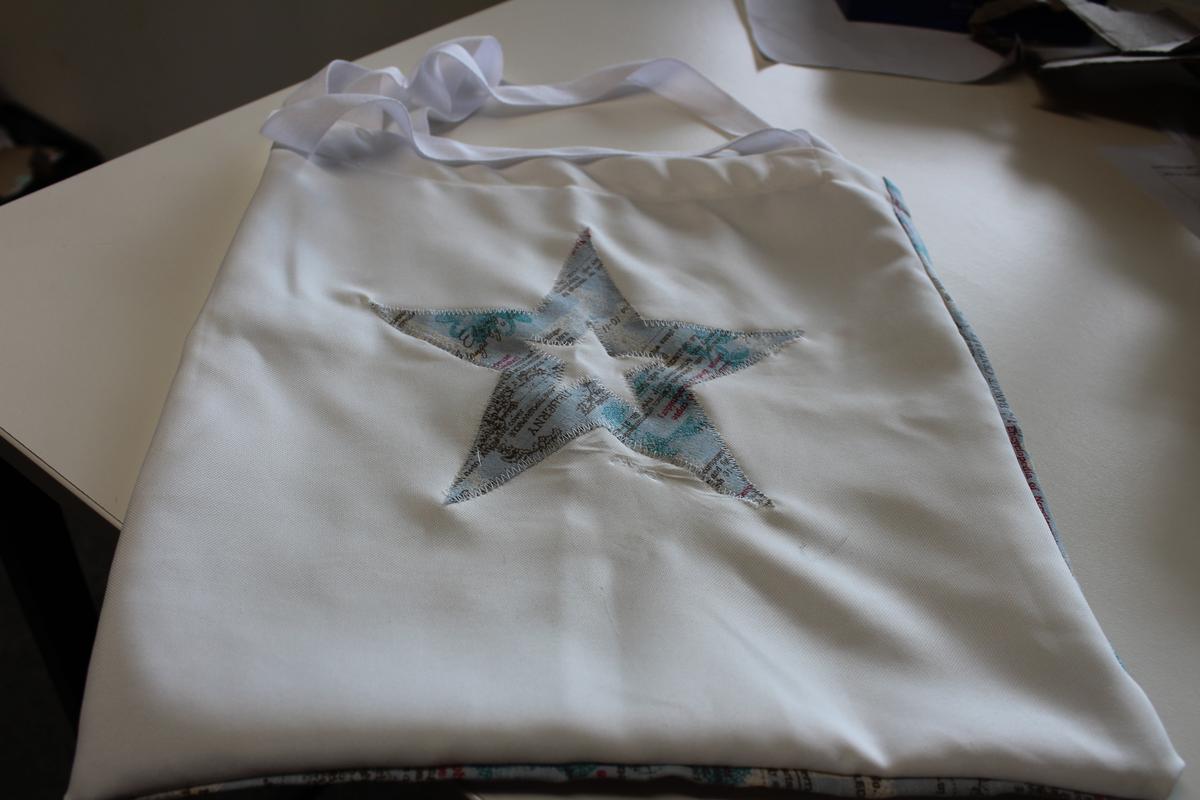
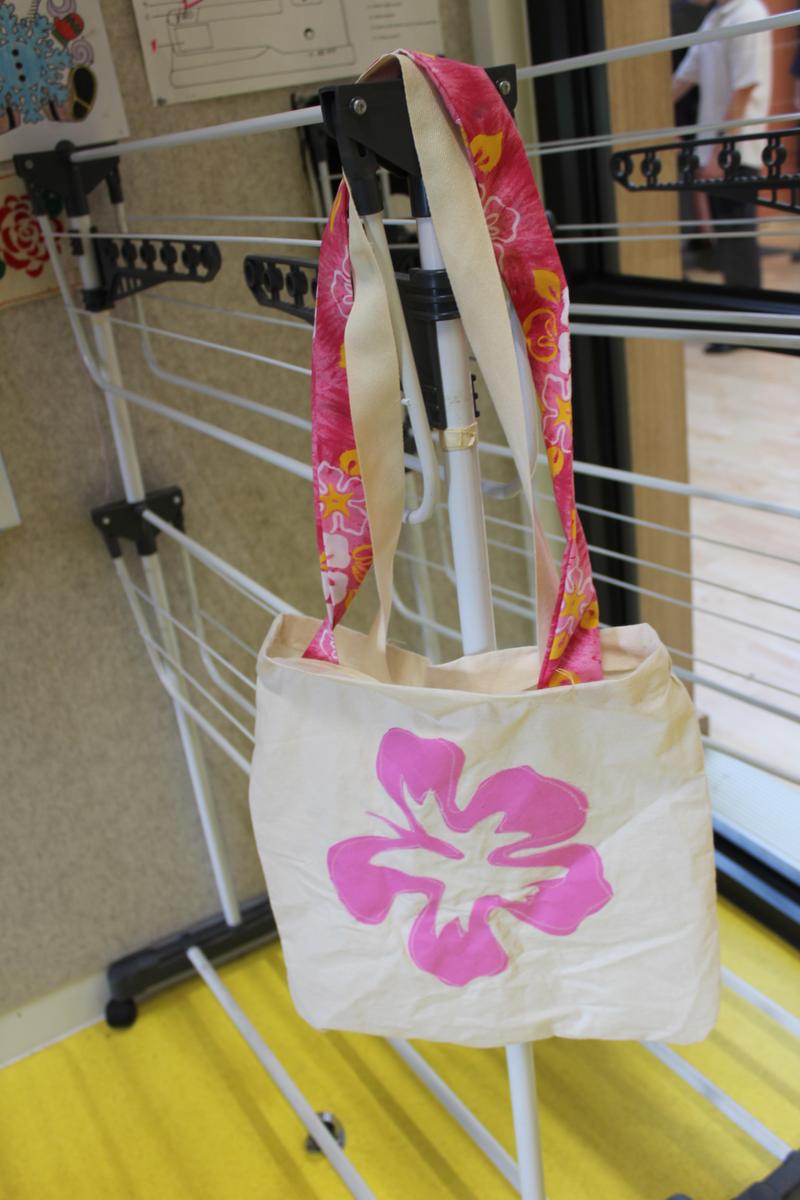
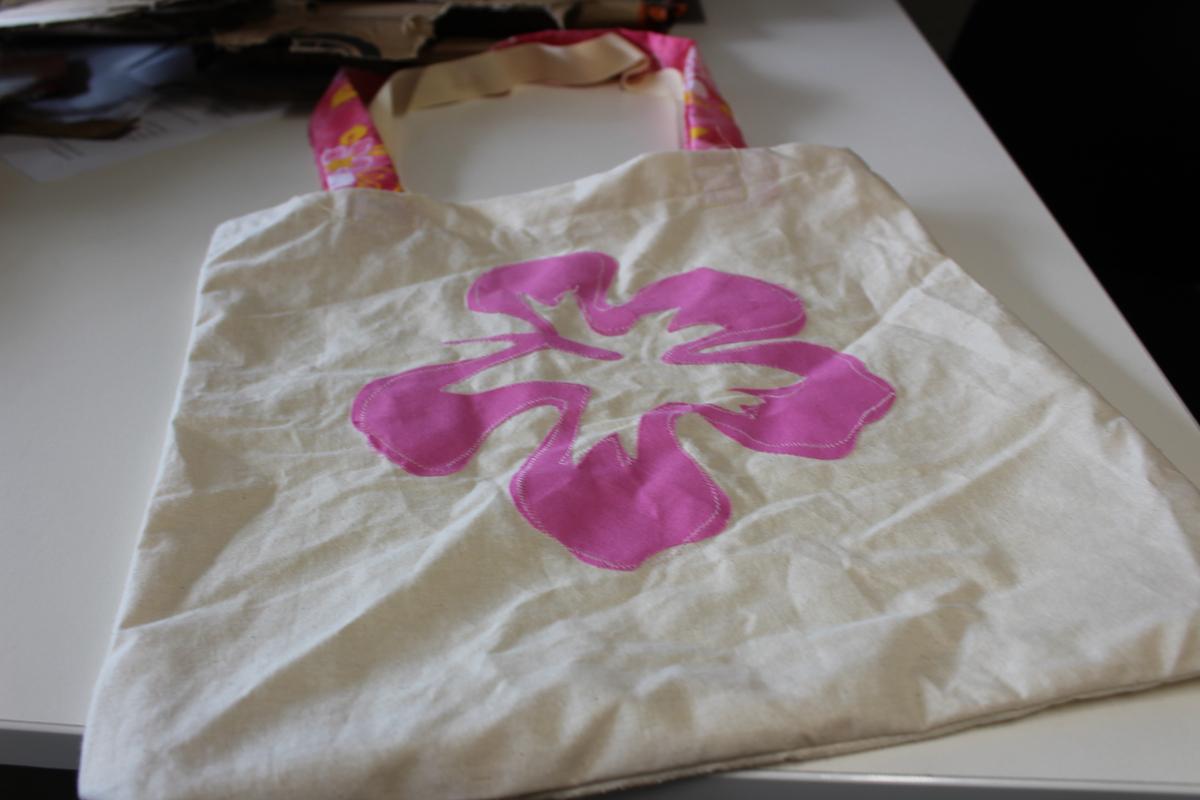
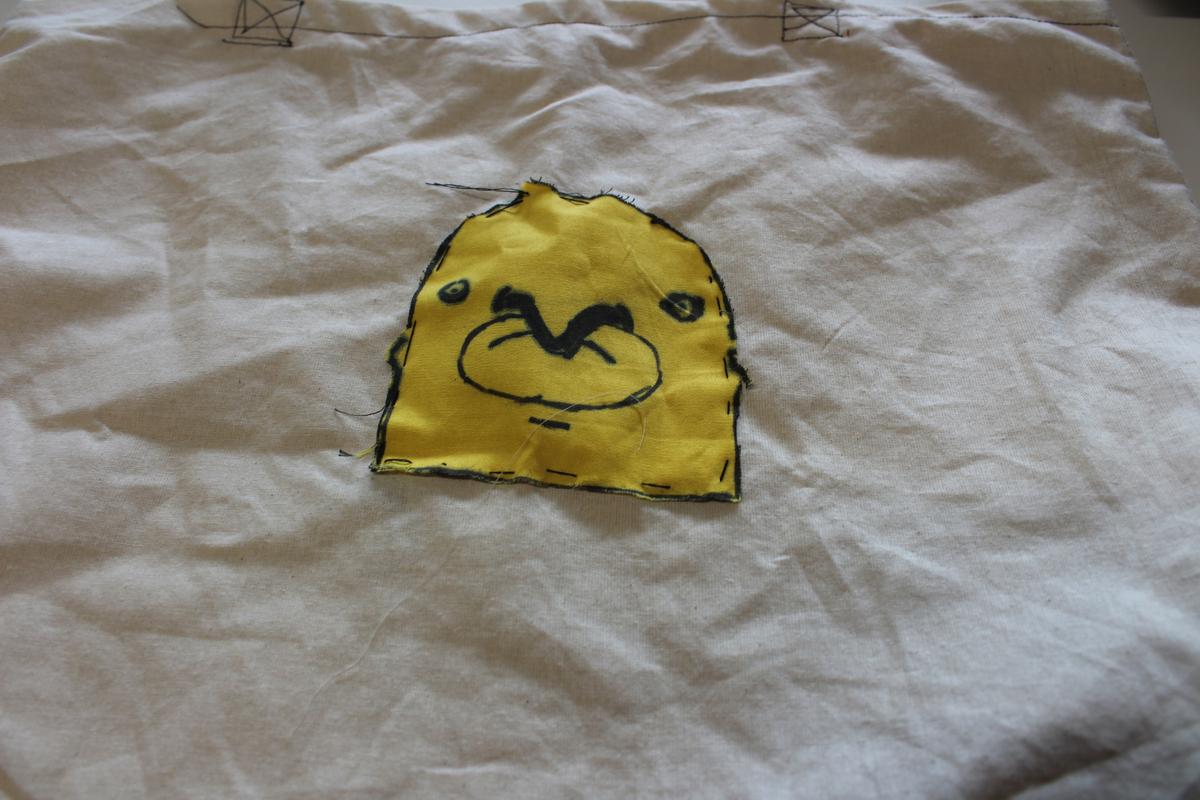
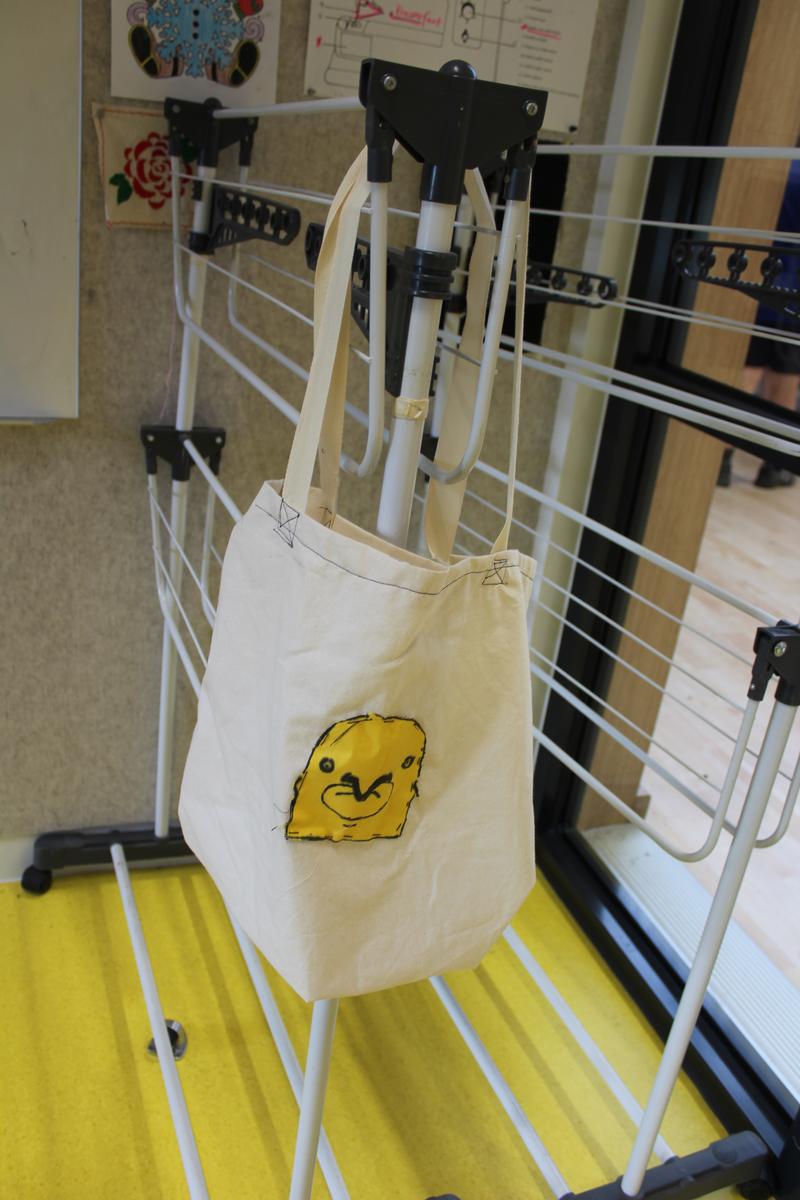
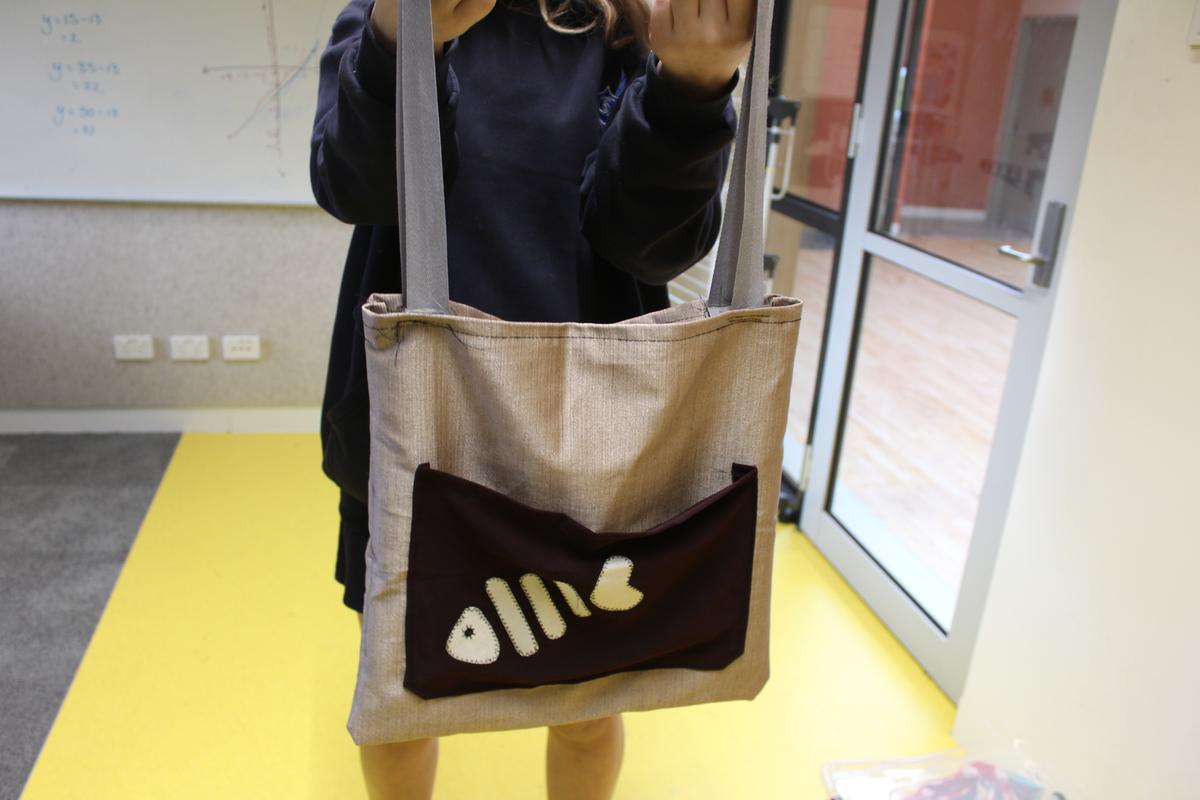
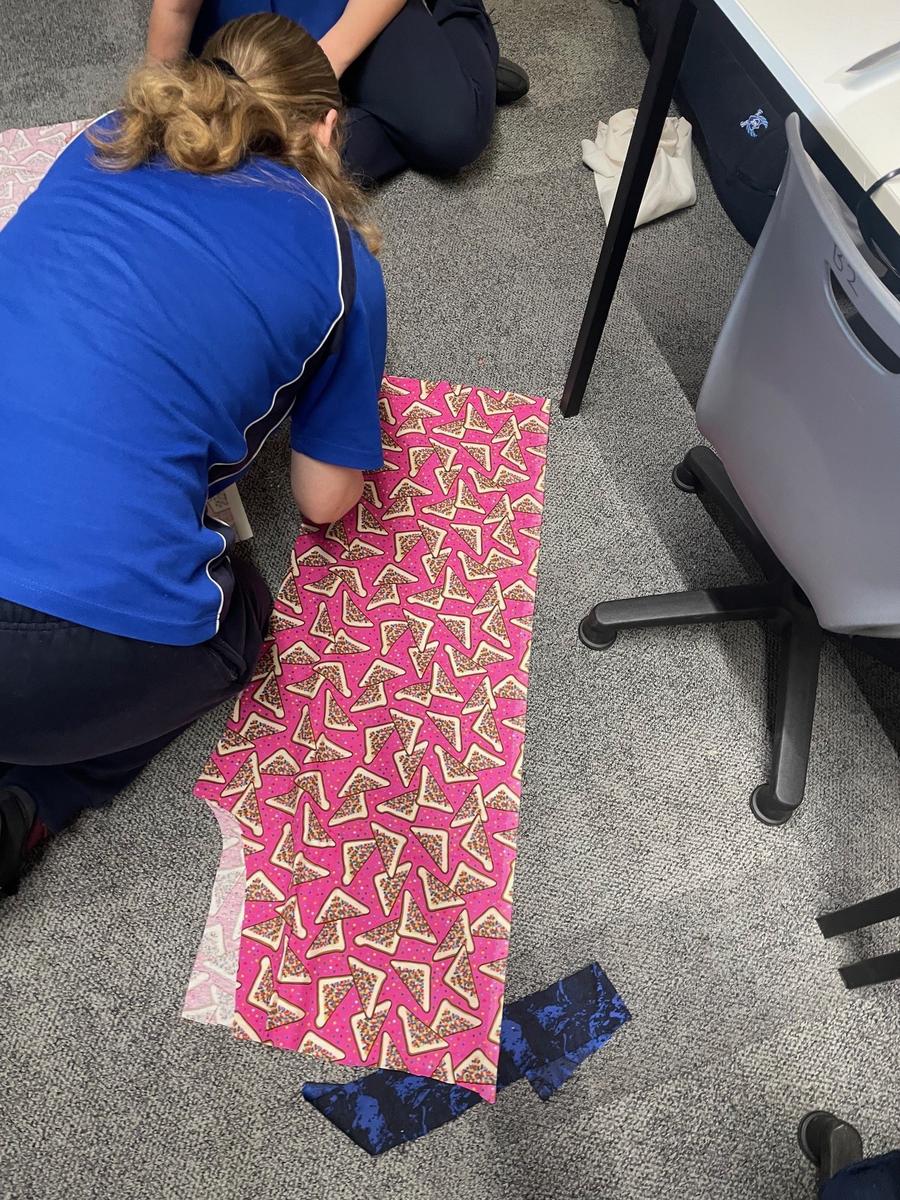
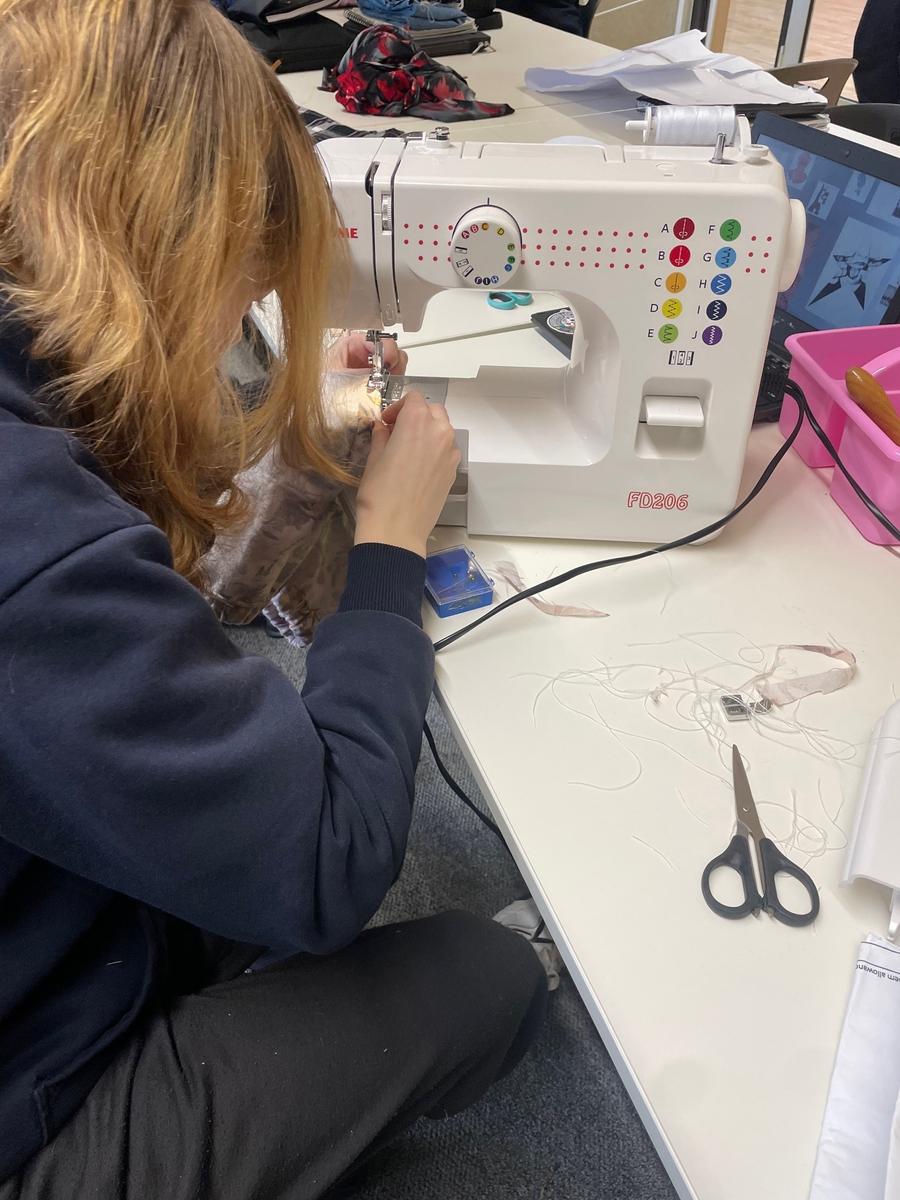
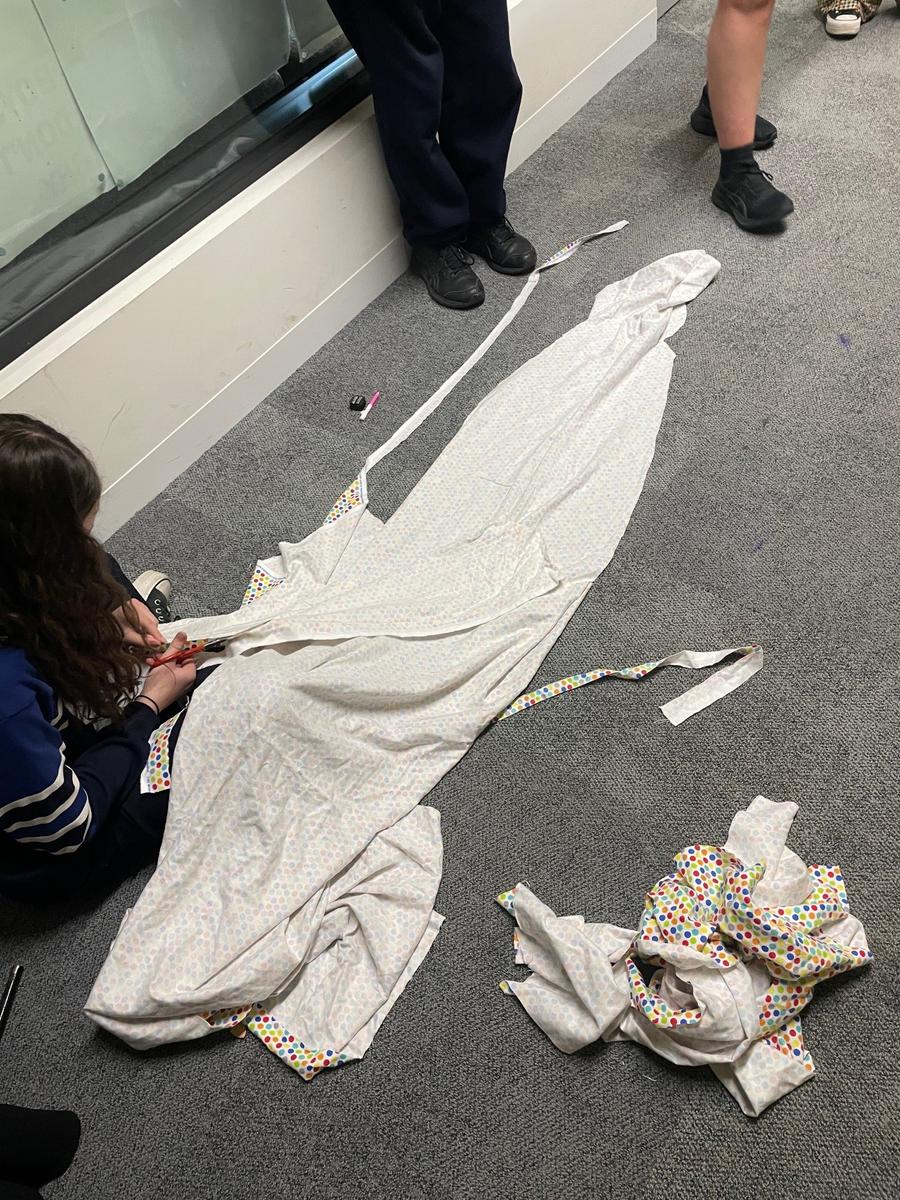
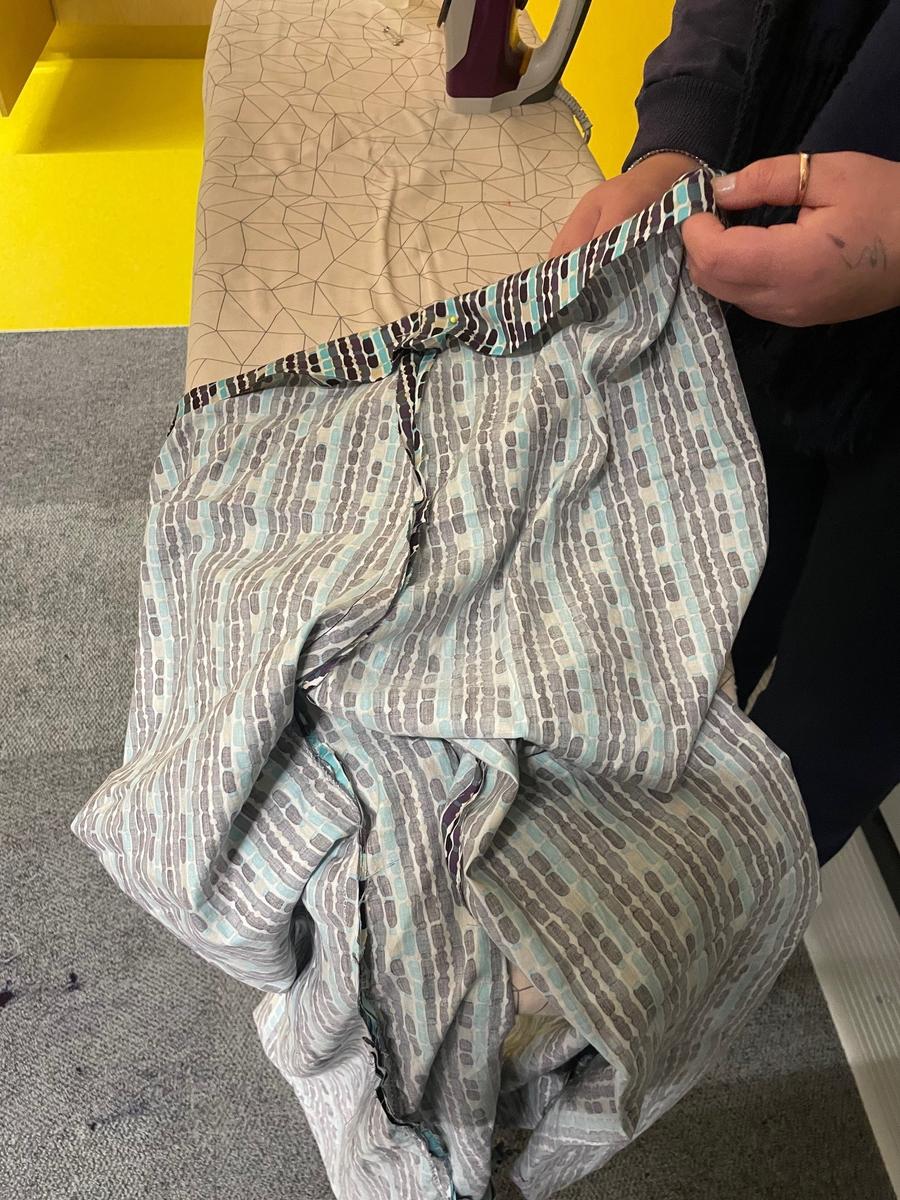
This year in Textiles, students explored a range of creative and practical projects. The Semester began with an introduction to the Boomerang Bag initiative, where students learned to construct tote bags using sewing machines. Their second project focused on fibres, fabrics, and yarn, allowing students to develop a key skill in either knitting or crochet.
In Term Four, students investigated various fabric dyeing techniques and processes. They studied the work of Indigenous artist Katie West, exploring how she uses natural materials and dyes to connect with Country. Students then applied these ideas by bringing in a white garment to experiment with tie-dyeing. For their final project, students delved into the design and production process, learning about “notions” — the small but essential features of textile products such as buttons, zippers, elastic, and clasps. They also explored the theme of sustainability, discussing the environmental impacts of textiles and fast fashion. To conclude the year, students were encouraged to upcycle, repurpose, or repair existing items to create something new and meaningful.
YEAR 8 TOTE BAGS

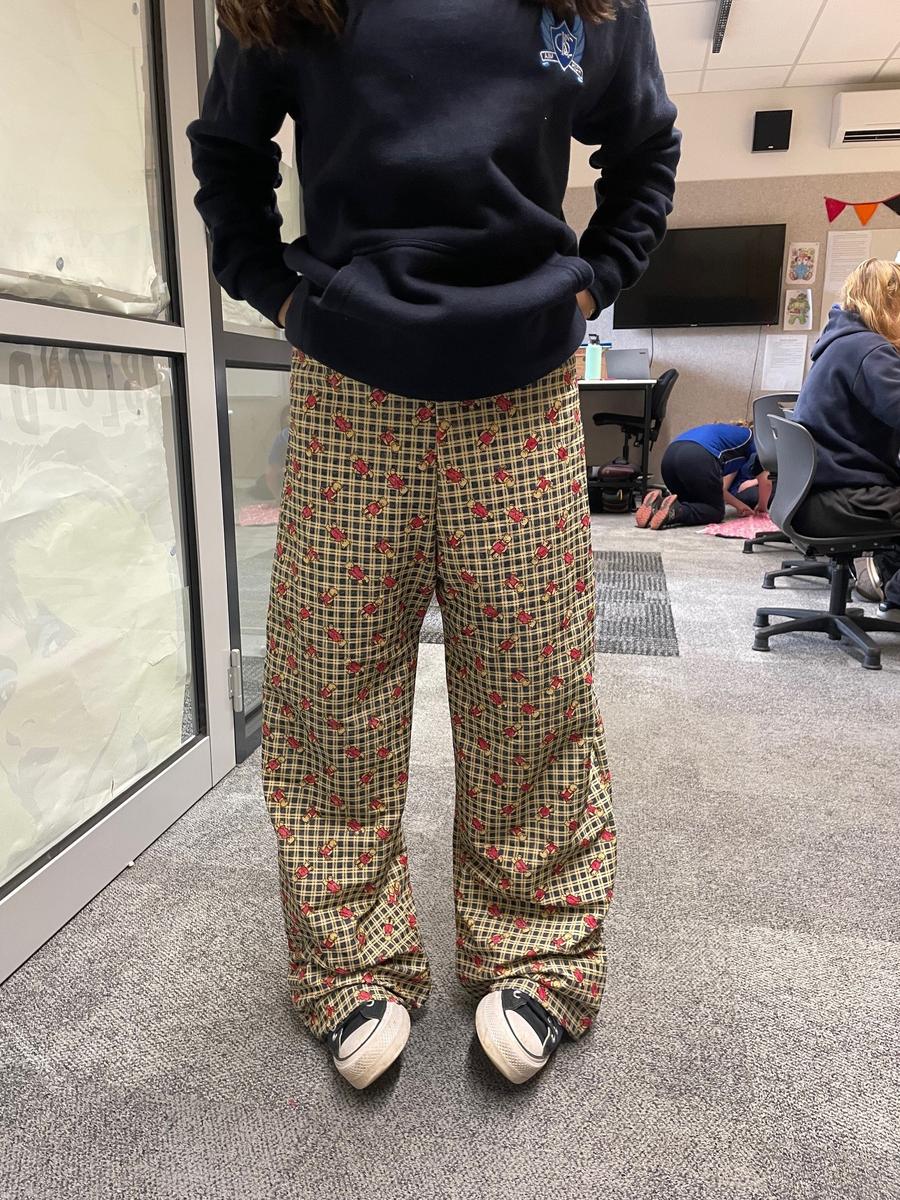
YEAR 9 & 10 PJ PANTS
Visual Communication
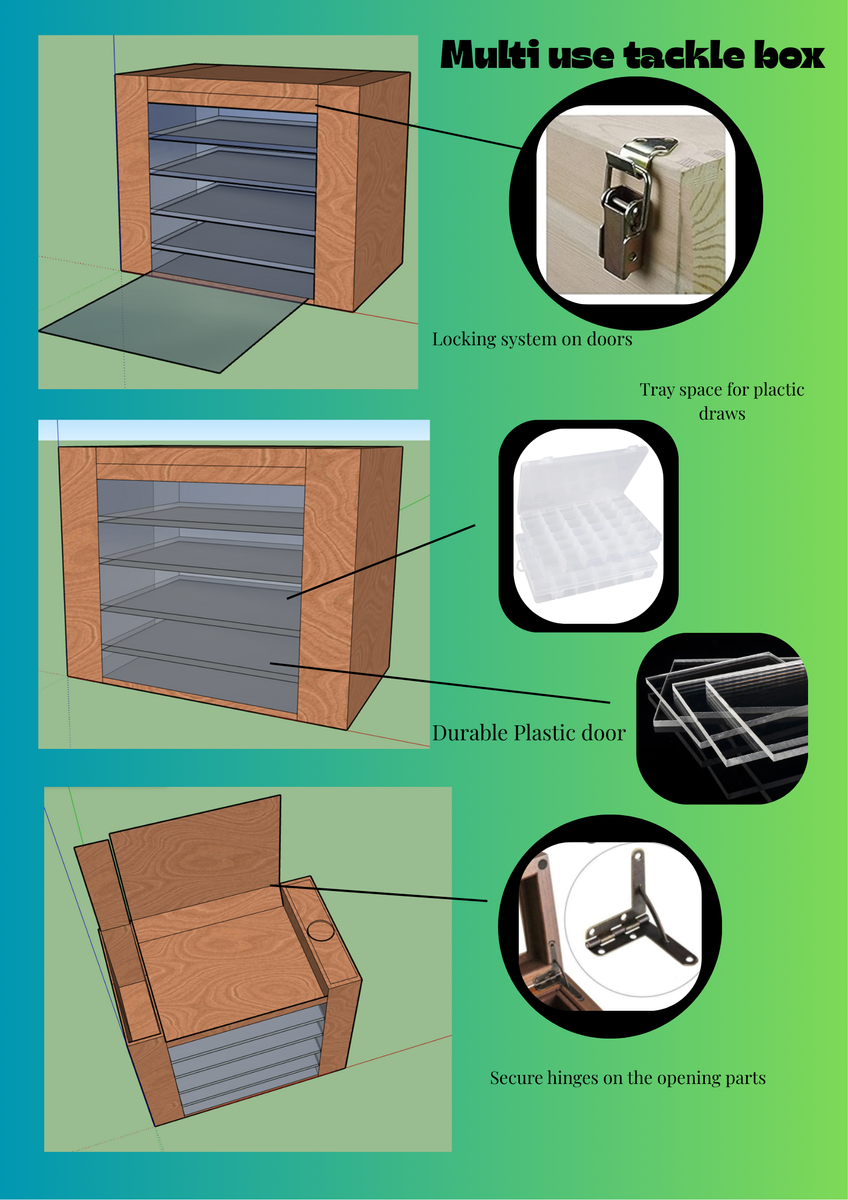
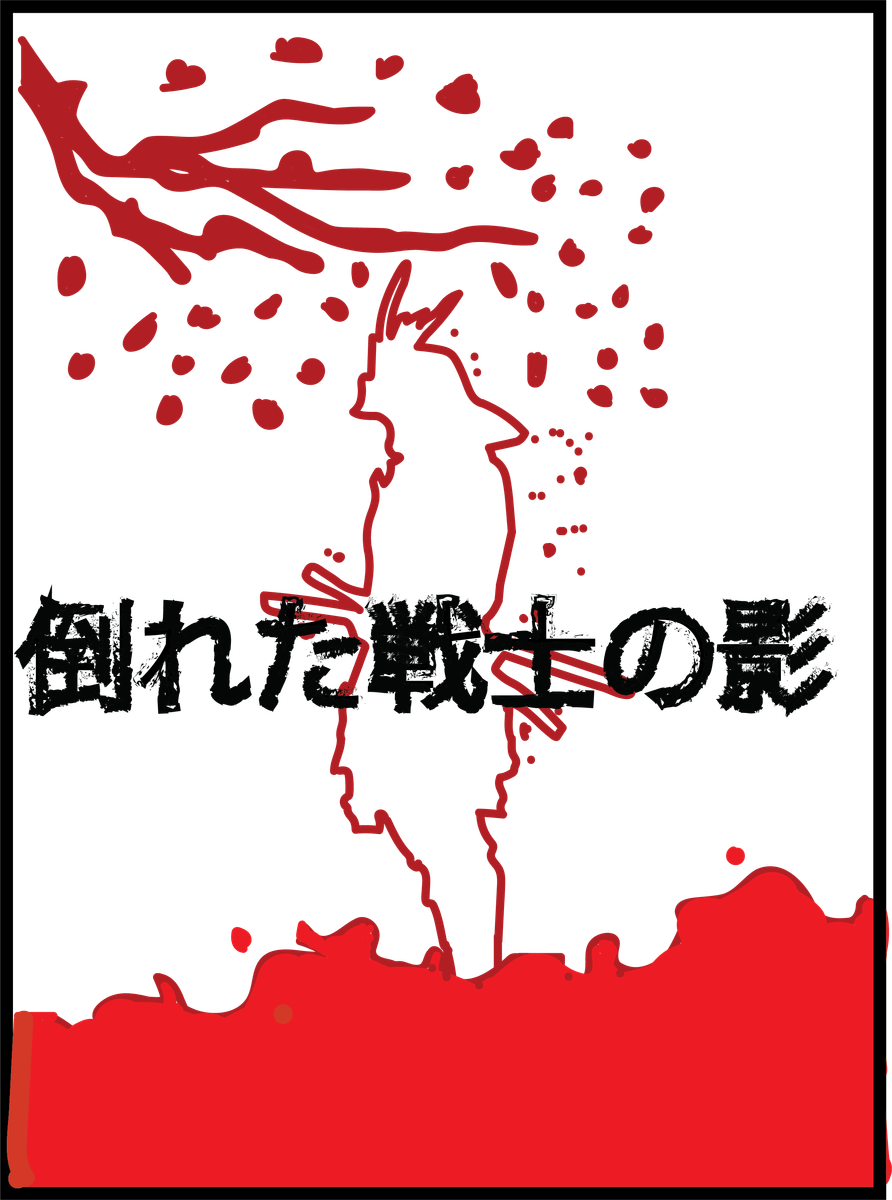
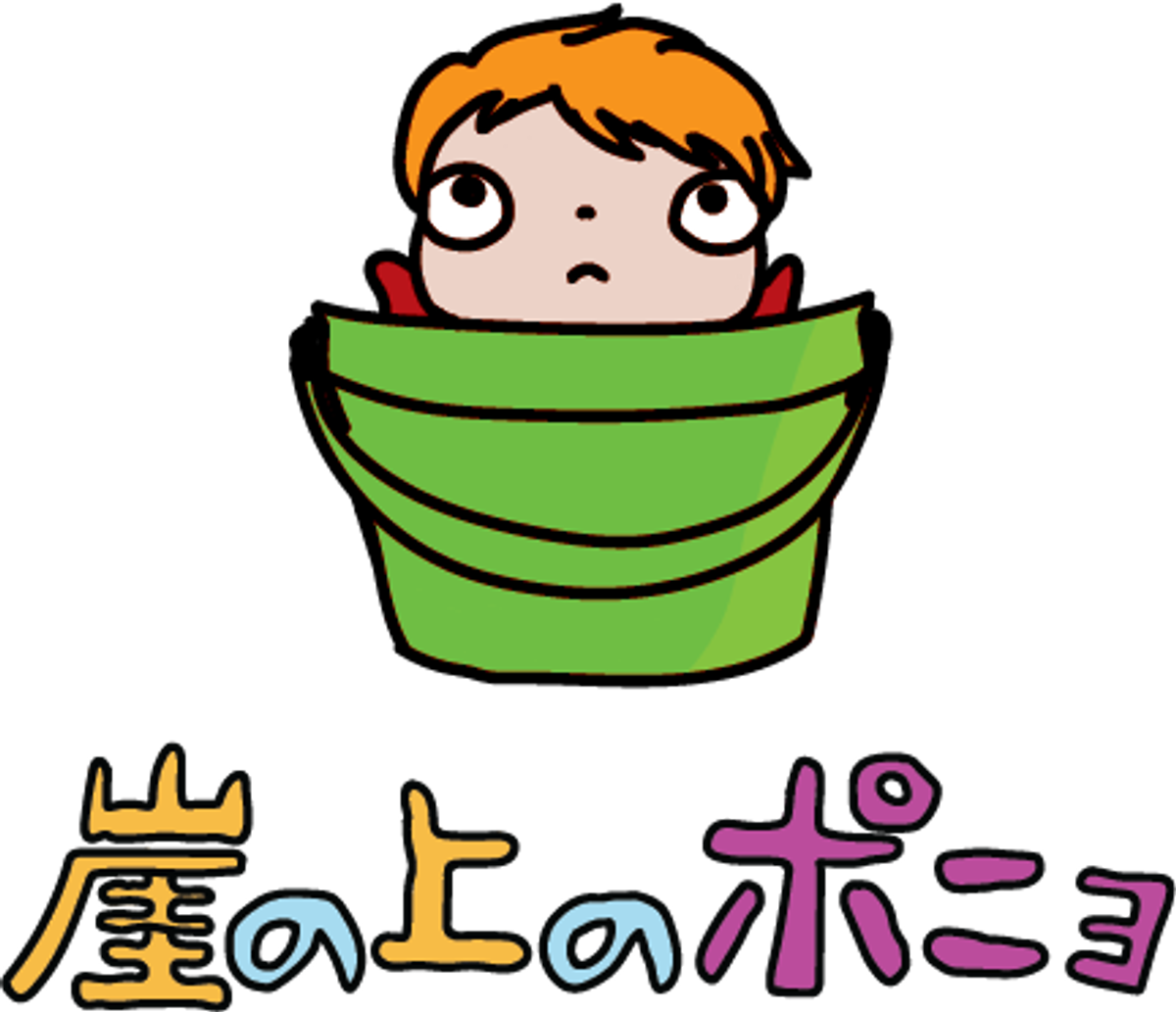
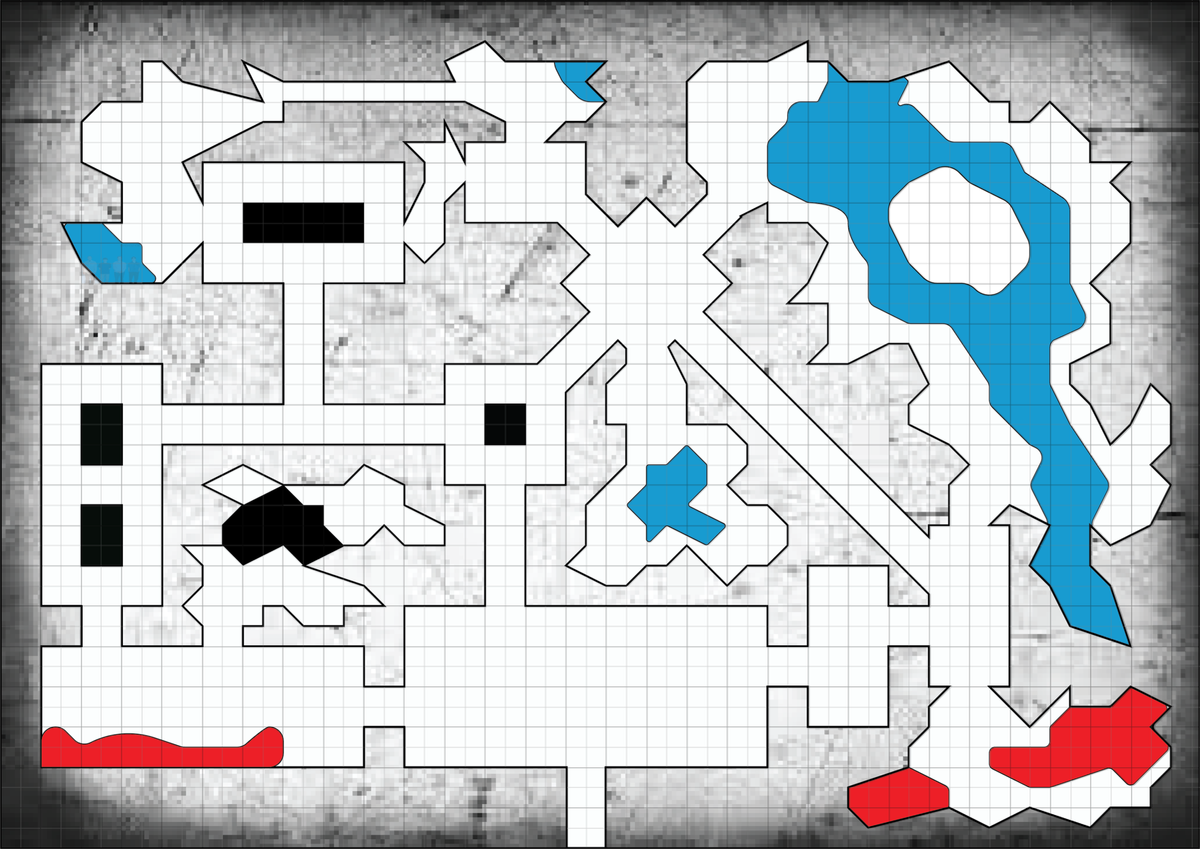
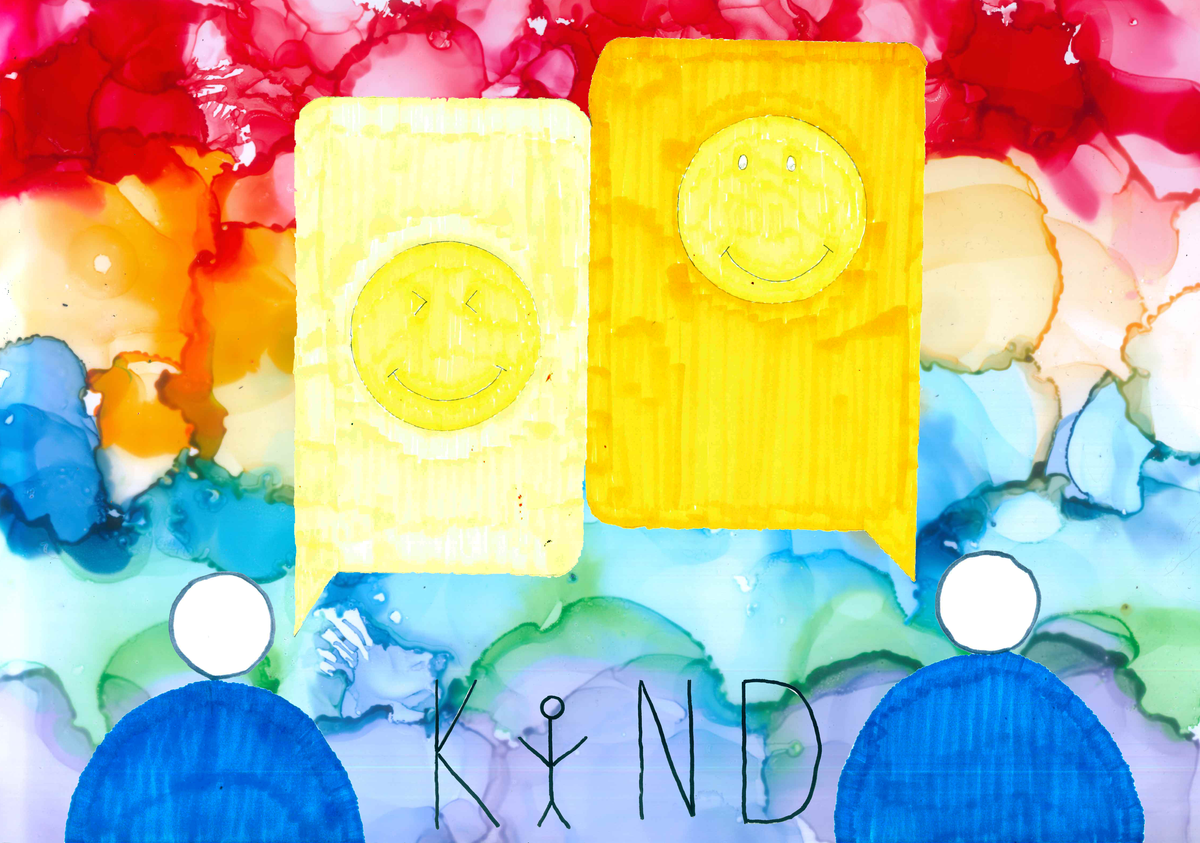
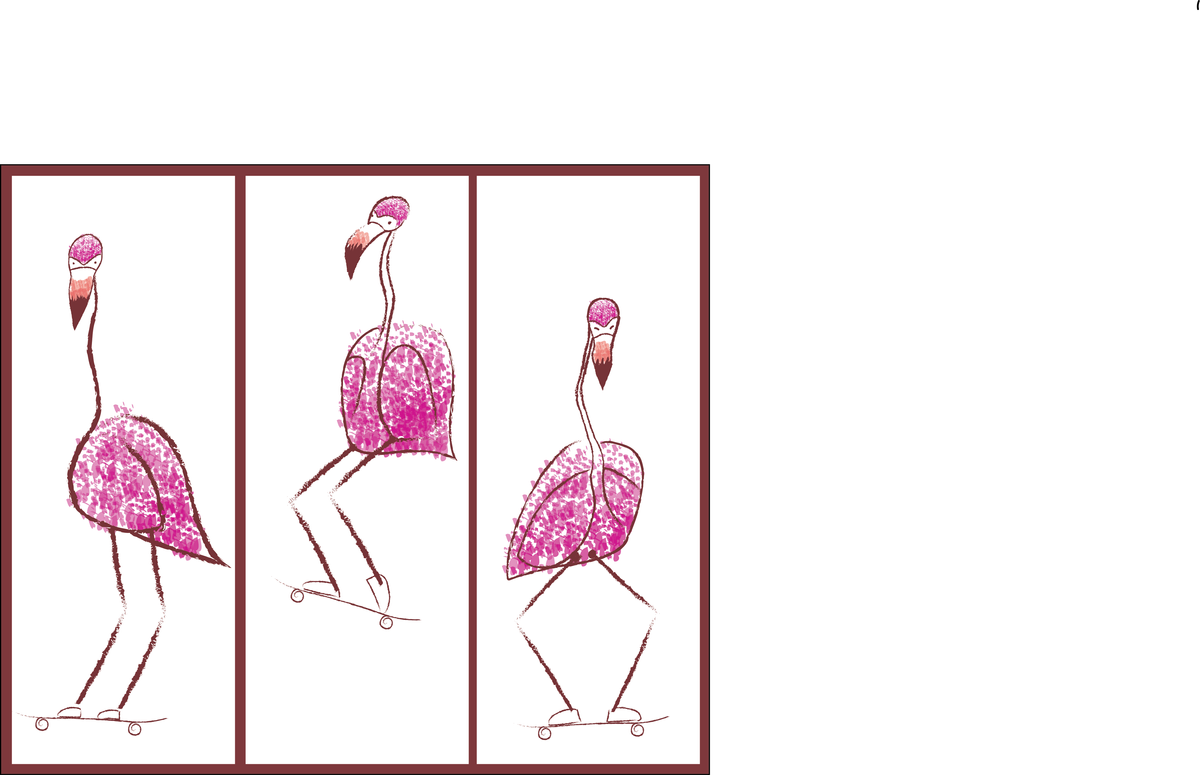
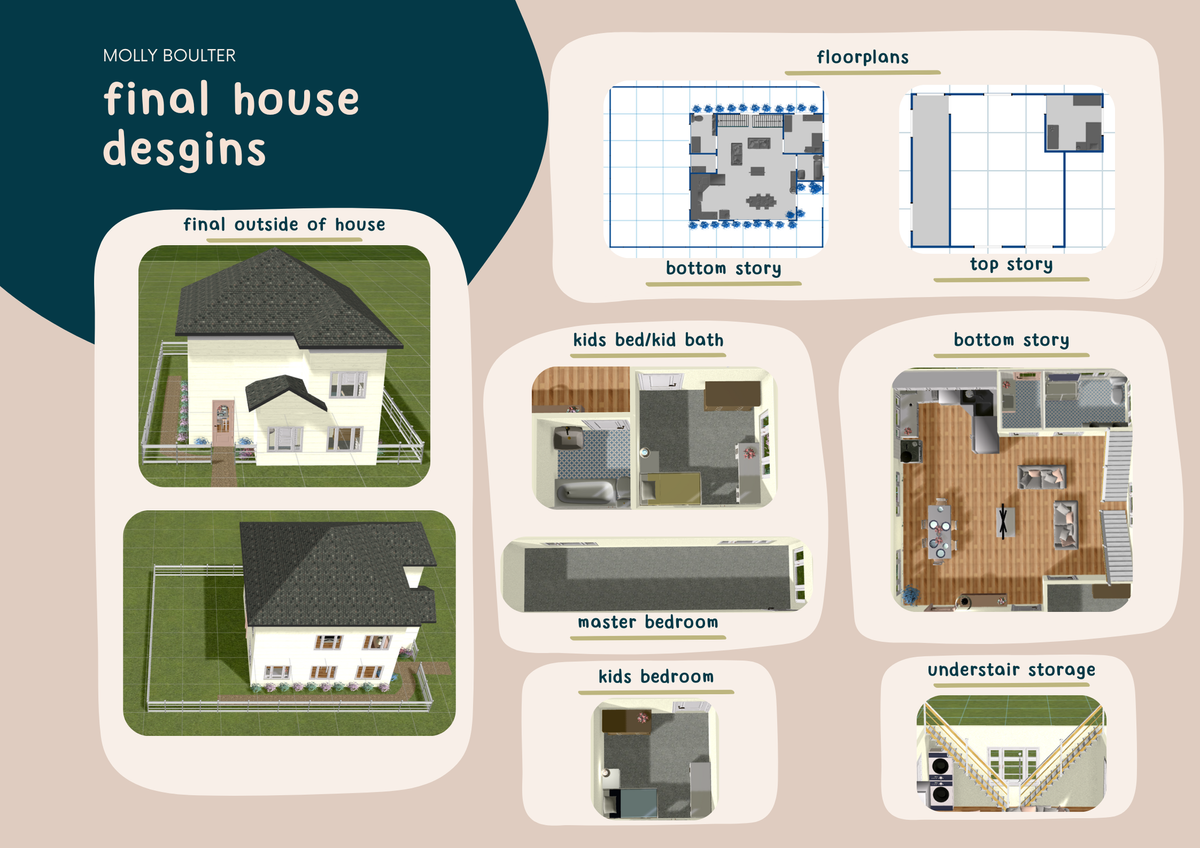
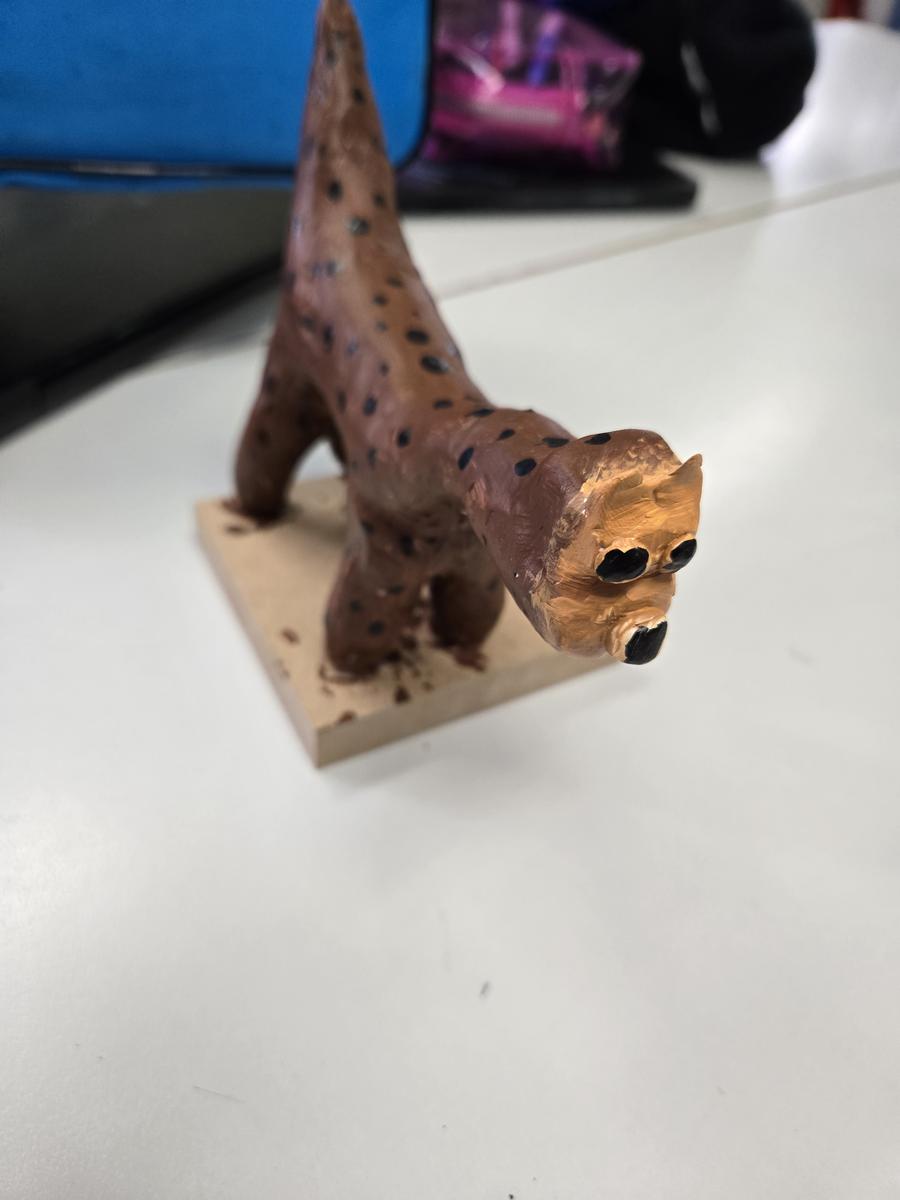
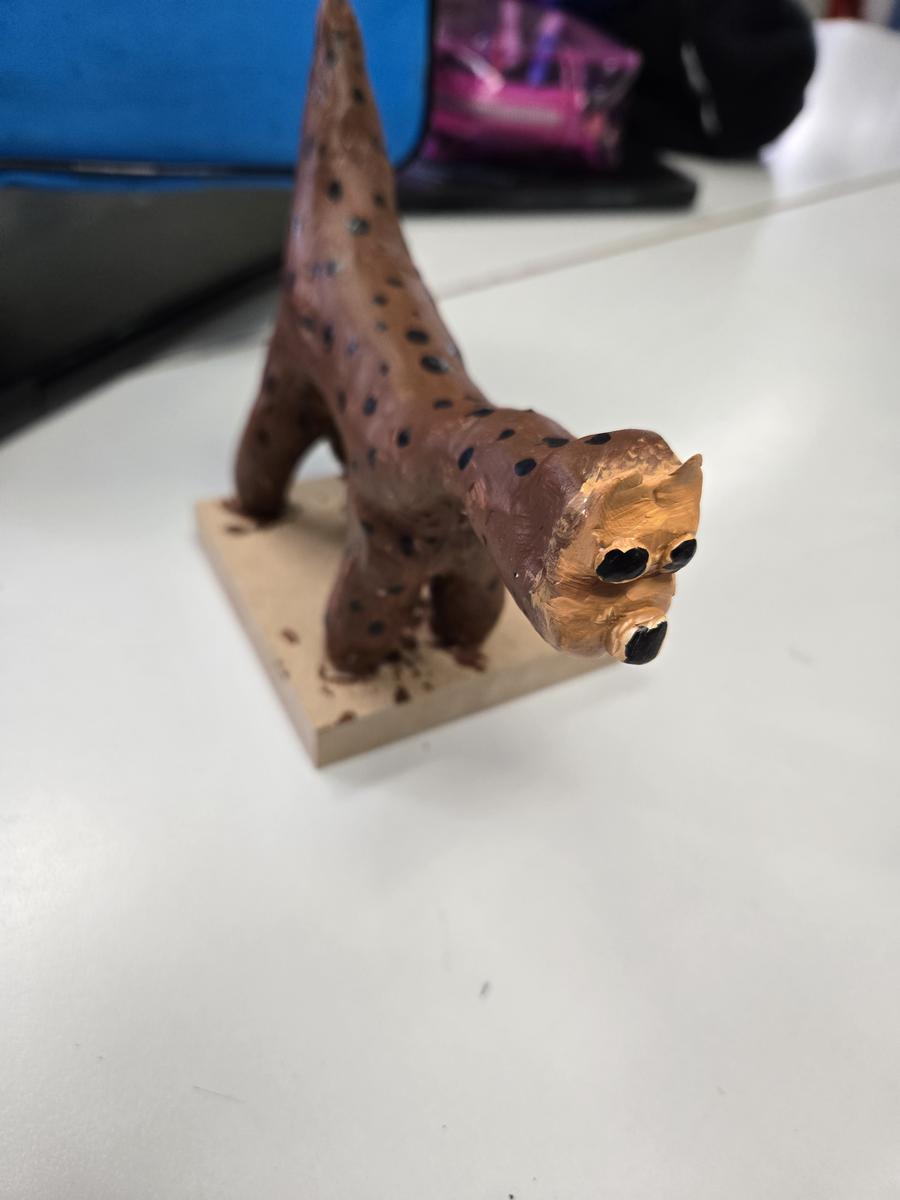
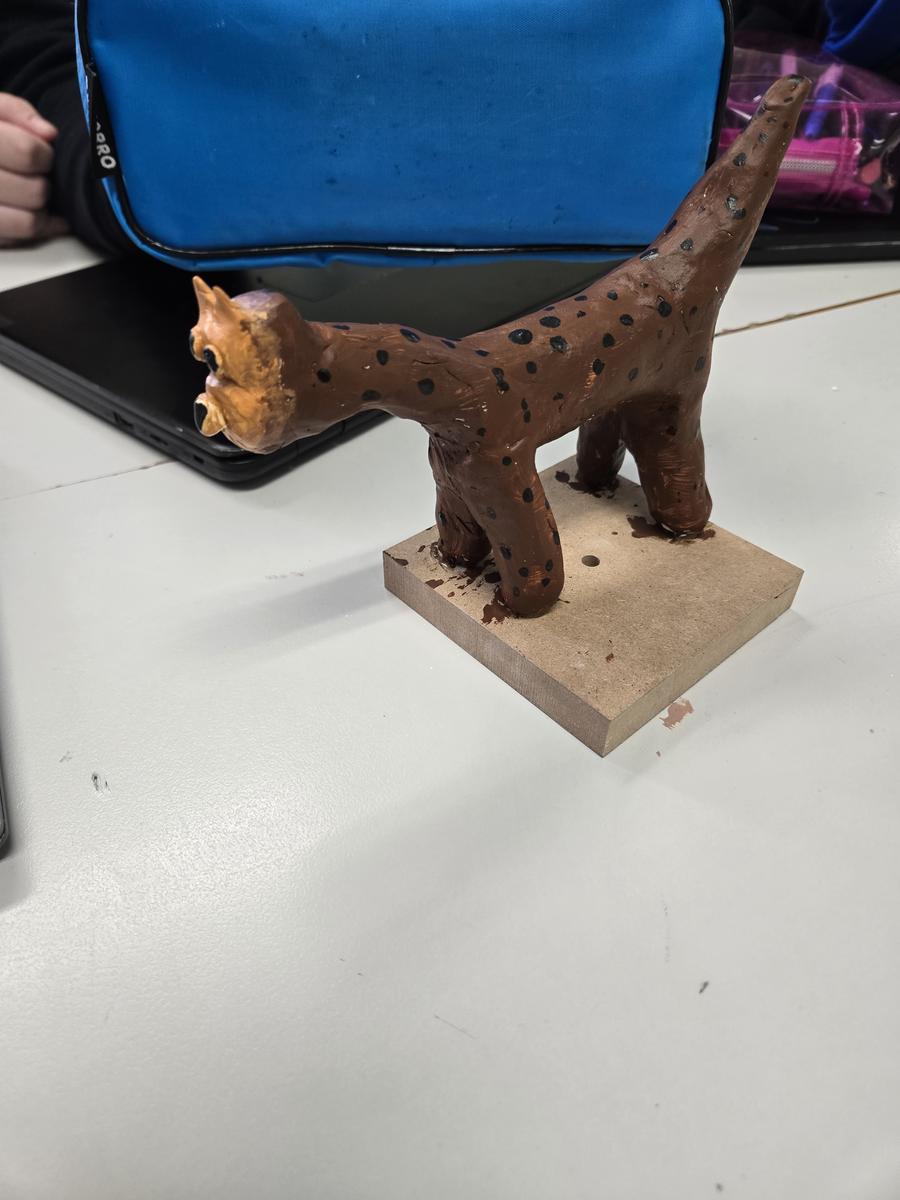
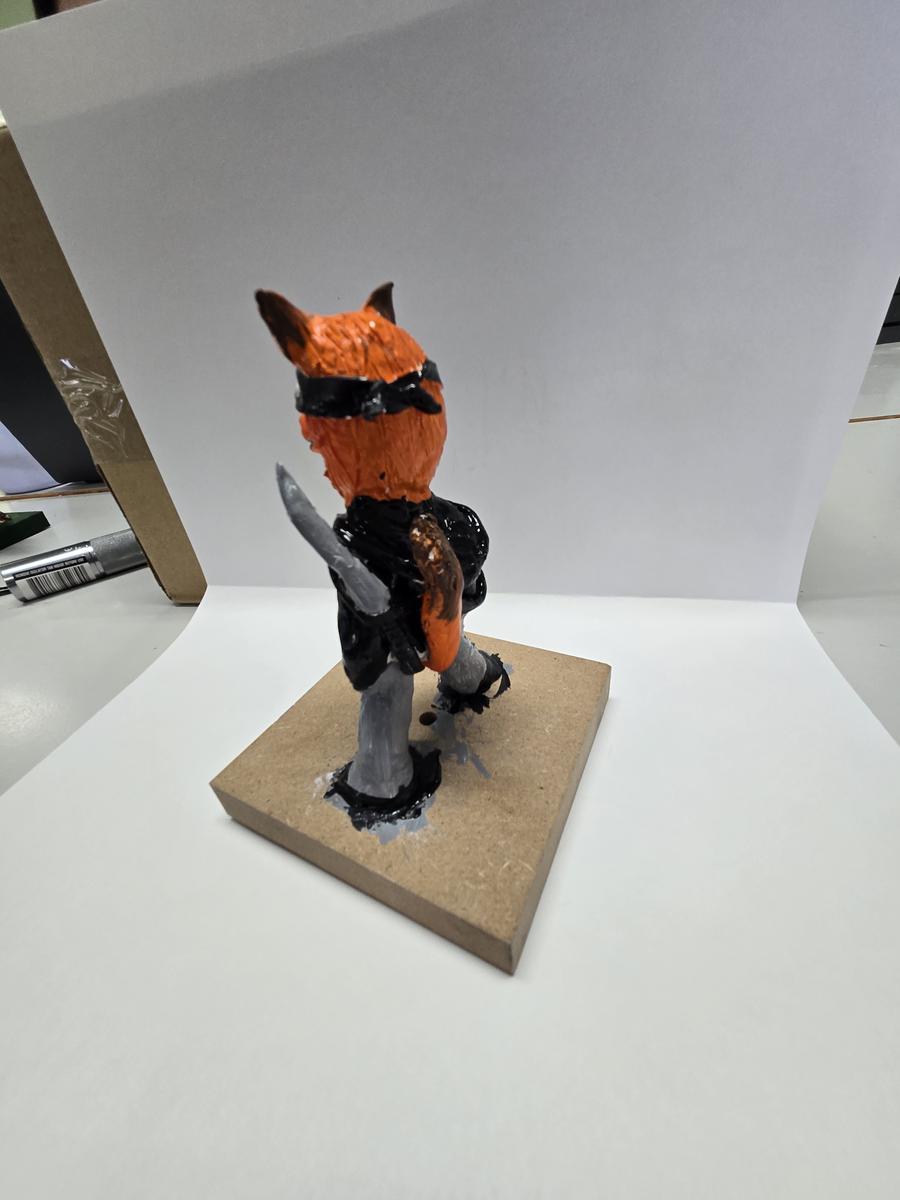
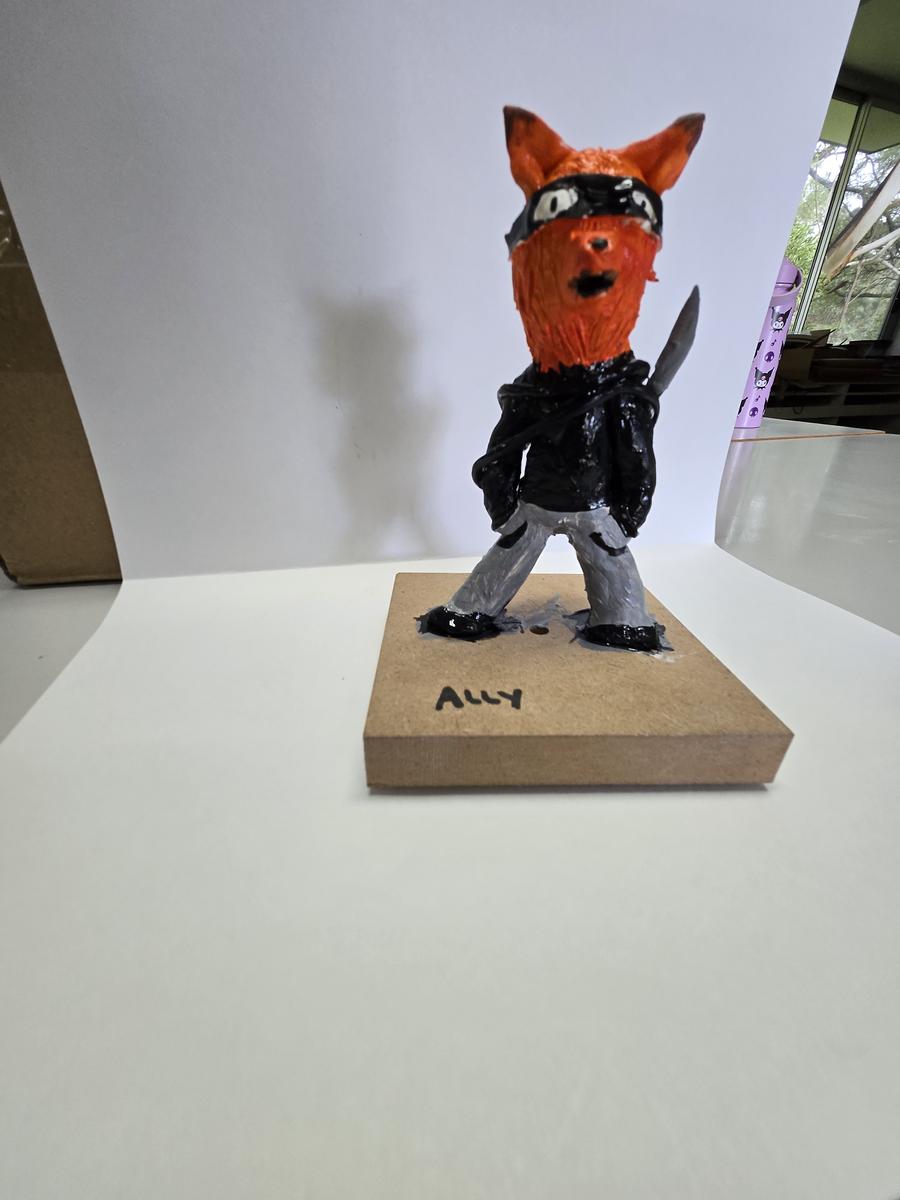
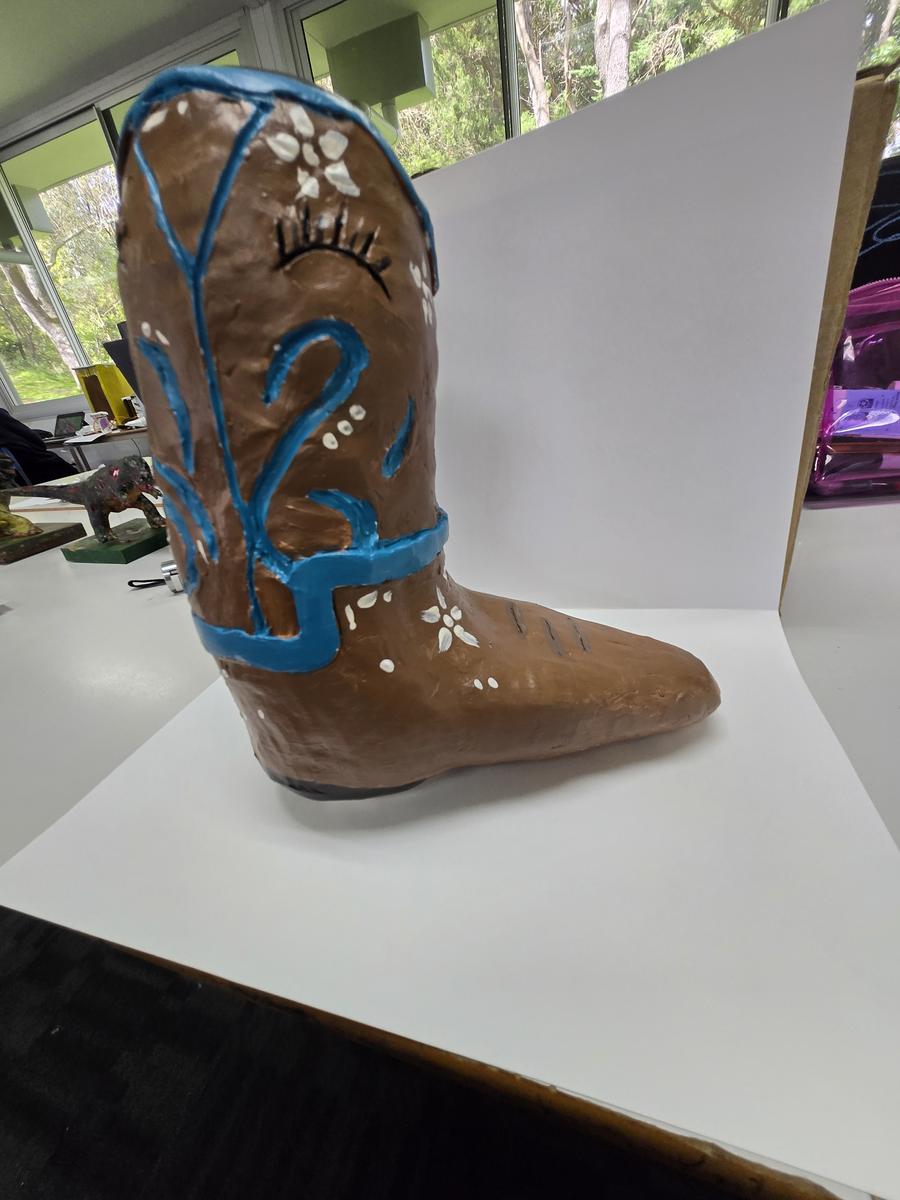
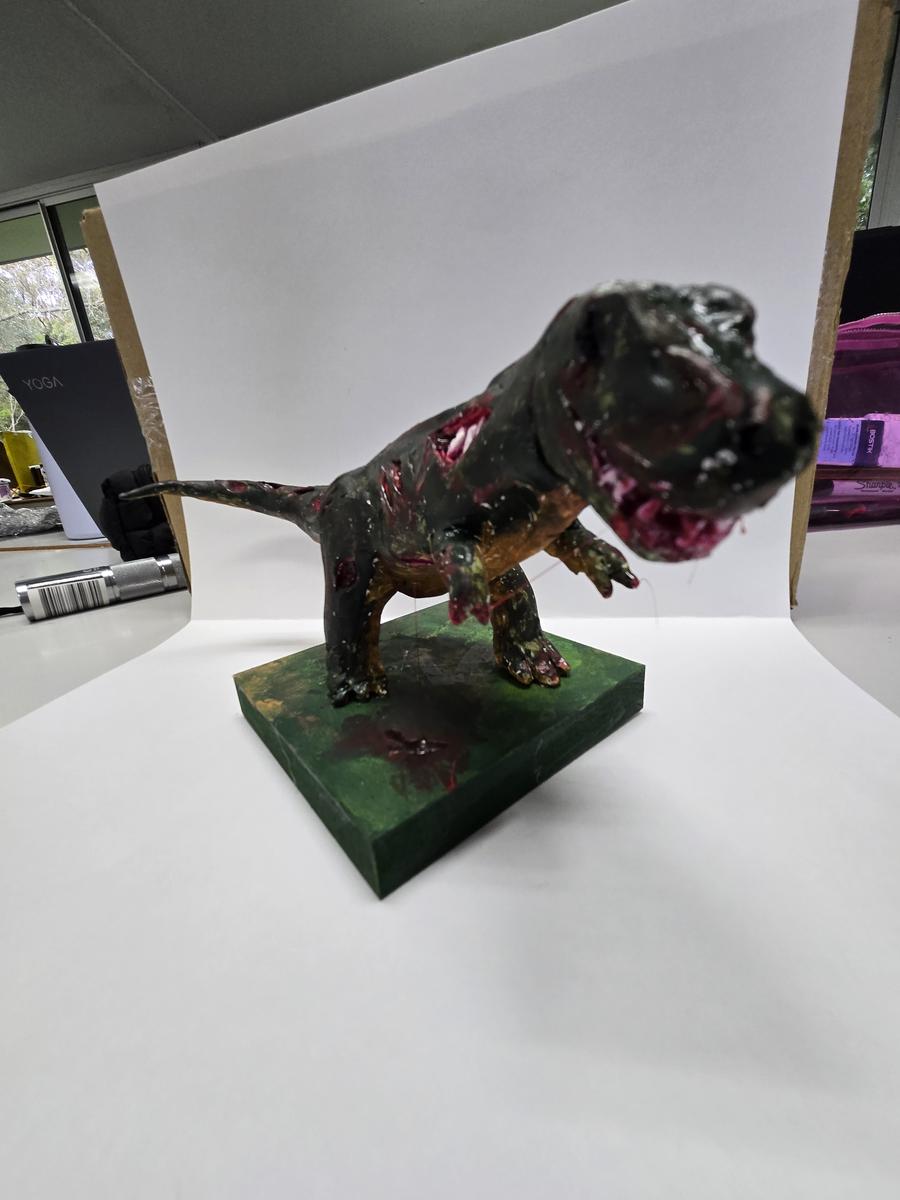
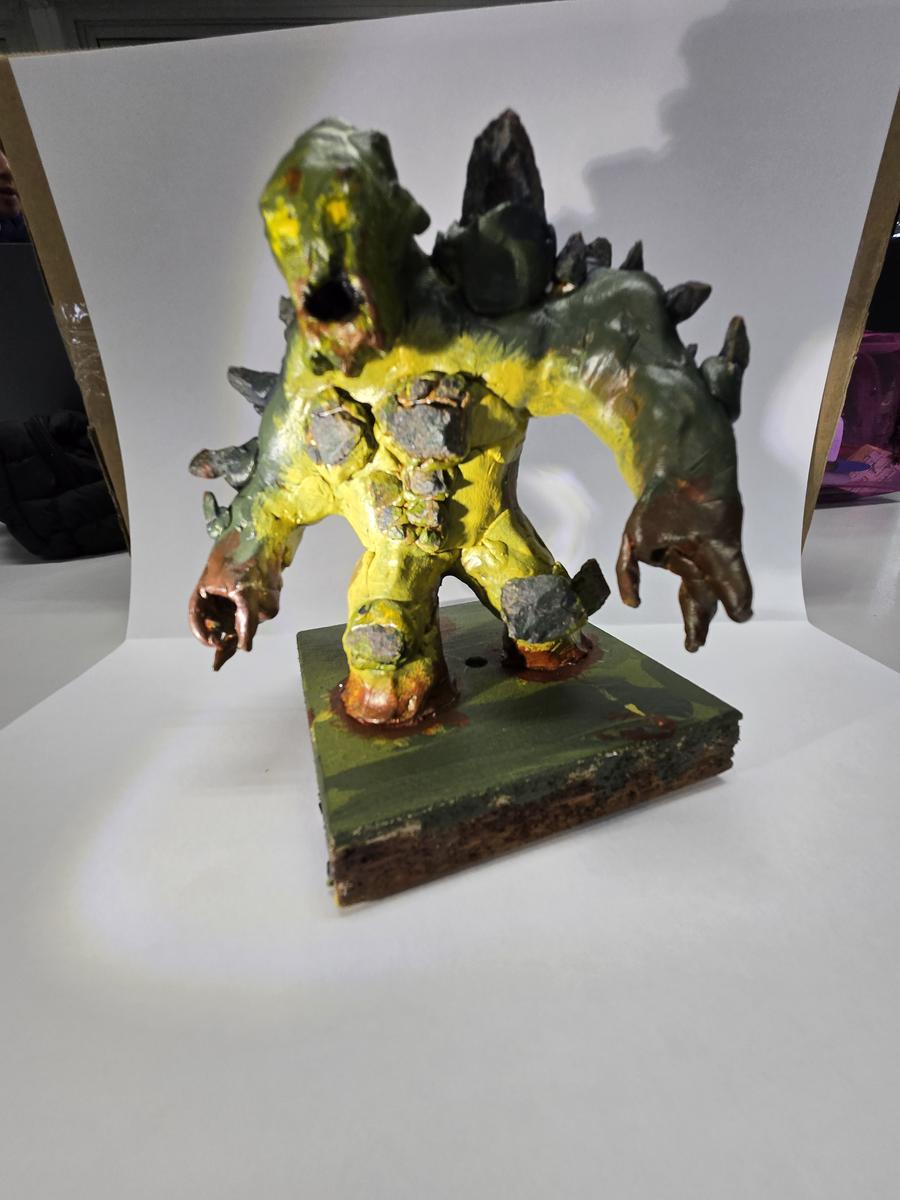
It has been another fabulous year in VISUAL COMMUNICATION DESIGN!!! All students have used design thinking to explore a range of projects, ideas and concepts to address a range of needs and users. The year 9 hats and skateboard decks was a highlight for individual expression. The year 10 class was able to work on a group project that is now displayed in the general office, it brightens up the space and welcomes all visitors. The year 11s were pushed outside of their comfort zones to explore a range of design fields. Their mini homes was a real highlight as they all explored their own style and unique solutions to the key users. As always great to see the year 12s complete their individual projects and have full ownership over their works. It has been amazing to see all the design students grow in confidence and show their own style. BRING ON 2026.



Food Studies
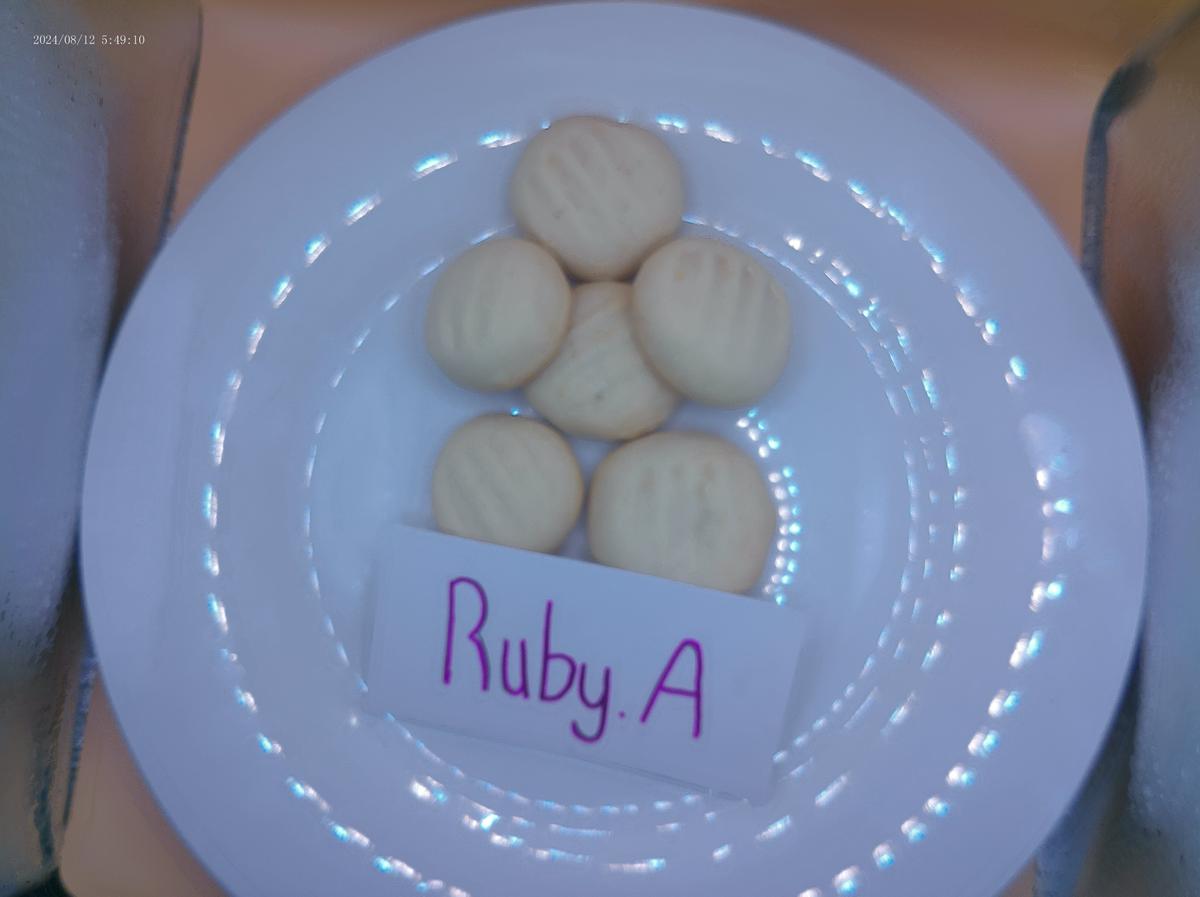
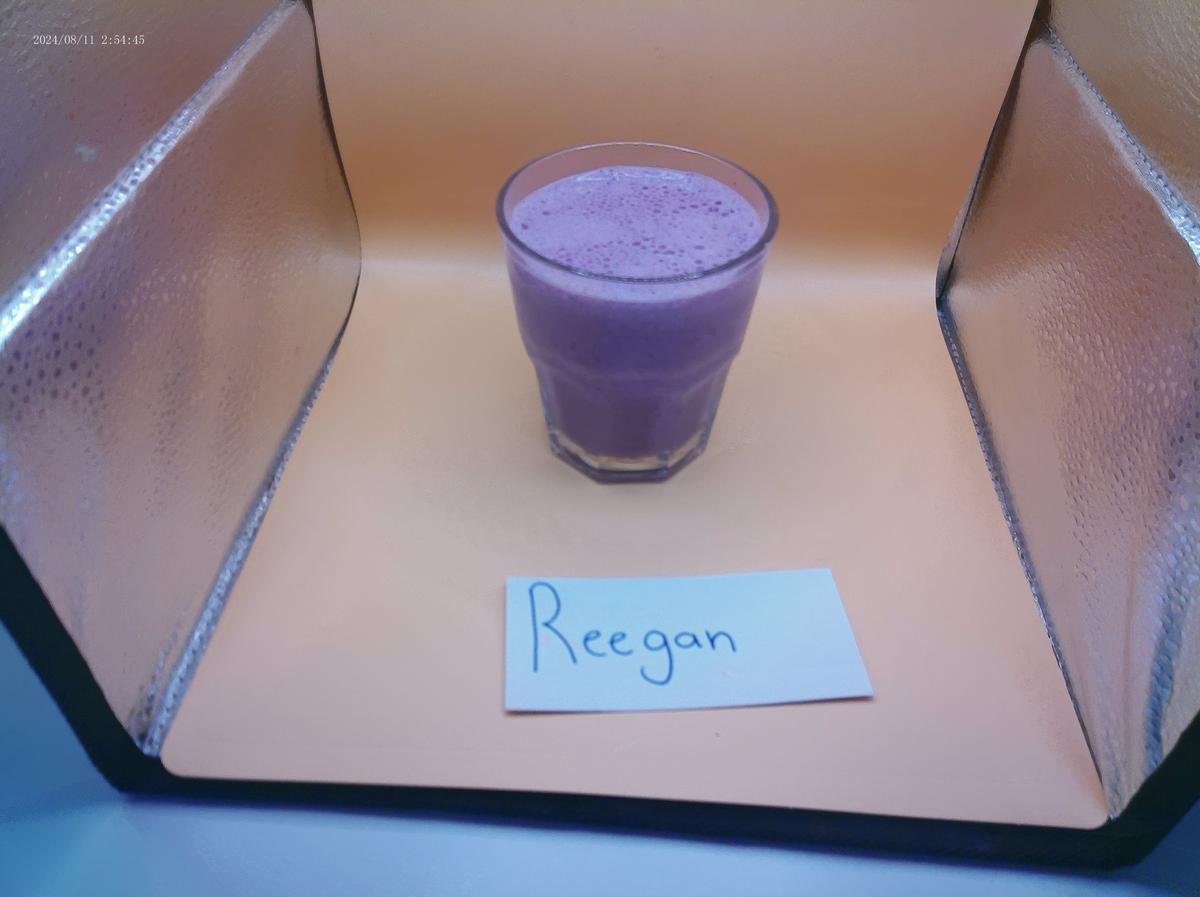
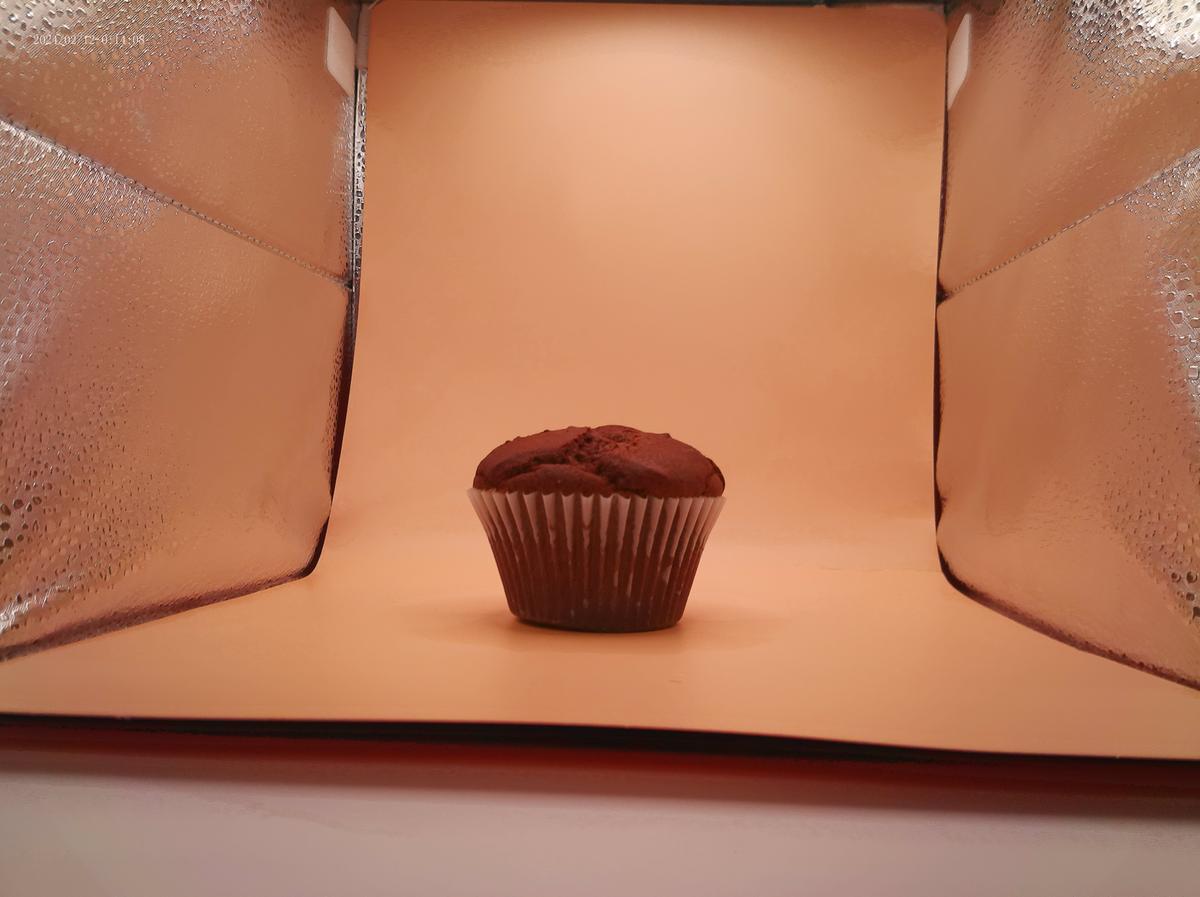
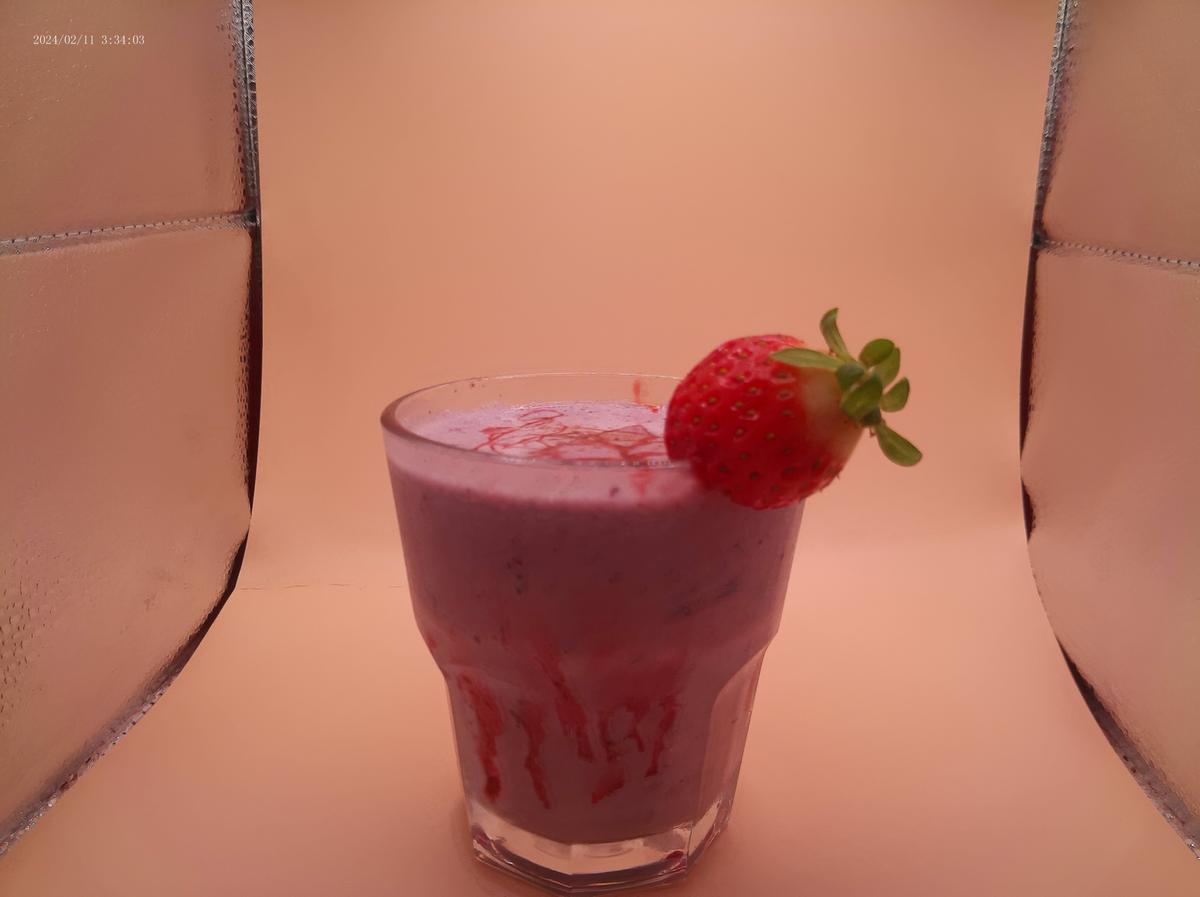
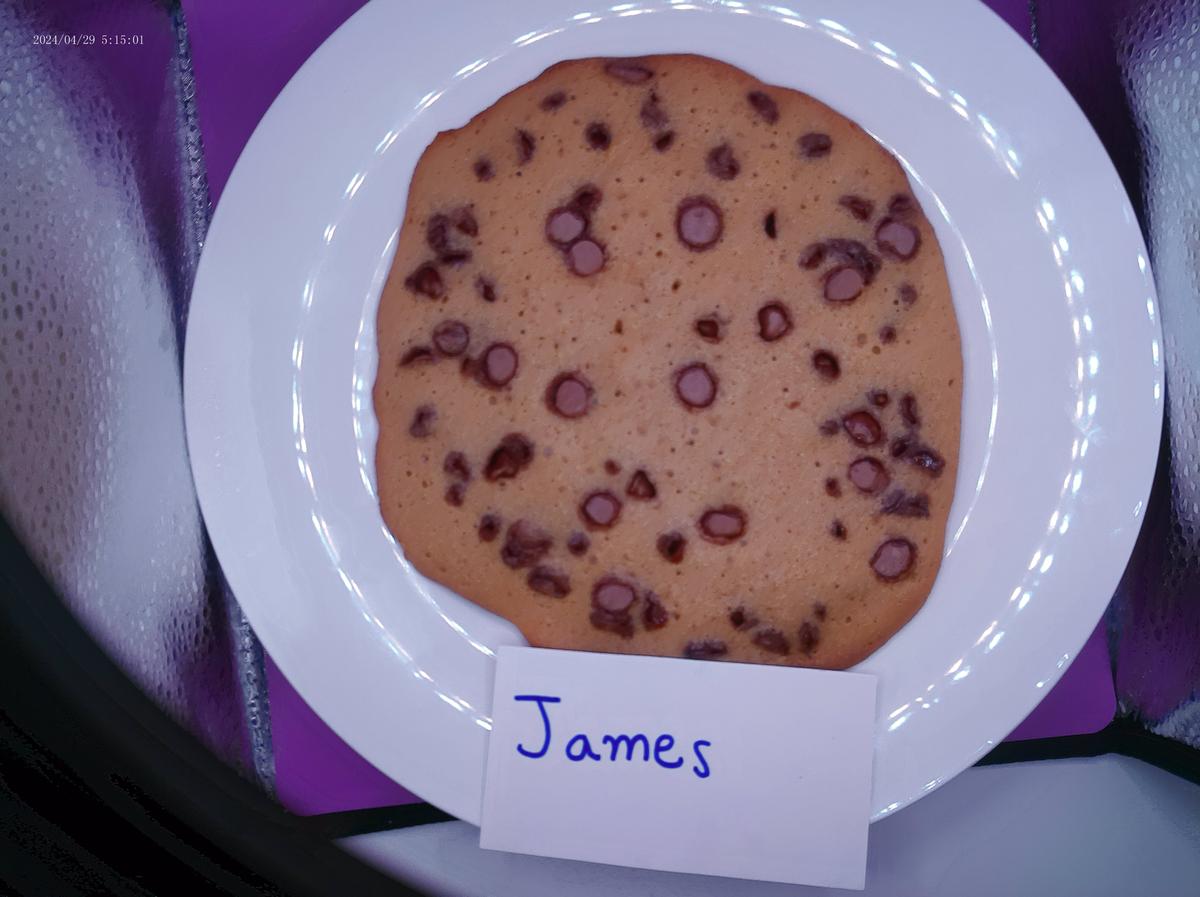
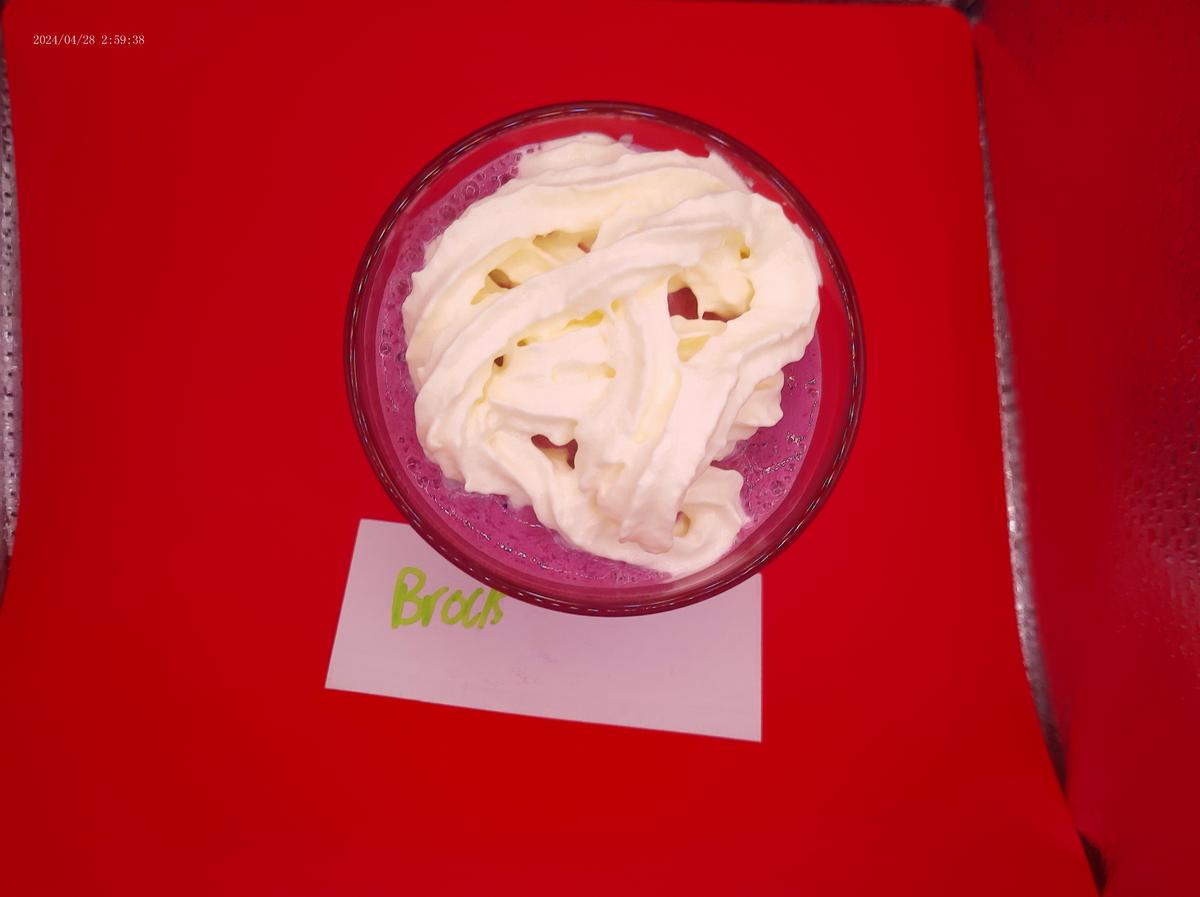
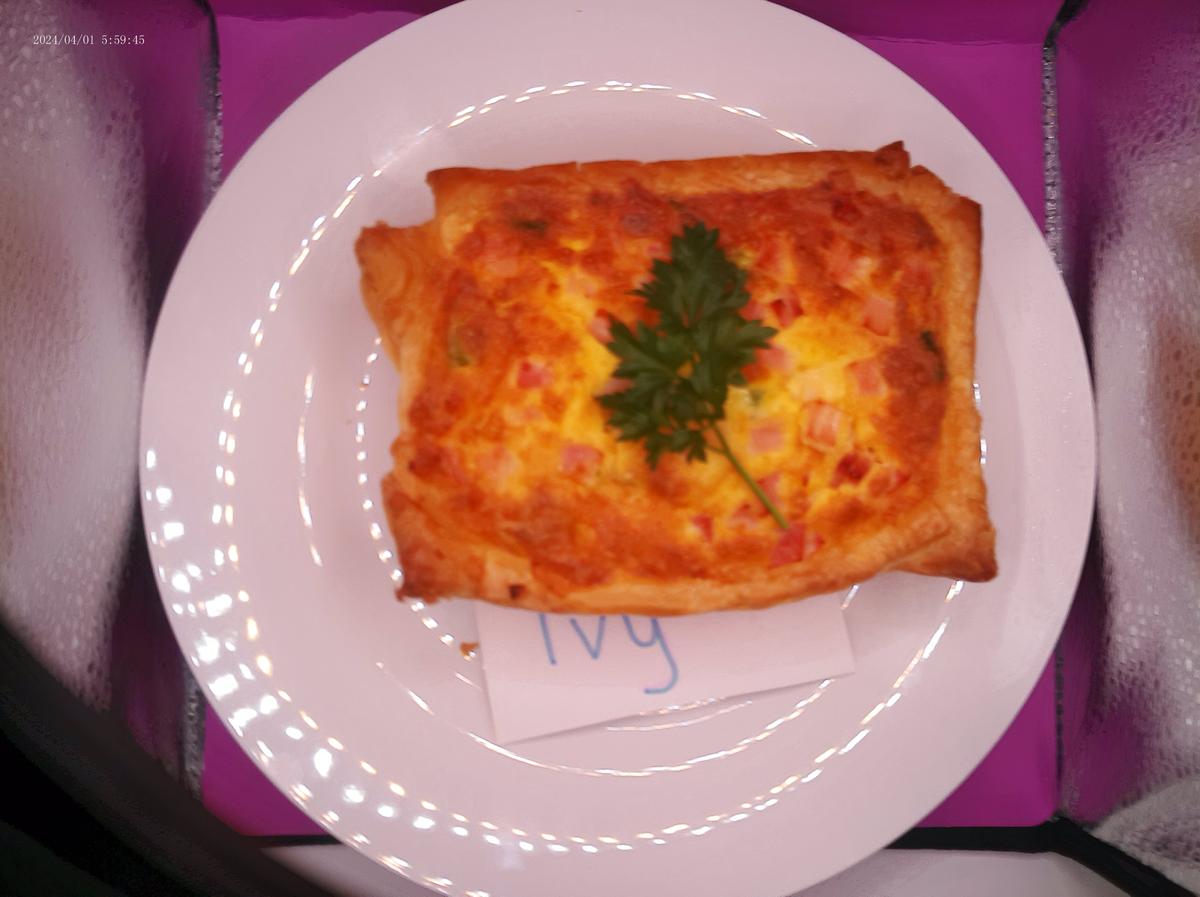
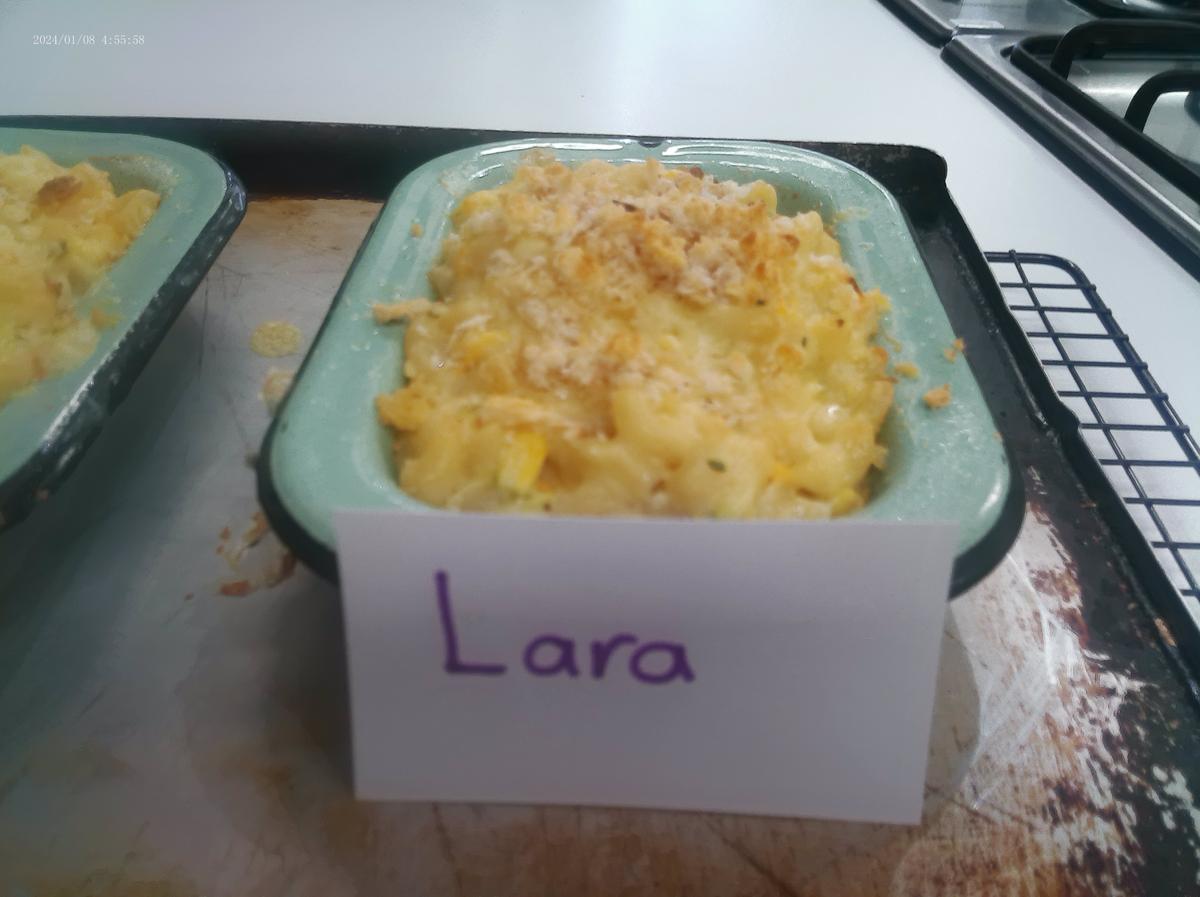
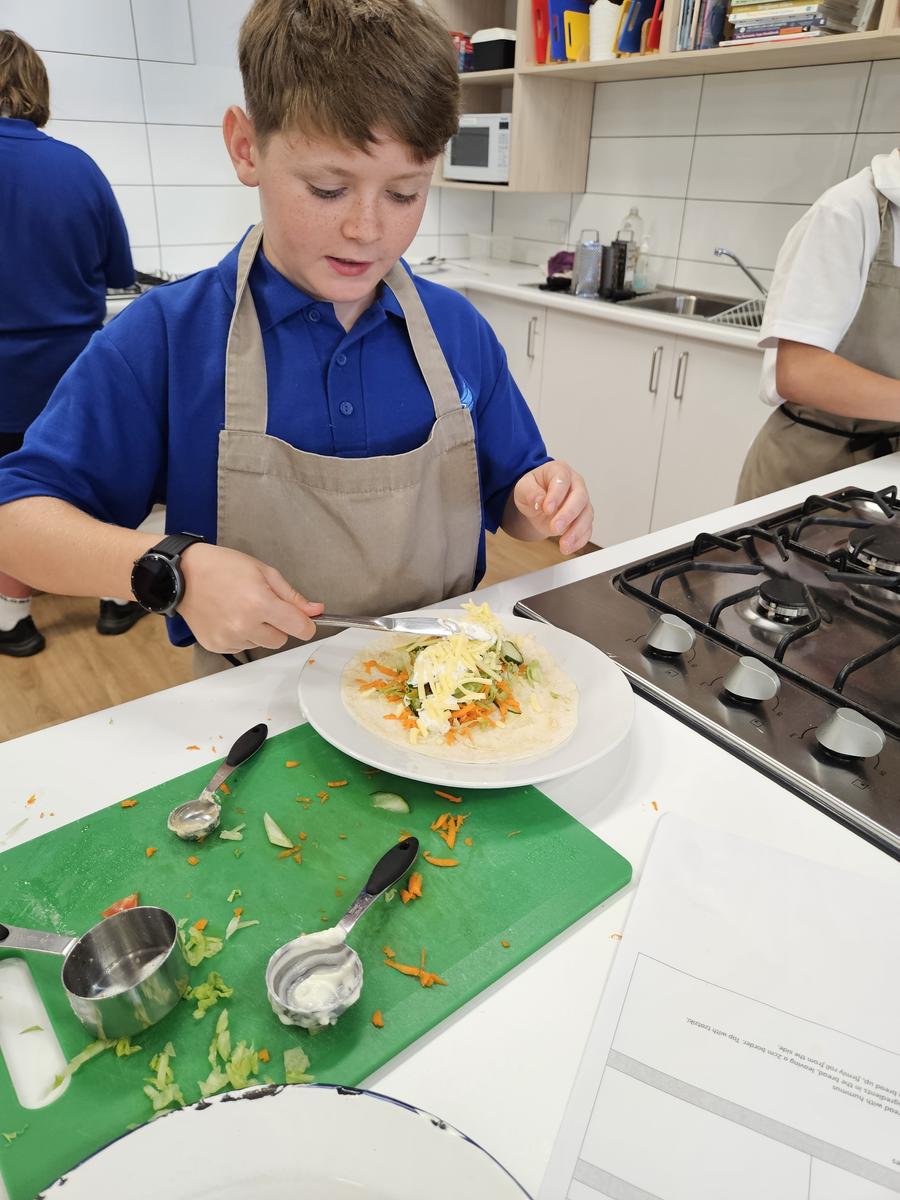
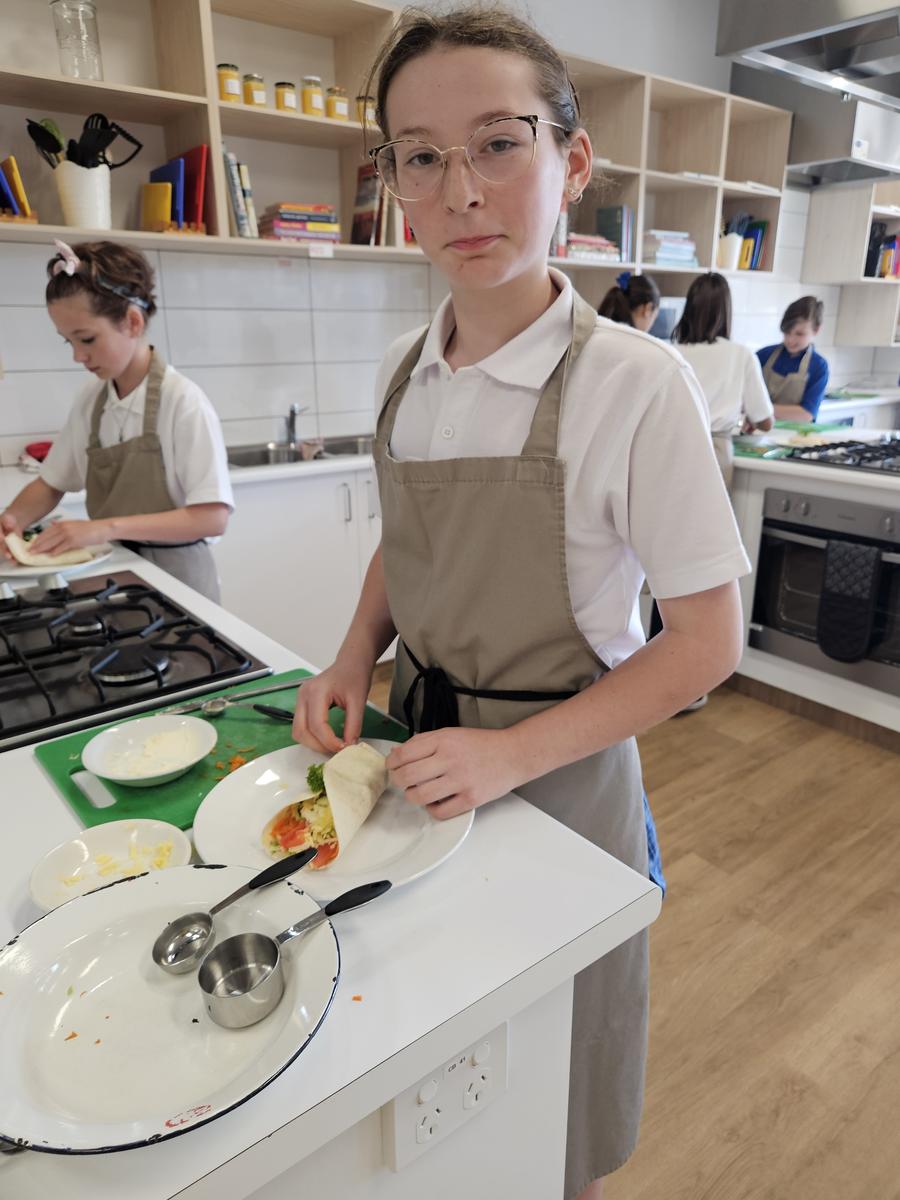
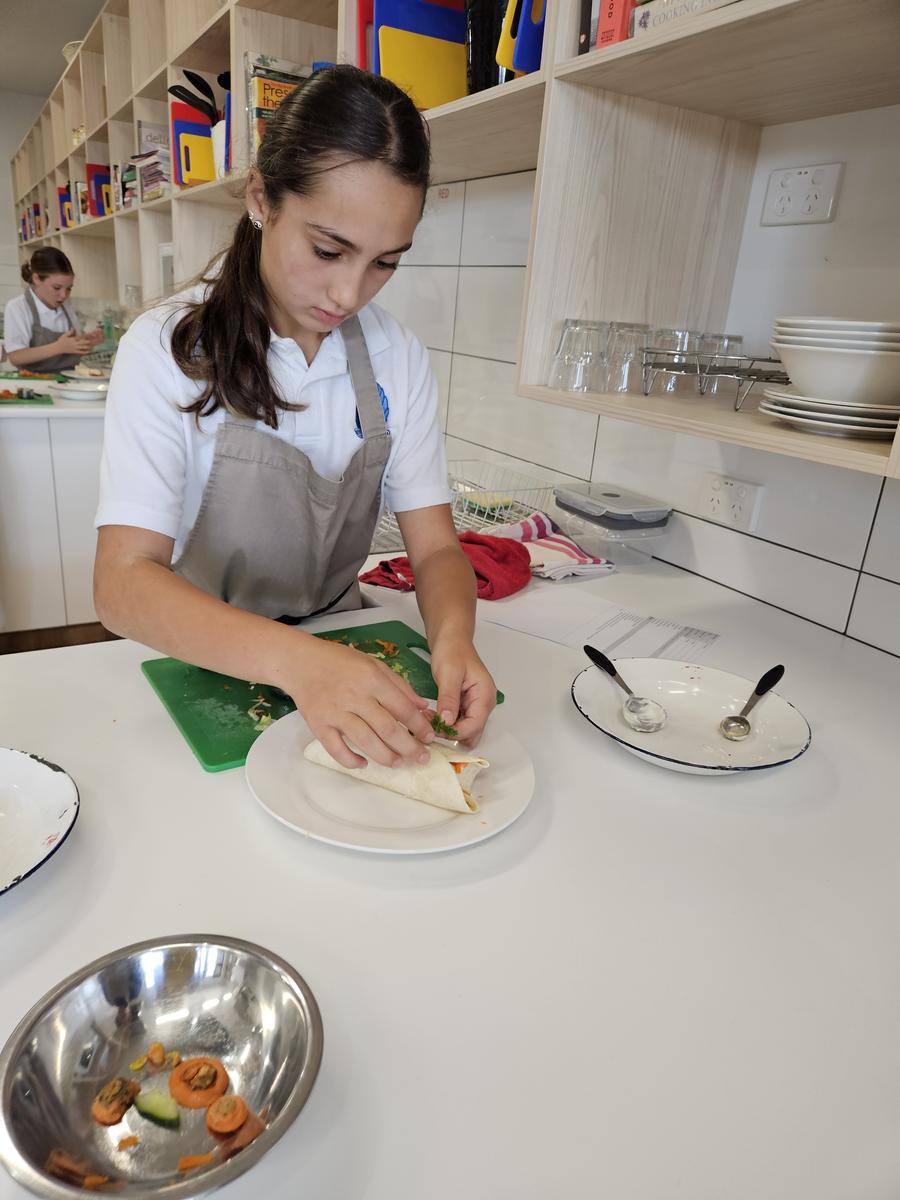
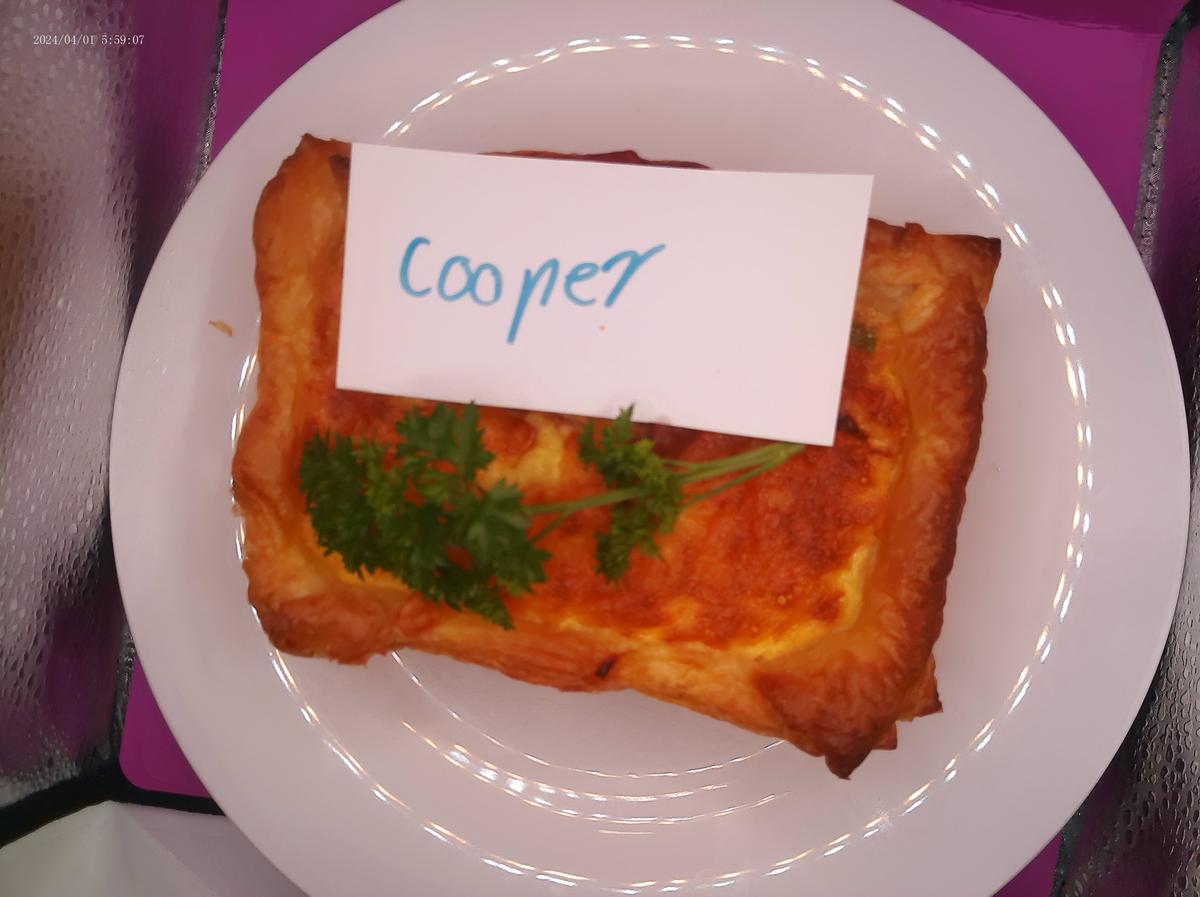
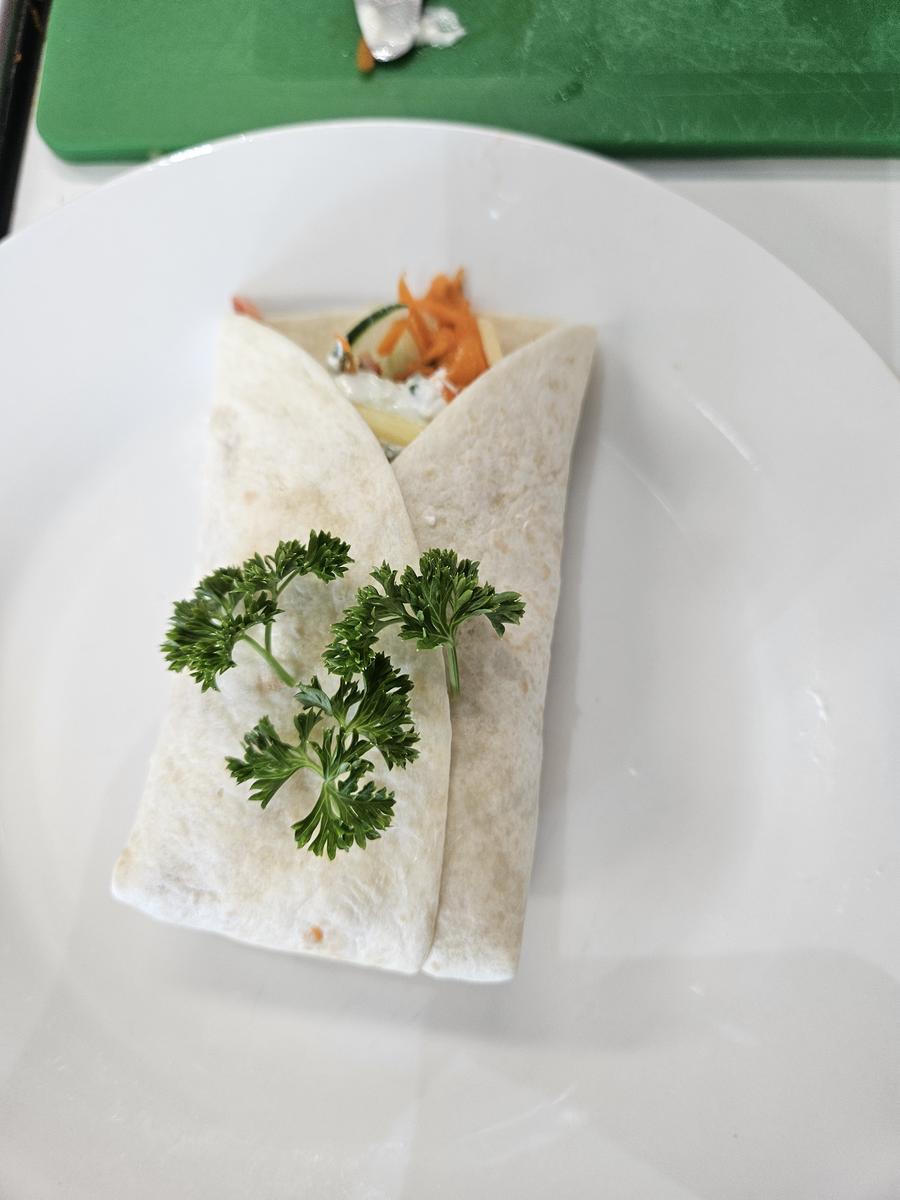
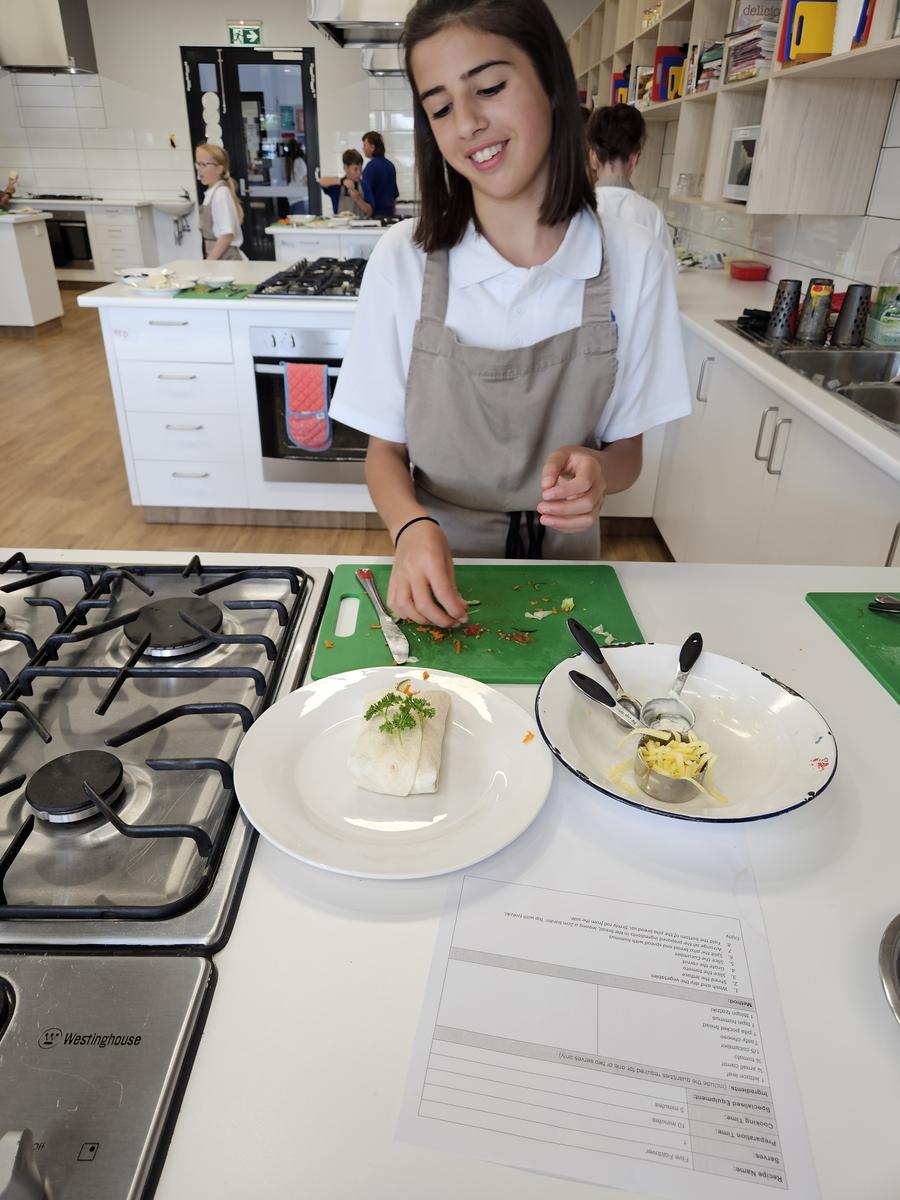
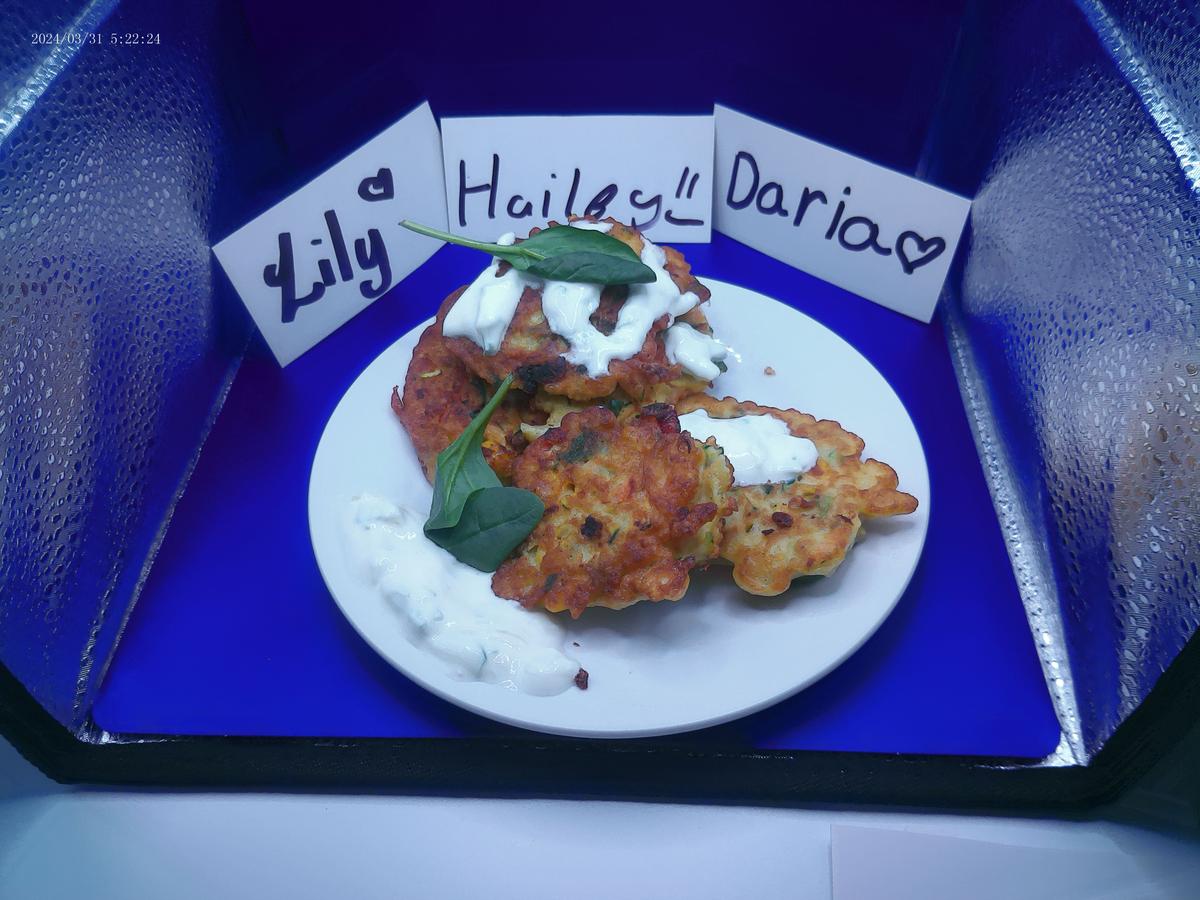
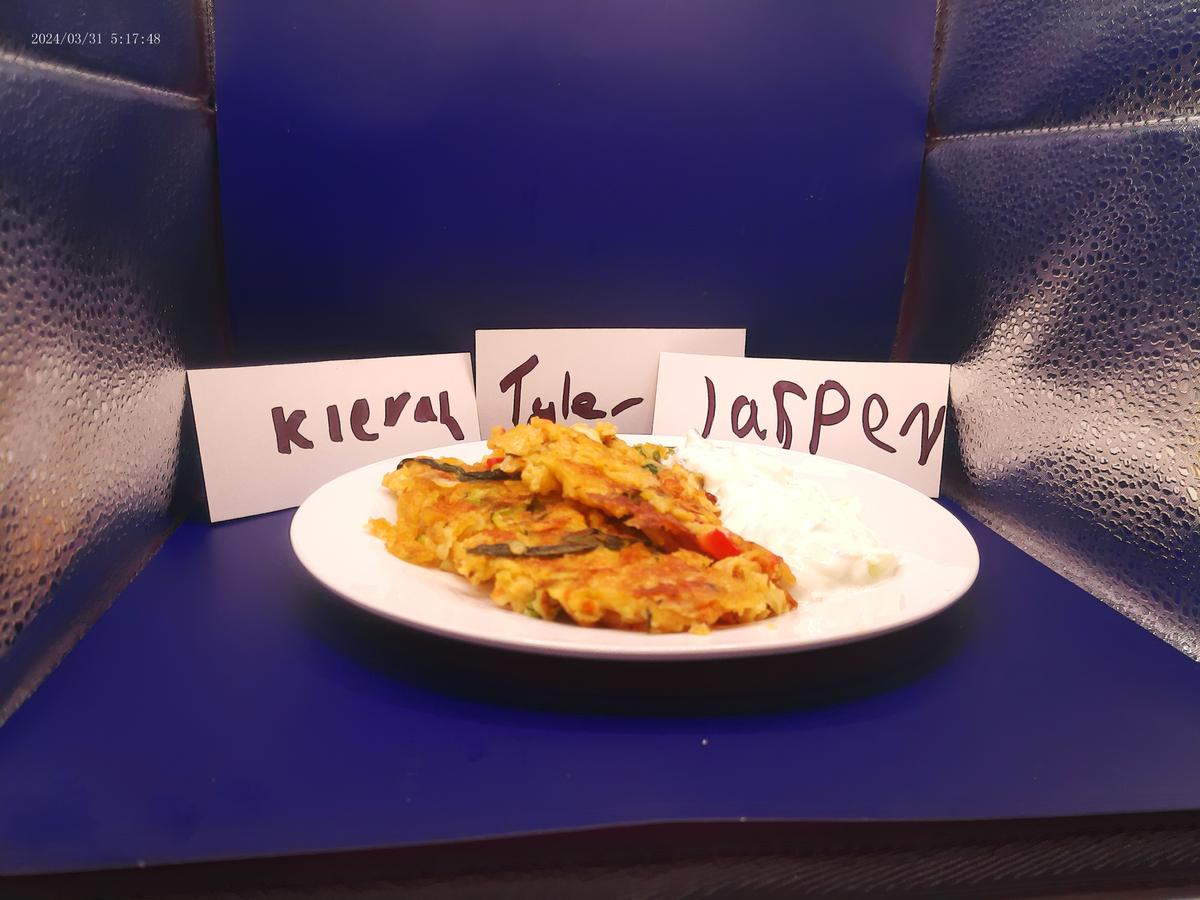
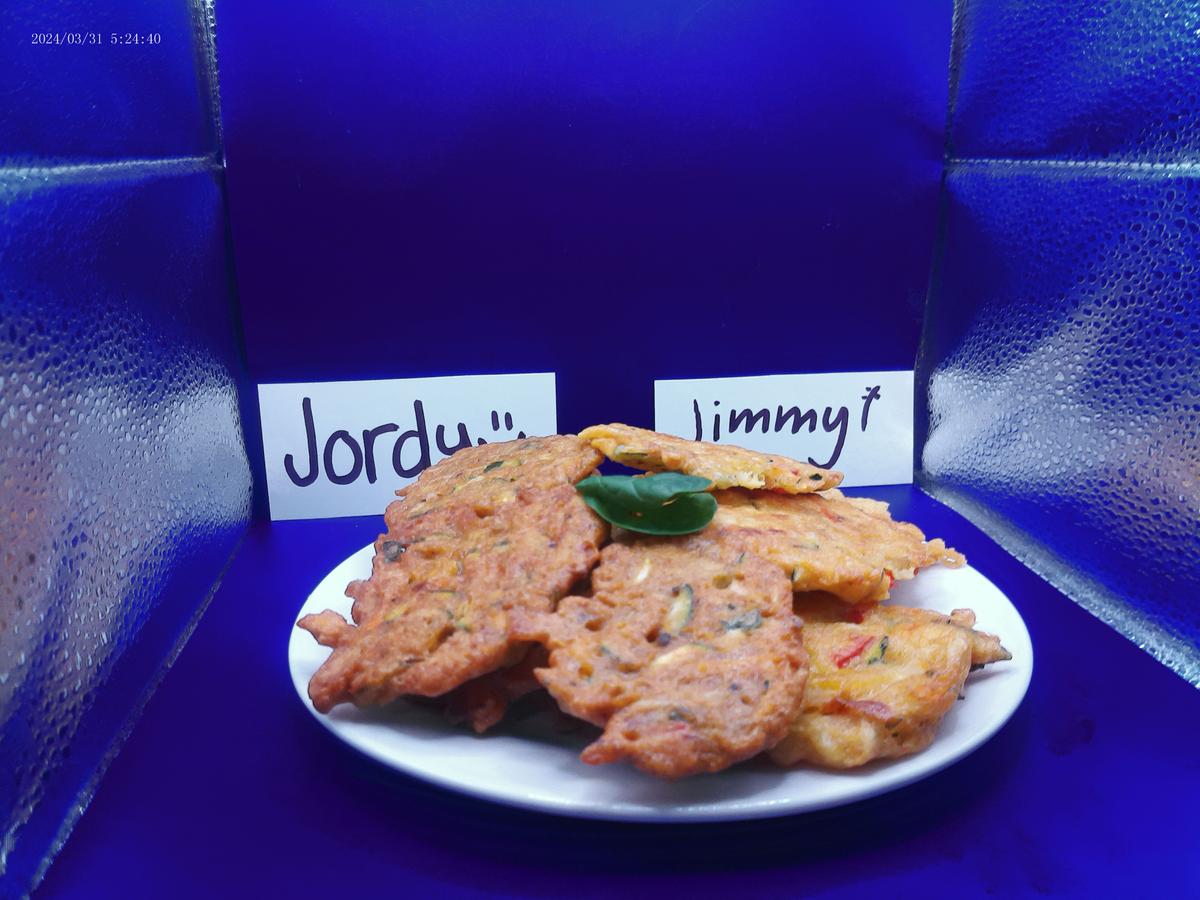
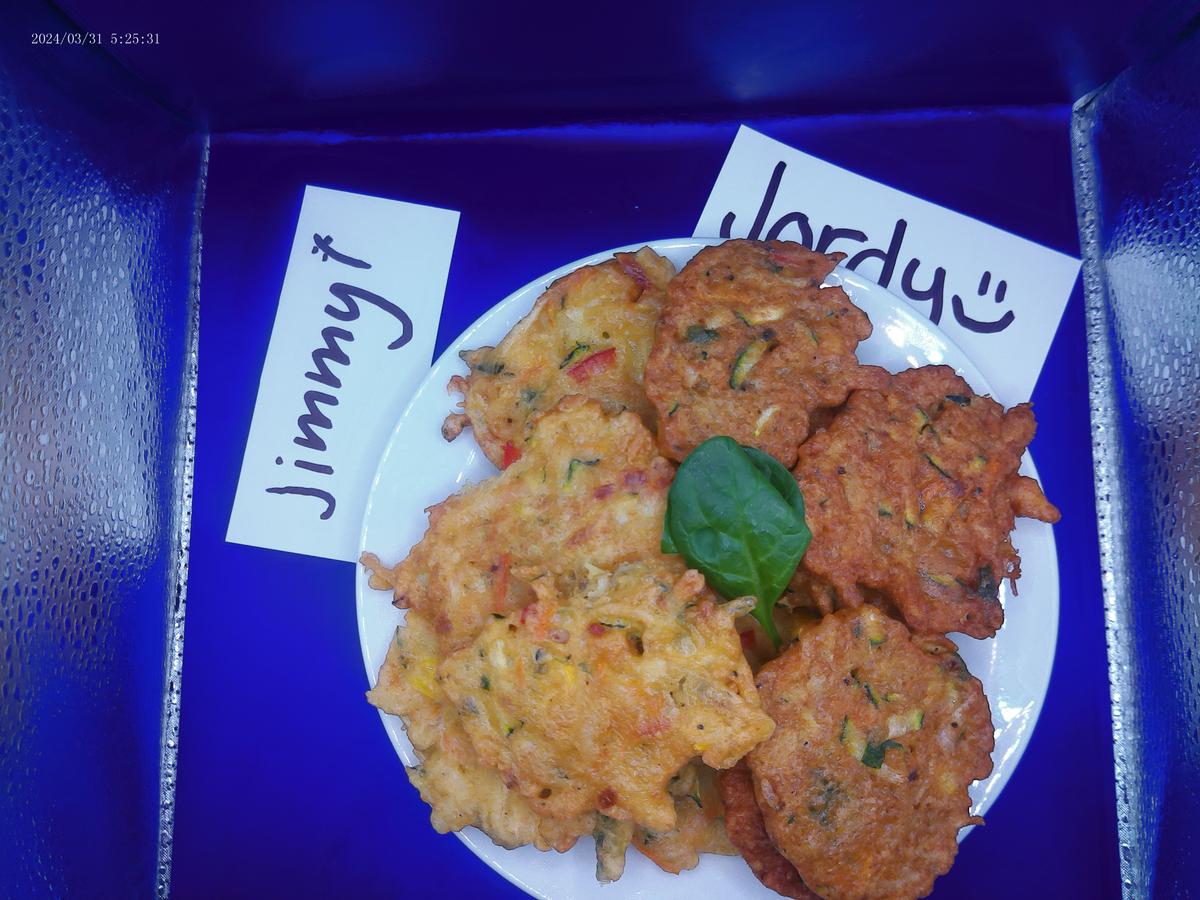
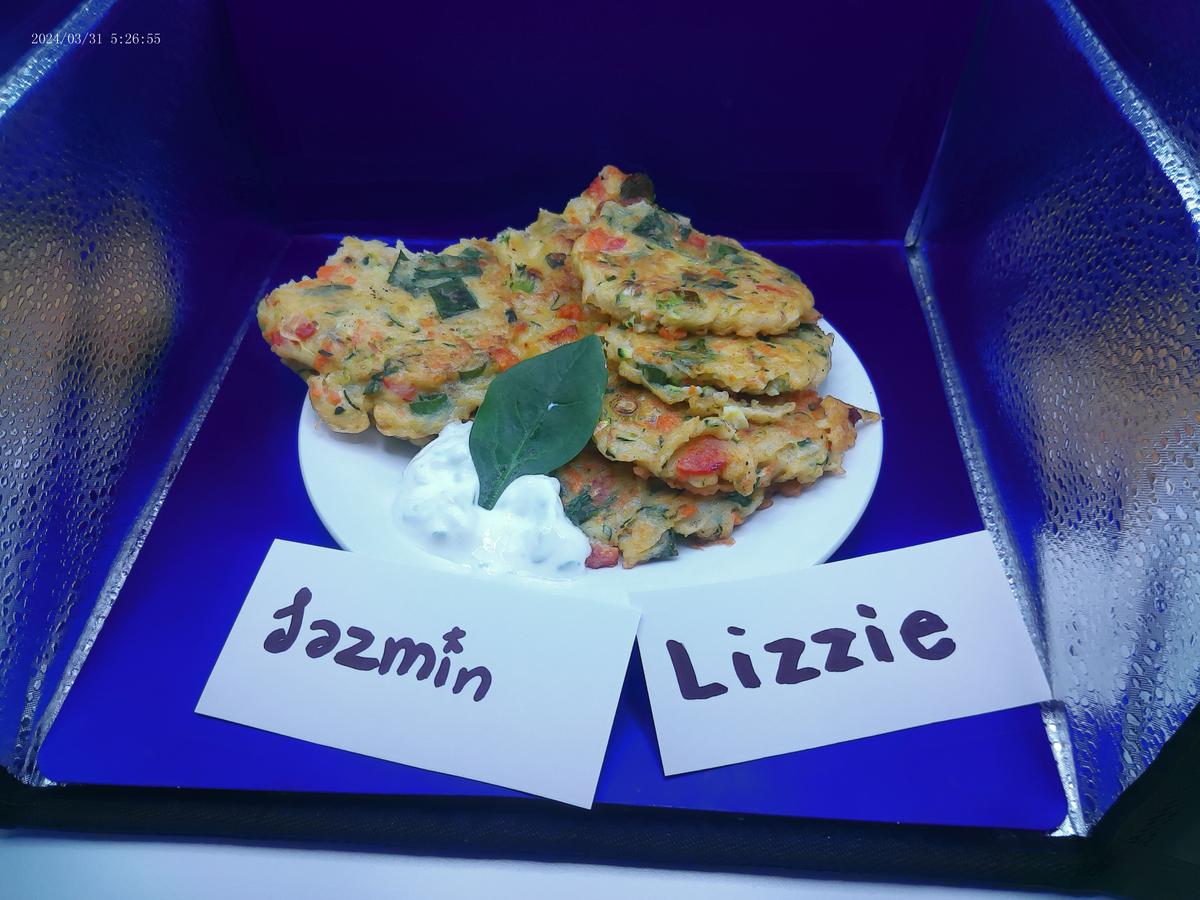
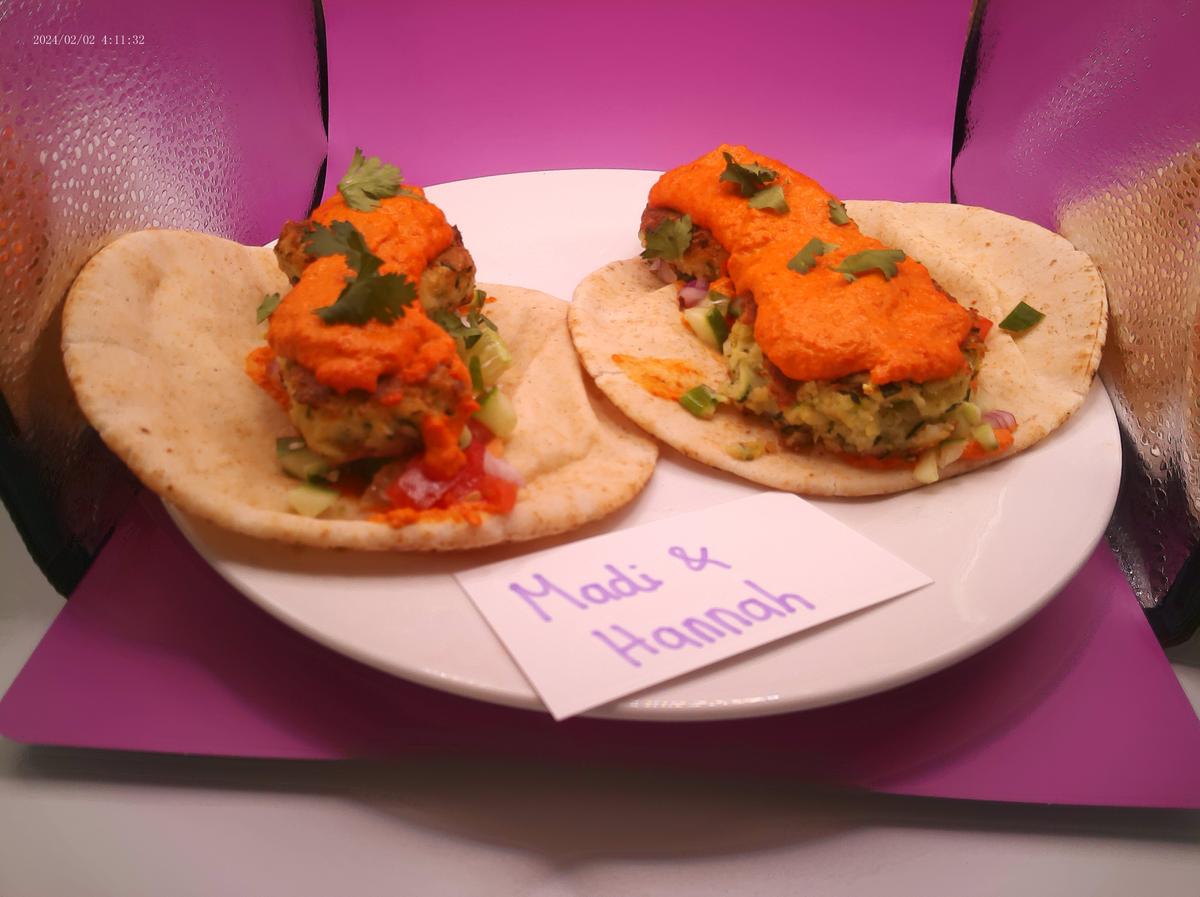
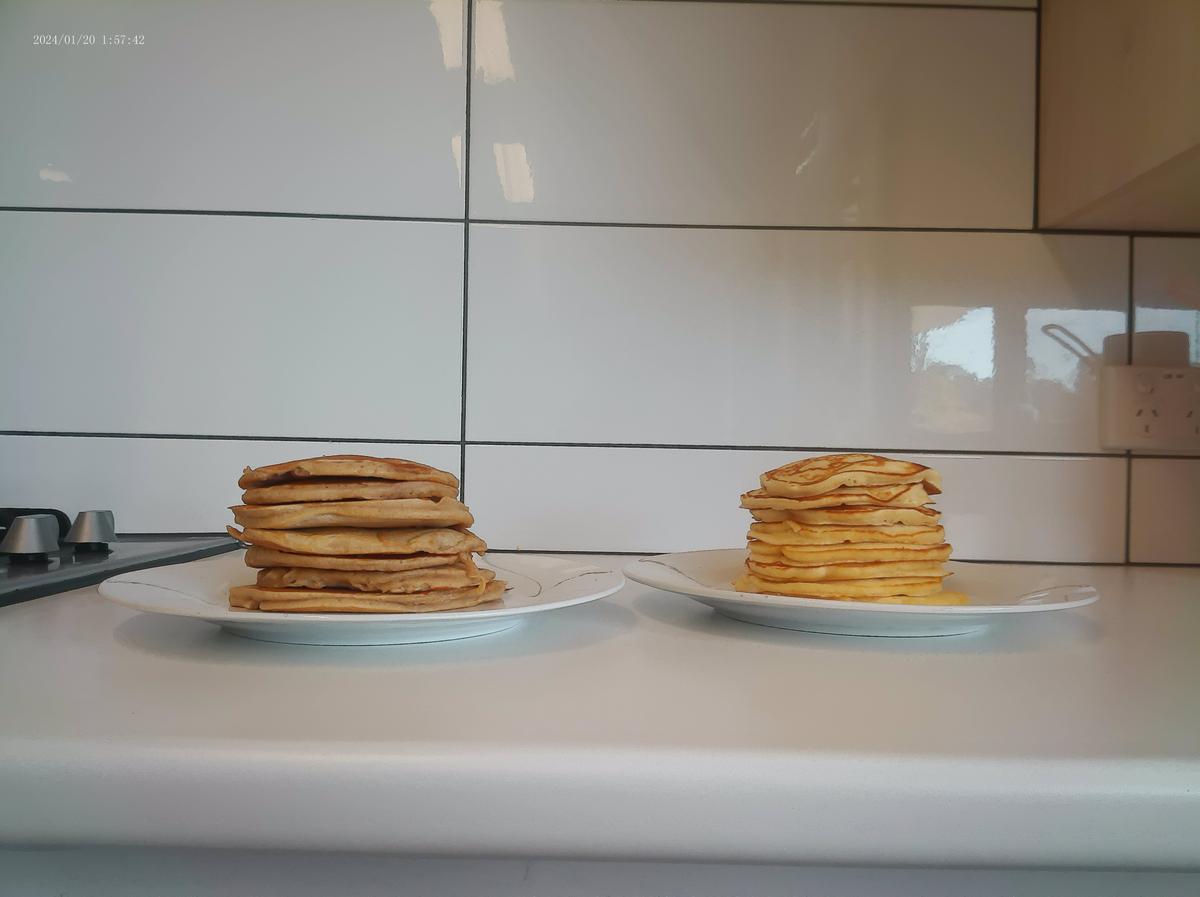
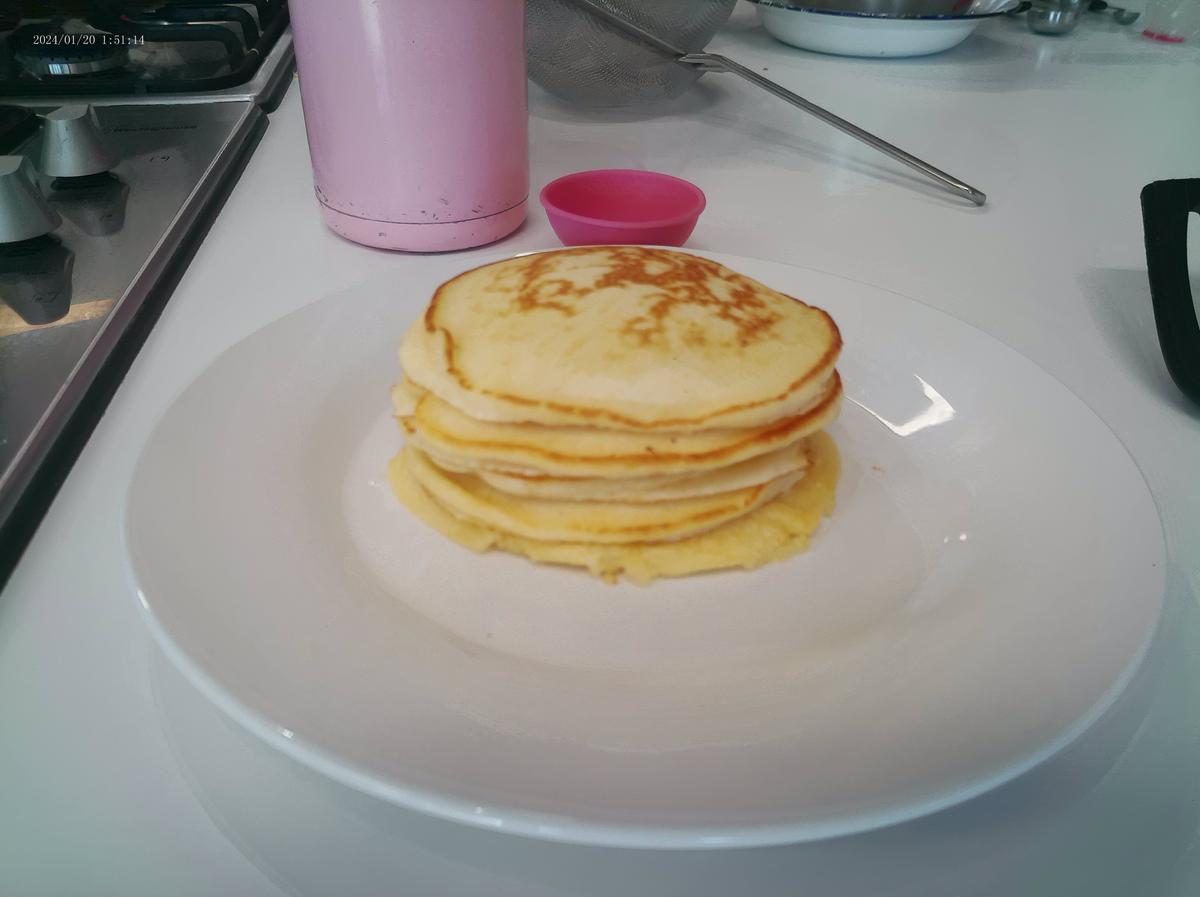
In 2025, Food Studies at Korumburra Secondary College has been a dynamic, hands-on journey of flavour, creativity, and real-world learning for our Year 7–10 students. Across the year, students explored how food influences personal wellbeing, community health, and global food futures, while developing strong practical skills in planning, preparing, and evaluating meals.
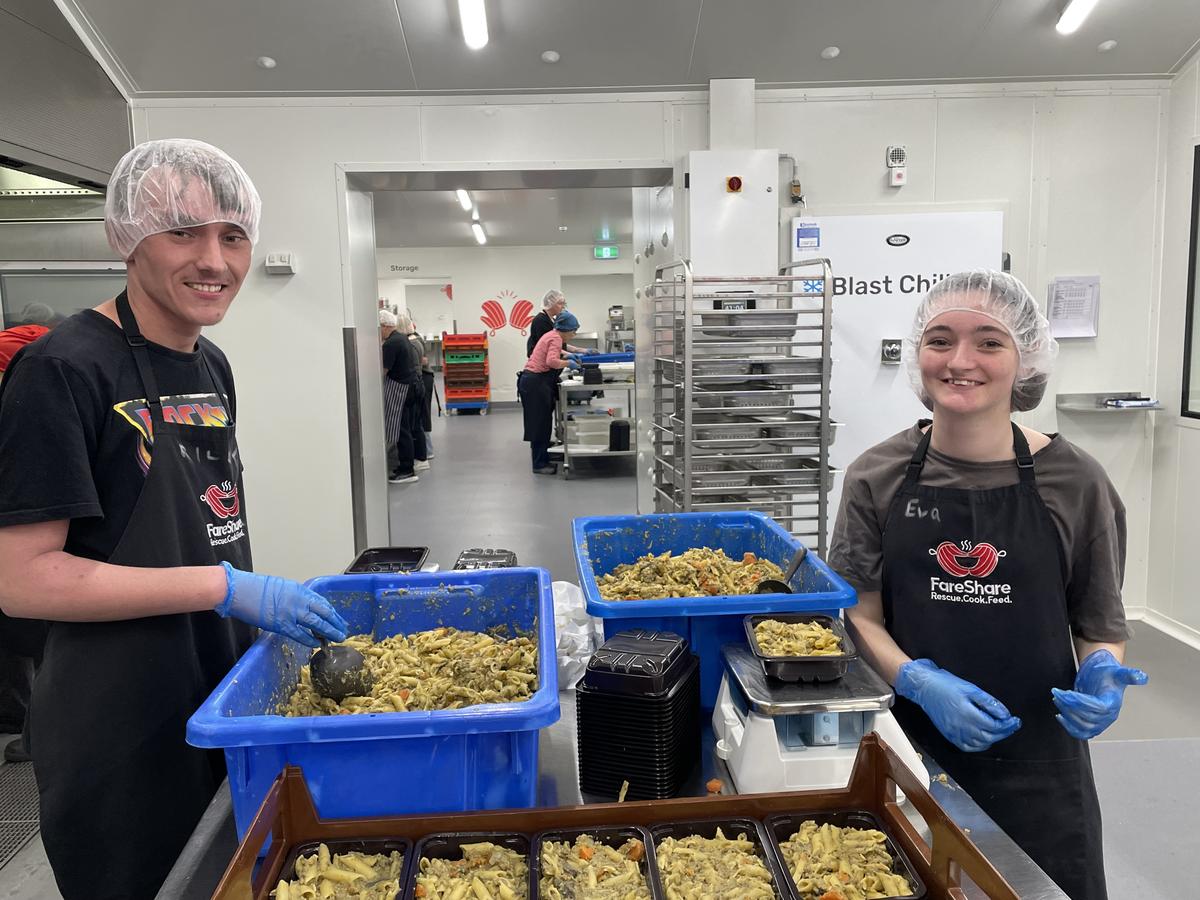
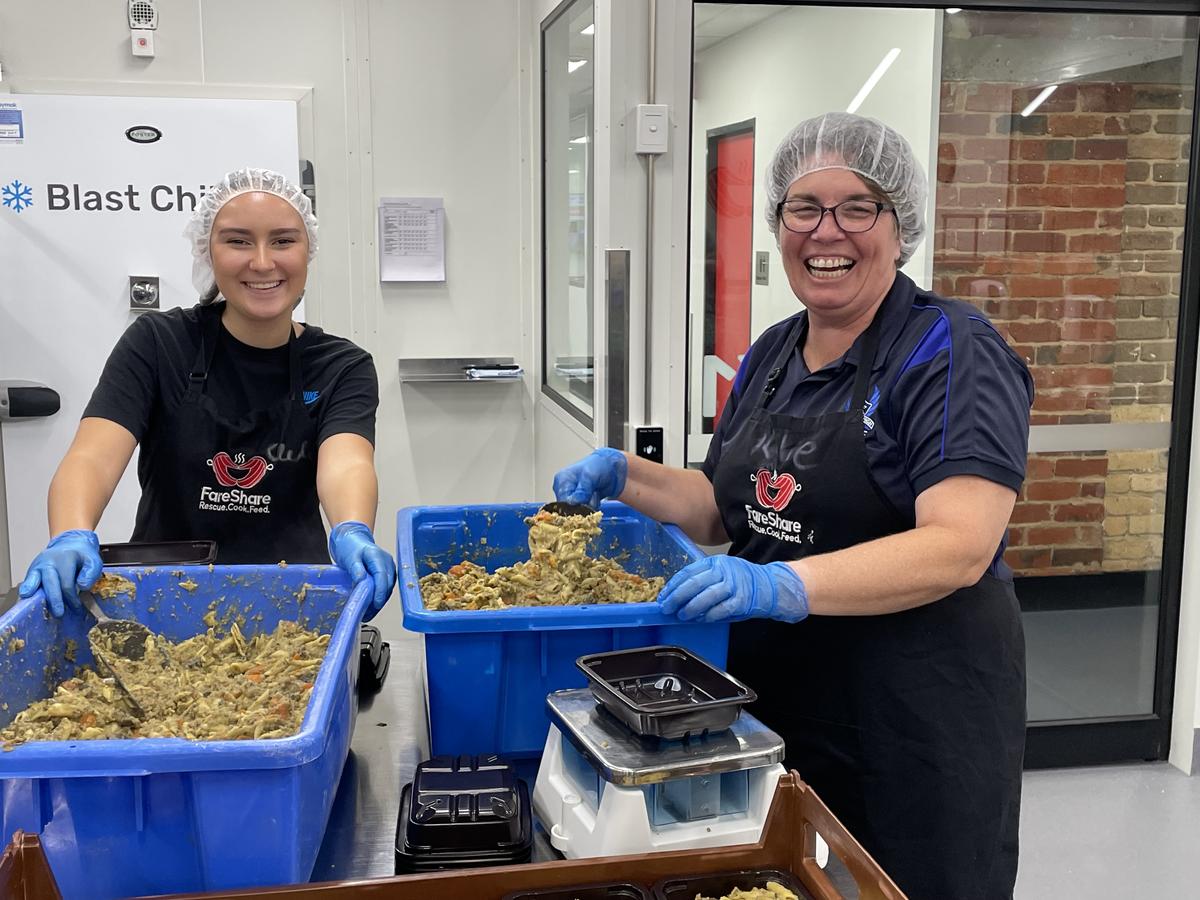
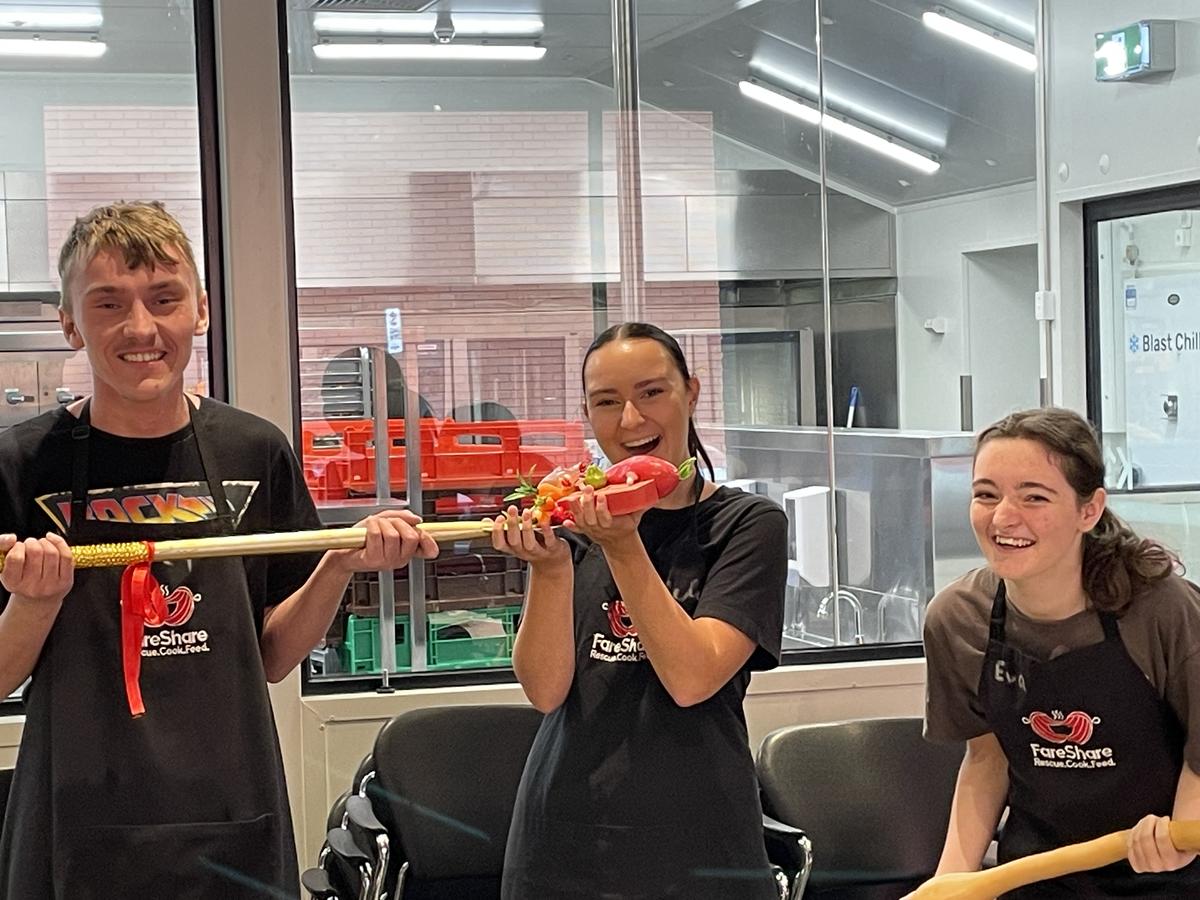
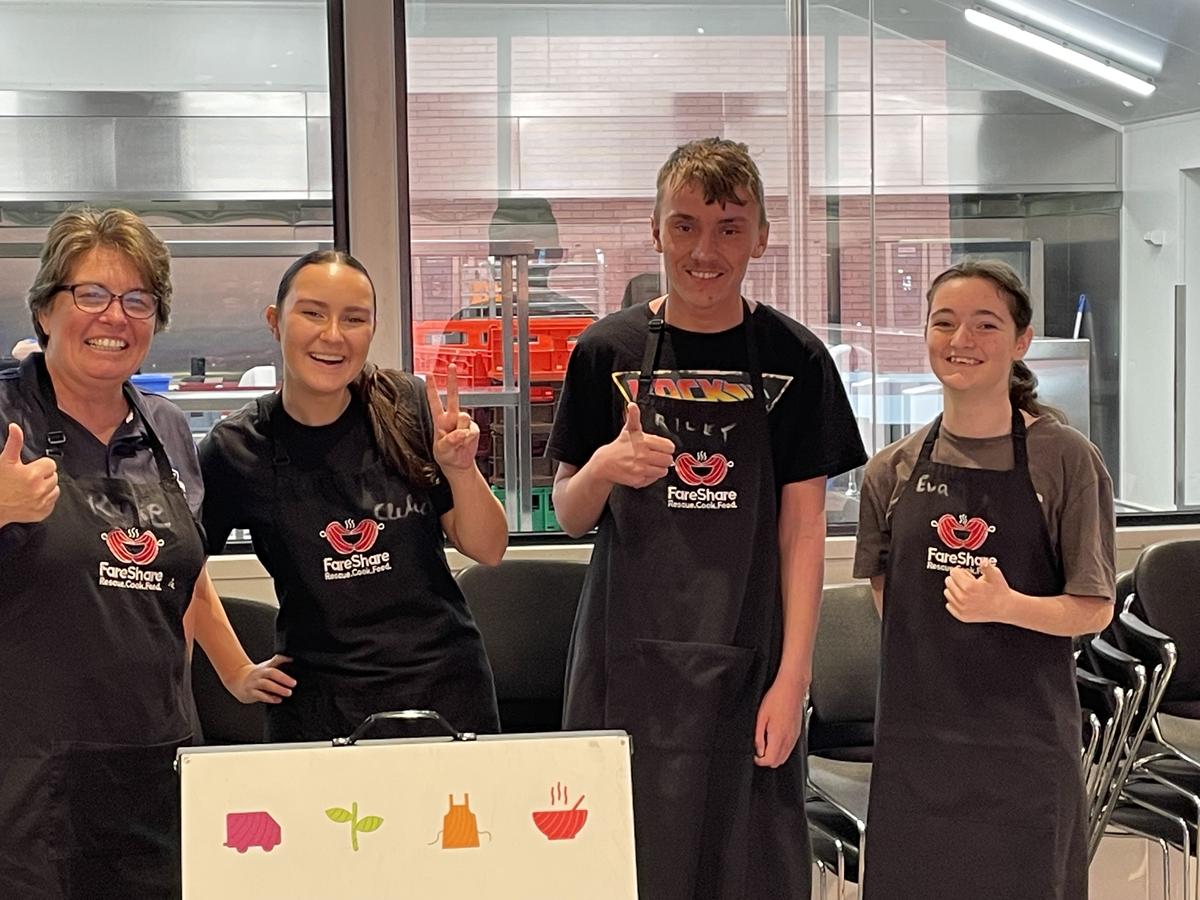
A major highlight this year was our connection to community causes. Students partnered with local charities and food-support organisations, using their skills to help provide nutritious meals and meaningful food experiences for people in need. These opportunities not only strengthened students’ understanding of food security, but also encouraged empathy, teamwork, and responsible citizenship.
Industry engagement also played a key role in our program. Students gained insights into food production, hospitality pathways, sustainable practices, and emerging food technologies through guest speakers, demonstrations, and hands-on workshops. These experiences deepened their understanding of food systems and expanded their view of future career possibilities.
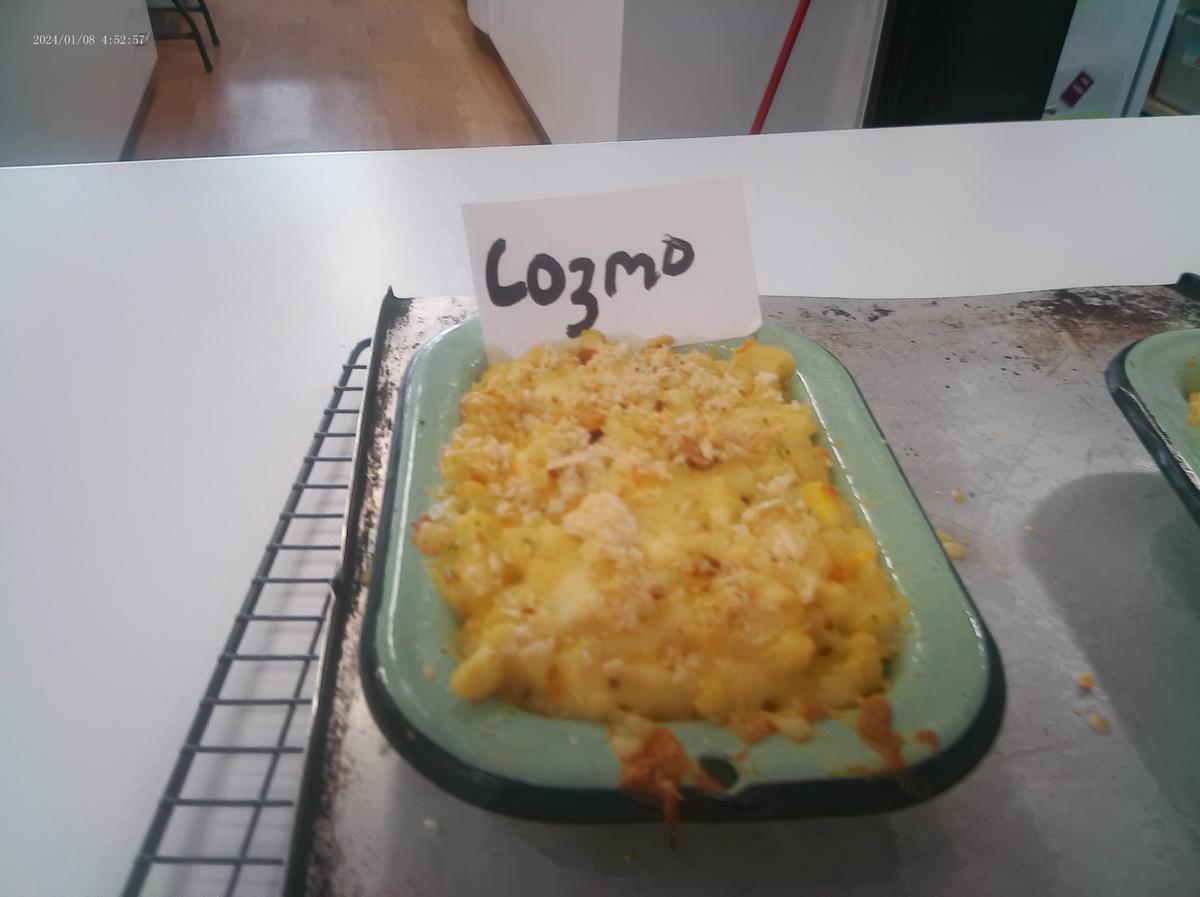
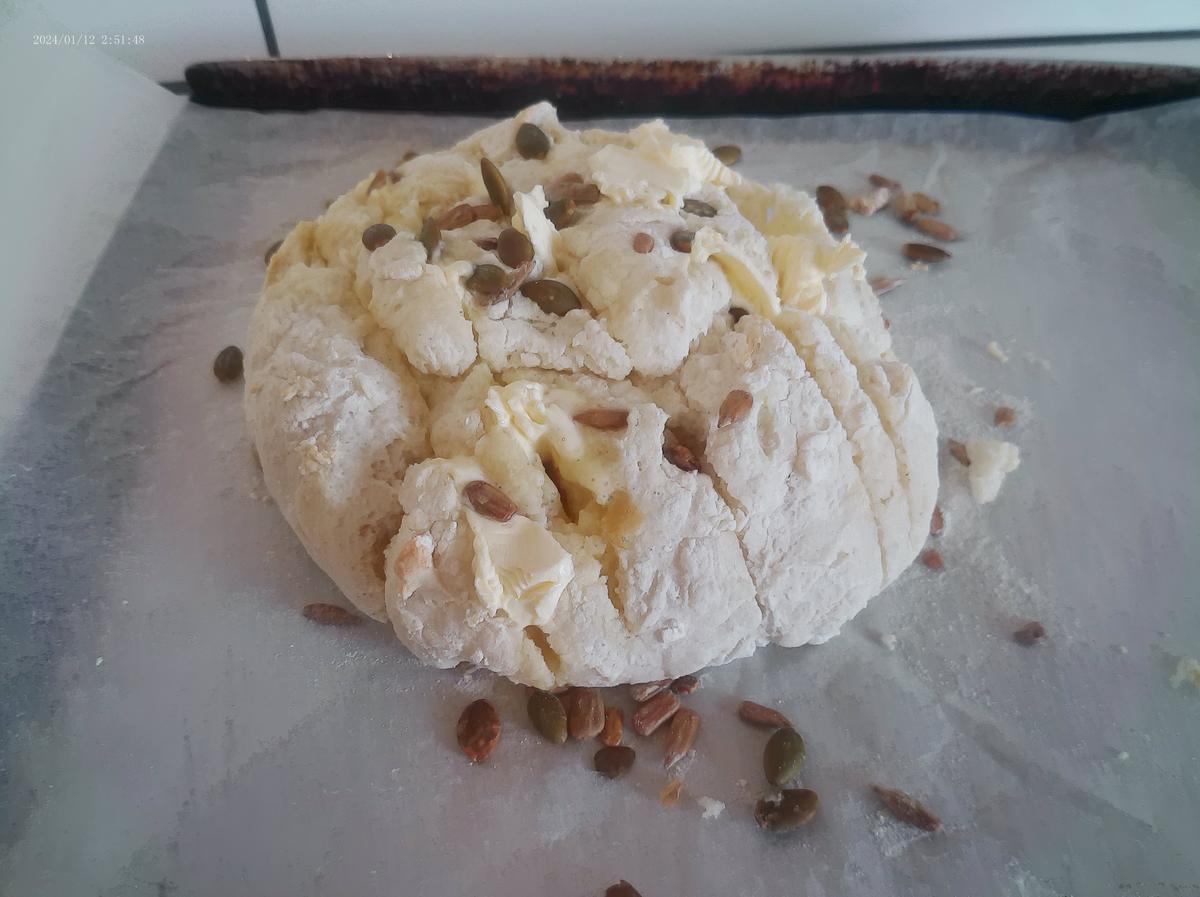
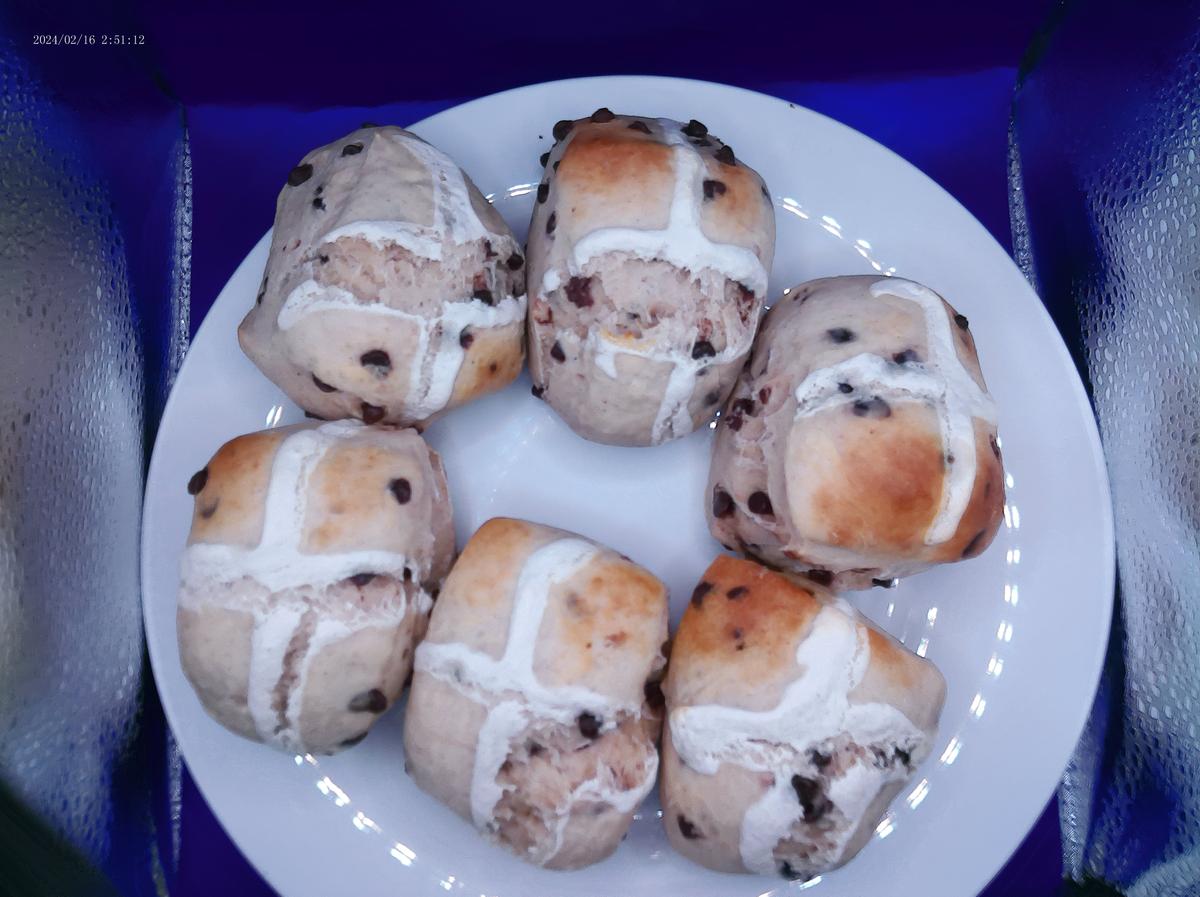
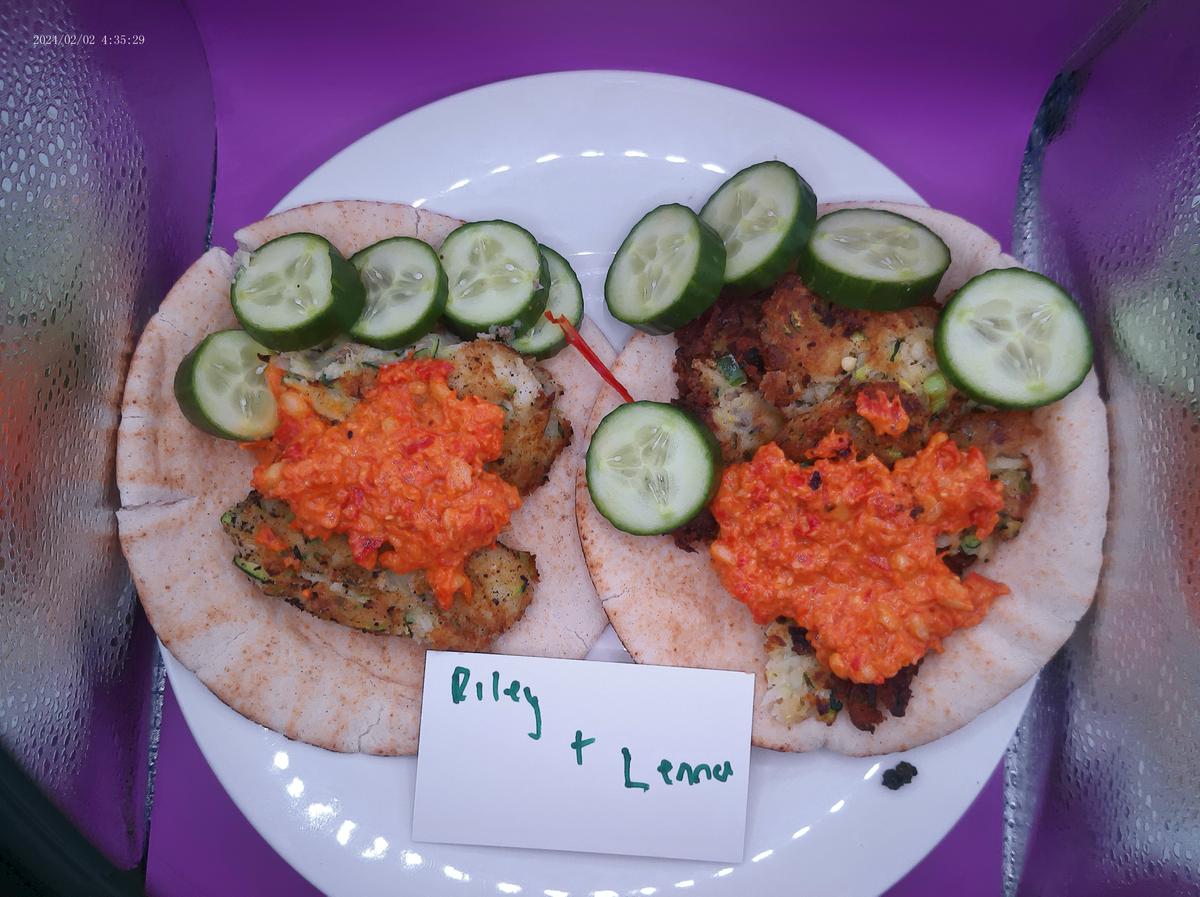
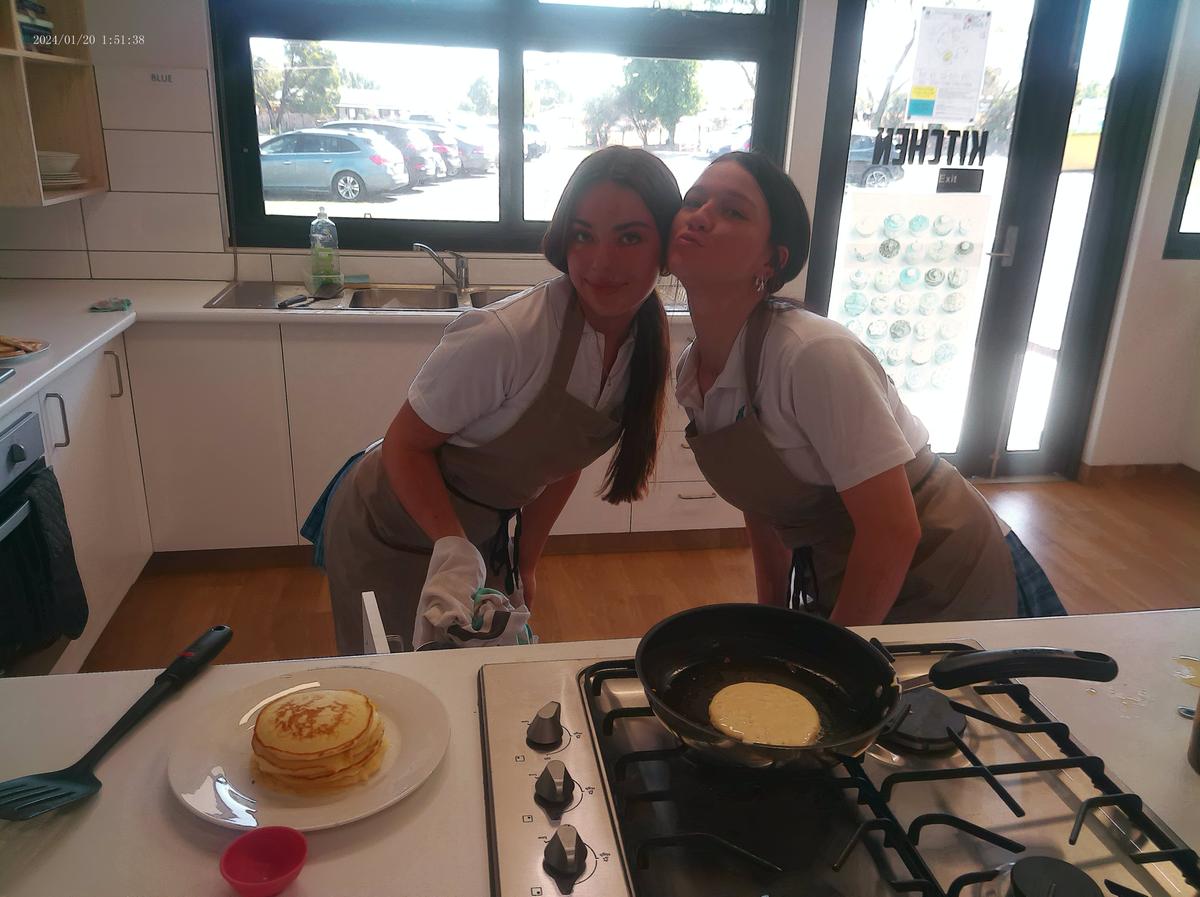
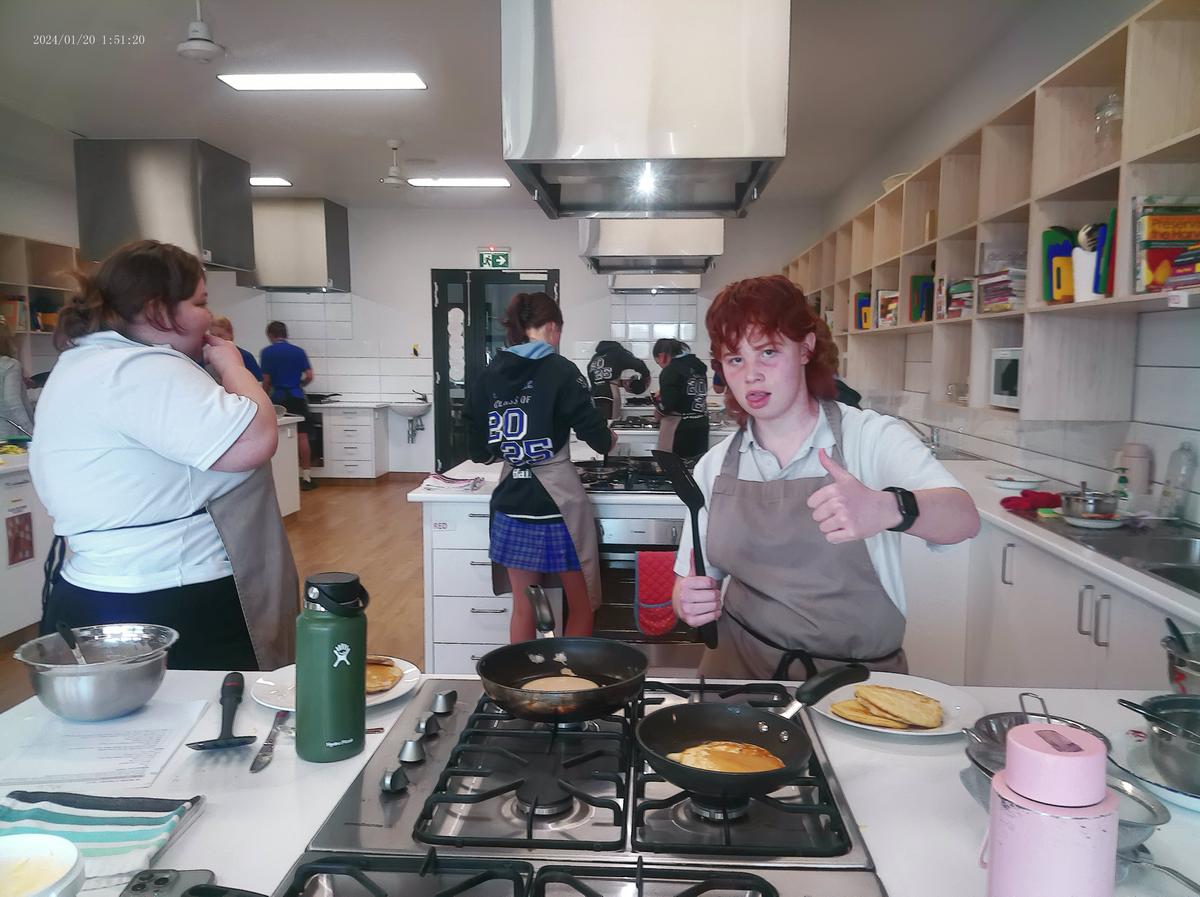
In the kitchen, students cooked with confidence—working safely, hygienically, and creatively as they experimented with techniques to produce delicious, beautifully presented dishes. From foundational skills in Year 7 to more complex challenges in Year 10, our learners impressed with their innovation, problem-solving, and pride in their work.
Food Studies at KSC continues to be a vibrant and inspiring space where students discover the power of food to connect, nourish, and create positive change.