
Resource Centre
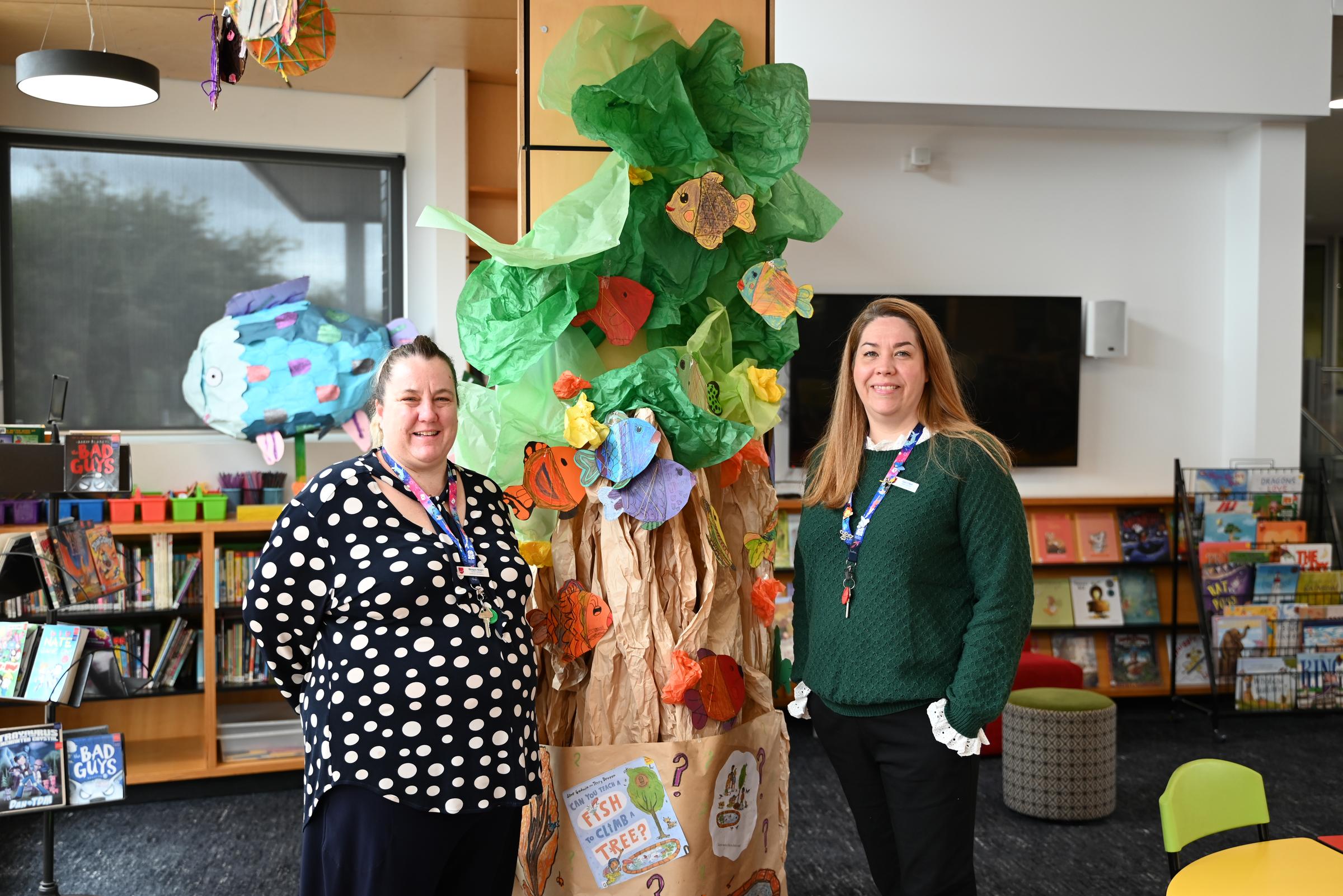
As this term draws to a close, I would like to take the time to express my gratitude to Alex Kent, Carys Owen, Morag Donnan, Evie Townrow, Lila Hosking, Evie Armstrong and several Year 8 students who have supported Ms O'Neill and me in completing tasks over the term. These tasks include covering books, cleaning and shelving books, assisting with making our Luna Roo masks for the National Simultaneous Storytime, weeding our junior fiction collection, locating Premier’s Challenge books for Years 3 and 4, and setting up displays.
Looking ahead to Term 3, we are excited for a number of upcoming events, including the Book Fair, Book Week Character Parade and much more.
New Arrivals
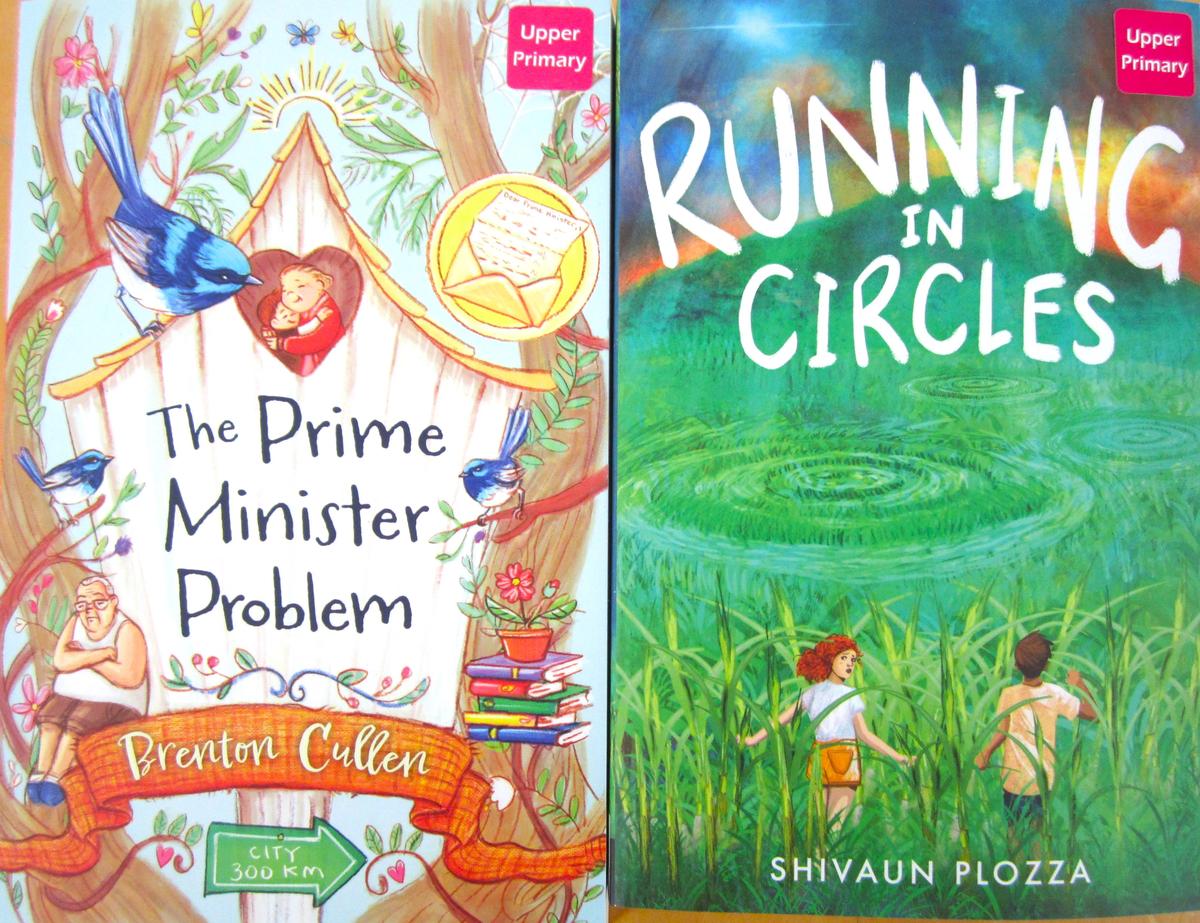
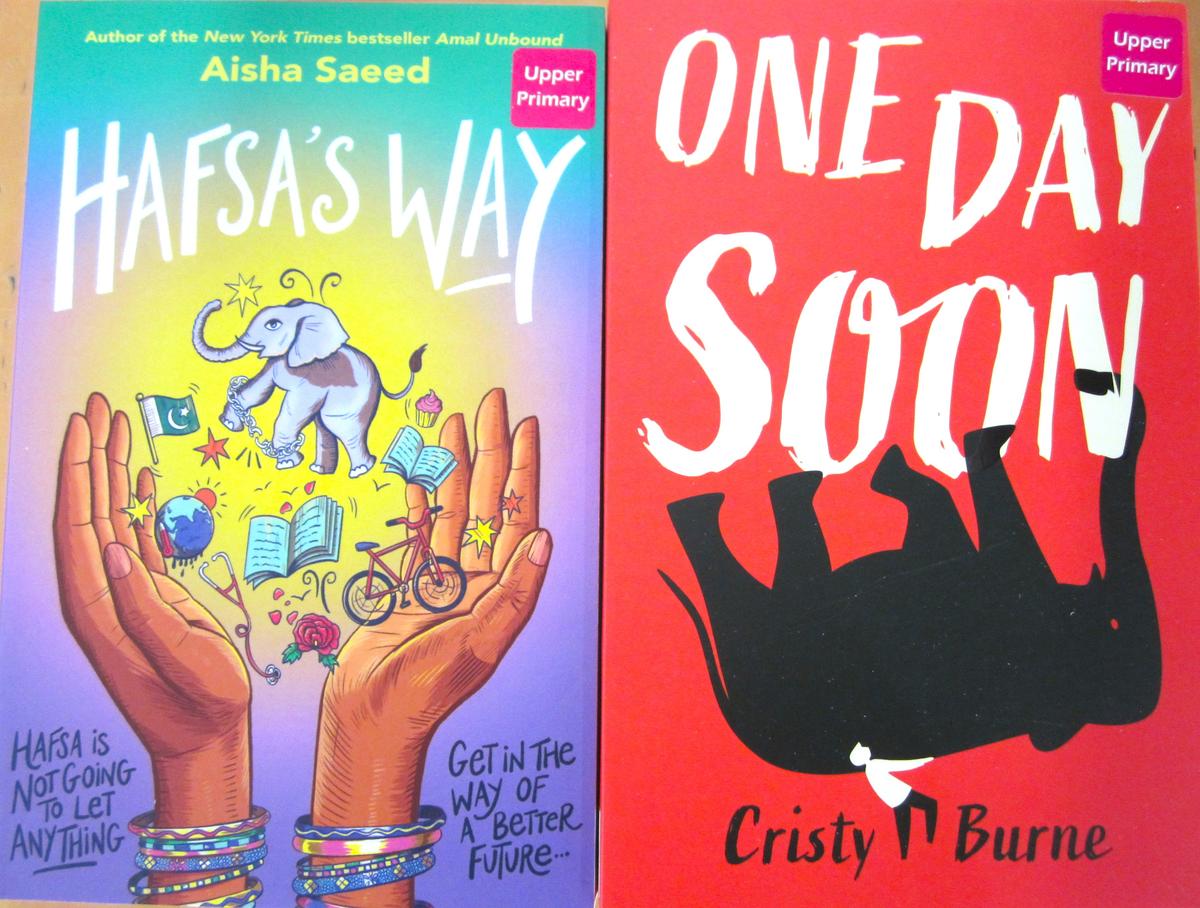
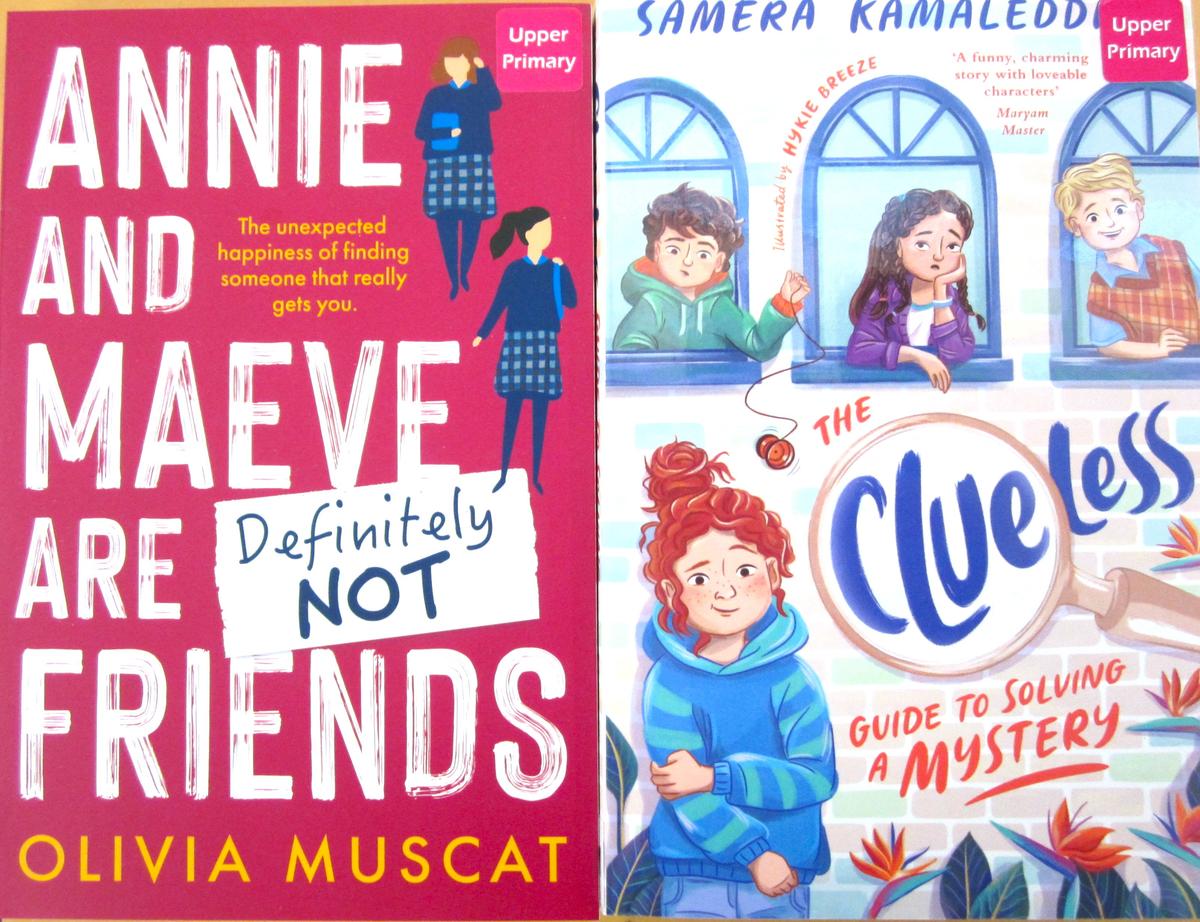
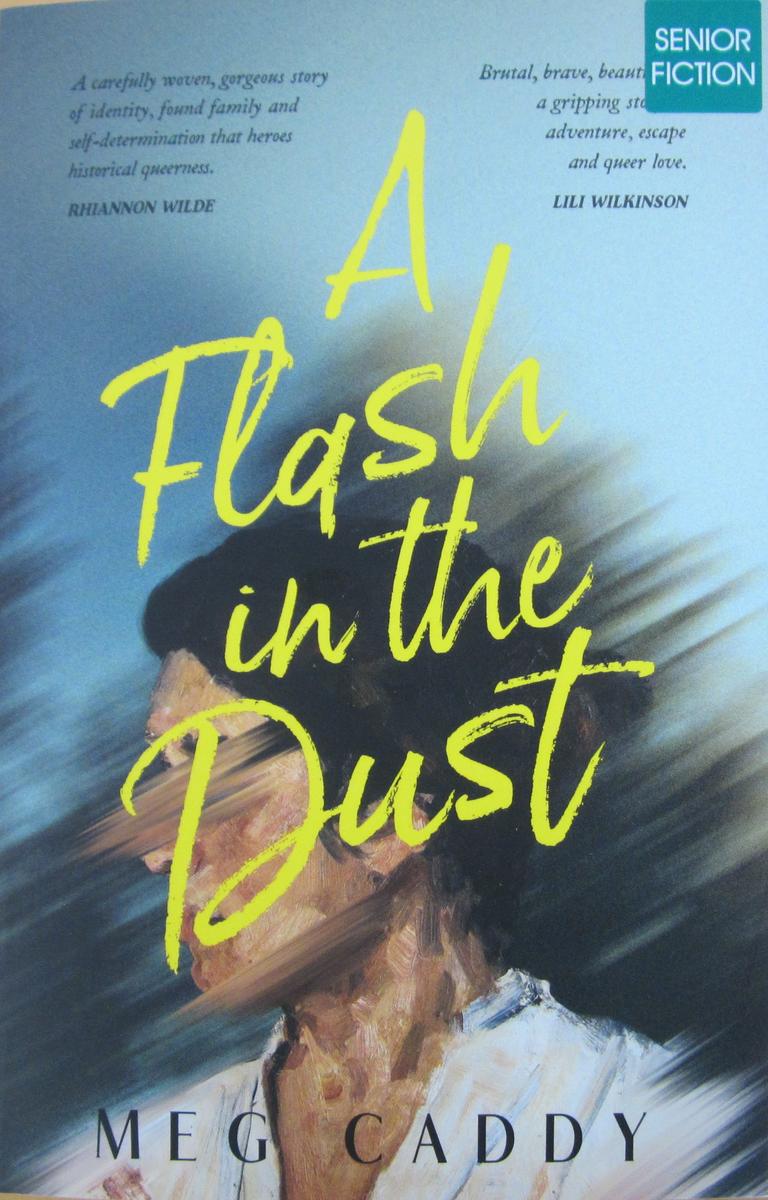
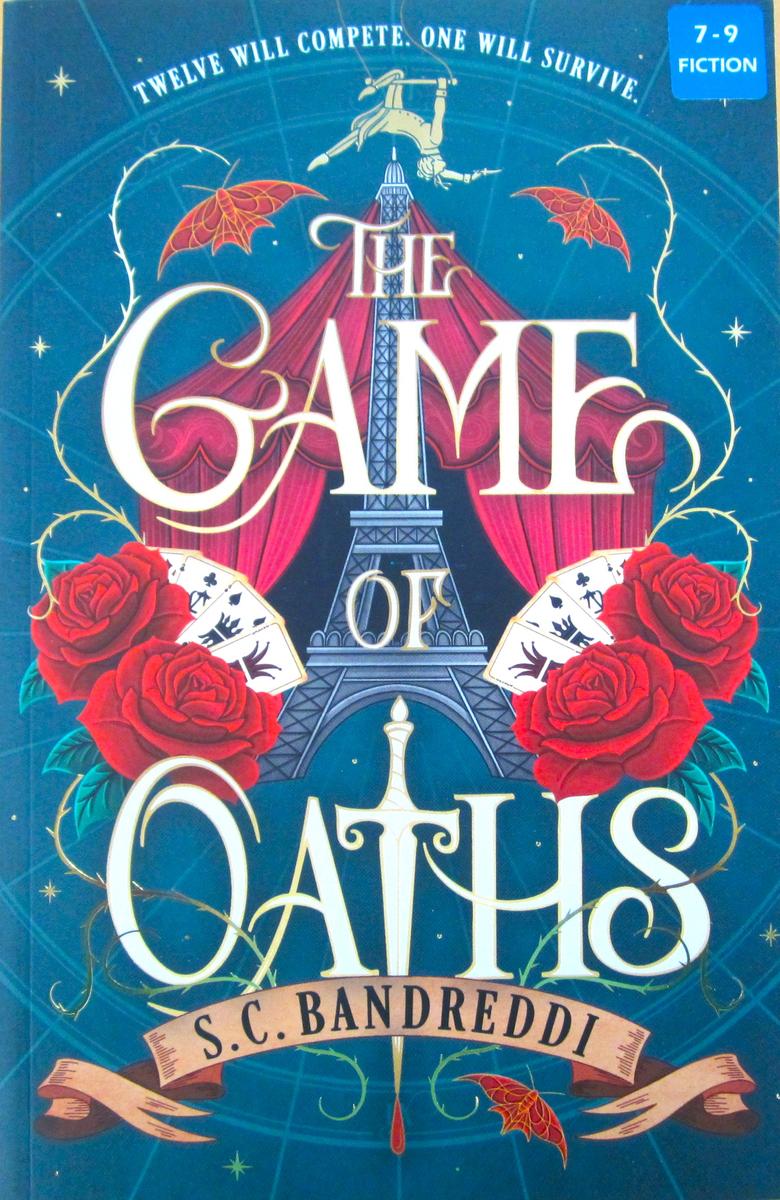
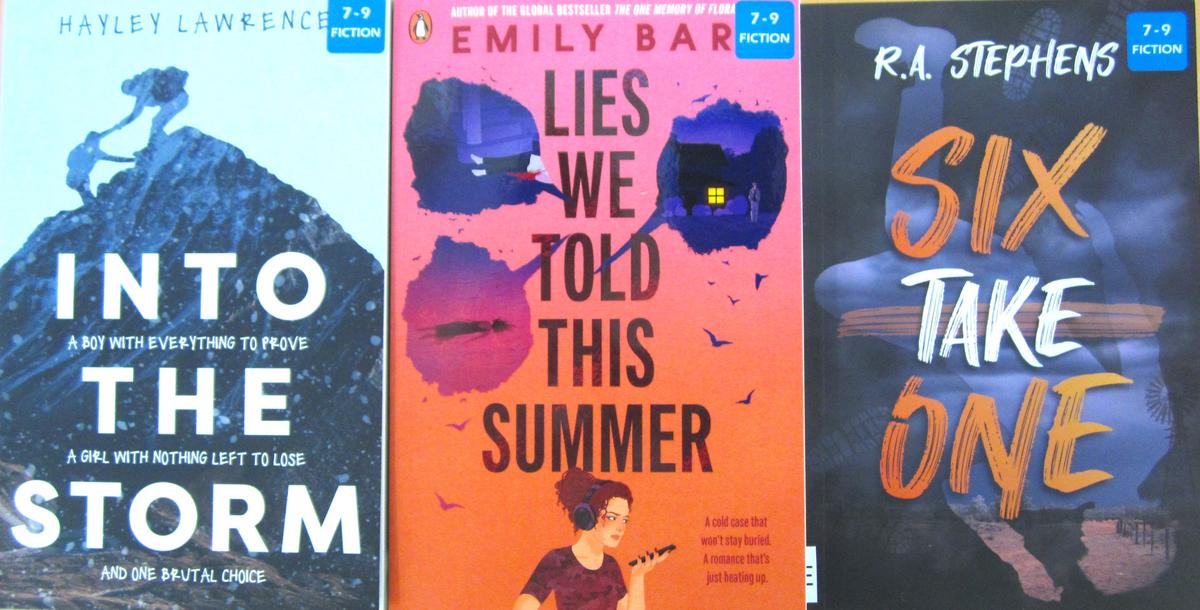
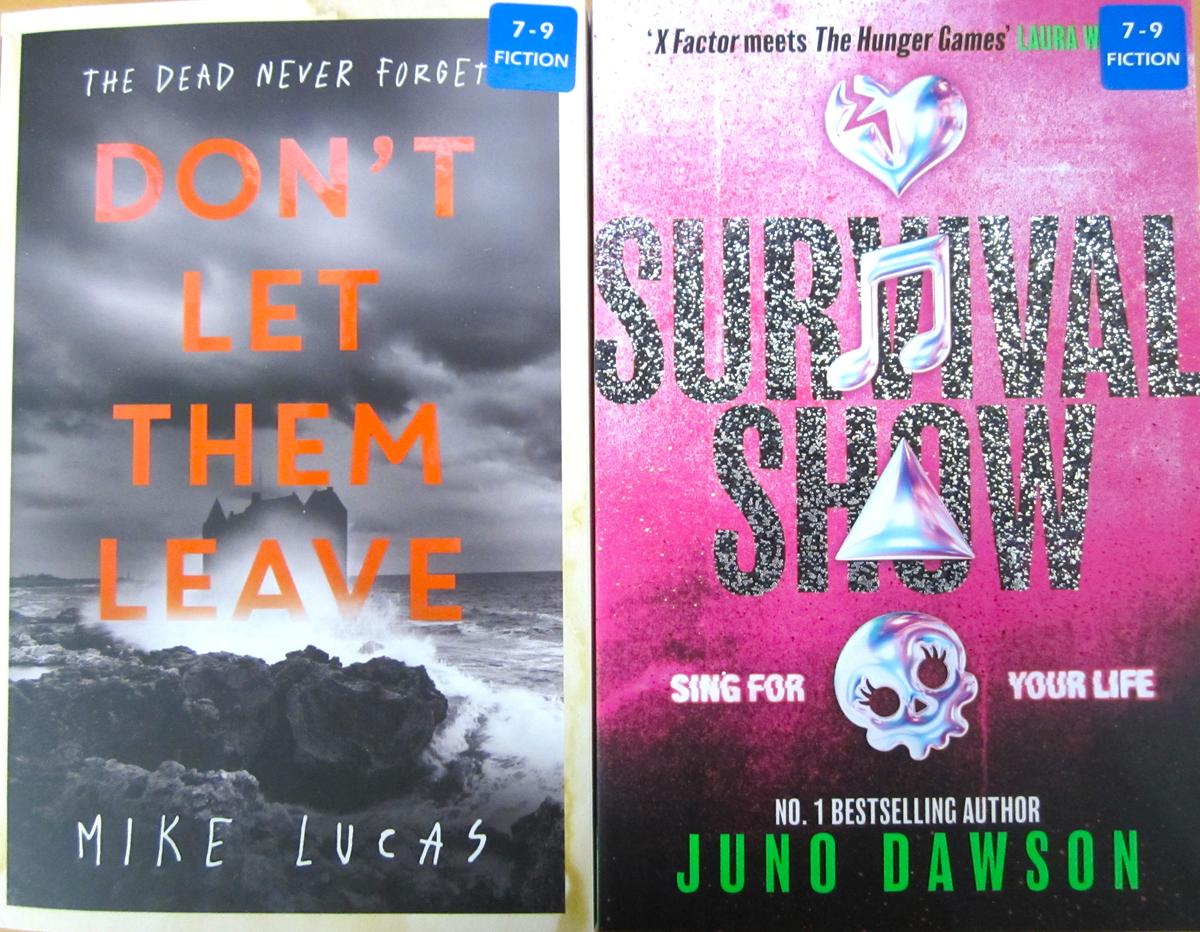
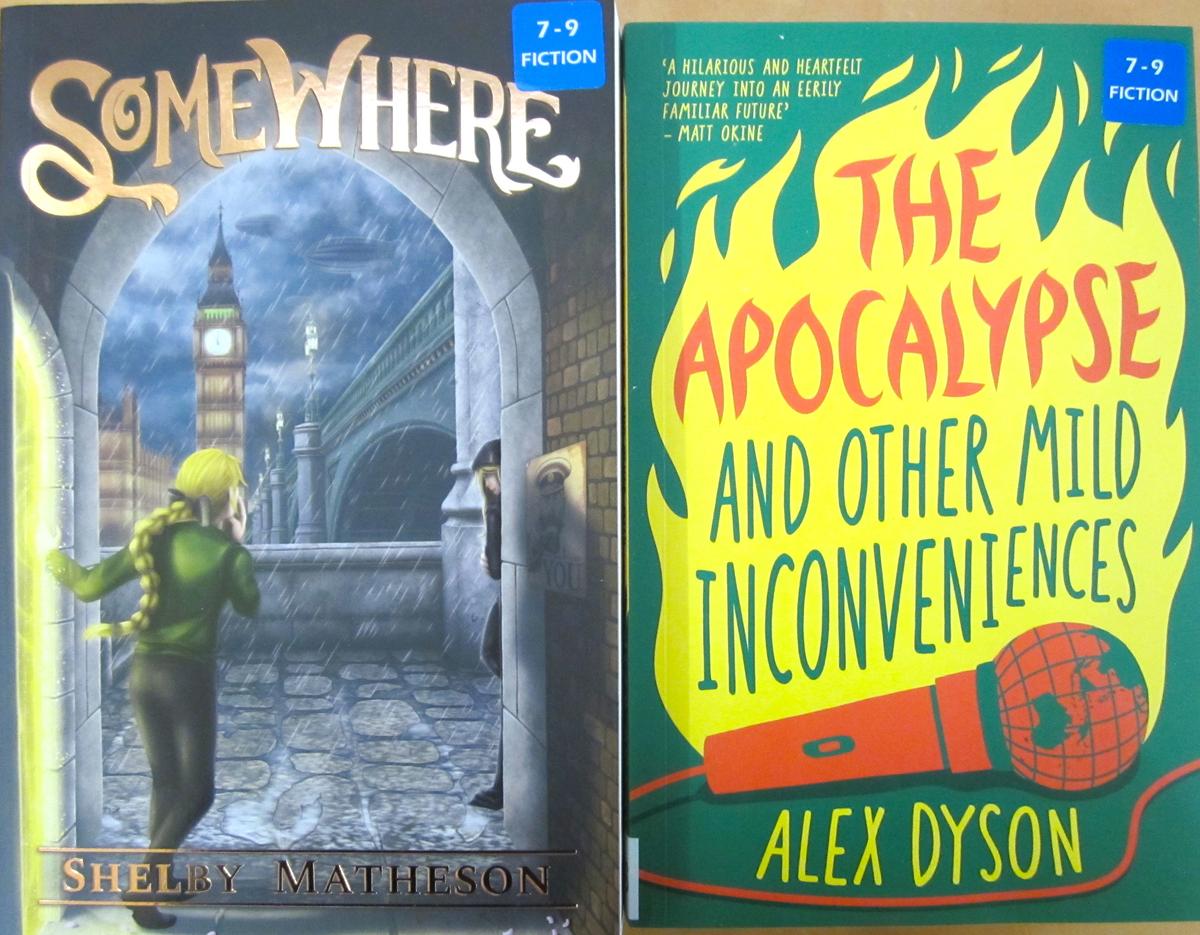
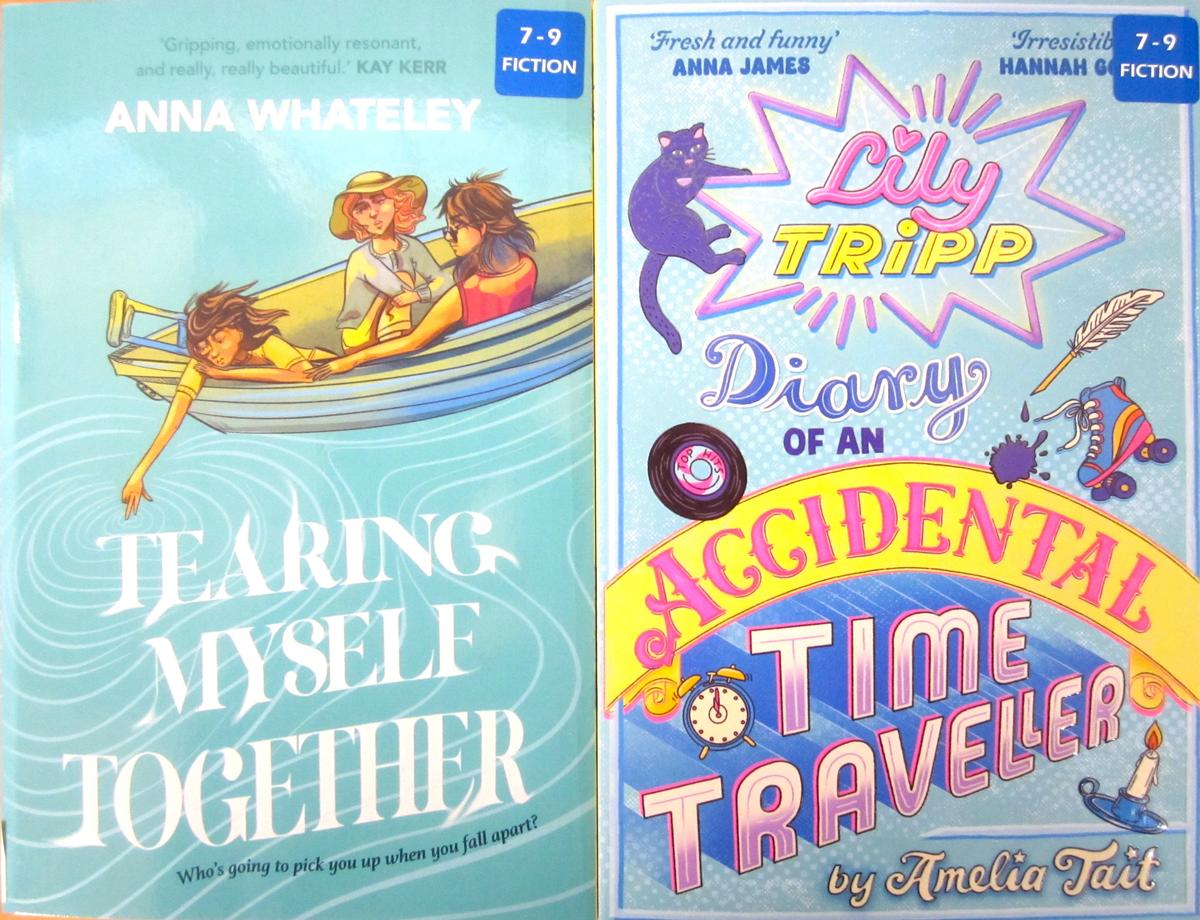
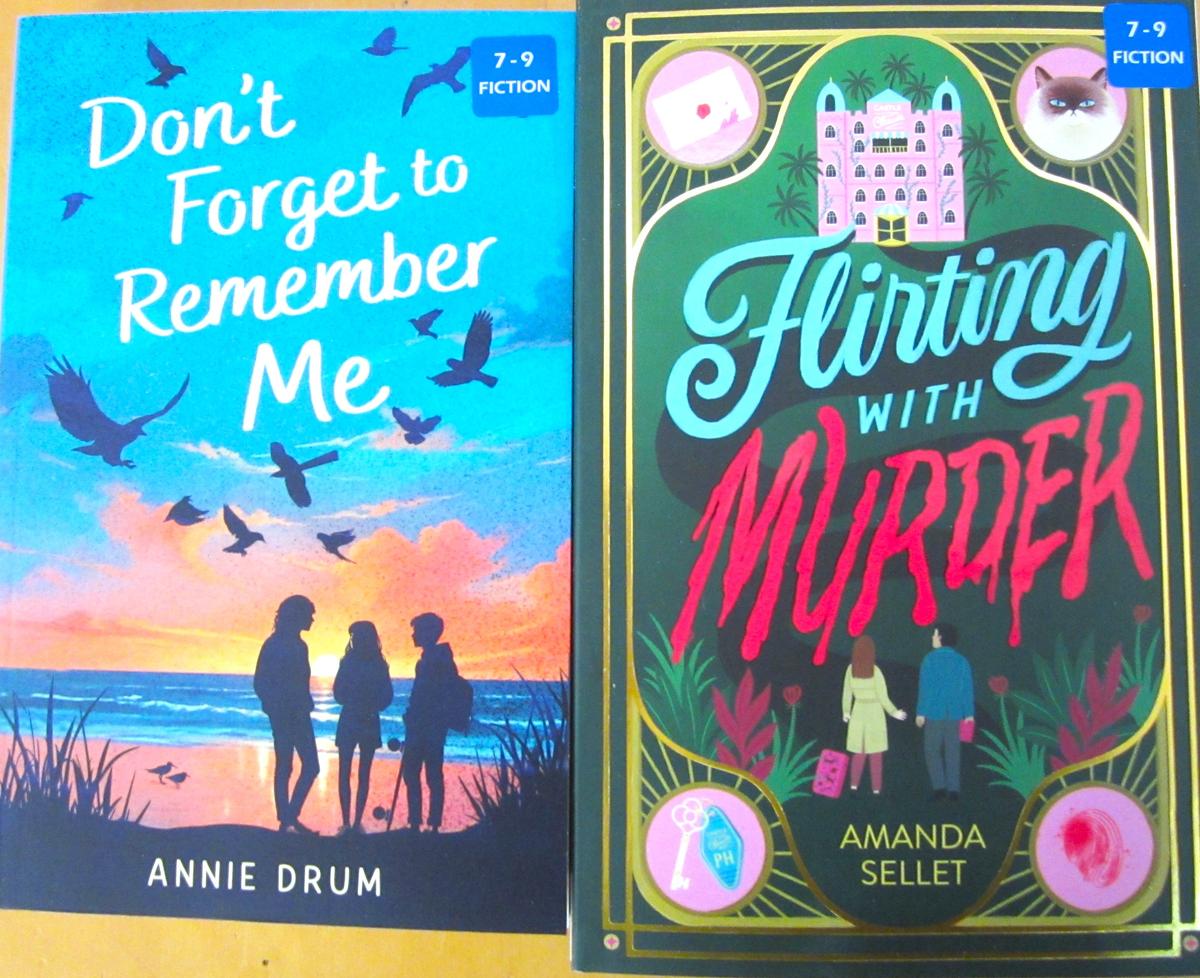
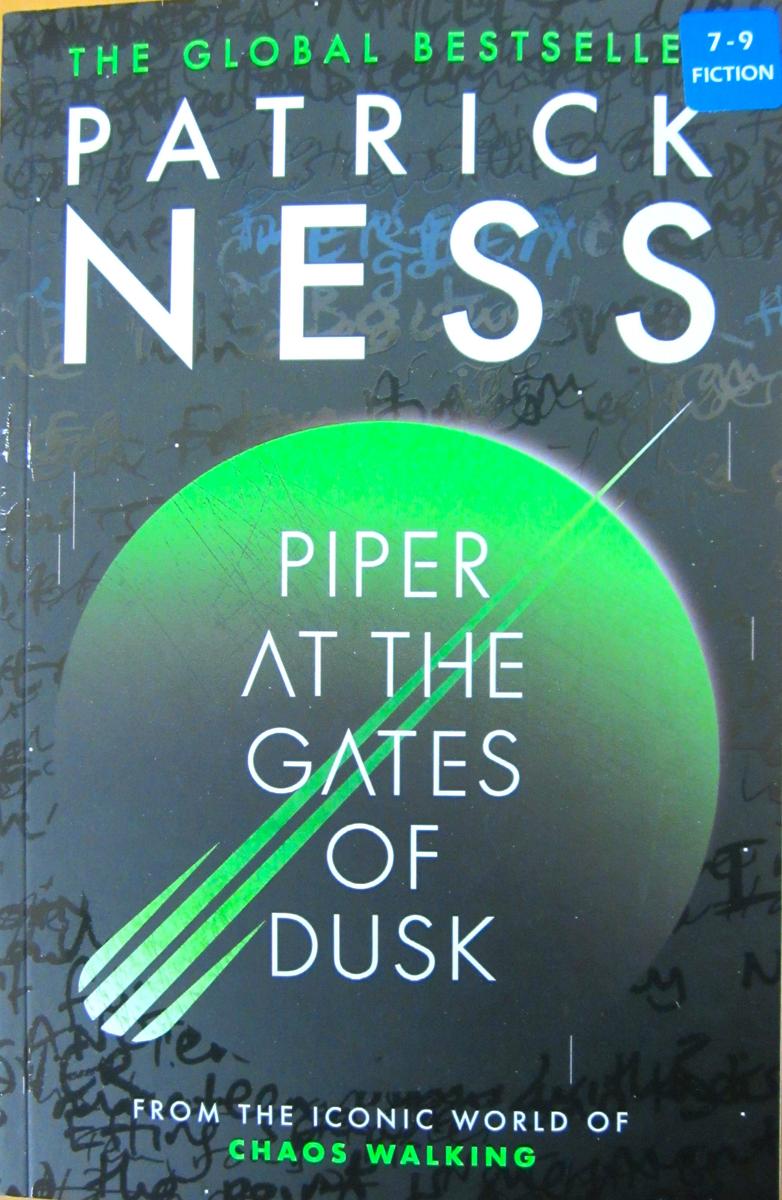
We have recently received our latest Lamont standing order delivery, along with a selection of great new releases for ages 7 to 9. These books are now available on our library shelves. Make sure to come and explore.
Overdue Notices
This year, we are issuing a mid-year reminder regarding overdue books. We would greatly appreciate your assistance in locating any outstanding items and returning them to the Resource Centre.
If your child believes they have already returned their books, please ask them to speak with the Library staff so we can resolve the matter. Alternatively, you can contact the team via email at library@moamagrammar.nsw.edu.au.
Return of our Boomerang Library Bags
If your child has been provided with a bag to assist with borrowing books, we kindly ask that it be returned to the Resource Centre.
Reading Series
In the first newsletter of this term, I mentioned that there are 15 posters displayed in the outward-facing window of my office, each highlighting the benefits of reading. In Week 4, as part of our focus on how reading helps us, this newsletter explored how reading supports us in real life, helping us relate to others and understand emotions, building our understanding of new words, improving our writing skills, and encouraging us to be more willing to try new things.
Helps in Real Life: Building Empathy and Understanding Emotions
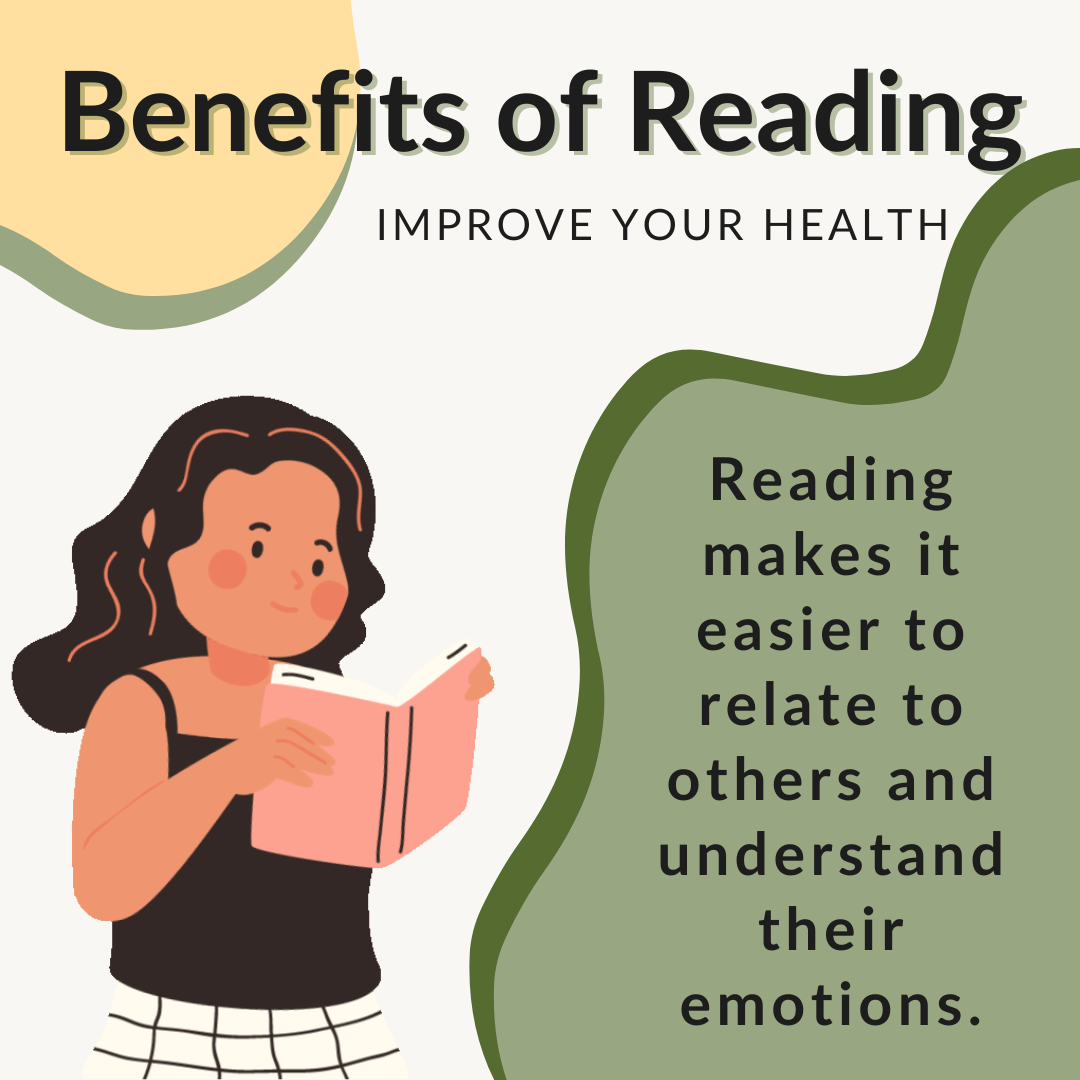
Reading is far more than a literacy skill; it is a powerful way for children to understand themselves and others. When students engage with stories, they are given the opportunity to step into the lives of different characters, experiencing a range of feelings, challenges and perspectives. This helps to build empathy, an essential life skill that supports positive relationships both in and beyond the classroom.
Research shows that reading, particularly fiction, helps young people to recognise and interpret emotions. As students follow characters through a variety of situations, they begin to understand why people feel and act as they do. This strengthens their ability to relate to others and respond with care and compassion. Stories also provide a safe space for children to explore complex emotions such as sadness, fear, joy and resilience, helping them to identify and manage these feelings in their own lives.
Studies have further highlighted the positive impact of reading on mental health and wellbeing. Story reading, especially when centred on positive themes, can support emotional development and help students build effective coping strategies. Reading has also been linked to reduced stress levels and improved emotional regulation, enabling students to feel calmer and more confident in managing their emotions.
Authors and reading advocates such as Megan Daley and Sarah Mackenzie emphasise that regular exposure to rich, meaningful texts nurtures emotional intelligence. Through shared reading experiences, discussion and reflection, students learn to articulate their thoughts and feelings more effectively, while also valuing the perspectives of others.
At school, we promote reading not only for learning, but for connection, connection to ideas, to emotions, and to one another. Whether through a picture book, a novel, or a shared class text, every reading experience is an opportunity for students to develop empathy and understanding.
We encourage families to support reading at home by discussing books together. Asking simple questions such as “How do you think the character felt?” or “What would you do in that situation?” can make a meaningful difference in helping children build emotional awareness.
Together, we can foster a love of reading that not only strengthens literacy, but also nurtures kind, thoughtful and emotionally aware young people.
Reading in Real Life: Improving Vocabulary and Writing
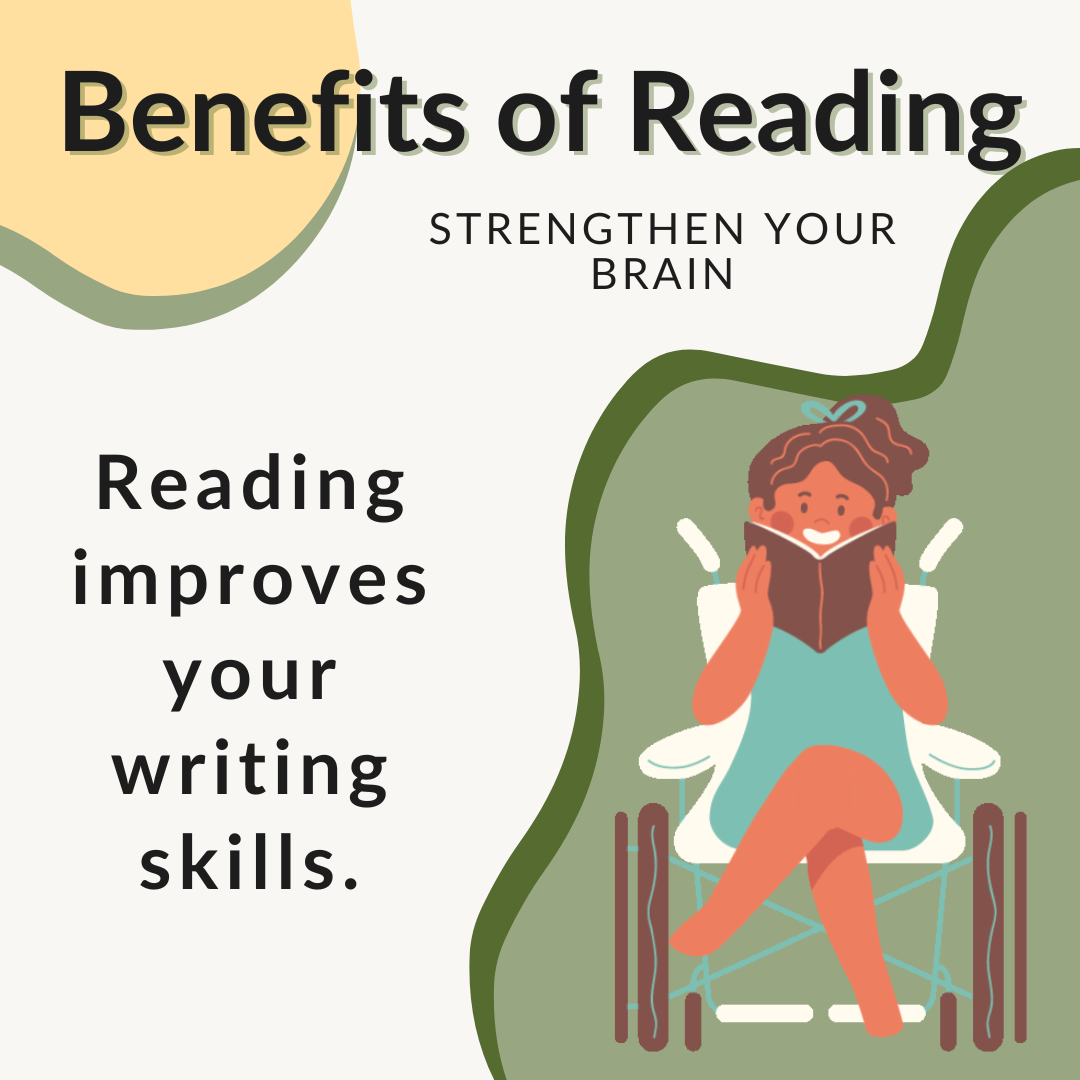
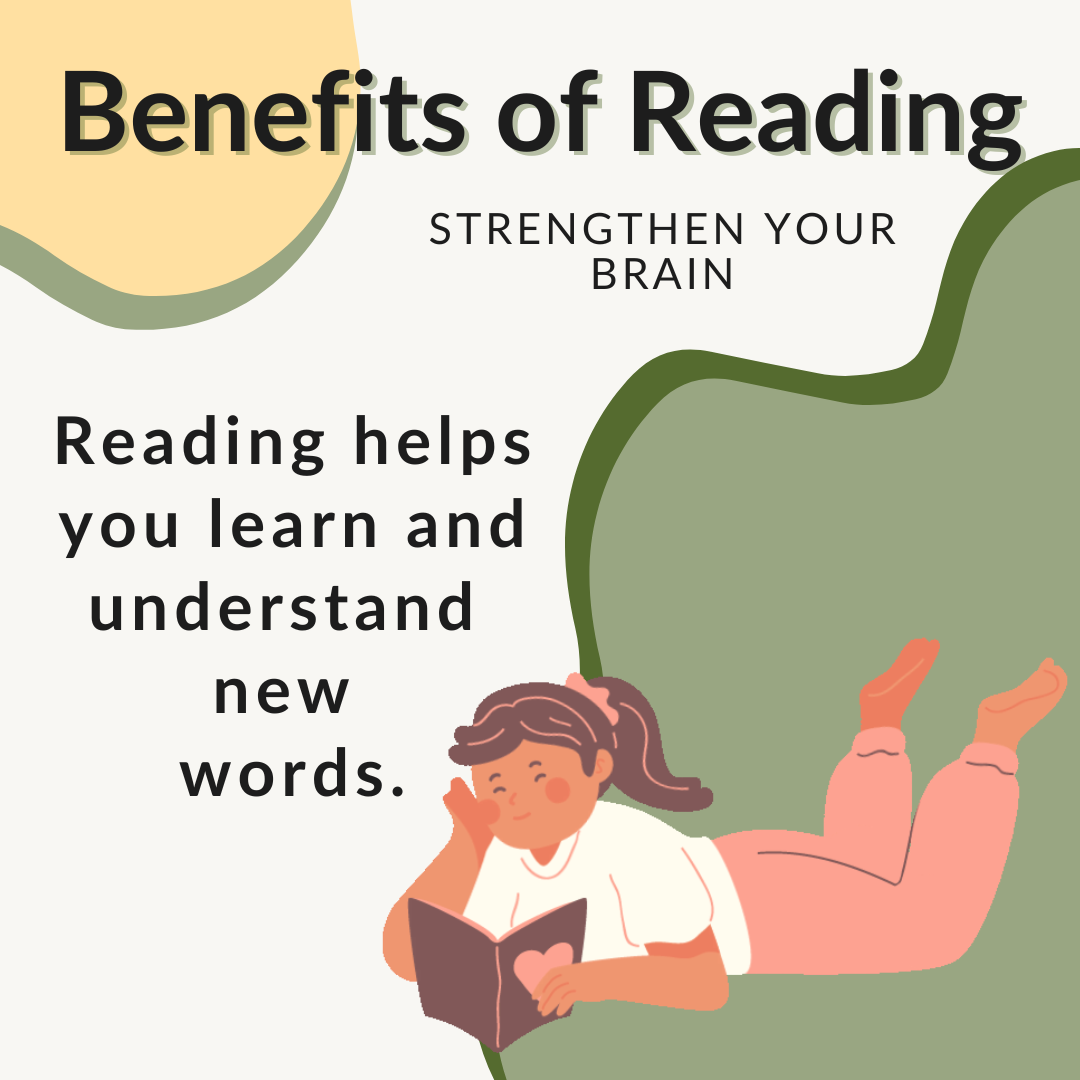
Reading in real life improves both vocabulary and writing skills by exposing individuals to new words, sentence structures and ideas. As one source explains, “Words are seeds, and reading waters the garden of language”, highlighting how regular reading nurtures language growth. When people read consistently, they develop a deeper understanding of language, which supports clearer communication in both speaking and writing.
Reading and writing are closely connected and cannot be separated. The practice of one strengthens the other. Through reading, children and learners gain insight into how authors craft their work. They are exposed to a range of genres, styles, tones and vocabulary, which helps them understand how different texts are structured and communicated. This exposure not only builds technical writing skills but also inspires creativity, giving learners ideas and confidence for their own writing.
Importantly, even small amounts of daily reading can have a powerful impact. Reading for just 15 minutes a day can expose students to around one million more words each year, significantly building vocabulary, literacy skills and background knowledge. This idea is reinforced by research into the million-word gap, which shows the dramatic effect of early reading experiences. By age five, children who rarely read can hear only 4,662 words, while those who read daily hear 296,660 words, and those who read five books a day hear an extraordinary 1,483,300 words. This creates a gap of over 1.4 million words between children in literacy-rich environments and those with limited access to books. These findings highlight how regular reading builds a strong foundation for language development and literacy success.
In addition, reading strengthens writing ability by modelling correct grammar, varied vocabulary and different styles of expression across diverse genres, including fiction, non-fiction, poetry and digital texts, each offering unique purposes and ways of communicating. Over time, these experiences help develop confident, capable writers who can effectively express their ideas in real-life contexts.
Reading in Real Life: Trying New Things
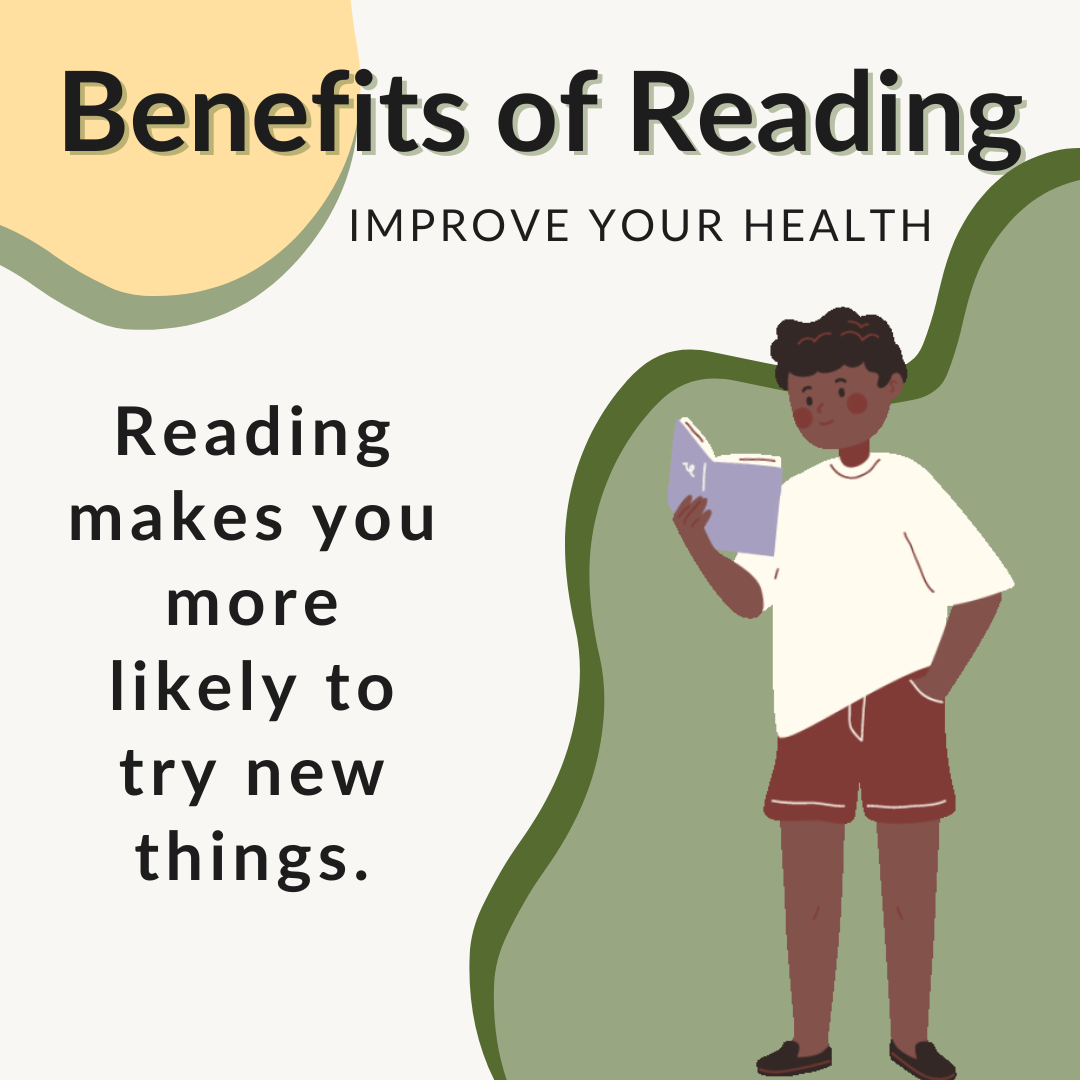
One of the most valuable benefits of reading is that it helps us learn new things. No matter what someone wants to explore, there is always a book available to guide and inspire learning. Through reading, students are introduced to new ideas, perspectives and possibilities that may not otherwise be part of their everyday experiences.
Reading can also influence real-life choices in meaningful ways. People often learn practical skills and gain new knowledge from books, such as developing healthy habits, understanding finances, exploring travel opportunities or discovering new interests. These experiences show how reading can extend beyond enjoyment and become a powerful tool for personal growth.
Importantly, reading encourages a willingness to try new things. Stories allow readers to imagine different paths and possibilities, often sparking curiosity and confidence. You never know what new passion or hobby might emerge from a simple story, or how one idea could lead to a significant change in your life. Many people experience a shift in perspective after encountering a powerful text, opening the door to new opportunities and experiences.
This is something we see in our own school community. I have enjoyed watching one of our students borrow cookery books and, while reading, request sticky notes so that during library lessons, the student can begin creating shopping lists. Similarly, a Year 1 student regularly borrows cookery books to share with family, thoughtfully asking whether the recipes are suitable for coeliac diets so that meals can be prepared safely for a loved one with a food allergy. These are just two examples of how reading encourages students to apply their learning in real-life contexts and to try new things.
This idea is also reflected in literature itself. As Katherine Arden writes, “Wild birds die in cages”, reminding readers of the importance of curiosity, freedom and exploring beyond what is familiar. Reading nurtures this mindset, encouraging students to embrace new challenges and grow.
At school and at home, promoting reading is therefore about much more than literacy. It is about helping students to discover new interests, build confidence and develop the courage to try something new in real life.
Book Fair and Parent-Teacher Interviews

As we head into the school holidays, I am beginning to look forward to our annual Book Fair, which will be held alongside our Primary School Parent-Teacher Interviews on 27 and 28 July.
I am currently seeking volunteers to assist with setting up the Book Fair on Thursday 23 July.
Any support would be greatly appreciated.
Students will have the opportunity to visit the Book Fair before it opens for sales. Each class will be given time to walk through the displays and create a wish list, which will be sent home for discussion with families. This allows students to explore a range of books and consider their reading interests before making any purchases.
Premier’s Reading Challenge
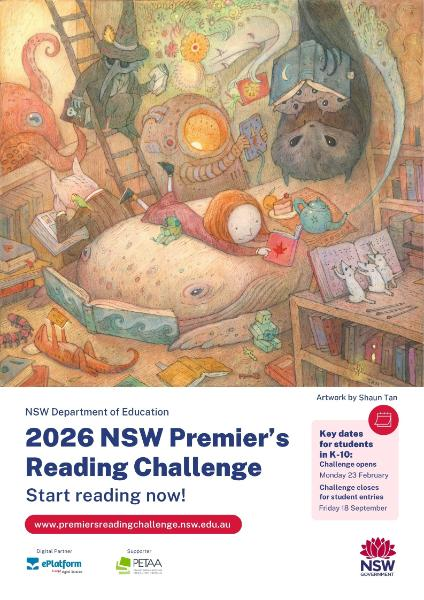
Key Dates
Challenge opens: 23 February
Challenge closes: 18 September
Once student passwords are received, we will communicate these through your child’s diary or via email. I am currently registering students who are new to the PRC NSW and hope to have login credentials issued soon to all those waiting.
Finding Books for the Challenge
There are several easy ways for you and your child to locate books from the PRC Booklist:
Through Your Child’s PRC Account
Once logged in, students can access a direct link to the booklist for their Challenge level (K–2, Years 3–4, Years 5–6, Years 7–9, Years 10+).
On the PRC Website
You can browse the full booklists online: https://online.education.nsw.gov.au/prc/booklist/home.html
In Our School Library
PRC books are available in clearly labelled tubs and on display for easy access.
Beanstack Reading Platform

Over this term, we have been gradually introducing the Beanstack reading platform to classes across Years 5, 6 and 7.
Beanstack uses competition, recognition and proven gamification strategies to motivate students to read and develop a lifelong love of reading. Whether your child enjoys fiction, non-fiction, graphic novels or online articles, all reading can be recorded in Beanstack. By tracking their daily reading, students can build positive reading habits and grow in confidence as readers.
When students log their reading using Beanstack’s web or mobile app, they can: earn digital badges as they reach milestones, compete on leaderboards, build daily reading streaks, track everything they read on their virtual bookshelf
Current Reading Challenges
We currently have three challenges available for students to access:
CBCA Eve Pownall Award Challenge
Students select one of the shortlisted titles and log their reading each time they engage with one of the six books. Year 5 and 6 students have been making notes using the judging criteria, which they will use to write a review of the shortlisted books.
Term 2 and 3 Reading Challenge
This challenge encourages students to develop consistent reading habits and has been extended until late Term 3.
CBCA Picture Book Challenge
Students are encouraged to read each of the selected titles and complete a review. They will need to collect a copy of the guiding questions to support their thinking and help structure their responses.
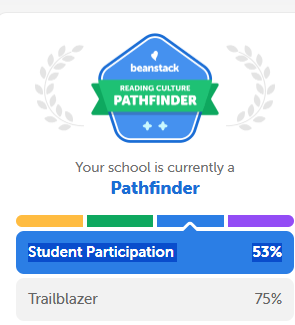
In the last fortnight, I received an email from Beanstack celebrating our progress. Let us continue working together to reach 75 per cent student participation on Beanstack and earn the $1,000 voucher.
Congrats!
Hi Meagan
Congratulations! Your school has been awarded Beanstack's Reading Culture Award Pathfinder badge. This badge is granted to schools with 50 per cent student participation in Beanstack each school year.
Achieving this milestone means you are building a strong culture of reading in your school community. You are on your way to reaching Reading Culture Trailblazer status at 75 per cent participation. Trailblazers are entered into a monthly drawing to win prizes, including ten $100 gift cards and one $1,000 gift card. Thank you.
- The Beanstack Team
Upcoming Events
| Event | Date |
|---|---|
| Book Week | 24-28 August |
| Character Parade | 26 August |
| Book Fair open for Sales | 27 & 28 August |
| Premier's Reading Challenge Closes | 18 September |
Books and doors are the same thing. You open them, and you go through into another world.
- Jeanette Winterson
“Today a reader, tomorrow a leader.”
– Margaret Fuller
Important details
Opening Hours:
| Day | Time |
|---|---|
| Monday - Thursday | 8.30 am - 4.30 pm |
| Friday | 8.30 am - 4.00 pm |
Passwords
If you haven’t received your new password yet, please contact the Resource Centre at library@moamagrammar.nsw.edu.au. We’ll ensure your password is sent to you as soon as possible.
Borrowing and Returns
Students may borrow and return books before school, at recess, lunchtime, and after school. Primary School students also have the opportunity to borrow during their fortnightly Library lessons, with books due back at their next session. Students in Years 7–9 have now begun visiting the Resource Centre regularly. Their books are due two weeks after the date of borrowing.
Borrowing Permissions
If students are requesting to borrow books above their age level, we request parents to write a letter regarding their permission for their child to borrow and read a specific book, which will be reviewed by library staff.
Renewals
Students may renew their books for an additional two weeks by speaking to staff at the Library Circulation Desk. If a further extension is required after this period, students must bring the book with them so staff can sight it before approving the renewal. Students may also renew their books by emailing the Library or by logging on to the school Library website, which is accessible through their SEQTA account.
Requests
If your child would like to borrow a specific book and the title is not included in our current catalogue, we will add this to our purchase wishlist.
Overdue notices
If you receive an overdue notice, there is a chance that the books may have been processed through our system after the email was sent. We encourage all parents to follow up on any issues by emailing the Resource Centre at library@moamagrammar.nsw.edu.au
Reading Permissions
Due to our shared space catering for students from Kindergarten to Year 12, our library collection is organised to help students easily find books with protagonists close to their own age. For example, in the Upper Primary section, most of the characters are between 11 and 13 years old. This approach ensures that themes and content remain age-appropriate, and also supports students in reading independently and with confidence.
When deciding where books are placed within the collection, we are guided by author and publisher recommendations.
If you have any other enquiries, issues or concerns, please do not hesitate to contact us via phone by ringing the main office or via email address at library@moamagrammar.nsw.edu.au
Keep reading everyone!
Kind regards,
Ms Height and Ms O’Neill
Resource Centre Team