
Year 6 News
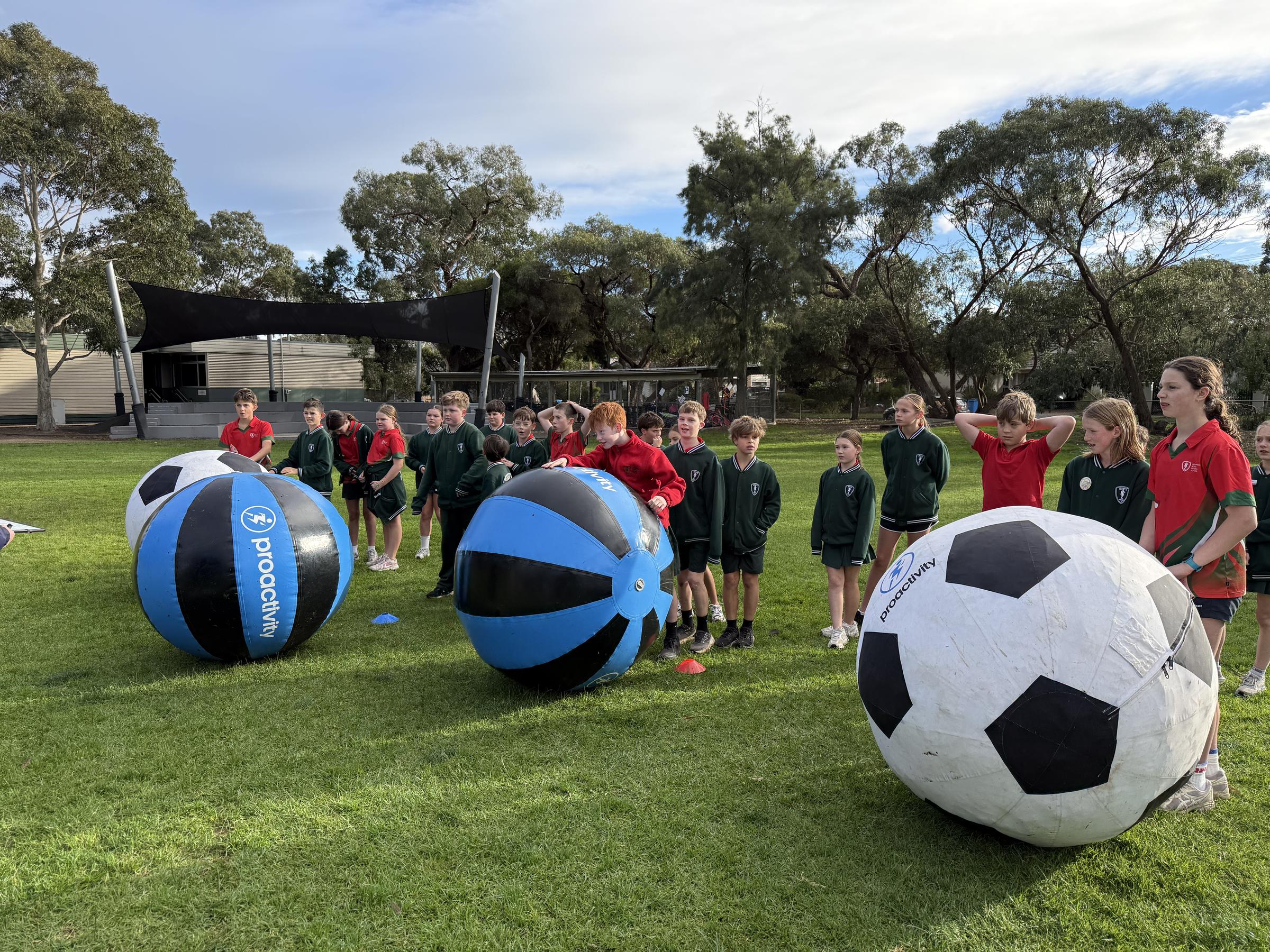
As we wind down the end of Term 2, it's always a great opportunity to reflect on what we’ve learned. Year 6 students have done an amazing job navigating the busyness of Term 2. From completing numerous summative assessment tasks for reports and Parent Teacher Interviews, to working on Unit of Inquiry projects, the Year 6 teachers are proud of the students.
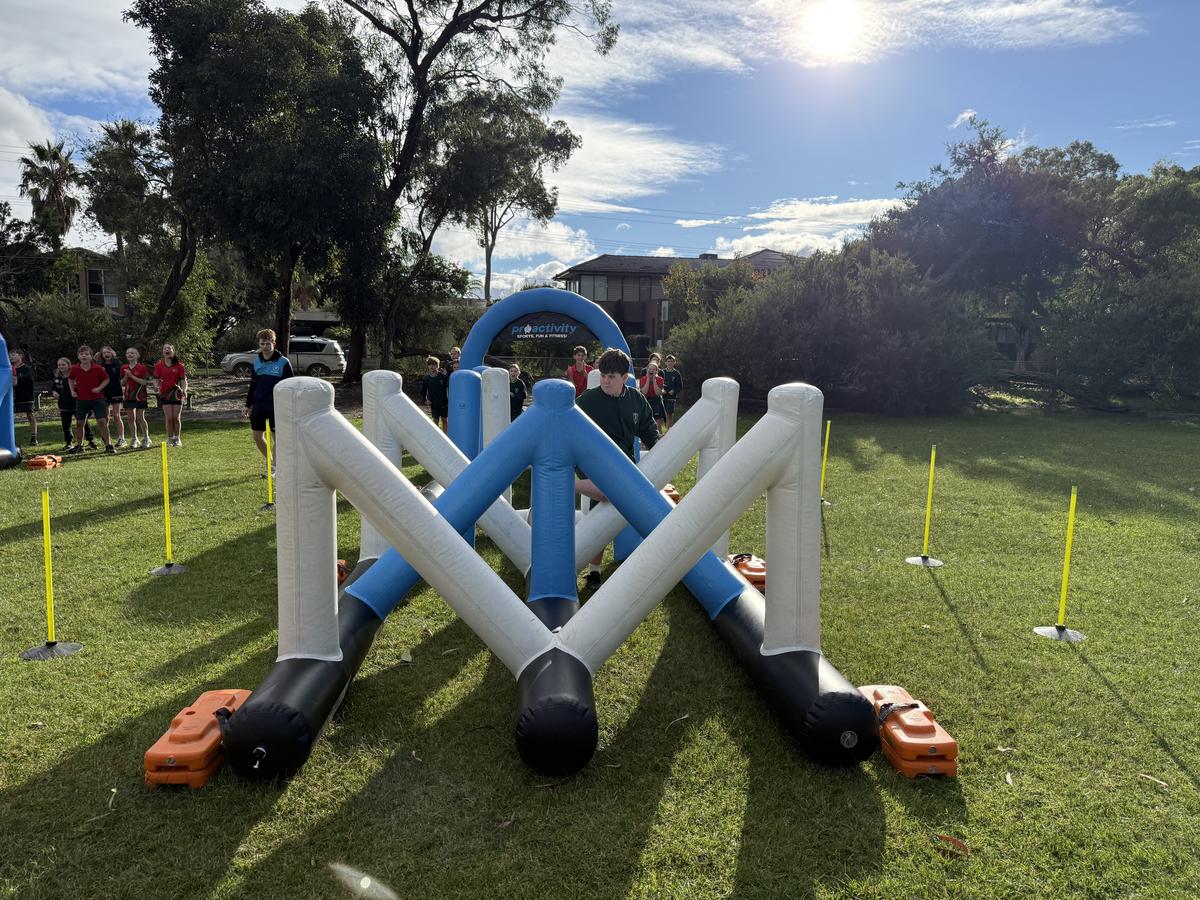
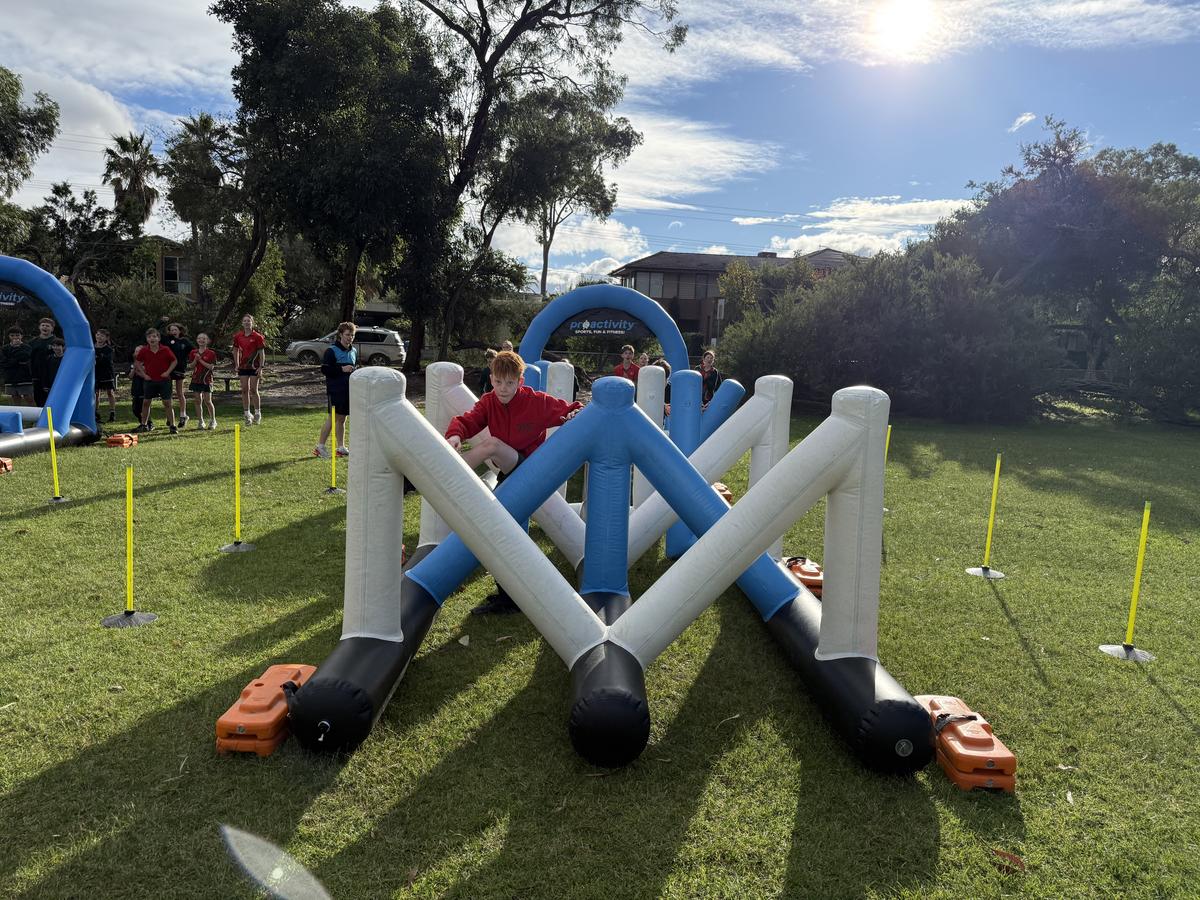
Inquiry
Over the past few weeks, the students have explored the difference between interests and passions, recognising that an interest is something they enjoy or are curious about, while a passion is something they care deeply about and are motivated to pursue.
They then were asked to connect their personal interests and passions to real-world issues, developing an understanding of how individual passions can be used to address global challenges and create positive change.
Moving forward, the year 6s will be researching a chosen global issue and then prepare for their upcoming PYP Exhibition.
Literacy
In Literacy, we’ve be focusing on objective and subjective writing as well as the structure of autobiographical writing pieces. We are finalizing our text study on, The Lost Thing, where we compared and contrasted Shaun Tan’s book with a short film.
Many students found they preferred the short film because of the depth of characterization, sound effects and how much the animation could bring the story to life.
Next term, we’ll be starting the text study, How To Bee by Brew MacDibble. This is a story about a child who faces difficult challenges with courage. Some of our literacy lessons will blend with our inquiry unit as students prepare for their exhibition in Week 3.
Please Enjoy Some Student Works
‘The Lost Thing’ by Shawn Tan involves a boy finding a bizarre creature, The Lost Thing. By reading and watching both the book and the film and examining the themes conformity, individuality, belonging and imagination through powerful illustrations and audio, I think the film uses better camera angles, lighting and sound, and emotions than the book.
****
In addition, the book and the film are similar. For example, in the scene were the boy is watching the television ( 7:00 - 7:35 ) and the add pops up about the department of odds and ends, in the film it’s a television but in the book it’s a newspaper and the reason why in the book it can’t be a television is because pages cannot show animation, it was a smart decision that they made.
Aleia R
In conclusion, the film uses lots of small details to make sure that the animation is produced how it's meant to be. These small details help the film show how the world is meant to be; the angles and lighting show emotions, and the backdrops show what the world is like. There are lots of differences from the book to the film but using these techniques to show what the story is like and how the world is. Using the dull monotone colours, the world is portrayed as a lonely place where being different isn’t okay.
Evie B
In my opinion I think that the film version of “The Lost Thing” is better because it has luxuries to sound, which makes a sad atmosphere, camera angles, which make The Lost Thing look big, and last but not least, lighting, giving a mundane, sad, boring look. While the book version is good, it does not portray emotion well which means it is not engaging for the readers. On page 18-19, timestamp 7:52-9:10 the film uses eerie music to give a nervous atmosphere when they enter the department of odds and ends.
Overall, both versions of “The Lost Thing” use visual elements effectively, but their different uses of colour and lighting shape how we understand the story and highlight the lost things uniqueness as well as showing The Lost Thing’s sense of belonging. So, I recommend the film.
Harry F
Numeracy
For the second half of the term numeracy lessons, the students developed their understanding of multiplying single digit numbers. They then learnt all about multiplicative problems involving multiplying and dividing numbers by powers of 10 (10, 100, 1000 and 10,000), and students review prime, composite and square numbers.
Students engage in independent practice to demonstrate their ability to find combinations.
Next term, we will further explore the properties of rectangles and angles.