Visual Arts in Focus
Miss Emma Havard, Learning Leader of Visual Arts
Visual Arts in Focus
Miss Emma Havard, Learning Leader of Visual Arts
Staff glow in the dark
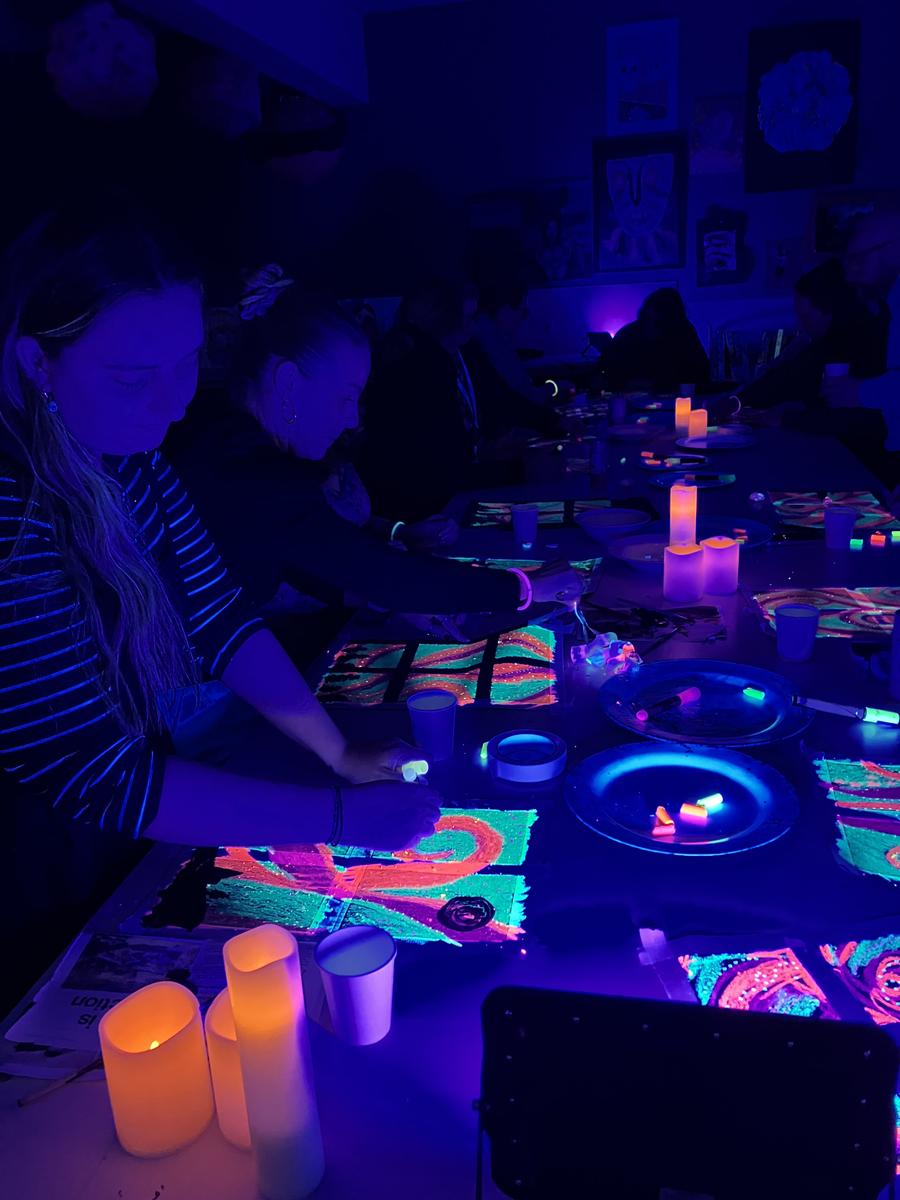
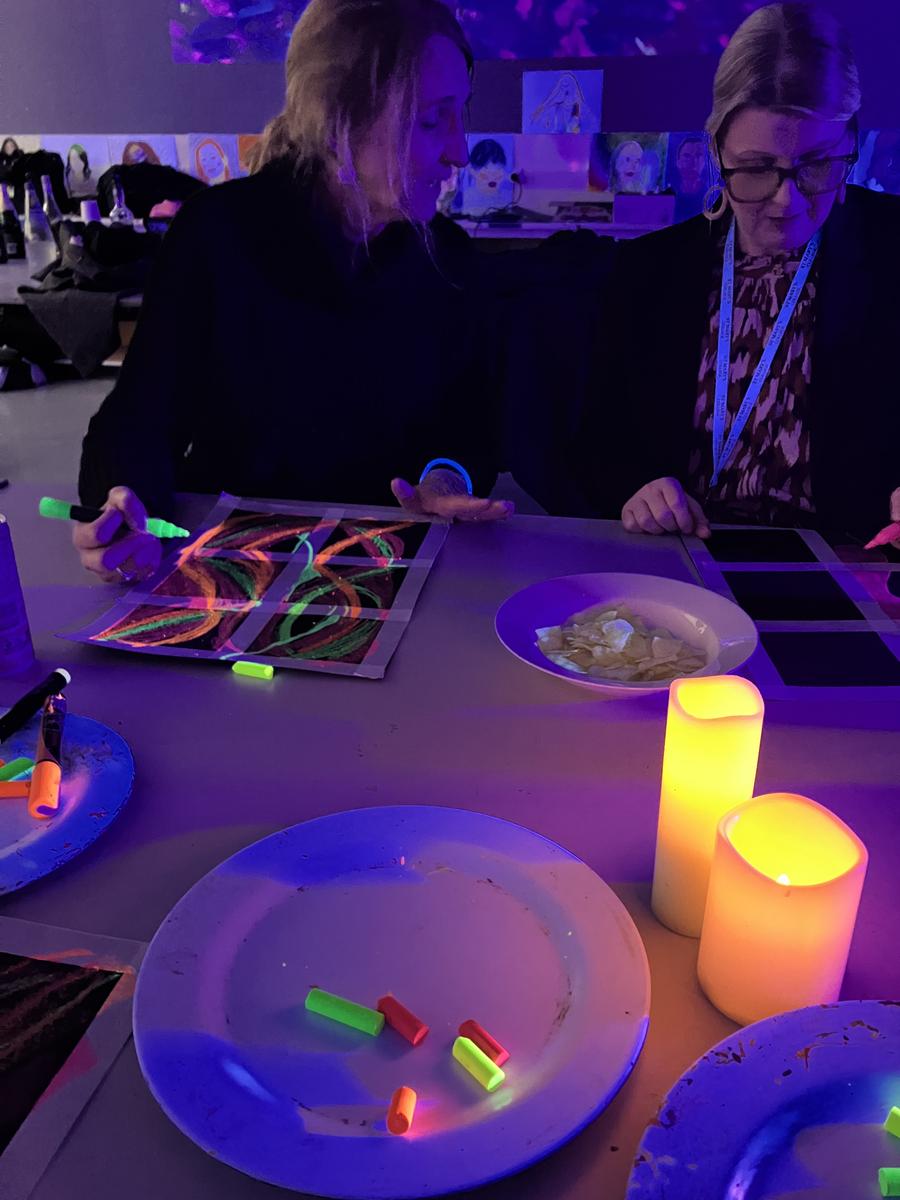
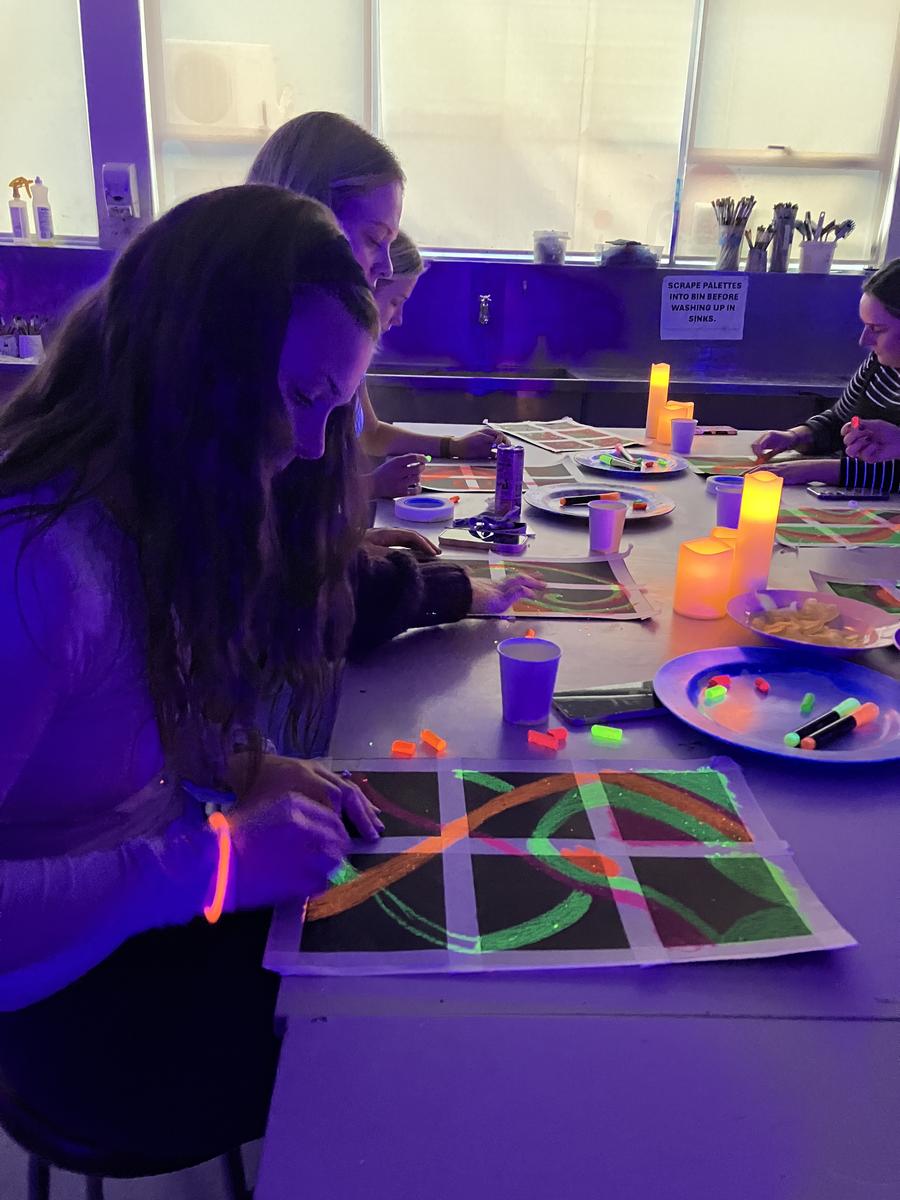
In the spirit of Hobart’s Dark Mofo, the Art department recently hosted a glow-in-the-dark art afternoon for staff, transforming the art room into a vibrant and atmospheric creative space. Teachers stepped away from their usual routines to enjoy an afternoon of creativity, conversation and connection.
Using fluorescent materials and working in black light, staff embraced the opportunity to experiment, unwind and engage with one another in a relaxed, social setting. With low light and high vibes, the event celebrated all things luminous while fostering a strong sense of community.
It was a fantastic way to bring staff together, spark creativity and share in the playful spirit of one of Hobart’s most iconic cultural festivals.
Subject selection season and the pressure to get it right
Following the recent Course Information Evening for Year 11/12 (2027) and the upcoming sessions for Year 9/10 (2027), students are now making decisions about their subjects for next year.
After speaking with our students, we know this can feel like a pretty high-pressure moment, with choices sometimes seeming like they will determine future pathways. In reality, subject selection is much more flexible than it may appear. Most students are still developing their interests and strengths, and it is completely normal not to have everything decided yet.
Subjects aren’t fixed labels. They’re opportunities to explore different ways of thinking and learning.
Why Art is a strong choice, regardless of pathway
Art is often seen as a subject only for students heading into creative careers, but as we've been reminding our students and their families, it’s valuable across a wide range of directions. It builds transferable skills such as problem-solving, critical thinking, persistence and visual communication. Students learn to develop ideas through experimentation and refinement, often discovering that there isn’t just one right outcome. These skills are relevant in many areas, including science, humanities, business, health and design.
Research in arts education consistently shows that studying Art helps students strengthen thinking skills that transfer into other subjects.
Art can also offer a different pace within a student’s subject mix. We find that for some of our students, it provides space for exploration, creativity and practical making, which can be a really useful balance alongside more content-heavy or exam-focused subjects. Many students enjoy it for exactly this reason. It’s more open-ended and often feels less pressured than other study areas.
Choosing Art doesn’t require a creative pathway. It’s a strong option for building skills, keeping a balanced subject load, and staying open to a range of future possibilities.
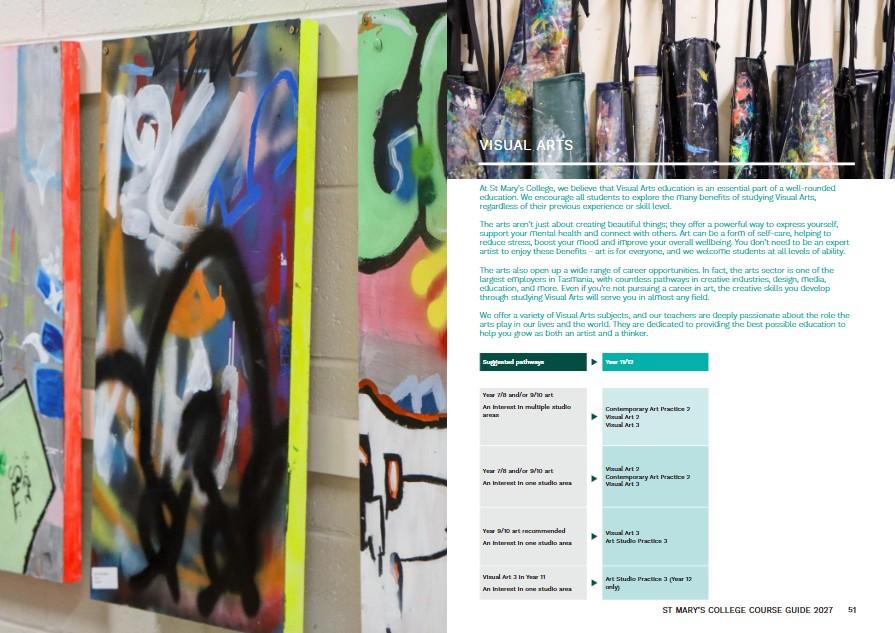
Check out the amazing course options we have available to study at SMC in 2027 in our Year 11/12 Course Guide, which you can view here.
Practicing with pastels
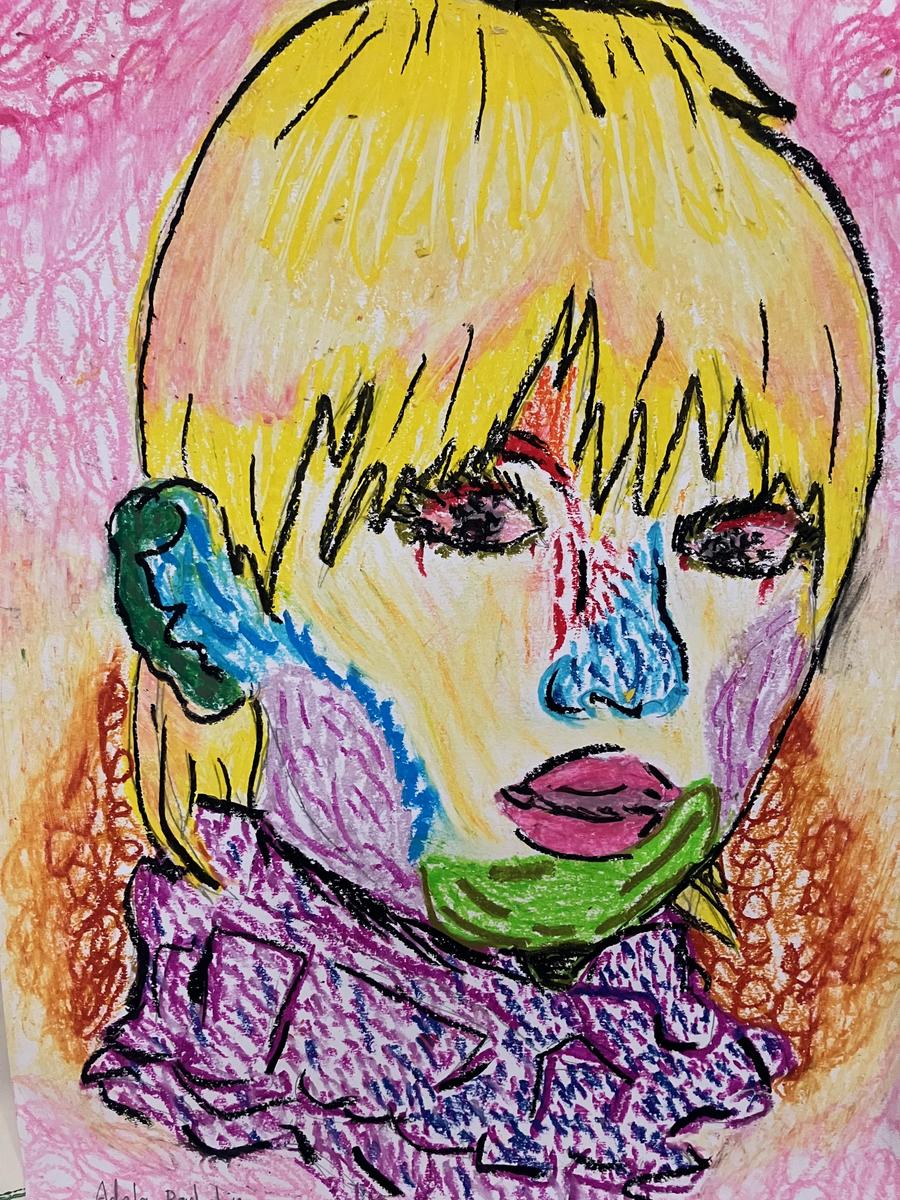
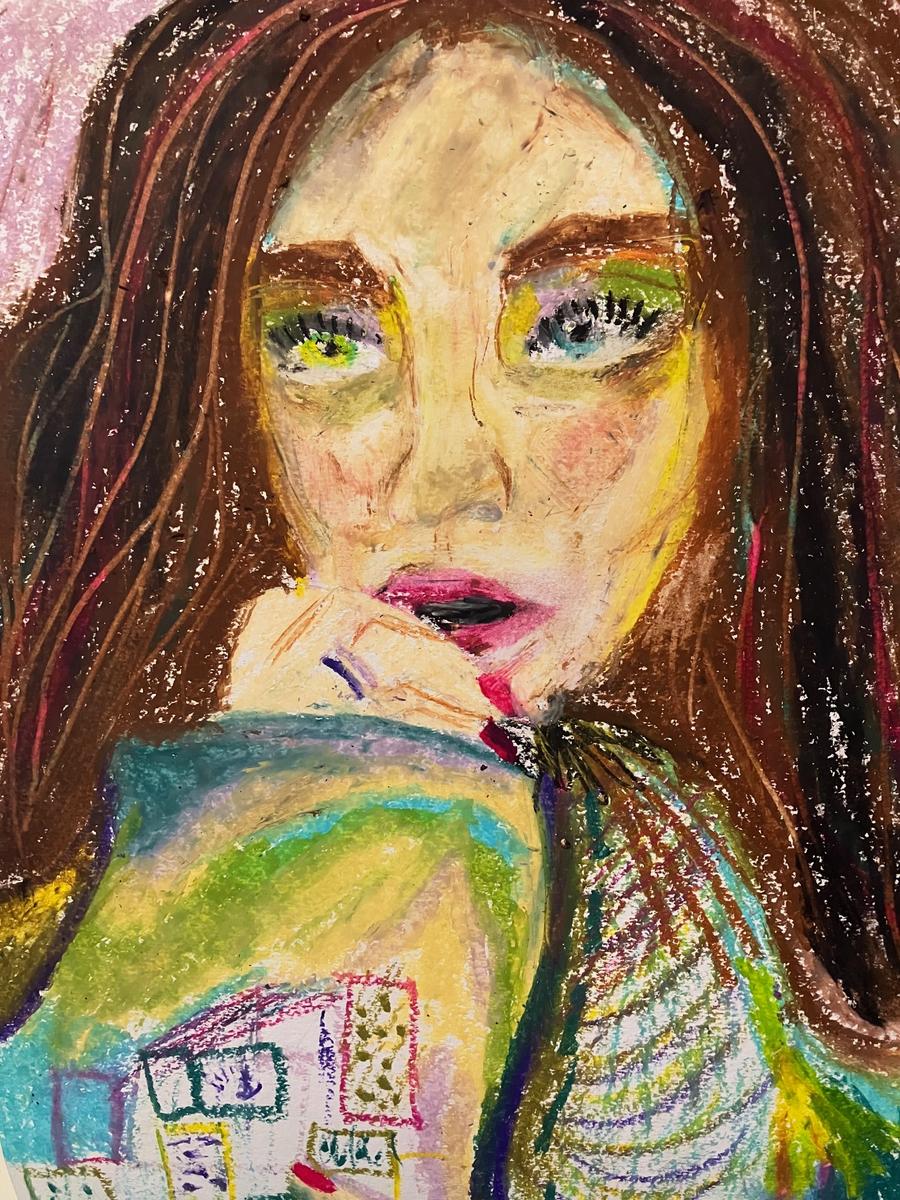
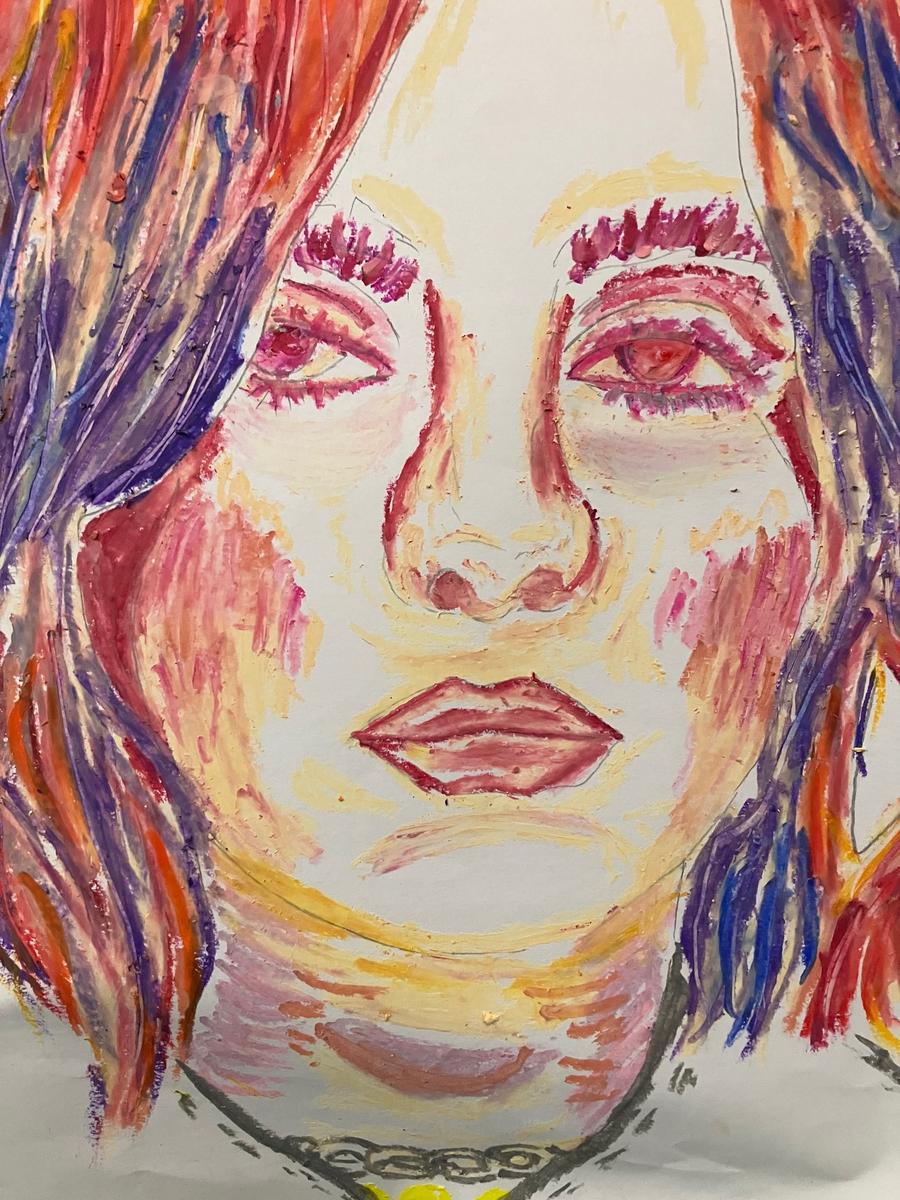
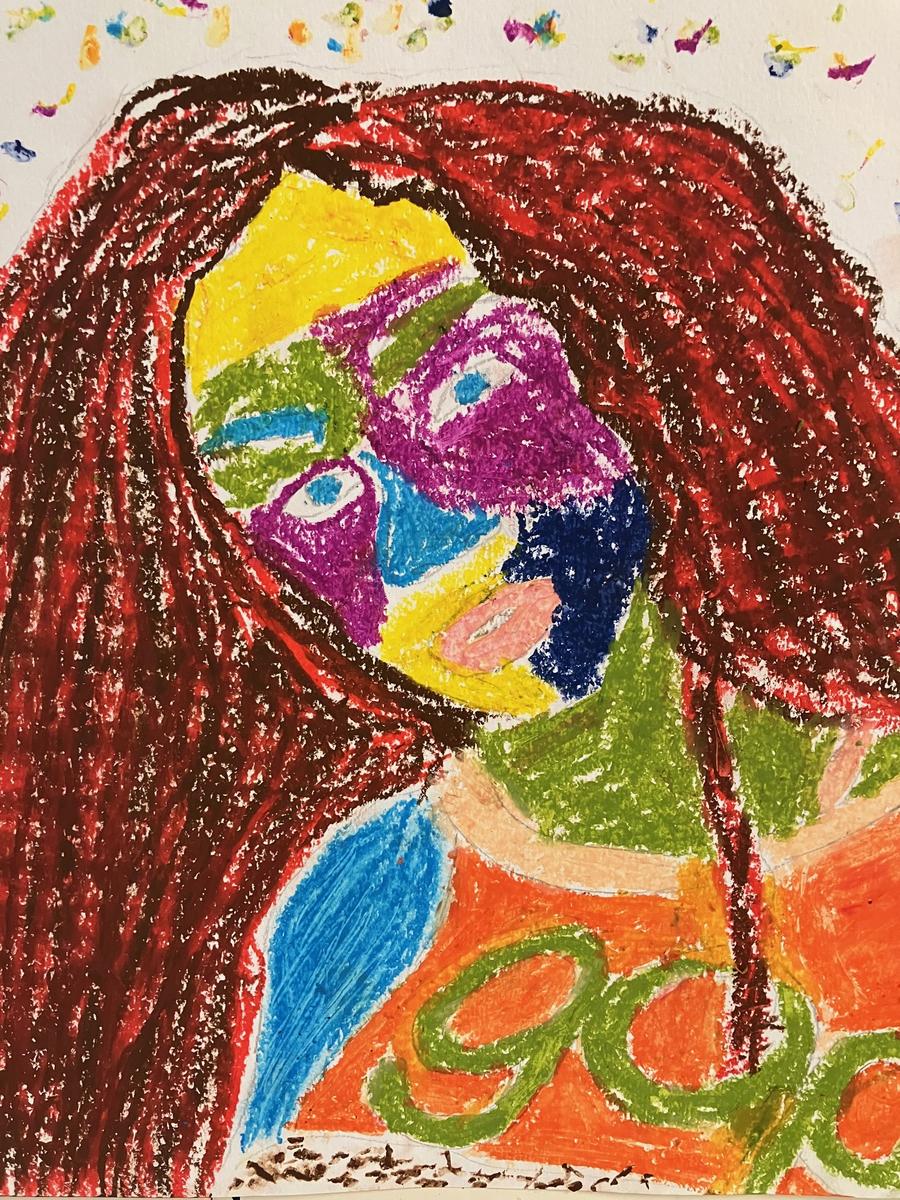
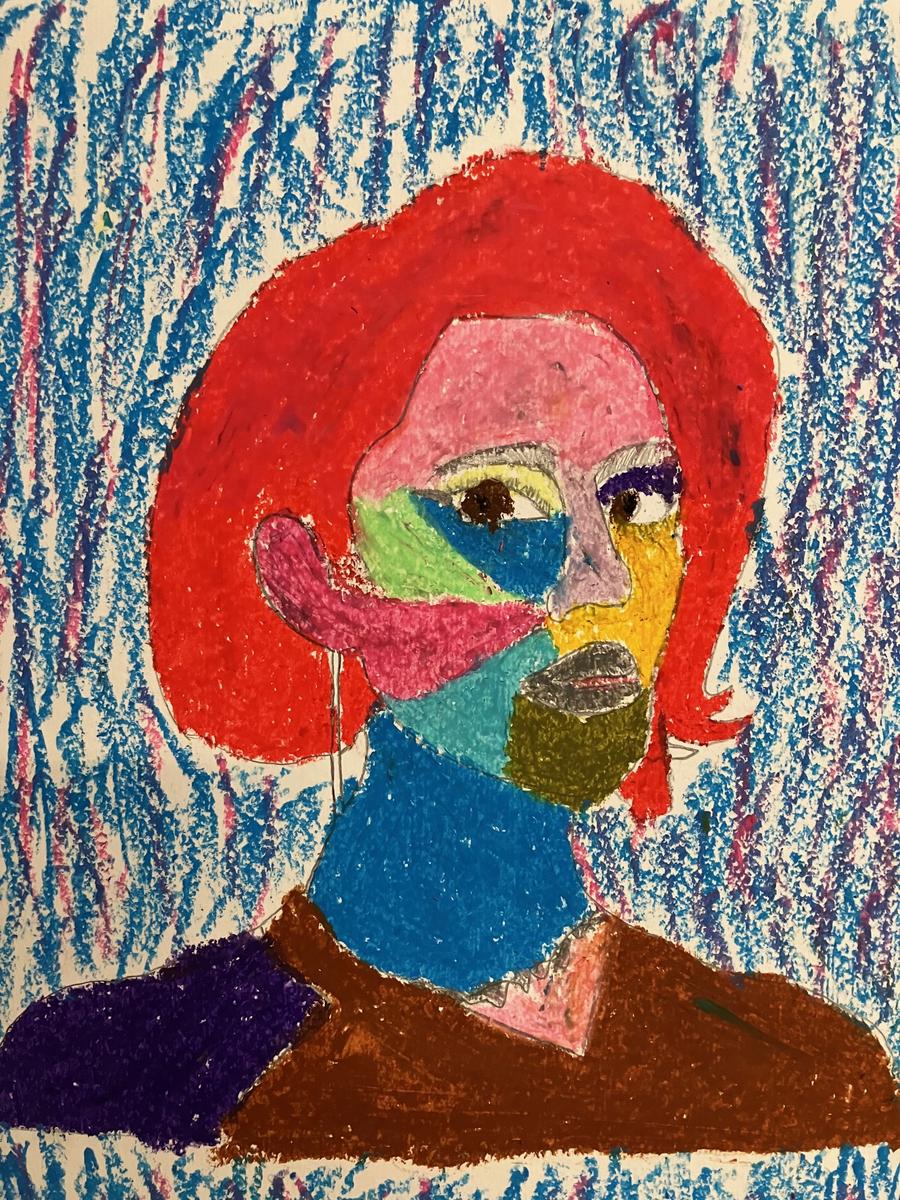
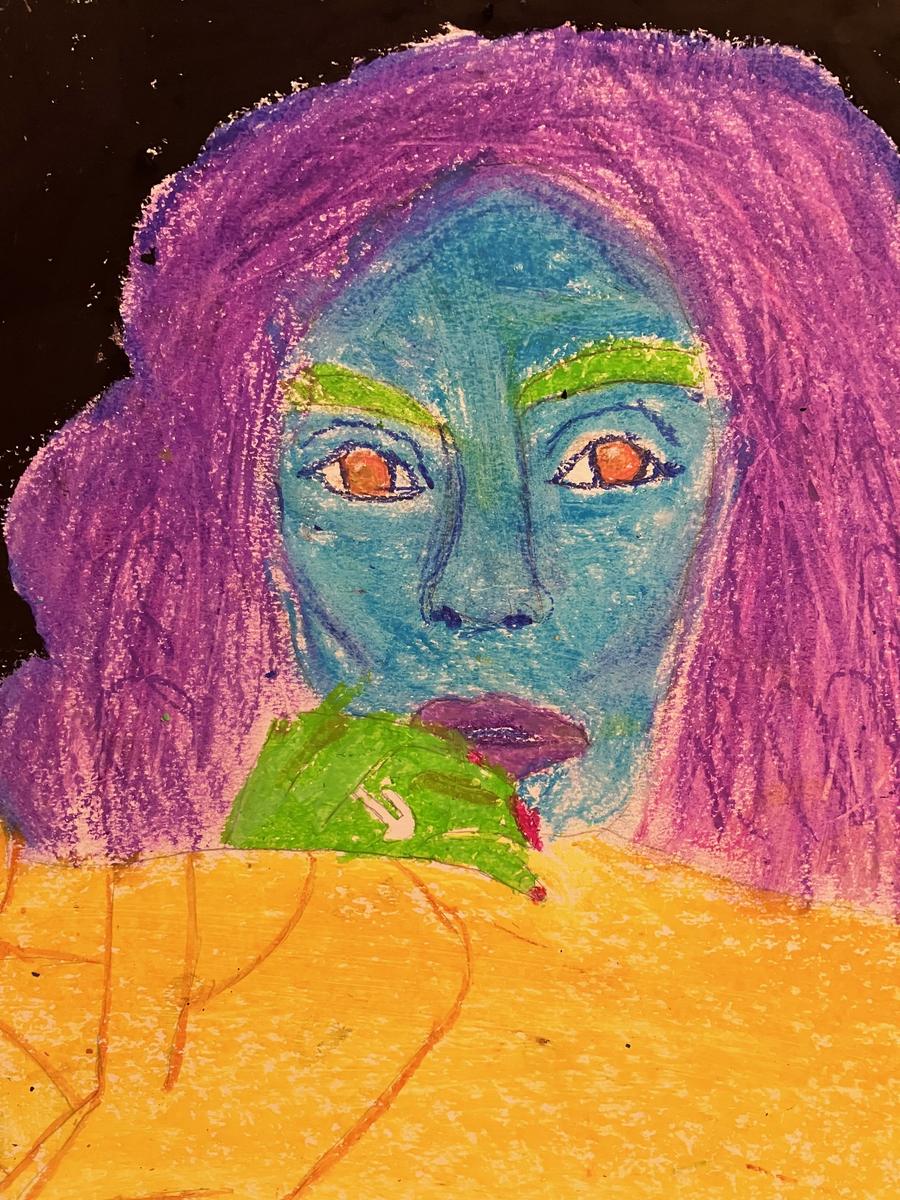
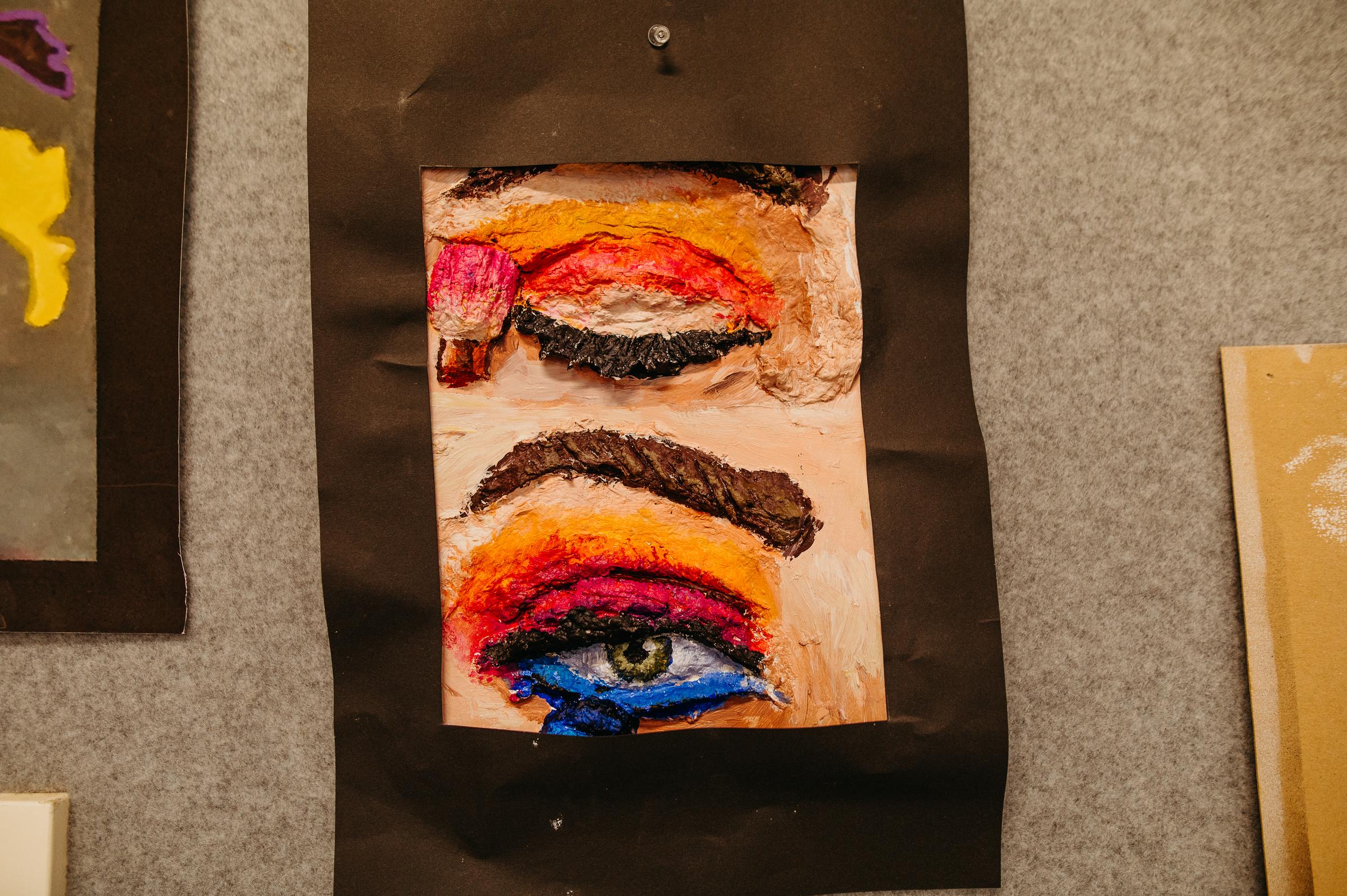
Some of our Year 8 Art students have been developing their oil pastel skills through experimentation with a range of techniques, including stippling, sgraffito, hatching, cross-hatching, layering and blending. These studies focus on building confidence with materials and exploring different ways of creating texture, tone and depth.
It has been great to see students testing ideas, making adjustments and taking creative risks as part of the process. This stage of experimentation is an important part of learning in Art, where practising and refining skills are just as valuable as the final outcome.
These techniques will now be applied to their resolved portrait artworks, which we can't wait to see!
Artists featured below, from L–R: Adela Bartulin, Charlie Anderson, Jessica Hu, Lila Ransley, Norah Cullinane and Adela Bartulin.