
Glen Education Brighton
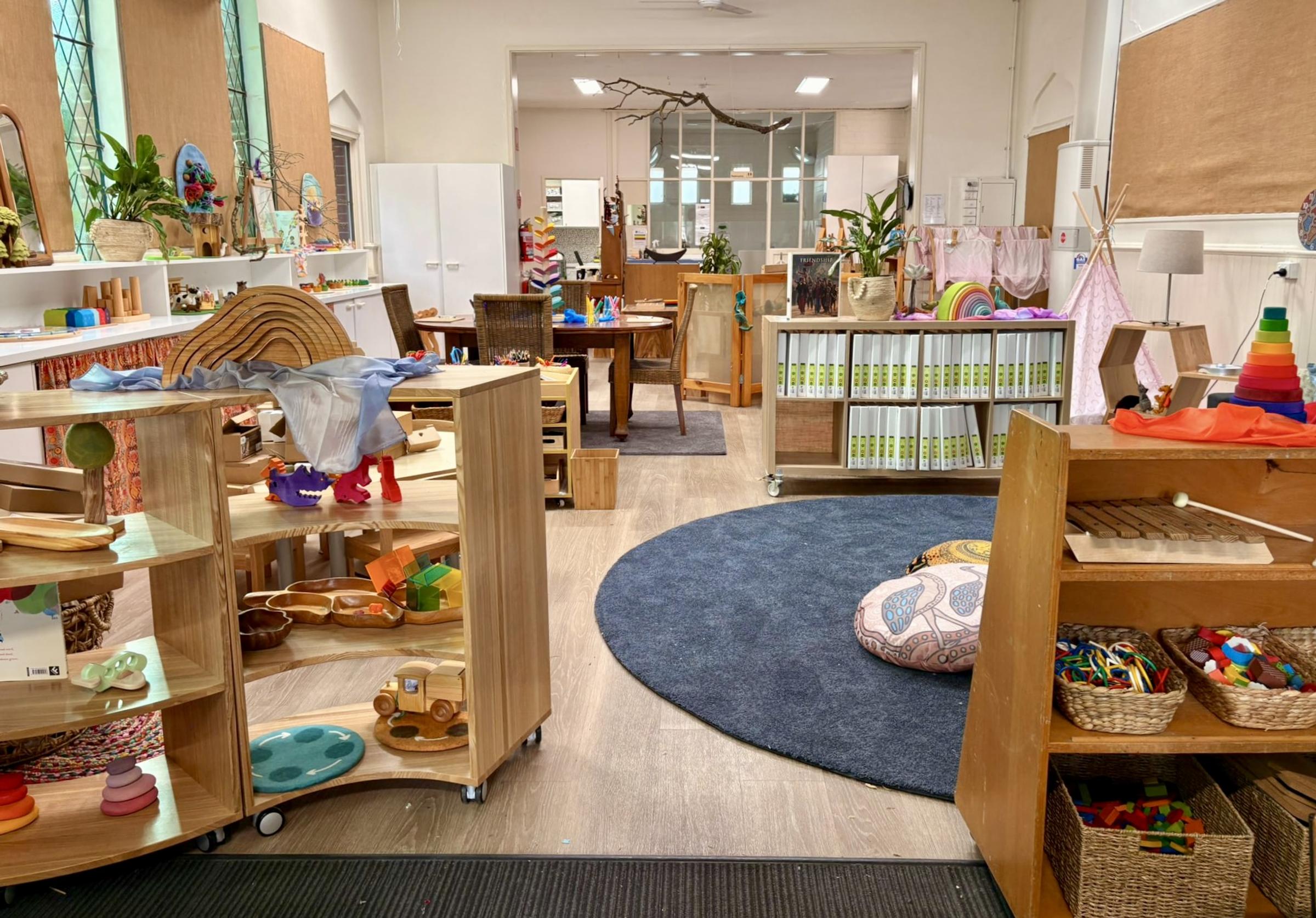
A Safe Place Takes Shape - The Story of Waa
This year, one of the words I chose to carry with me as an educator was presence, slowing down enough to truly notice the conversations, wonderings, and small encounters that can so easily pass us by within the rhythm of everyday kindergarten life.
Often, it is within these quiet moments that inquiry begins.
Towards the end of first term, one of these moments emerged during lunchtime when Waa, our resident crow, swooped down to collect some fallen scraps of food. Waa has long been part of our kindergarten environment, often perched nearby, quietly observing before cautiously approaching when the space feels calm and settled.
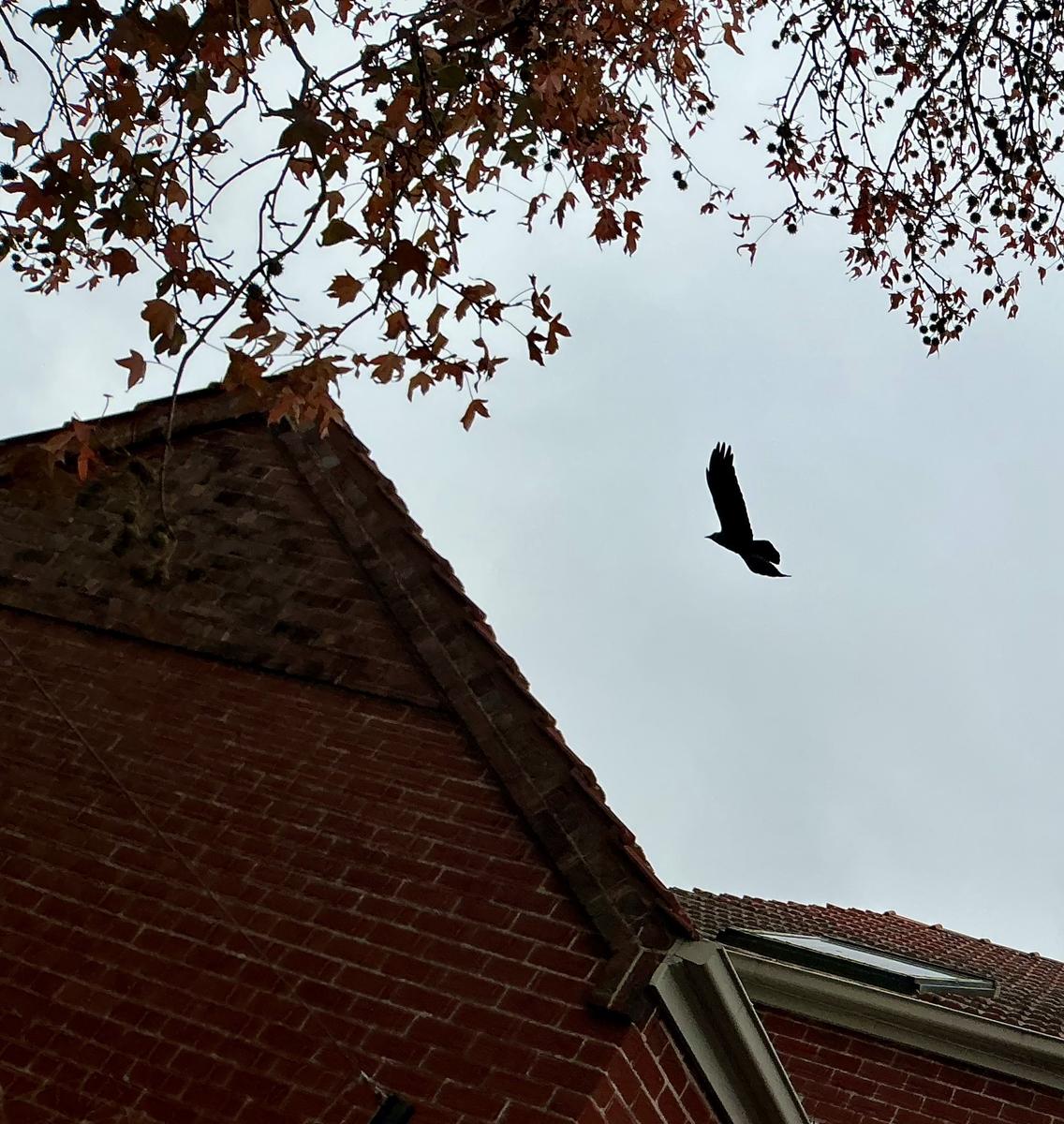
As some children reacted by shooing him away, Camilla paused and thoughtfully wondered,“Doesn’t Waa have his own food and home?”
In that moment, something shifted.
Camilla’s gentle wondering invited both the children and educators to begin seeing Waa differently. The conversation slowly turned towards where Waa lived, where he slept, how he stayed warm, and who might look after him. As we stayed with these questions, more children became drawn into the shared thinking, offering their own ideas, theories, and possibilities.
What began as a simple lunchtime interaction gradually unfolded into a rich and evolving inquiry.
As the project flowed through the program, children revisited their thinking through storytelling, creative expression, research, role-play, construction, drawing, conversation, and shared reflection.
Stories such as The Three Little Pigs, Goldilocks and the Three Bears, and We’re Going on a Bear Hunt became meaningful points of connection as children explored ideas surrounding homes, journeys, safety, comfort, and protection through different perspectives.
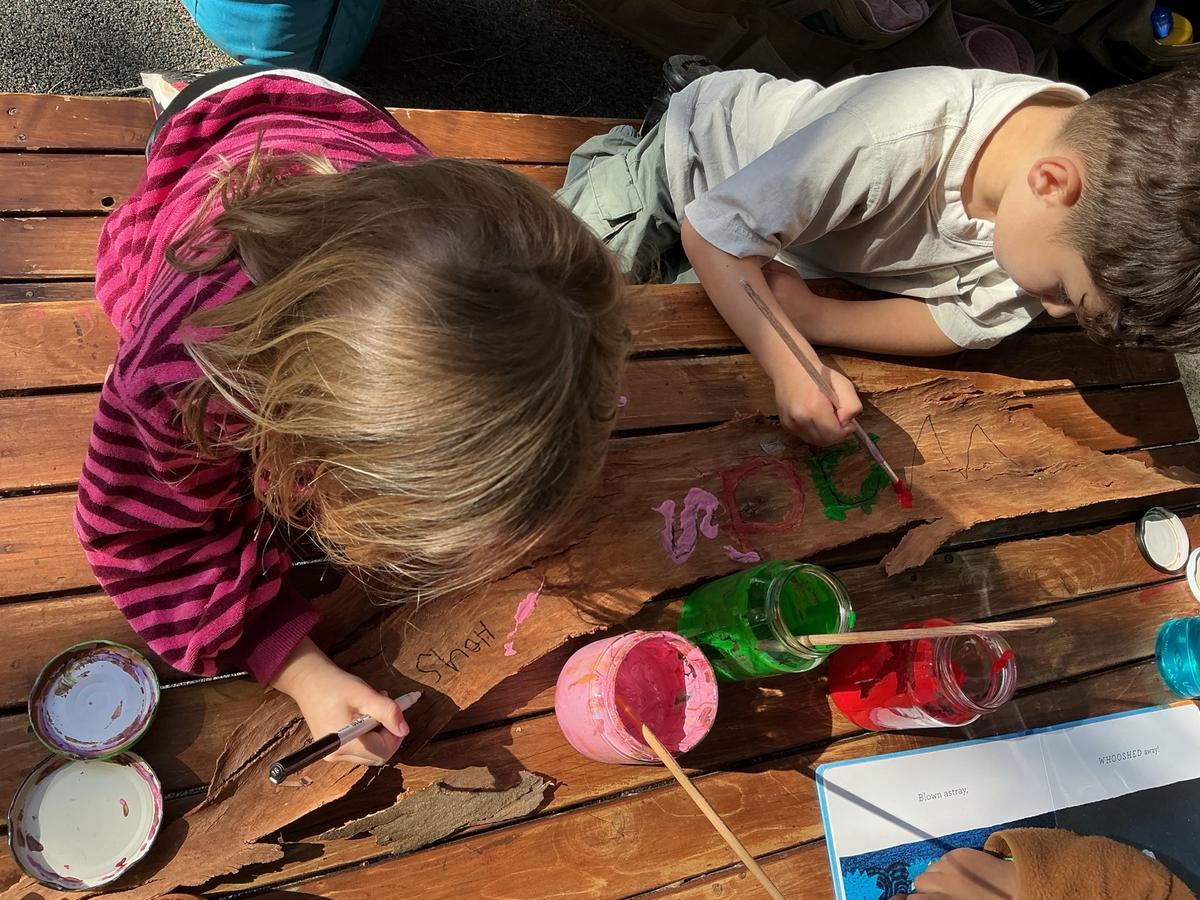
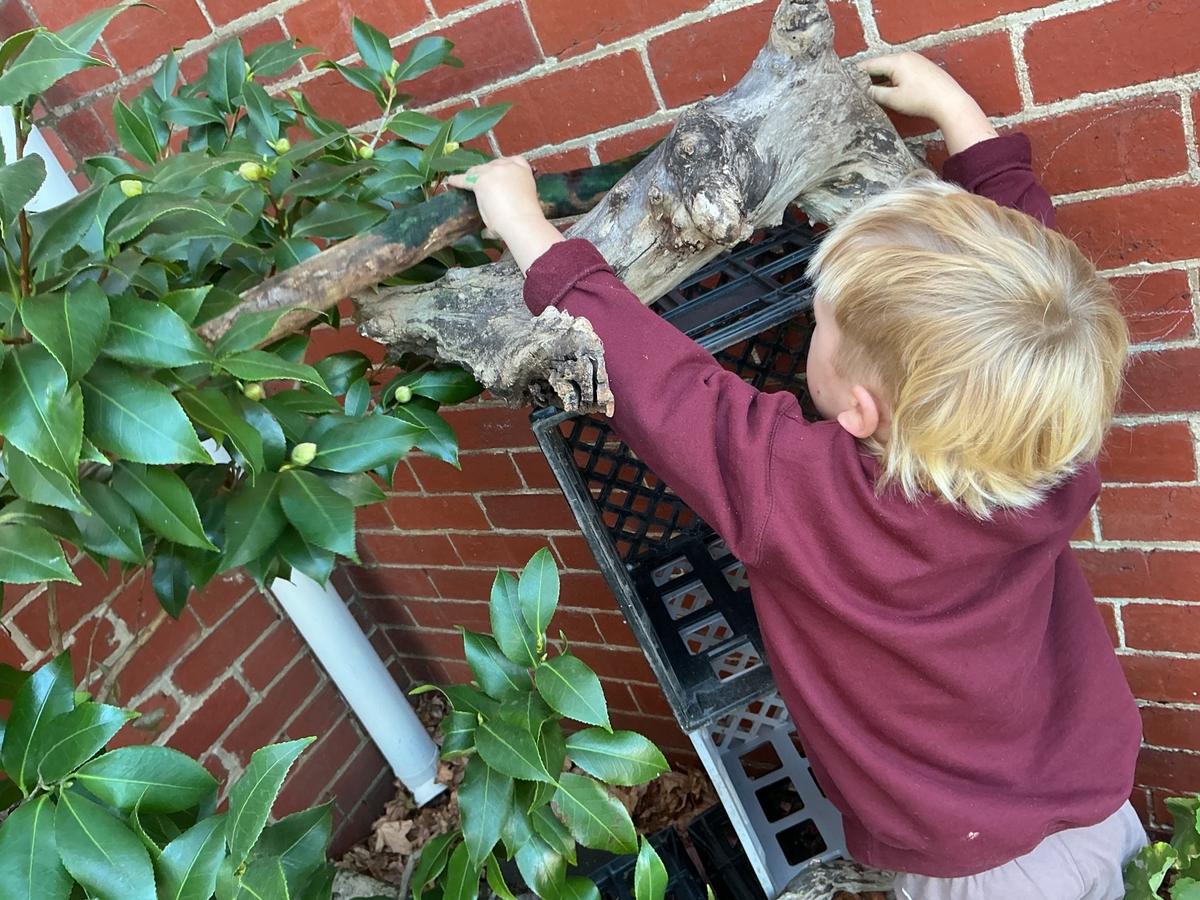
Within our Nature Play sessions, the children began researching bird life in deeper ways, listening to bird calls, observing where birds rested and nested, watching them move through the trees, and wondering about what they might eat within the gardens and surrounding environment. These shared encounters invited ongoing conversations surrounding habitat, movement, nesting, and the relationships between living things and place.
As the inquiry continued unfolding, another layer of meaning emerged through the introduction of the Indigenous story Yurri’s Birthday, set within the Barmah Forest on Yorta Yorta Country. Through the story, children were introduced to Australian animals, forest environments, and the ways living things rely upon one another within their communities.
Yurri, a small nocturnal forest creature, along with Baja the possum and the other animal characters, resonated deeply with the children’s ongoing conversations surrounding warmth, home, comfort, and protection.
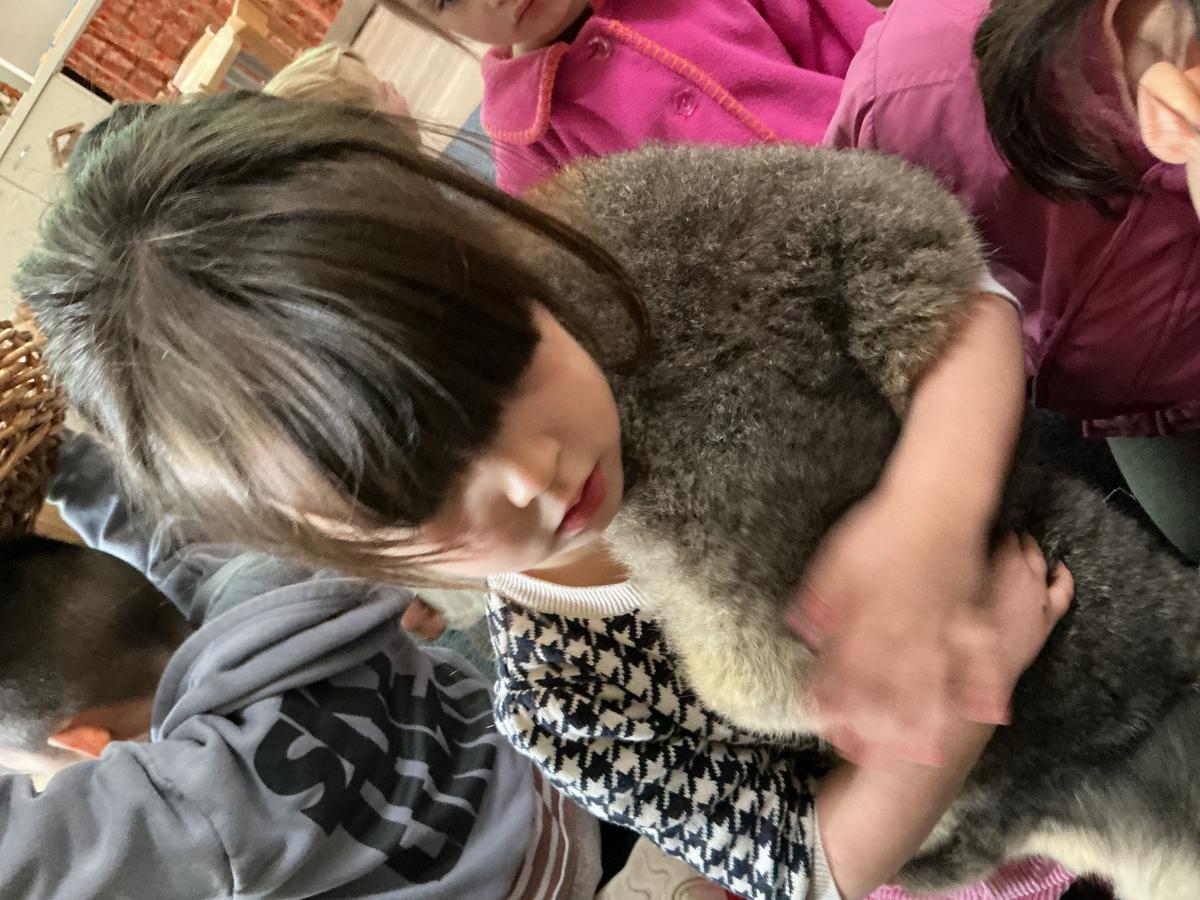
Alongside the story, the children were introduced to a possum skin which became a deeply meaningful element within our program. Traditionally, possum skin cloaks hold deep cultural significance, representing warmth, protection, identity, connection, and the passing of stories across generations. Often gifted to babies, they carry a strong sense of belonging, wrapping children in connection to family, culture, and Country.
During quiet and reflective moments, the possum skin is gently brought into our learning environment, inviting children to explore its texture, warmth, scent, and sensory qualities. When first presented to the children, it evoked deep conversation surrounding comfort, closeness, and protection. Some children spoke about treasured baby blankets and special objects from home, while others reflected on being inside their mother‘s tummy, describing feelings of warmth, softness, safety, and being wrapped up and protected.
These shared reflections open space for ongoing conversations surrounding attachment, memory, connection, and the way living things are nurtured, held, and cared for within relationships and community.
Alongside this, one of our families introduced their new puppy to our kindergarten community, creating another meaningful layer within the project as children explored what it might feel like to enter a new environment and gradually build trust and familiarity within a group.
As children revisited the project across different parts of the program, a strong sense of collective dialogue began emerging between the groups. Children shared theories, revisited one another’s ideas, contributed new possibilities, and collaboratively researched what living things might need within their environments.
As educators, we noticed the inquiry gradually shifting from an initial focus on Waa himself towards broader conversations surrounding relationships, emotional connection, responsibility, and the ways communities support one another.
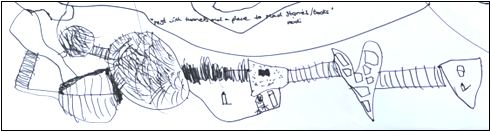
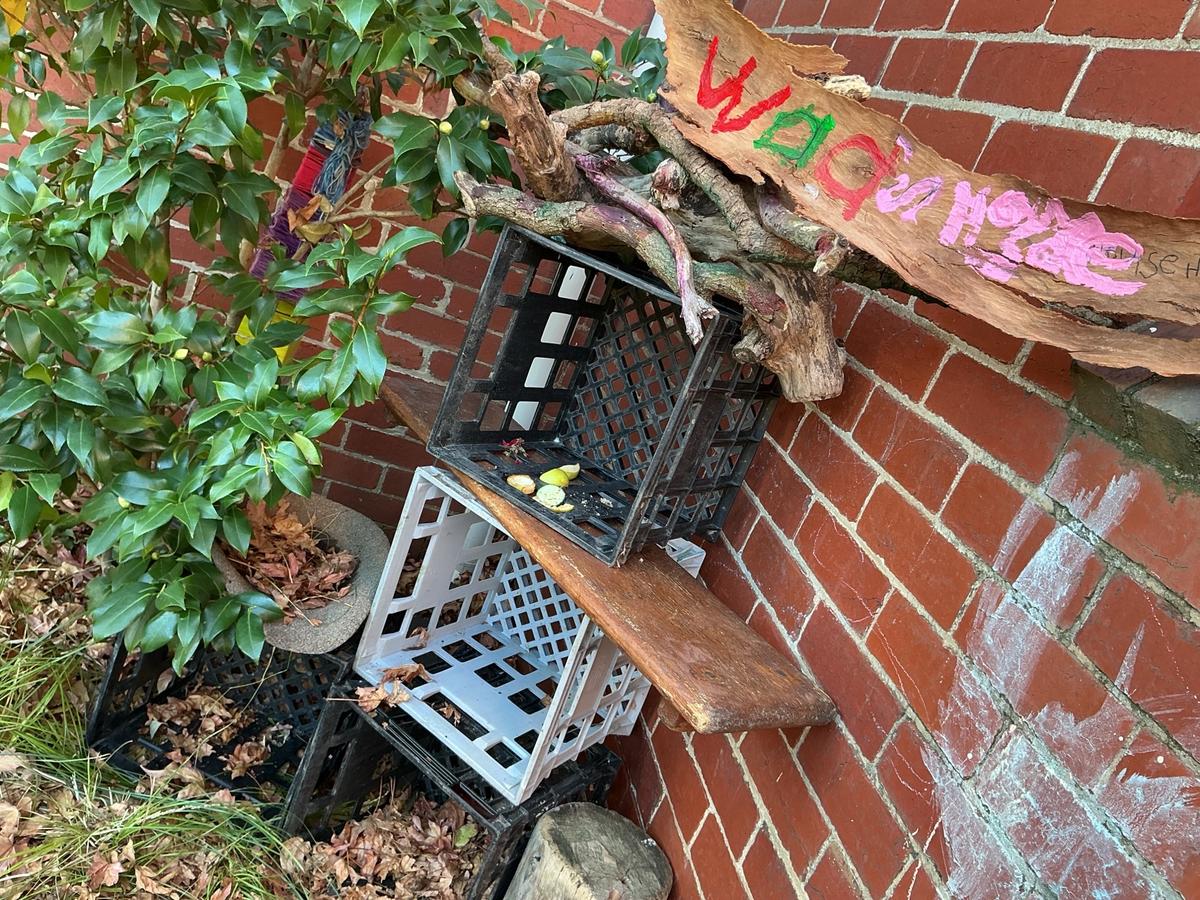
Clay, drawing, loose parts, natural materials, storytelling, and collaborative construction became some of the many languages children used to explore and revisit their thinking. Shared plans and structures began emerging as children imagined resting places, gathering spaces, pathways, shelters, and environments where Waa and his friends might return.
As the children’s safe place for Waa slowly begins taking shape, so too does the inquiry itself, continuing to unfold through shared conversations, creativity, relationships, storytelling, and the collective thinking of the group.