
Glen Education Bentleigh East
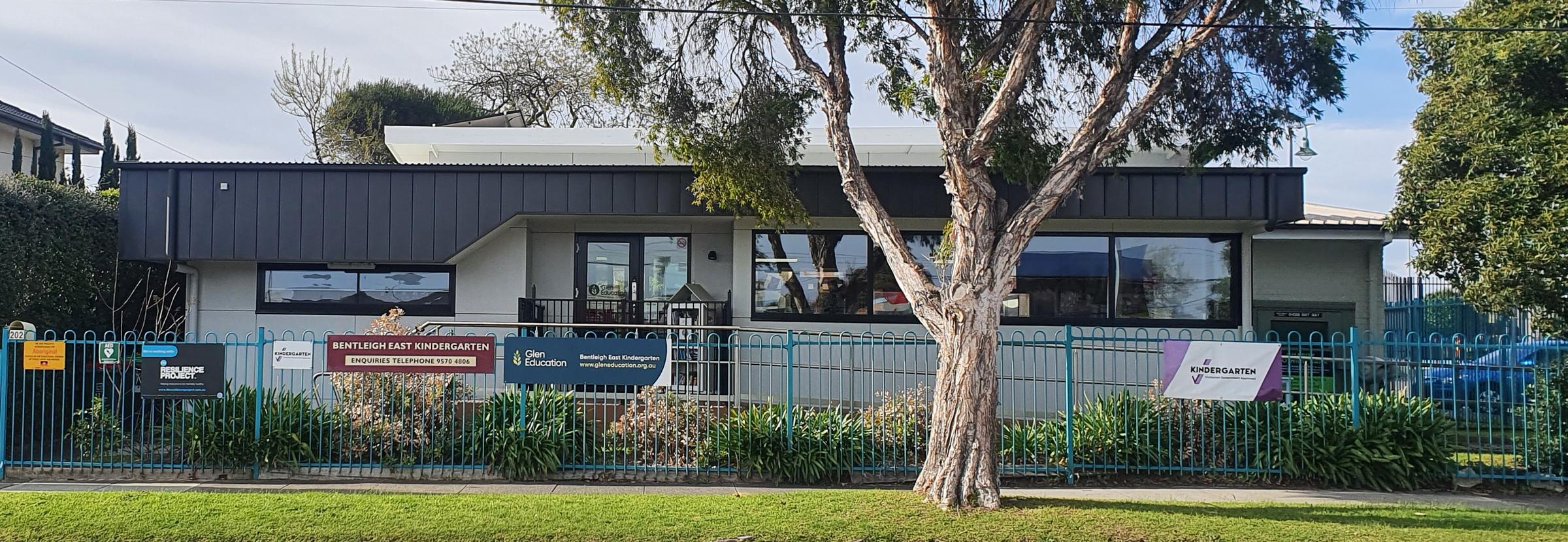
The Mail Project
Our mail project began in Term 1 during one of our regular community walks, when the children noticed the local mailboxes along the way. Using these observations and children’s curiosity, educators began a Unit of Inquiry that continued to develop throughout Term 2.
A brief overview of the project and its purpose
This project explores communication, connection, and how ideas and messages move between people and places. Its purpose is to support children to understand the many ways humans communicate, while also developing their thinking around community, systems, and place. It has naturally evolved into an inquiry about mail, mapping, and understanding our local environment.
How the project aligns with our curriculum goals and planning cycle
This inquiry is closely connected to our curriculum goals, particularly in supporting children’s communication skills, critical thinking, and understanding of the world around them. It reflects our planning cycle, where children’s observations and interests are used as the starting point for curriculum direction, with educators responding and extending learning through intentional teaching.
The children’s voice
Some of the simple questions we explored with the children were: Where does mail go? How do people send messages? After posting their own letters, children began asking, “What happens to the mail now?” These questions have guided the direction of the project, showing how strongly children’s thinking is shaping the learning journey.
How children are actively involved and their learning is supported
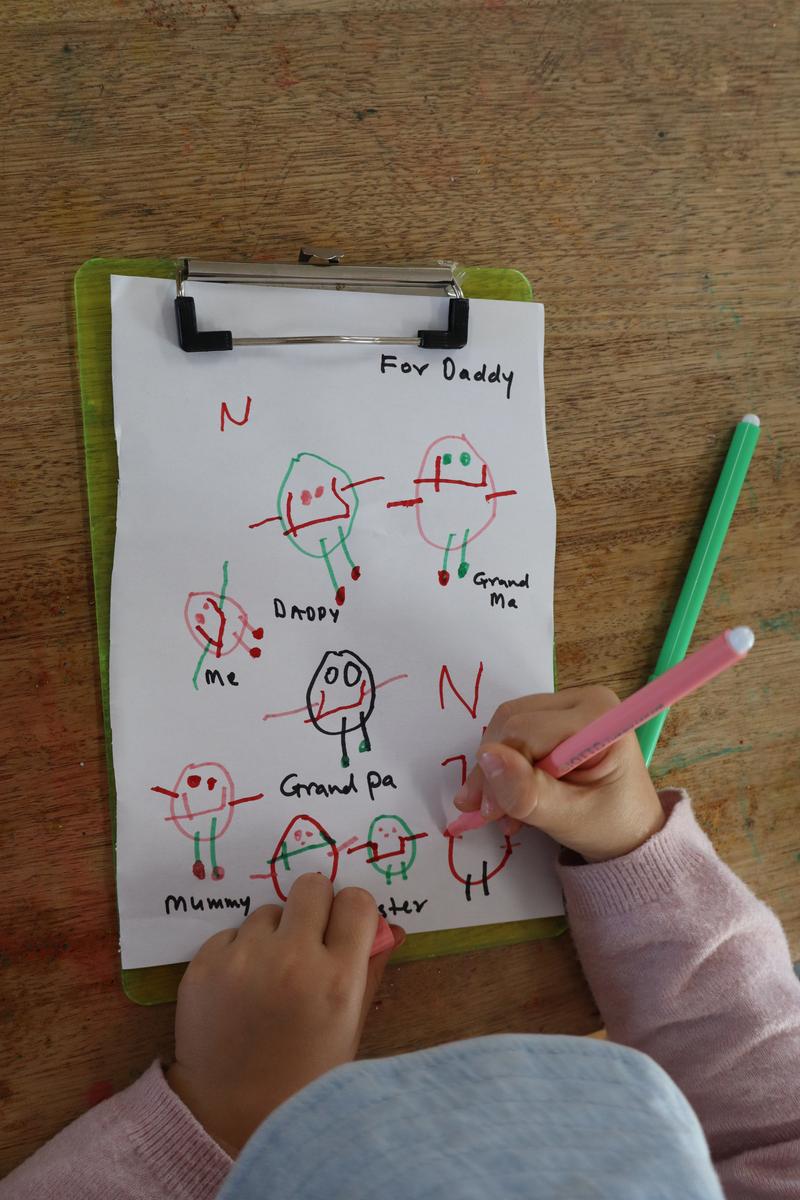
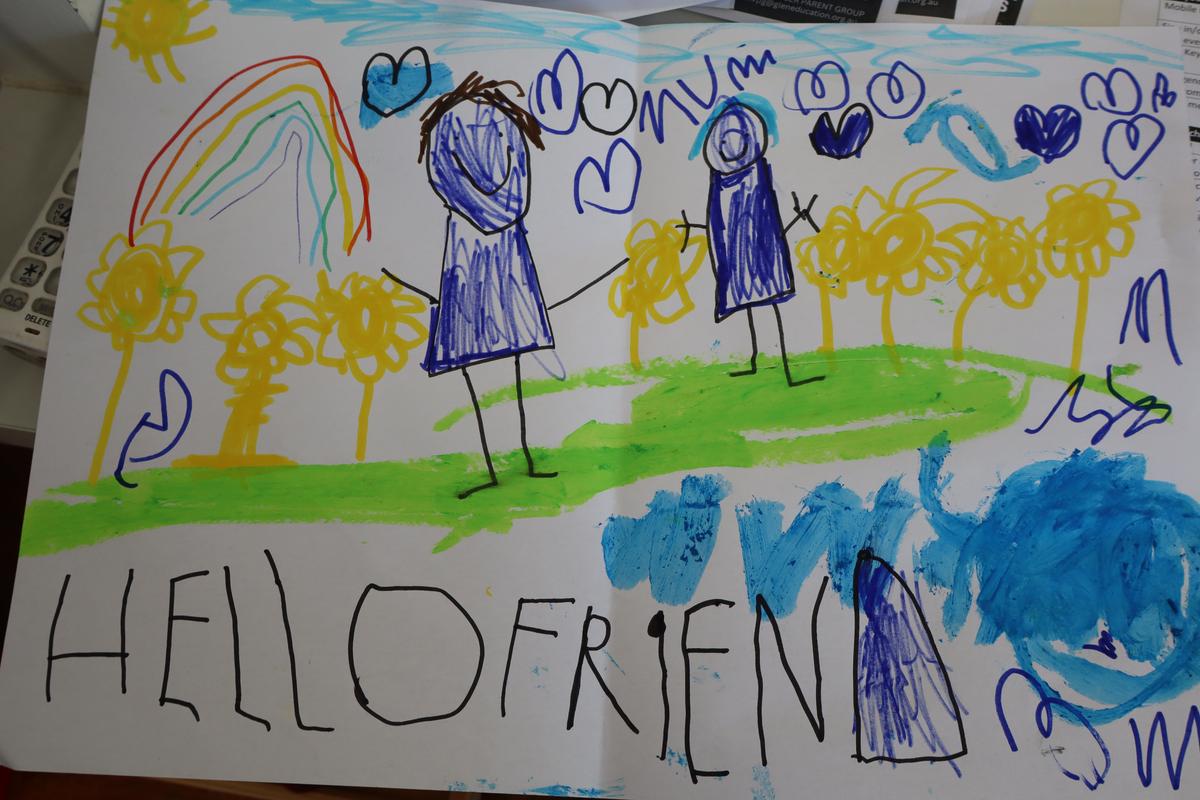
Children have been active participants throughout this inquiry. They created their own mail, walked to the local post box to send it, and contributed drawings and letters to loved ones and Caulfield Primary Kindergarten. Following this, they have been involved in exploring maps, building representations of our neighbourhood using cardboard and recycled materials, and discussing familiar places in their community. Educators have supported this learning by providing materials, provocations, and time to extend ideas collaboratively.
We also explored broader communication methods including spoken language, drawing, writing, digital communication, and body language, linking children’s interests to real-world systems and experiences.
Critical reflection
One of the most valuable parts of inquiry is that we do not always know where it will lead. After the children created and posted their letters, it could have seemed like the project had ended. However, through careful observation and listening, educators noticed children’s continued curiosity and questions about what happens next. This ongoing reflection has reinforced the importance of responsiveness in curriculum planning and the value of following children’s thinking over time.
Now, our inquiry project appears to be moving further toward maps, directions, and understanding place and space. That is the beauty of projects and inquiry. We as educators do not need to know exactly where the project will end, because it belongs to the children. Our role is to listen, support, and walk alongside them as their thinking grows and changes. It is a genuine privilege to be part of this process of children making sense of their world, and to witness the depth of their thinking unfold in such organic and meaningful ways. It is also humbling, as there are moments where we do not have all the answers, and we learn alongside the children as their questions lead us into new directions.