Glen Education Serrell Street
Our Recipe Book : Learning, Literacy, and Connection
By Tori Cooper , Early Childhood Teacher
From the start of the year, the children on Thursdays and Fridays have displayed a keen interest in cooking, asking regularly “can we make something today?” and leading to the creation our ongoing recipe book project.
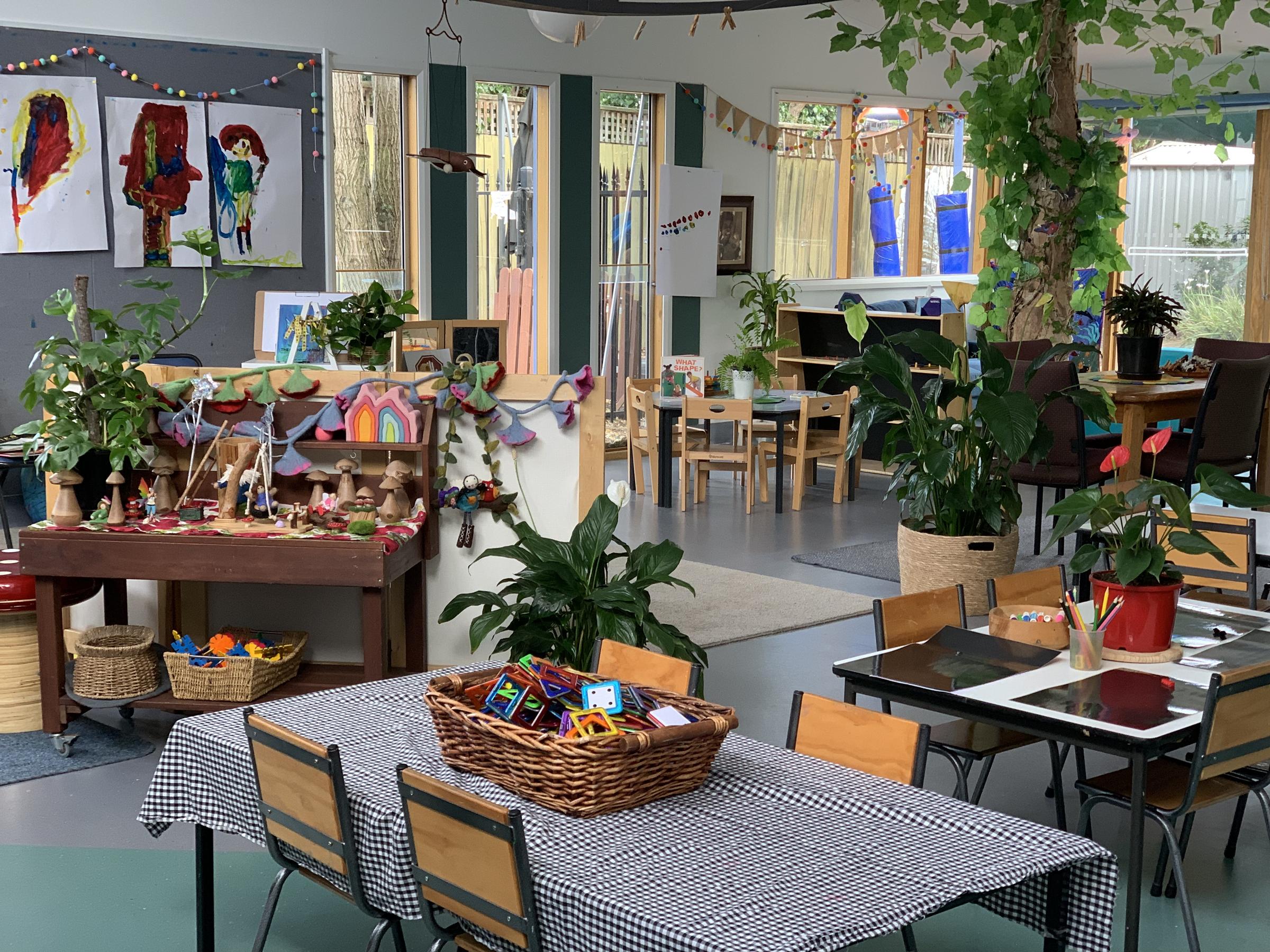
The project emerged from the children’s sustained interest in cooking experiences as identified through observation of children’s interests beyond immediate these cooking experiences – the books they chose, the dramatic role play of chefs and cafes in home corner, and the ever-busy mud kitchen serving up an endless stream of soup and hot chocolates.
Through observations of how children engaged in cooking in different formats throughout the kindergarten, we reflected on how we could extend these experiences beyond the cooking activities themselves. This led to the development of the recipe book as an authentic literacy project that would give meaningful opportunities for children to revisit, represent, and share their learning.
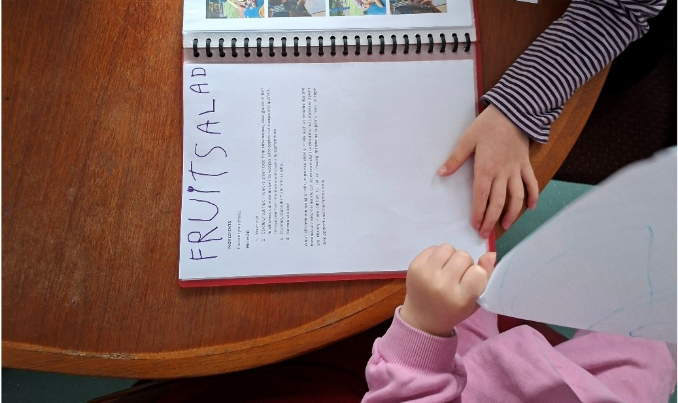
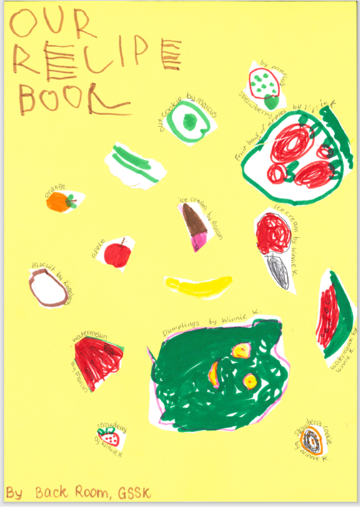
Our recipe book documents the shared cooking experiences and celebrates the learning that occurs through shared experiences. The recipe book includes written copies of the recipes we have prepared together and is illustrated through photographs of the children engaging in the cooking process; the front cover was designed and created by the kindergarten children, and the headings were written by the children themselves.
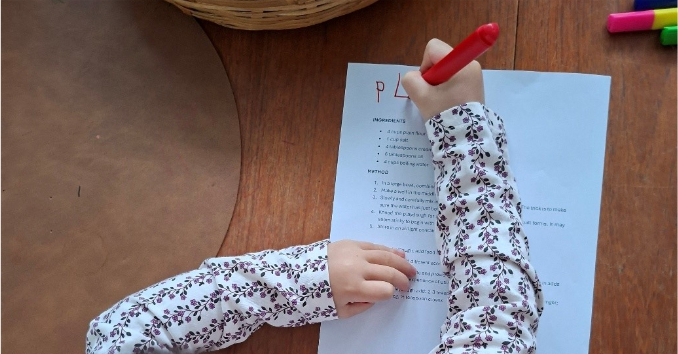
This project was intentionally developed to support children’s emerging literacy skills through authentic and purposeful experiences.
By engaging with recipes as functional texts, children are developing an understanding that print carries meaning and serves a real purpose. Through writing headings, recognising familiar words and/or numbers, discussing ingredients, and revisiting recipes, children are exploring concepts of print, early writing behaviours, and the different ways that text can be used to communicate information.
Children’s voices are vital to the project – this is their book. They have reflected on past cooking experiences, both at home and at kindergarten; shared memories of special events; contributed ideas for the design of the book; and helped to decide how their learning is represented.
They have also been invited to share ideas of recipes or foods they would like to create – the next recipe we create this term will be dumplings, as requested by one of the children. Revisiting photographs and recipes have encouraged children to recall events, sequence experiences, and make connections between past and present learning. These reflective conversations have provided valuable opportunities for children to see themselves as capable learners and active contributors within our kindergarten community.
The recipe book also helps to strengthen connections between kindergarten, families, and the wider community. Many of the recipes included are linked to celebrations, such as Hot Cross Buns made at Easter, or shared experiences held throughout the year, including the Gluten Free Plum Streusel Slice lovingly prepared by the children to share with their families at our recent Family Stay and Play afternoon. By documenting these events, the book highlights the important role that relationships, community participation, and shared experiences play in children’s learning.
Through ongoing critical reflection, we are recognising that children’s engagement has extended beyond the cooking process itself. While the original intention was to document recipes created throughout the year, the project has evolved into a vehicle for reflection, storytelling, literacy, and identity.
It has prompted us to reflect on the significant learning that occurs when children are invited to revisit and discuss their learning experiences, and to continue to provide opportunities for children to share their perspectives and contribute to curriculum decisions and documentation.
As the project evolves throughout the year, it will continue to support not only literacy development, but also children’s agency, confidence, collaboration, fine motor skills, communication, and sense of belonging. The recipe book serves as a living record of the children’s learning, demonstrating how intentional teaching and authentic learning experiences can foster engagement, reflection, and meaningful learning outcomes.