
Glen Education Fern Street
Building a Foundation of Respect and Safety: Glen Fern Street Kindergarten’s Focus on Social-Emotional Learning
Written by Sarah Lee,
Early Childhood Teacher
At the beginning of this year, the educators at Glen Fern Street Kindergarten made a deliberate choice to focus on creating a safe, predictable, and respectful environment for all children. This decision was driven by our commitment to fostering strong, positive relationships from the very start.
The project, which was broken down into key focus areas—body boundaries, respect, and sustainability—was a great success throughout Term 1.
During this time, children explored important concepts such as personal space, recognising their comfort levels, and developing the language and confidence to communicate their needs respectfully. They also learned to recognise and honour the boundaries of others, laying the groundwork for trust, safety, and positive relationships.
Guided by the principles of the Pyramid Model—a framework we’re now into our second year of engaging with through Glen Education’s professional development opportunities—along with the VEYLDF and NQS, our curriculum placed a strong emphasis on building meaningful relationships, creating supportive environments, and delivering explicit social-emotional teaching.
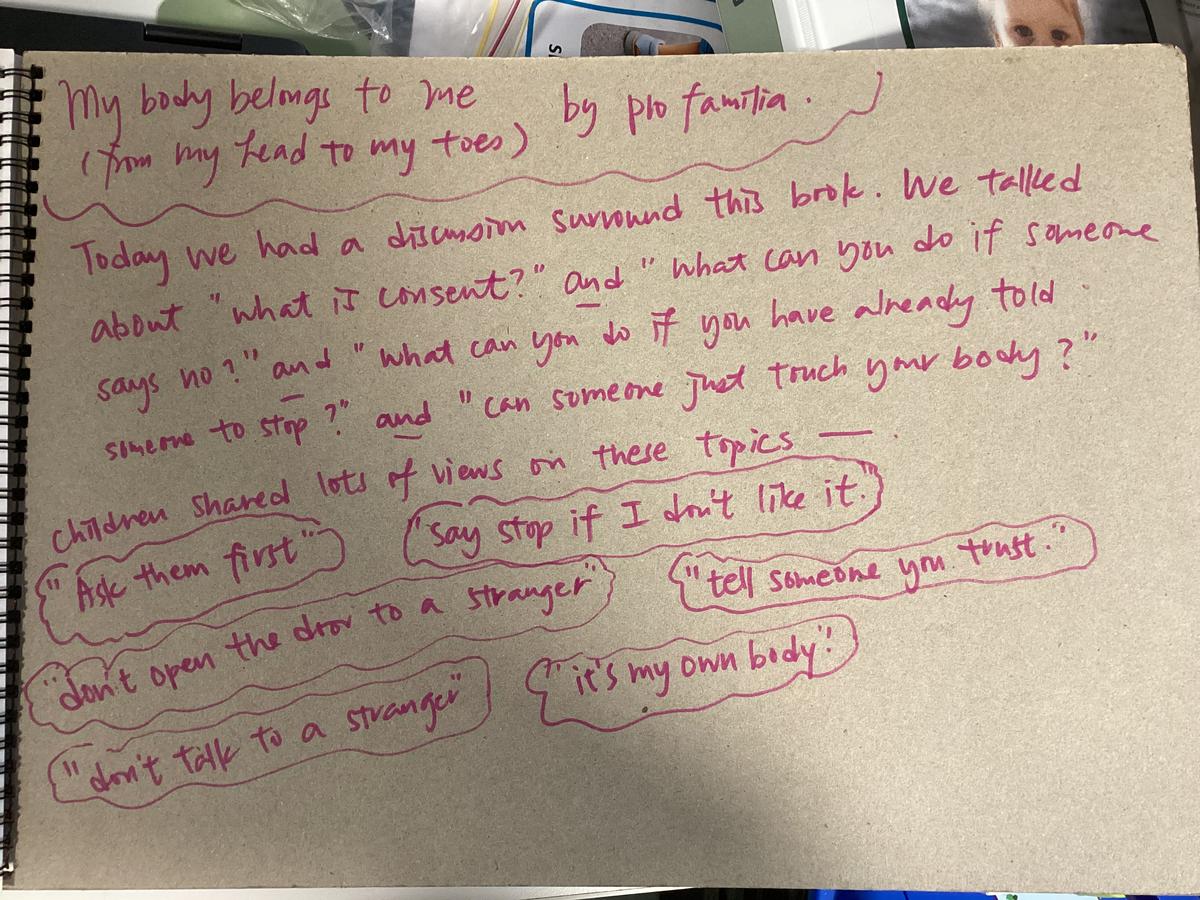
The voices of the children were central in shaping this project from the outset. Their thoughts and lived experiences provided valuable insight into their needs and perspectives.
For example:
- “I don’t like when someone hugs me without asking.” - L.O
- “Sometimes I want alone time without my friends.” - D.R
- “I like playing rough, but some of my friends don’t like it.” - L.M
These reflections helped us better understand how to support the children in building their confidence, communication skills, and emotional safety. Their input continues to guide the direction of the project, ensuring it remains relevant and responsive to their needs.
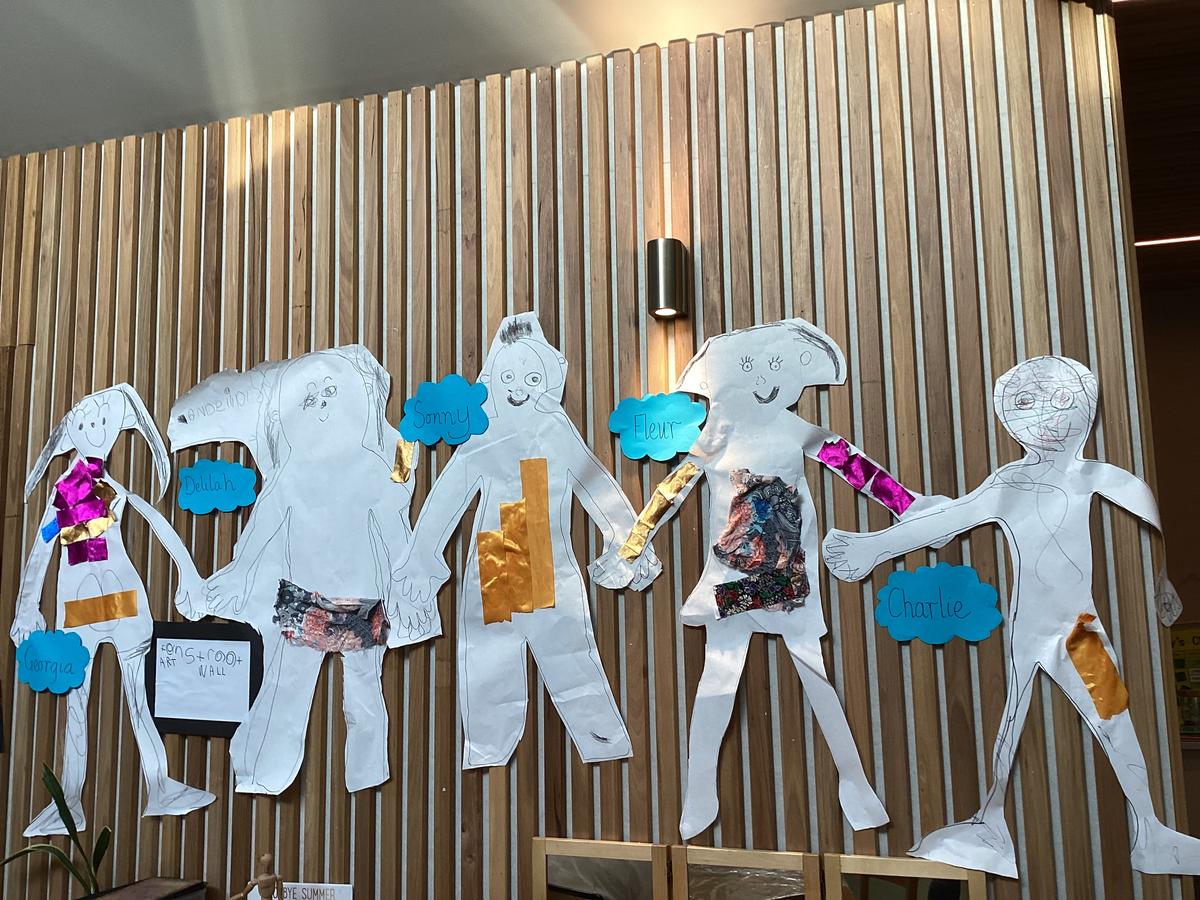
In line with our focus on respect and personal space, we engaged the children in an activity where they traced their own bodies on large pieces of paper. This allowed them to visualise their physical space and reflect on their own boundaries.
As a group, we discussed what is respectful and what behaviours are not desirable. This discussion helped children develop the language and understanding to communicate their comfort levels, as well as the importance of respecting others' space.
To further reinforce the themes of respect and boundaries, we created a social story called “I Can Help My Friends,” which was tailored to our group’s unique needs.
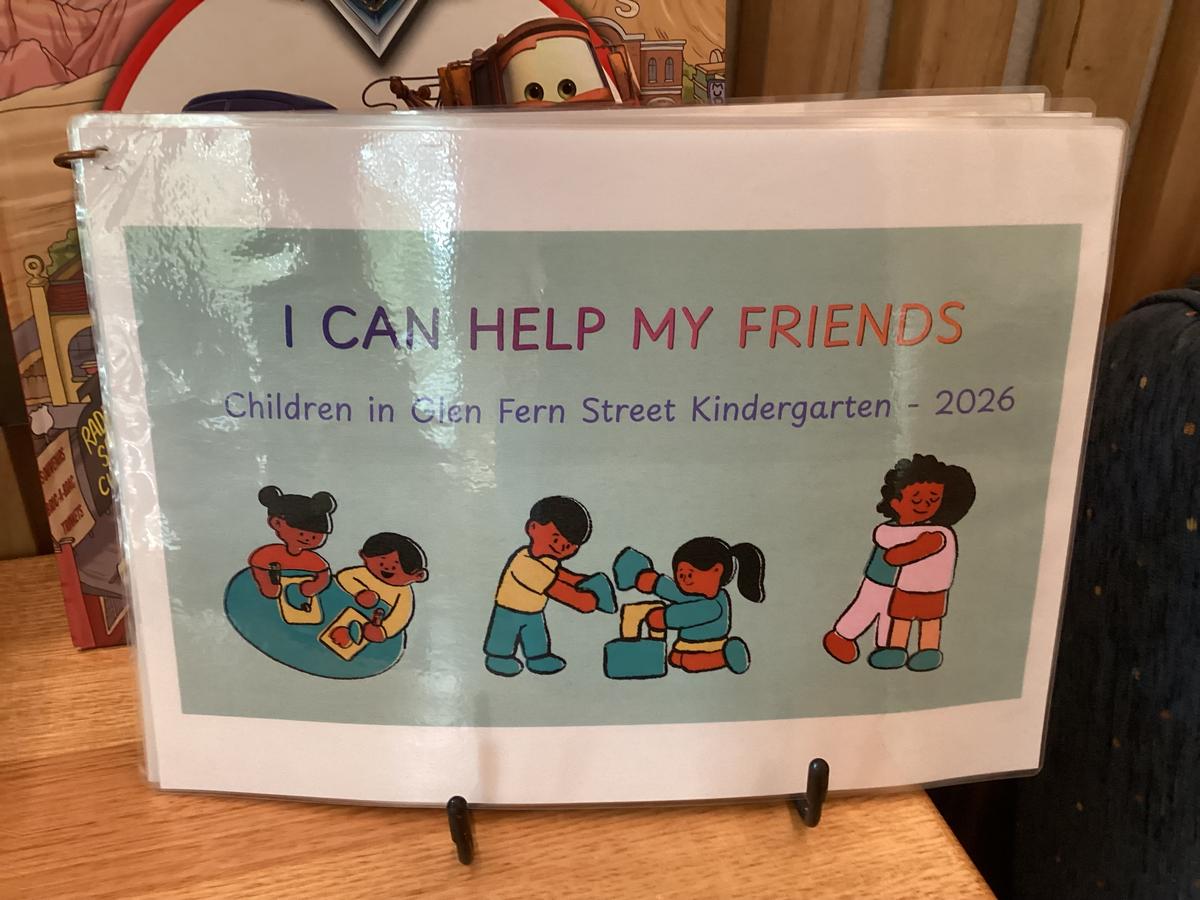
The story which include children’s ideas and photos service as relatable examples of how to model respective behaviour, communicate needs and set boundaries in social interactions. Children and educators alike find this resource services as a valuable tool for reinforcing positive behaviours in an accessible and relatable way.
Alongside the social stories and intentional experiences, we introduced the ‘solutions kit’, a collection of strategies designed to help children navigate challenges independently. A dedicated quiet space within the learning environment provides children with a calm area to reflect, process, and refer back to the kit when needed. It has been wonderful to observe children using the strategies within their play; whether asking effective questions, using a timer for turn taking or even feeling confident to approach an educator for support.
This has empowered children to take greater ownership of their emotional safety and problem-solving, applying these tools in real-life situations.
As we reflect on our progress, we continue to ask ourselves:
- How can we ensure that our routines and transitions reinforce children’s agency and autonomy?
Are we consistently modelling consent in our interactions with the children?
These questions guide our ongoing development as we strive to create a more empowering environment where children’s voices are heard, and their boundaries are respected.
It has been truly rewarding to see the strategies we’ve put in place beginning to emerge organically in the children’s play. Many children are now independently using the visuals, drawing from the language in the solutions kit, and referencing the social stories to guide their interactions and choices. This shows not only that they understand these concepts but that they’re meaningfully applying them in their play.
After the holidays, we’ve seen a smooth and seamless transition into Term 2.
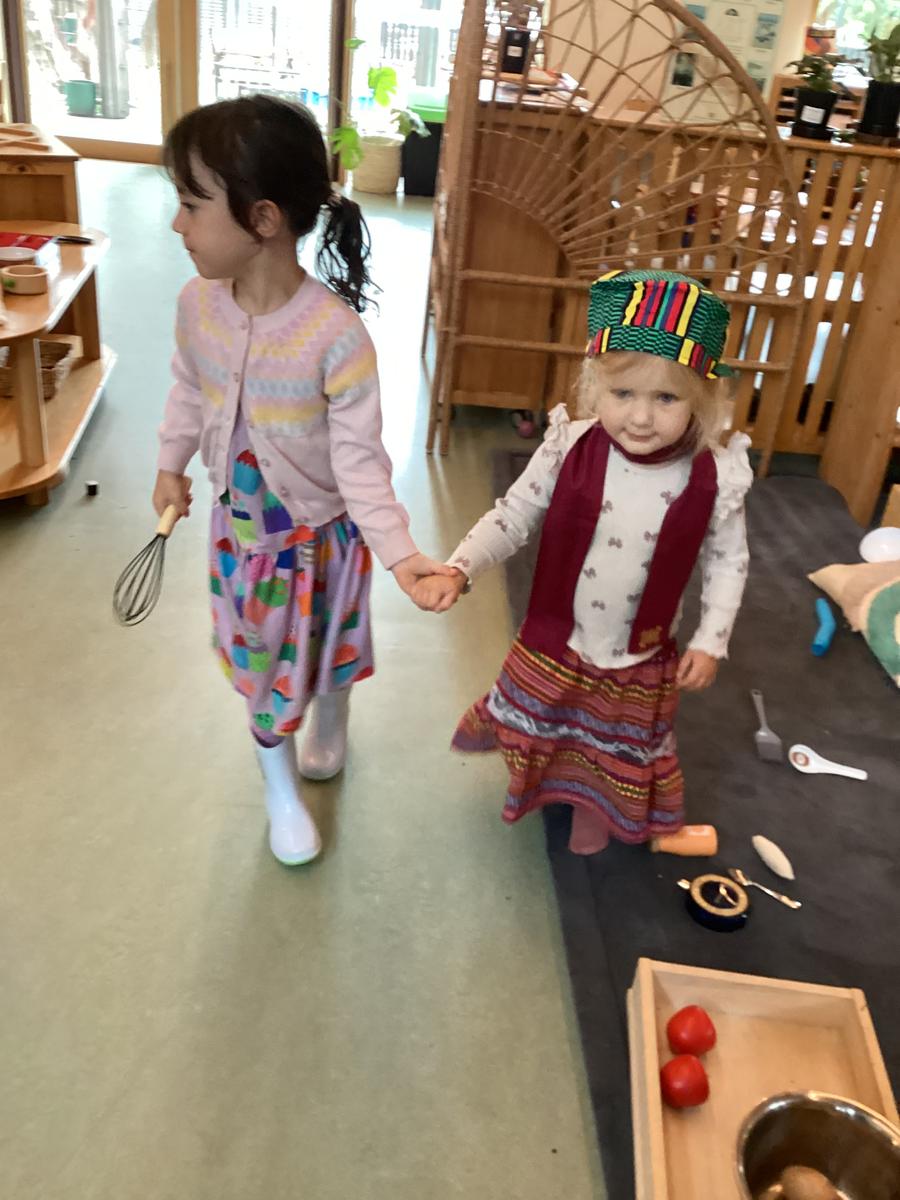
The children have settled back into the rhythm of kindergarten confidently, using the strategies they've learned to navigate their interactions and daily routines. Whether it’s using their problem solving tools or seeking support from educators, they are showing a greater sense of independence and emotional resilience. It’s been fantastic to witness this natural application of what they’ve learned, demonstrating how deeply these practices have taken root.
We are excited to continue this journey of learning and growth together, building a foundation of respect, autonomy, and emotional safety that will serve our children well for years to come.