
Glen Education Centre Road
Garden to Plate Project
Our Garden to Plate project has been a rich and meaningful learning journey for our children, inspired by their natural curiosity and everyday conversations about food. The project began during snack and mealtimes, when children shared their favourite fruits and foods from home. Simple comments such as “I like grapes” and “I have apples at my house” sparked thoughtful discussions about where food comes from.
Children began wondering whether food is grown at home or bought from shops, asking questions like, “Can we grow this at kinder?” and “How does a seed turn into a tree?” These conversations became the foundation for our Garden to Plate learning experience.
Plant to grow
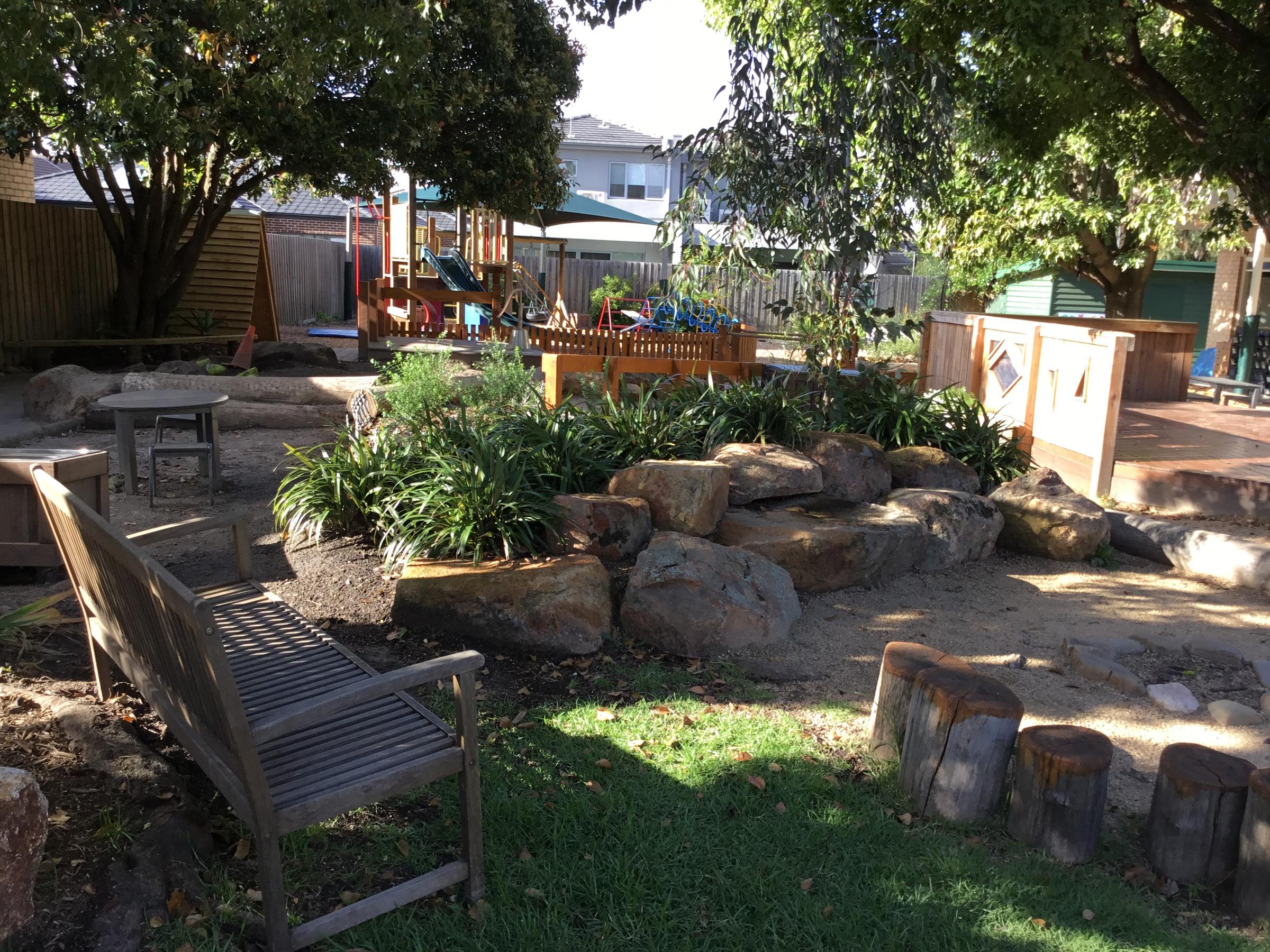
Term 1 had brought together the children and educators created a purposeful outdoor garden space where children could explore, plant, and care for a variety of vegetables, herbs, and plants. Children were involved from the beginning, sharing ideas about what they would like to grow and how the garden should look. And then, we Learned and contributed their ideas of how to look after the plants and the “three elements” for the plants to grow are, water, sunlight and soil. This sense of ownership helped children feel connected to the space and motivated them to care for it each day.
With donations from families, and the seeds our children chose, they have been actively involved in all aspects of the garden. They planted snow peas, spring onions, broccoli, and a range of herbs, learning how to prepare soil, plant seeds and seedlings, and water plants carefully. Each day, children eagerly checked the garden, watering plants, observing changes, and discussing what plants need to survive. They noticed new leaves forming, compared leaf sizes, checked soil moisture, and talked about the importance of sunlight and water. These experiences supported children’s understanding of responsibility, patience, and caring for living things.
Learning continued indoors as children observed seeds growing in habitat setups and herb trays, following each stage of growth over time. They explored using their senses by touching soil, smelling herbs, and observing roots and shoots closely. Children shared and recorded their learning through drawings, conversations, and reflections, building curiosity, inquiry skills, and a strong connection to the natural world.
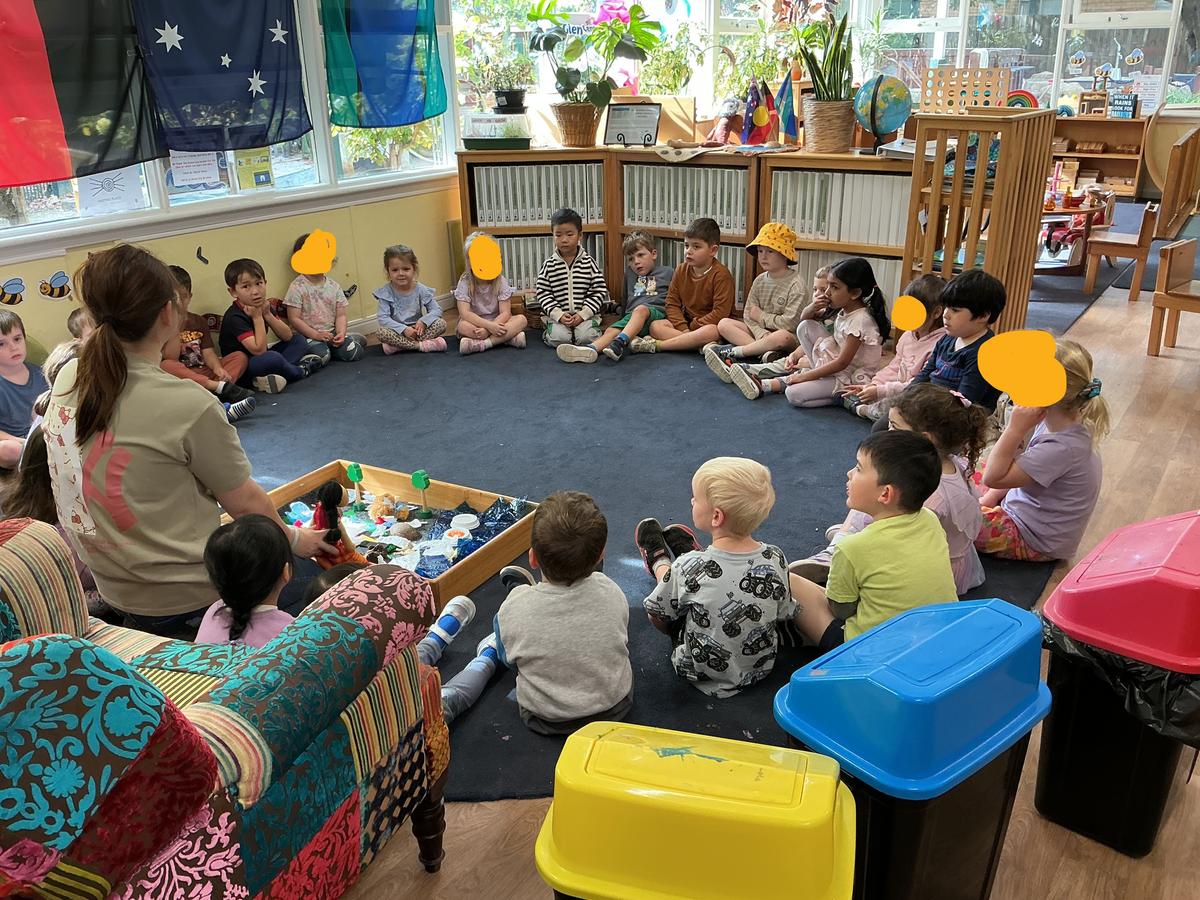
Outdoor exploration also sparked interest in insects when children discovered spider webs among the plants. Educators extended this learning indoors through hands-on experiences using magnifying glasses, drawings, group discussions, and small world play with natural materials and toy insects. Books, visual resources, and sensory activities further supported children’s understanding of garden habitats and living things.
Ready to cook
Building on the learning and experiences from Term 1, the children were provided with opportunities to further explore the complete “garden to plate” journey and experience the rewarding outcome of growing plants and vegetables.
Learning was further enriched through the exploration of Earth Day on April 22nd, which served as a catalyst for reflective thinking and shared dialogue about our collective responsibility to care for the environment.
Children engaged in thoughtful discussions, asking questions such as, “What happens to the rubbish after we throw it away?” and “How do the worms help our garden grow?” These conversations supported children to consider their role in protecting the environment and to develop a growing awareness of sustainable practices.
In addition, children strengthened their understanding of waste through the intentional use of the yellow, red, and blue bins within the kindergarten setting. With educator support, and through visual prompts, books during group time, group discussions, and practical experiences, children were encouraged to investigate and classify materials according to whether they could be recycled, reused, or disposed of as general waste. These integrated learning experiences fostered environmental stewardship, responsibility, and a developing respect for the interconnected relationship between people, living things, and the natural world.
Families played a significant role in extending the children’s learning from Term 1 into Term 2 through their generous donation of fresh vegetables.
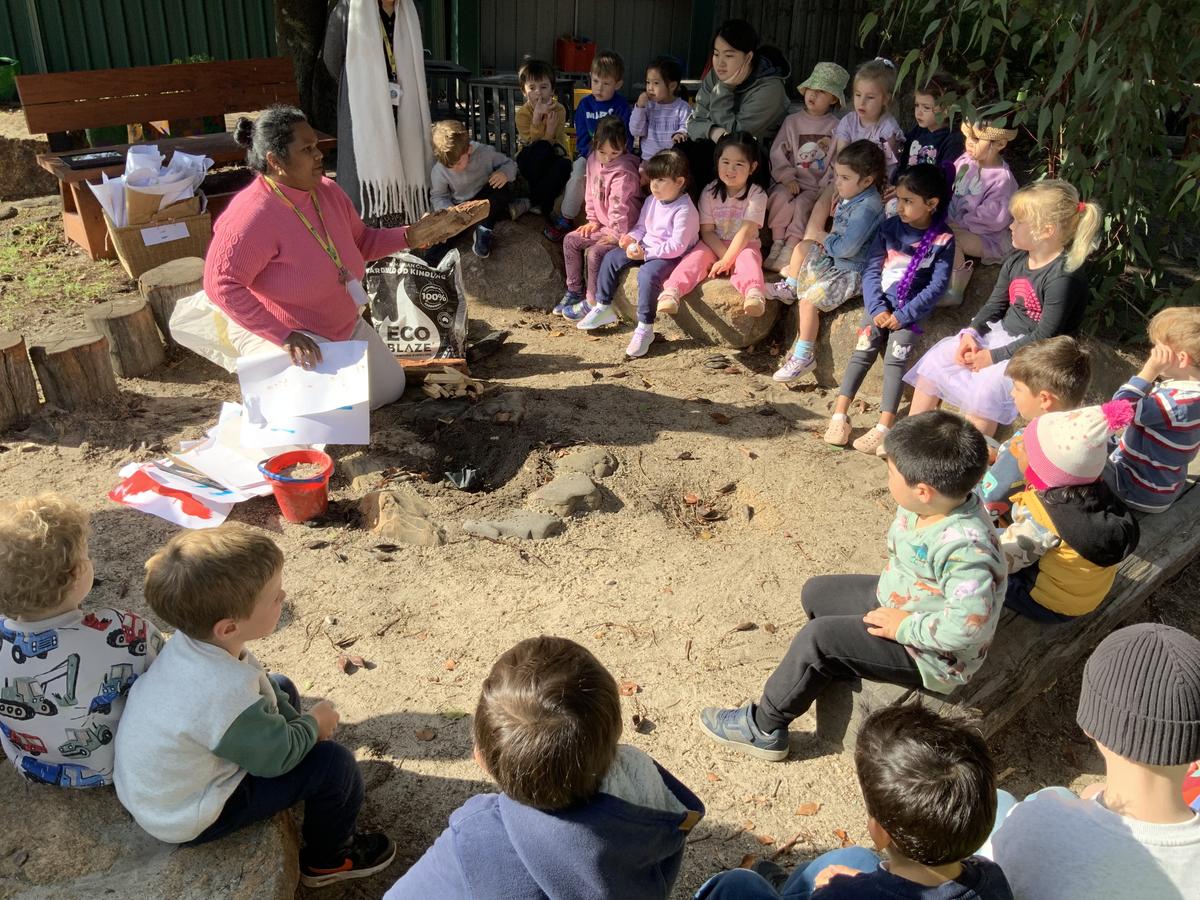
This contribution enabled us to meaningfully build upon our “garden to plate” experiences, providing children with the opportunity to see the full journey of food from harvest to preparation and cooking. Using our campfire at the outdoor meeting point, children were invited to engage in the preparation and cooking of the donated vegetables in a shared outdoor learning experience. This provided a rich, sensory-based opportunity to explore textures, aromas, and changes that occur through cooking. Experiencing food preparation in an outdoor setting fostered a sense of connection, collaboration, and community, while deepening children’s appreciation of where food comes from and how it is prepared.
A strong focus was placed on fire safety, with educators engaging children in important discussions about the risks and dangers associated with fire, as well as the strategies and expectations needed to keep themselves and others safe. Children were encouraged to contribute their own ideas and prior knowledge, supporting the development of responsibility, awareness, and confidence within the environment.
We extended our learning journey by engaging with our local community through the support of Bunnings Warehouse. Their involvement provided children with meaningful opportunities to deepen their understanding of environmental care, sustainable practices, and the importance of nurturing the natural world. Through this connection, children explored the processes of growing plants and strengthening their awareness of composting as a purposeful way to return nutrients to the soil.
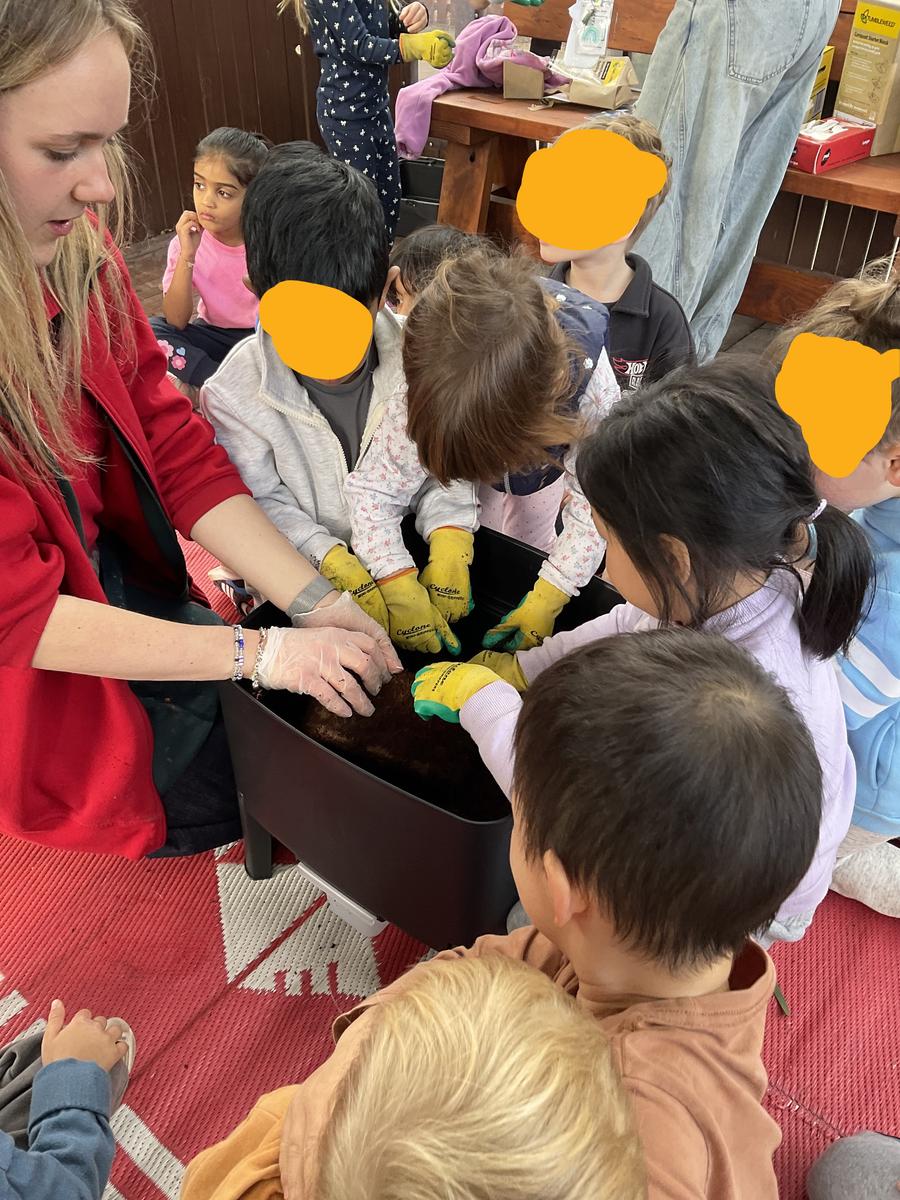
This community partnership enriched children’s learning by linking their hands-on experiences in the garden with broader environmental concepts, reinforcing the importance of caring for the earth and understanding how natural cycles support growth and sustainability.
Throughout the project, children’s voices have remained at the centre of learning. Their questions, ideas, and interests guided planning and decision-making, ensuring the project stayed relevant and engaging. Children showed a strong sense of pride and responsibility as they cared for the garden, participated in tasting and cooking experiences, and shared what they had learned with others.
Through the Garden to Plate project, children have developed confidence, responsibility, curiosity, and a growing appreciation for healthy eating, sustainability, and caring for the natural world. We thank our families and community members for their ongoing support and contributions, which have made this learning journey so meaningful and successful.