
Glen Education Chelsea

Investigating Composting as Part of Gardening
During this term we engaged with our local Bunnings and were fortunate to have Tam share her knowledge with the children about gardening and how to grow plants and look after them. During the sessions, the children were able to engage in creating their own greenhouses.
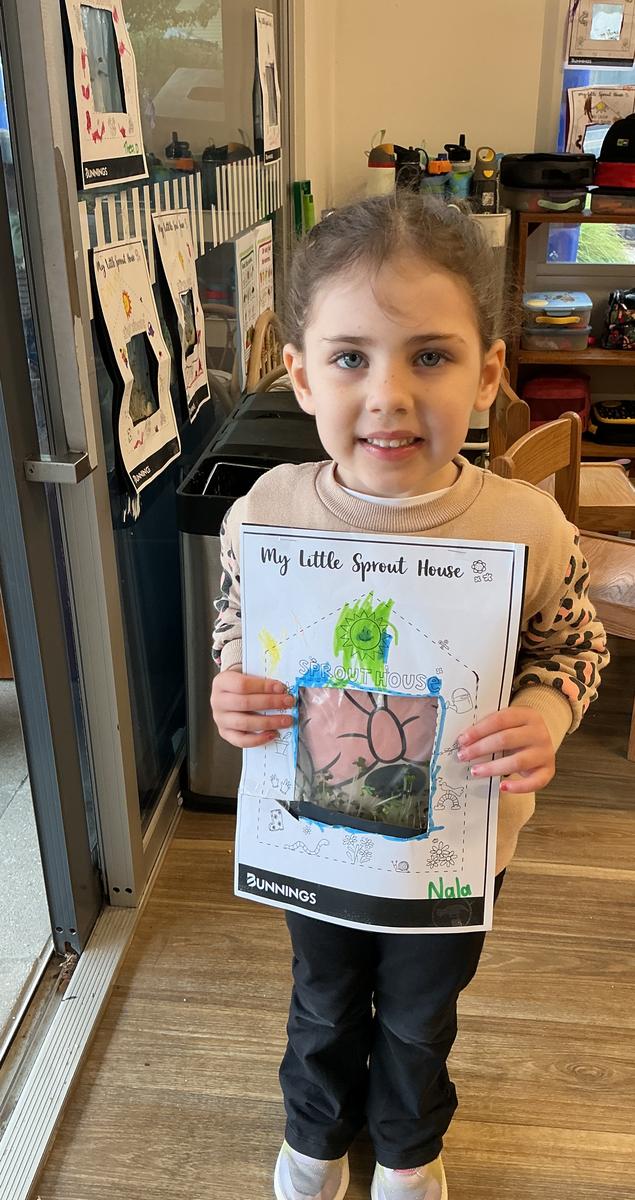
Children explored what plants need to grow, including, water, soil, sunlight, and air. They showed curiosity as they talked about how the seeds might sprout and how they would be able to see the young plants growing through the greenhouse window.
This experience supported children’s understanding sustainable plant growth and caring for living things. (EYLF OUTCOME 2)
Teaching children about gardening is a hands-on way to teach responsibility, the plant life cycle, and healthy eating. Key strategies include giving children opportunities over their own designated garden bed, choosing fast growing seeds, and integrating nature into their learning.
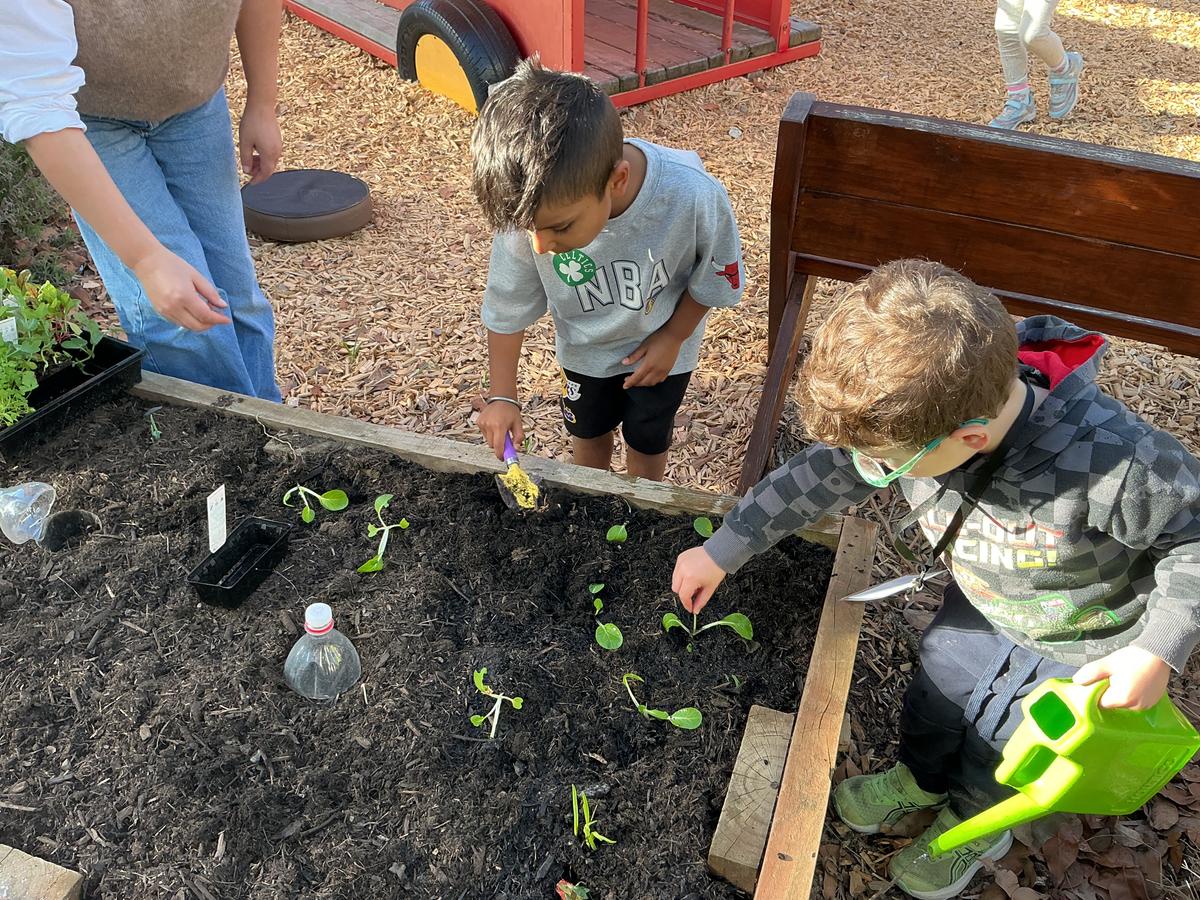
After Tam’s visit, we explored some small seedlings that were left for us, to plant in our garden beds at kindergarten, so the children can see the plant life cycle in real life.
Gardening offers children lots of developmental benefits, including improved motor skills, greater willingness to eat fresh produce, and reduced stress through nature play. It acts as a natural classroom for science and responsibility.
Key advantages include:
Health and Nutrition: Children who grow their own fruits and vegetables are more likely to eat and develop long term healthy eating habits.
Physical development: Actions like digging, lifting, and watering build gross motor skills while planting tiny seeds hones fine motor skills and hand- eye coordination.
- Emotional Regulation: Natural play promotes mindfulness, patience, and reduced anxiety. Watching plants grow and harvesting them boosts self-confidence and a sense of responsibility.
- Cognitive Growth: Gardening sparks curiosity about the environment, weather, and life cycles, introducing basic stem concepts like counting and measuring.
This aligns with our planning cycle, where we notice children always going to explore the worm farm and they show their curiosity.
"What we can put into worm’s farm?" is a question that is asked often.
We spoke with the children about the important role worms play in composting, explaining that they enjoy eating fruit scraps and discussing which foods can and cannot be added to a worm farm, such as citrus fruits and onions. To further extend their curiosity and learning, we organised for another visit from our local Bunnings store.
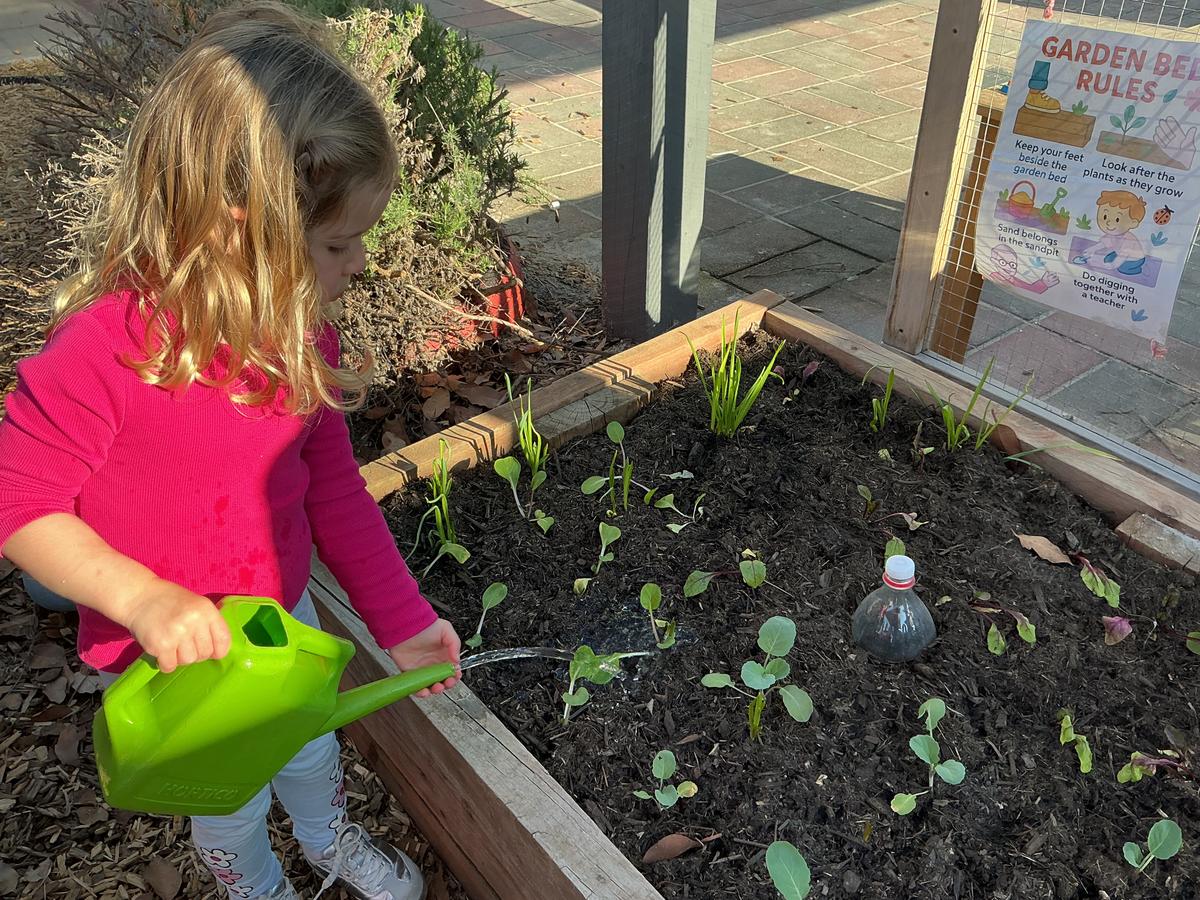
The children learnt about the composting process and discovered that bacteria, fungi, and worms are nature's workers, helping to break down food and garden waste into nutrient-rich compost. They also learned that food scraps do not simply disappear but are recycled into rich soil and natural fertiliser that can be used to support plant growth in the kindergarten garden.
Following this experience, the children worked alongside their educators to plant seeds in the garden beds, applying their new knowledge and developing a deeper understanding of sustainability, gardening, and the natural lifecycle of plants.