Glen Education Carnegie
Promoting Imaginative Play
At Glen Carnegie Kindergarten our team of educators’ plan and implement worthwhile play-based learning experiences using children’s voices, interest, curiosity and funds of knowledge to implement learning experiences that scaffold children’s ideas.
Imaginative play or pretend play is an essential experience for promoting the children’s cognitive, social and emotional development with their peers. It enables them to explore, collaborate ideas, solve problems and express themselves creatively.
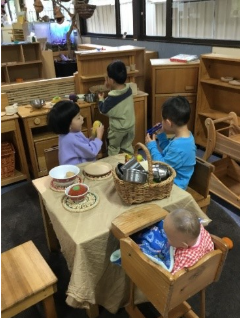
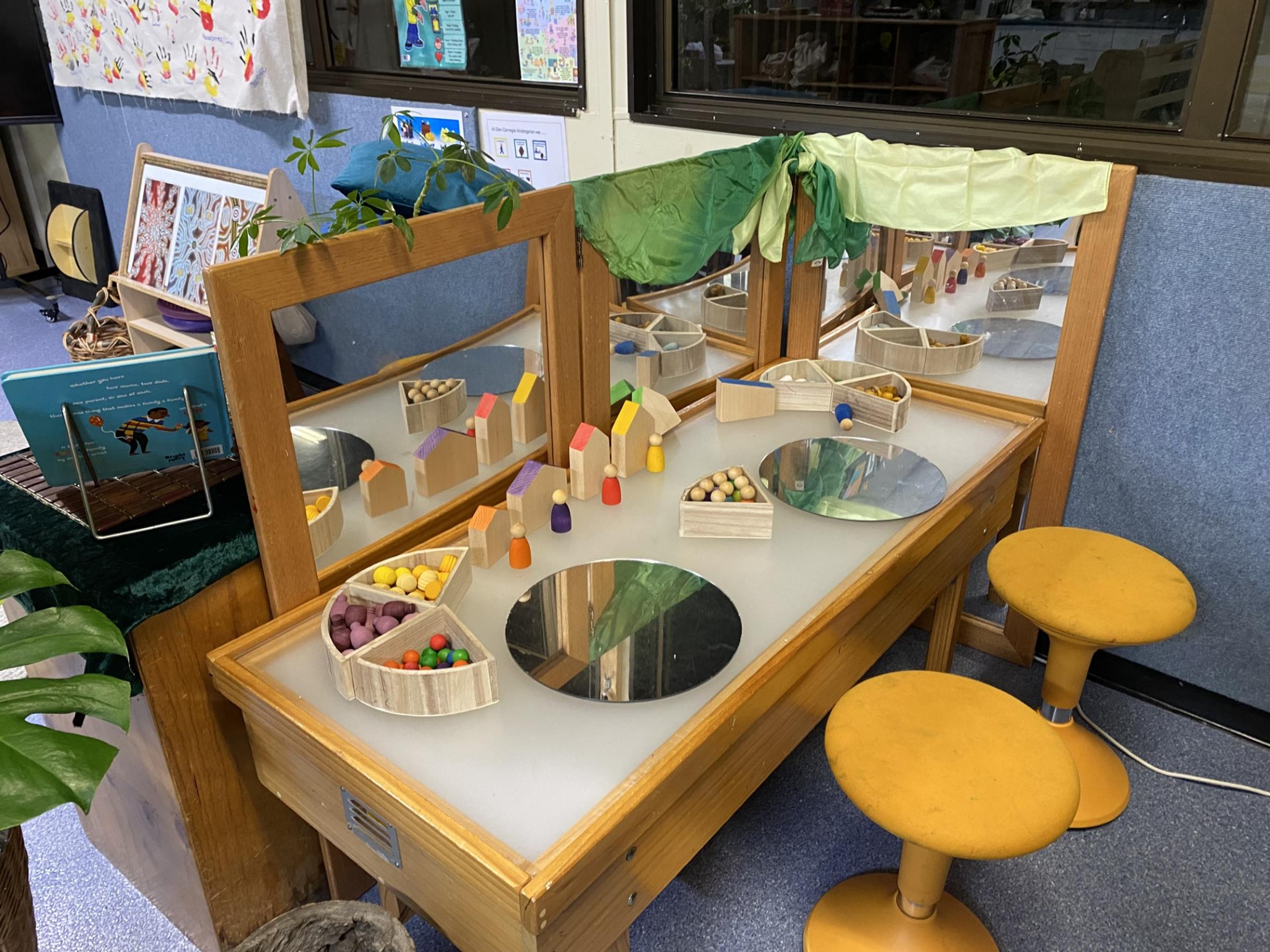
As children arrive at our kindergarten, we have observed some children arriving dressed up in their favourite characters like spiderman, superman, Elsa and princesses and we love watching them sharing their interests within the group. Our pretend play areas, such as home corner, supermarket, lightbox and table settings with resources such as farm animals, people or natural materials transform a space ready for imaginative learning through play. As an example, children were interested in setting up a supermarket and engaging in acting different roles like cashiers and customers shopping for groceries. Children have these literacy learning opportunities such as counting items and using shopping lists, making learning fun, creative and interactive with peers. They also like to utilise the home corner area resembling homelife. The conversations we observe are a big reflection of what they see and hear around them, sometimes taking us by surprise!
In transforming play space using tables and resources, we can create an environment that reflets children’s current interests shared outside our kindergarten environment, for example a child sharing a recent visit to their grandparent’s farm, “I went to Nanny and poppy’s farm and helped feed the animals”.
Though our curriculum planning we can capture the child’s voice and shared this experience to facilitate a balance between a child led and intentional teaching experiences where they can express and initiate their ideas through play.
Another child wanted to create a playpen for the animals using little bricks and wooden fences. “I made these for the animals.” He also said” kids can visit the farm and feed the animals.” This helps us foster a child’s sense of identity by creating wealth of learning through literacy and shared learning spaces. It also engages children to share ideas, discover, use their imagination and learn about farm animals and life lived experiences on a farm!
Puppetry is also another fascinating area of interest where children can preform puppet shows using different characters in much loved stories including three little pigs, five little ducks or ‘Room on a broom’ by Author Julia Donaldson. The benefit of puppetry helps us to plan and promote each child’s language development and pre literacy reading skills. Puppets help build children’s confidence and creativity; and gain important skills through role play by having a more tactile approach to their learning. Puppets allow for a rich, collaborative experiences, that can be a purely solo venture or getting children to navigate play and perform together which fosters teamwork and compromise. Puppet experiences are an excellent way for children to express their creativity and learn valuable skills like storytelling, communicating emotions effectively.