Glen Education Caulfield South
The Pyramid Model
As part of the School Readiness Funding provided by the Victorian Government to support children's learning and development in the years before they start school, Glen Education has partnered with Pyramid Model Australia.
The Pyramid Model is a framework that supports children's social and emotional development. It focuses on building positive relationships, creating supportive learning environments, teaching social and emotional skills, and providing individualised support when needed. The model helps children develop confidence, manage their emotions, build friendships, solve problems, and engage successfully in learning. By using strategies such as positive descriptive feedback, educators encourage and reinforce the skills and behaviours that help children thrive both socially and emotionally.
At Glen Caulfield South Kindergarten, we have been focusing on building strong social-emotional skills through encouragement, connection, and positive descriptive feedback.
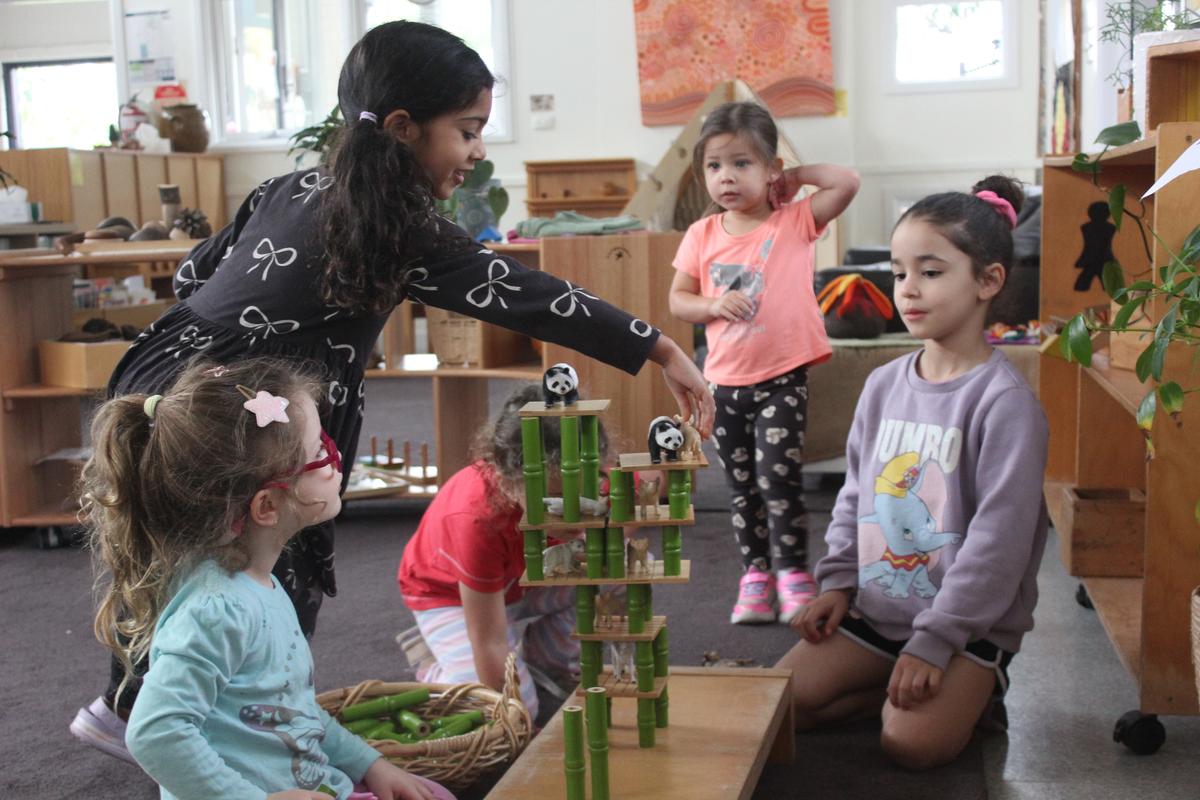
Positive descriptive feedback helps children understand what they are doing well, builds confidence, and encourages them to continue using positive behaviours. Rather than simply saying "Good job," we are providing specific feedback that describes the child's actions. For example:
- "You put all the blocks away when you finished playing. That shows responsibility."
- "I noticed you waited patiently for your turn. That was very thoughtful."
- "You kept trying even when the puzzle was tricky. You showed great persistence."
- "You used kind words to solve the problem with your friend. That helped everyone feel respected."
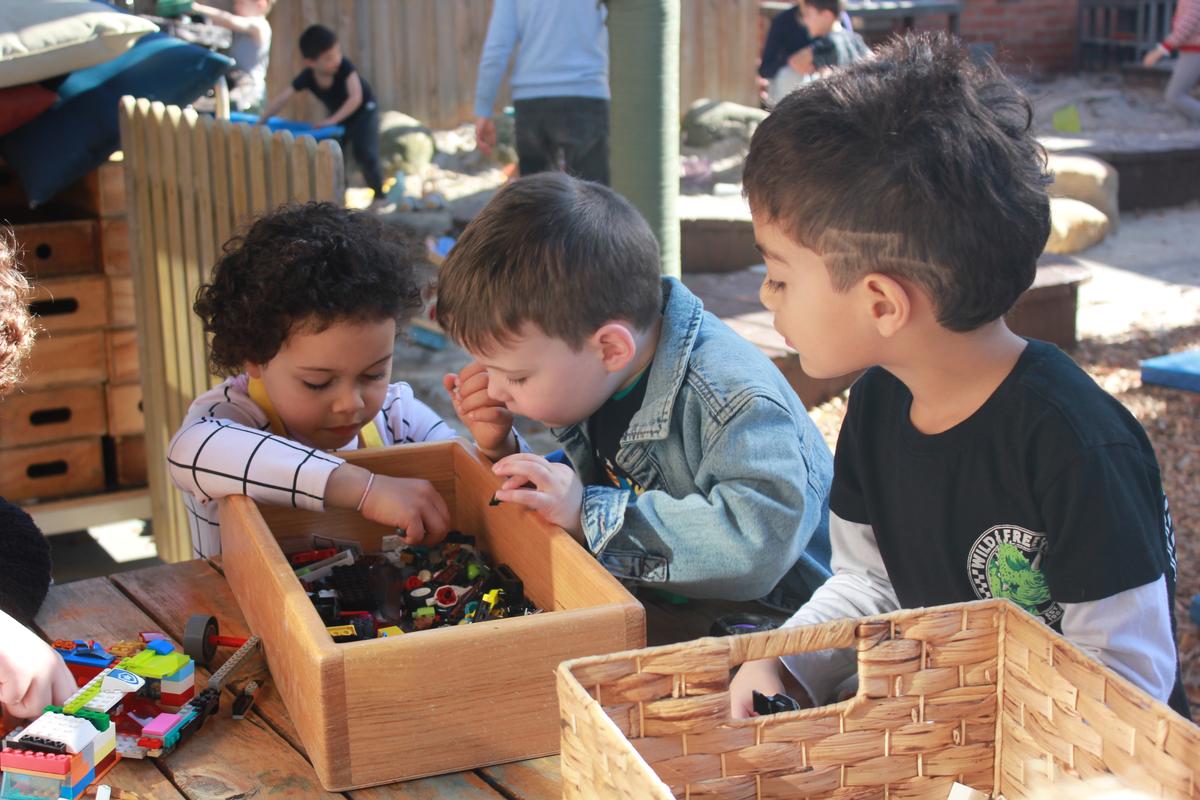
Building Friendship Skills
Children are learning how to:
- Sharing materials
- Taking turns
- Inviting others to play
- Using kind and respectful language
Emotional Awareness
We are helping children:
- Identifying and naming feelings
- Recognising emotions in ourselves and others
- Practicing calming strategies when we feel upset or frustrated
Problem-Solving Skills
Children are learning simple steps to:
- Recognising a problem
- Thinking of possible solutions
Choosing a safe and respectful way to solve it
We have seen many wonderful examples of children demonstrating these skills:
- Children helping clean up and resetting of play spaces for the next player.
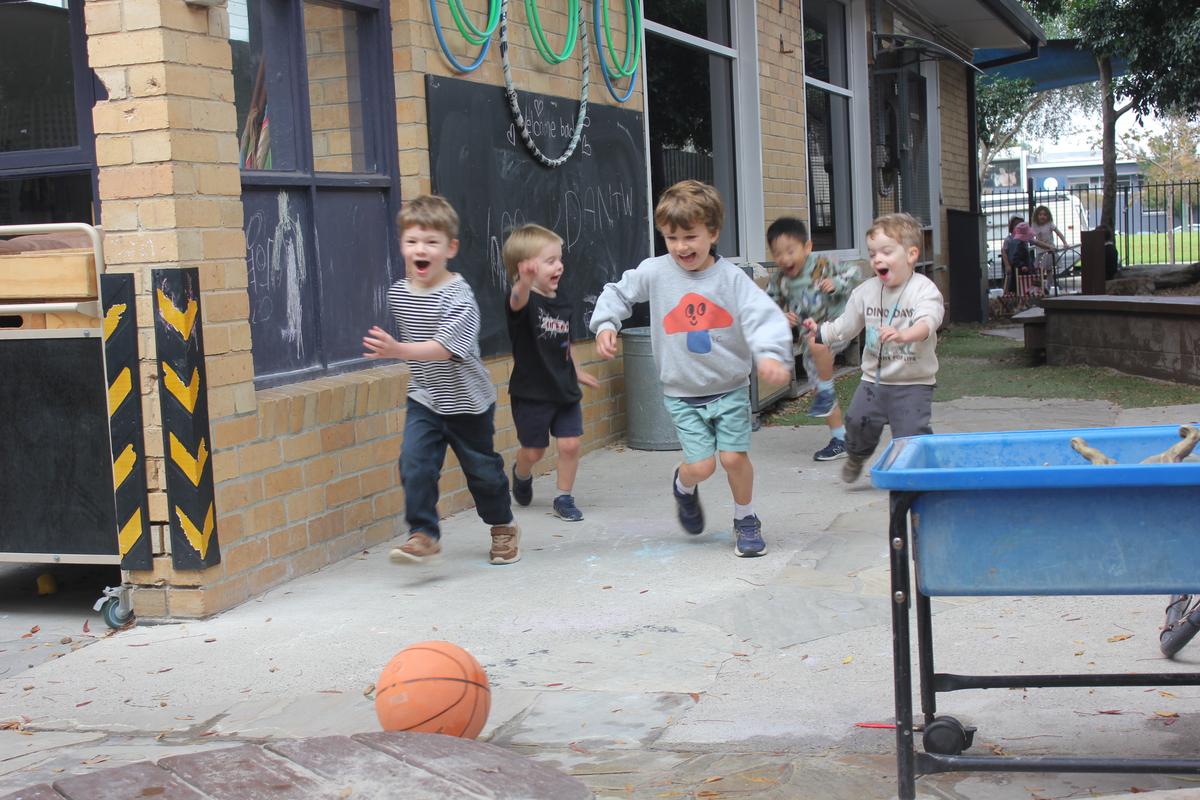
- Children inviting others to join games during play.
- Children using words to express their feelings and needs.
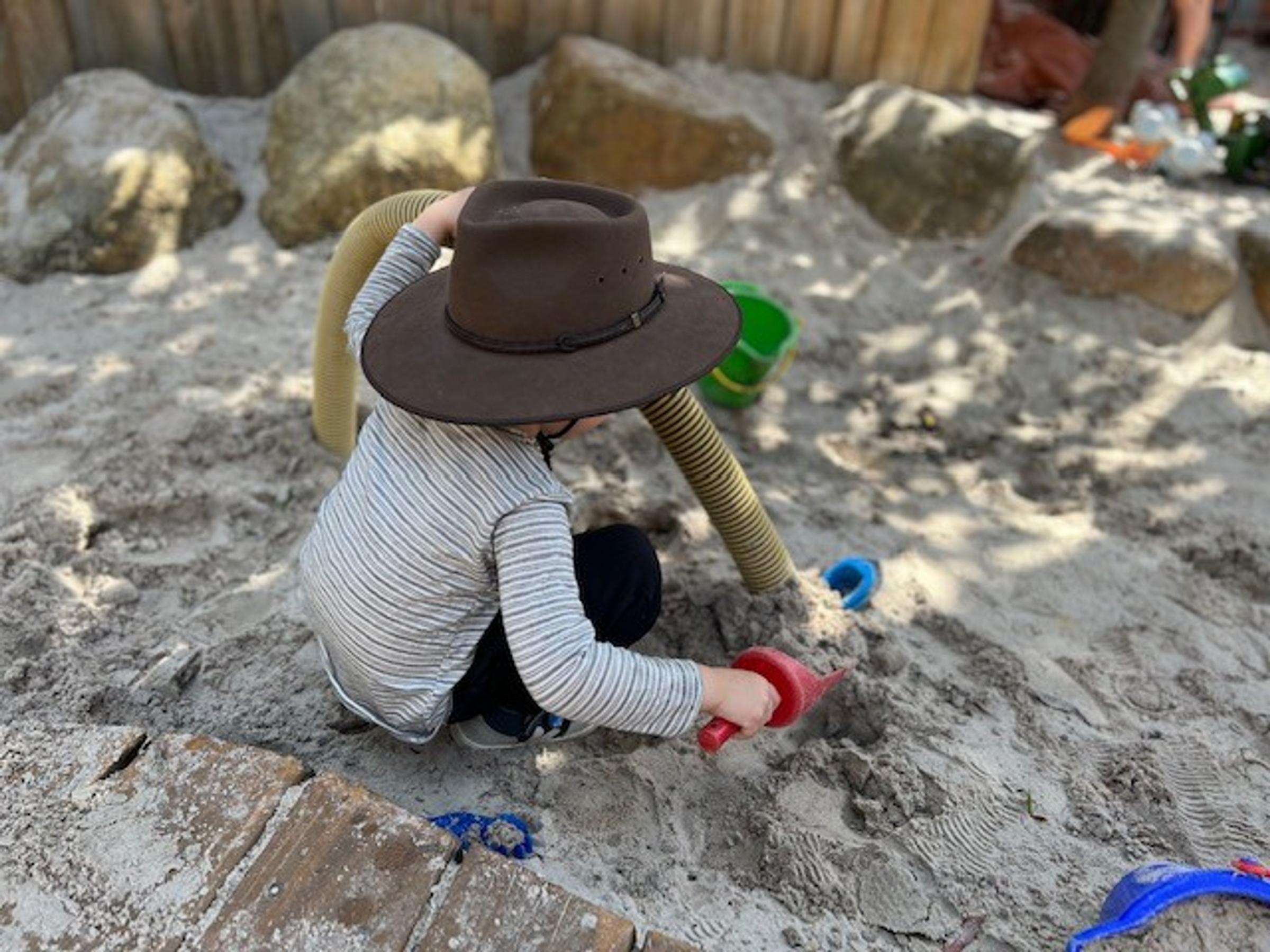
- Children showing persistence when learning new skills and completing challenging tasks.
These moments help create a positive and caring community where everyone feels valued and successful.
How families can support learning at home
You can use positive descriptive feedback at home by noticing and commenting on your child's efforts and positive behaviours. For example:
- "You hung up your backpack all by yourself. You are becoming very independent."
- "You shared your toy with your brother. That was very kind."
"You kept practicing your writing even when it was difficult. You worked hard."
Specific feedback helps children understand what behaviours to repeat and strengthens their confidence and self-esteem.