Wellbeing
Value of the Term - Responsibility
Wellbeing
Value of the Term - Responsibility

Leesa Ross- Mental Health & Wellbeing Leader R.P.S
If you would like to chat, have concerns about your child/ren or would like some support for yourself or family, do not hesitate to contact me at school via phone or email – leesa.ross@education.vic.gov.
Breakfast Club is Back!!
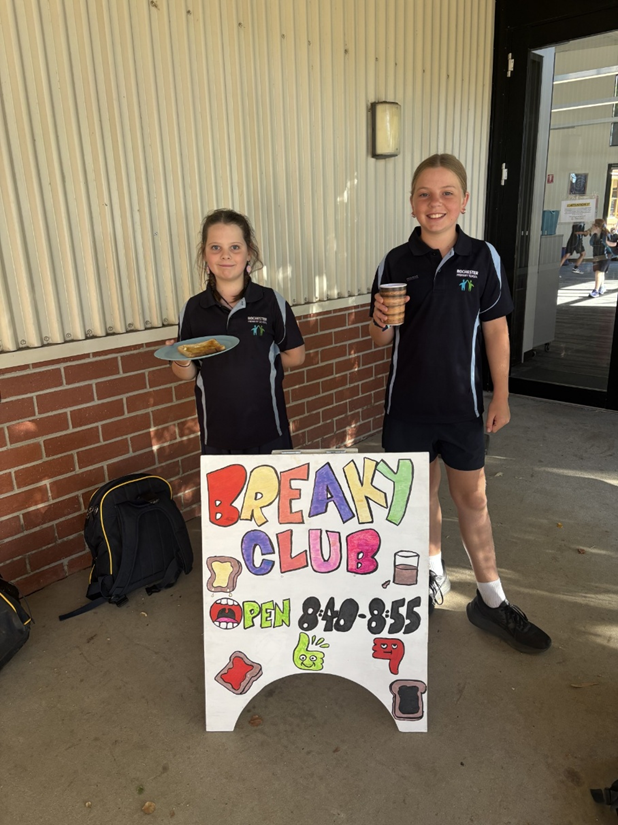
When? Mondays and Thursdays from 8.40 a.m. – 8.55 a.m.
Where? BER kitchen
What? We offer toast, cereal, milo and fruit.
Why? Breakfast Club allows children to have a healthy breakfast in a safe and secure environment so that they are ready for a full day of learning. Breakfast Club allows students to catch up with their friends and it’s another valuable avenue for staff to build essential relationships with students.
Diet and Wellbeing
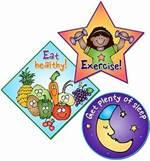
Most research relating to diet and mental health has focused on adults. However, we are seeing more research relating specifically to children and mental health outcomes. Good nutrition is linked to better mental health and wellbeing.
Poor nutrition can impact children in many ways including externalised behaviours, poor concentration and tiredness, immune system function and delayed brain development. Nutrient deficiencies impact body and brain functioning, including mood regulation. For example, iron deficiencies can result in cognitive functioning impairments which impacts learning and memory.
It’s never too late to encourage healthy eating patterns, which can assist in:
- reducing psychological stress
- improving memory and concentration
- getting along with others
- decreasing anxiety
- decreasing aggression
- having less time off school
Improving diet can take some thought and foreplaning. We all know encouraging our children to eat healthy food options can be challenging at times. Not only that, budget stresses and time burdens can sometimes impact food choices.
Some ways that can help create positive lifelong eating habits include:
- encouraging water consumption
- have children assist with meal preparation and cooking. They are more likely to eat what they have helped create - make mealtimes relaxed and eat together as a family
- be a good role model with the foods you eat
- teach children about nutrition and healthy eating – discuss what good foods are and point out sometimes foods
- plant a vegetable garden, even just simple vegetables and herbs
- avoid food rewards
- give children options. No-one likes to eat foods they really dislike. However, giving them choices from within a healthy range will increase the chances of them eating it
- use a visual food chart (see links below) and let the children check they have covered all the food groups each day.
- meal plan to help keep the budget down and ensure the food groups are being covered
Further information:
https://www.healthdirect.gov.au/healthy-eating-for-children
Do it for Dolly Day- Friday May 8th

Do It For Dolly Day, held on May 8, 2026, is a National Day of Action calling on Australians to Go Blue to End Bullying.
On Friday May 8, our school will join thousands of others in remembering Dolly Everett and helping to create a kinder, safer world for every student. By fundraising and going blue to end bullying, our school will:
Together, we can help end bullying and spread kindness in Dolly Everett's memory.
We invite our school community to add a touch of blue to their uniforms on this date to celebrate.