Hello from Grade 2/3Q
Respect, Responsibility and Kindness
Hello from Grade 2/3Q
Respect, Responsibility and Kindness
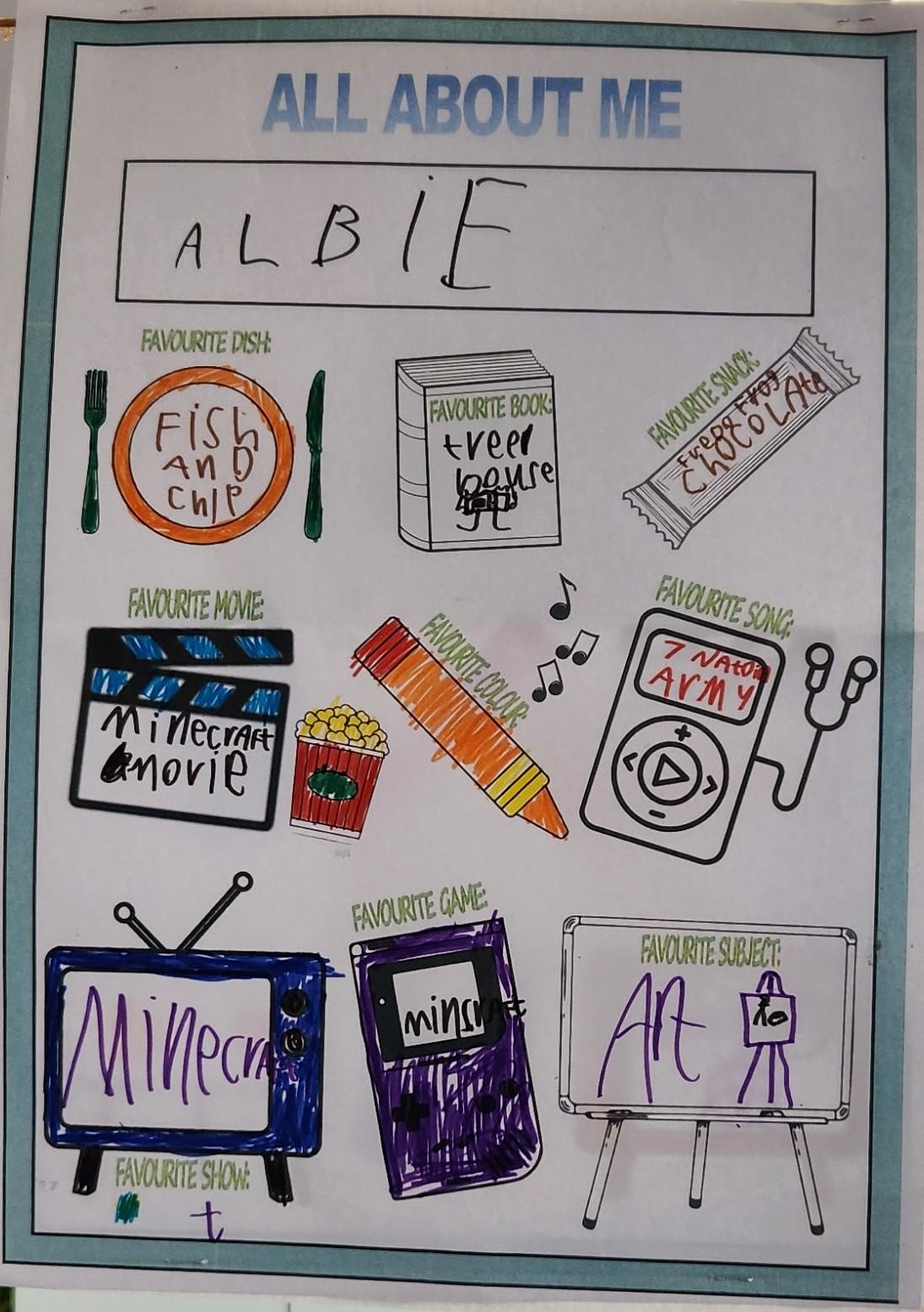
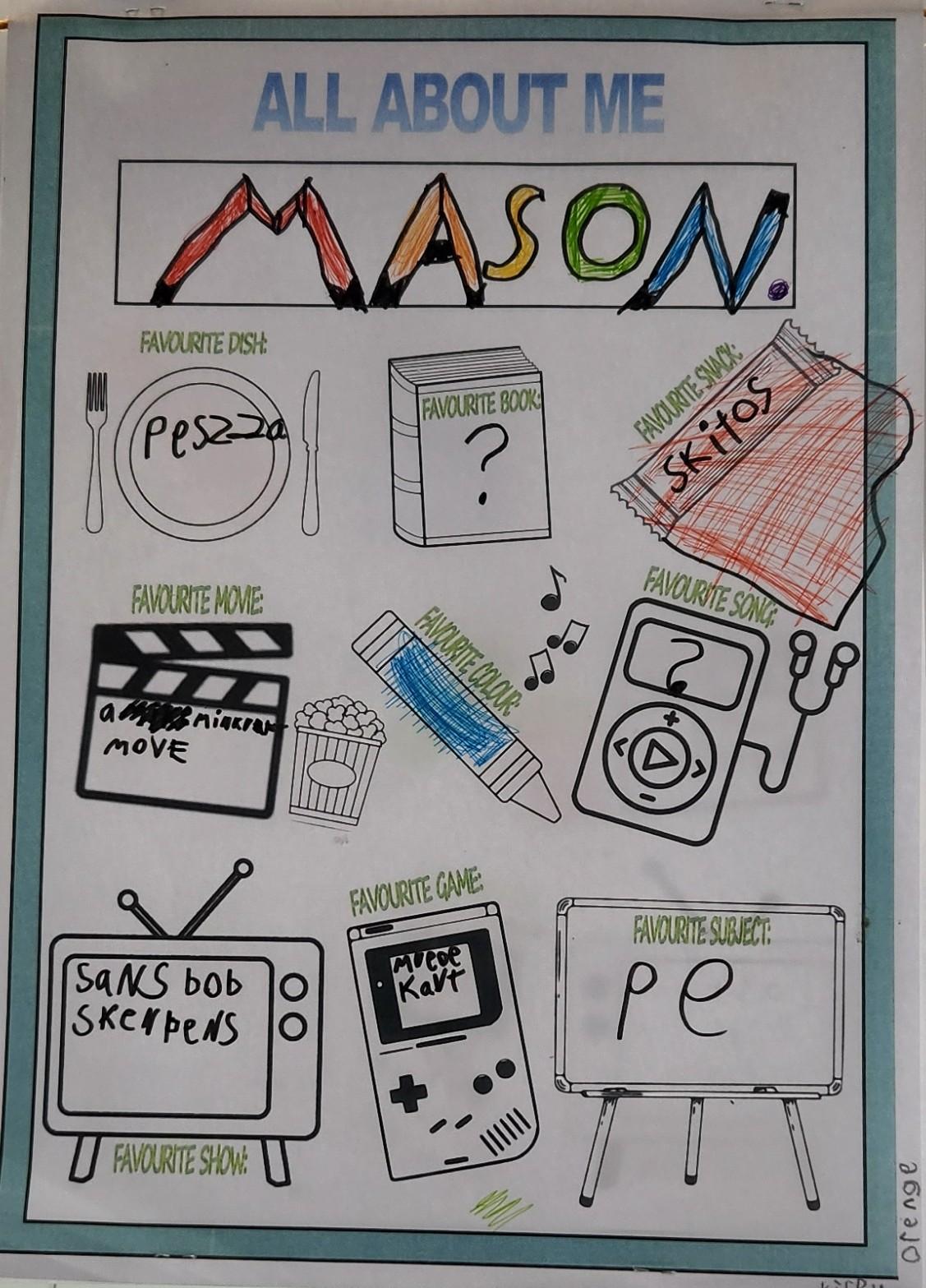
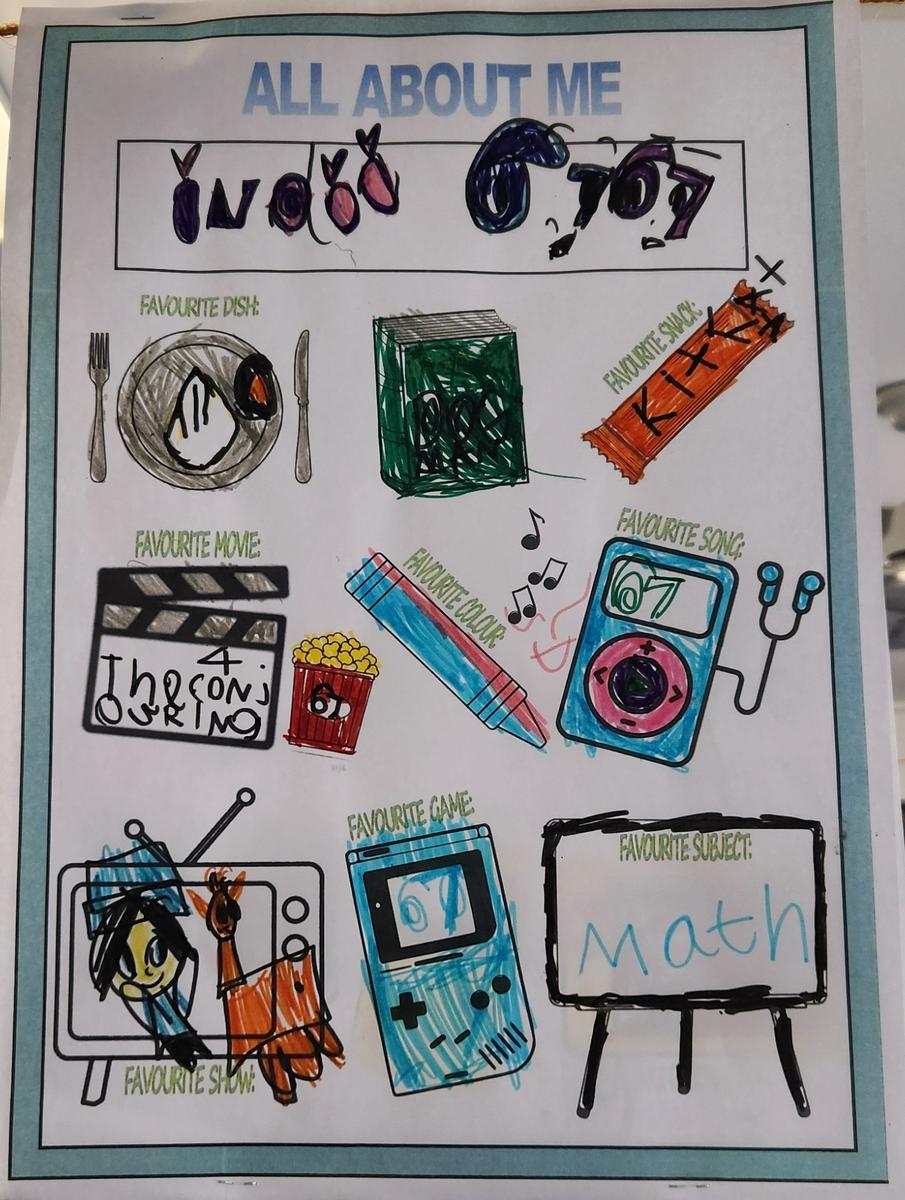
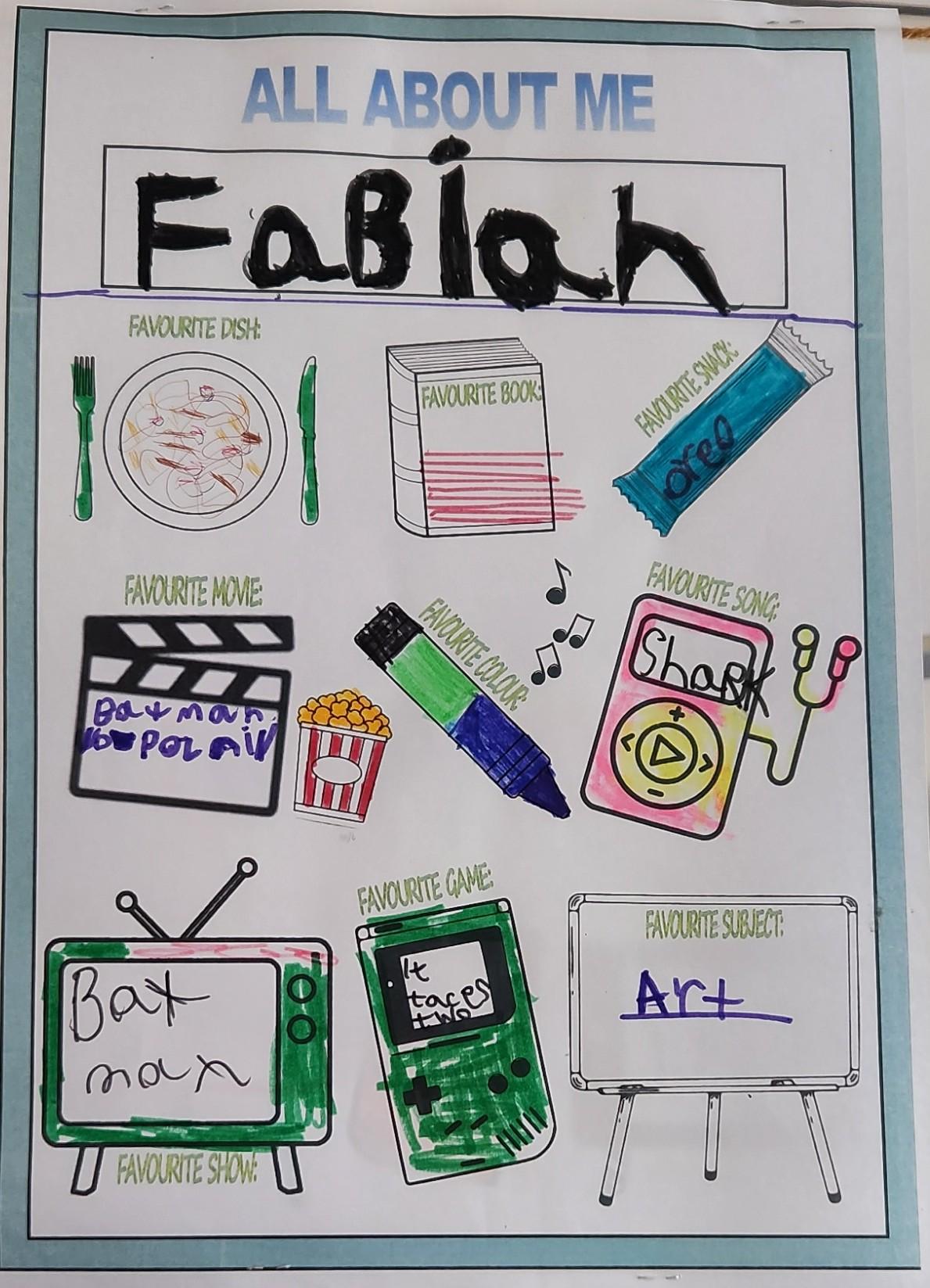
What a busy start to the year 2/3Q have had so far! We have been relearning new and old whole-school and classroom routines and expectations, getting to know Mrs Q and each other while making new friends and strengthening our connections.
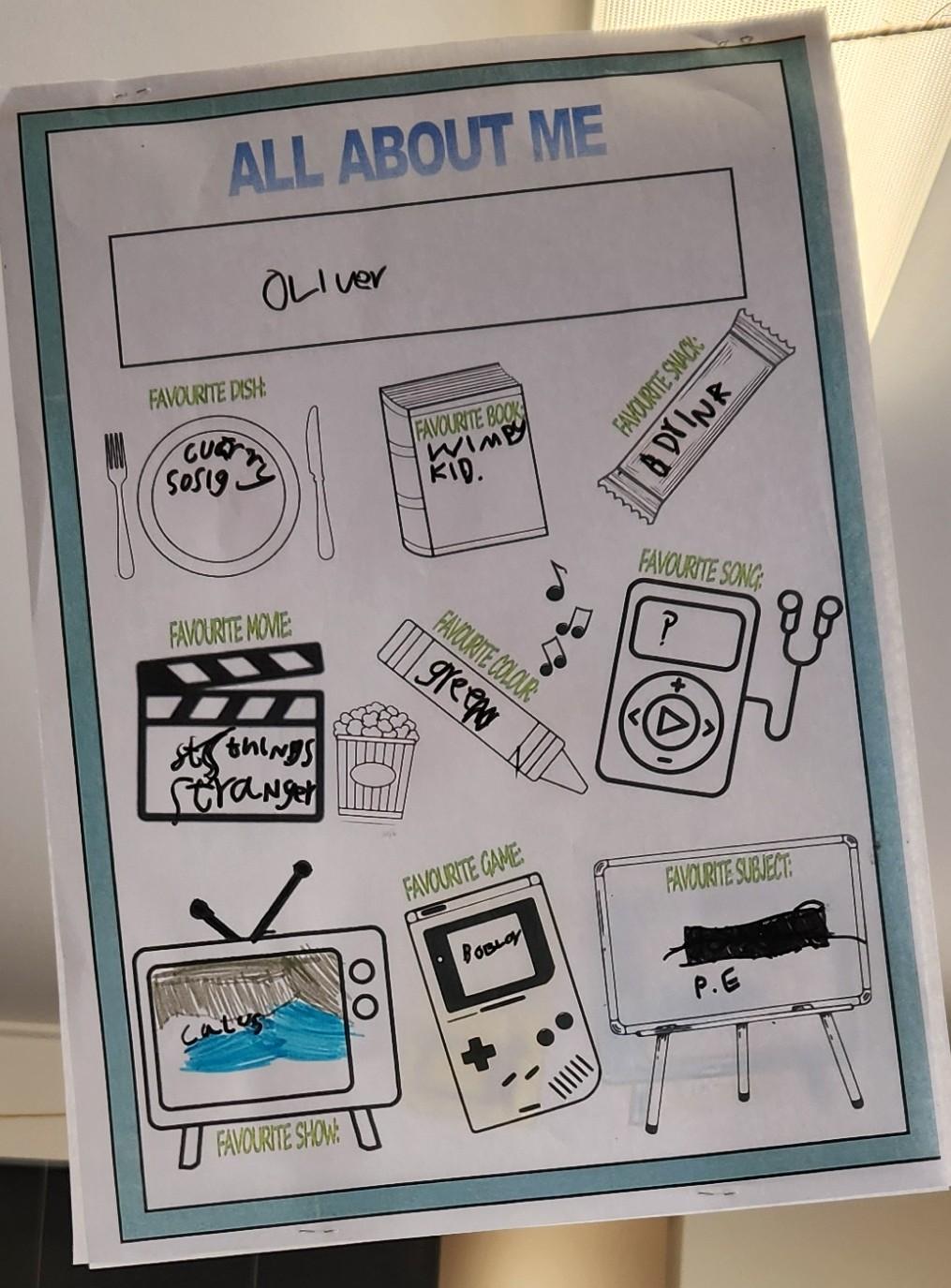
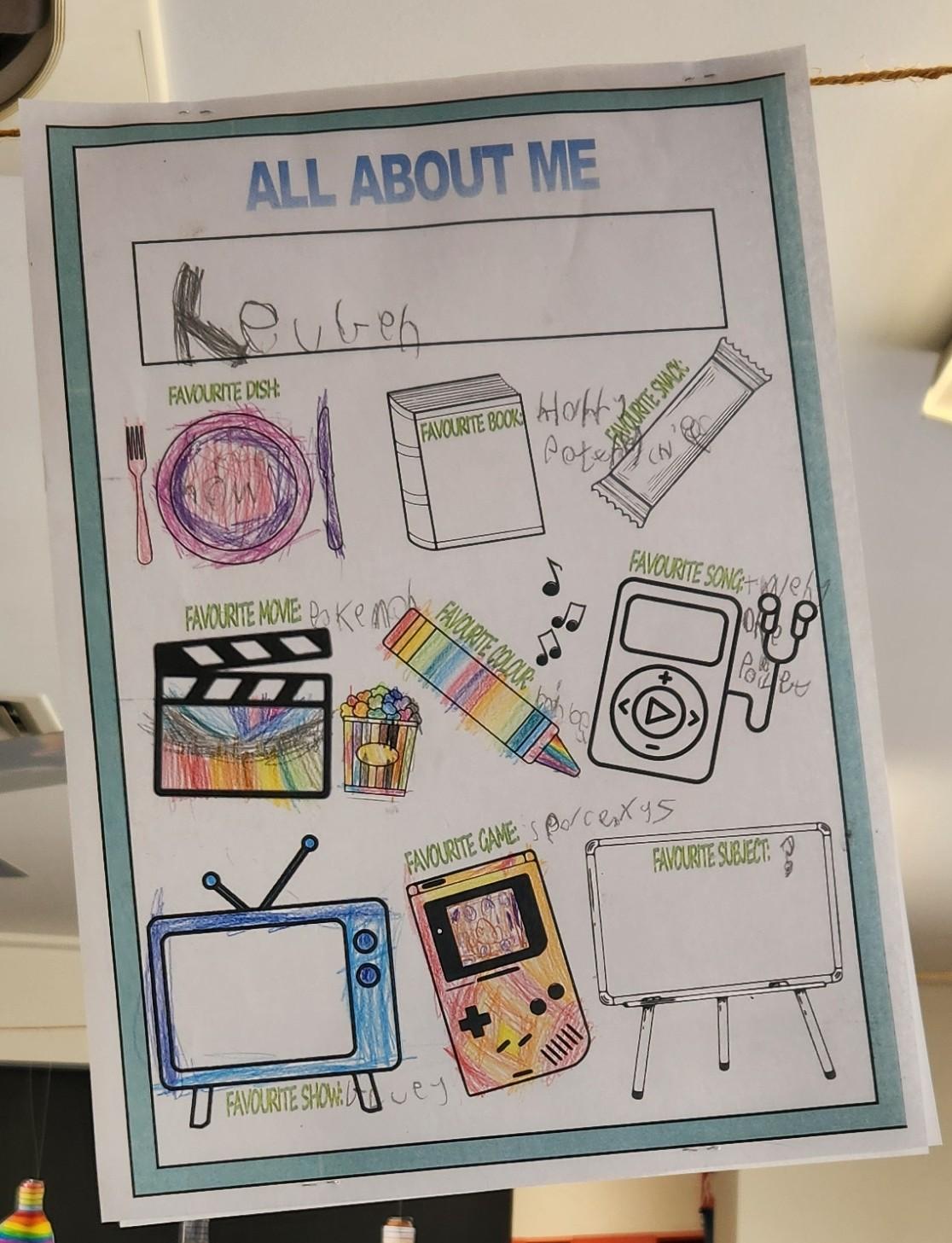
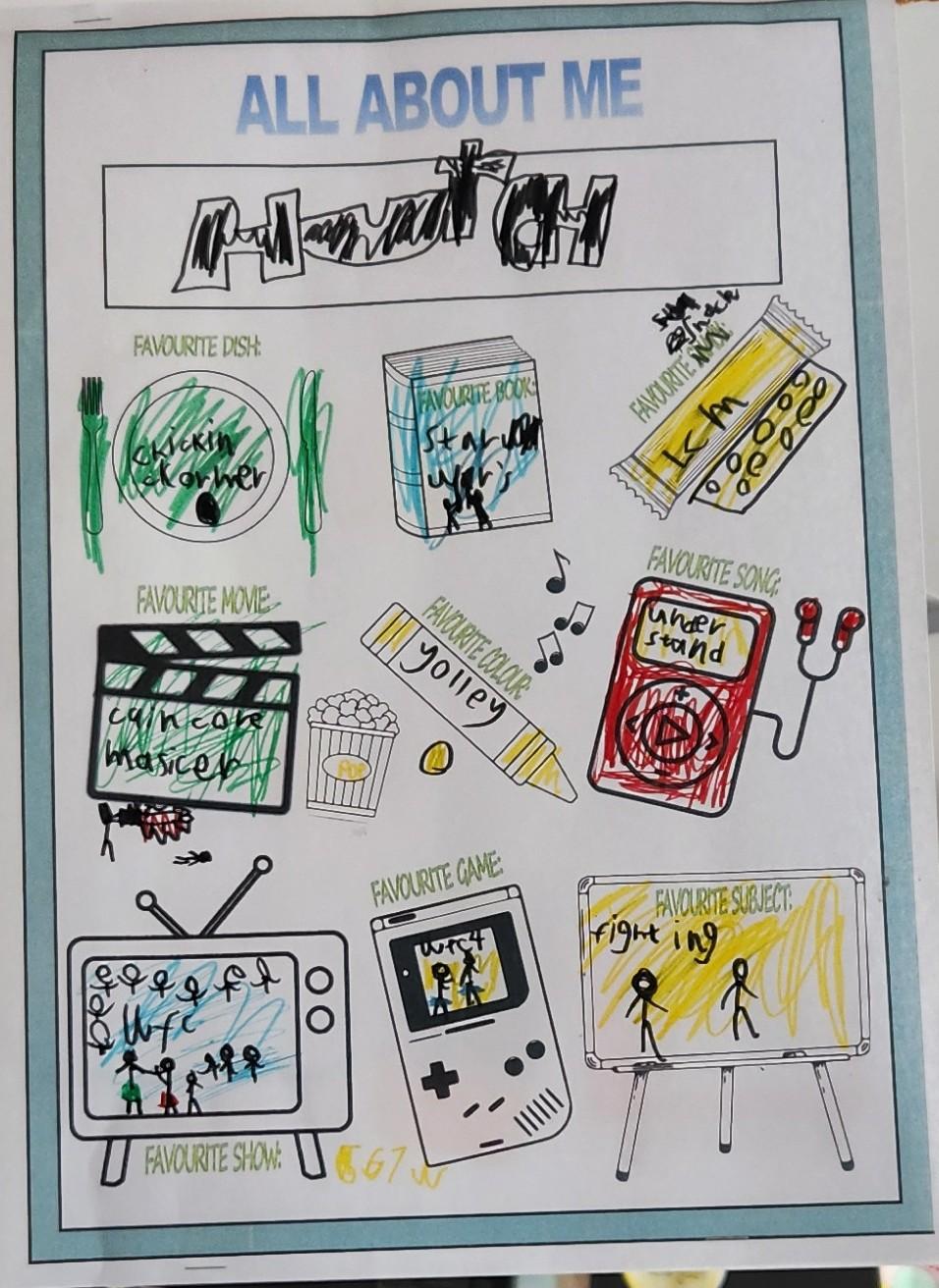
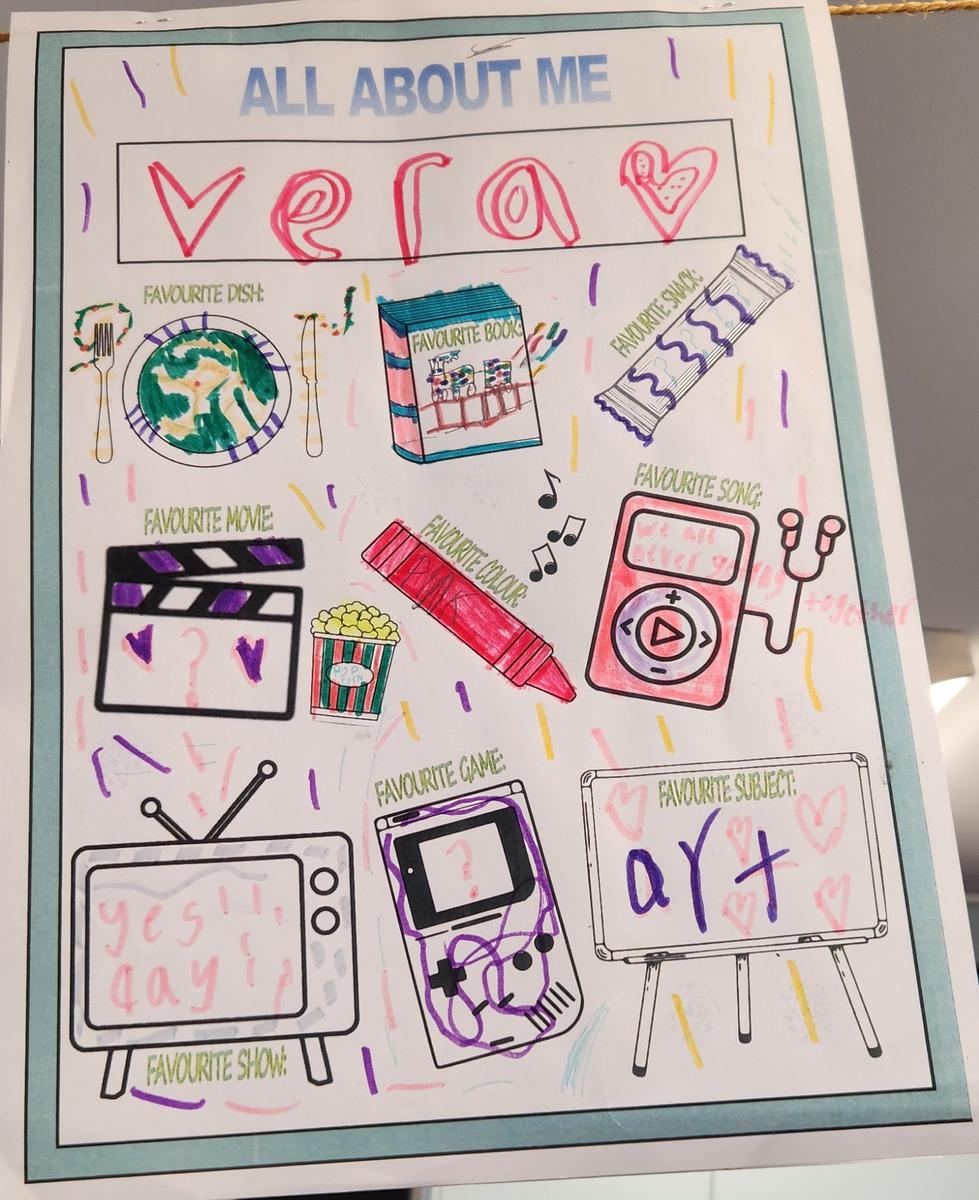
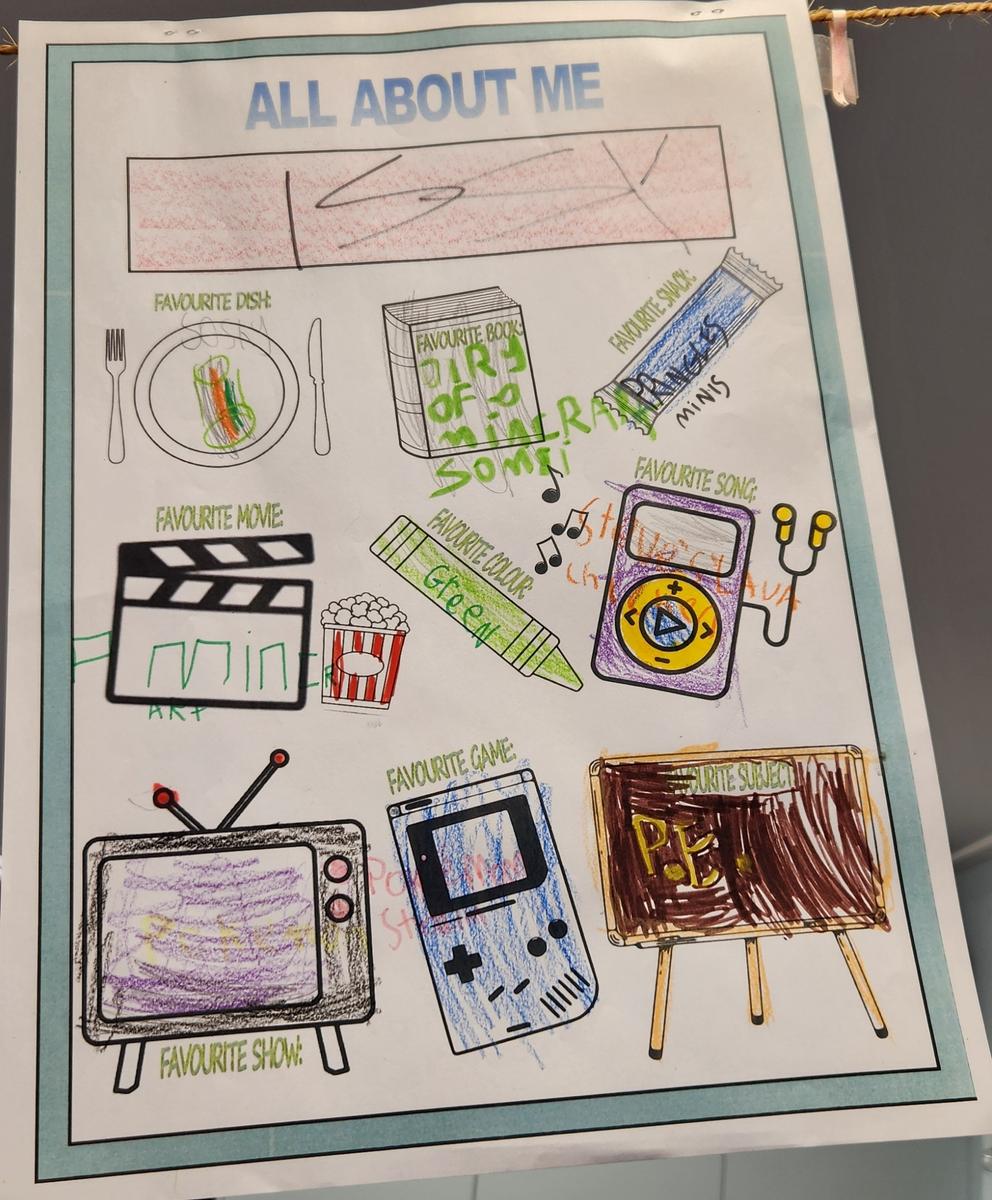
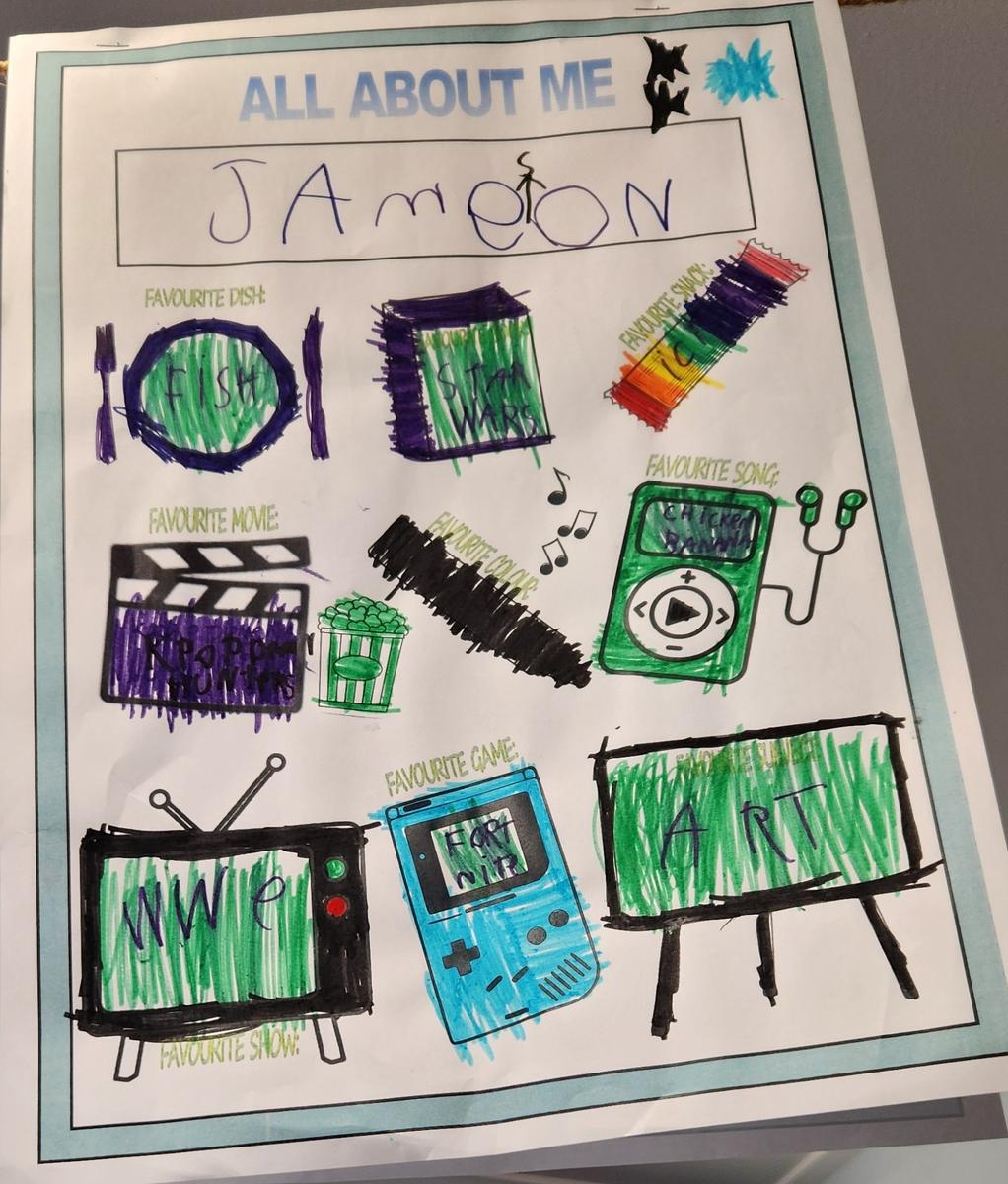
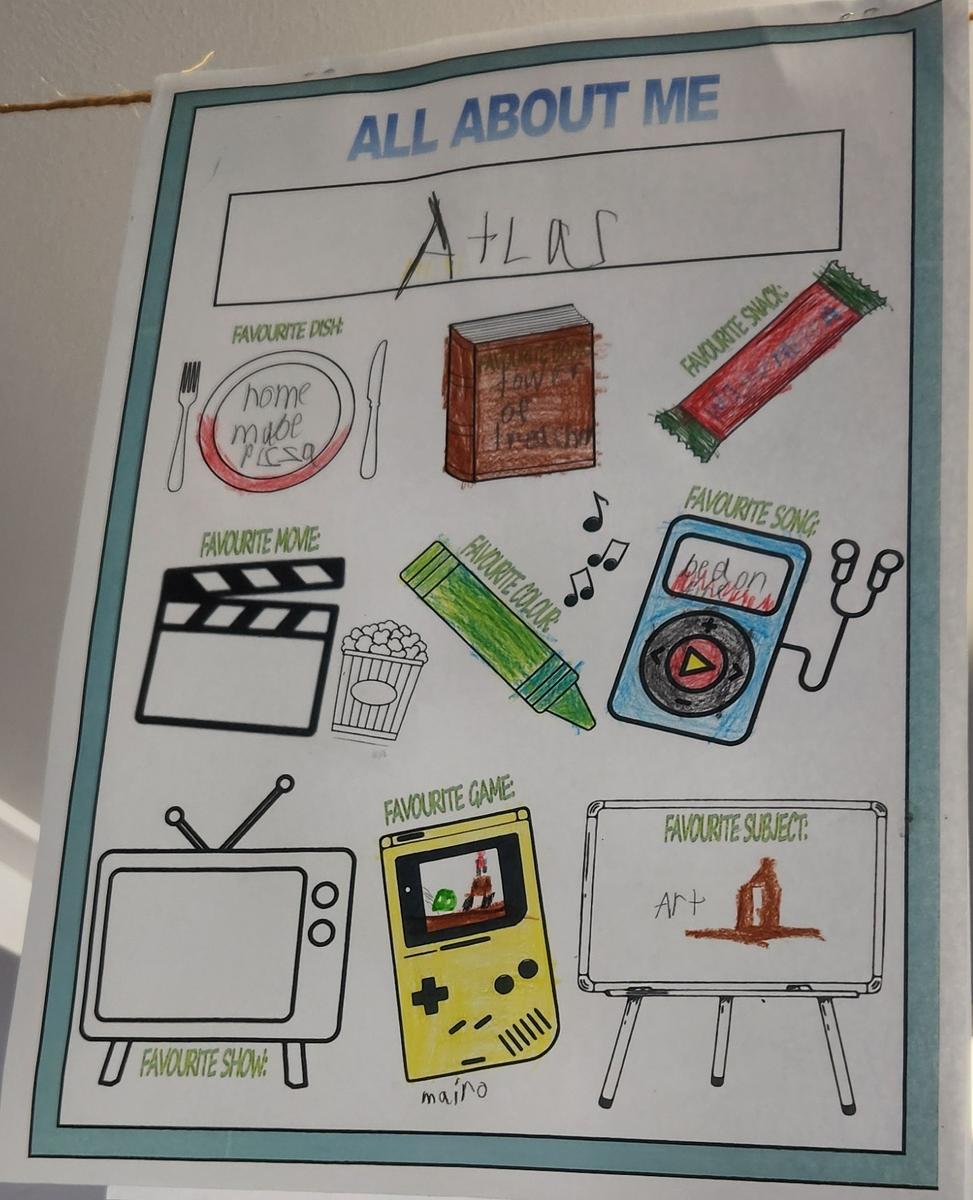
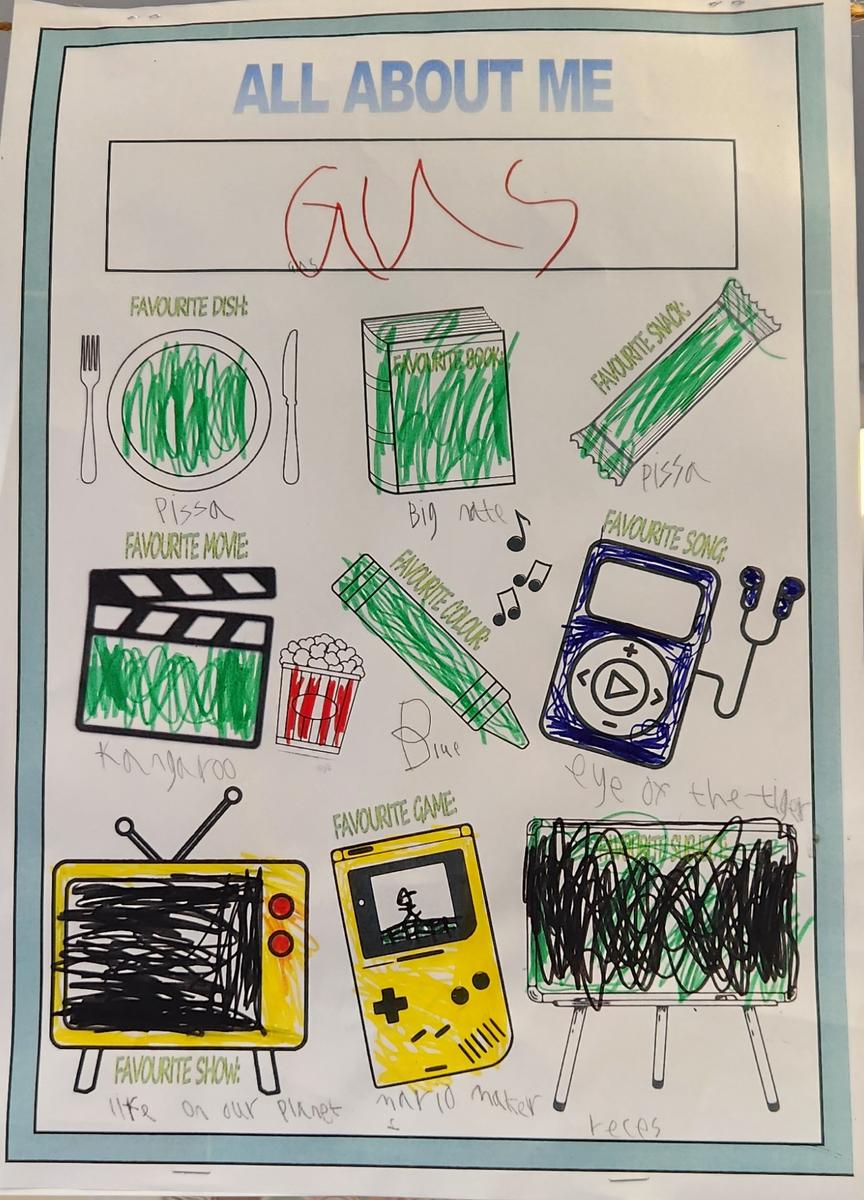
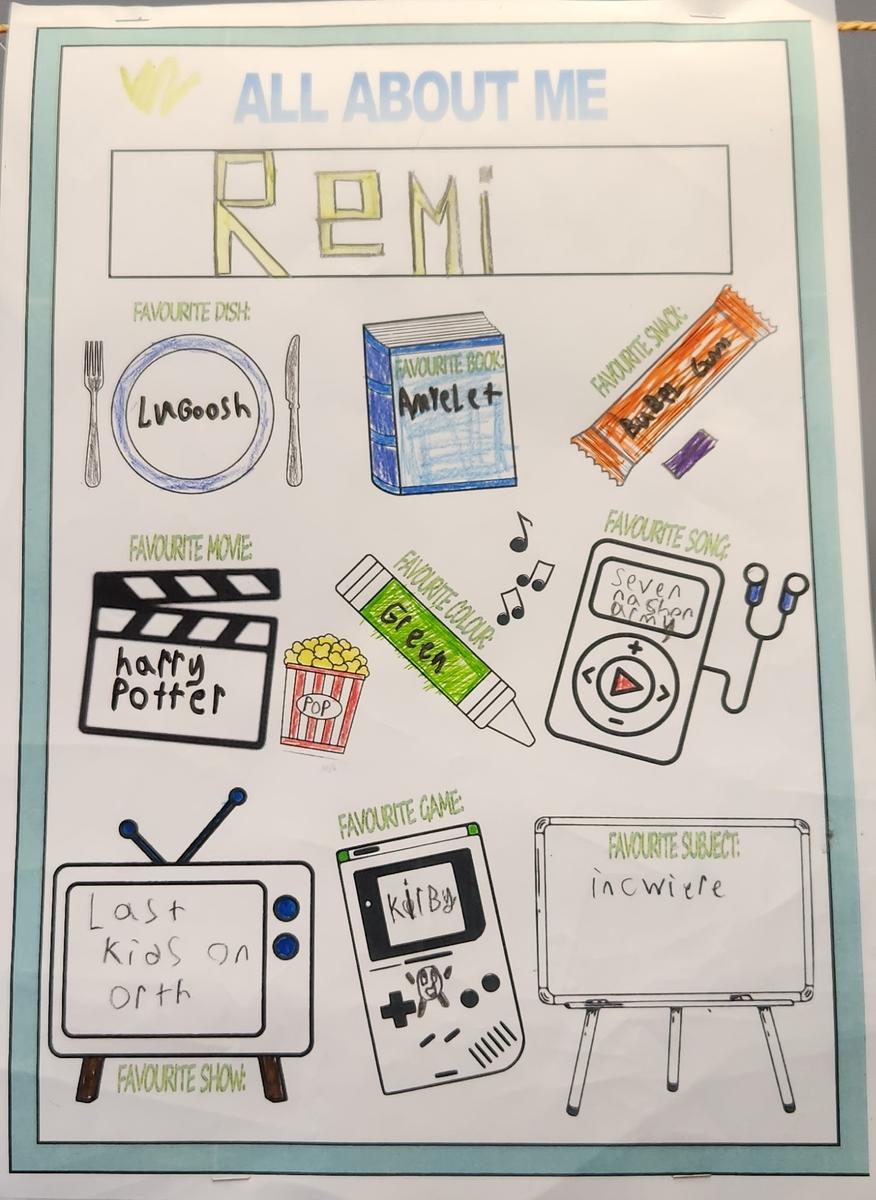
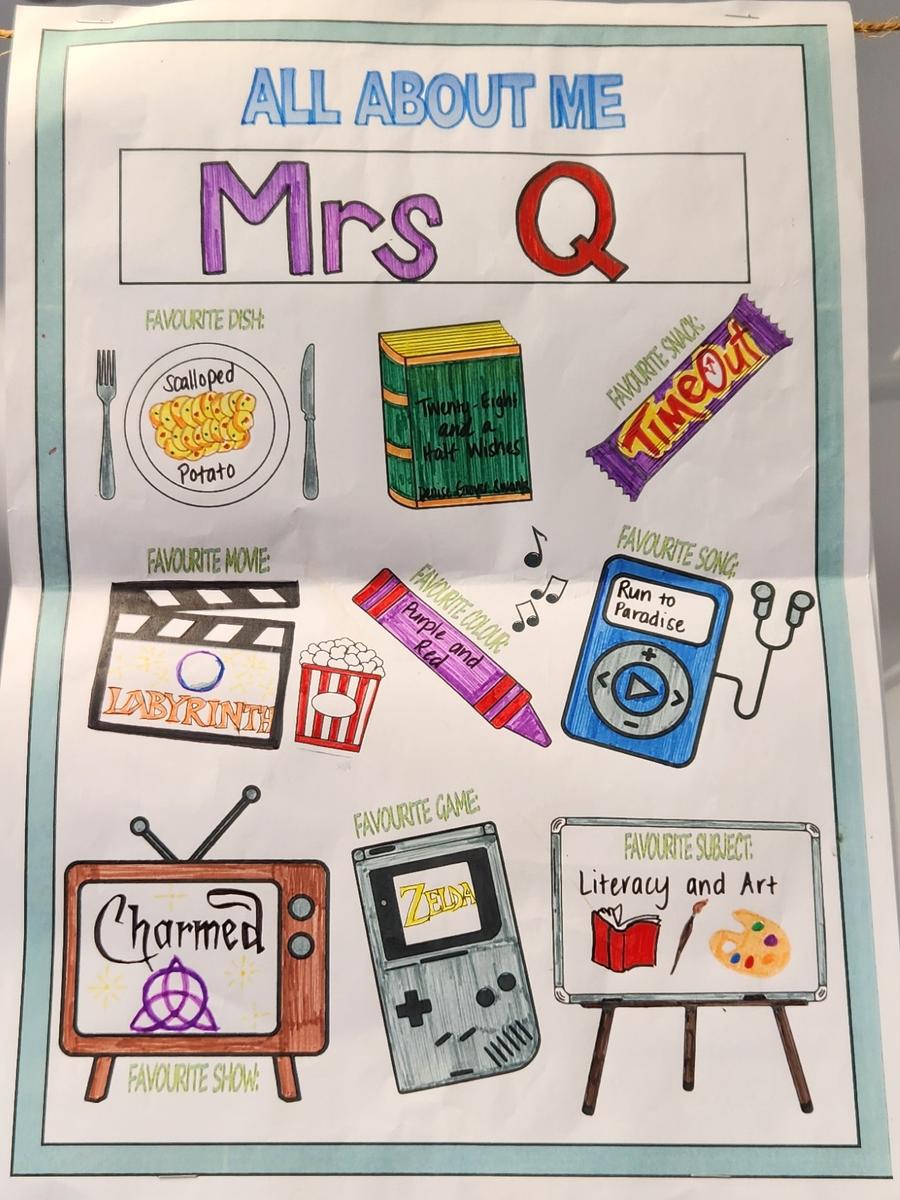
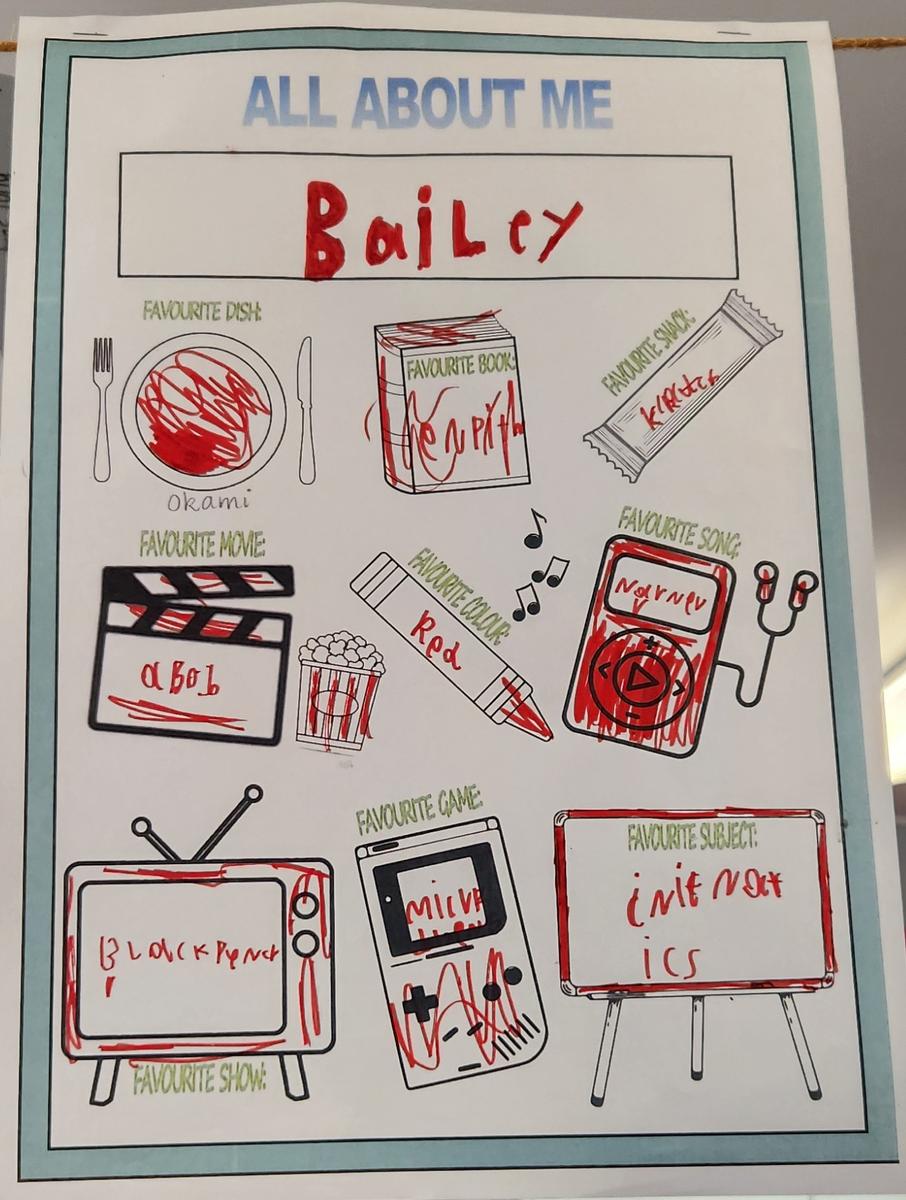
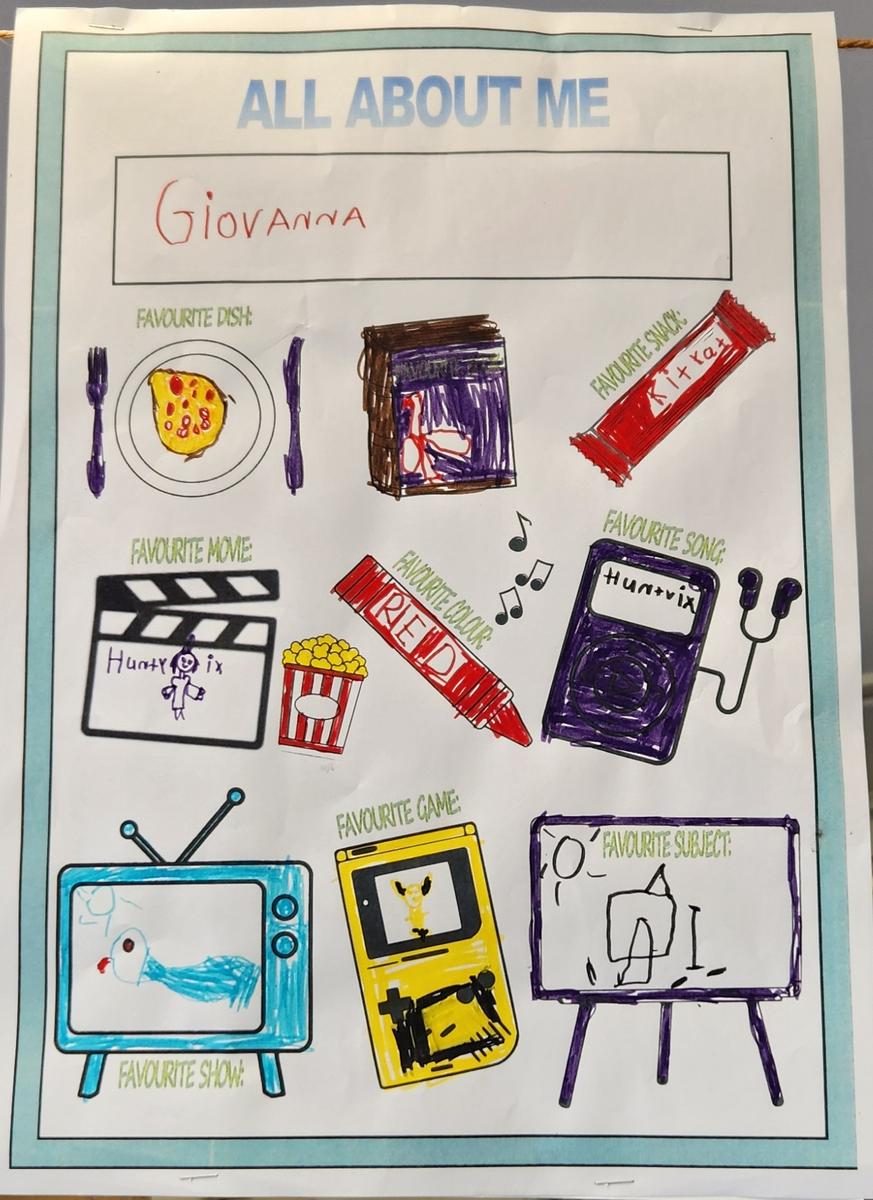
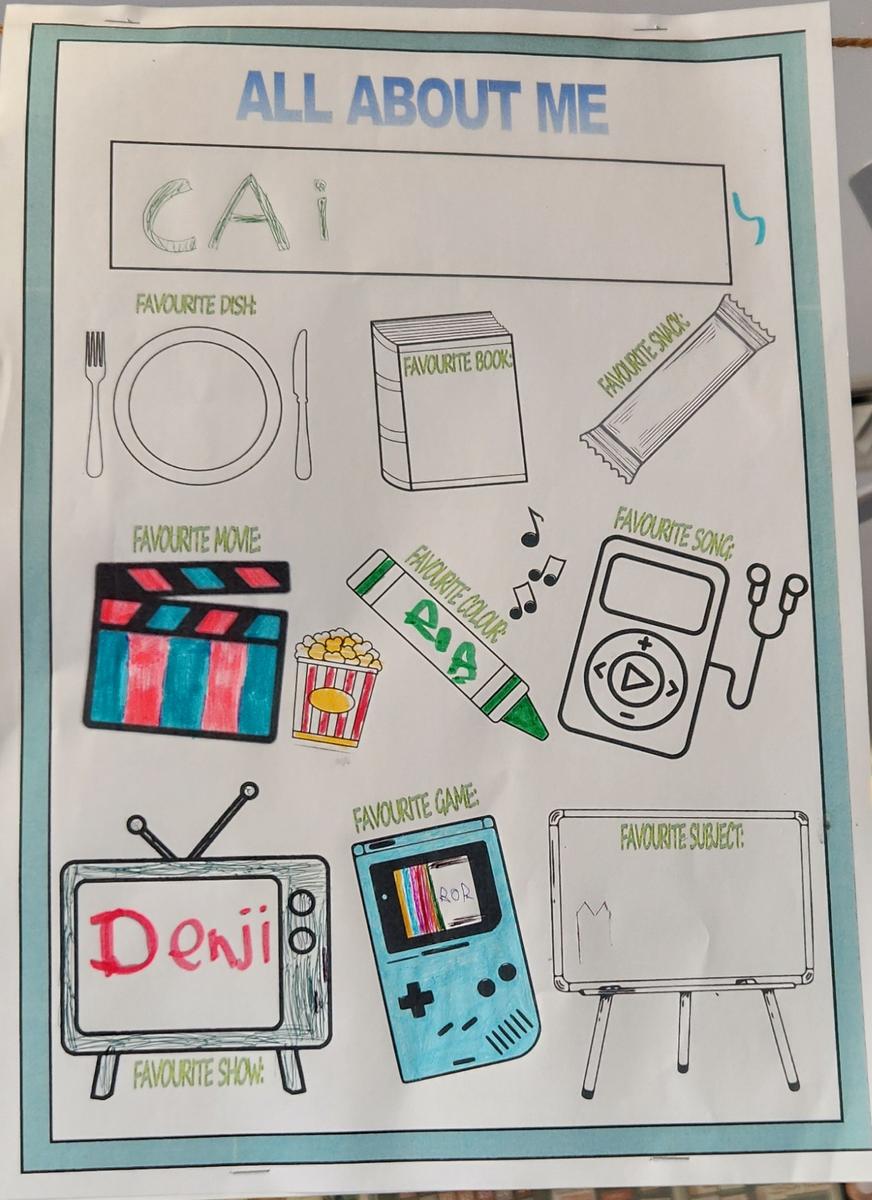
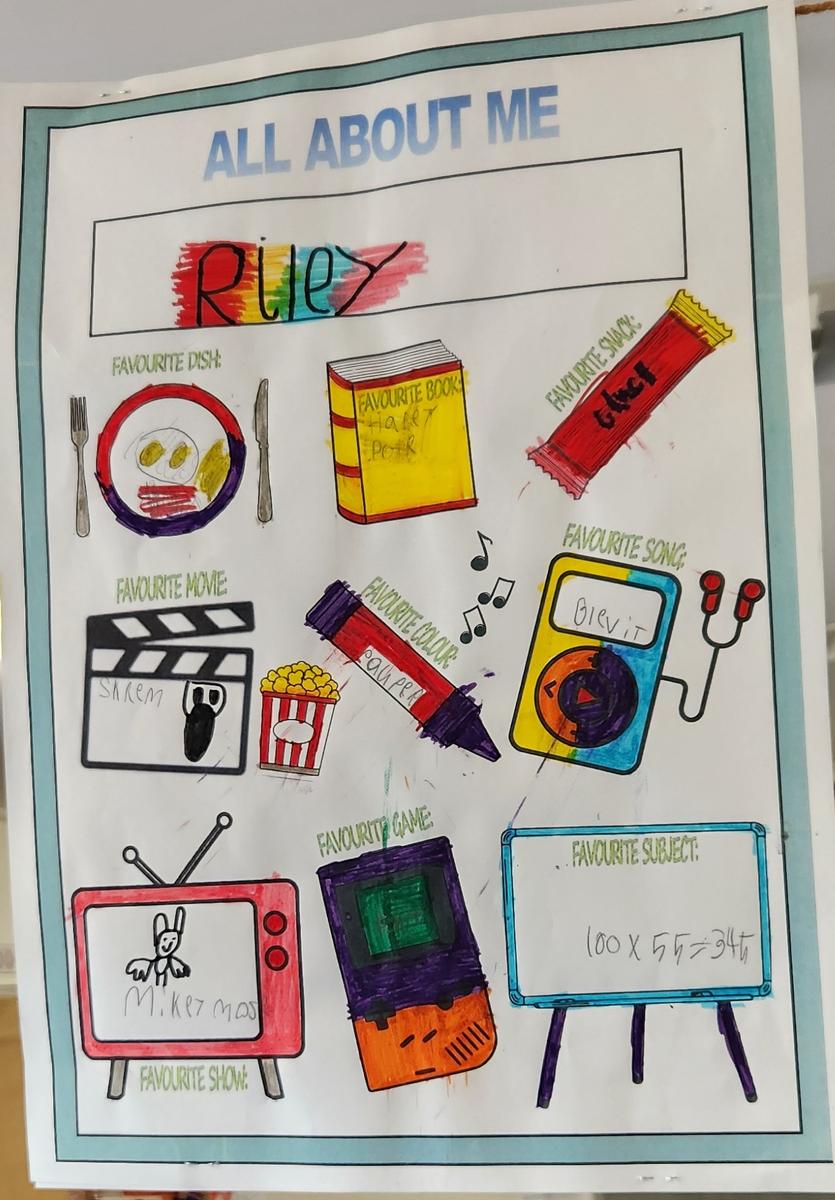
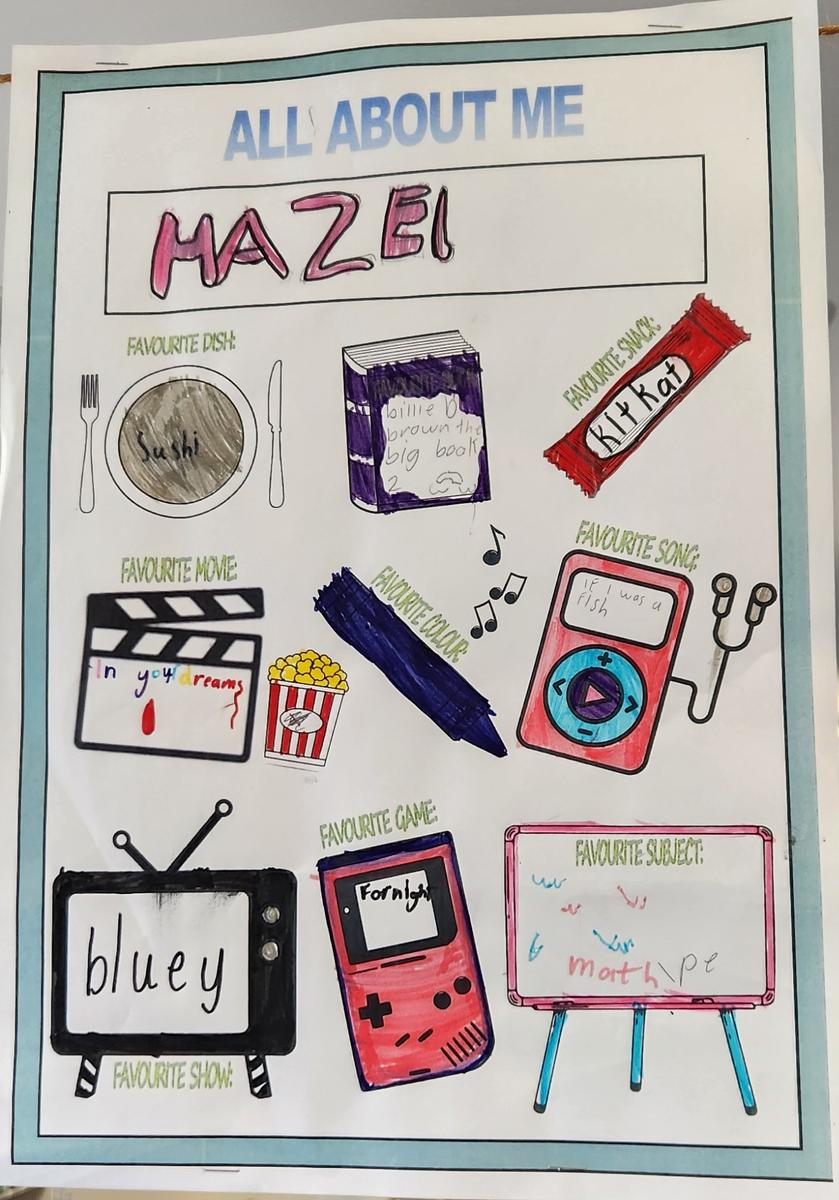
Goal Setting
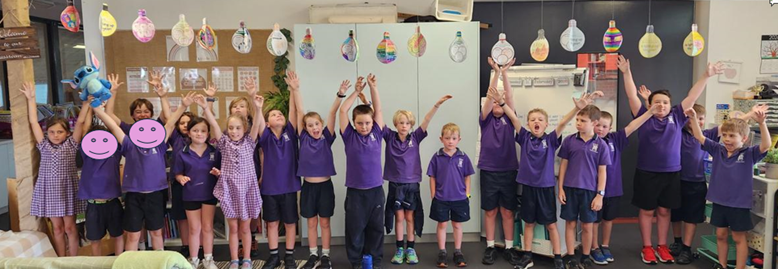
We have done some thinking about the year to come and have written down our personal goals for reading, writing and maths. Some of us wrote about what we are looking forward to this year and others drew pictures about ways that we can be kind and light up someone's day!
Reading
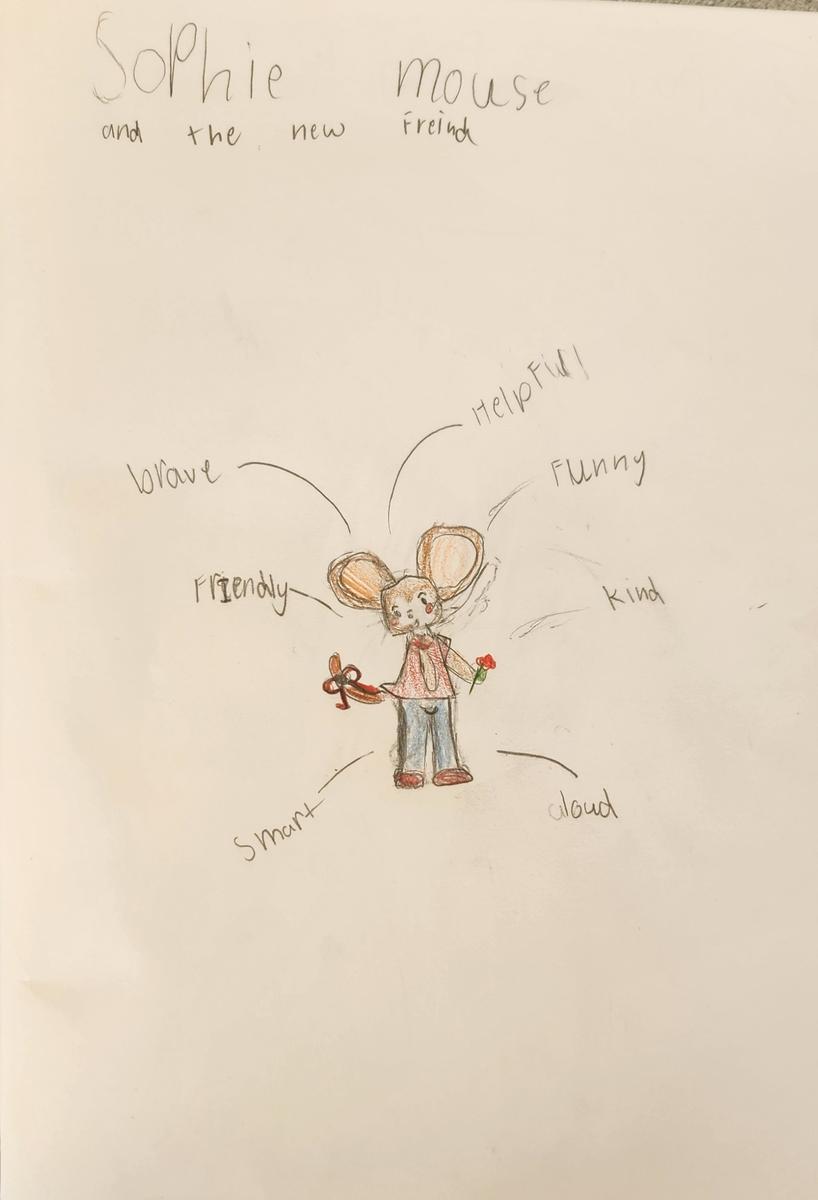
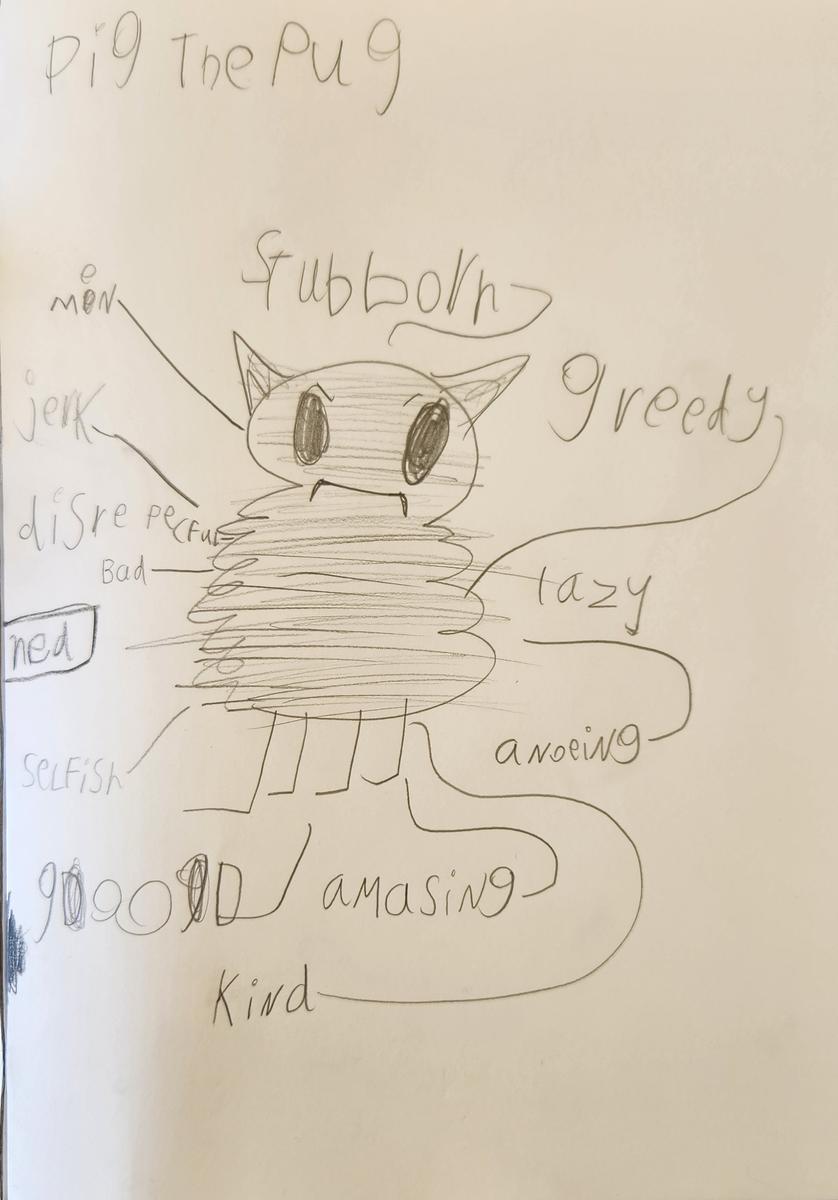
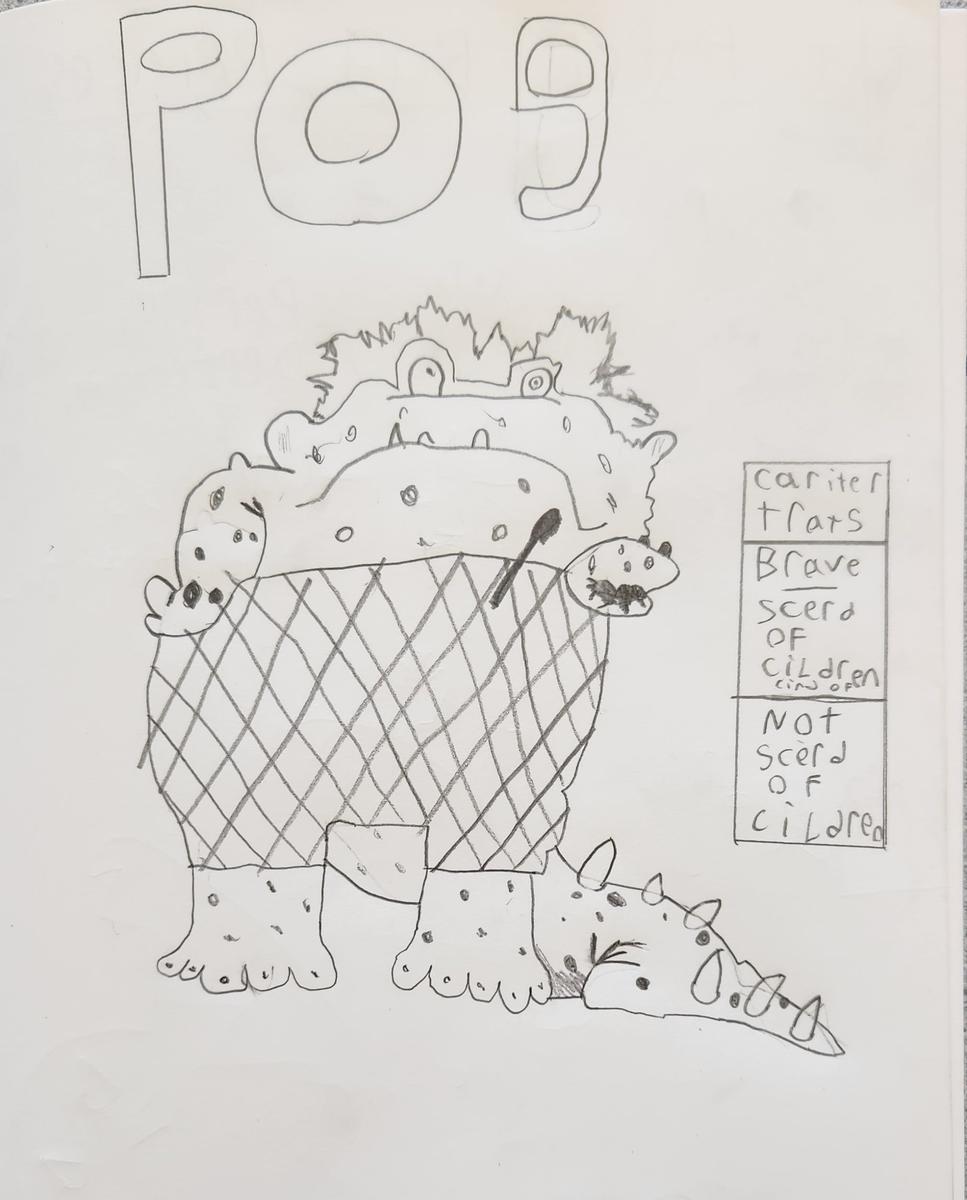
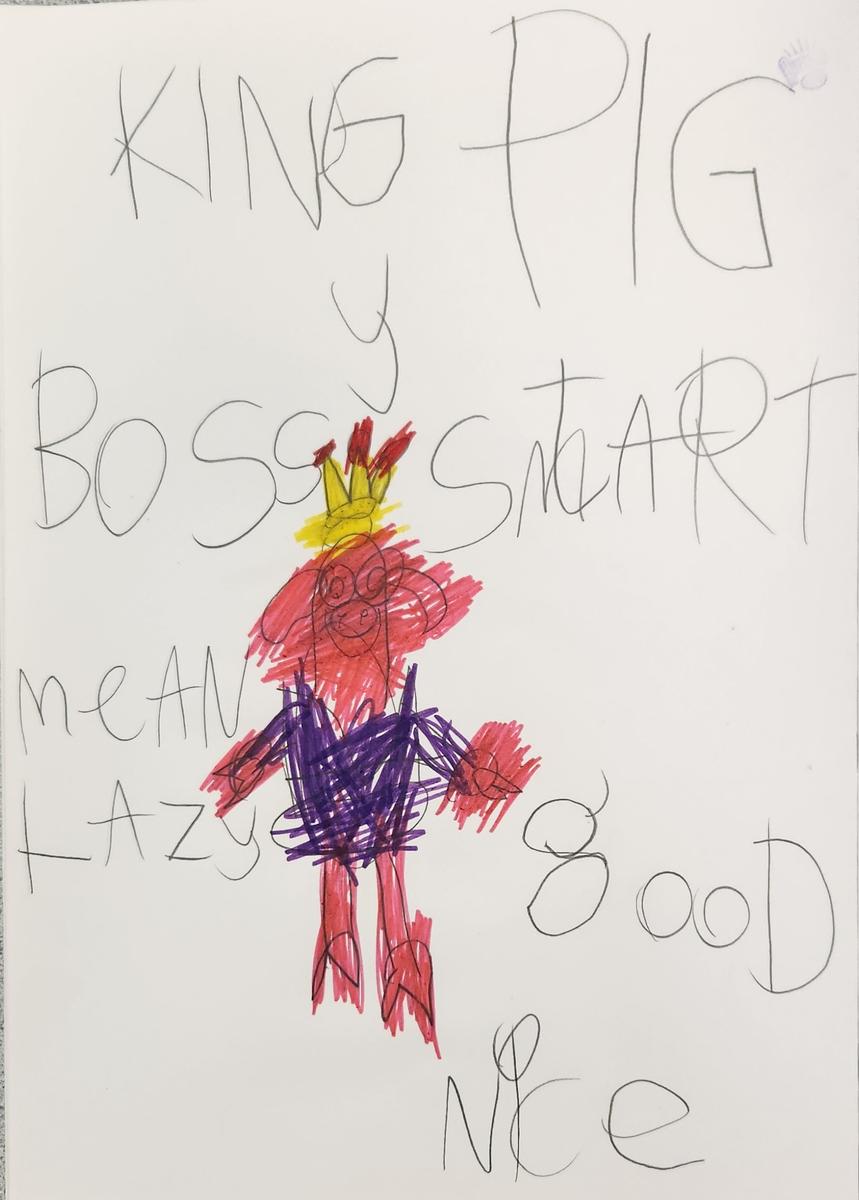
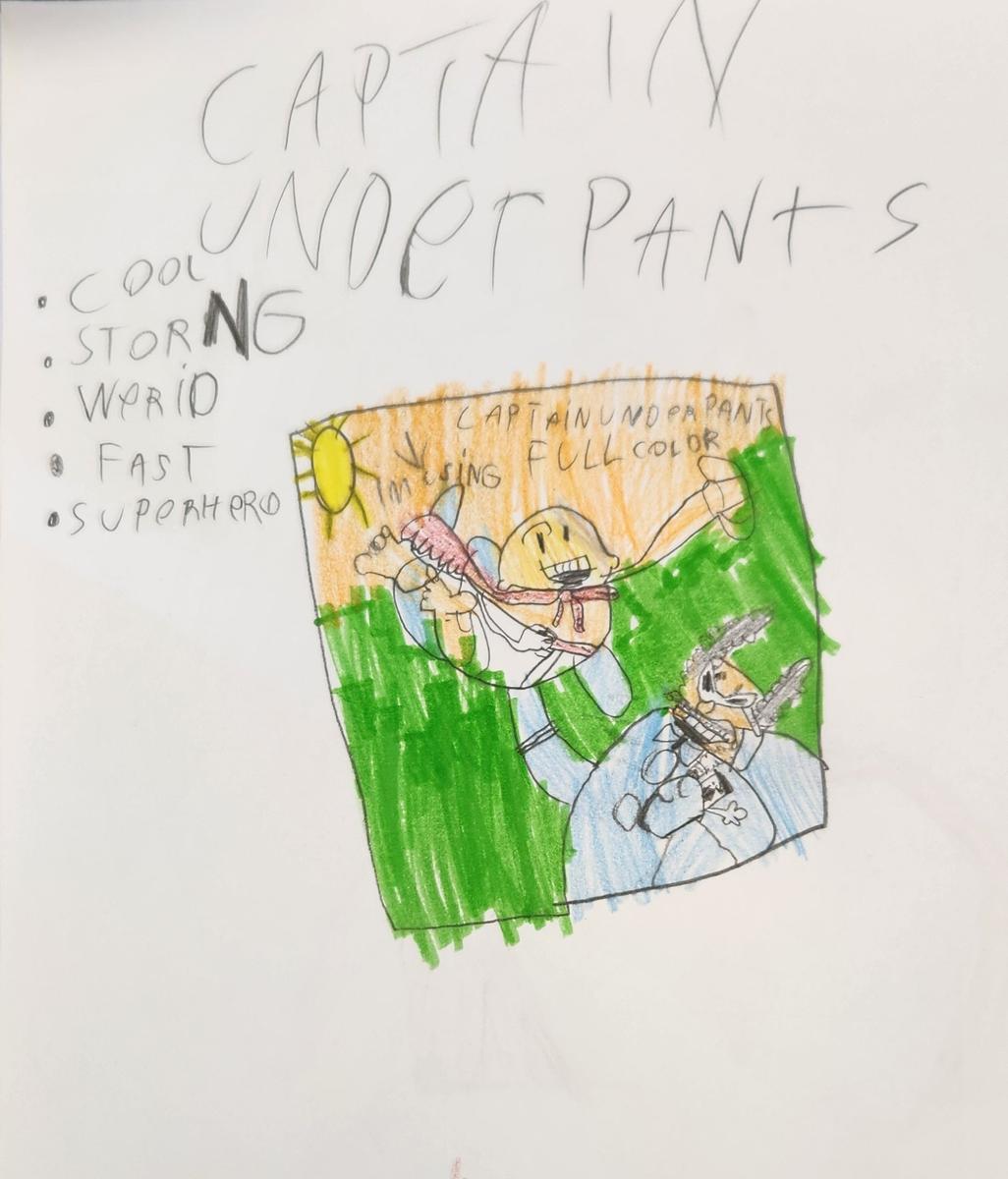
Our class have been enjoying reading lots of different books; picture story books, levelled readers, chapter books and non-fiction texts. Our goal is to read for 20 minutes each day at school AND at home. We have been learning how to identify character traits by analysing a character's actions, dialogue, thoughts, and interactions to understand their internal personality (e.g., brave, sneaky) versus their external appearance. Here are some samples of our work:
Writing
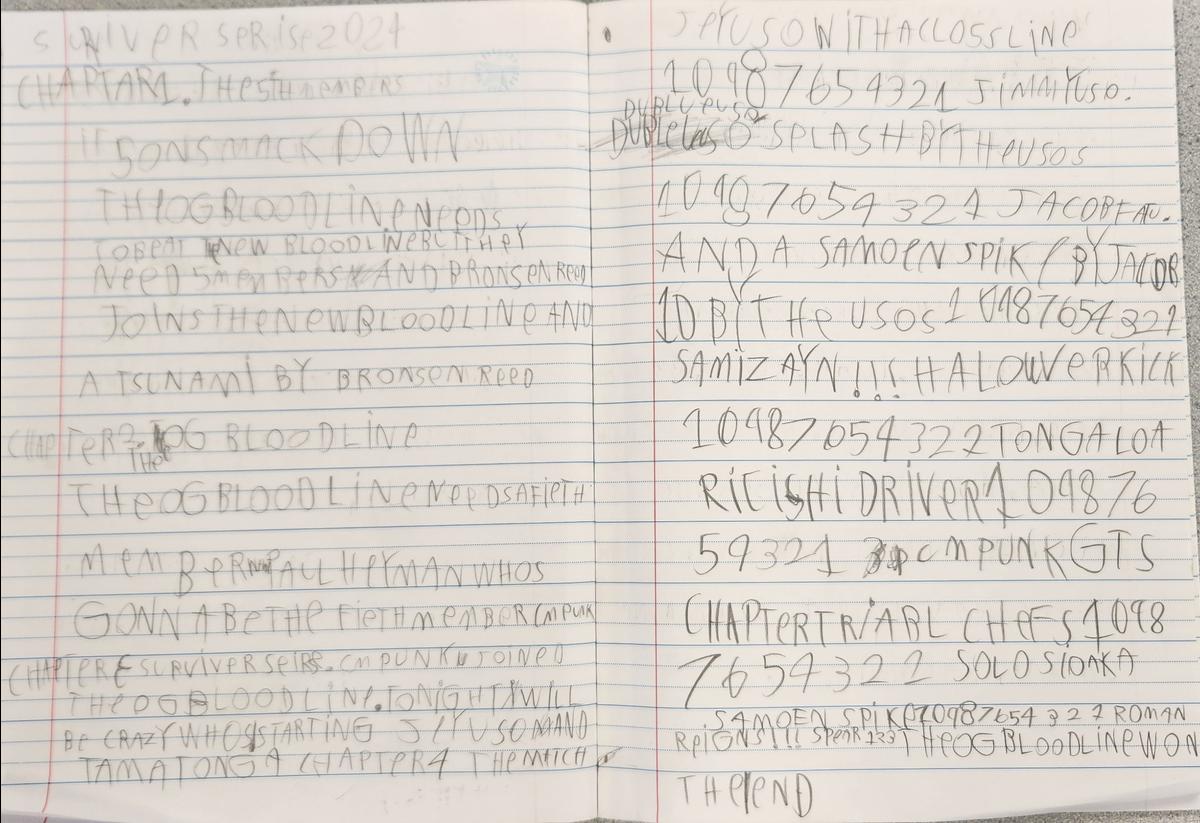
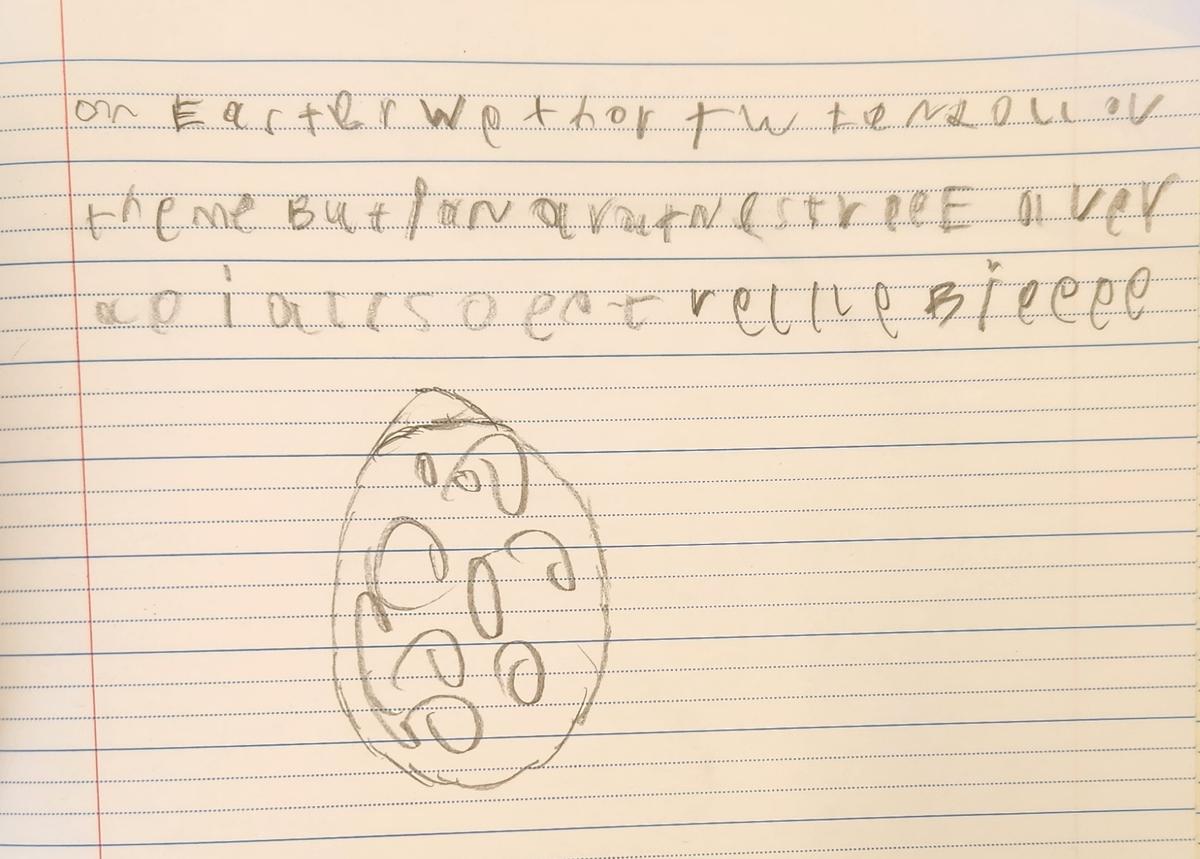
During our writing sessions we have been learning about narrative and recount writing. When we are writing a narrative we aim to think of an idea and introduce our character and the story setting. Our story structure has a beginning, middle and end. In the middle of the story our character encounters a problem that will eventually be solved in the ending. Here are beginning samples of our narrative writing:
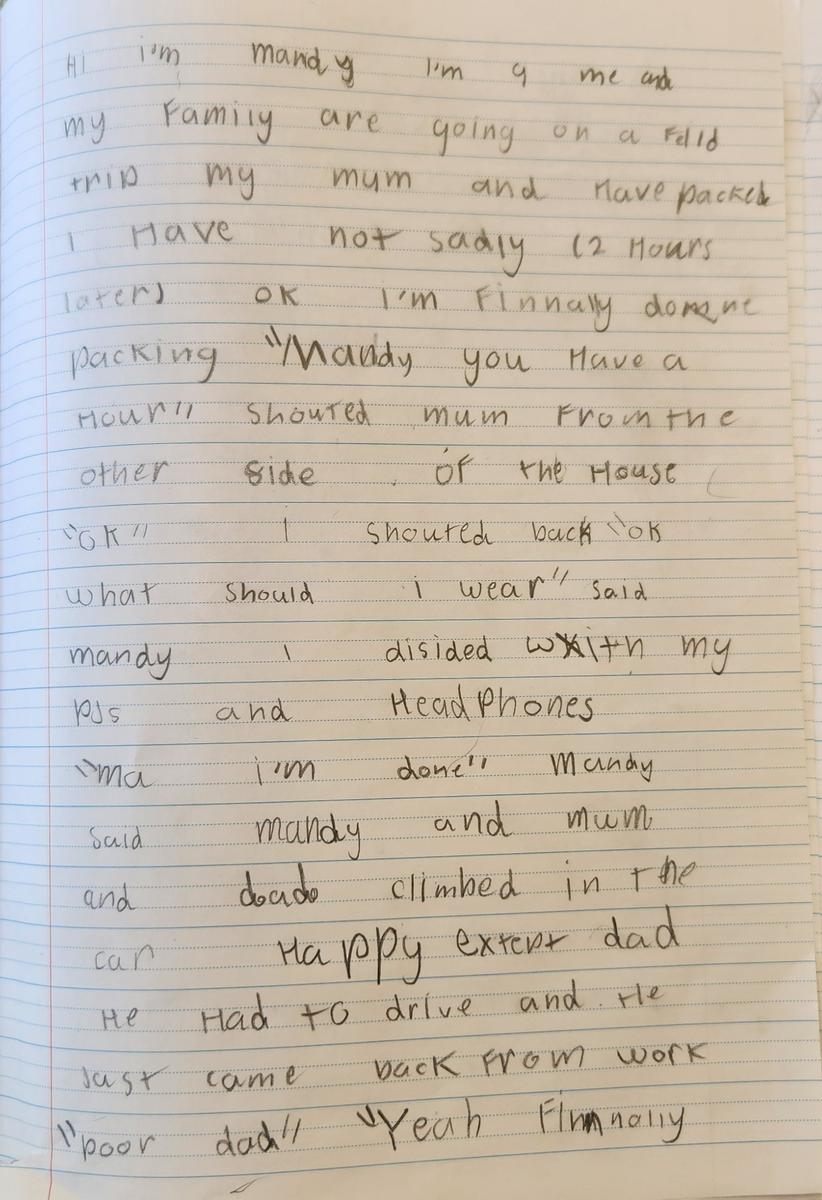
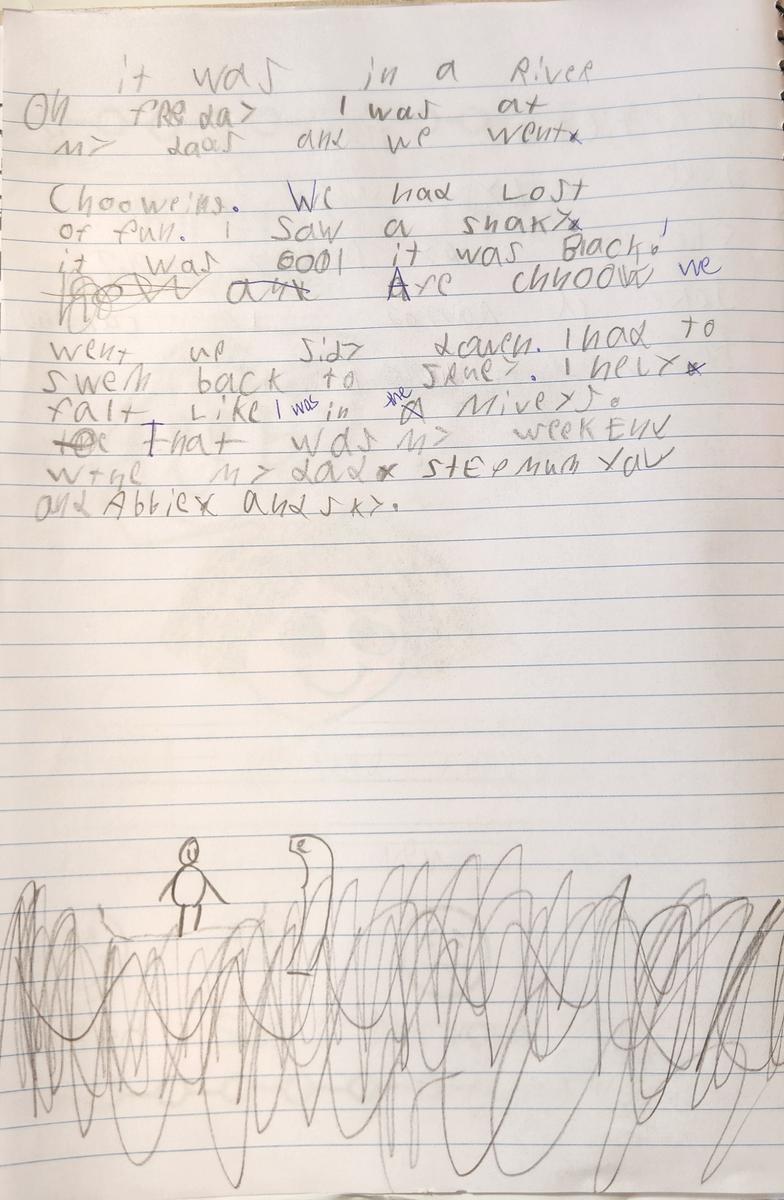
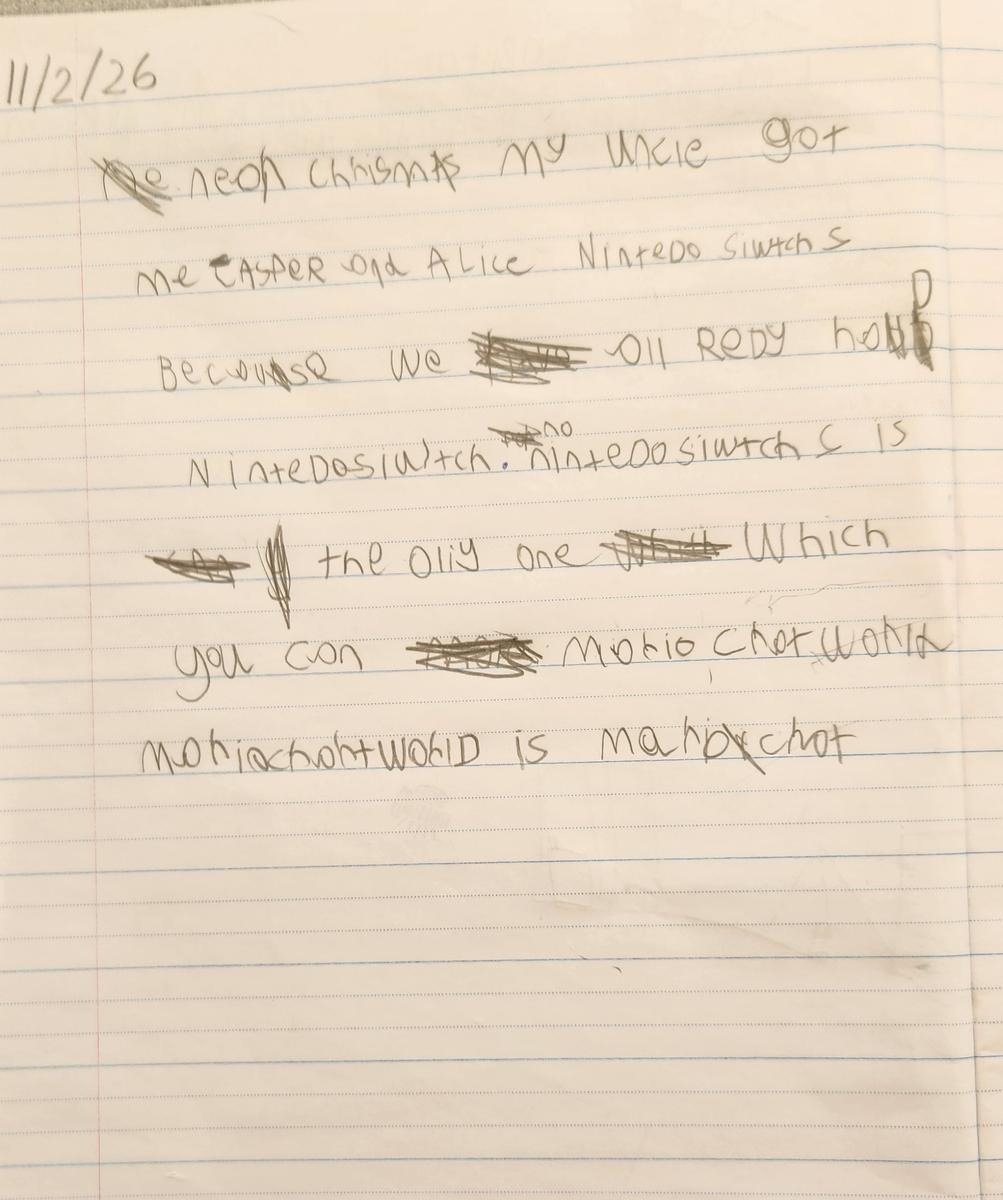
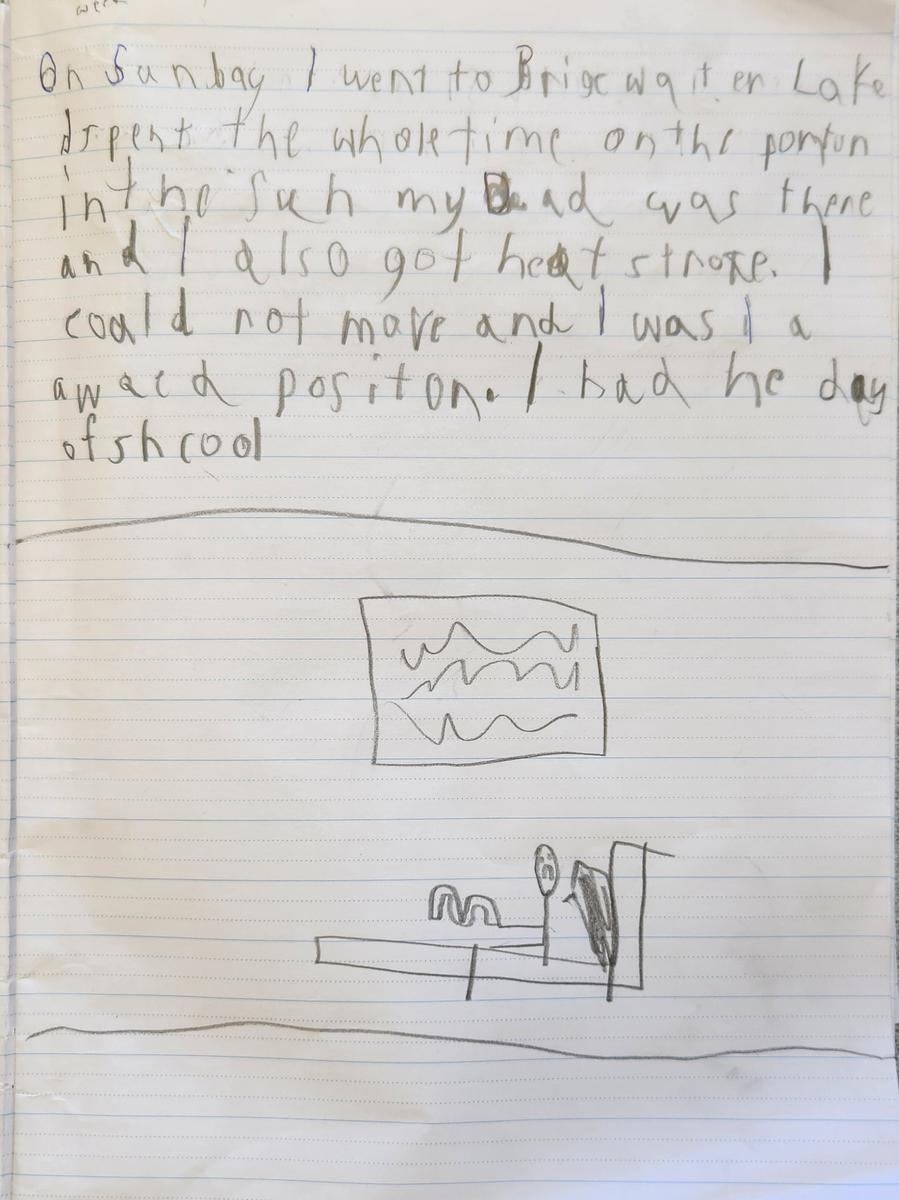
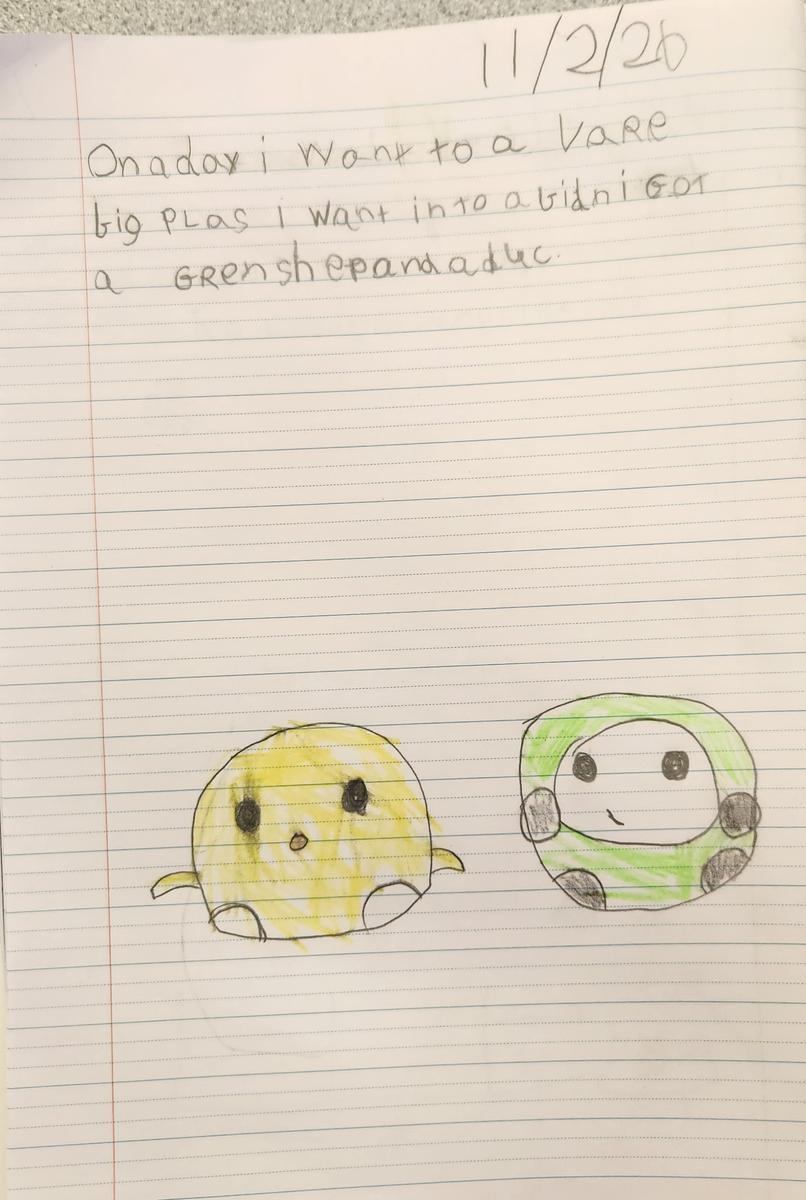
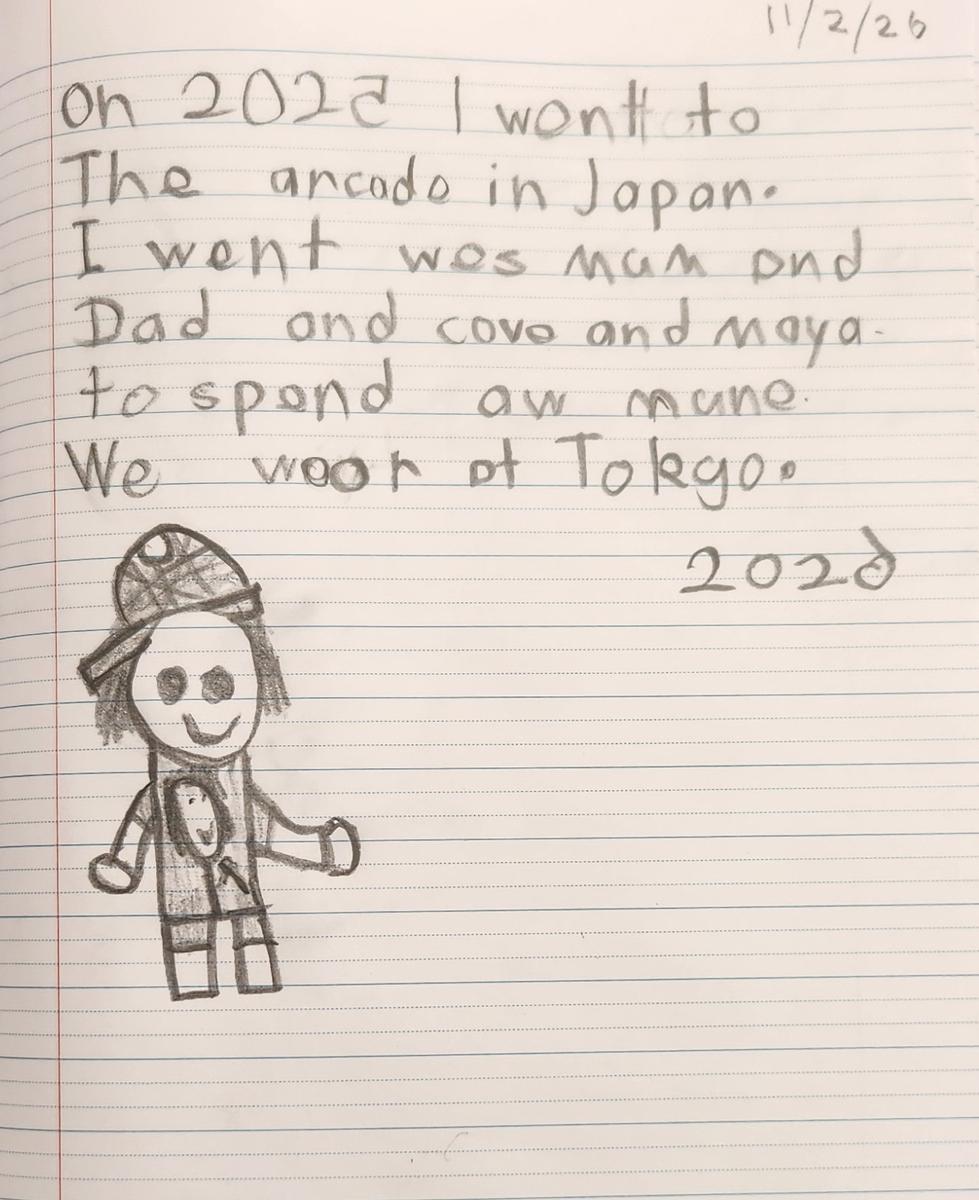
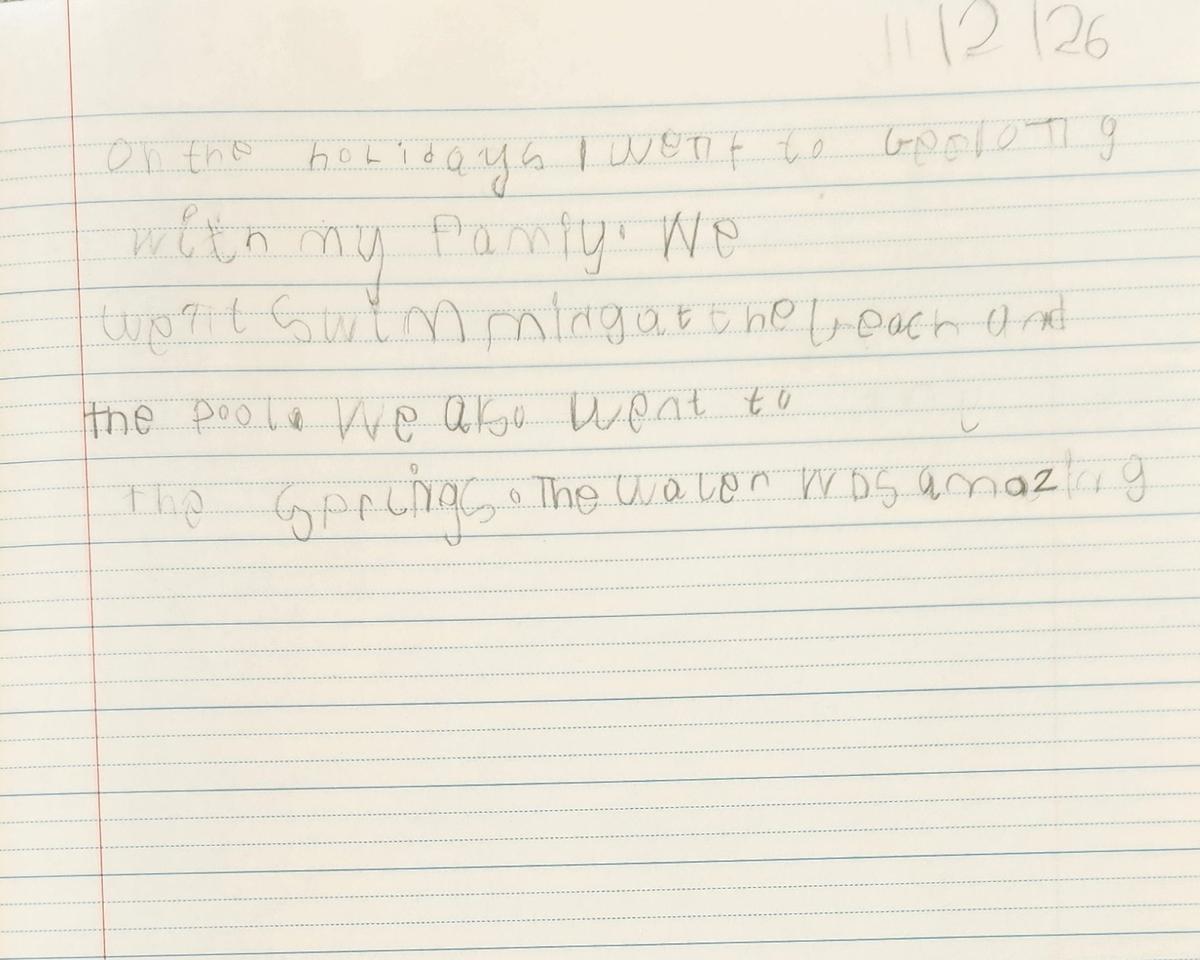
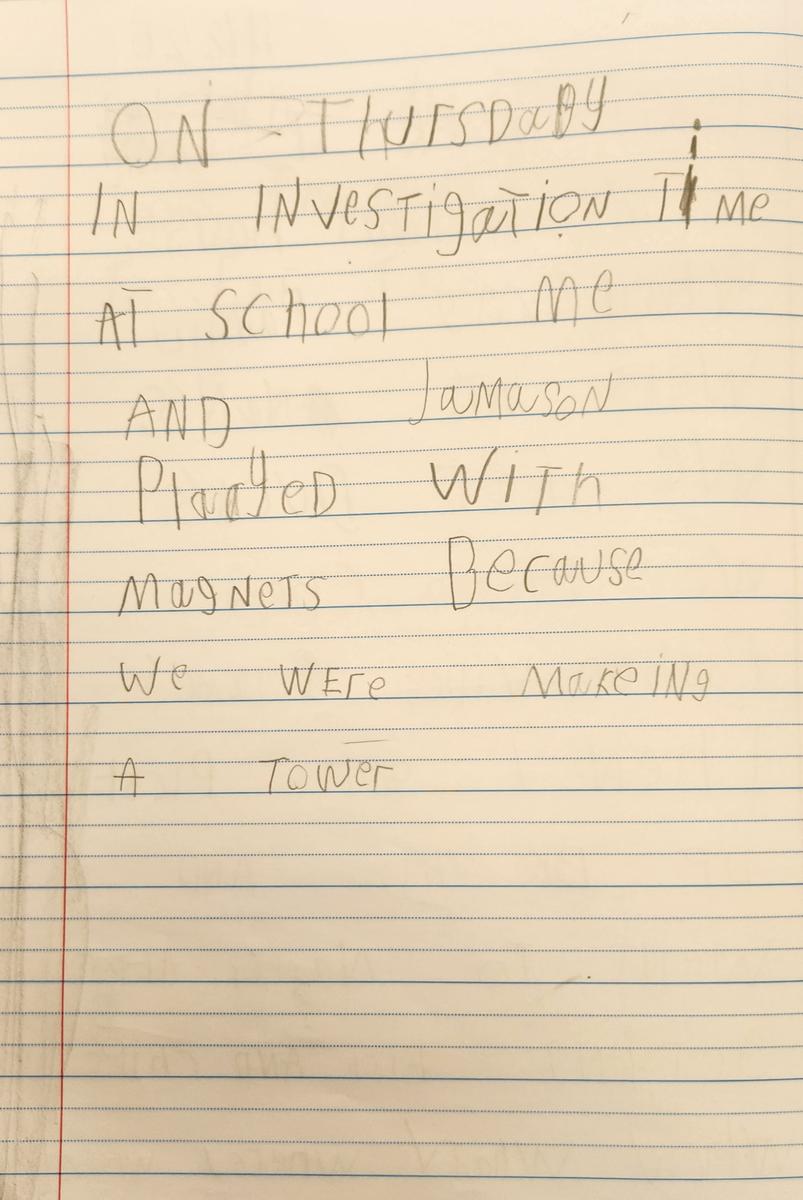
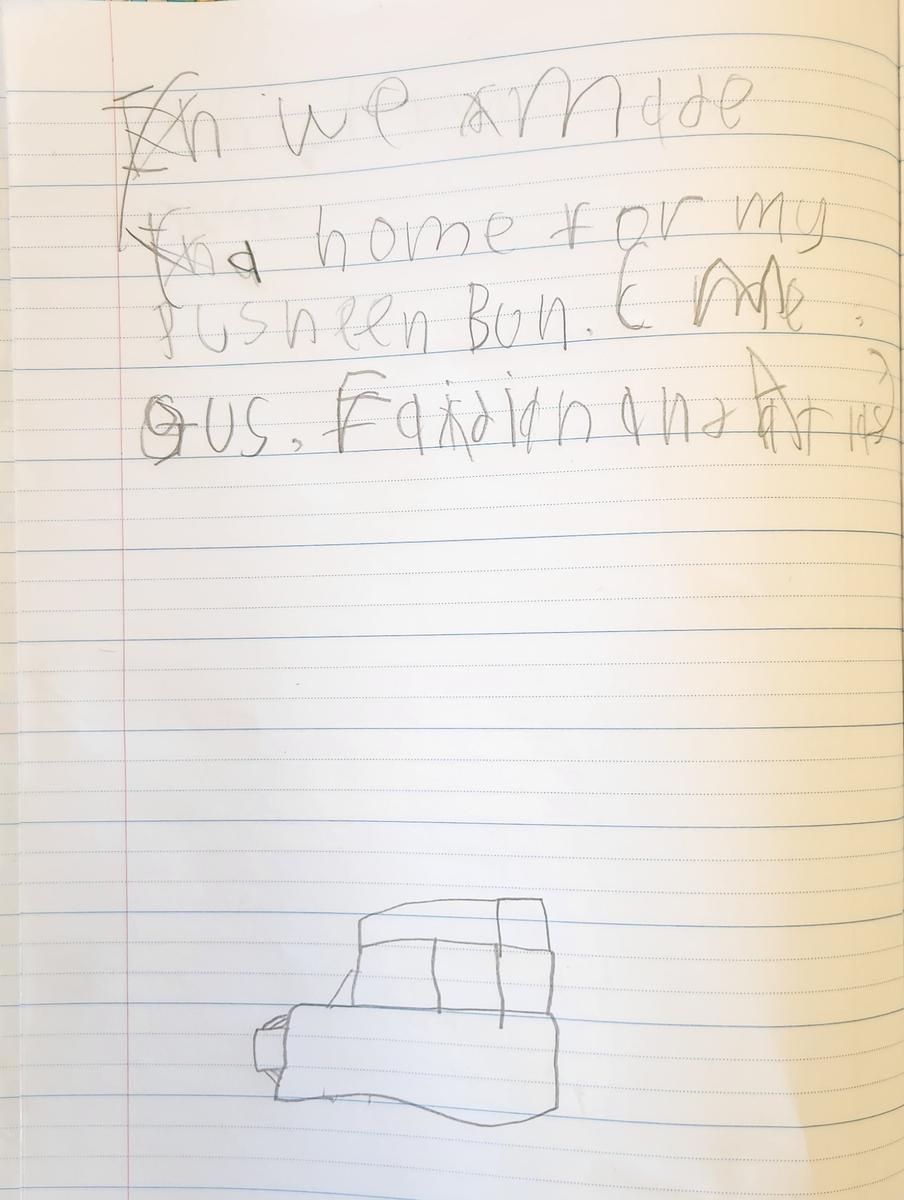
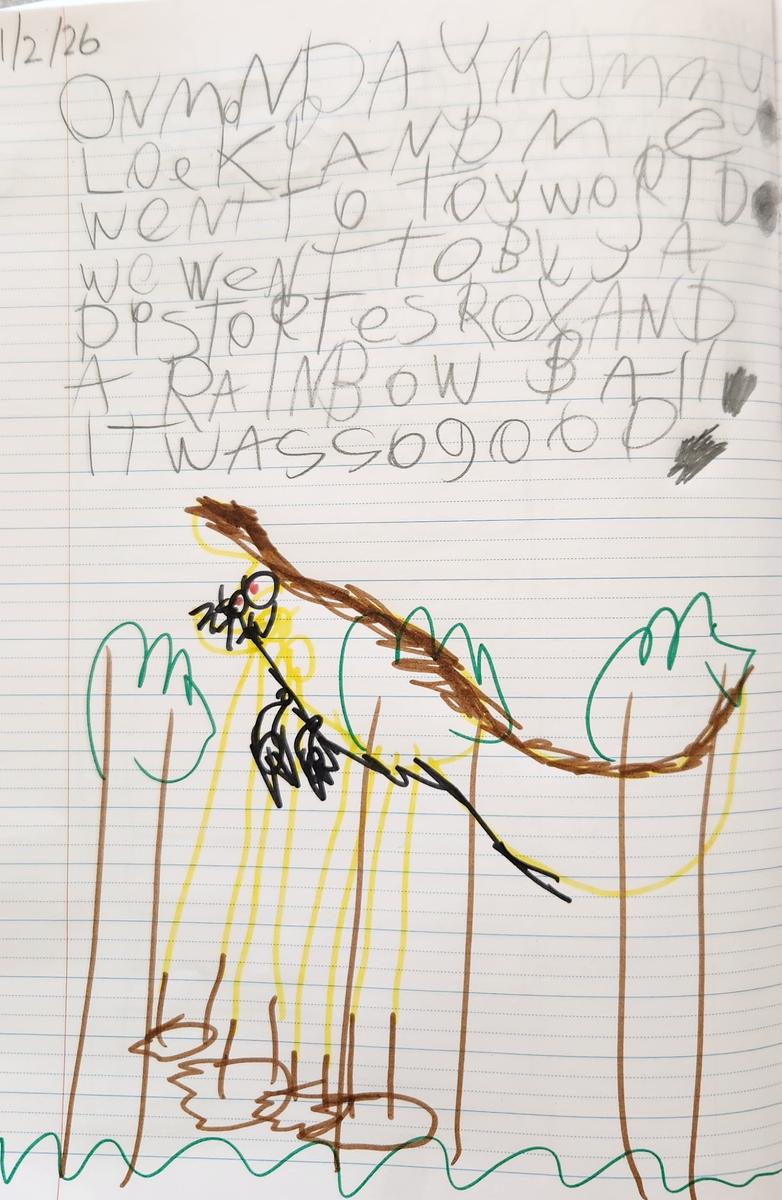
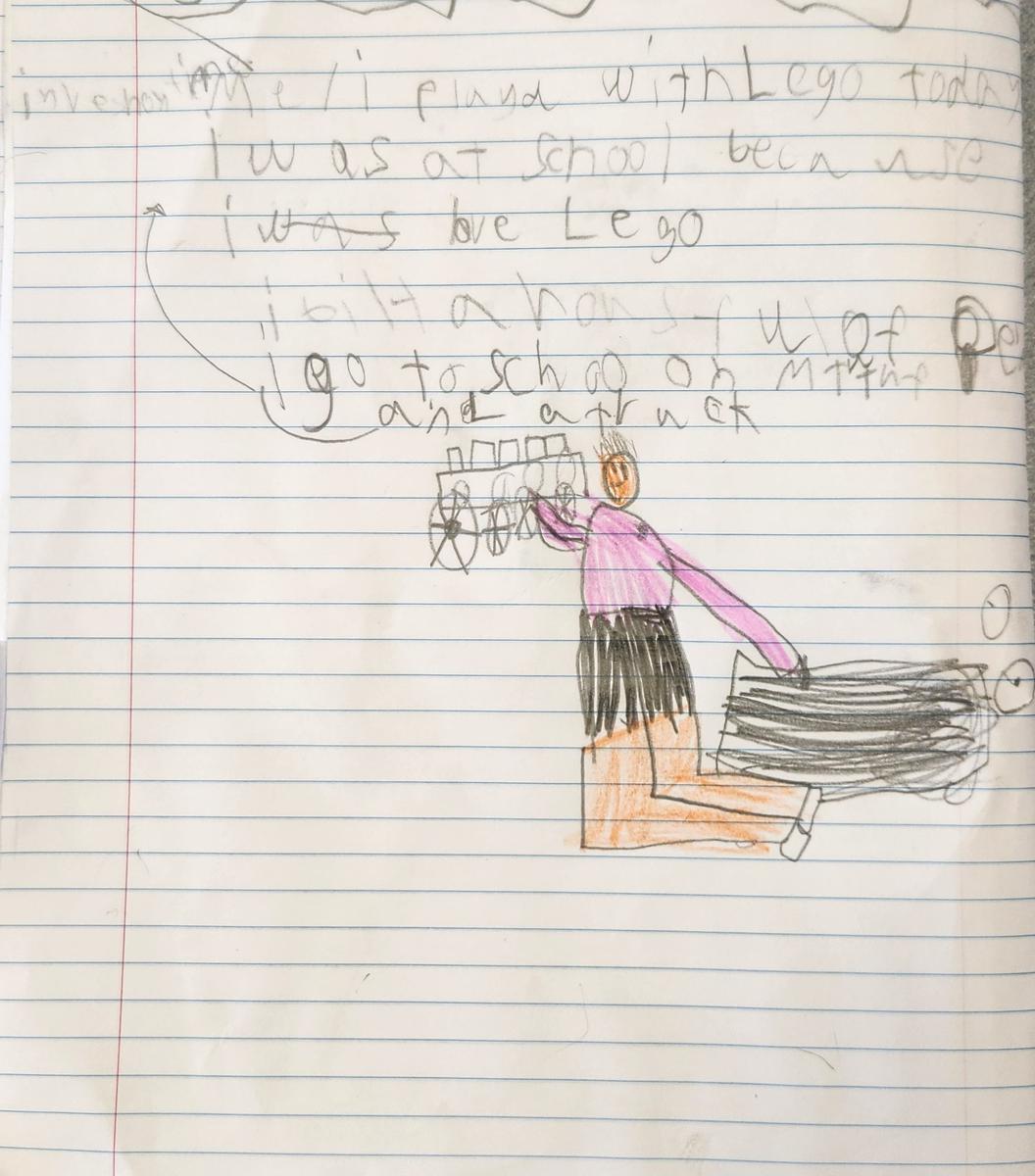
When writing a recount we are using the 5 W's - ‘Who? What? When? Where? Why?’. We recount the events in chronological order. Here are some samples of our work:
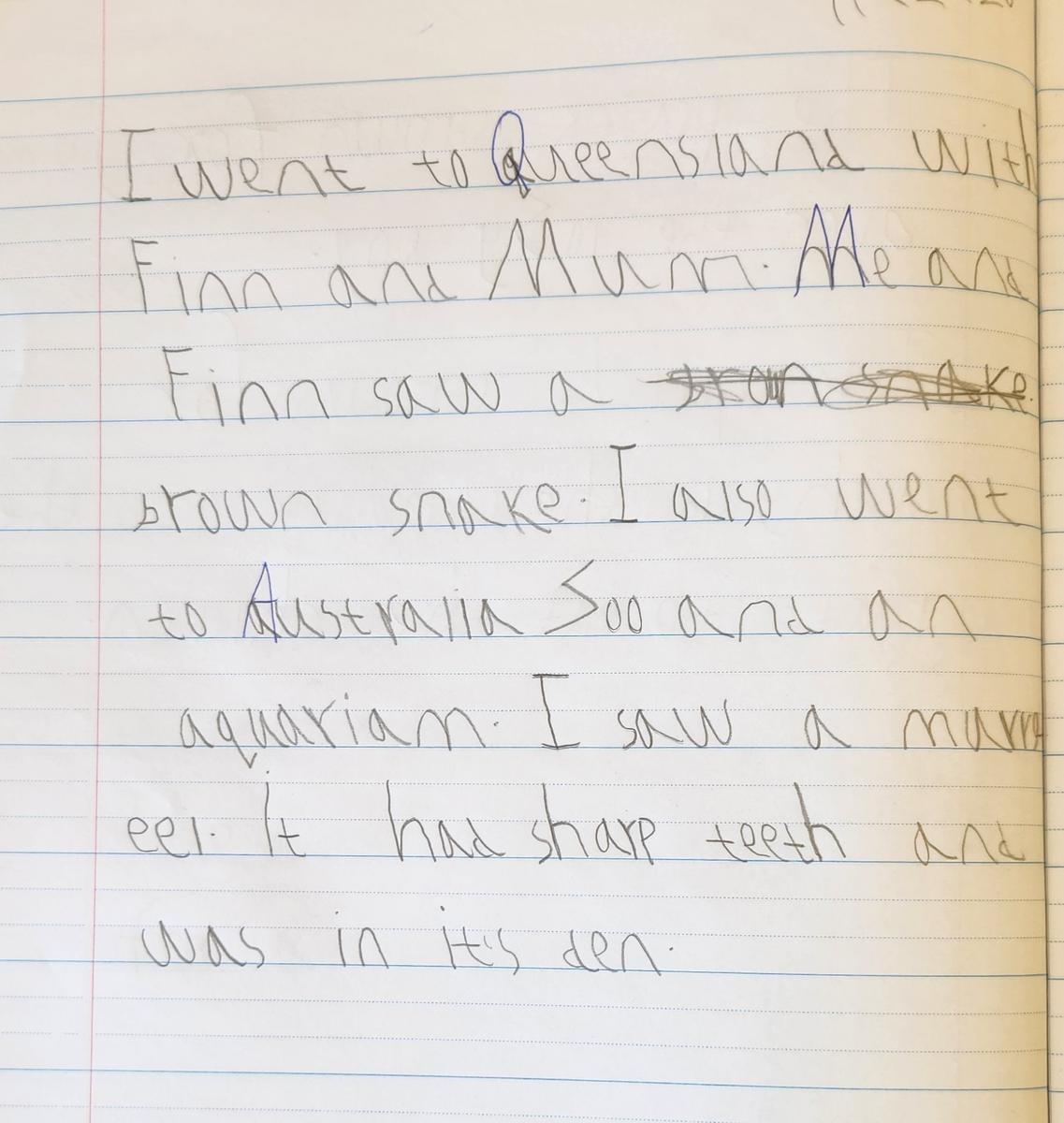
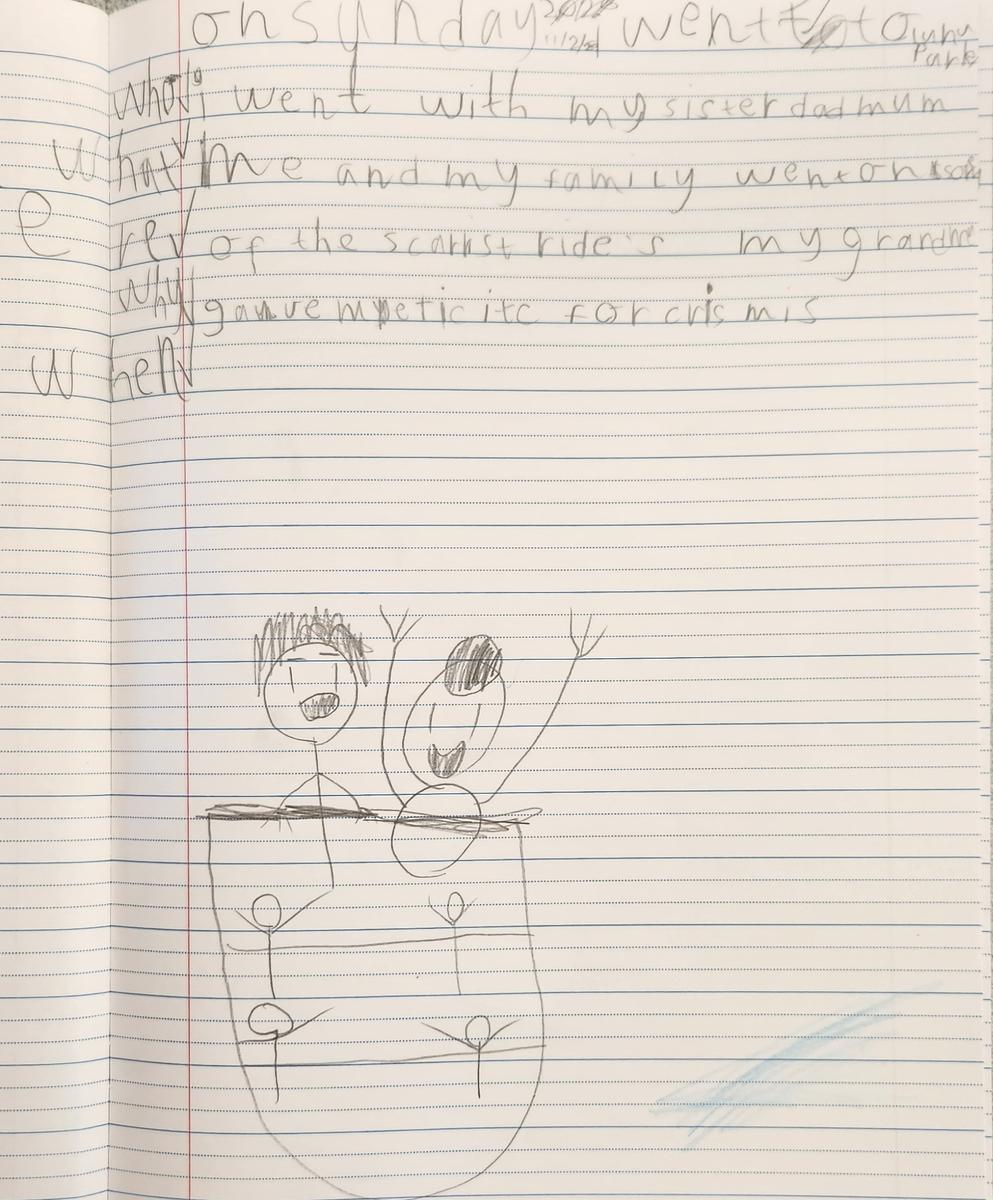
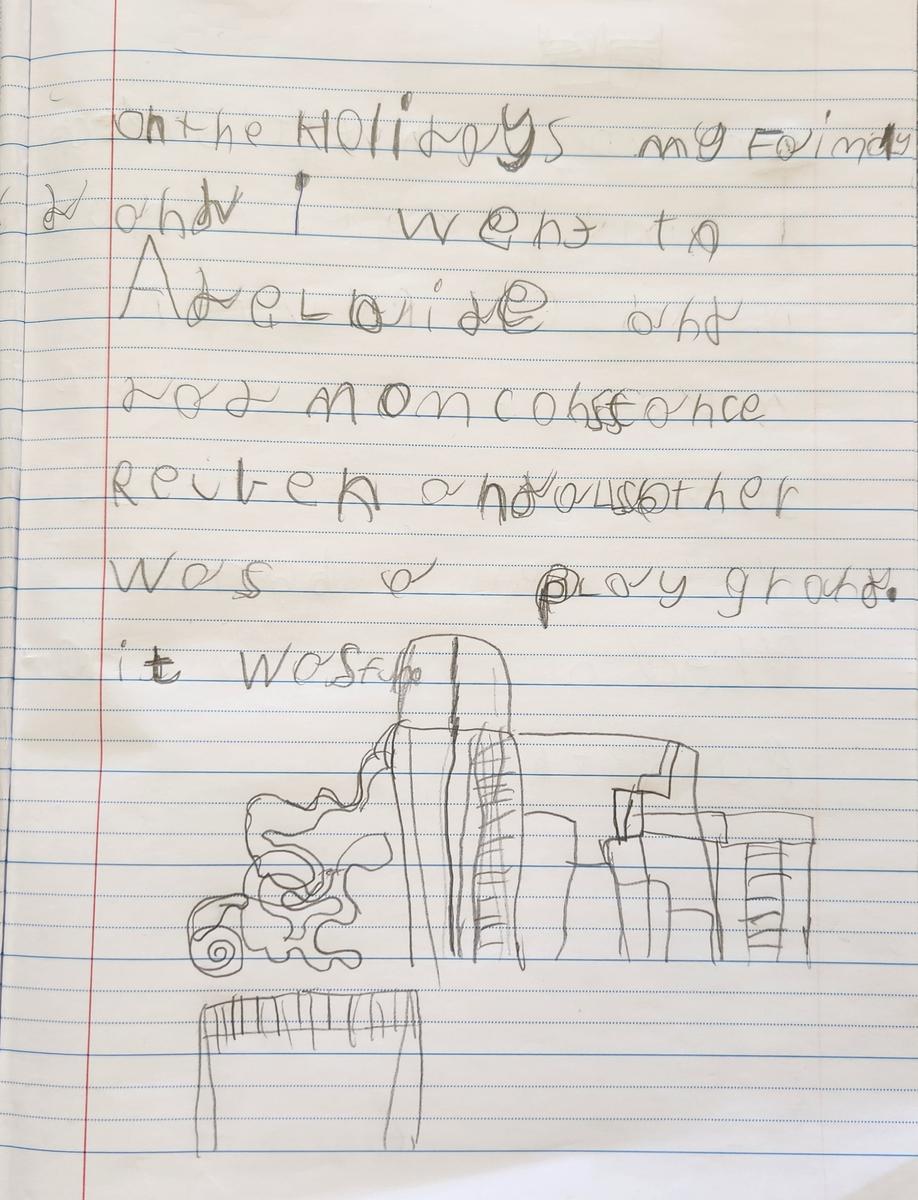
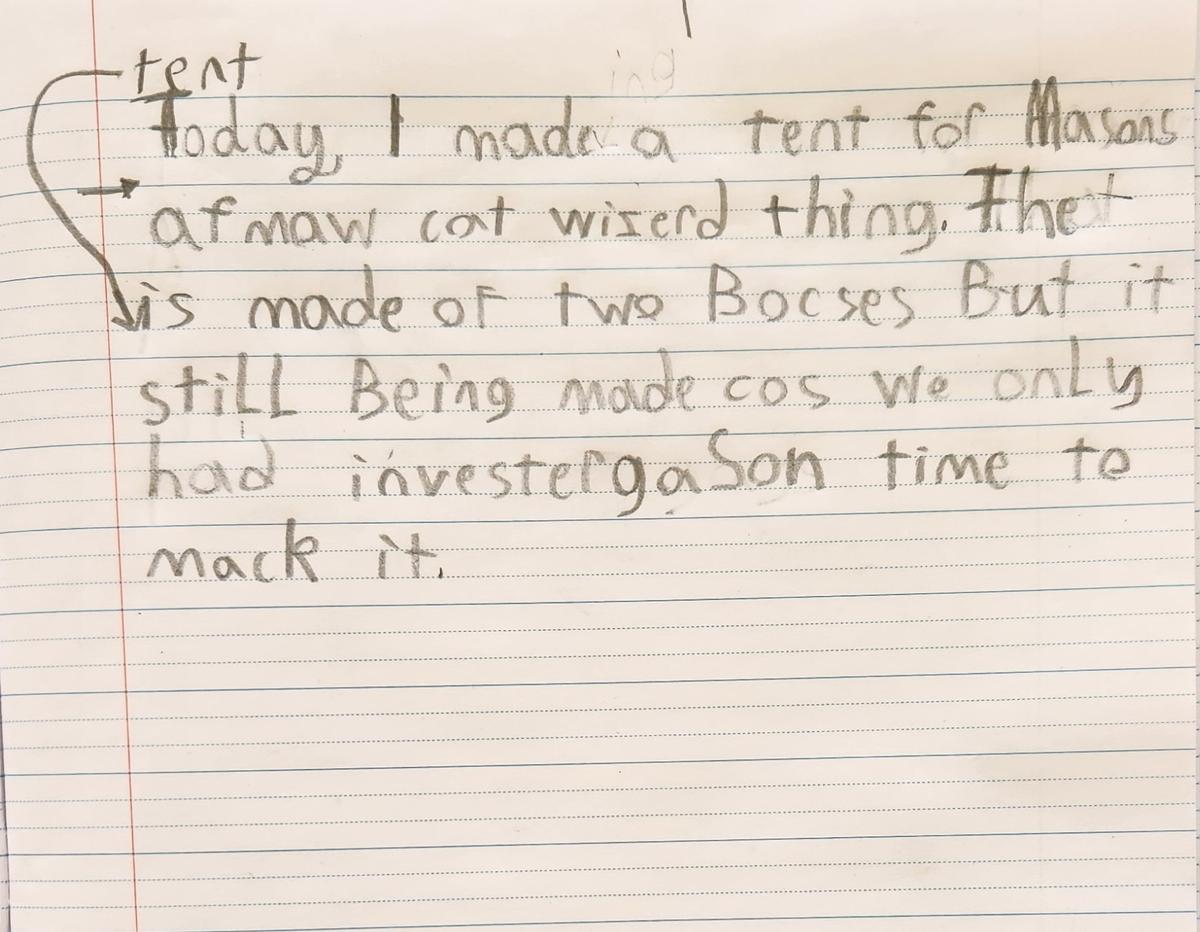
Maths
Place value has been our main focus in maths. We are able to use different manipulatives such as icy pole sticks and MAB blocks to represent numbers clearly showing place value using hundreds, tens and ones. We can represent given numbers in many ways using tens frames, tally marks, diagrams, and through expansion and partitioning. Over the past two weeks we have played LOTS of place value games. Some of our favourites are 'Place Value Path' and 'Nasty or Nice', they are great games that promote strategic thinking and number sense to reinforce the value of digits based on their position.
Place Value Path
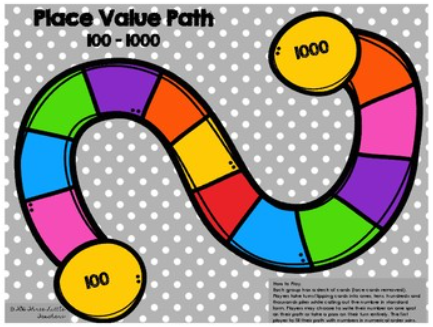
Objective: Fill the path (e.g., 10-15 empty spots) with numbers in ascending order.
Setup: Players use 10-sided dice or card decks (0-9) to generate digits.
Gameplay: Players roll/draw digits, arrange them into a number (e.g., a 5 and 2 become 25 or 52), and write it on the path.
Strategy: Players must decide the best location for their number, as it cannot be moved once placed. If a number cannot be placed in order, they skip a turn.
Variants:
Nasty or Nice
Setup: Each player needs a game board with boxes for 3 or 4 digits (e.g., [H] [T] [O] or [Th] [H] [T] [O]). Use a 0-9 spinner, 0-9 digit cards, or a 10-sided die.
Gameplay: Players take turns drawing a card/rolling a die. They must place that digit into one of the spaces on their own board or, in the nasty version, on their opponent's board.
Goal: Once all spaces are filled, players read their numbers. The player with the highest number wins.
School Wide Positive Behaviour Supports, Zones of Regulation,
and Resilience, Rights and Respectful Relationships
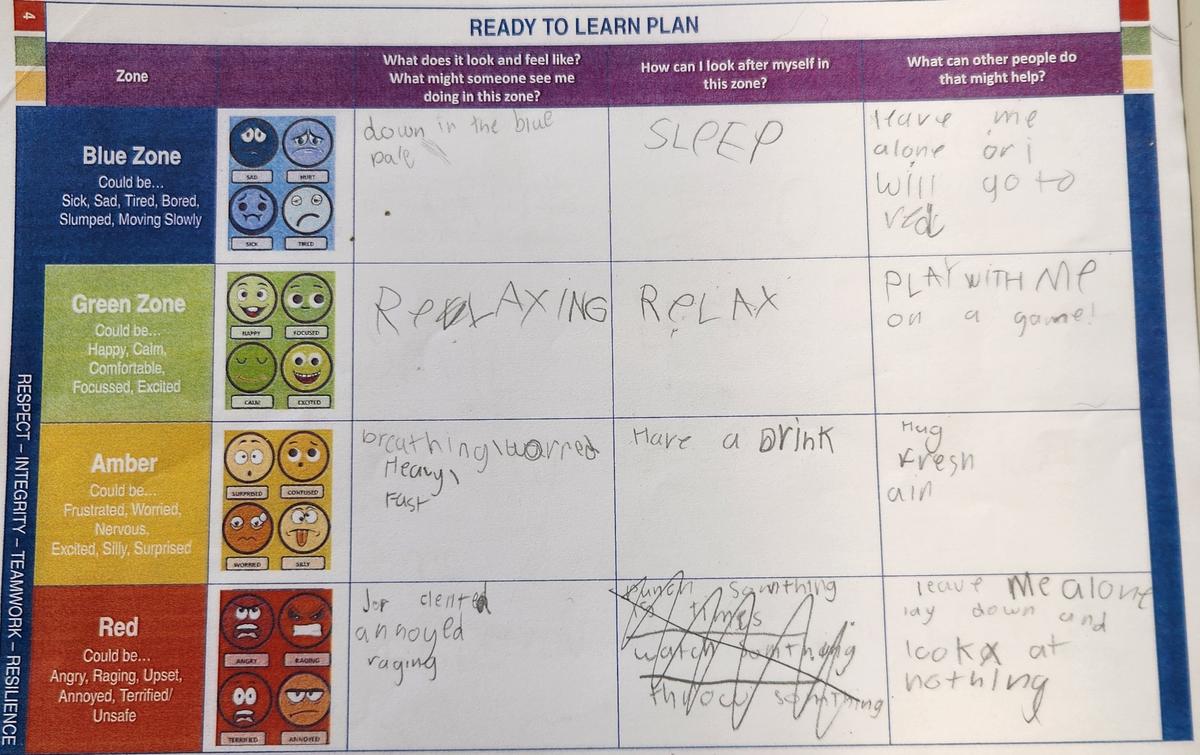
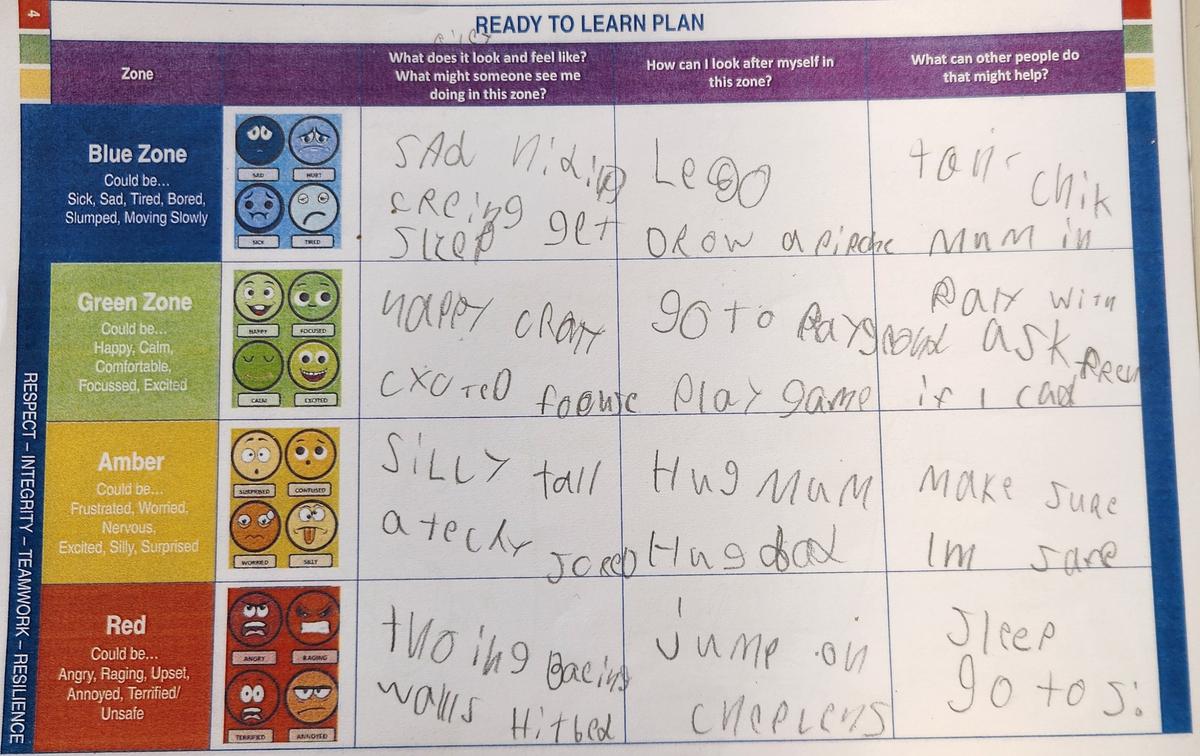
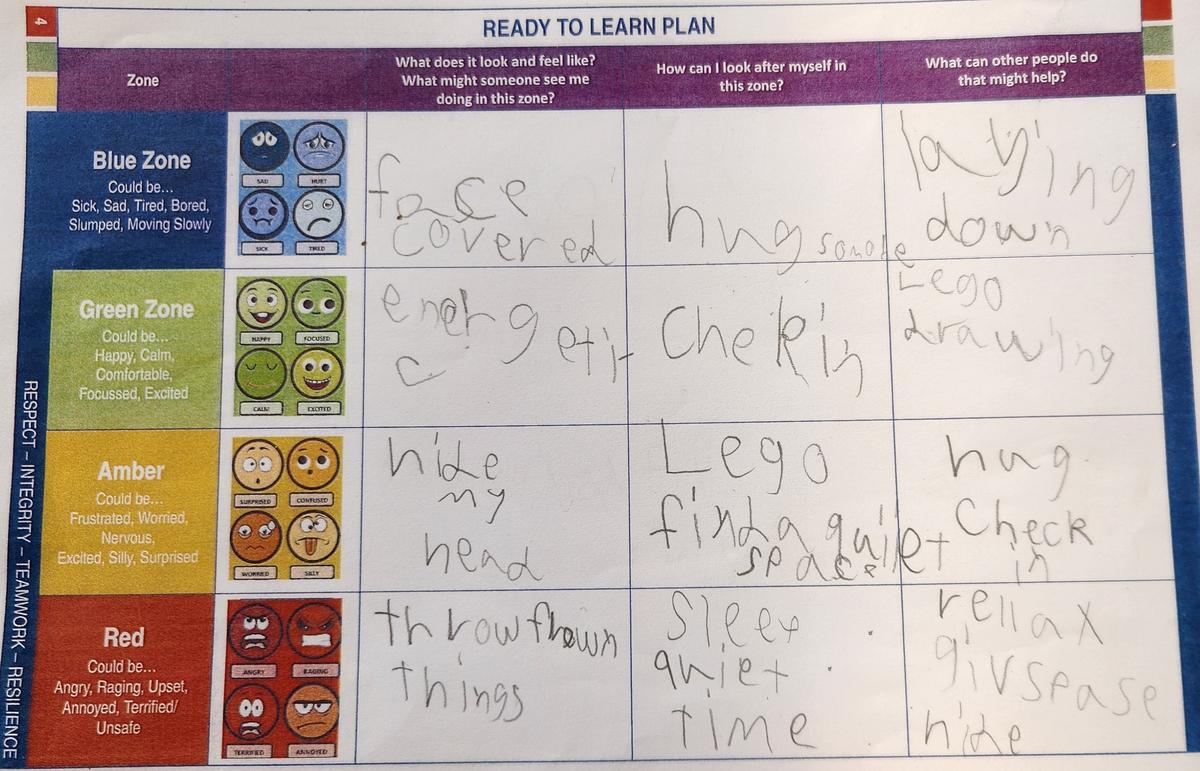
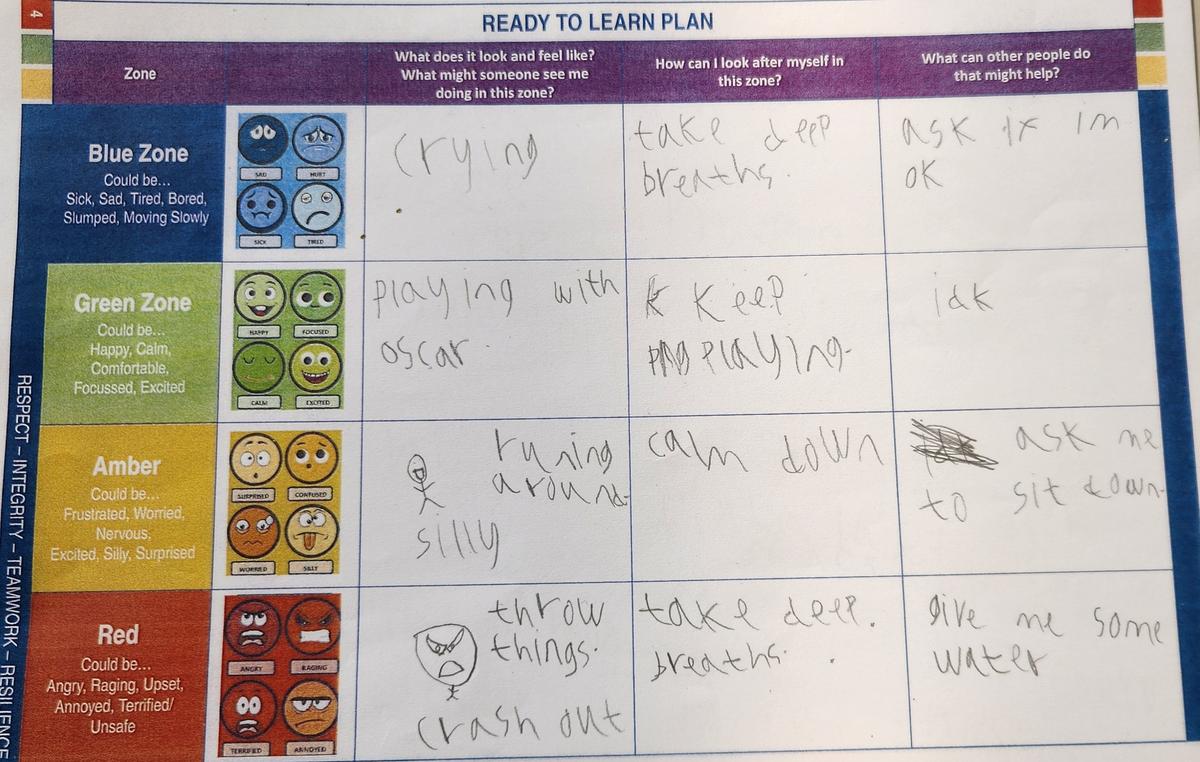
On Monday afternoonswe participate in lessons that promote social and emotional learning and respectful relationships in our classroom. We have been focussing on identifying and naming emotions that we and others experience, the tools that we use to self soothe and what others can do to help us when we are in the different zones.
Each member of our class have been working on our ready to learn plans so that at school everyone knows how to help us when we are moving through each zone. Here a a few samples: