From the Classroom
Junior Unit Tells All
Hello Junior families,
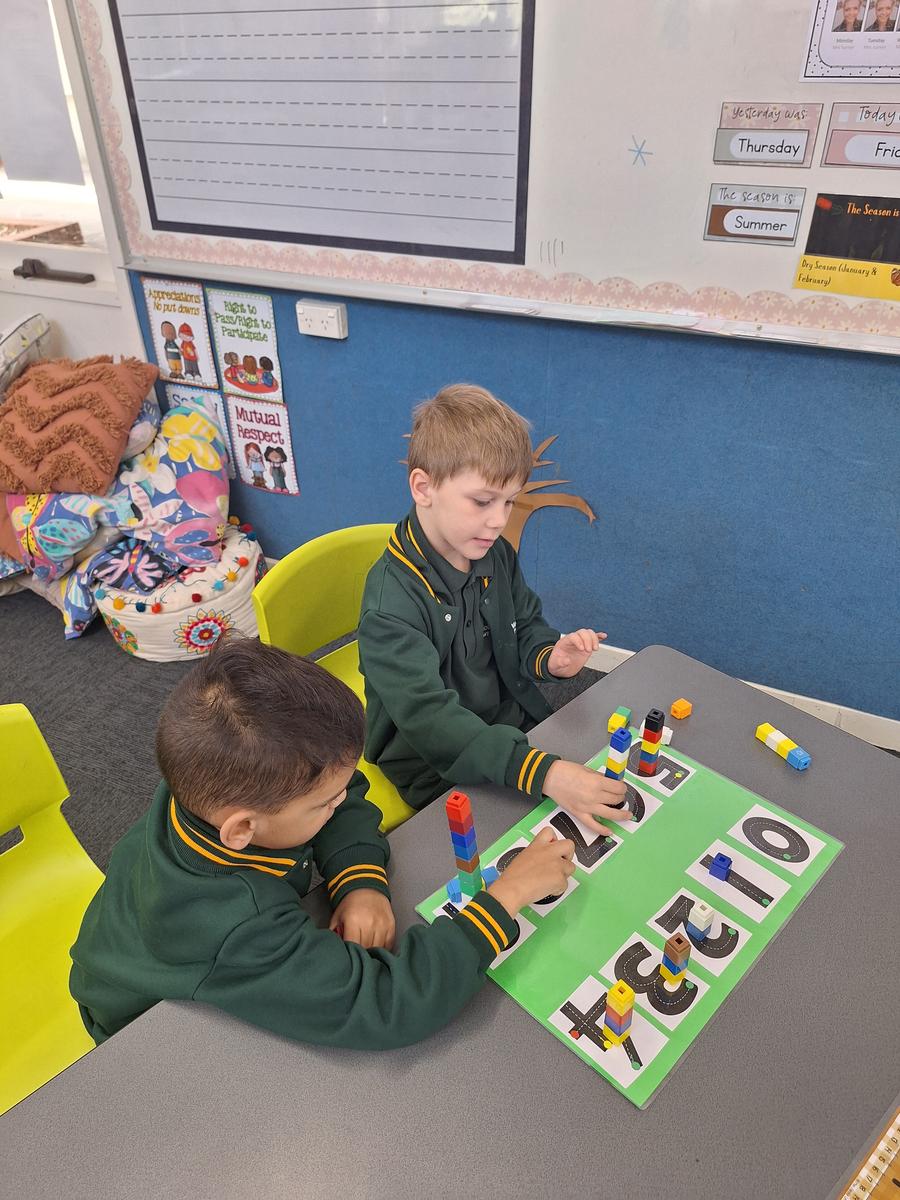
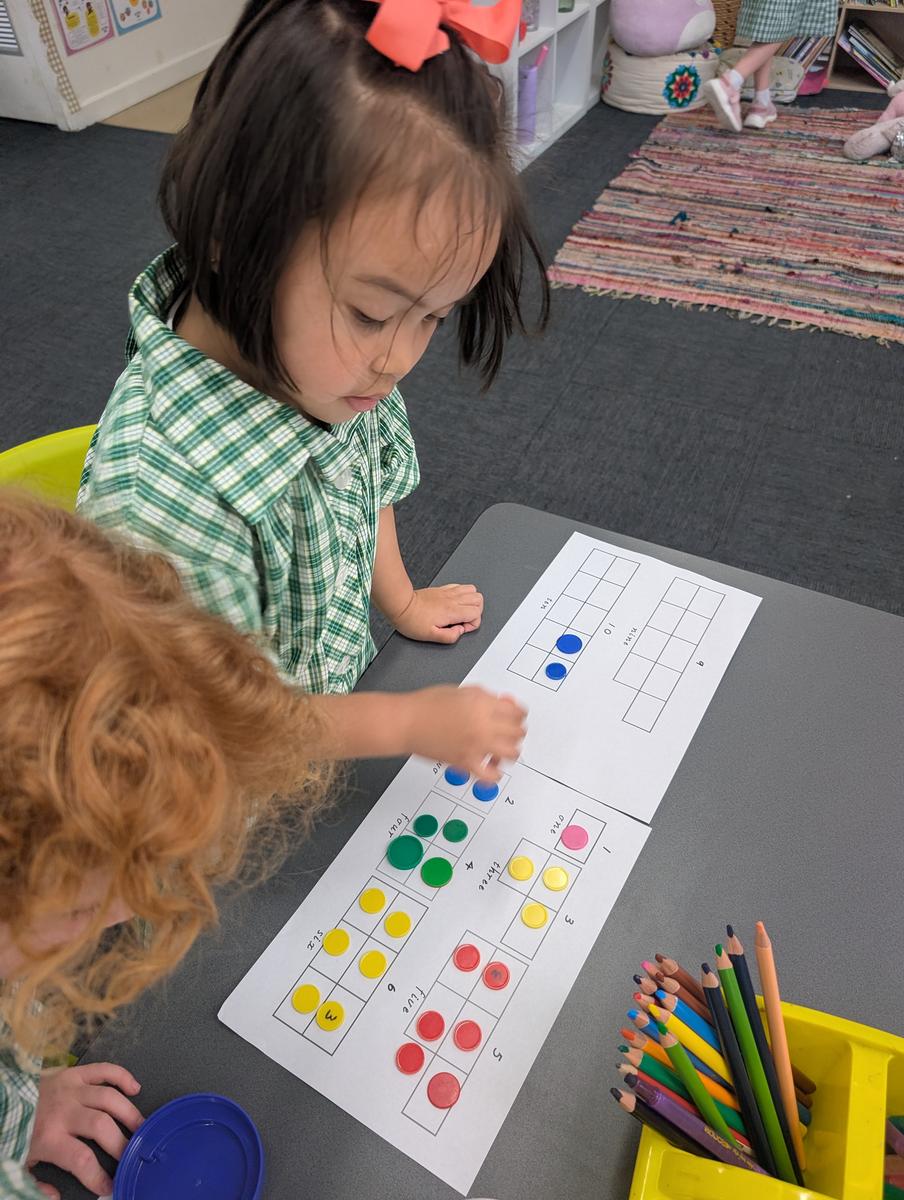
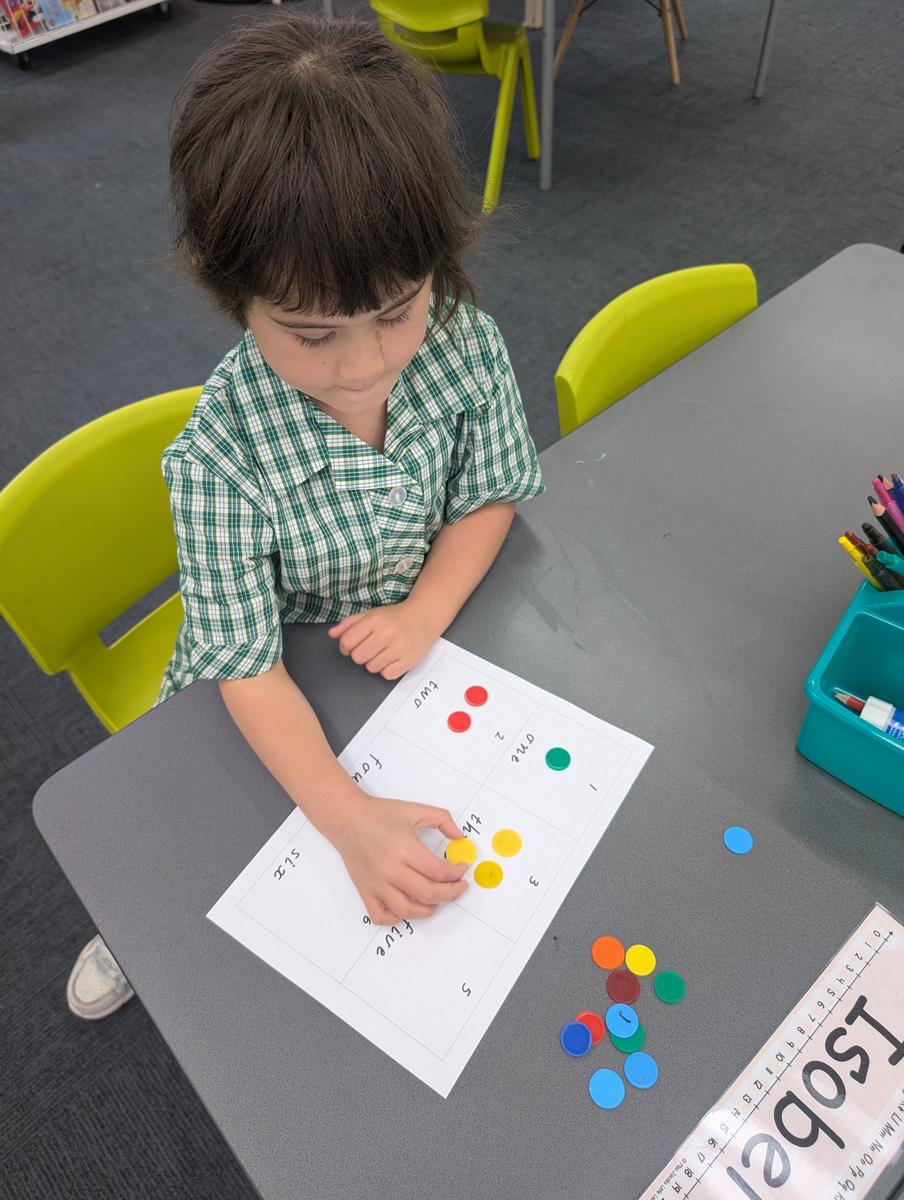
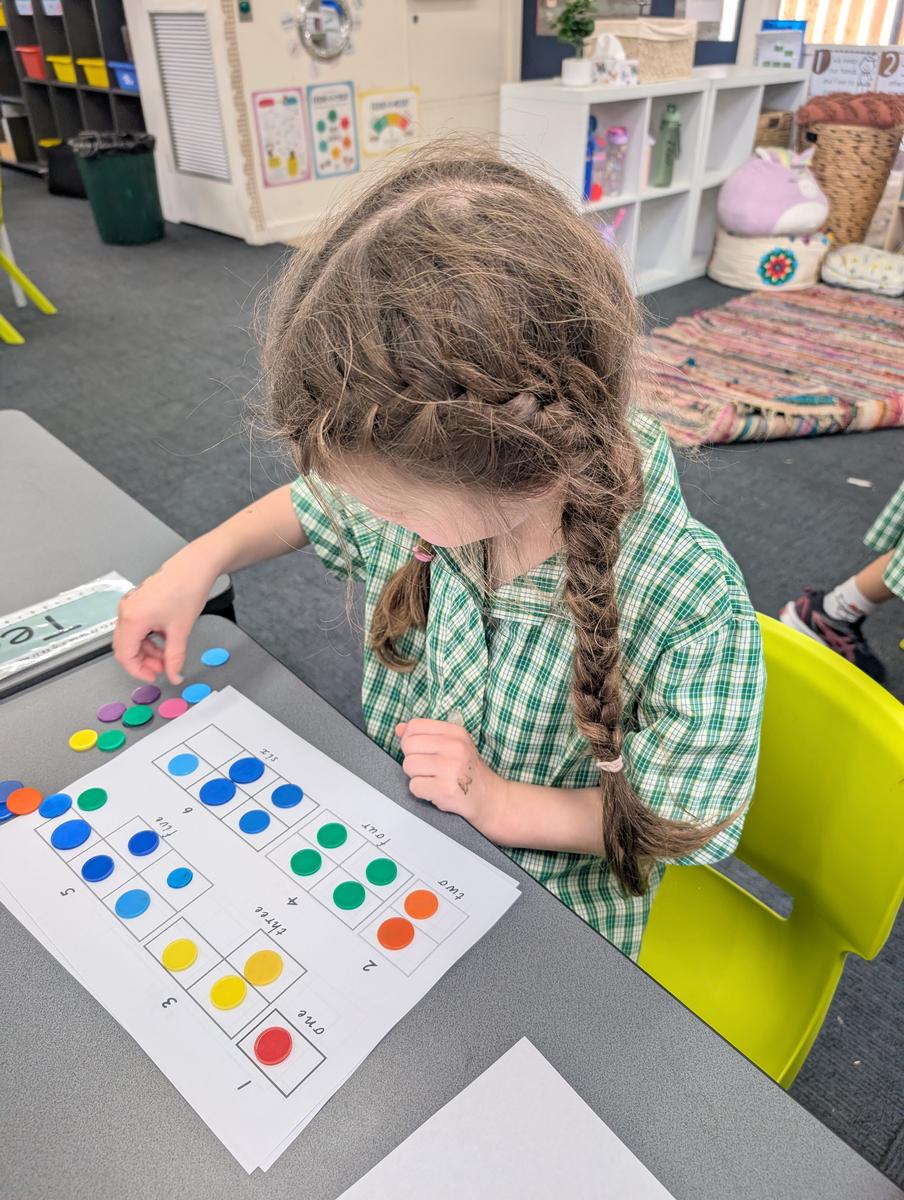
We have had a very busy and exciting couple of weeks of learning in the Junior Unit. In Maths, Junior A have been focusing on counting as high as we can using our special “touch and say” strategy. Students have been practising using their bodies, fingers and voice together when counting so that each object is counted carefully and accurately. We have worked on tracing and writing numbers starting at 0-4 and used a range of materials such as counters, teddies and animals to match numbers to quantities.
It has been wonderful to see students becoming more confident and careful with their counting.
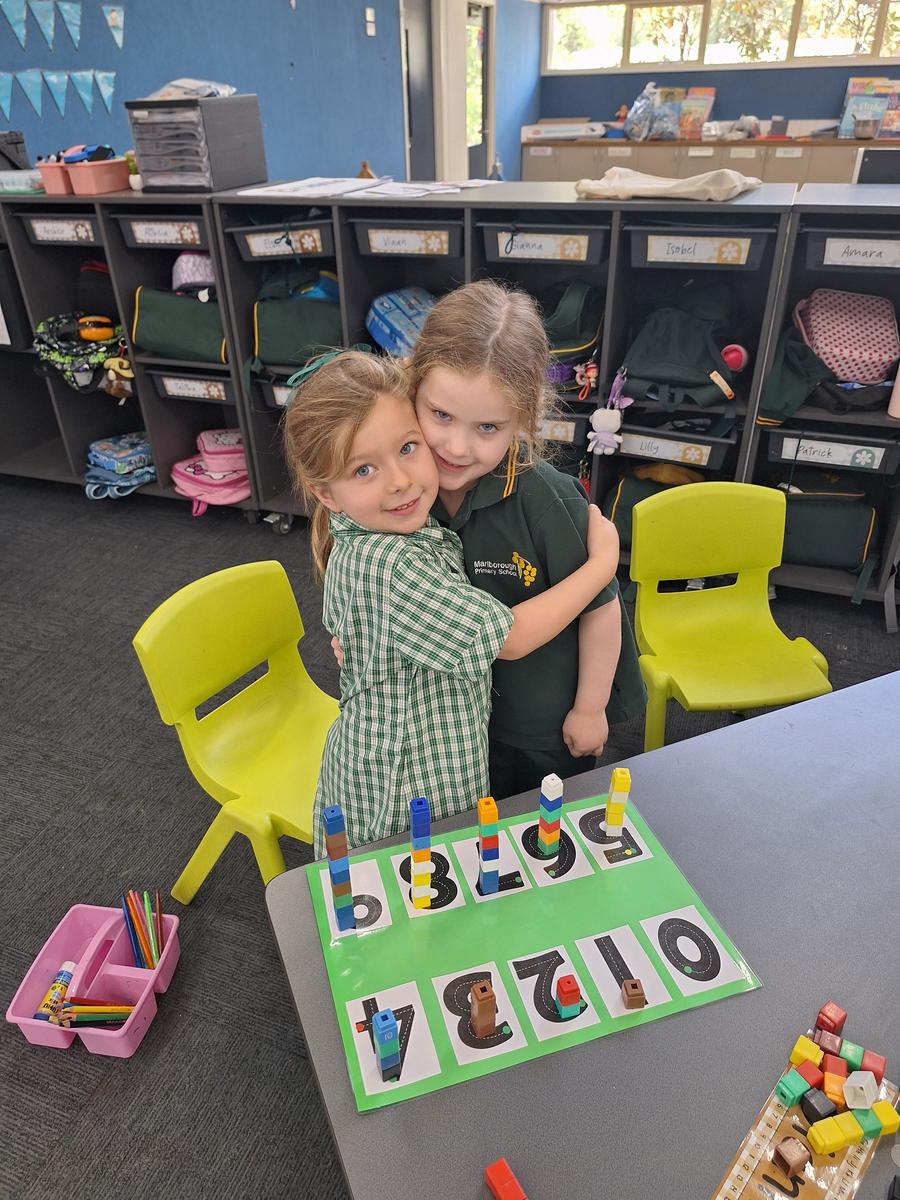
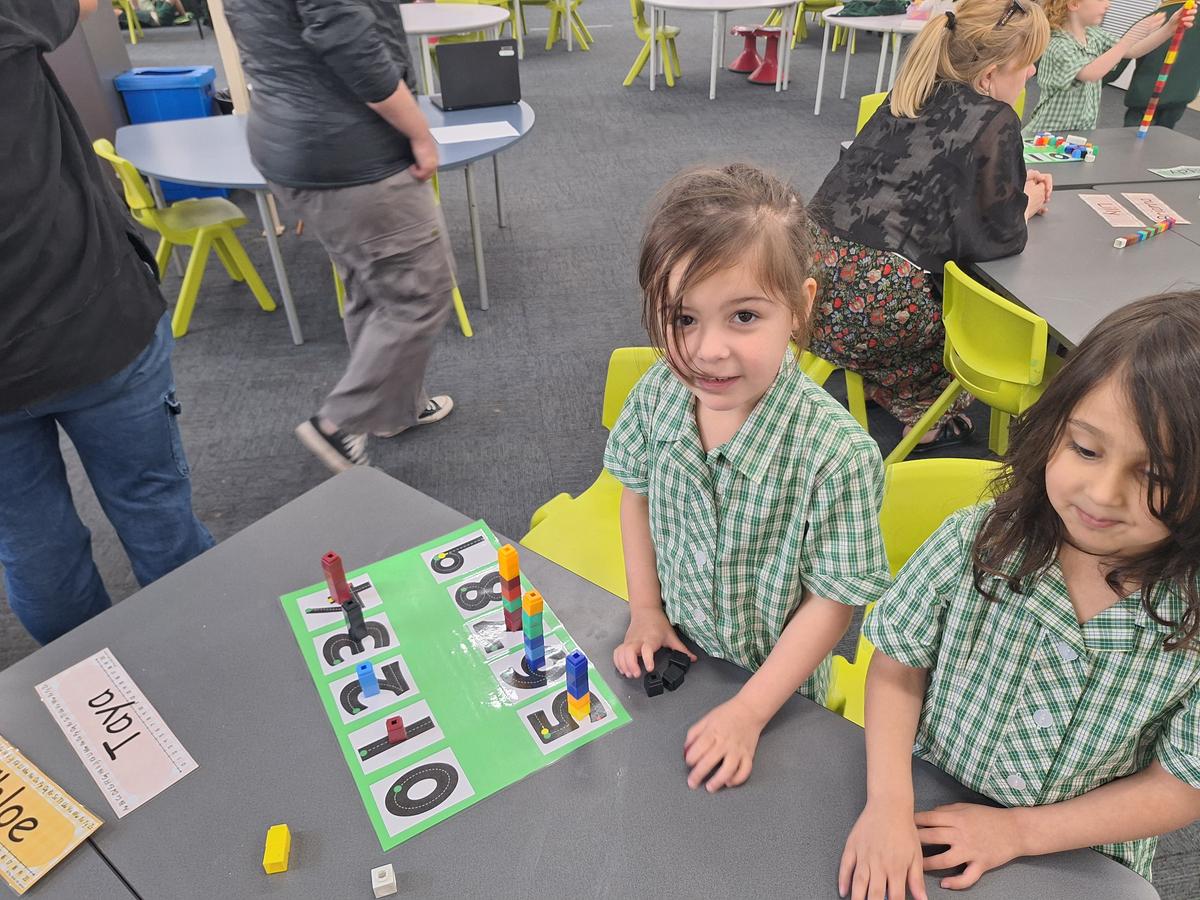
Over the past two weeks in Junior B, students have been working hard on their number skills as we learn to count all the way to 120. We have been practising reading numbers aloud, recognising number patterns, and building confidence in writing numbers in the correct order. Each lesson begins with a short fluency warm-up to get our brains ready, including fun games like “11s” to strengthen our number knowledge.
Students have been learning through hands-on rotation groups, which allow them to practice counting in different ways. Some groups have been using hundreds charts, dice and counters to play number games where they roll, move and read the numbers they land on. Others have been building towers with Unifix blocks to model counting, combining groups of ten, and writing matching numbers on whiteboards. Another group has been exploring teen numbers by separating them into tens and ones, helping students understand how larger numbers are made.
These activities have helped students see, build, say and write numbers in many different ways. We are very proud of how engaged they have been, especially as they practice reading numbers confidently and checking that their counting matches what they have built.
In Literacy, we have been learning to make connections between characters and events in texts and our own experiences. We read the story Starting School and talked about how the characters felt on their first day. Students enjoyed sharing their own memories of starting school, including what they packed, how they felt, and what activities were similar to those in the story.
To build on this learning, students created detailed drawings of themselves on their first day of school. They practiced adding meaningful details such as their uniform, school bags and classroom settings, and enjoyed explaining their drawings to their peers. It has been lovely to see their confidence growing as they share their ideas and make connections to their own lives. In English Junior B have been exploring their environment creating detailed drawings and fabulous sentences. They have also been very creative and made their very own acknowledgment of country together.
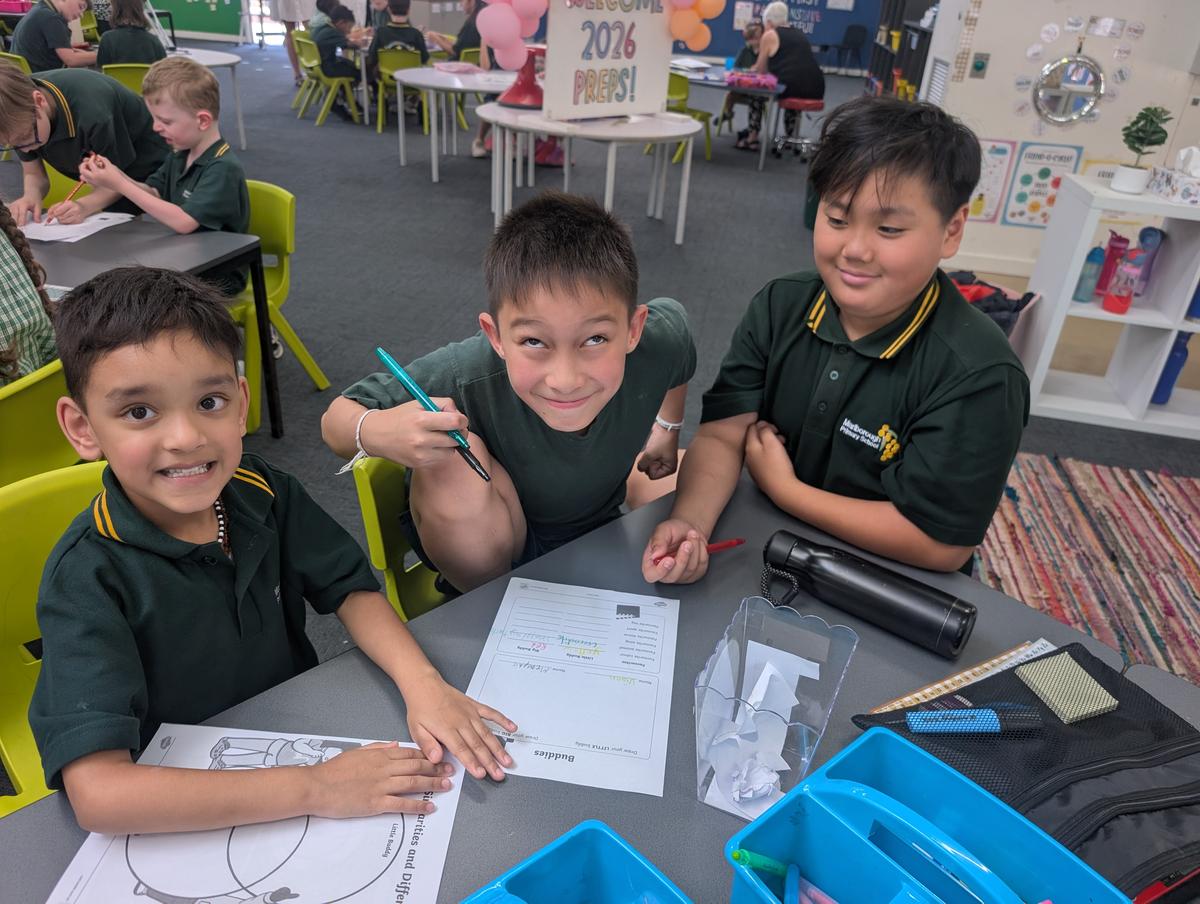
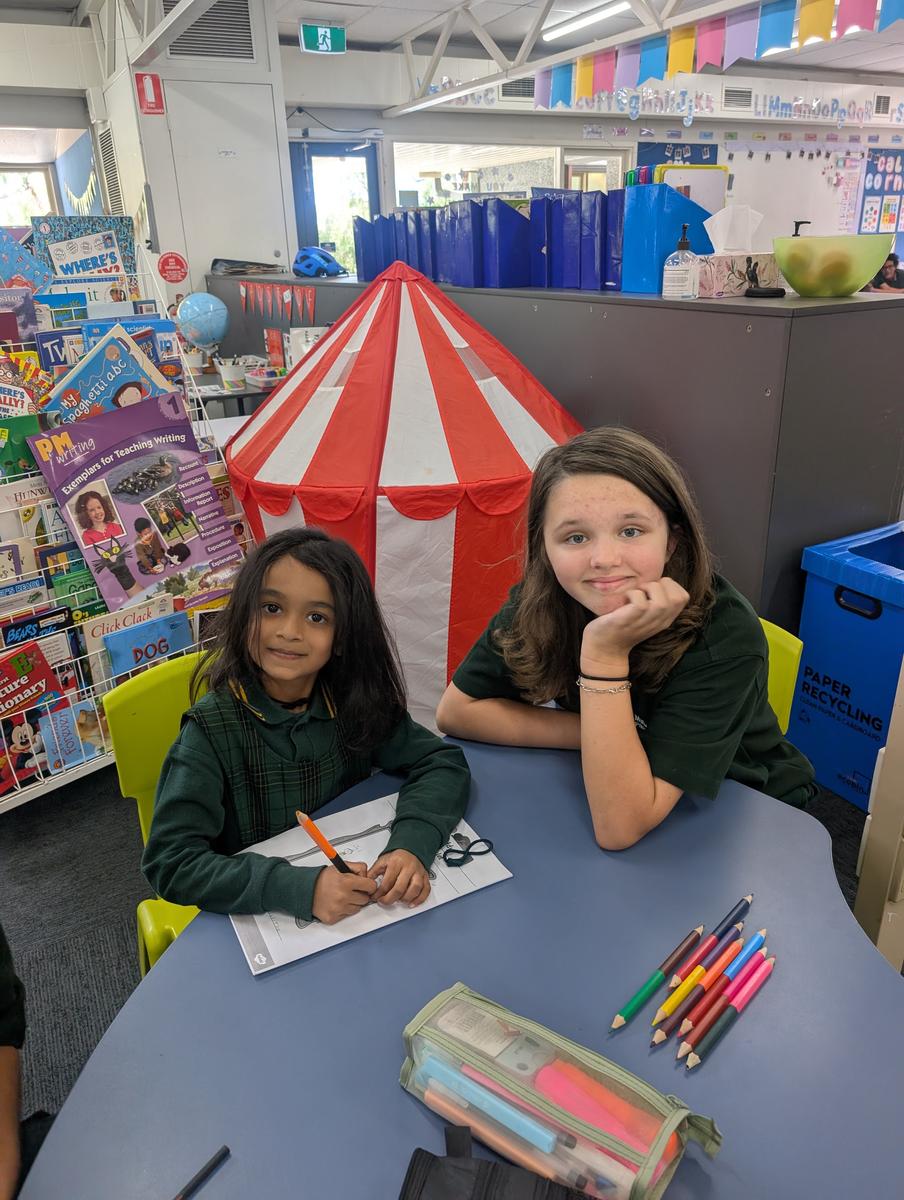
We also saw our buddies this week and had fun making 'Buddy Booklets' together, learning about each other and strengthening our relationships. Everyone had a lot of fun!
We are very proud of the hard work our Junior students have shown and the positive start they are making to their learning this year.







Middle Unit News
Middle B continues to read Blueback by Tim Winton, a beautiful Australian story set along the coast of Western Australia. Through this novel, students are exploring important themes of environmental protection, friendship, courage, and standing up for what is right. Blueback tells the story of Abel Jackson, a young boy who grows up by the sea with his mother, Dora. Abel forms a special bond with a large blue groper he names Blueback. When developers threaten the bay, Abel and his mother must decide how to protect the place they love.
We are learning how characters’ actions reveal their values and beliefs.
- Environmental Protection – Why is it important to care for oceans and marine life?
- Responsibility – How can one person make a difference?
- Respect for Nature – What happens when people put profit before the environment?
- Community Action – Standing up for what you believe in.
Students are making connections between the story and real-world environmental issues.
One key message students have identified is:
If we love and respect the natural world, we have a responsibility to protect it.
We are discussing how even young people can show leadership and make positive choices that help the environment.
In Middle A, the students have continued to build upon their knowledge of a circular narrative with the focus around the story Peppy. Middle A have then transfered their knowledge to then create their own circular narrative based on the ideas around a animal super hero. Each student has carefully thought out their character and picked challenges and events for their character to face. Middle A's final copy is being typed up on the laptops in which we will bind together and have displayed in our classroom library for all to read.
In Maths, Middle Unit students are continuing to build their understanding of place value. A strong understanding of place value helps students become confident and flexible problem-solvers in all areas of maths.
Students are:
- Learning how to round to the nearest 10, 100 and 1,000
- Exploring how numbers can be partitioned and renamed flexibly. For example:.
- Comparing and ordering numbers to at least 10,000
- Explaining the value of digits depending on their position
- Solving problems involving addition and subtraction using place value knowledge
- Using estimation strategies to check if answers are reasonable
- Applying their understanding to real-world contexts
You might like to:
- Ask your child to round numbers you see in everyday life (prices, distances, scores).
- Say a number (e.g. 6,482) and ask them to rename it in two different ways.
- Ask: “What digit is in the hundreds place? What is its value?”
We are so proud of the effort students are putting into strengthening their number knowledge. Keep practising — every small step builds big mathematical thinking!
In Inquiry, our students are continuing to participate in learning experiences that support positive friendships, emotional awareness and respectful relationships.
Students are engaging in the URSTRONG Friendology program, which teaches children the skills to build and maintain healthy friendships.
Through this program, students are learning:
- The difference between healthy and unhealthy friendships
- How to recognise “friendship fires” (conflict) and put them out calmly
- The language of respectful communication
- How to solve small problems independently before seeking adult support
- How to stand up for themselves and others in a kind and confident way
The program empowers students with practical tools and shared language to navigate social situations positively.
Students are also continuing to use Zones of Regulation, a framework that helps children identify and manage their emotions.
The four zones help students understand their feelings and levels of alertness:
- Blue Zone – tired, sad, bored
- Green Zone – calm, focused, ready to learn
- Yellow Zone – worried, excited, frustrated
Red Zone – angry, overwhelmed, out of control
Students are practising strategies such as:
- Deep breathing
- Positive self-talk
- Taking a break
- Problem-solving conversations
- Identifying when to ask for help
The goal is not to “stay in the green zone” all the time, but to develop awareness and tools to move between zones safely and respectfully.
Senior Unit
This fortnight in English, students will continue exploring the novel Storm Boy, focusing on how authors build tension and meaning in narratives. They will identify and use modal words, dialogue and added descriptive details in sentences to strengthen their own writing. Students will also explore the key messages in the story, consider the behaviours and choices of characters, and discuss how illustrations and language work together to deepen understanding and engage readers.
This fortnight in Mathematics, students will be learning about prime, composite, square and triangular numbers, while continuing to build their understanding of place value. They will revise important concepts such as real-life integers, rounding, renaming numbers and angles. Students will take part in regular fluency sessions to practise key skills and participate in number talks and review tasks. In our fractions unit, students will explore fractions in a variety of ways, including comparing, ordering, adding and subtracting fractions, and using visual models such as fraction walls to support their understanding.
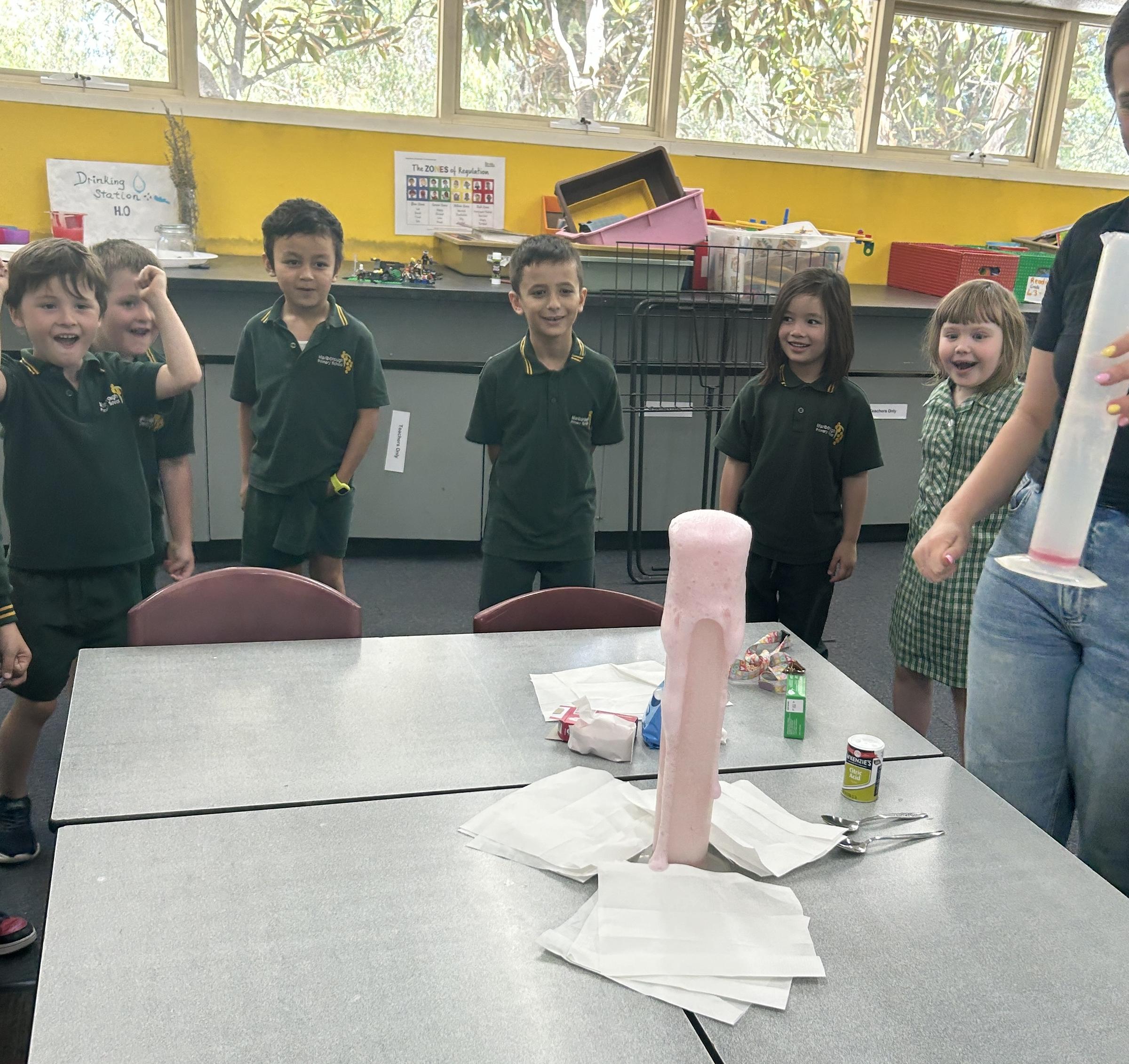
In Science, students have been exploring chemical science through hands-on experiments, making hypotheses, observing changes and thinking about why reactions occur. Over the past two weeks, they investigated how alchemists experimented with “potions” to transform materials, including cleaning tarnished pennies and copper plating nails, while developing models to explain how particles move during reactions. Over the next fortnight, students will focus on acids and chemical reactions, identifying acidic substances in everyday foods and exploring how mixing different materials can create new substances with interesting properties, such as in the “Mystery Goo” experiment.
Last week, students competed against Croydon Primary School in interschool sports. They enjoyed the games, showed great sportsmanship, and supported their teammates. We are looking forward to our upcoming matches against Ringwood Heights this Friday and Our Lady’sthe following week.