Welcome to our 5/6 news!
Important Dates
| Western Port Secondary College Open Night | Wednesday 4th of March |
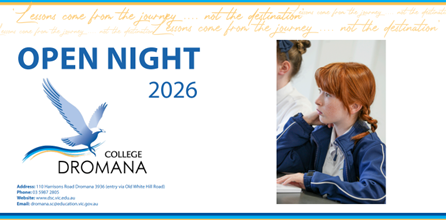
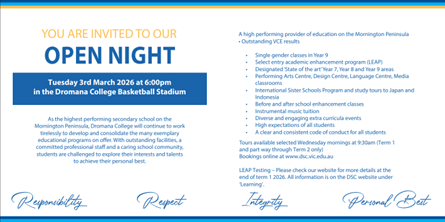
| Dromana Secondary College Open Night | Tuesday 3rd March |
| Western Port Secondary College Grade 6 Discovery Day | Monday 23rd of March |
Literacy
We have been focusing on the many different ways the /s/ sound can be represented in English. We explored patterns including ss, soft c (where c makes the /s/ sound), sc, se, ce, and st. We investigated how the spelling changes depending on the position of the sound within a word and the letters that follow it. Using words such as wrist, press, city, science, bricks, goose, fence and whistle, we identified patterns, sorted words into spelling categories, and created amazing stories using our spelling words.
We have been learning new and exciting vocabulary in Reading. We explored energy, how it can be transferred or transformed into different forms like kinetic and potential energy, and how waves carry energy through the electromagnetic spectrum. In our study of light, we learned about refraction and dispersion, and how parts of the eye like the cornea, pupil, lens, and retina work together to help us see. We also discovered how optometrists and tools like microscopes, magnifying glasses, and telescopes help us observe the world more clearly. It has been exciting to use these words in our discussions and writing, helping us describe both the practical and extraordinary ways science shapes our world.
Learning how to write persuasive texts and explore the different techniques that make writing convincing has been our recent focus. We practised using strategies like emotive language to appeal to readers’ feelings, facts and statistics to support arguments, and rhetorical questions to make the audience think. We also looked at how repetition, direct address, and strong conclusions can make a message more powerful. By planning our ideas carefully and combining these techniques, we have been developing persuasive texts that clearly express opinions and aim to influence the reader.
Maths
We have been diving deep into the world of fractions and decimals and building strong connections between the two. We began by comparing unit fractions, carefully reasoning about size and understanding that the larger the denominator, the smaller each part becomes. We practised identifying and placing fractions on a number line, strengthening our understanding of fractions as numbers rather than just parts of shapes.
We also explored fractions as division, helping us see that a fraction such as 3/4 represents 3 ÷ 4. From there, we developed confidence in adding and subtracting fractions and decimals, applying strategies to find common denominators and align place value correctly.
A key focus throughout our learning has been making clear connections between fractions and decimals, recognising that they are simply different ways of representing the same value.
Our learning then expanded into the world of measurement, where we investigated different metric units for length, mass and capacity. To wrap up the past few weeks, we linked our understanding of fractions and decimals directly to units of measurement, converting between units and explaining relationships such as how 0.5 metres is the same as 1/2 metre. It has been fantastic applying our knowledge and explaining our mathematical thinking with clarity.
Science
We have continued exploring the fascinating behaviour of light and discovering that everyday events, like a straw appearing bent in water or a rainbow forming after rain, are powerful examples of scientific principles in action.
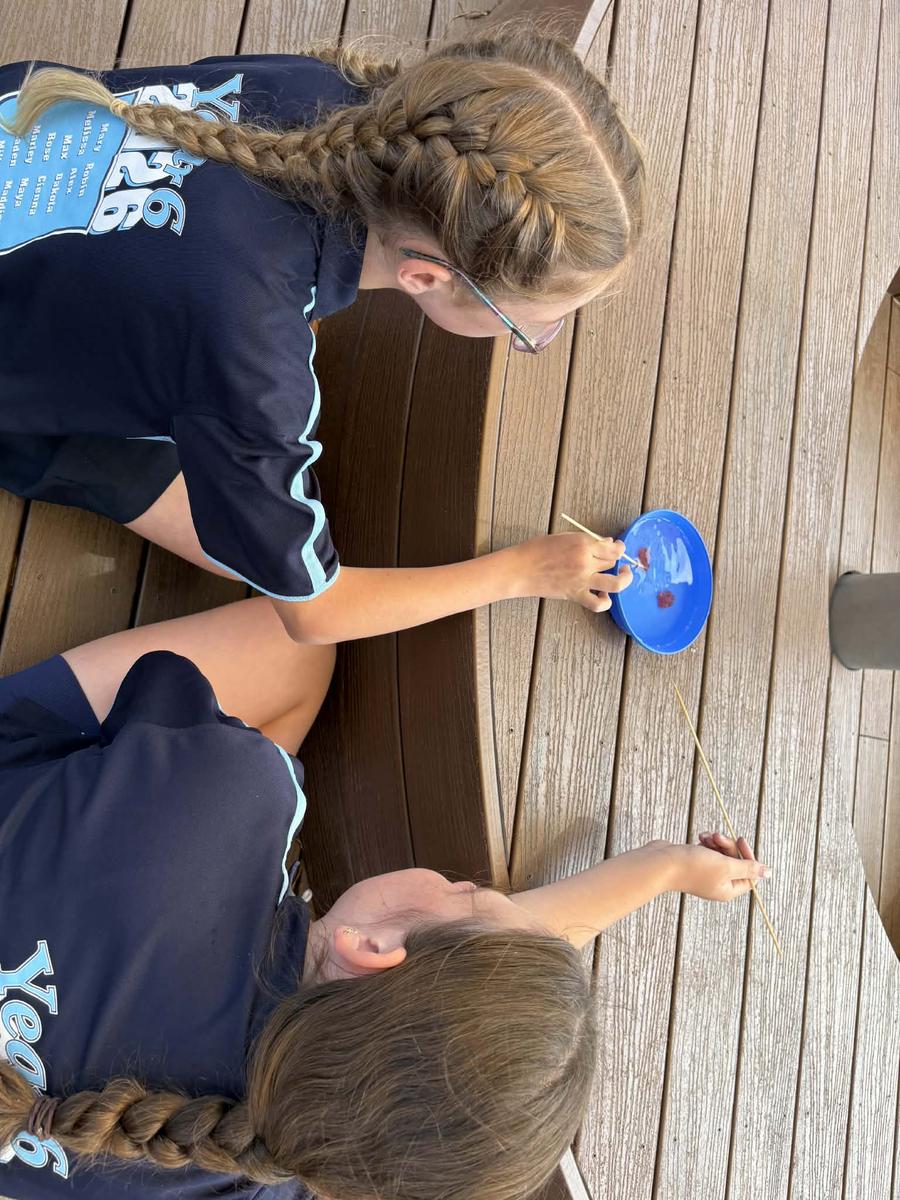
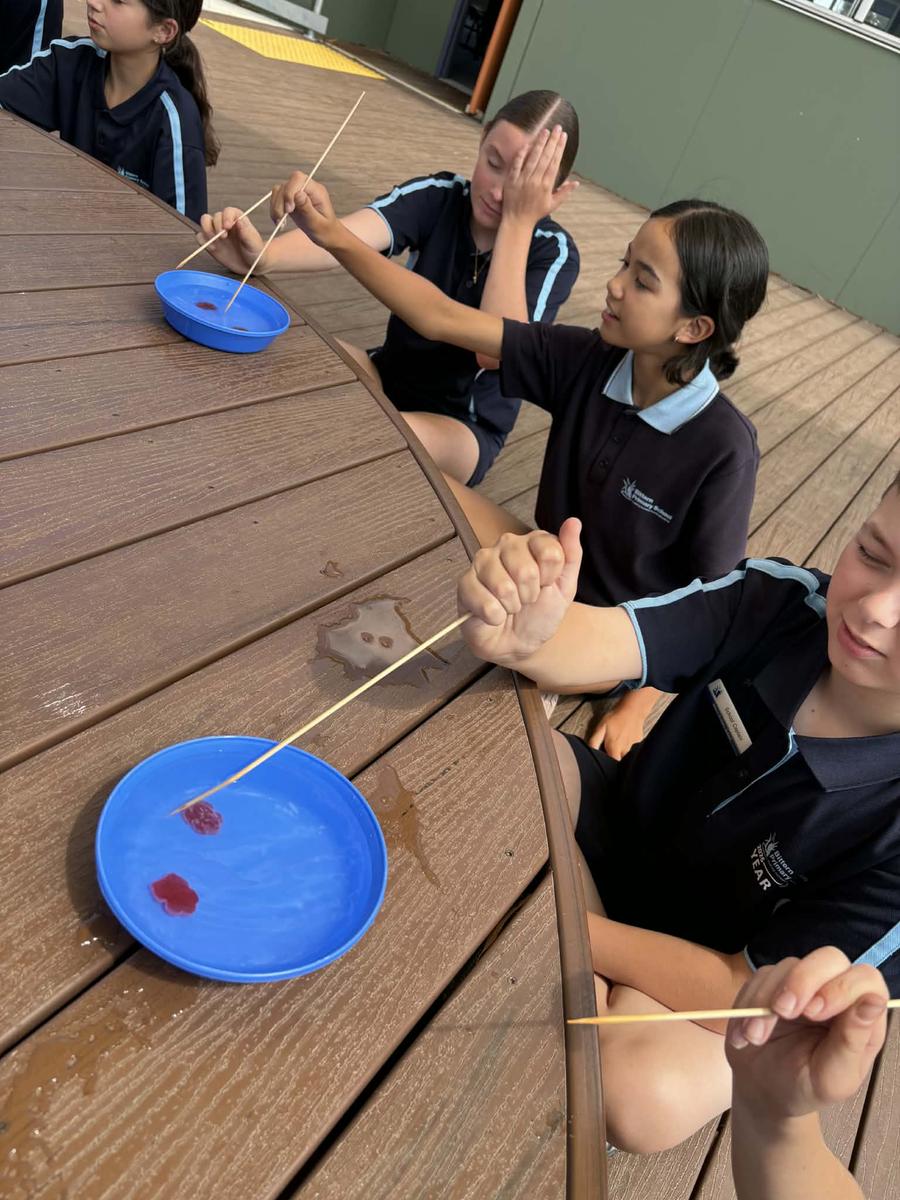
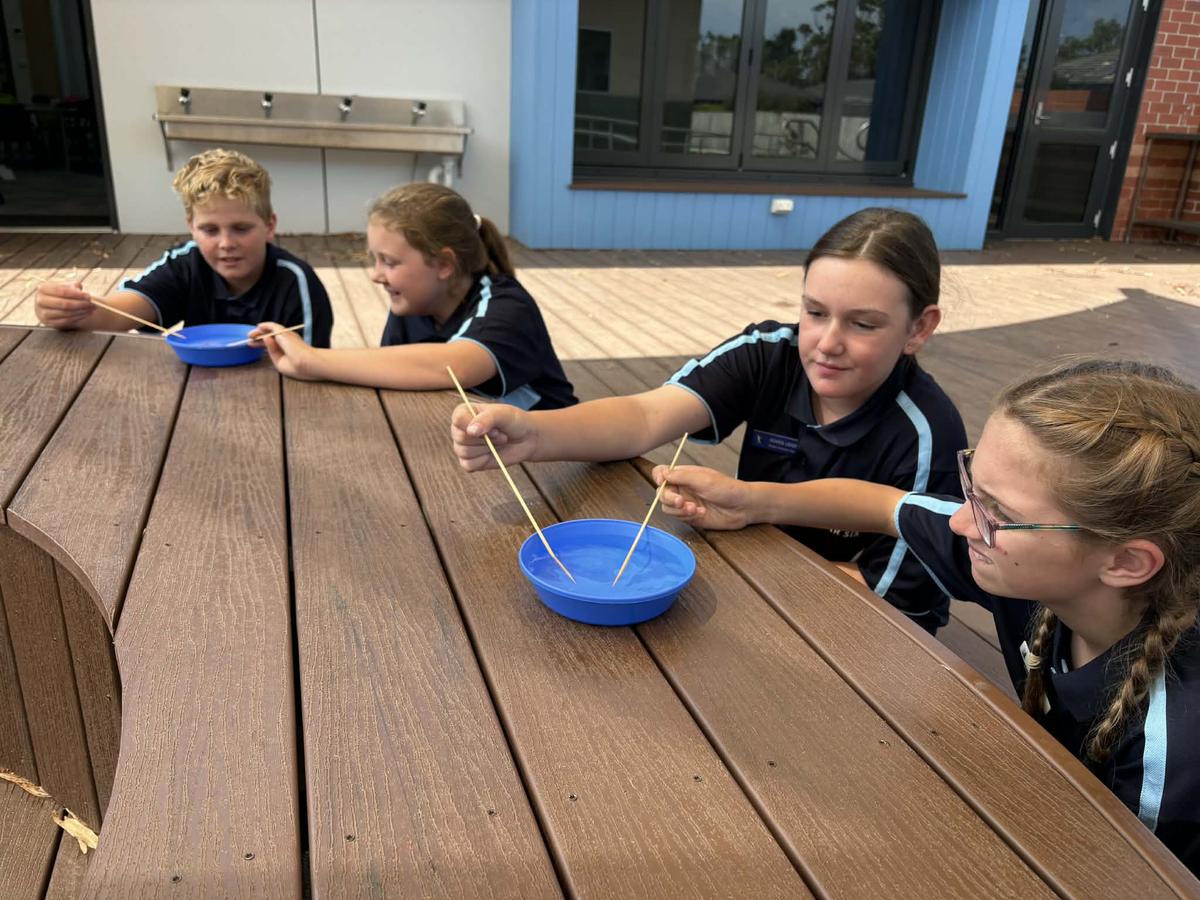
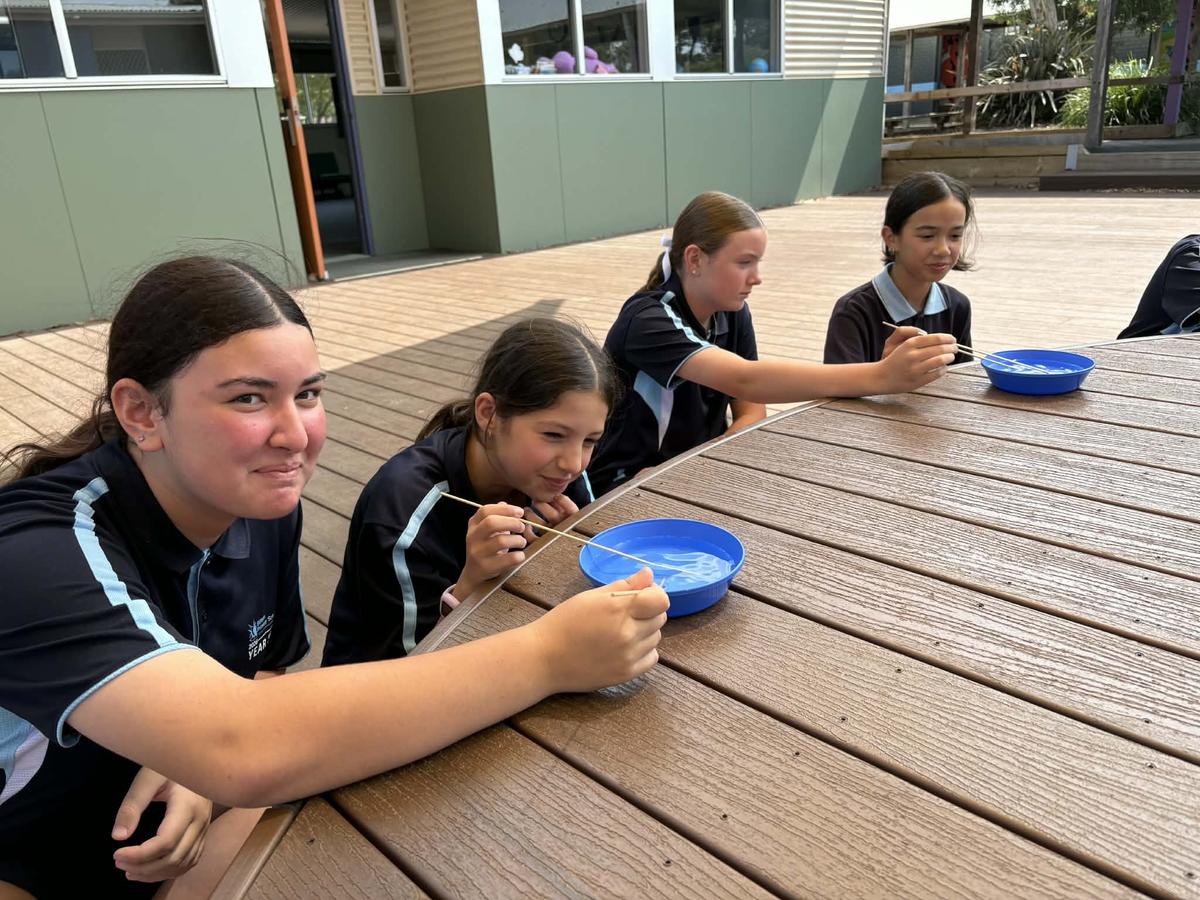
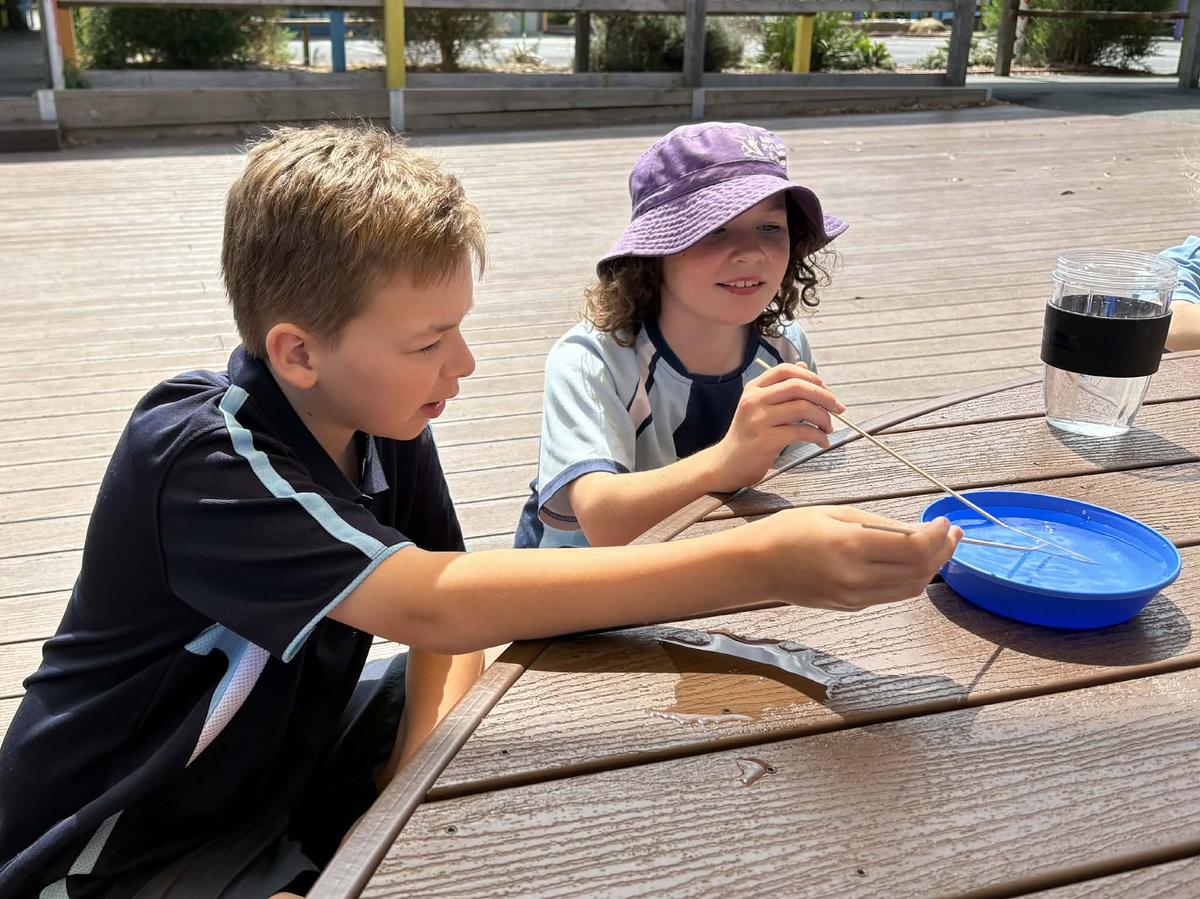
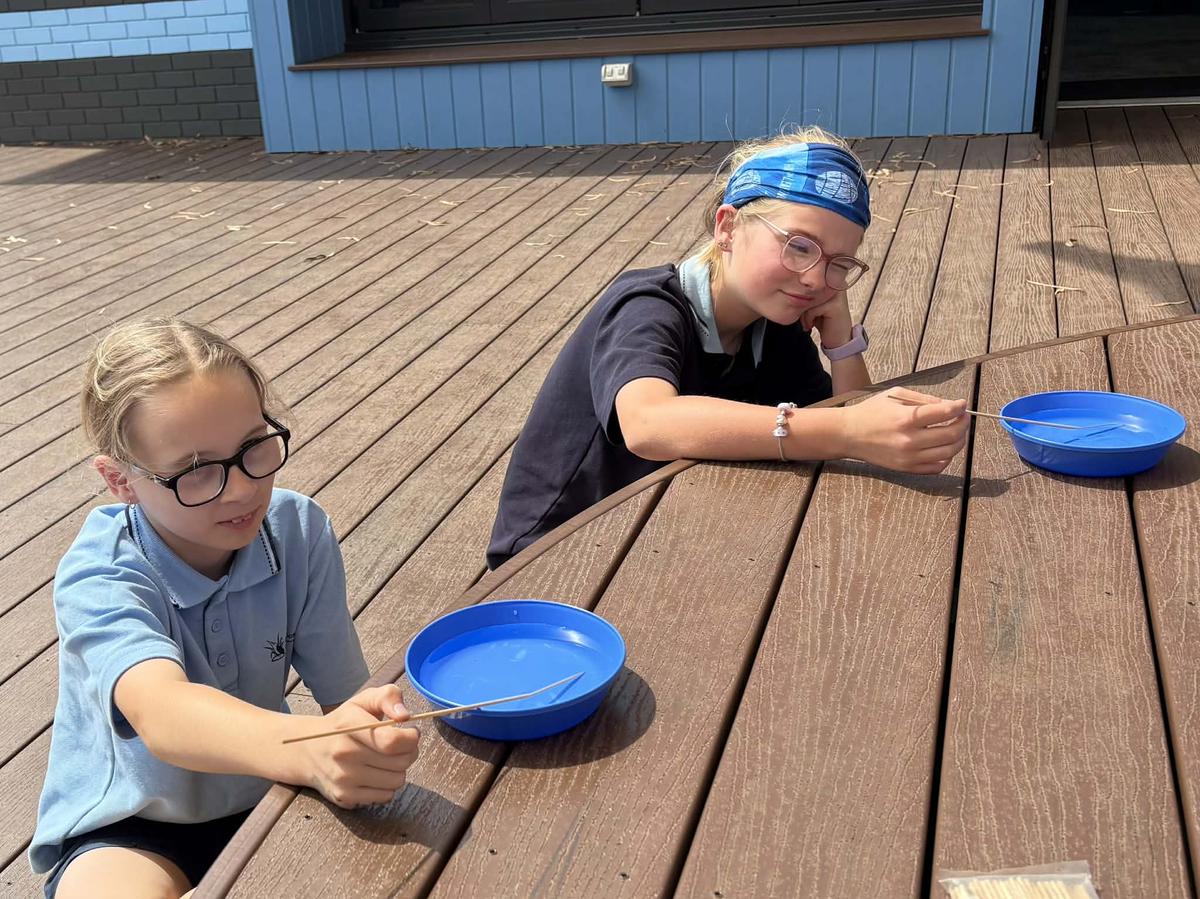
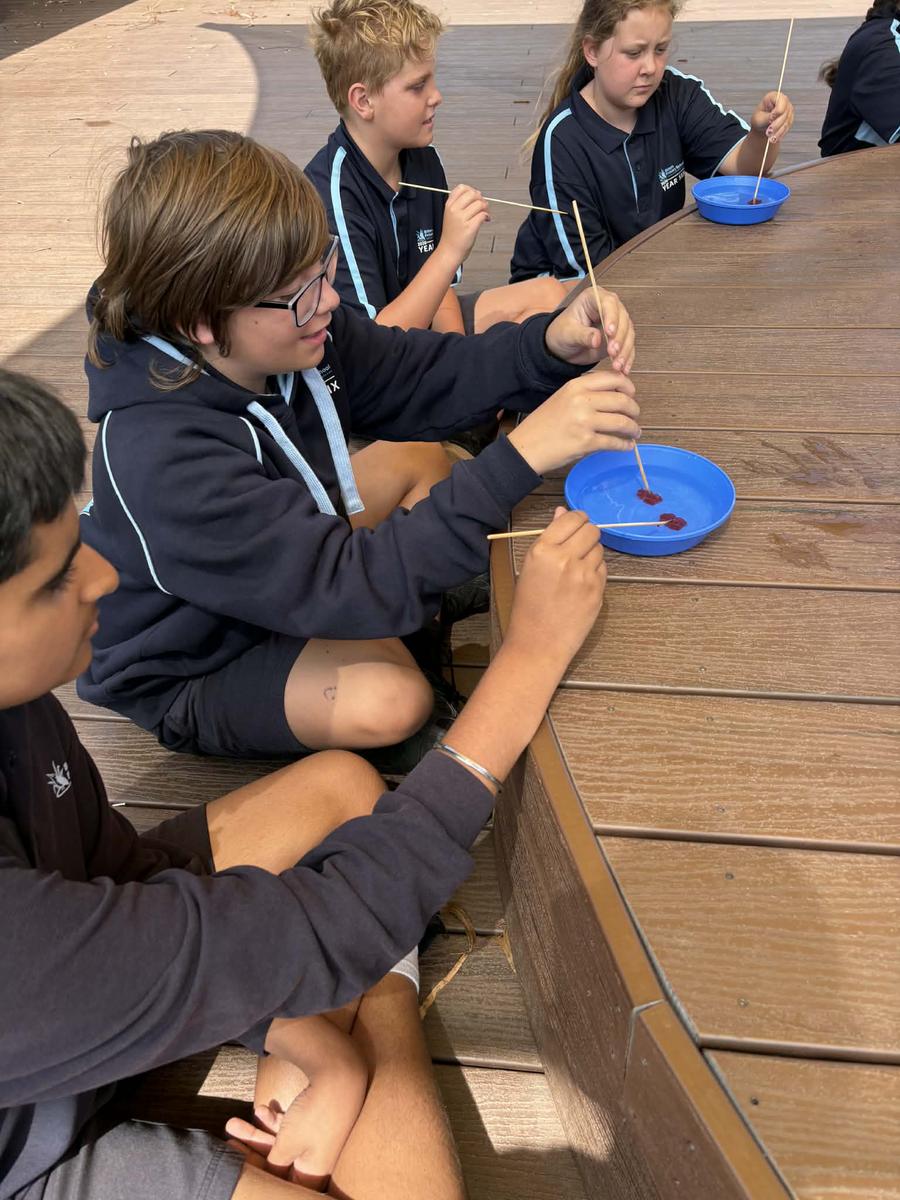
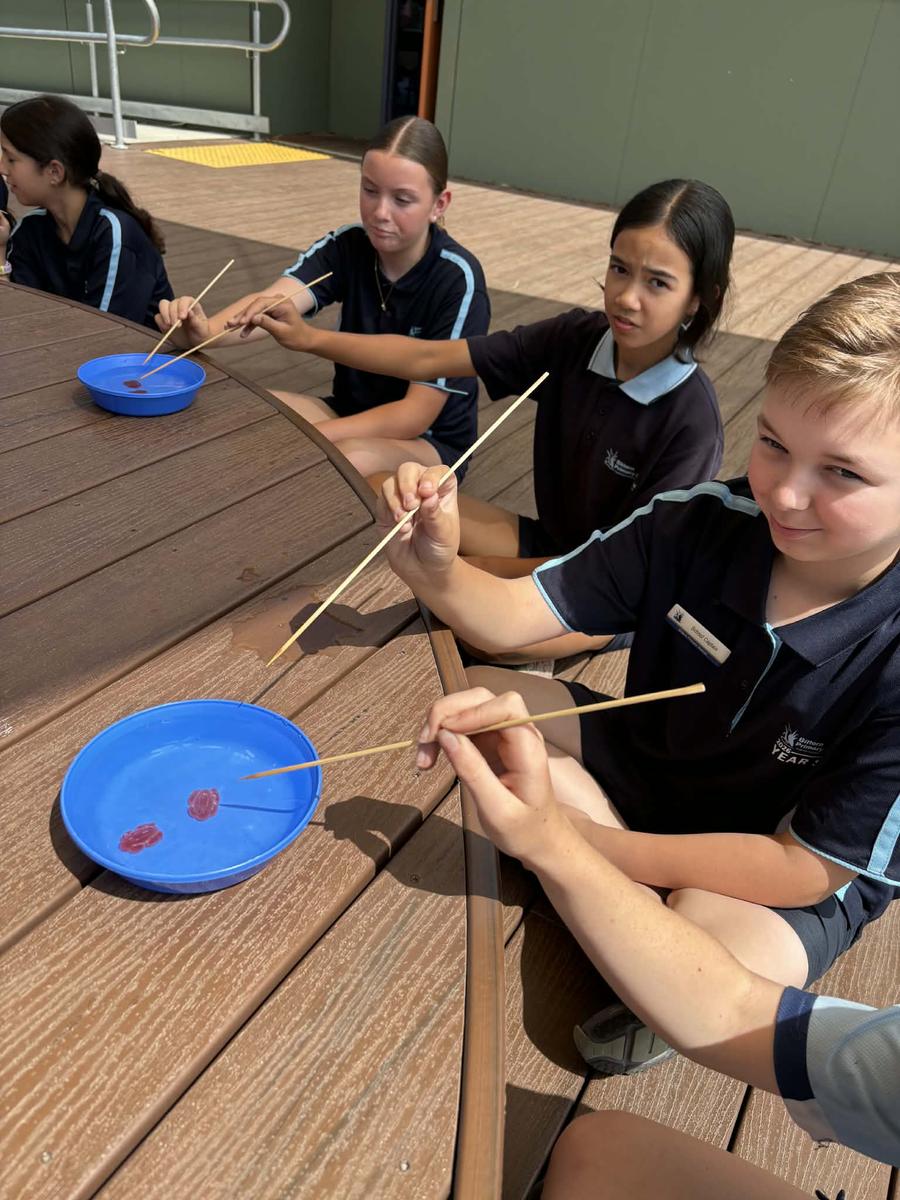
We learned that light is a form of energy that travels in waves and is part of the electromagnetic spectrum. We investigated refraction, where light bends as it moves between materials such as air and water, and dispersion, which separates white light into the colours of the rainbow.
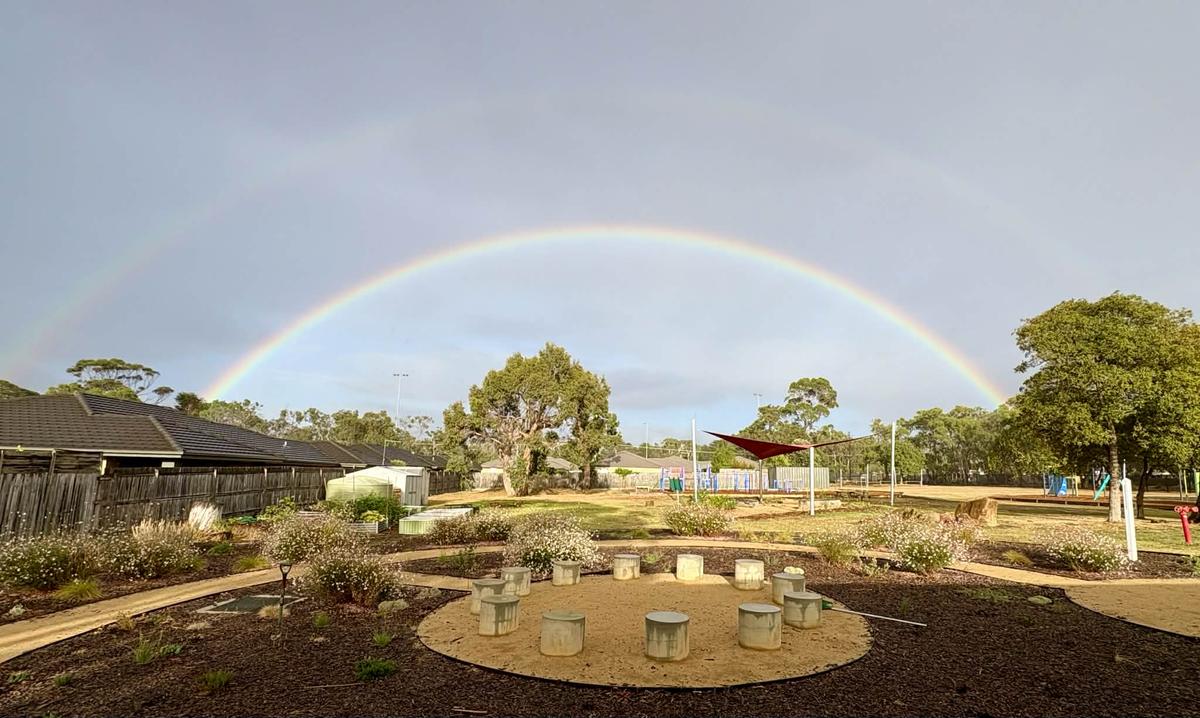
Our discussions connected science to real-world applications, including how First Nations Peoples of Australia applied their understanding of refraction in spearfishing, and how lenses in glasses, cameras, microscopes and telescopes rely on these same principles.
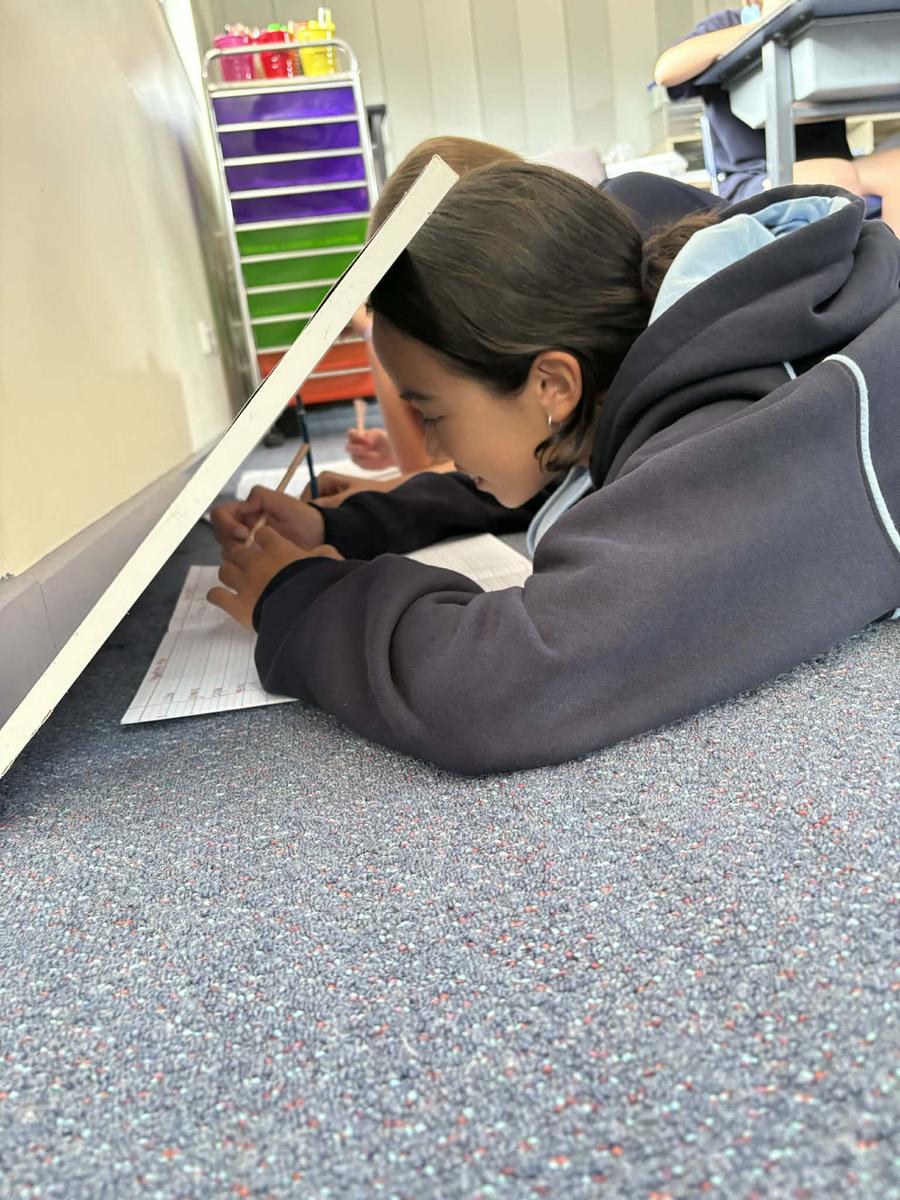
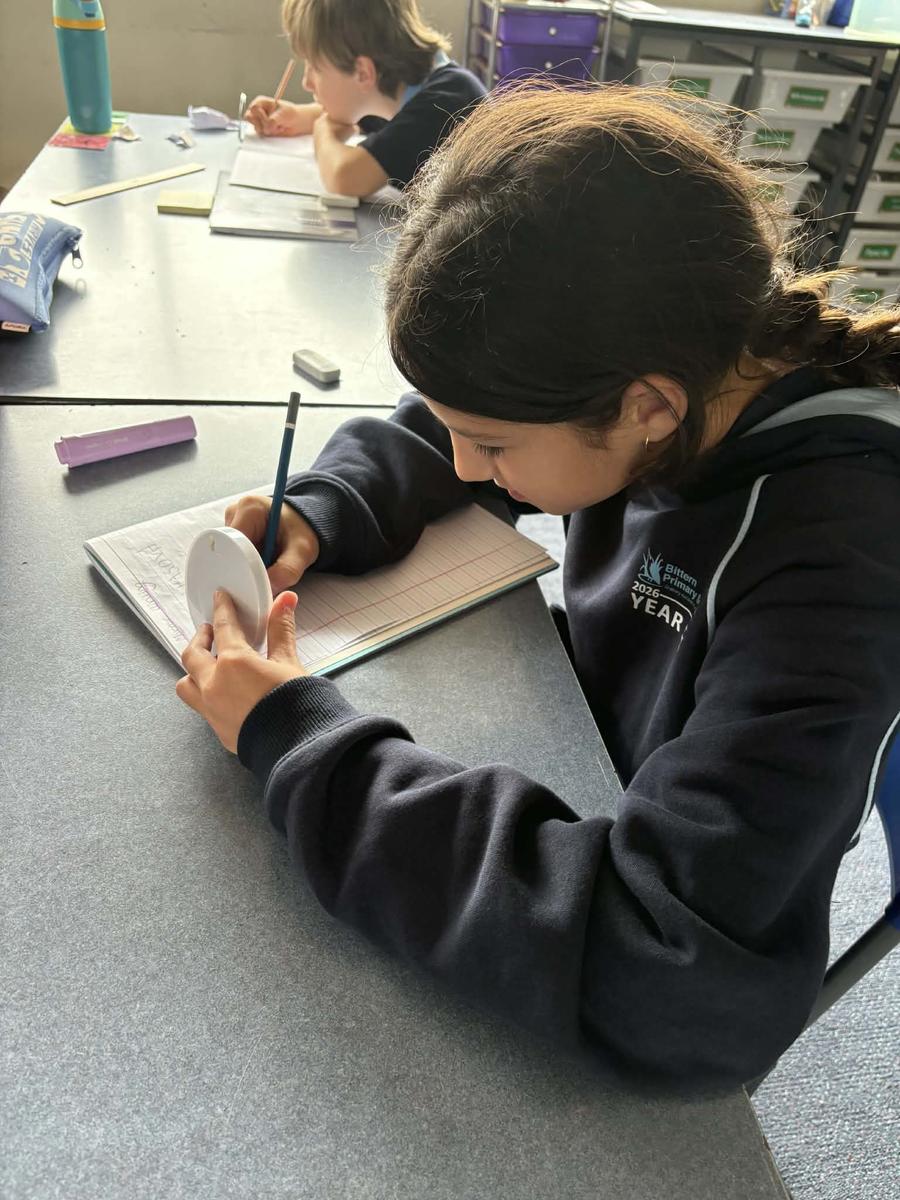
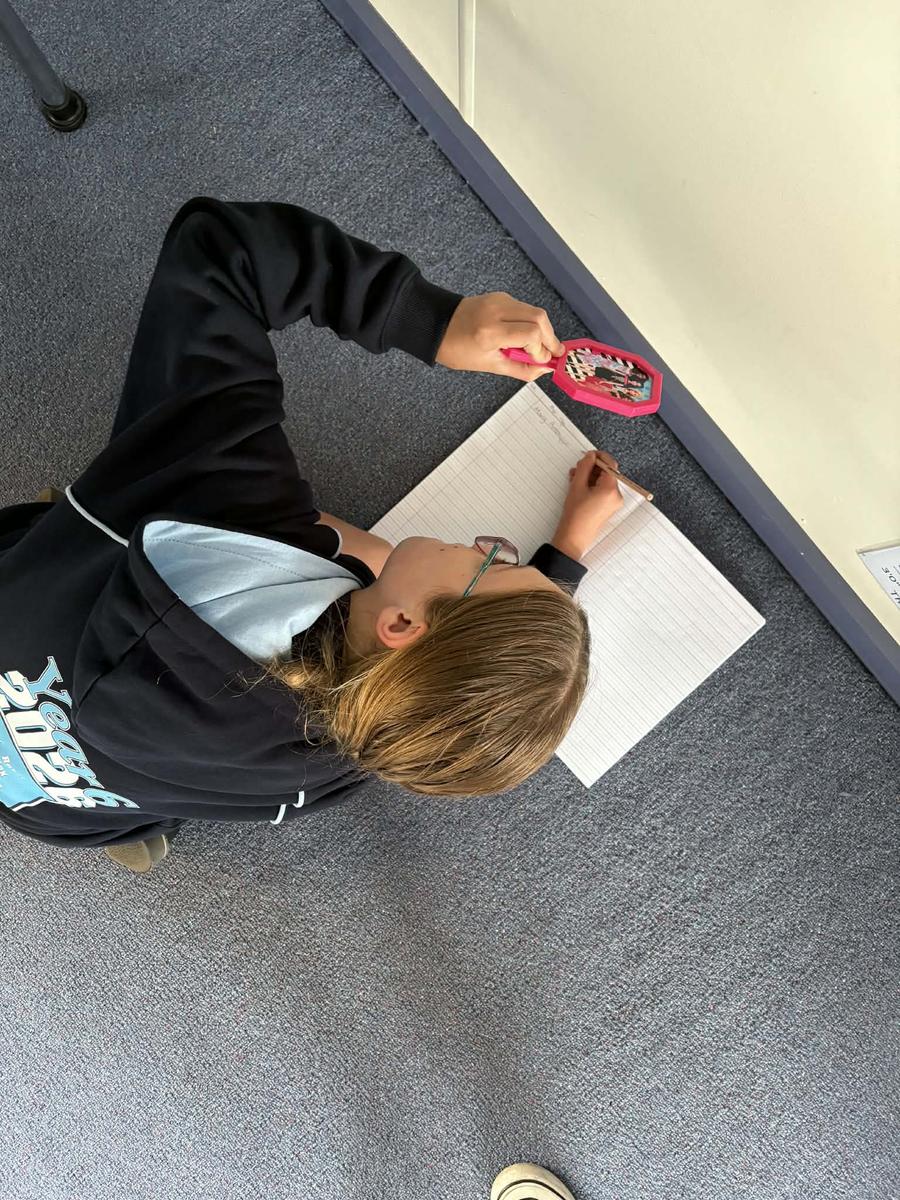
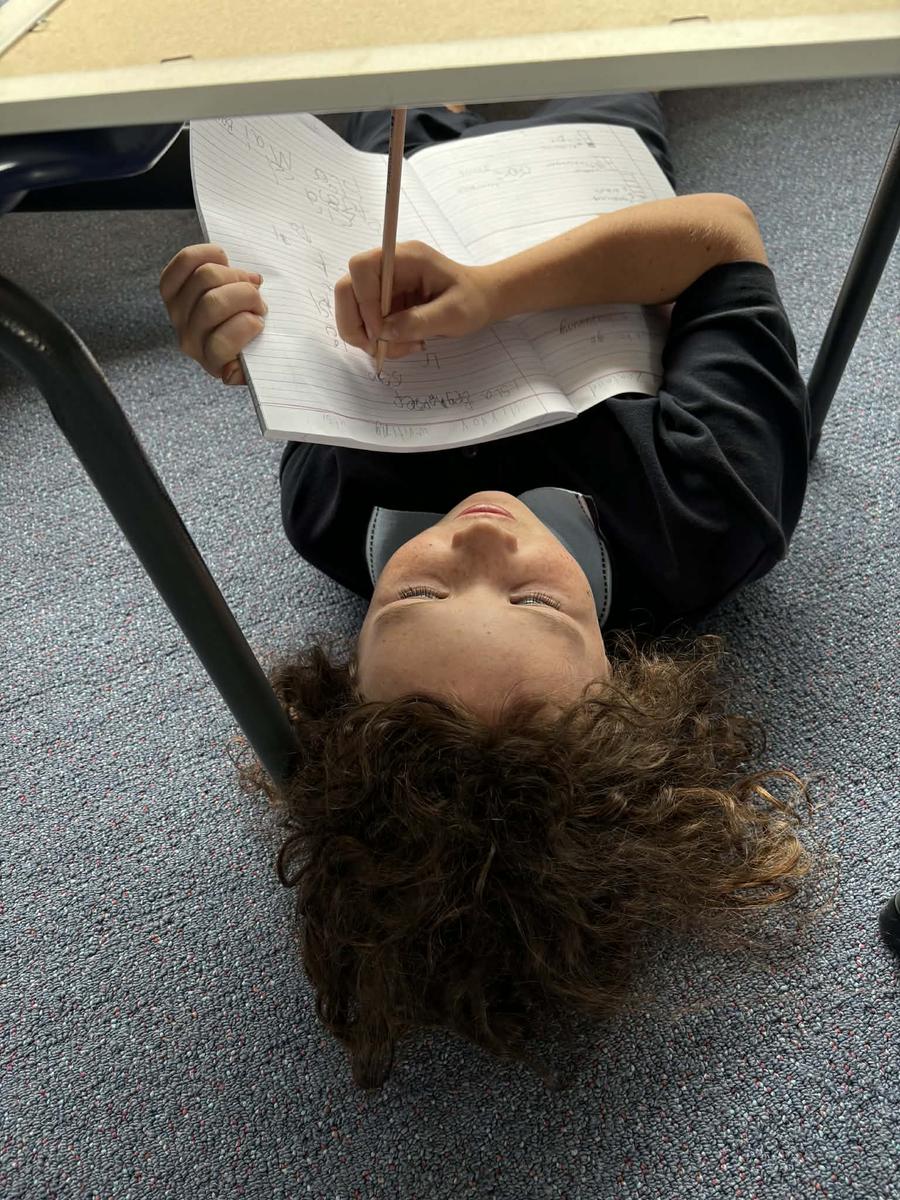
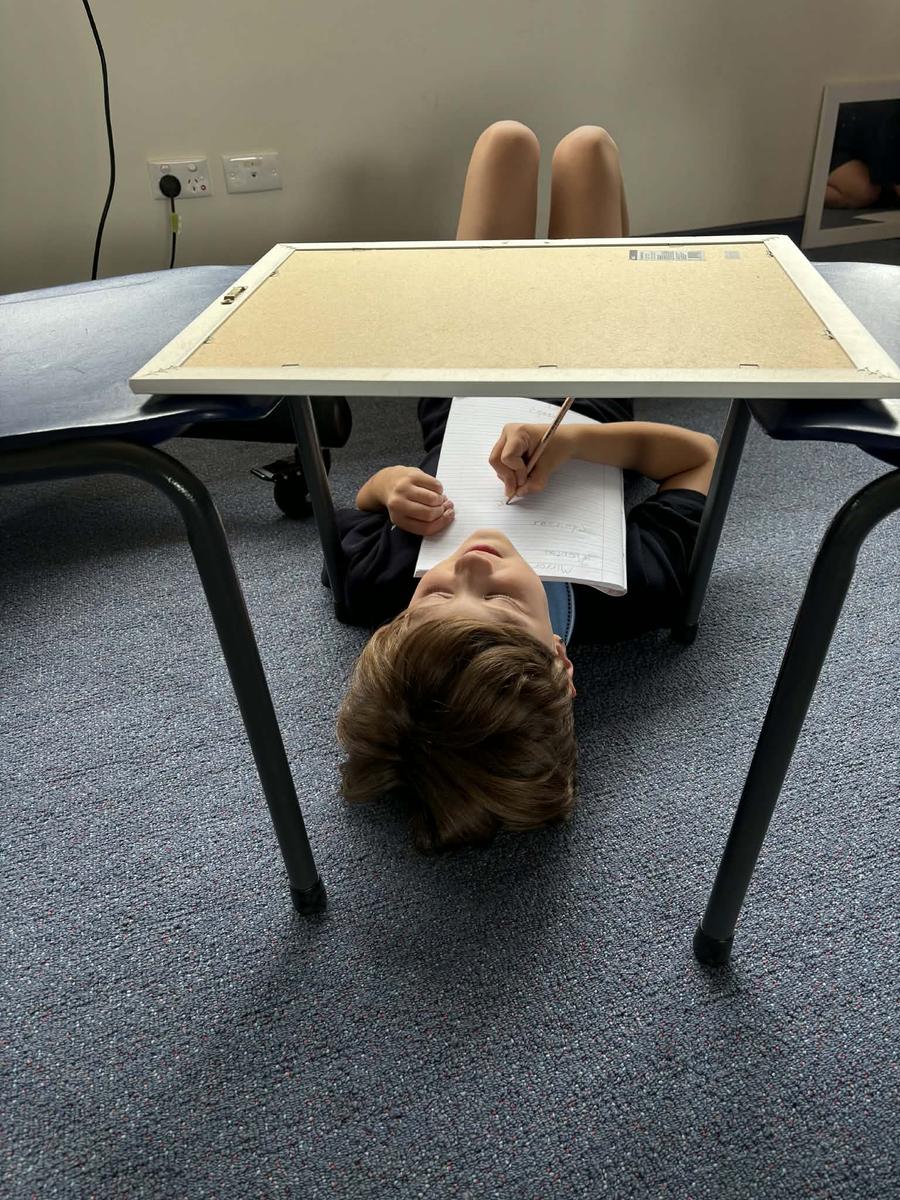
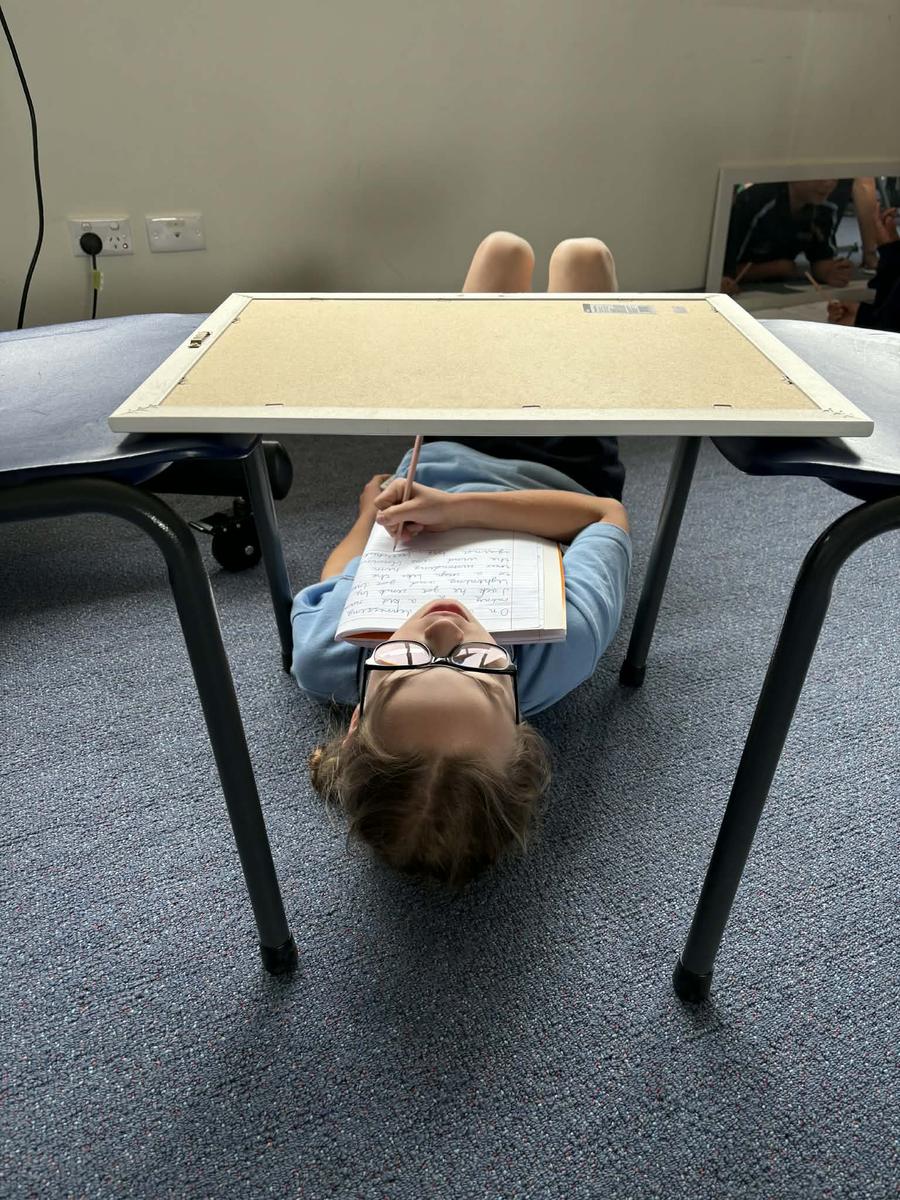
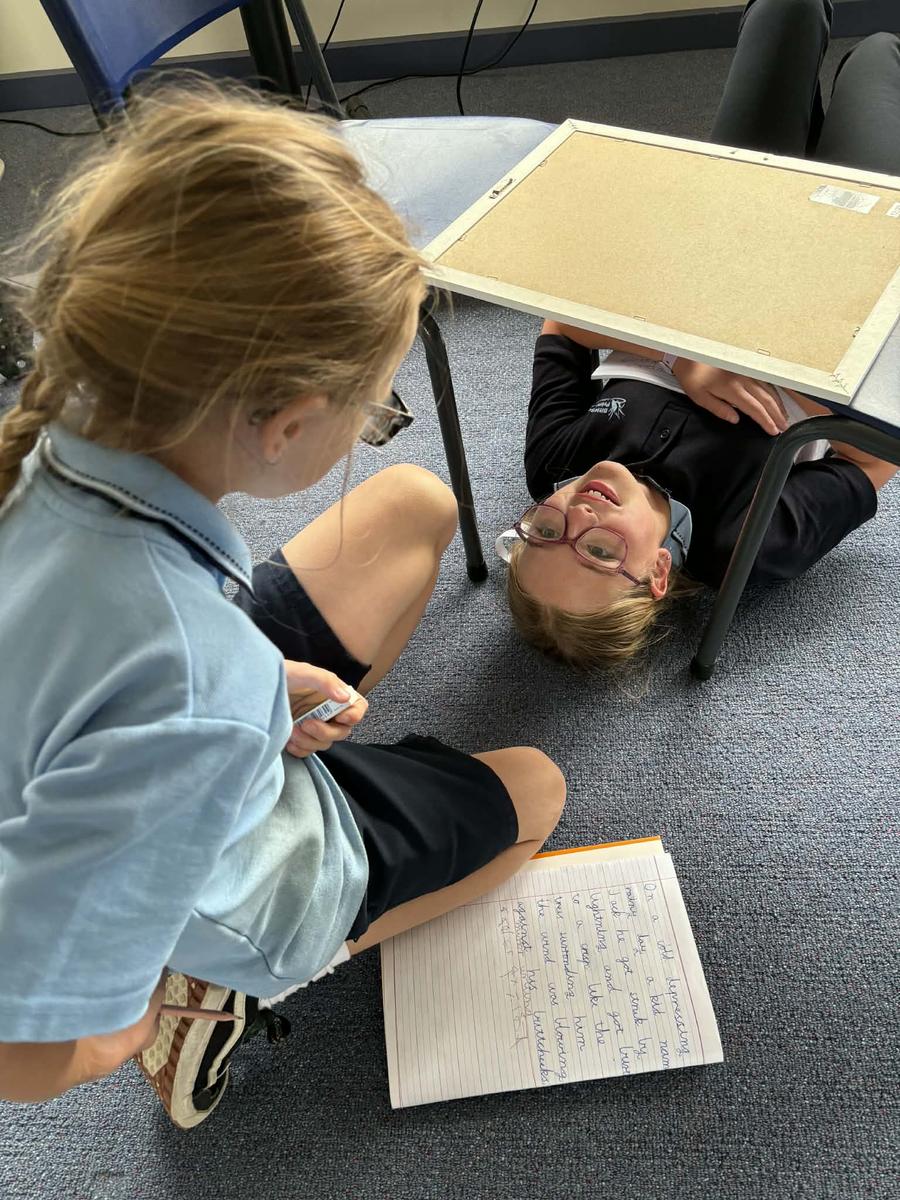
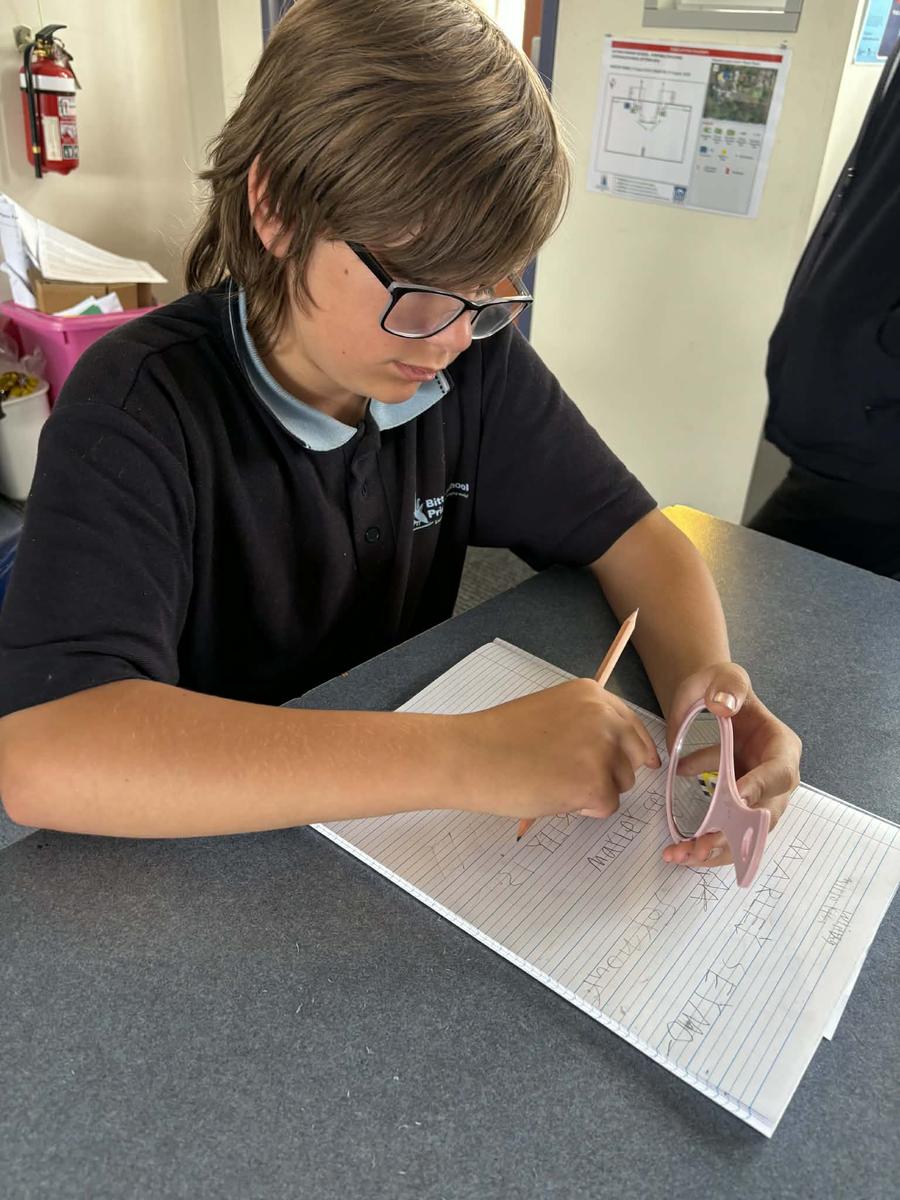
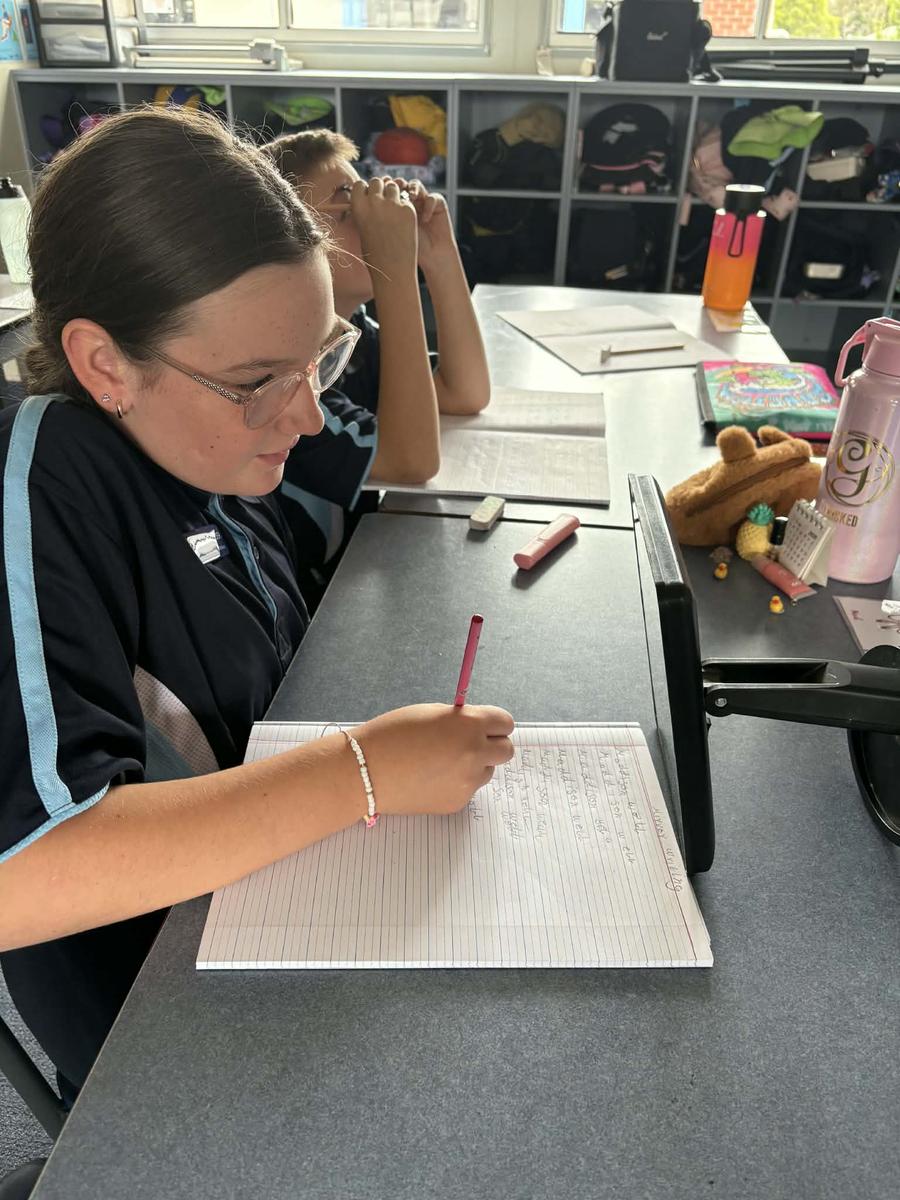
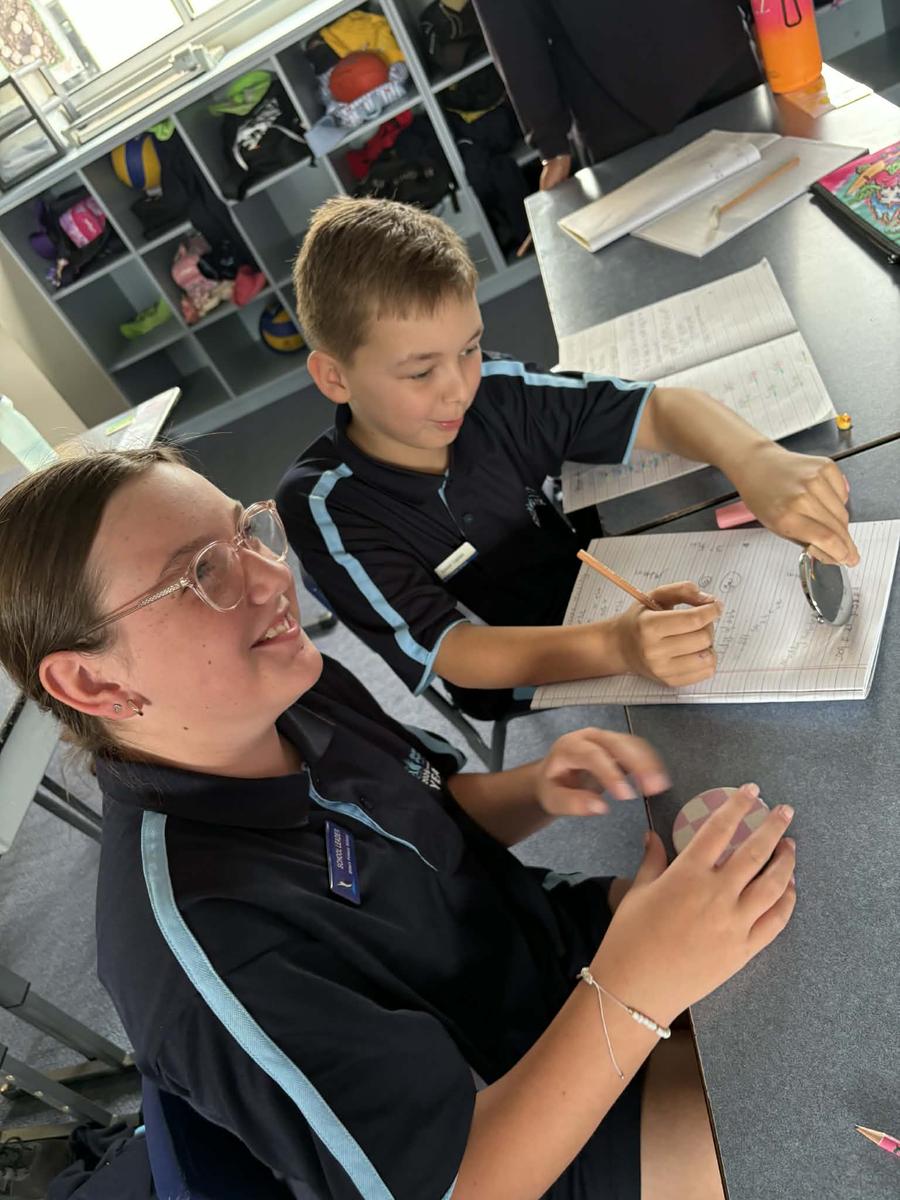
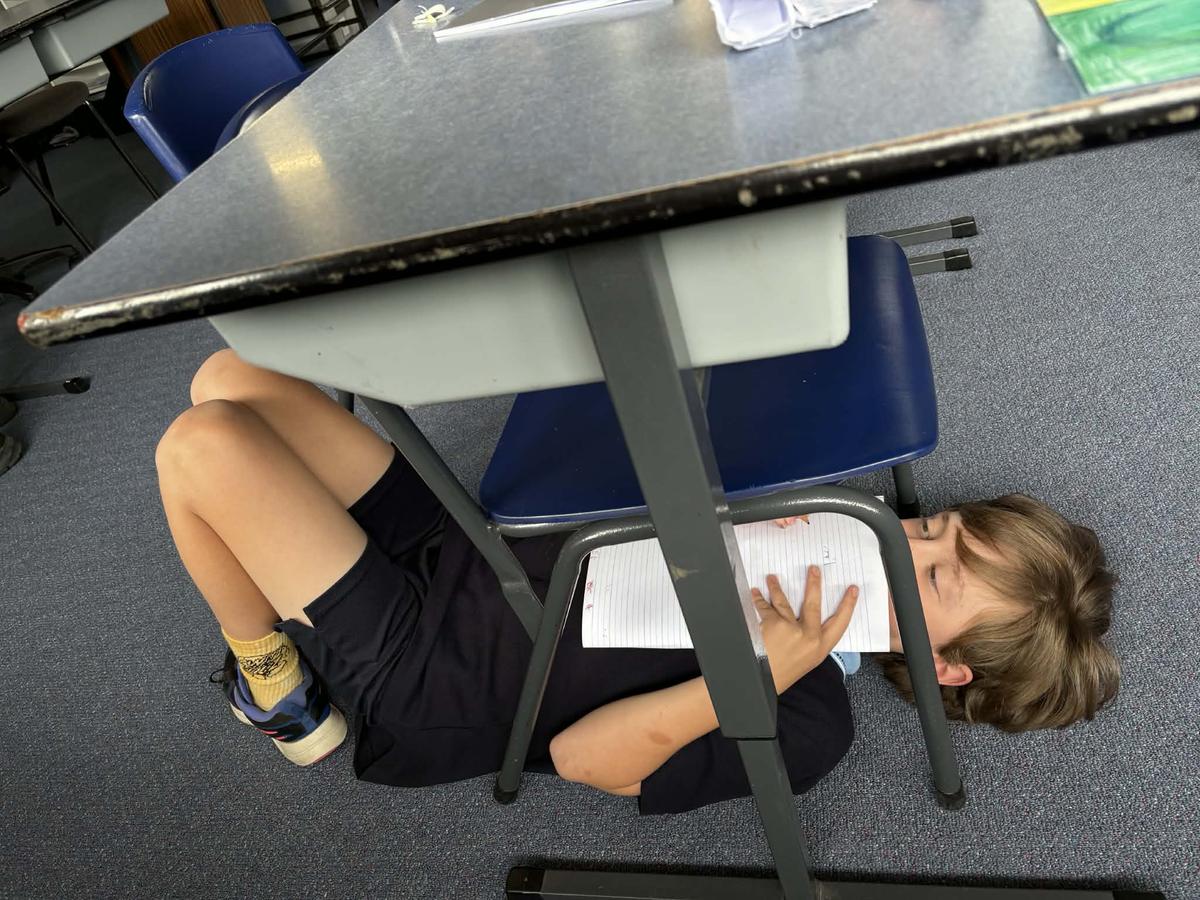
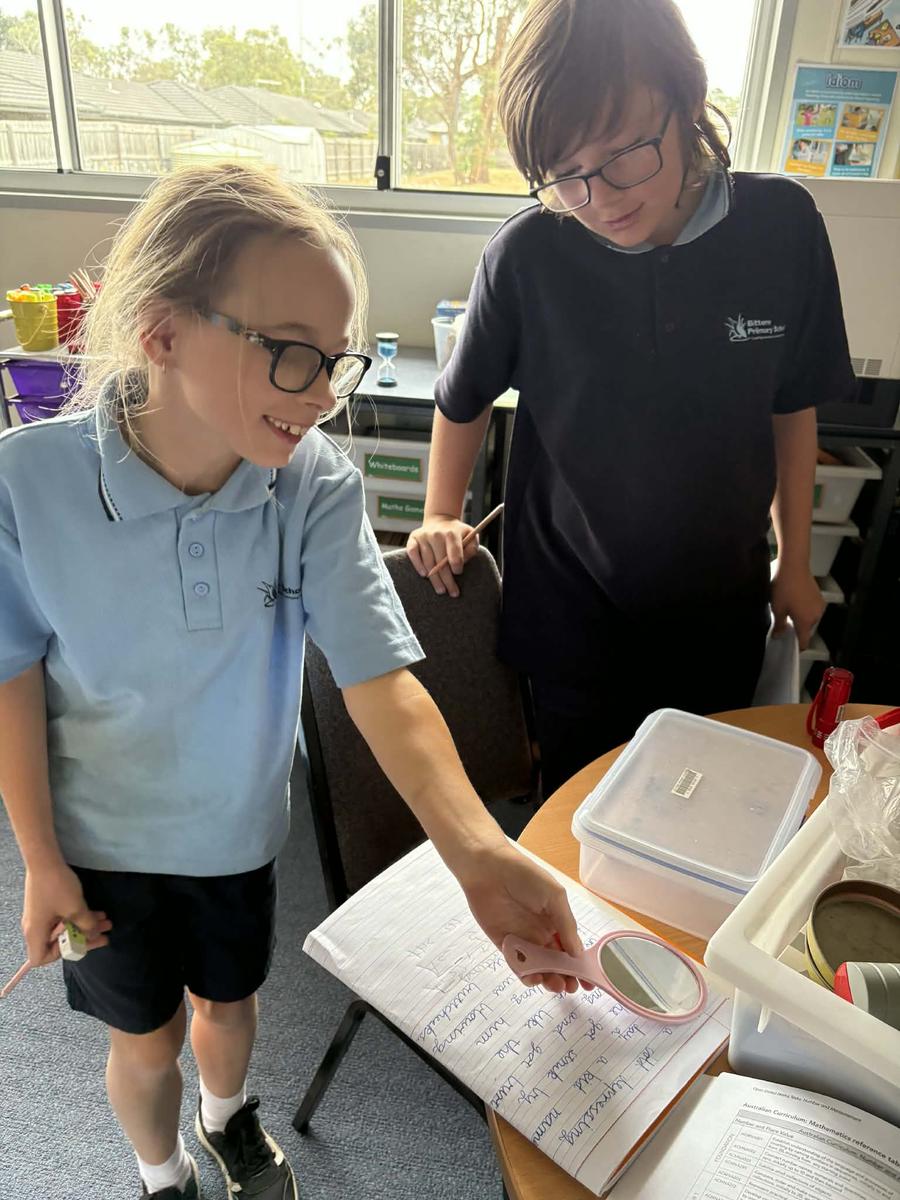
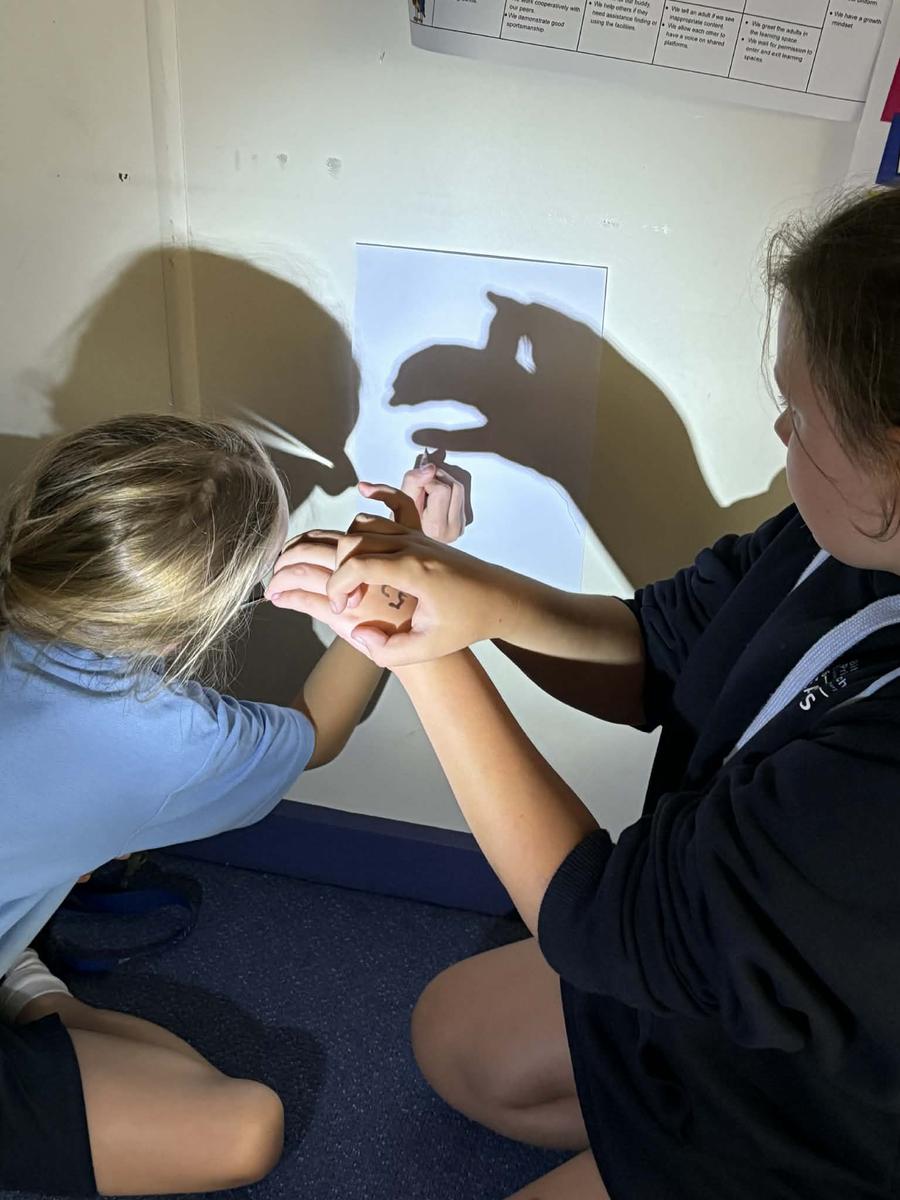
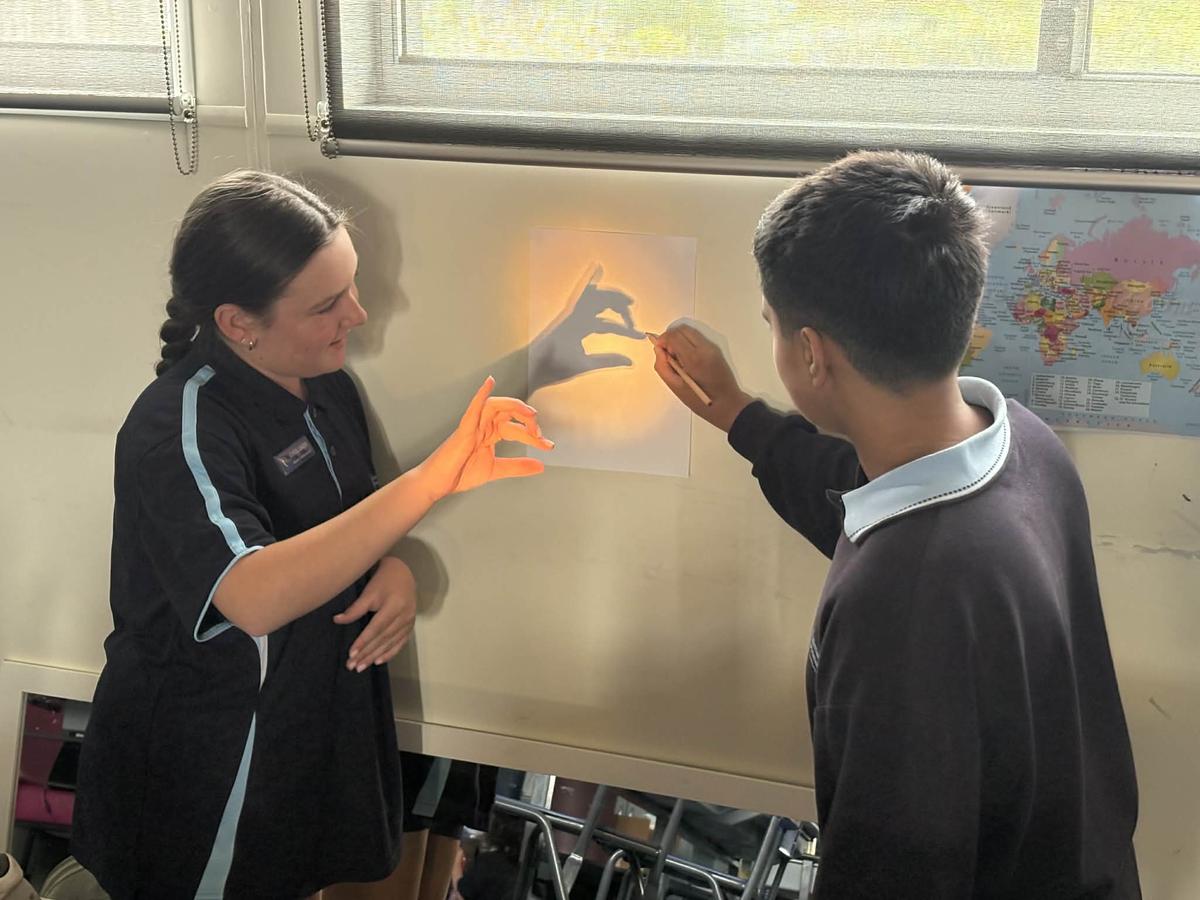
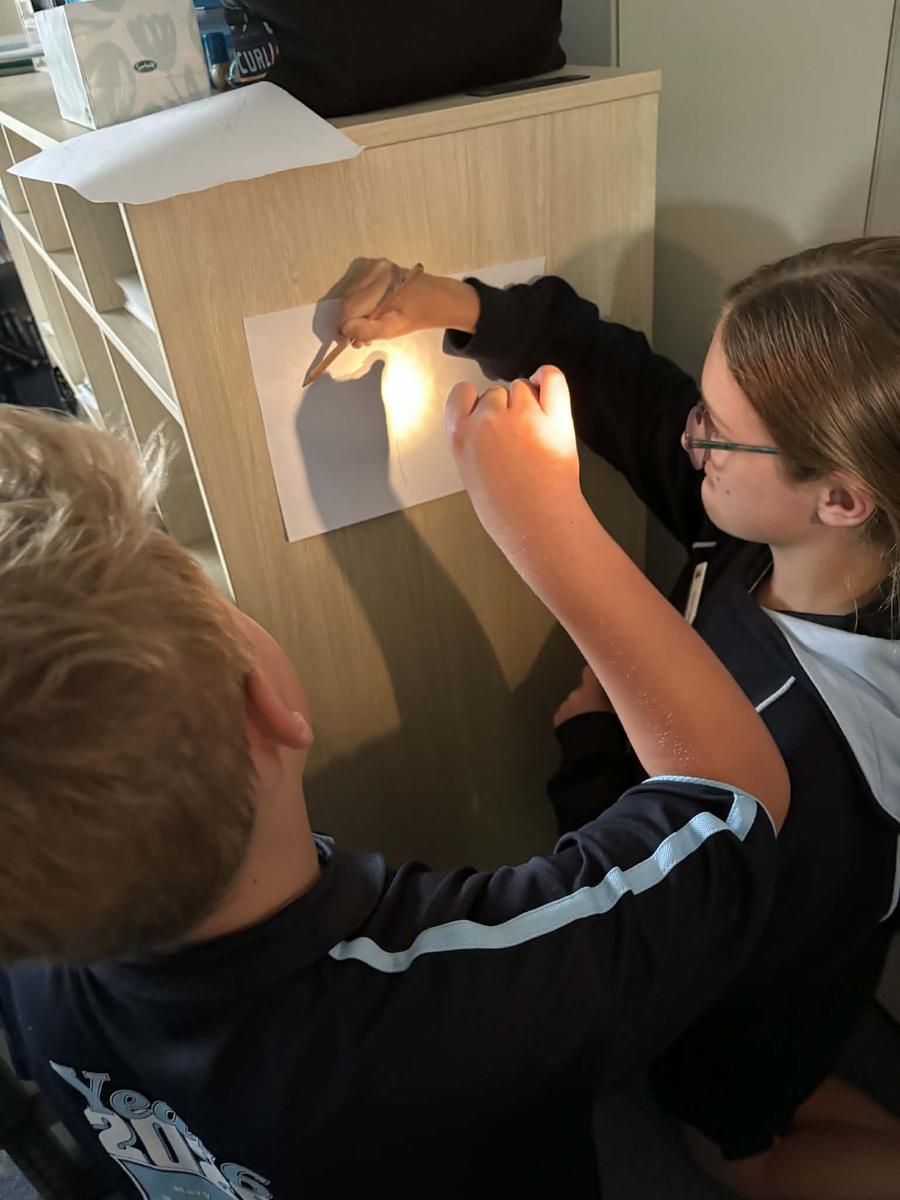
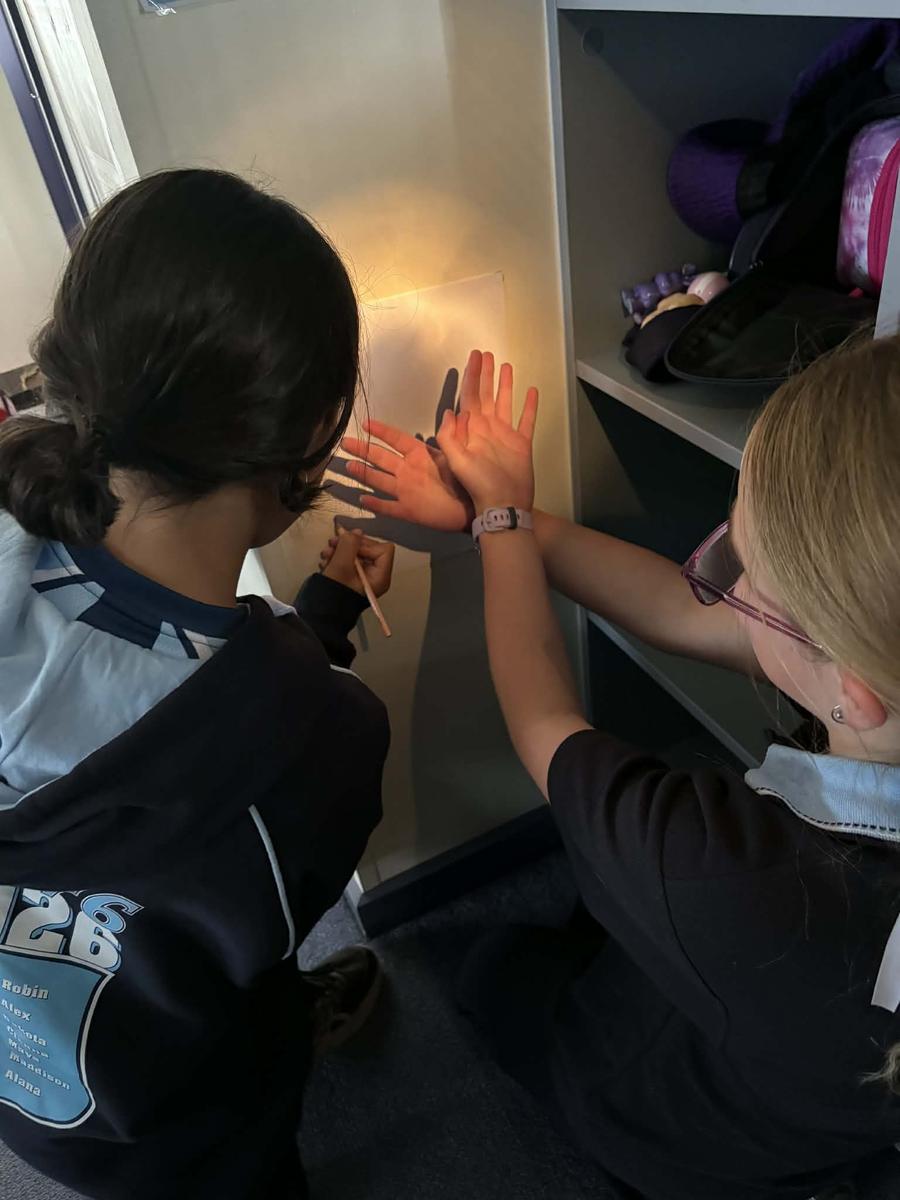
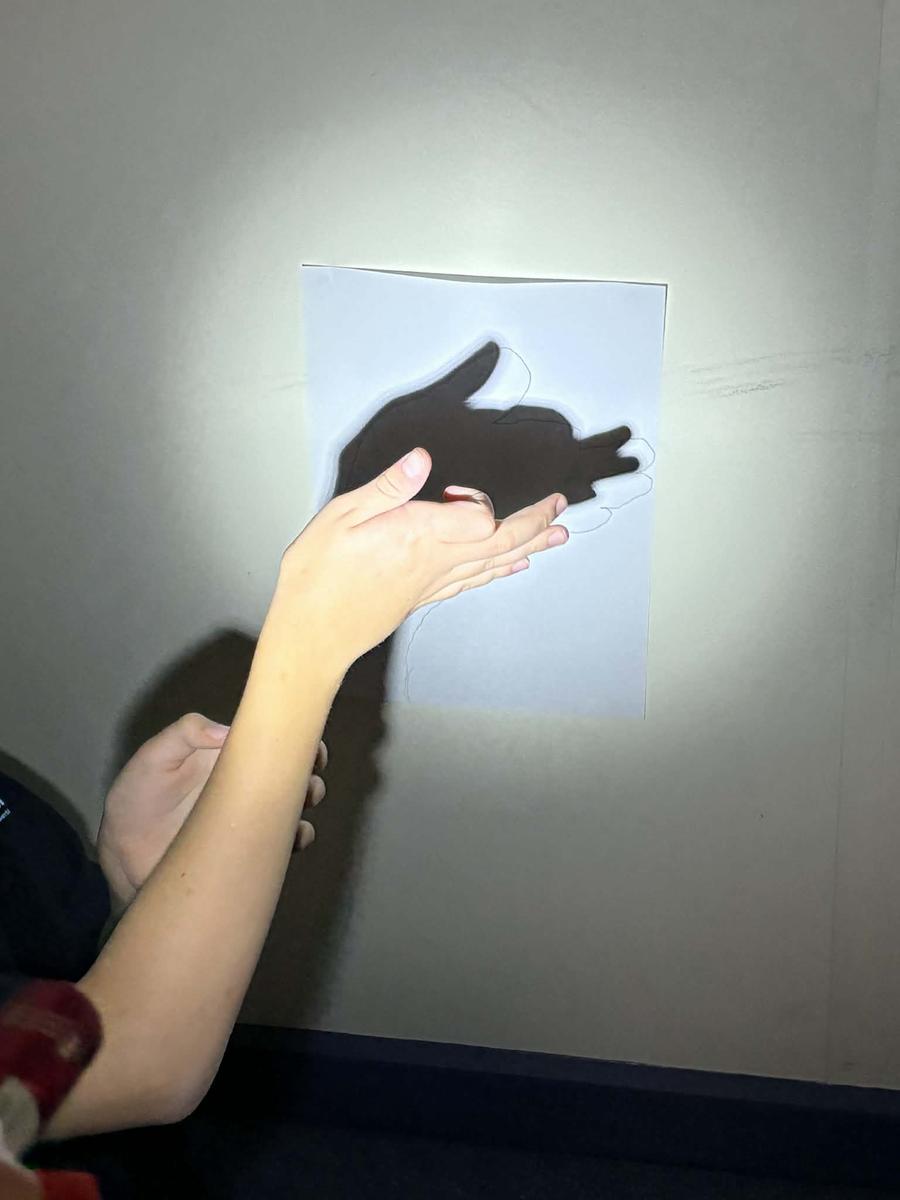
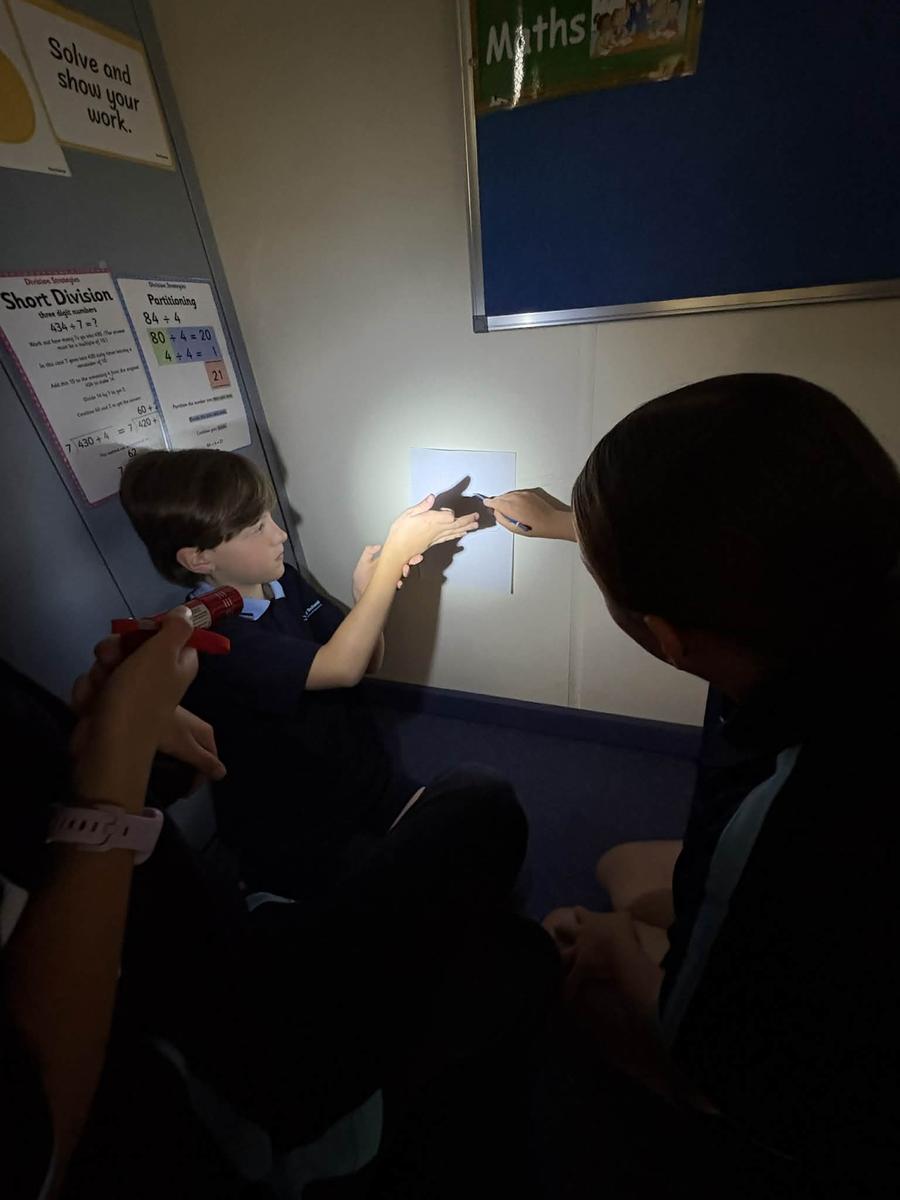
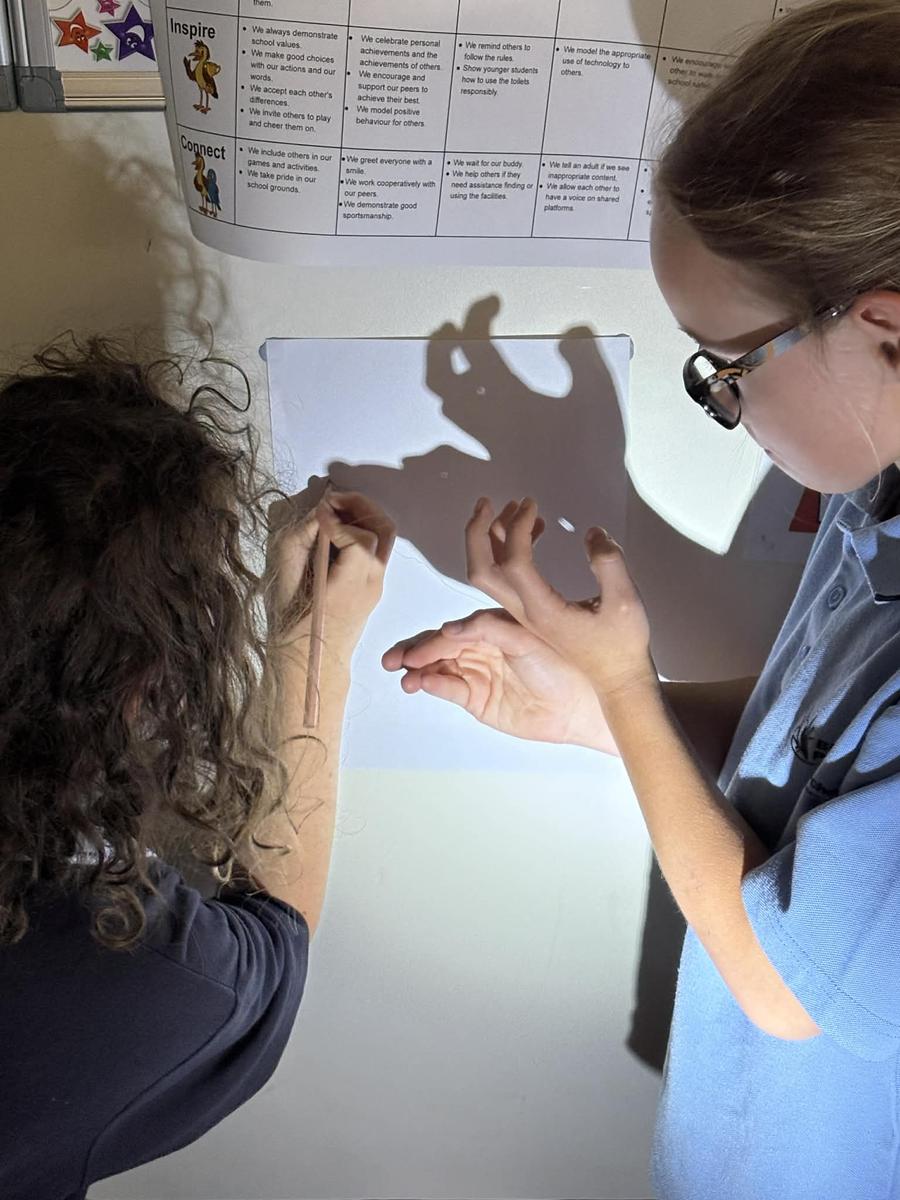
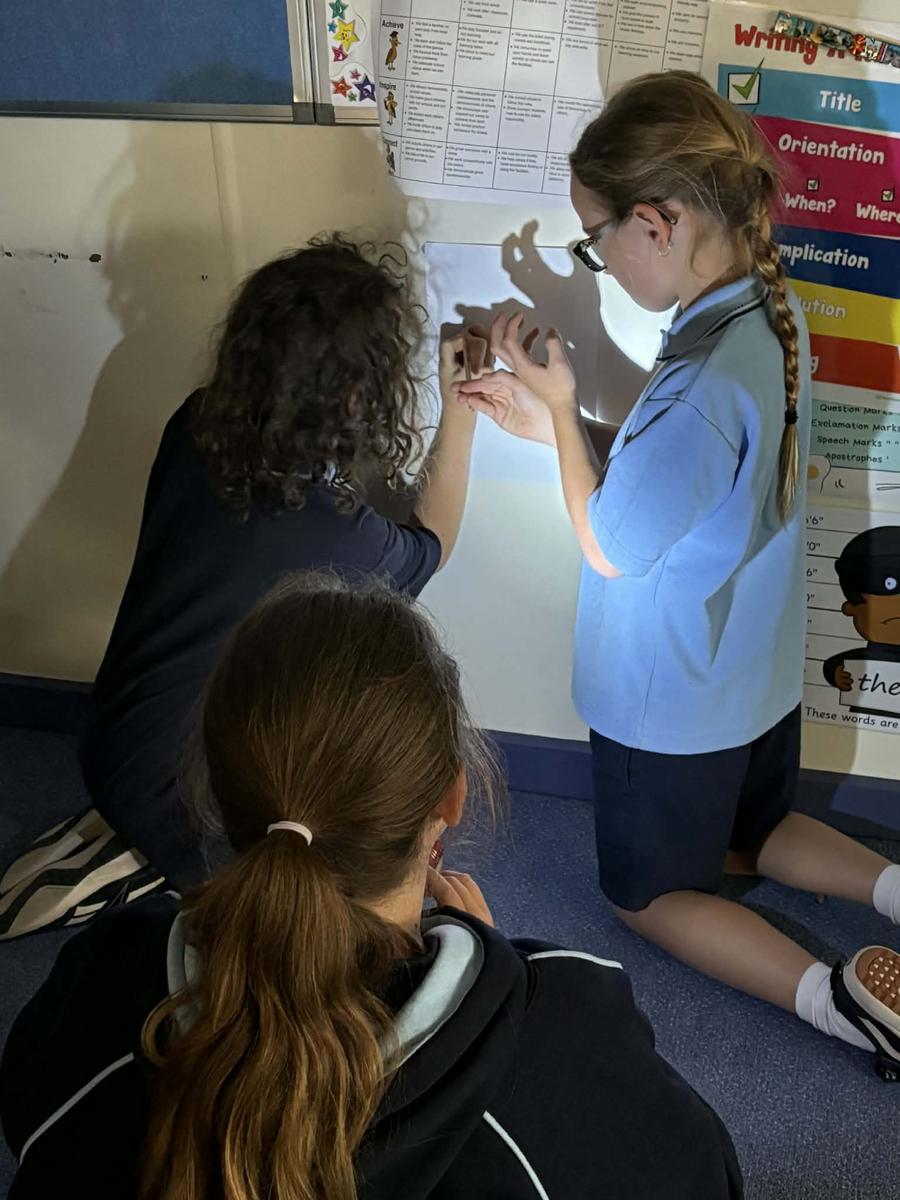
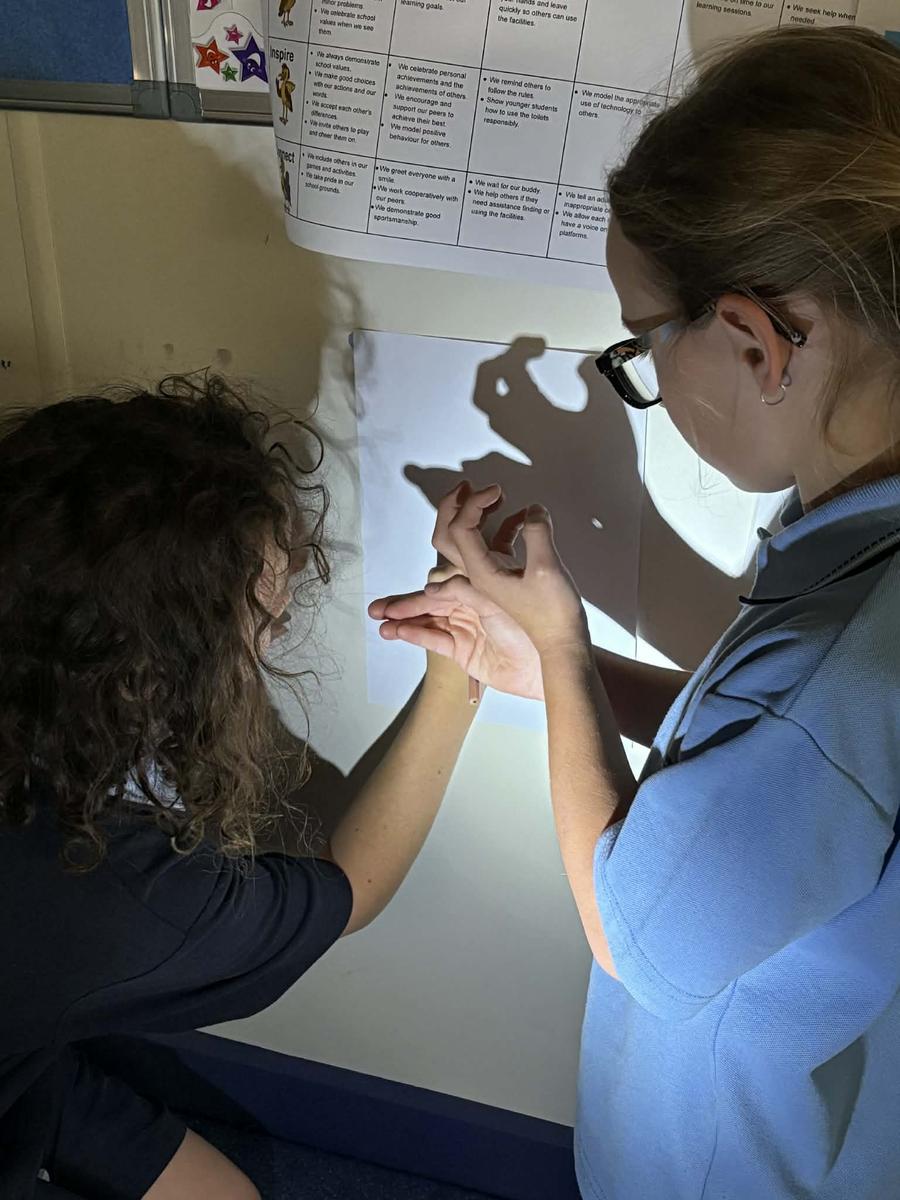
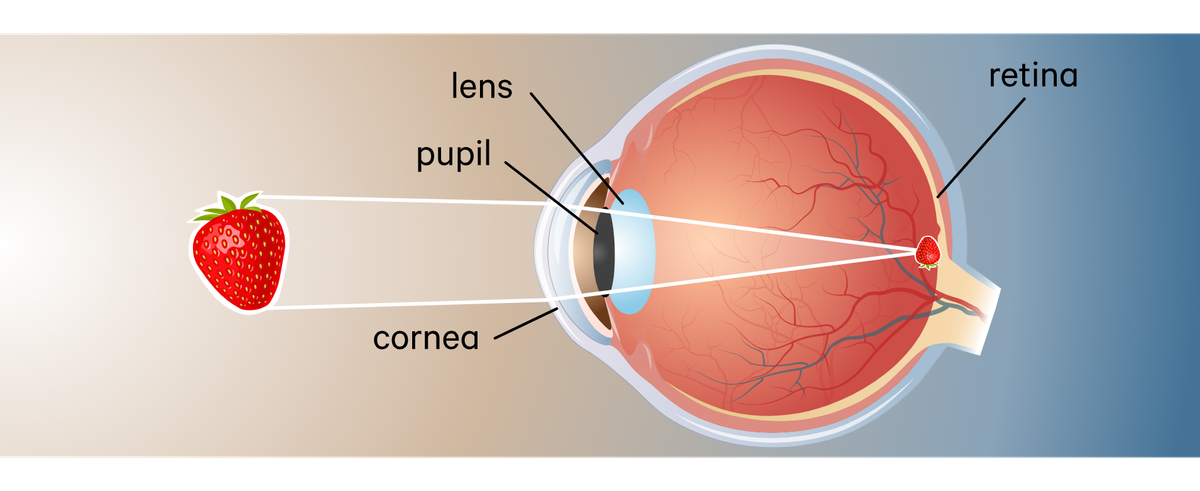
We have been learning about the incredible process that allows us to see. We explored how light reflects off objects and travels through the structures of the eye, including the cornea, pupil, lens and retina, before signals are sent to the brain to form images. We examined refractive errors such as myopia and hyperopia, and learned how corrective lenses help focus light properly onto the retina. We also discussed cataracts and how intraocular lenses can restore sight, highlighting the inspiring work of Australian eye doctor Fred Hollows in making eye care accessible to many communities.
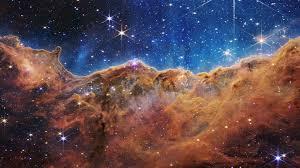
Beyond the human eye, we investigated how lenses are used in magnifying glasses, microscopes and telescopes, including the advanced James Webb Space Telescope, and even explored emerging technologies such as smart glasses.
We have also been investigating the concept of energy and how it powers everything around us. We learned that energy is the ability to do work or cause change and explored different forms including kinetic, potential, chemical and electrical energy. We examined how energy can be transferred between objects and transformed from one form to another, in line with the Law of Conservation of Energy.
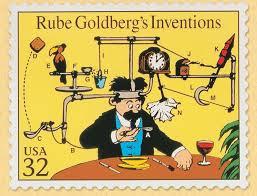
Through engaging examples such as Rube Goldberg machines, we observed how energy moves through systems in chain reactions. We connected this learning to everyday life, recognising that the chemical energy in food is transformed into kinetic energy for movement, electrical energy in our nervous system, and heat energy to maintain body temperature.
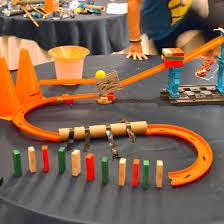
These discoveries and investigations have helped us understand that although energy is invisible, its effects are everywhere, making it a powerful and essential part of our world. We have deepened our understanding of how light and lenses shape the way we see and experience the world and it has been wonderful to think criticlly, observe carefully, and recognise that science is happening all around us.
Transition: