
Year 3/4A
WELCOME!
Over the past few weeks in Year 3/4, students have been engaged in rich and purposeful learning across Literacy, Mathematics and Science.
In Reading, we have continued exploring Matilda by Roald Dahl. As we move further into the novel, students have been closely examining character development, particularly how Matilda changes and grows in confidence as the story unfolds. We have discussed how authors reveal character traits through actions, dialogue and interactions with others, and students have supported their thinking with specific evidence from the text. A strong focus has also been placed on identifying cause and effect — understanding how one event leads to another — and recognising key turning points in the plot. These turning points have helped students see how tension builds and how significant events shape the direction of the story.
In Writing, students have been applying these same concepts to their own narrative pieces. They have been carefully crafting characters with clear traits, motivations and challenges, and considering how events in their stories connect through logical cause-and-effect relationships. We have explored how effective narratives include a clear complication and a satisfying resolution, often built around a meaningful turning point. Students have been encouraged to “show, not tell” by using descriptive language, dialogue and detailed settings to engage the reader. It has been wonderful to see their creativity flourish as they experiment with structure and increasingly sophisticated storytelling techniques.
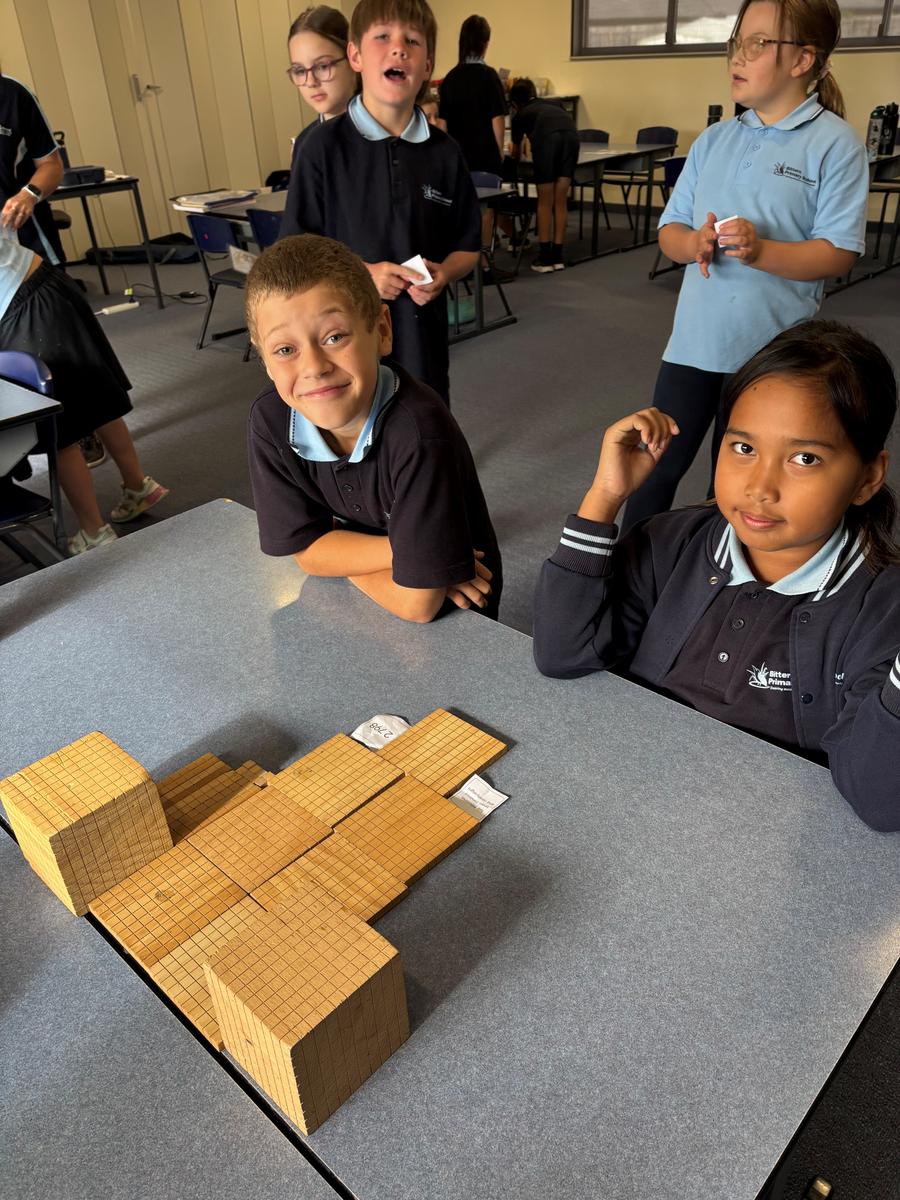
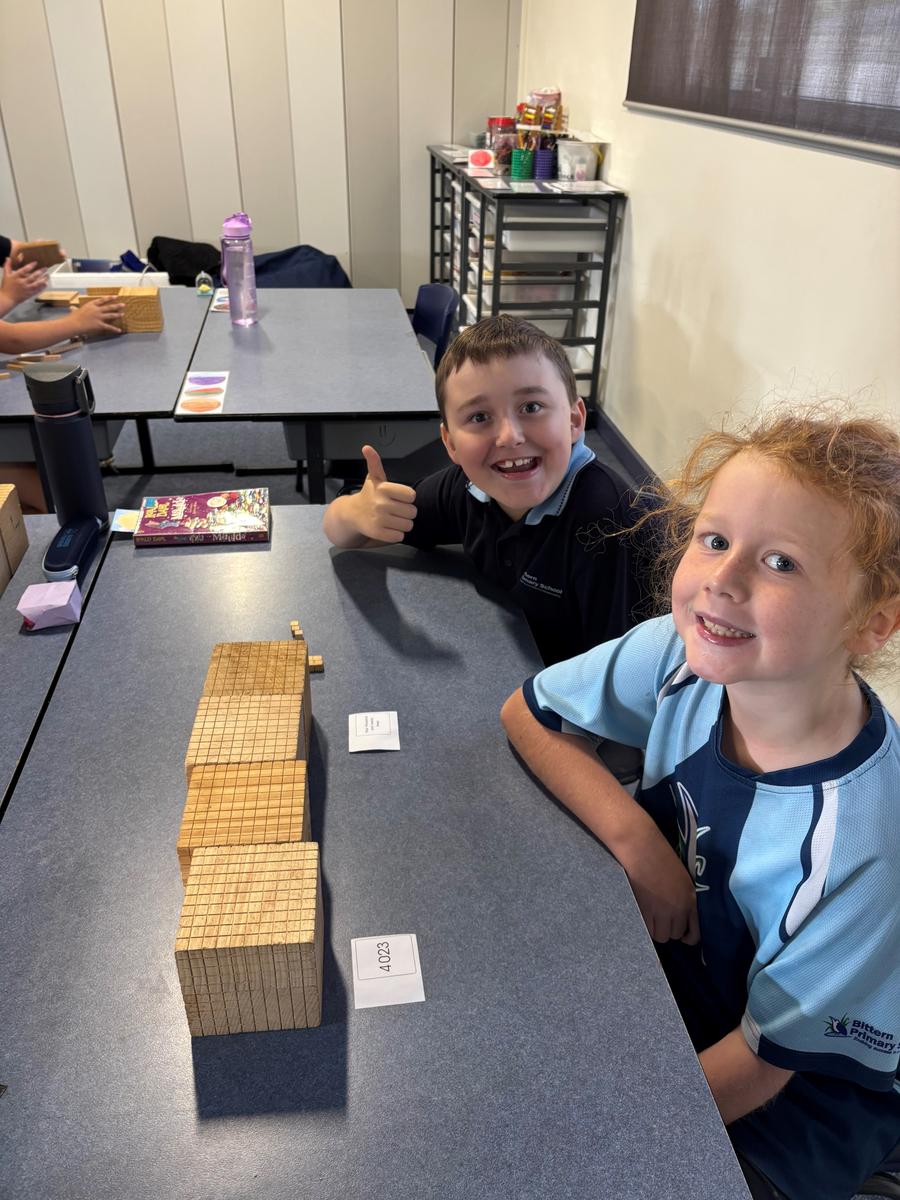
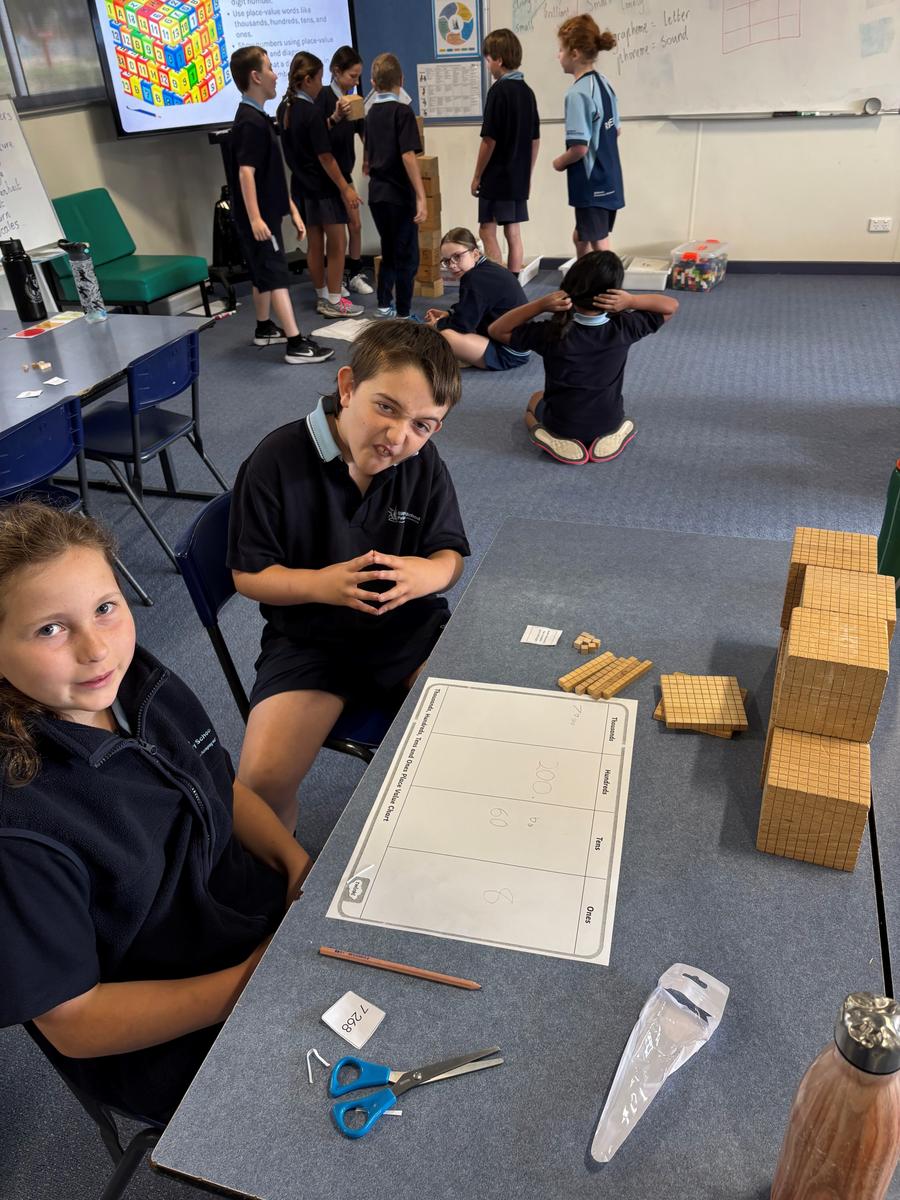
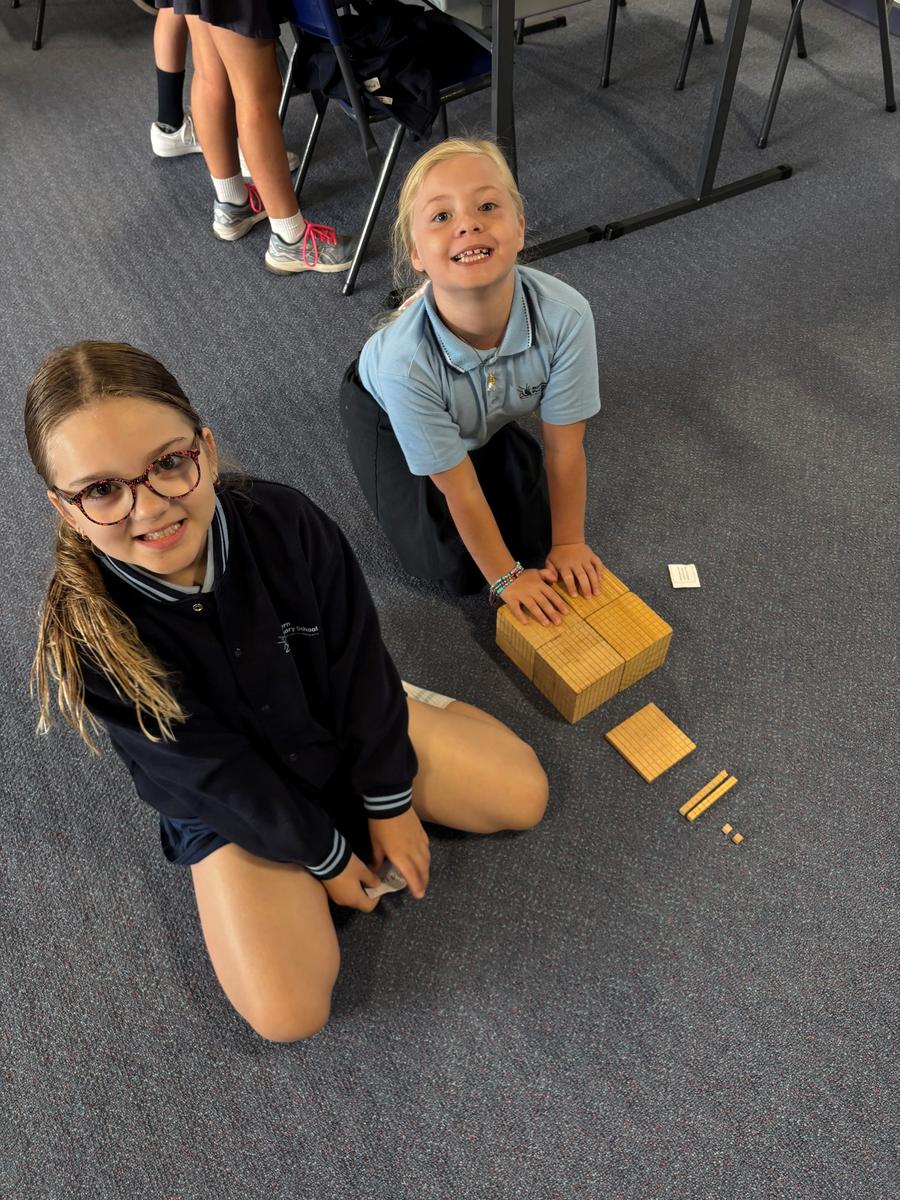
In Mathematics, our focus has been on place value. Students have been consolidating their understanding of odd and even numbers and explaining the patterns they notice within our number system. They have also been reading, writing and ordering numbers up to 10,000, with particular emphasis on recognising the value of each digit depending on its place (ones, tens, hundreds and thousands). Through hands-on activities, number lines and problem-solving tasks, students have been developing confidence in comparing and ordering large numbers and justifying their reasoning using mathematical language.
In Science, students have been investigating heat energy, with a particular focus on conduction. We explored how heat transfers through solids and examined everyday examples, such as how a metal spoon becomes hot when left in a hot cup of water. Students conducted simple investigations and discussed which materials are good conductors and which are insulators. These discussions have helped build their understanding of how heat energy moves and how this knowledge applies to real-world situations.
It has been a busy and productive few weeks in Year 3/4. The students continue to demonstrate curiosity, resilience and enthusiasm in their learning, and we look forward to building on these strong foundations in the weeks ahead.
NAPLAN
Our Year 3 students are continuing to prepare for NAPLAN, with practice tests being conducted across the remainder of this week. These sessions are designed to help students become familiar with the test format, question types and online platform, while also building confidence and reducing anxiety. The official NAPLAN testing period will commence on 11 March and conclude on 23 March. If you have any questions or would like any aspect of the NAPLAN process clarified, please do not hesitate to speak with Mr Durrington or Mrs Herbert.
Take Home Books
Take-home book borrowing has now commenced for the year. Students are welcome to borrow and exchange their books on any day that suits them; however, Mr Durrington will be stamping Reading Log books each Monday. We strongly encourage families to prioritise regular home reading, as it plays a vital role in supporting your child’s overall learning. Consistent reading at home strengthens comprehension, vocabulary development and fluency, while also building concentration and confidence across all areas of the curriculum. Beyond academic benefits, reading can promote relaxation, imagination and a sense of achievement, contributing positively to students’ overall wellbeing. Thank you for your continued support in fostering positive reading habits at home.